
Nutrition comparison
Sapodilla vs Mango: Nutrition, Sugar, and Health Comparison
Compare Sapodilla vs Mango for calories, vitamins, and blood sugar impact. Find out which tropical fruit is better for weight loss, diabetes, and daily snacking.
Overall winner · Mango
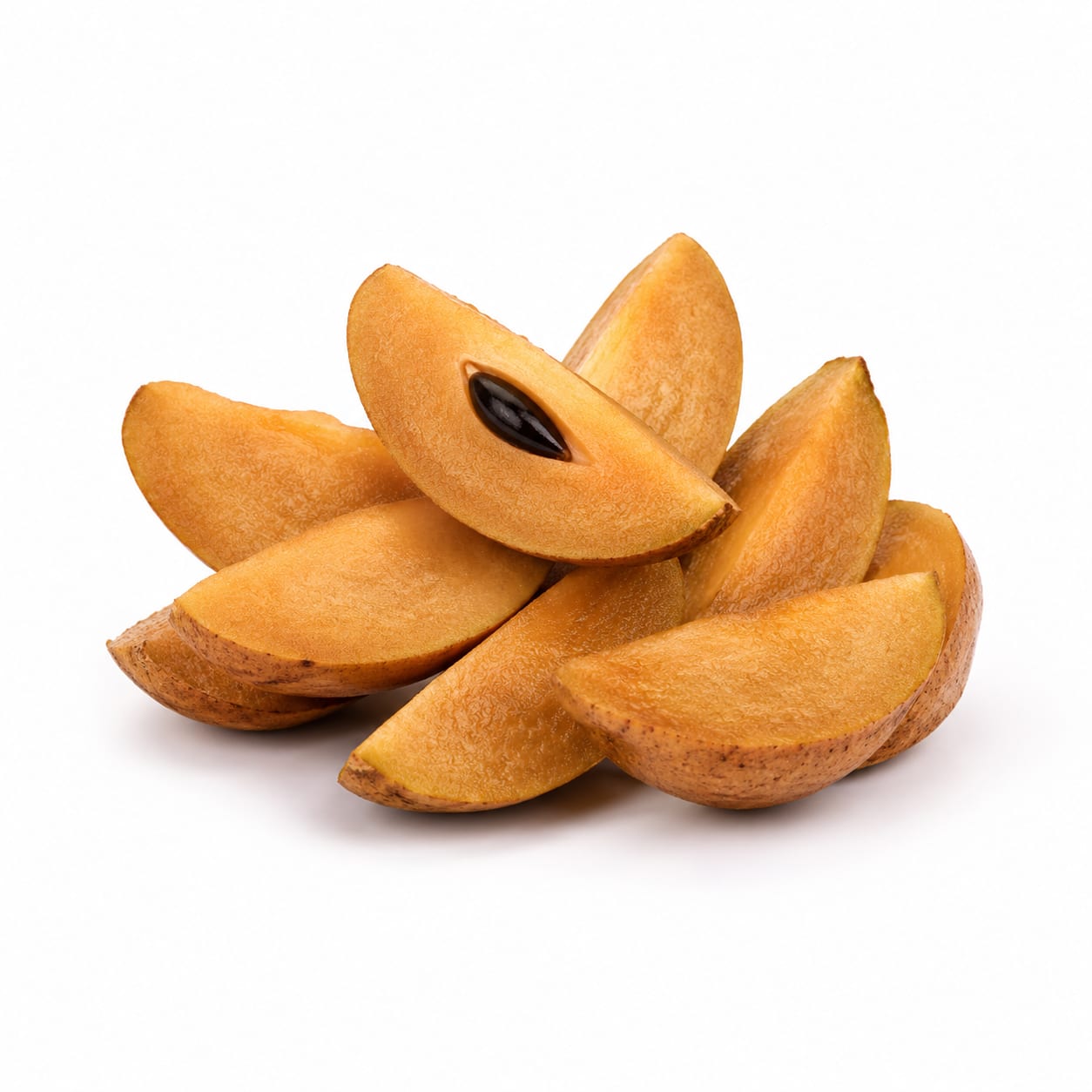
Sapodilla
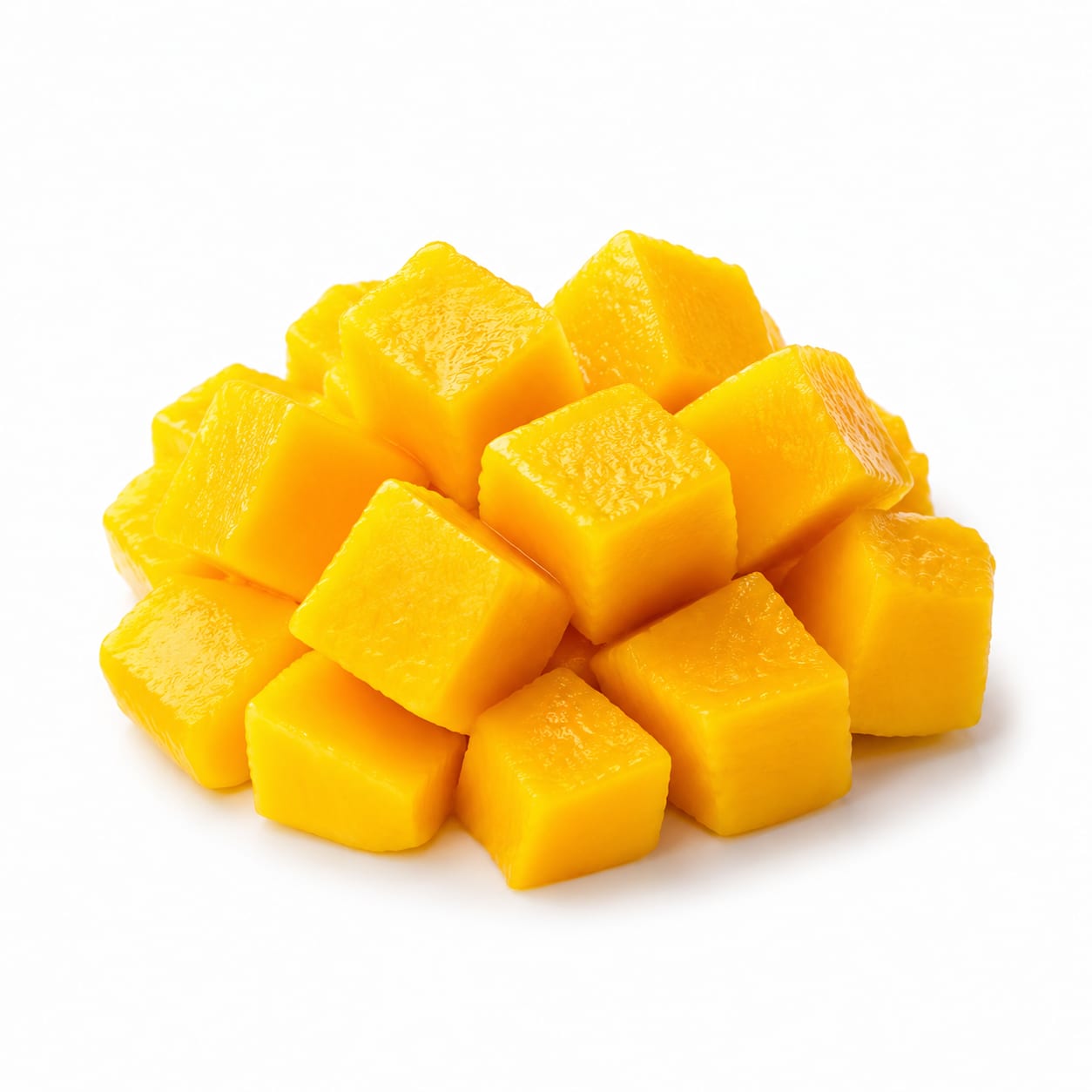
Mango
Mango is the more versatile daily fruit with superior vitamins and easier blood sugar management, while Sapodilla is a denser, more filling treat best enjoyed in moderation.
Mango scores higher due to its exceptional micronutrient profile and broader suitability for daily consumption. Sapodilla is nutritious but its high sugar and calorie density limit its everyday versatility.
You trade lower calories and higher vitamins in Mango for the richer, more satiating energy density of Sapodilla.
At a glance
Executive summary
Overall
Mango
Healthier
Mango
More practical
Mango
Daily use
Mango
Key comparison lenses
Blood sugar impact and diabetes suitability
Both are sweet tropical fruits with significant carbohydrate content, making glycemic load a primary concern for many consumers.
Weight management and calorie control
Sapodilla is significantly more calorie-dense than Mango, creating a clear tradeoff for those monitoring intake.
Micronutrient density and immune support
Mango offers far more vitamin A and vitamin C, making it a stronger choice for immunity and skin health.
Satiety and energy density
Sapodilla provides dense, filling energy which can be an advantage or a drawback depending on the user's goals.
Best choice for
Sapodilla
- People trying to gain healthy weight
- Hikers or athletes needing dense, portable energy
- Those wanting a very filling, sweet dessert alternative
Mango
- People managing blood sugar or calorie intake
- Anyone boosting immune function or skin health
- Those preferring a lighter, refreshing daily snack
Least suitable for
Sapodilla
- People with diabetes or insulin resistance
- Those on a strict low-calorie diet
- Anyone prone to overeating sweet foods
Mango
- Those needing high calorie intake for weight gain
- People severely allergic to urushiol (poison ivy family)
Deep comparison
Dimension by dimension
Each lens scores both foods and breaks down who each option suits.
- Dimension 1 · Priority 92Mango
Blood Sugar Stability
Sapodilla · 45Mango · 70Mango has a lower glycemic index and less sugar per serving, making it gentler on blood sugar.
Tradeoff
Sapodilla delivers a faster, denser energy hit but risks a sharper blood sugar spike and subsequent crash.
Why it matters
Steady blood sugar means fewer afternoon energy crashes and better hunger control throughout the day.
Real-world impact
Eating Mango as a mid-morning snack feels light and keeps you steady until lunch. Sapodilla might leave you reaching for more food an hour later.
Sapodilla
- Quick pre-workout energy
Better for
- Insulin resistance
- Fasting routines
Worse for
Mango
- Diabetes management
- Sustained afternoon energy
Better for
- Immediate recovery from hypoglycemia
Worse for
- Dimension 2 · Priority 85Mango
Micronutrient Density
Sapodilla · 55Mango · 92Mango is a powerhouse of vitamin C and vitamin A, far outpacing Sapodilla in immune-boosting nutrients.
Tradeoff
Sapodilla offers more iron and copper, but Mango covers a wider range of everyday nutritional needs.
Why it matters
Vitamin C aids iron absorption and skin repair, while vitamin A protects vision and immune function.
Real-world impact
Regular Mango consumption visibly supports skin glow and helps fend off seasonal colds better than Sapodilla.
Sapodilla
- Supporting red blood cell production
Better for
- Relying on it for vitamin C
Worse for
Mango
- Immune system support
- Skin health and collagen production
- Eye health
Better for
- Treating iron deficiency
Worse for
- Dimension 3 · Priority 88Mango
Calorie Density and Weight Management
Sapodilla · 40Mango · 78Mango allows for a larger portion size with fewer calories, making it far easier to manage waistline goals.
Tradeoff
Sapodilla is much more filling per piece, but packs nearly double the calories per serving.
Why it matters
Volume eating helps you feel full without overconsuming calories, which is crucial for sustainable weight loss.
Real-world impact
You can eat a full cup of Mango for roughly 100 calories. The same amount of Sapodilla approaches 200 calories.
Sapodilla
- Bulking up calorie intake safely
- Long wilderness treks needing compact energy
Better for
- Late-night snacking
- Cutting weight
Worse for
Mango
- Calorie counting
- Volume eating for fullness
Better for
- Struggling to keep weight on
Worse for
- Dimension 4 · Priority 80Sapodilla
Satiety and Energy Density
Sapodilla · 85Mango · 60Sapodilla is incredibly filling and provides dense, lasting energy due to its high carbohydrate and fiber content.
Tradeoff
While it keeps you full longer, that fullness comes with a heavy calorie load.
Why it matters
A truly satisfying snack prevents constant grazing, but only if the calorie cost fits your daily budget.
Real-world impact
One or two Sapodillas can replace a small meal and keep hunger at bay for hours, whereas Mango feels more like a light refreshment.
Sapodilla
- Replacing a meal when busy
- Sustained energy for manual labor
Better for
- Appetite control on a cut
Worse for
Mango
- Light post-dinner dessert
- Eating between close meals
Better for
- Recovering from intense caloric deficits
Worse for
- Dimension 5 · Priority 75It depends
Antioxidant Diversity
Sapodilla · 78Mango · 80Mango offers unique antioxidants like mangiferin, while Sapodilla provides potent tannins and polyphenols.
Tradeoff
Both protect cells differently; Mango leans anti-inflammatory, while Sapodilla leans astringent and gut-protective.
Why it matters
Diverse antioxidants combat different types of cellular stress and aging.
Real-world impact
Mixing both fruits occasionally gives your body a broader defense wall against oxidative stress than sticking to just one.
Sapodilla
- Gut lining protection
- Anti-diarrheal benefits
Better for
- Acute inflammatory conditions
Worse for
Mango
- Systemic anti-inflammatory effects
- Brain health protection
Better for
- Acute loose stools
Worse for
Timeline
Health impact over time
Short-term
Hours to days
Sapodilla
- Rapid energy boost from high natural sugars
- Immediate feeling of fullness and satisfaction
- Unripe fruit can cause mouth dryness and astringency
Mango
- Quick hydration and refreshing feeling
- Vitamin C provides an immediate immune lift
- Excessive consumption can cause loose stools due to fiber and sorbitol
Long-term
Months to years
Sapodilla
- Consistent overconsumption may contribute to weight gain
- Tannins support gut lining integrity
- High sugar load can worsen insulin resistance if not portioned
Mango
- Improved skin elasticity and vision from vitamins A and C
- Better long-term blood sugar regulation compared to denser fruits
- Mangiferin may offer sustained anti-inflammatory benefits
Risk profile
Safety & processing
Both Sapodilla and Mango are whole, raw fruits with no artificial additives when eaten fresh, making them equally clean choices.
Sapodilla
Choking hazard from seeds
highEach Sapodilla contains hard, black seeds with a sharp hook that can lodge in the throat if not removed before eating.
Unripe fruit astringency
mediumEating unripe Sapodilla causes extreme mouth dryness due to high tannin levels and can irritate the throat.
Mango
Skin dermatitis from urushiol
mediumMango skin contains urushiol, the same oil as poison ivy. Peeling with bare hands can cause a rash in sensitive individuals.
High fructose load
lowWhile safe for most, the fructose content can trigger IBS symptoms in highly sensitive individuals.
Who wins for whom
Audience fit
Same foods, different winners depending on your goal.
children
MangoMango is safer for kids due to the absence of hazardous hooked seeds and its softer, easier-to-digest flesh.
daily consumption
MangoMango is lighter, lower in calories, and harder to overeat, making it a more sustainable everyday staple.
diabetes
MangoMango has a lower glycemic index and more fiber relative to its sugar content, causing gentler blood sugar shifts.
elderly
MangoMango is gentler on the digestive system, easier to chew, and provides crucial folate and vitamin A for aging bodies.
muscle gain
SapodillaSapodilla offers denser carbohydrates and more calories per serving, helping meet the high energy demands of building muscle.
weight loss
MangoMango provides more volume and nutrients for fewer calories, making it far easier to fit into a calorie deficit.
Your move
Decision guide
Choose Sapodilla
- You are trying to gain weight or increase calorie intake healthily
- You need a dense, satisfying snack for long hikes or physical labor
- You want a rich, dessert-like fruit to satisfy a sweet tooth without processed junk
Choose Mango
- You want a daily fruit that supports weight management
- You are monitoring your blood sugar or have prediabetes
- You want to boost your vitamin A and C intake for skin and immunity
Either works if
- You just want a nutritious, whole-food tropical fruit treat
- You are rotating fruits to diversify your antioxidant intake
Avoid both if
- You are on a strict very low-carb or ketogenic diet
- You have a severe fructose intolerance or malabsorption issue
Final recommendation
Make Mango your everyday tropical fruit for its lighter calorie profile and vitamin density. Save Sapodilla for times when you need serious energy or a rich, filling dessert alternative—just mind the seeds and portion sizes.
Practical
Consumer tips
- 1
Always cut Sapodilla open and scoop out the hard black seeds before eating to avoid choking.
- 2
Wear gloves or use a tool to peel Mango if you have sensitive skin, as the sap can cause a poison ivy-like rash.
- 3
Pick Sapodillas that yield slightly to pressure; hard ones are unripe and will severely dry out your mouth.
- 4
Freeze Mango chunks for a refreshing, low-calorie summer snack that takes a long time to eat.
- 5
Pair either fruit with a protein source like Greek yogurt to blunt the blood sugar spike and stay full longer.