
Preserved Animal Product
Salted Duck Egg
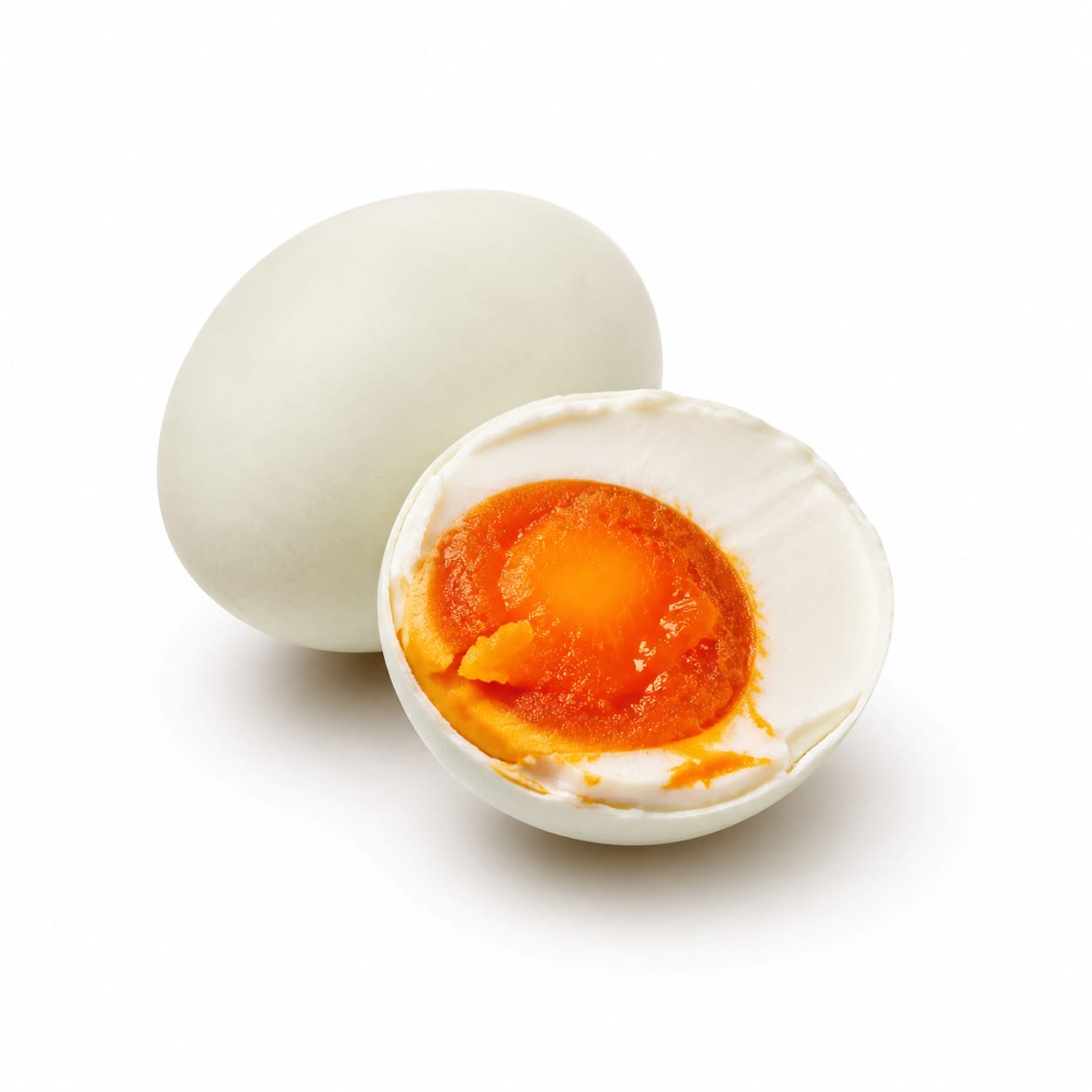
A duck egg preserved in salt or brine, known for its intensely salty white and rich, creamy yolk.
A preserved food product made by soaking duck eggs in brine or packing them in damp salted charcoal, resulting in a firm white and a rich, bright orange yolk.
high-fat high-sodium preserved egg
Typical serving · 50g
Common varieties · brine-cured, clay-paste cured, vacuum-packed pre-cooked, salted yolk only
Overall context score across nutrition, safety, and diet fit
At a glance
Quick facts
Simple indicators based on nutrition, processing, and diet fit.
The story
What makes it unique
Salted duck eggs are high in fat and protein with virtually zero carbohydrates. The salting process denatures proteins and draws water out of the yolk, causing lipids to coalesce and creating a dense, oily texture. Digestion is slow due to the high fat content, providing prolonged satiety, but the extreme sodium concentration heavily impacts fluid balance.
Varieties: brine-cured · clay-paste cured · vacuum-packed pre-cooked · salted yolk only
Per 100g
Nutrition breakdown
Macro balance and key metrics at a glance.
Energy
Density 1.82 kcal/g
Protein
Carbs
Fat
Fiber
Sugar
0.5 g
Sodium
2500 mg
Potassium
130 mg
Glycemic index
0
Glycemic load
0
Water content
65%
Standout compounds
Nutrient highlights
Sodium
highElectrolyte balance and nerve function
Vitamin A
highSupports vision and immune function
Vitamin B12
highCrucial for red blood cell formation and neurological function
Choline
highEssential for brain health and cell membrane structure
Selenium
moderateActs as an antioxidant and supports thyroid function
Wellness map
Health scores & processing
NOVA processing scale
High · Whole food
Traditional preservation uses only salt and clay, but the process drastically alters the natural sodium content and moisture matrix of the egg.
Diet compatibility
- Weight loss
- Muscle gain
- Diabetes
- Gut health
- Low carb
- High protein
- Heart health
Relative standing
Food rankings
Qualitative ranks compared to similar whole foods.
- Satietygood
- Blood sugarexcellent
- Nutrient densitymoderate
- Fitness fuelpoor
- Processing qualitypoor
Eat with confidence
Food safety profile
The high salt concentration inhibits most bacterial growth, making the finished product shelf-stable. However, improper curing or unsanitary handling of raw eggs before curing poses a Salmonella risk.
Evidence confidence 85%
- Pesticideslow
- Antibioticsmoderate
- Heavy metalsmoderate
- Contaminationlow
Watch for
- salmonella
- lead
- artificial colorants
Safer choices
Look for vacuum-sealed pre-cooked varieties from reputable brands with strict quality control to avoid artificial dyes and heavy metals.
Prep tips
Always cook before eating if using raw salted duck eggs; boil or steam for at least 15 minutes to ensure pathogen destruction.
Some commercial producers use artificial dyes to enhance yolk color, and environmental heavy metal contamination in aquatic duck farming can occur.
Deep dive
Health analysis
How this food may fit different goals and preparation choices.
Weight loss
High sodium causes water retention, masking fat loss on the scale. Calorie density is high, limiting portion sizes for volume eaters.
Blood sugar
Contains virtually zero carbohydrates, resulting in no glycemic spike and making it blood-sugar friendly.
Fitness & energy
Provides sustained energy from fats and protein, but high sodium can impair hydration and cause bloating during exercise.
Gut health
Lacks dietary fiber. Excessive salt intake can negatively alter gut microbiome composition and reduce beneficial short-chain fatty acid production.
Processing quality
Traditional curing relies on natural osmosis, but commercial versions may include artificial colorants and preservatives.
Food safety
Salt inhibits spoilage bacteria, but raw duck eggs must be properly cooked post-curing to eliminate Salmonella risks.
Common mistakes
Eating the entire egg including the white, which is overwhelmingly salty, rather than using just the rich yolk as a flavor enhancer.
Best preparation
Steamed or boiled, then mashed into congee, stir-fries, or used as a savory pastry filling.
Practical guide
Best use cases
When and how this food fits real eating patterns.
Flavor enhancer in small amounts
Mashing the cooked yolk into dishes like fried rice or stir-fries provides a rich umami flavor without needing additional salt.
Low-carb high-fat snack
A boiled salted duck egg offers a quick, zero-carb energy boost for those on ketogenic diets, provided sodium limits are managed.
Traditional pastry filling
The yolk is prized in Asian pastries like mooncakes and lava buns for its creamy, dense texture and savory depth.
Balance sheet
Pros & cons
Upsides
- Zero carbohydrates with no glycemic impact
- Rich in fat-soluble vitamins A and D
- Highly shelf-stable without refrigeration
- Provides intense umami flavor in small quantities
- Good source of choline for brain health
Trade-offs
- Extreme sodium content harms cardiovascular health
- High cholesterol may concern at-risk individuals
- Can cause noticeable water retention and bloating
- Commercial versions may contain artificial dyes
- Overpowers other flavors if not portioned carefully
Fit check
Who is it for?
Great match
- low-carb and ketogenic diets
- flavor enhancement in cooking
- electrolyte replenishment for heavy sweaters
- traditional recipe authenticity
Consider alternatives
- hypertension and heart disease management
- daily breakfast staple
- weight loss diets sensitive to water retention
- sodium-restricted diets
Side by side
How it compares
Open the full head-to-head analysis for nutrition, safety, and practical tradeoffs.
This food
Salted Duck Egg
VS90% alike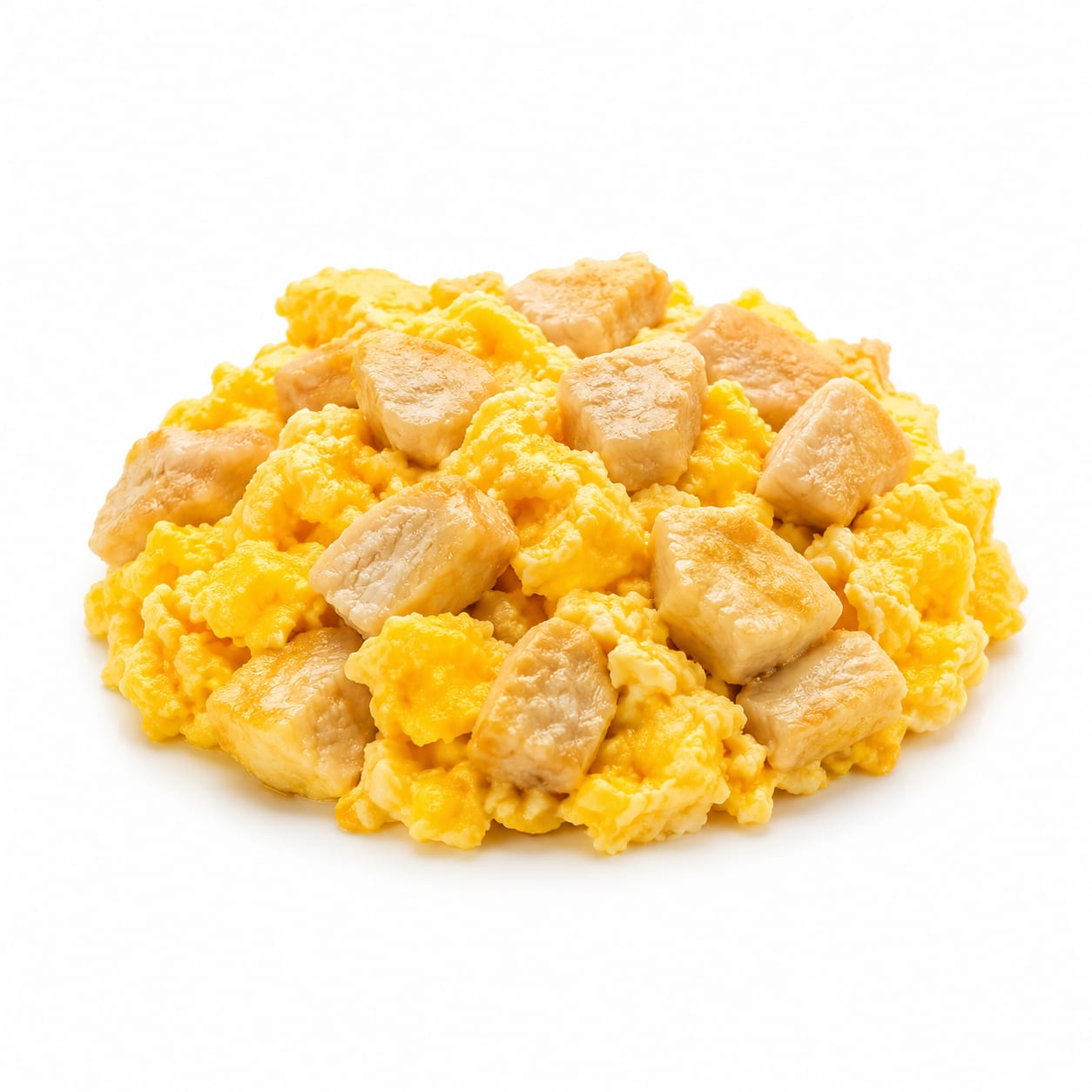
Compare with
Chicken Egg
Chicken eggs are far lower in sodium and more suitable for daily consumption, while salted duck eggs offer a richer yolk and umami flavor at the cost of extreme salt content.
Chicken eggs are much lower in sodium and better for daily eating, while salted duck eggs provide a richer, savory flavor but pack a massive salt hit.
This food
Salted Duck Egg
VS85% alike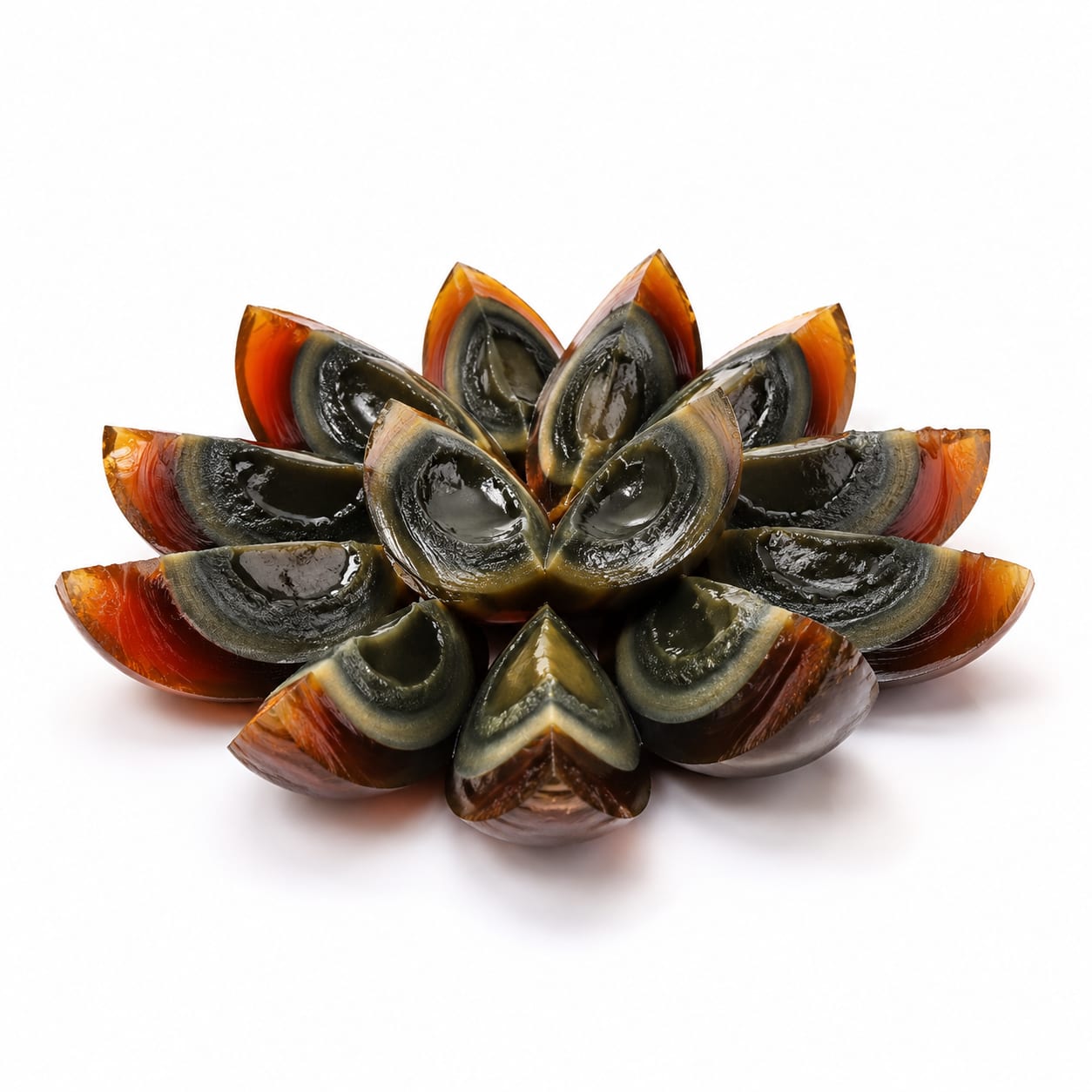
Compare with
Century Egg
Century eggs are preserved with alkali, giving them a lower sodium profile and gelatinous texture, whereas salted duck eggs are brined, making them much saltier with a dense, oily yolk.
Century eggs are lower in sodium and have a gelatinous texture, while salted duck eggs are far saltier with a rich, fatty yolk.
This food
Salted Duck Egg
VS75% alike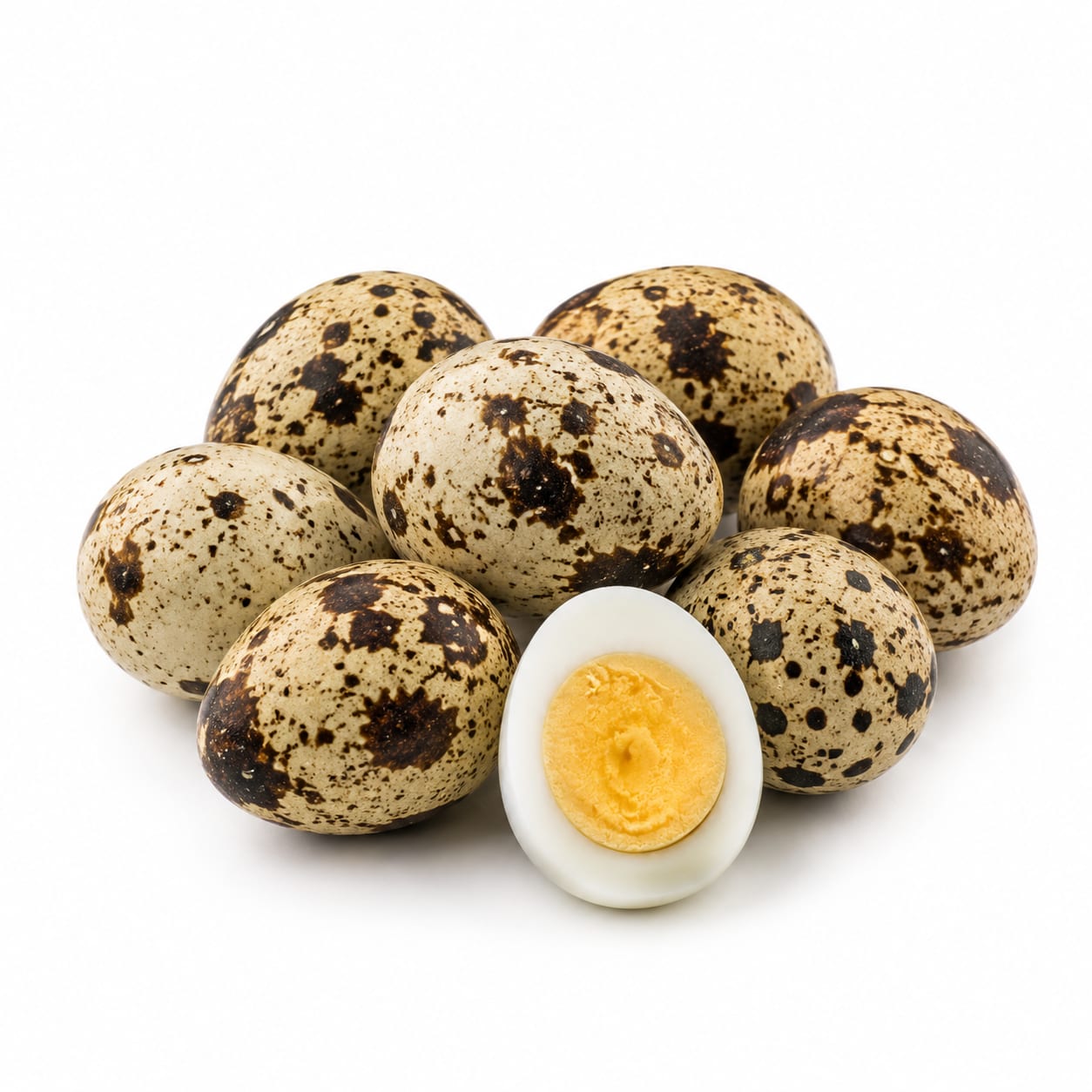
Compare with
Quail Egg
Quail eggs are tiny, mild, and low in sodium, eaten in multiples. Salted duck eggs are large, intensely flavored, and eaten in fractions due to saltiness.
Quail eggs are mild and low in sodium, ideal for snacking, whereas salted duck eggs are intensely salty and best used as a garnish.
This food
Salted Duck Egg
VS70% alike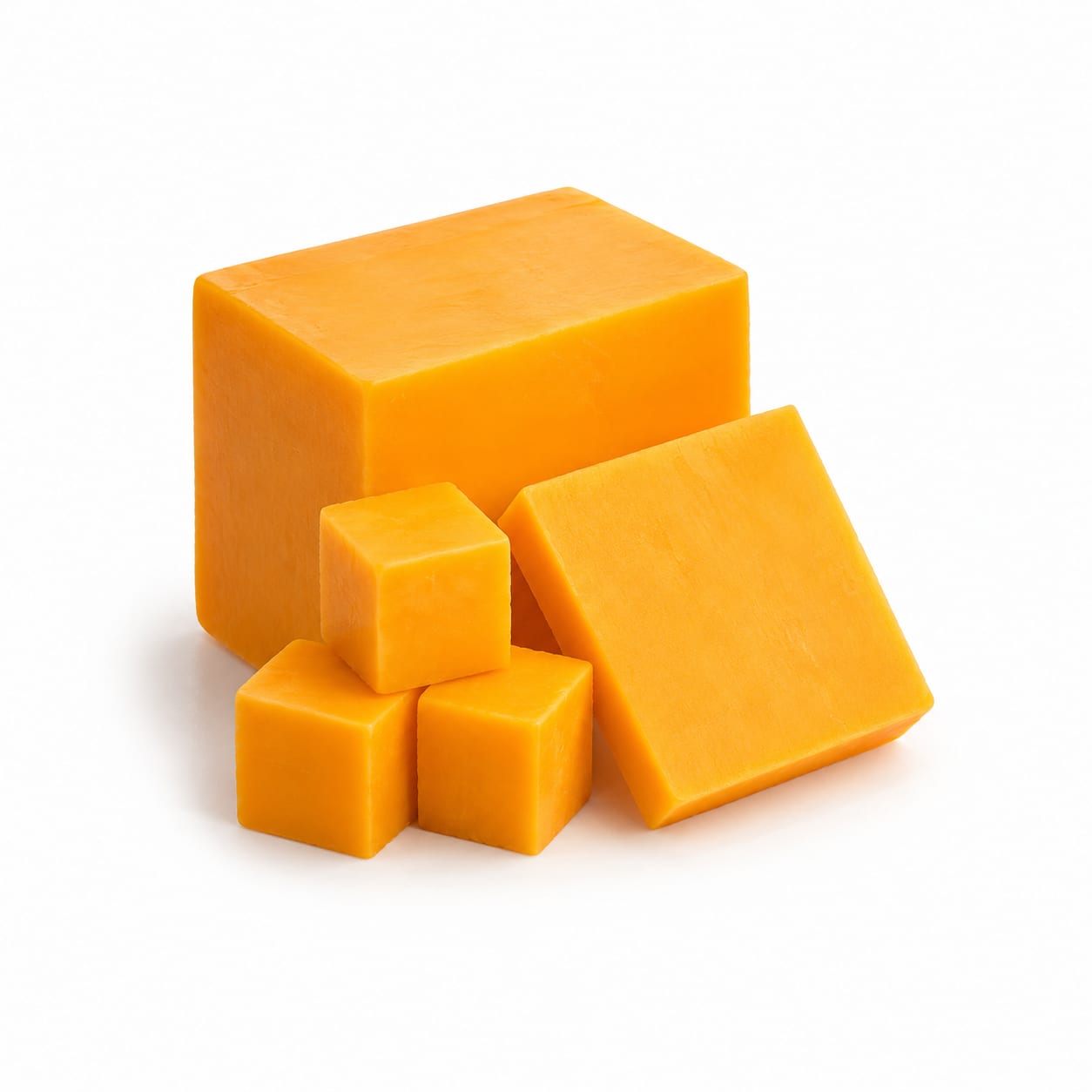
Compare with
Cheddar Cheese
Cheddar cheese offers calcium and a fermented profile, while salted duck egg provides more vitamin A and choline. Both are high in sodium and best used in moderation.
Cheddar cheese and salted duck egg are both high-fat, salty foods, but cheddar is generally lower in sodium and easier to incorporate into Western diets.
This food
Salted Duck Egg
VS65% alike
Compare with
Bacon
Bacon contains nitrates and more saturated fat from pork, while salted duck egg offers cleaner fats and more micronutrients, though both are sodium bombs.
Bacon and salted duck egg are both salty, fatty flavor enhancers, but salted duck egg provides more vitamins and fewer processed additives than bacon.
This food
Salted Duck Egg
VS60% alike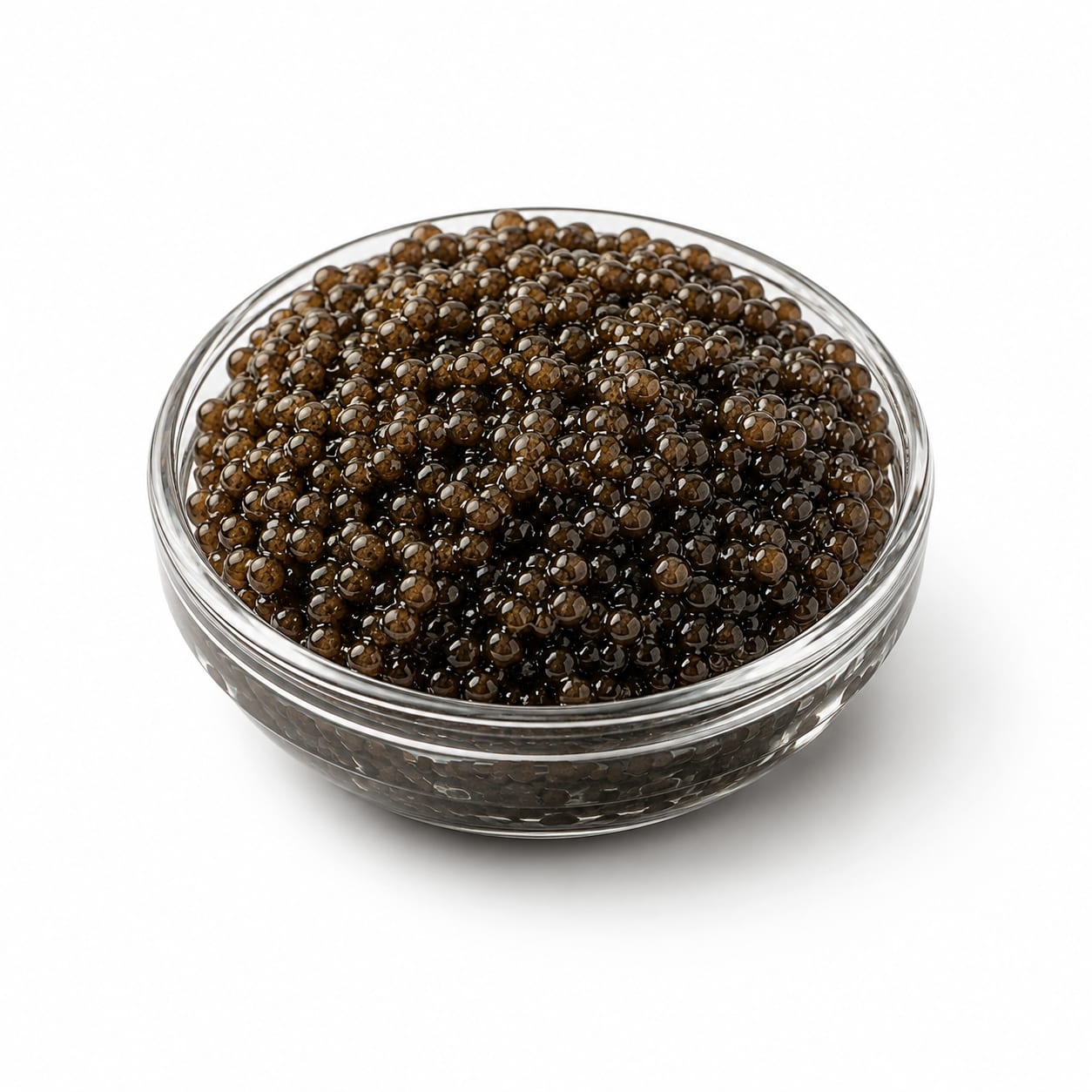
Compare with
Caviar
Caviar is lower in fat and higher in omega-3s, serving as an expensive garnish. Salted duck egg is a cheaper, accessible, high-fat alternative with a similar salty burst.
Caviar is a lower-fat, omega-3 rich luxury garnish, while salted duck egg is a more affordable, high-fat, and equally salty flavor booster.
This food
Salted Duck Egg
VS55% alike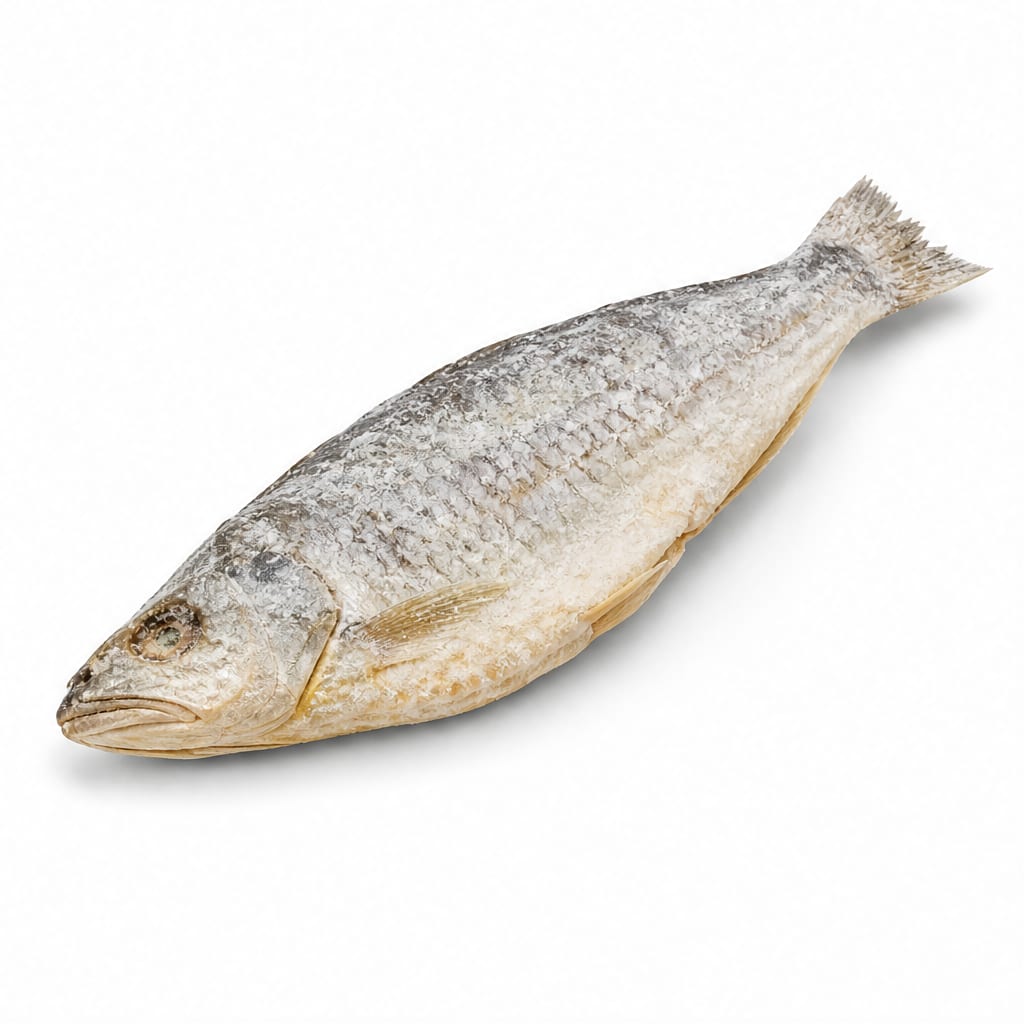
Compare with
Salted Fish
Salted fish provides more lean protein and omega-3s but shares the extreme sodium content. Both function primarily as umami flavor enhancers rather than standalone proteins.
Salted fish offers leaner protein and omega-3s compared to the high fat in salted duck egg, though both are extremely high in sodium.
This food
Salted Duck Egg
VS50% alike
Compare with
Ostrich Egg
An ostrich egg is the equivalent of two dozen chicken eggs, low in sodium and high in protein. A salted duck egg is a single serving, intensely cured, and high in fat.
An ostrich egg is a massive, low-sodium protein source, whereas a salted duck egg is a small, high-fat, high-sodium flavor ingredient.
This food
Salted Duck Egg
VS30% alike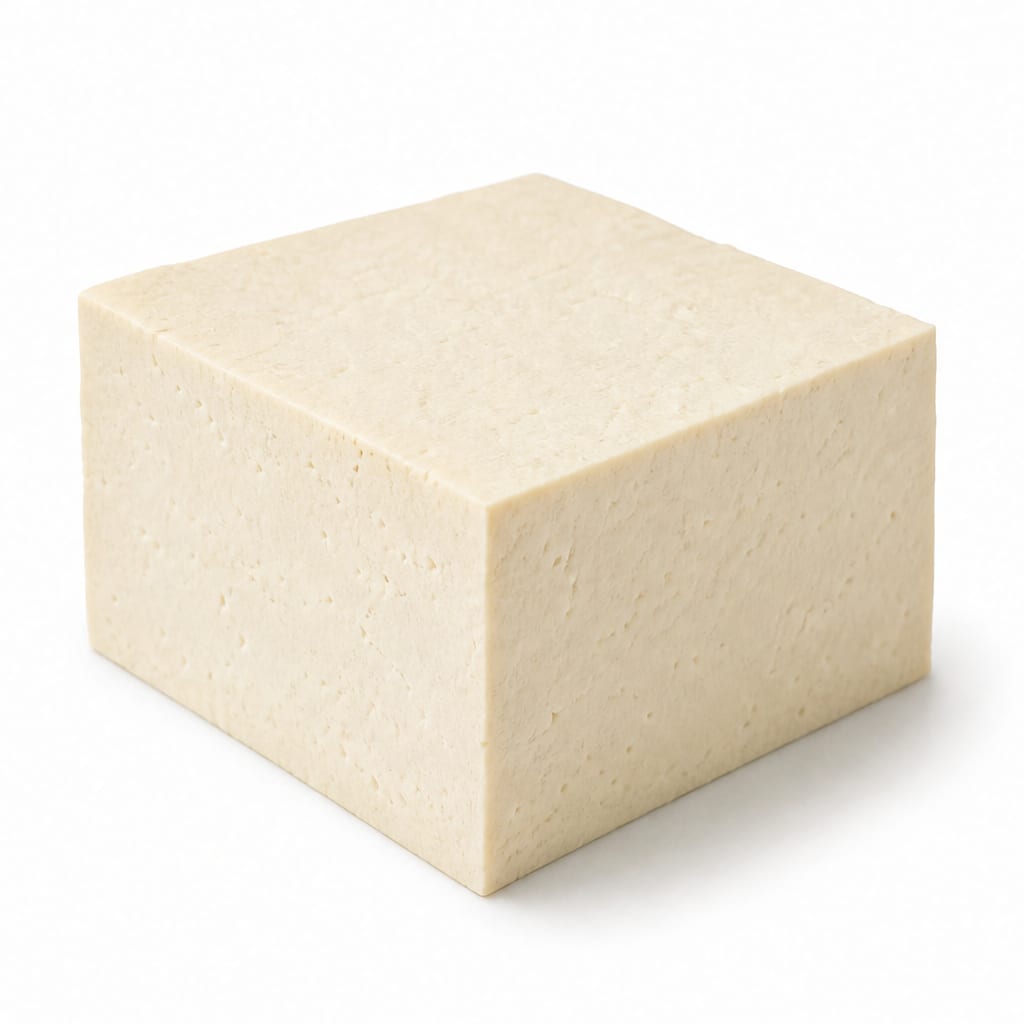
Compare with
Tofu
Tofu is a low-calorie, low-sodium, plant-based protein that supports heart health, while salted duck egg is a high-fat, high-sodium animal product that challenges cardiovascular health.
Tofu is a low-calorie, heart-healthy plant protein, while salted duck egg is a dense, salty, high-fat animal product best used sparingly.
This food
Salted Duck Egg
VS25% alike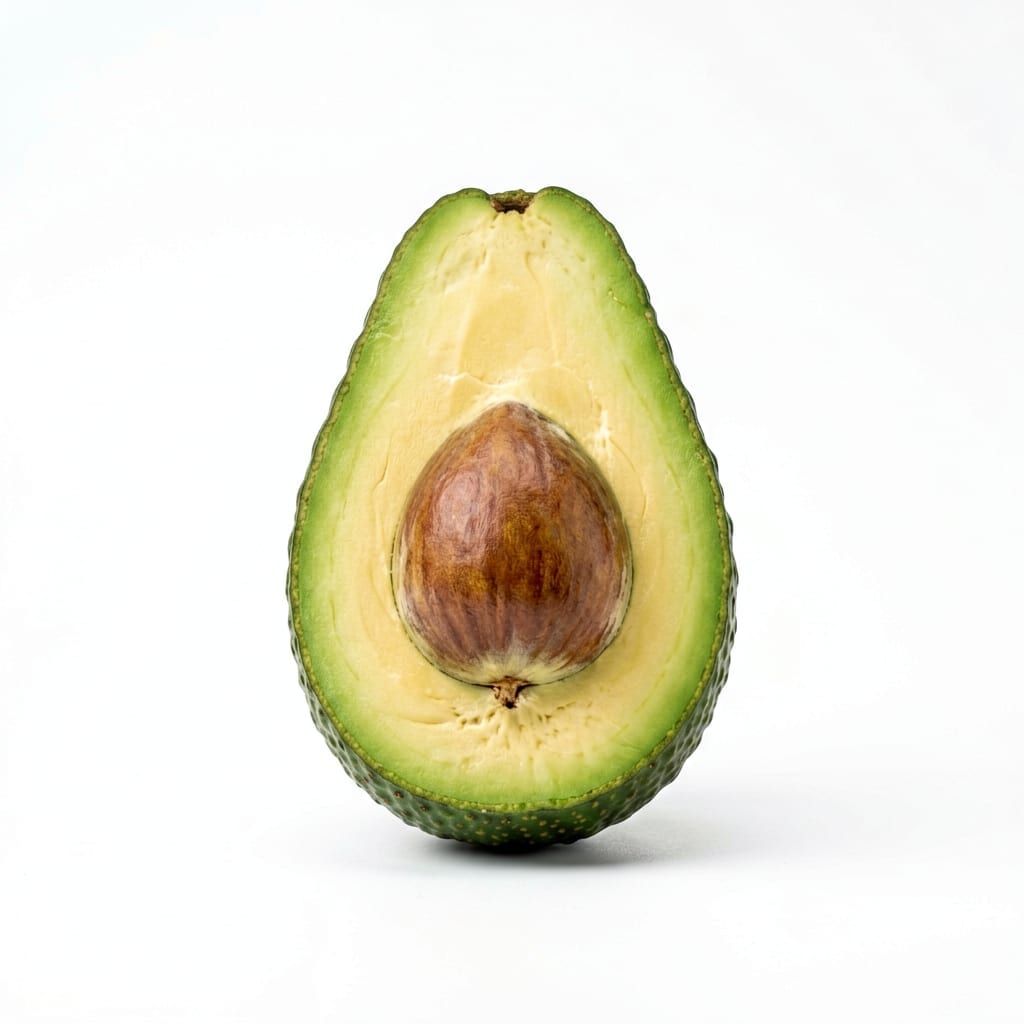
Compare with
Avocado
Avocado provides healthy monounsaturated fats and potassium with zero sodium. Salted duck egg offers saturated fats and extreme sodium, making avocado vastly superior for heart health.
Avocado provides heart-healthy fats and potassium with no sodium, making it a much healthier high-fat option than the extremely salty salted duck egg.
Common questions
FAQ
Answers aligned with how people search for this food.
Is salted duck egg keto-friendly?
Yes, salted duck egg is keto-friendly due to its high fat and zero carbohydrate content. However, the extreme sodium level means it should be eaten in moderation.
Can you eat salted duck egg raw?
No, raw salted duck eggs should not be eaten directly. Even though they are cured, they must be boiled or steamed for at least 15 minutes to kill potential Salmonella bacteria.
Why is salted duck egg so salty?
The saltiness comes from the curing process, where eggs are submerged in brine or packed in salted clay for weeks. The salt penetrates the shell via osmosis, preserving the egg and altering its texture.
Are salted duck eggs bad for high blood pressure?
Yes, they are generally bad for high blood pressure. A single egg can contain over 1200mg of sodium, which is more than half the daily recommended limit for adults.
Is the yolk or white saltier?
The egg white is significantly saltier than the yolk. Most of the salt remains in the white, while the yolk absorbs moisture and becomes rich and oily, making the yolk the preferred part for culinary use.
Can diabetics eat salted duck egg?
Diabetics can eat salted duck egg safely regarding blood sugar, as it contains almost zero carbohydrates. However, they should be cautious of the high sodium content, which can worsen hypertension often associated with diabetes.
How is salted duck egg made?
It is made by submerging fresh duck eggs in a saturated salt brine or coating them in a paste of salt, clay, and water for 30 to 40 days at room temperature.
Transparency
Data confidence
Estimated confidence for nutrition data, interpretation, safety notes, and comparisons.
Nutrition data
Health analysis
Food safety
Comparisons