
Nutrition comparison
Salted Duck Egg vs Caviar: Nutrition, Omega-3, Sodium, and Which Is Worth It
Compare salted duck egg and caviar on omega-3 content, sodium levels, cost, and real-world nutrition. Find out which luxury or everyday food is actually better for your health goals.
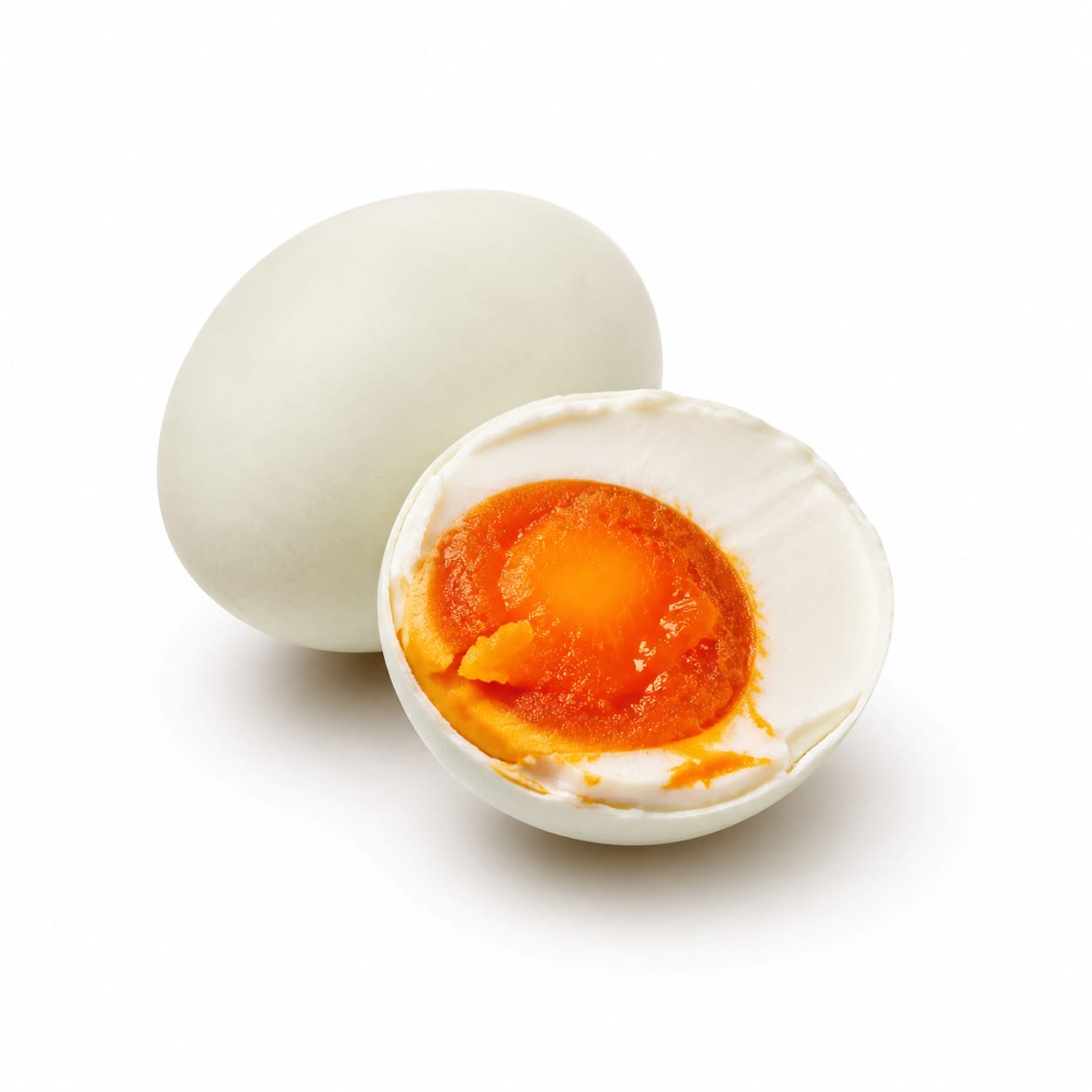
Salted Duck Egg
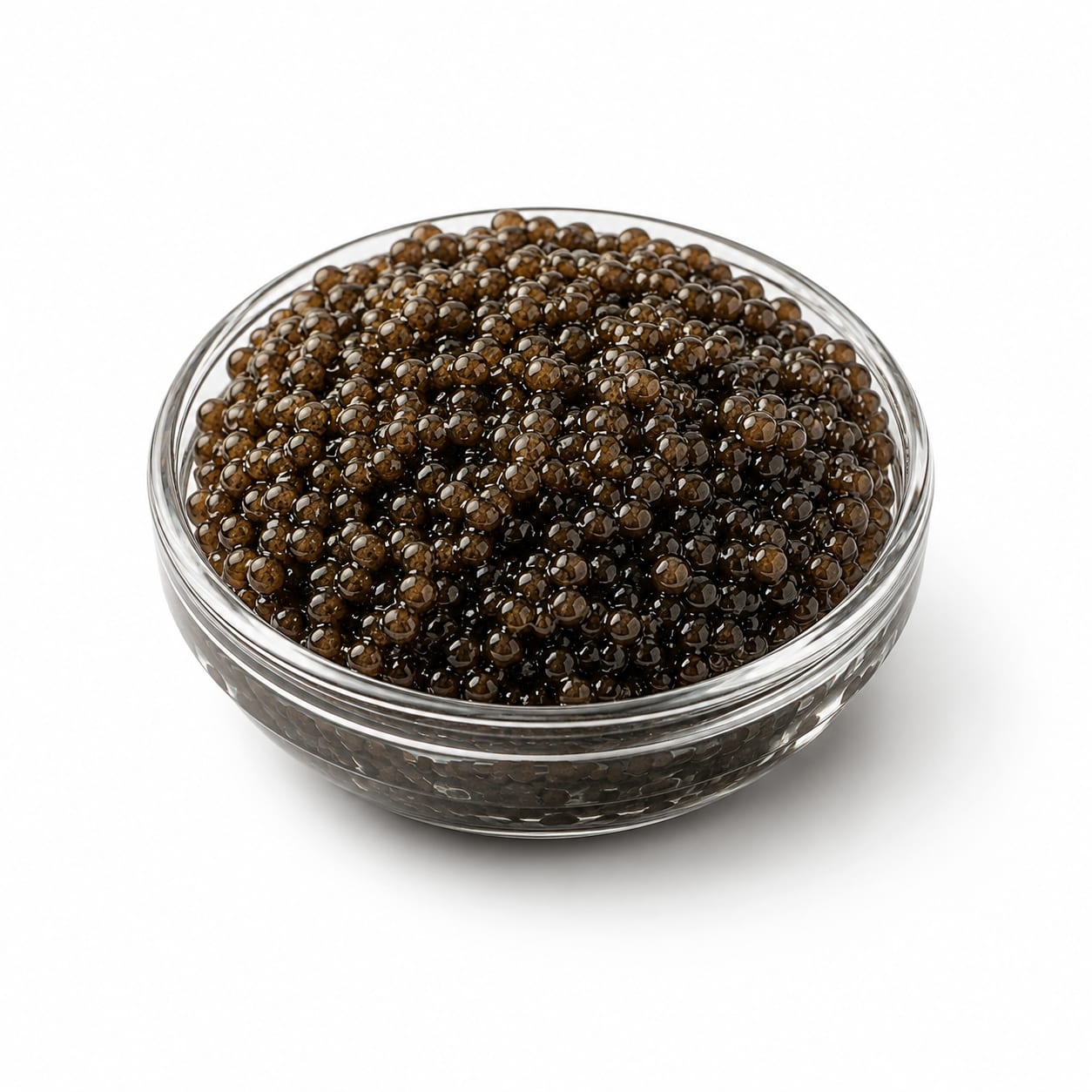
Caviar
Caviar delivers superior omega-3s and micronutrients but at luxury pricing and with sustainability concerns. Salted duck egg offers surprisingly solid nutrition at a fraction of the cost, but both share a major sodium problem.
Caviar scores higher for nutrient density and omega-3 content, but salted duck egg stays competitive due to accessibility and practical everyday use. Both lose significant points for sodium load.
Premium brain-healthy fats and prestige versus affordable everyday nutrition, with sodium being the shared dealbreaker if overconsumed.
At a glance
Executive summary
Overall
It depends
Healthier
Caviar
More practical
Salted Duck Egg
Daily use
Salted Duck Egg
Key comparison lenses
sodium and heart health
Both foods are heavily salted, making sodium load the single biggest health concern for most users
omega 3 and brain nutrition
Caviar is renowned for omega-3 content while salted duck egg offers different fat profiles, creating a meaningful nutritional tradeoff
cost and everyday accessibility
Caviar is one of the most expensive foods globally while salted duck egg is a budget-friendly staple in many Asian households
contamination and safety
Both carry distinct safety risks: heavy metals in caviar and bacterial risks in traditionally cured duck eggs
luxury vs humble nutrition
Users often wonder if expensive foods are actually healthier, making this a psychologically relevant comparison
Best choice for
Salted Duck Egg
- Budget-conscious households wanting nutrient-dense protein
- Home cooks making congee or traditional Asian dishes
- People who want a satisfying, filling addition to simple meals
- Anyone seeking affordable fat-soluble vitamins
Caviar
- Those prioritizing omega-3 intake without fish oil supplements
- Special occasion dining where luxury matters
- People seeking B12 and DHA for cognitive health
- Anyone willing to invest in top-tier nutrient density per gram
Least suitable for
Salted Duck Egg
- People on strict low-sodium diets
- Those with hypertension or kidney disease
- Anyone avoiding cholesterol-heavy foods
- People unfamiliar with or put off by strong cured flavors
Caviar
- Anyone on a tight grocery budget
- Those concerned about overfishing and sustainability
- People with gout or uric acid concerns
- Anyone uncomfortable with raw or lightly preserved animal products
Deep comparison
Dimension by dimension
Each lens scores both foods and breaks down who each option suits.
- Dimension 1 · Priority 95It depends
sodium_and_heart_risk
Salted Duck Egg · 15Caviar · 20Both are sodium bombs. A single salted duck egg can deliver 600-900mg sodium, while a serving of caviar hits 400-700mg. Neither is heart-friendly in quantity.
Tradeoff
Caviar has slightly less sodium per typical serving, but both are foods you should portion strictly rather than enjoy freely.
Why it matters
Regular high sodium intake directly raises blood pressure and stroke risk. This is the shared weakness that prevents either food from being a daily staple.
Real-world impact
Eating either food alongside other salty items in a meal can easily push you past 2000mg sodium for the day without realizing it.
Salted Duck Egg
- Those who eat only half an egg and pair it with low-sodium congee
Better for
- Anyone who eats the whole egg with soy sauce at breakfast
Worse for
Caviar
- Those who use caviar as a tiny garnish rather than a main item
Better for
- Anyone treating caviar as a generous spread on crackers or blini
Worse for
- Dimension 2 · Priority 90Caviar
omega_3_and_healthy_fats
Salted Duck Egg · 35Caviar · 92Caviar is an exceptional source of DHA and EPA omega-3s. Salted duck egg contains mostly saturated and monounsaturated fats with minimal omega-3.
Tradeoff
You get meaningful brain and heart benefits from caviar's fat profile that salted duck egg simply cannot match.
Why it matters
DHA supports cognitive function, mood stability, and anti-inflammatory pathways. Most people do not get enough omega-3s.
Real-world impact
A small serving of caviar can meaningfully contribute to your weekly omega-3 targets, while salted duck egg contributes almost nothing toward that goal.
Salted Duck Egg
- People who already get omega-3s from other sources like salmon or sardines
Better for
- Those relying on it as a primary fat source expecting omega-3 benefits
Worse for
Caviar
- Anyone not eating fatty fish regularly
- Older adults wanting cognitive support
- People with inflammatory conditions
Better for
- People who assume the high price alone guarantees health benefits beyond the omega-3 content
Worse for
- Dimension 3 · Priority 82Caviar
micronutrient_density
Salted Duck Egg · 55Caviar · 85Caviar packs exceptional B12, selenium, iron, and vitamin D into tiny servings. Salted duck egg offers solid vitamin A, some B vitamins, and iron, but less impressively per gram.
Tradeoff
Caviar delivers more nutritional punch per bite, but salted duck egg still provides meaningful nutrition, especially vitamin A from the yolk.
Why it matters
B12 deficiency is common, especially in older adults and vegetarians transitioning back to animal foods. Vitamin D is widely insufficient globally.
Real-world impact
A single tablespoon of caviar covers over 200% of daily B12 needs. Salted duck egg covers roughly 30-40% of B12 per egg.
Salted Duck Egg
- Those wanting vitamin A support for eye health
- People who benefit from the broader nutrient spread of whole eggs
Better for
- Those expecting premium-level micronutrient concentration per calorie
Worse for
Caviar
- Anyone needing B12 replenishment
- Those seeking selenium for thyroid and immune support
- People with limited sun exposure wanting dietary vitamin D
Better for
- People who assume more is always better and overconsume, risking selenium excess
Worse for
- Dimension 4 · Priority 88Salted Duck Egg
cost_and_accessibility
Salted Duck Egg · 88Caviar · 12Salted duck egg costs roughly $1-3 per egg at Asian markets. Caviar ranges from $50 to over $300 per ounce depending on variety and quality.
Tradeoff
You can eat salted duck egg weekly without financial strain. Caviar is a rare indulgence for most households.
Why it matters
Nutrition only matters if you can actually access it regularly. The best food for you is one you can afford and sustain.
Real-world impact
A family can incorporate salted duck egg into regular meal rotation. Caviar is typically reserved for celebrations or restaurant dining.
Salted Duck Egg
- Weekly meal preppers on a budget
- Families wanting nutrient-dense food at staple prices
- Anyone building affordable high-protein meals
Better for
- People who associate low cost with low value and dismiss it nutritionally
Worse for
Caviar
- Special occasions where the experience matters as much as nutrition
- Those who can afford luxury foods without budget stress
Better for
- Anyone going into debt or stretching budgets for perceived health benefits
Worse for
- Dimension 5 · Priority 75Salted Duck Egg
protein_quality_and_satiety
Salted Duck Egg · 72Caviar · 65Salted duck egg provides about 6-7g complete protein per egg in a filling, satisfying package. Caviar offers high-quality protein but in such small typical servings that total protein contribution is minimal.
Tradeoff
Salted duck egg actually contributes more usable protein in a realistic serving. Caviar's protein is excellent quality but the portion size limits practical impact.
Why it matters
Protein intake matters for fullness, muscle maintenance, and metabolic health. Quality matters, but total amount in a real serving matters more.
Real-world impact
One salted duck egg with congee makes a genuinely filling breakfast. A typical caviar garnish adds flavor and nutrients but will not keep you full.
Salted Duck Egg
- Those wanting a protein-containing breakfast or snack that actually satisfies hunger
- Active people needing meaningful protein per meal
Better for
- People counting every gram of protein for bodybuilding who need higher totals
Worse for
Caviar
- Those who eat caviar alongside other protein sources in a full meal
Better for
- Anyone expecting caviar alone to contribute meaningfully to daily protein targets
Worse for
- Dimension 6 · Priority 70Salted Duck Egg
sustainability_and_ethics
Salted Duck Egg · 60Caviar · 35Salted duck egg production has moderate environmental impact from duck farming. Caviar faces severe overfishing concerns, with many sturgeon species endangered, though farmed options are improving.
Tradeoff
Choosing farmed caviar helps, but the industry still carries heavier ecological baggage than duck egg farming.
Why it matters
Long-term food choices affect not just personal health but planetary health. Sturgeon populations have been devastated by caviar demand.
Real-world impact
If sustainability matters to you, salted duck egg is the easier choice. If you choose caviar, farmed varieties from responsible producers are the only ethical option.
Salted Duck Egg
- Environmentally conscious eaters
- Those who want to avoid contributing to endangered species pressure
Better for
- Those concerned about industrial poultry farming conditions
Worse for
Caviar
- People who specifically seek out certified sustainable farmed caviar
Better for
- Anyone buying wild-caught sturgeon caviar without checking sourcing
Worse for
Timeline
Health impact over time
Short-term
Hours to days
Salted Duck Egg
- Noticeable thirst after eating due to high sodium content
- Satisfying fullness from the rich yolk and protein combination
- Possible bloating if you are sensitive to rich, fatty foods
Caviar
- Quick satiety from concentrated nutrients and fat
- Mild thirst from salt content, though less intense than salted duck egg
- Possible digestive adjustment if you are unaccustomed to raw preserved foods
Long-term
Months to years
Salted Duck Egg
- Elevated blood pressure risk if consumed frequently due to consistent high sodium intake
- Decent vitamin A and iron status from regular consumption
- Potential cardiovascular strain if not balanced with low-sodium foods throughout the day
Caviar
- Improved omega-3 status supporting brain and heart health with regular small servings
- Excellent B12 levels preventing deficiency-related fatigue and nerve issues
- Possible heavy metal accumulation if consuming large quantities of caviar from polluted waters
Risk profile
Safety & processing
Both are preserved through traditional salting and curing methods. Salted duck egg uses salt brine or salted clay coating. Caviar uses salt and sometimes borax as a preservative. Neither involves ultra-processing or artificial ingredients in traditional production, but both are far from fresh whole foods.
Salted Duck Egg
Salmonella from improperly cured duck eggs
mediumDuck eggs carry higher Salmonella risk than chicken eggs. Traditional curing may not eliminate bacteria if the brining process is inadequate.
Excessive sodium intake
highA single egg can contain nearly half the recommended daily sodium limit, making it risky for those with hypertension or kidney issues.
Caviar
Heavy metal contamination
mediumSturgeon are long-lived fish that can accumulate mercury and other heavy metals, particularly from polluted waters. Farmed caviar generally tests lower.
Listeria in unpasteurized caviar
mediumUnpasteurized caviar carries a Listeria risk, especially dangerous for pregnant women and immunocompromised individuals.
Borax preservative exposure
lowSome caviar producers use borax (sodium borate) as a preservative alongside salt. While regulated, long-term consumption of borax is not ideal.
Who wins for whom
Audience fit
Same foods, different winners depending on your goal.
children
Salted Duck EggSalted duck egg is a familiar food in many cultures and easier to incorporate into children's meals. Caviar's intense flavor and raw preservation make it unsuitable for most kids, plus the Listeria risk is concerning for young immune systems.
daily consumption
Salted Duck EggNeither should be eaten daily due to sodium, but salted duck egg is more realistic as an occasional daily item in traditional diets. Caviar's cost and intensity make daily consumption impractical for nearly everyone.
diabetes
CaviarCaviar has virtually zero carbohydrates and provides omega-3s that improve insulin sensitivity. Salted duck egg also has minimal carbs but the higher sodium worsens hypertension risk common in diabetics.
elderly
CaviarCaviar's B12, DHA, and vitamin D directly support concerns common in aging: cognitive decline, bone health, and nutrient absorption issues. The sodium in both is a concern, but caviar's benefits outweigh risks in small portions.
muscle gain
Salted Duck EggSalted duck egg provides more total protein in a realistic serving and contributes to actual meal satiety, which supports consistent eating needed for muscle gain.
weight loss
It dependsNeither is ideal for weight loss. Salted duck egg is more filling per calorie but high in fat. Caviar is lower in calories per serving but the serving is tiny and not satiating alone.
Your move
Decision guide
Choose Salted Duck Egg
- You want an affordable, satisfying addition to rice or congee
- You are feeding a family and need cost-effective nutrition
- You already get omega-3s from other fish sources
- You enjoy traditional Asian comfort food and want to stay connected to cultural cuisine
Choose Caviar
- You want maximum omega-3 and B12 per gram consumed
- You are celebrating and want the experience to feel special
- You do not eat other fatty fish and need a concentrated DHA source
- You can afford it without financial stress and want premium nutrient density
Either works if
- You are comfortable with high sodium and manage the rest of your day's intake carefully
- You want a rich, savory flavor boost to otherwise plain meals
- You value traditional preserved foods over modern processed alternatives
Avoid both if
- You have hypertension, kidney disease, or are on a strict low-sodium diet
- You are pregnant and concerned about Listeria or heavy metals
- You are trying to reduce overall salt consumption for heart health
Final recommendation
For most people, salted duck egg is the more practical choice that delivers real nutrition at a fair price. Caviar is the superior source of omega-3s and B12 but only makes sense as an occasional investment. The sodium issue is the shared dealbreaker for daily use. If you choose either, portion control and low-sodium meals for the rest of the day are essential.
Practical
Consumer tips
- 1
Limit salted duck egg to 2-3 per week maximum and pair with low-sodium foods like plain congee or steamed vegetables
- 2
If buying caviar, choose farmed varieties from reputable producers to reduce sustainability and contamination concerns
- 3
Rinse salted duck egg briefly before opening to remove excess surface salt from the curing clay
- 4
Store caviar in the coldest part of your refrigerator and consume within 2-3 days of opening
- 5
Check for pasteurized caviar if you are pregnant, elderly, or immunocompromised
- 6
Balance either food with potassium-rich foods like bananas or leafy greens to help counteract sodium effects