
Nutrition comparison
Salted Duck Egg vs Quail Egg: Which Is Healthier?
Compare salted duck egg and quail egg on sodium, nutrition, processing, and daily health impact. Find out which egg belongs on your regular plate.
Overall winner · Quail Egg
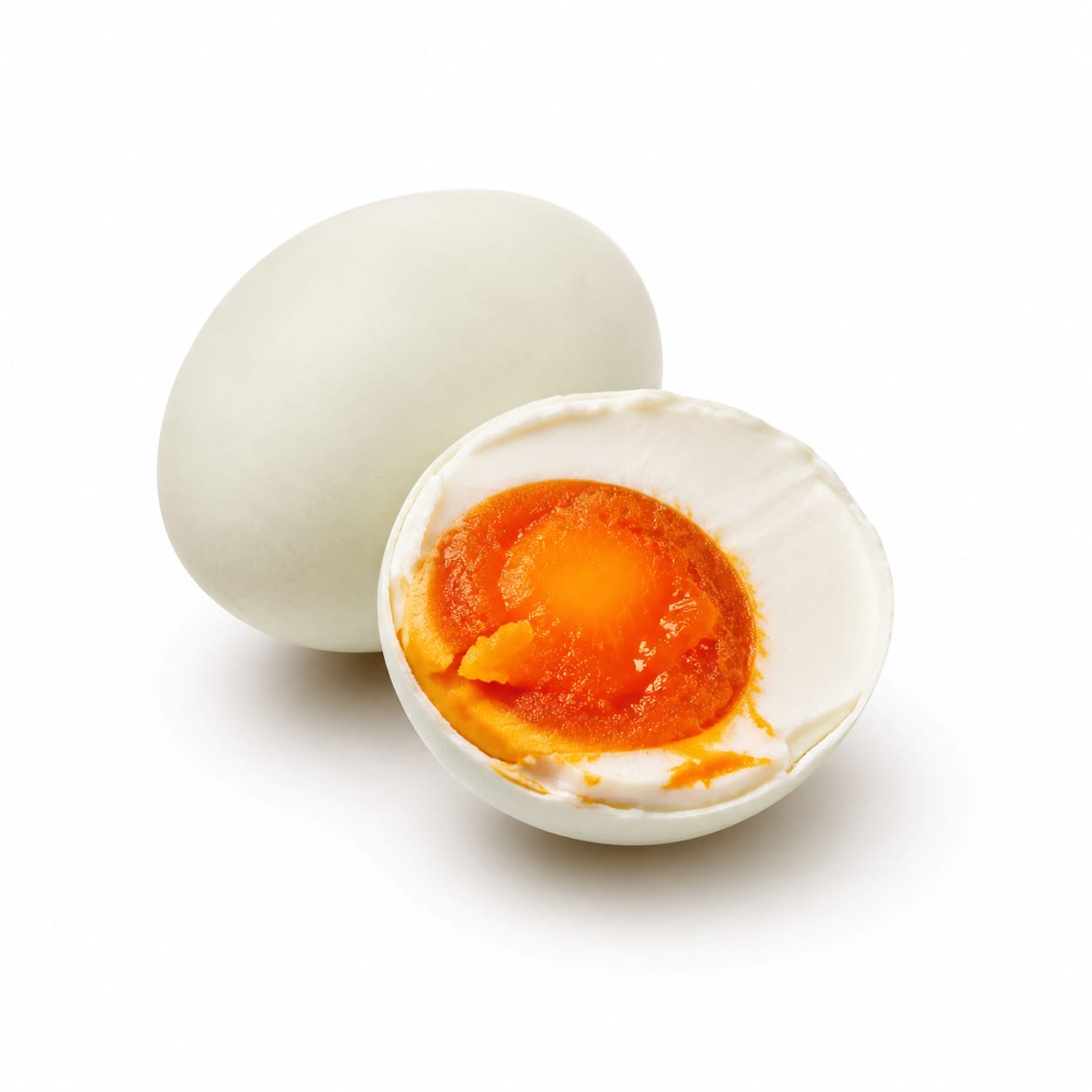
Salted Duck Egg
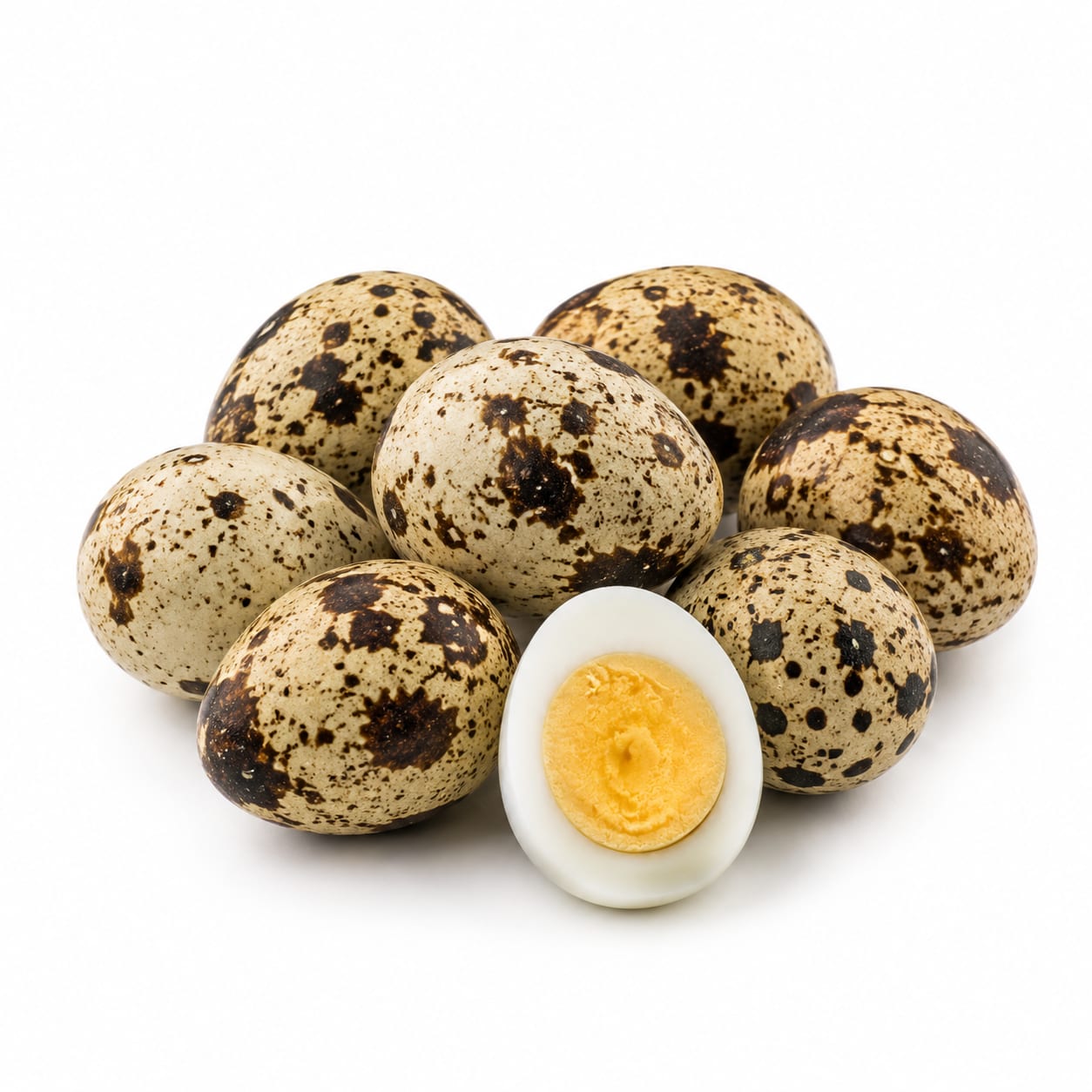
Quail Egg
Quail Egg wins for everyday health due to its clean, unprocessed profile and low sodium. Salted Duck Egg is a flavorful indulgence best enjoyed occasionally.
Quail Egg scores significantly higher due to its natural, low-sodium profile and strong nutrient density. Salted Duck Egg loses ground on sodium, processing, and long-term health suitability but retains appeal for flavor and cultural cuisine.
Rich, savory satisfaction and convenience versus sodium load and processing concerns
At a glance
Executive summary
Overall
Quail Egg
Healthier
Quail Egg
More practical
It depends
Daily use
Quail Egg
Key comparison lenses
sodium and heart health
Salted Duck Egg is extremely high in sodium due to curing, making this the most critical health differentiator
processing and naturalness
Salted Duck Egg is cured and preserved while Quail Egg is typically consumed fresh
protein quality and nutrient density
Both are egg varieties with strong amino acid profiles but different micronutrient concentrations
portion control and calorie awareness
One salted duck egg is a large single serving with concentrated calories, while quail eggs are tiny and require multiple for a meal
culinary versatility
Different cooking roles — one is a bold condiment, the other is a delicate ingredient
Best choice for
Salted Duck Egg
- People seeking bold umami flavor in Asian dishes
- Those needing a calorie-dense, satisfying addition to congee or rice
- Occasional use as a rich garnish or condiment
Quail Egg
- People watching sodium intake or blood pressure
- Anyone wanting a clean, minimally processed protein source
- Those who prefer gentle, easy-to-digest eggs
Least suitable for
Salted Duck Egg
- People with hypertension or heart conditions
- Anyone on a low-sodium diet
- Those who eat eggs daily and need a heart-safe option
Quail Egg
- People wanting a single-egg, filling portion
- Those seeking strong, savory flavor without added seasoning
Deep comparison
Dimension by dimension
Each lens scores both foods and breaks down who each option suits.
- Dimension 1 · Priority 95Quail Egg
sodium_and_heart_health
Salted Duck Egg · 15Quail Egg · 90A single salted duck egg can contain 600–900mg of sodium — nearly half your daily limit. Quail Egg is naturally low in sodium.
Tradeoff
That rich, savory taste in salted duck egg comes directly from heavy salt curing, which taxes your cardiovascular system over time.
Why it matters
High sodium intake is one of the strongest drivers of hypertension and stroke risk. This is the single biggest reason to limit salted duck egg.
Real-world impact
Eating one salted duck egg at breakfast can use up most of your sodium budget for the day, leaving little room for other meals.
Salted Duck Egg
- Hypertension risk
- Fluid retention
- Cardiovascular strain
Worse for
Quail Egg
- Blood pressure management
- Heart health
- Kidney health
- Daily unrestricted consumption
Better for
- Dimension 2 · Priority 82Quail Egg
nutrient_density
Salted Duck Egg · 70Quail Egg · 85Quail Egg packs more B vitamins, selenium, and iron per gram than salted duck egg, without the sodium penalty.
Tradeoff
Salted duck egg retains good fats and vitamin A from the yolk, but the curing process degrades some heat-sensitive nutrients.
Why it matters
Per calorie, quail egg delivers more usable nutrition — especially B12 and choline — making it a cleaner fuel source.
Real-world impact
If you are eating eggs primarily for brain and energy nutrients, quail egg gives you more per bite without the salt overhead.
Salted Duck Egg
- Vitamin A from concentrated yolk
- Higher calorie density when you need it
Better for
- Some nutrient loss from curing
Worse for
Quail Egg
- B12 and folate per gram
- Selenium and iron bioavailability
- Choline for brain health
Better for
- Need multiple eggs to match portion size
Worse for
- Dimension 3 · Priority 78It depends
protein_quality
Salted Duck Egg · 75Quail Egg · 78Both offer complete, high-quality protein with all essential amino acids. Quail Egg has slightly better amino acid density per gram.
Tradeoff
One salted duck egg provides more total protein in a single serving, but you would need 3–4 quail eggs to match it.
Why it matters
For muscle maintenance and satiety, both work well. The difference is portion convenience versus sodium load.
Real-world impact
After a workout, 3–4 quail eggs give you clean protein without the bloating that high sodium can cause.
Salted Duck Egg
- More protein per single egg
- One-and-done convenience
Better for
- Sodium may offset hydration benefits of protein
Worse for
Quail Egg
- Better amino acid profile per gram
- No sodium-induced water retention post-workout
Better for
- Need multiple eggs for equivalent protein
Worse for
- Dimension 4 · Priority 85Quail Egg
processing_and_naturalness
Salted Duck Egg · 30Quail Egg · 92Quail Egg is typically consumed fresh with no additives. Salted Duck Egg is cured in brine or salted clay for weeks.
Tradeoff
The curing process creates the signature rich yolk texture but introduces significant sodium and sometimes preservatives.
Why it matters
Less processing generally means more predictable health outcomes and fewer hidden additives.
Real-world impact
If you read ingredient labels and prefer whole foods, quail egg is the clear winner. Salted duck egg is a preserved food by definition.
Salted Duck Egg
- Longer shelf life due to curing
Better for
- Curing alters natural composition
- May contain added coloring or preservatives
Worse for
Quail Egg
- No added sodium or preservatives
- Truly whole food
- Transparent ingredient profile
Better for
- Shorter shelf life
Worse for
- Dimension 5 · Priority 72Salted Duck Egg
satiety_and_calorie_density
Salted Duck Egg · 82Quail Egg · 55One salted duck egg is filling and calorie-dense. A single quail egg is tiny and barely registers as a snack.
Tradeoff
Salted duck egg satisfies hunger quickly but delivers concentrated calories and sodium in one shot.
Why it matters
If you need something that sticks with you, one salted duck egg does the job. But the sodium cost is steep.
Real-world impact
A salted duck egg with congee keeps you full for hours. One quail egg is gone in a bite — you need several to feel satisfied.
Salted Duck Egg
- High satiety per egg
- Calorie-dense for active days
- Rich mouthfeel increases satisfaction
Better for
- Easy to overconsume sodium if eating multiple
- Heavy feeling if you are sensitive to rich foods
Worse for
Quail Egg
- Easy portion control
- Lighter feeling after eating
Better for
- Low satiety per egg
- Multiple eggs needed for a real meal
Worse for
- Dimension 6 · Priority 68Quail Egg
digestive_tolerance
Salted Duck Egg · 55Quail Egg · 82Quail Egg is gentler on digestion and is sometimes recommended for people with egg sensitivities. Salted duck egg can feel heavy.
Tradeoff
The rich, oily yolk of salted duck egg may cause discomfort if you have a sensitive stomach or gallbladder issues.
Why it matters
If eggs sometimes make you feel sluggish or bloated, quail egg is the easier option to digest.
Real-world impact
Quail egg is often given to young children and elderly people in Asian cultures specifically because it is easier on the stomach.
Salted Duck Egg
- Rich yolk can trigger bloating
- High sodium may cause thirst and discomfort
Worse for
Quail Egg
- Gentle on sensitive stomachs
- Often tolerated by people with mild egg sensitivities
- Suitable for children and elderly
Better for
Timeline
Health impact over time
Short-term
Hours to days
Salted Duck Egg
- Immediate sodium hit may cause thirst and mild bloating
- Rich yolk provides quick satiety and energy
- May trigger water retention within hours
Quail Egg
- Light, clean energy without sodium crash
- Easy digestion with no heavy afterfeel
- Need multiple eggs to notice satiety
Long-term
Months to years
Salted Duck Egg
- Regular consumption significantly raises hypertension risk
- High sodium intake strains kidneys over time
- Occasional use is fine but daily use is cardiologically risky
Quail Egg
- Supports consistent protein and micronutrient intake
- Safe for daily consumption without cardiovascular concerns
- May support immune function through selenium and B vitamins
Risk profile
Safety & processing
Salted Duck Egg is a preserved food cured in brine or salted clay, sometimes with added coloring. Quail Egg is almost always sold fresh and unmodified.
Salted Duck Egg
High sodium exposure
highA single egg can deliver 40-60% of daily sodium limits, posing real cardiovascular risk with regular consumption.
Possible artificial coloring
mediumSome commercial salted duck eggs use red dye to enhance yolk appearance, which may concern sensitive consumers.
Salmonella from improper curing
lowTraditional curing methods are generally safe, but poorly produced eggs may harbor bacteria if not properly salted or stored.
Quail Egg
Salmonella from raw or undercooked eggs
mediumLike all eggs, quail eggs carry salmonella risk if consumed raw or undercooked. Cook thoroughly for safety.
Cholesterol if consumed in large quantities
lowMultiple quail eggs can add up in cholesterol. Moderate intake is fine for most people.
Who wins for whom
Audience fit
Same foods, different winners depending on your goal.
children
Quail EggQuail Egg is gentler, lower in sodium, and traditionally given to children in many Asian cultures. Salted Duck Egg's sodium load is excessive for kids.
daily consumption
Quail EggQuail Egg can be eaten daily without health concerns. Salted Duck Egg should be limited to a few times per month at most.
diabetes
Quail EggQuail Egg has no added sodium and a clean metabolic impact. High sodium from salted duck egg worsens cardiovascular risk that diabetics already face.
elderly
Quail EggOlder adults need to guard blood pressure and kidney function. Quail Egg supports nutrition without the sodium burden.
muscle gain
It dependsBoth provide quality protein. Salted Duck Egg offers more per egg, but the sodium may hinder hydration for serious athletes.
weight loss
Quail EggQuail Egg is lower in sodium and easier to portion-control. Salted Duck Egg's calorie density and sodium can trigger overeating and water retention.
Your move
Decision guide
Choose Salted Duck Egg
- You are cooking a traditional Asian dish where that rich, salty yolk is essential
- You want a calorie-dense, satisfying addition to a simple meal like congee
- You are active, have healthy blood pressure, and want an occasional indulgence
Choose Quail Egg
- You want a clean, everyday protein source you can eat without worry
- You are watching sodium, blood pressure, or kidney health
- You prefer gentle digestion and light meals
- You need a versatile egg for multiple cooking styles
Either works if
- You just need quality protein and both are available
- You are rotating egg varieties for dietary diversity
Avoid both if
- You have a diagnosed egg allergy
- You are on a strict low-cholesterol diet advised by your doctor
Final recommendation
Make Quail Egg your daily egg and treat Salted Duck Egg as a flavorful occasional indulgence. The sodium difference alone makes this an easy long-term call.
Practical
Consumer tips
- 1
Limit salted duck egg to 1–2 times per week maximum if you enjoy them
- 2
Rinse salted duck egg yolk before using in cooking to reduce surface salt slightly
- 3
Buy quail eggs from reputable sources and always cook them thoroughly
- 4
If you love the taste of salted duck egg, try using half a yolk as a garnish instead of eating a whole egg
- 5
Check labels on commercial salted duck eggs for artificial coloring or preservatives
- 6
Freeze extra quail eggs if you buy in bulk — they keep well for up to 3 months