
Nutrition comparison
Salted Duck Egg vs Bacon: Which High-Sodium Food Is Less Harmful?
Compare salted duck egg and bacon on nutrition, sodium, cancer risk, and practical use. Learn which savory treat does less damage and how to enjoy both safely.
Overall winner · Salted Duck Egg
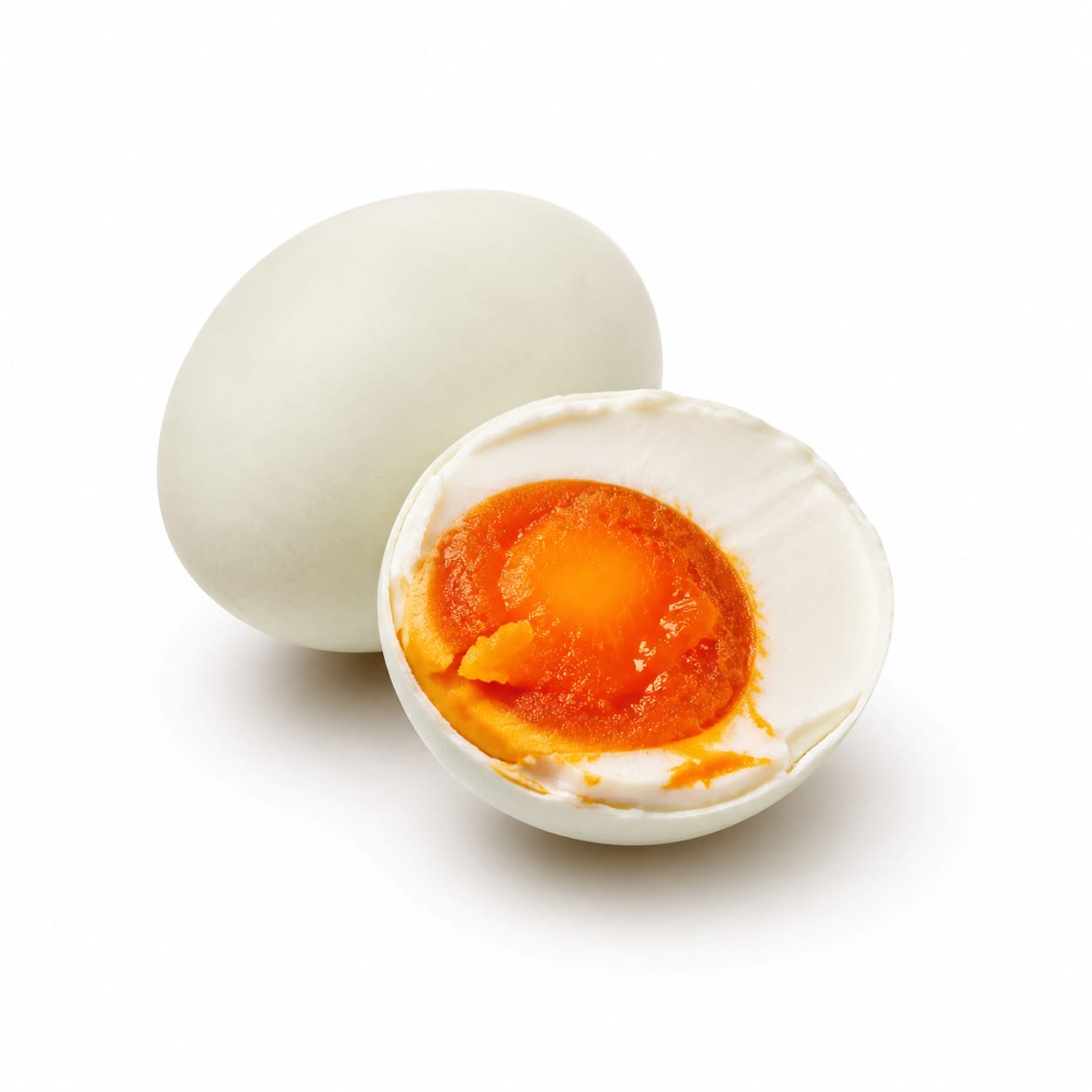
Salted Duck Egg

Bacon
Salted duck egg wins narrowly because it delivers more nutrients with less carcinogenic risk, though both are high-sodium foods that demand moderation.
Salted duck egg scores higher due to superior micronutrient content and absence of carcinogenic processing, but both lose significant points for extreme sodium levels. Bacon loses more heavily due to WHO carcinogen classification and nitrite preservatives.
Bacon offers more convenience and familiar flavor but carries processed meat cancer risk; salted duck egg provides richer micronutrition but still hits your sodium hard.
At a glance
Executive summary
Overall
Salted Duck Egg
Healthier
Salted Duck Egg
More practical
Bacon
Daily use
It depends
Key comparison lenses
sodium and heart health
Both foods are extremely high in sodium, making cardiovascular risk the dominant concern for most users comparing these two
processed meat cancer risk
Bacon is a WHO Group 1 carcinogen; salted duck egg carries no such classification, which is a critical differentiator
nutrient density comparison
Users often assume both are equally 'unhealthy' but salted duck egg offers significantly more vitamins and minerals per calorie
everyday breakfast protein
Both are common savory protein additions to meals, and users want to know which does less damage long-term
cultural tradition vs western staple
Many users encounter salted duck egg through Asian cuisine and wonder how it stacks up against familiar bacon
Best choice for
Salted Duck Egg
- People seeking nutrient-dense savory toppings
- Those avoiding nitrates and nitrites
- Anyone prioritizing vitamin A and D intake
- Traditional Asian cuisine enthusiasts
- People who eat high-sodium foods only occasionally
Bacon
- Quick breakfast protein needs
- Those who value cooking versatility
- People comfortable with processed meat risks at low frequency
- Flavor enhancement in Western dishes
- Keto or low-carb dieters wanting crispy fat
Least suitable for
Salted Duck Egg
- People on strict low-sodium diets
- Those with hypertension or kidney disease
- Anyone eating multiple high-sodium foods daily
- Cholesterol-sensitive individuals
Bacon
- Anyone concerned about colorectal cancer risk
- People with heart disease or high blood pressure
- Those avoiding processed meats entirely
- Frequent daily consumers of cured meats
Deep comparison
Dimension by dimension
Each lens scores both foods and breaks down who each option suits.
- Dimension 1 · Priority 95It depends
sodium_burden
Salted Duck Egg · 15Bacon · 20Both are sodium bombs, but bacon edges slightly ahead because a typical serving contains marginally less salt than a whole salted duck egg.
Tradeoff
Neither food wins here. A single salted duck egg can deliver 1000-1500mg sodium, while 3-4 bacon strips hit 500-900mg. Portion control makes the real difference.
Why it matters
Consistent high sodium intake raises blood pressure and strains kidneys over time, even in healthy people.
Real-world impact
Eating either food means your other meals that day should be low-sodium to stay under daily limits.
Salted Duck Egg
- Small portions used as garnish rather than main protein
Better for
- Eating a whole egg in one sitting nearly maxes out daily sodium
Worse for
Bacon
- Controllable strip portions that let you use less
Better for
- Multiple strips add up fast, and bacon cravings make portion control hard
Worse for
- Dimension 2 · Priority 92Salted Duck Egg
cancer_and_safety_risk
Salted Duck Egg · 65Bacon · 25Bacon is a WHO Group 1 carcinogen due to processed meat classification; salted duck egg has no such designation.
Tradeoff
You gain significant long-term safety with salted duck egg, but you still consume heavy sodium and cholesterol.
Why it matters
Regular processed meat consumption is linked to colorectal cancer with strong evidence. This is not speculative.
Real-world impact
Eating bacon daily for years measurably increases cancer risk. Salted duck egg eaten at similar frequency carries no known carcinogenic classification.
Salted Duck Egg
- No nitrites or nitrates added
- Traditional salt preservation without smoking
- No WHO carcinogen classification
Better for
- Salt-curing still produces some compounds worth moderating
Worse for
Bacon
- Available in nitrite-free versions if you seek them out
Better for
- Nitrosamines from curing are directly carcinogenic
- Smoking adds additional harmful compounds
- Even small regular amounts increase risk
Worse for
- Dimension 3 · Priority 85Salted Duck Egg
nutrient_density
Salted Duck Egg · 72Bacon · 38Salted duck egg delivers substantially more vitamins and minerals per calorie than bacon, especially fat-soluble vitamins and selenium.
Tradeoff
You get more nutritional value from salted duck egg, but the sodium load partially offsets the benefits if consumed frequently.
Why it matters
Getting nutrients alongside your indulgent foods means your body gets something useful, not just damage.
Real-world impact
One salted duck egg yolk provides meaningful vitamin A, D, B12, iron, and selenium. Bacon offers B vitamins and selenium but far less overall micronutrition.
Salted Duck Egg
- Rich in vitamin A for eye and immune health
- Good vitamin D content rare in non-fortified foods
- Higher iron and selenium per serving
- Lecithin in yolk supports brain health
Better for
- High cholesterol may concern some users
- Nutrients come packaged with very high sodium
Worse for
Bacon
- Decent B-vitamin content including B6 and B12
- Contains zinc and selenium
Better for
- Most calories come from fat with minimal micronutrient payoff
- Nutrient-to-calorie ratio is poor
Worse for
- Dimension 4 · Priority 70Salted Duck Egg
satiety_and_fulfillment
Salted Duck Egg · 72Bacon · 60Salted duck egg is more filling per serving due to its complete protein and dense yolk, while bacon's crispiness encourages overeating.
Tradeoff
The egg satisfies more thoroughly but feels heavier; bacon tempts you to keep eating beyond reasonable portions.
Why it matters
Foods that satisfy with less quantity help control overall calorie intake without willpower battles.
Real-world impact
Half a salted duck egg with congee feels like a complete meal component. Bacon strips often leave you wanting more.
Salted Duck Egg
- Complete protein with all essential amino acids
- Dense yolk creates lasting fullness
- Rich umami flavor satisfies with small amounts
Better for
- Heavy feeling if you eat a whole egg
- Very salty taste may increase thirst and cravings
Worse for
Bacon
- Fat and protein combination provides moderate satiety
- Quick to prepare when hungry
Better for
- Crispy texture triggers wanting more rather than feeling done
- Easy to overconsume without realizing
Worse for
- Dimension 5 · Priority 65Bacon
cooking_versatility_and_convenience
Salted Duck Egg · 40Bacon · 80Bacon integrates easily into countless Western dishes and cooks in minutes; salted duck egg is more niche and requires specific recipe contexts.
Tradeoff
Bacon's convenience makes it more practical but also easier to overuse; salted duck egg's limited uses naturally cap your intake.
Why it matters
Foods you can use everywhere tend to become foods you eat too often, which matters for high-sodium items.
Real-world impact
Bacon works in sandwiches, salads, pasta, and breakfast plates. Salted duck egg shines in congee, stir-fries, and mooncakes but rarely beyond that.
Salted Duck Egg
- Ready to eat without cooking
- Long shelf life without refrigeration
- Unique flavor that elevates specific dishes
Better for
- Limited to mostly Asian recipe contexts
- Harder to find in regular grocery stores
- Strong salty flavor restricts pairing options
Worse for
Bacon
- Cooks in 5-10 minutes
- Works in dozens of dish types
- Widely available in any grocery store
- Rendered fat can flavor other foods
Better for
- Splattering grease creates cleanup work
- Convenience leads to overuse
Worse for
- Dimension 6 · Priority 75Salted Duck Egg
inflammatory_potential
Salted Duck Egg · 50Bacon · 30Bacon promotes more inflammation through advanced glycation end-products from high-heat cooking and nitrite-derived compounds.
Tradeoff
Neither food is anti-inflammatory, but bacon actively adds inflammatory burden while salted duck egg is more neutral.
Why it matters
Chronic low-grade inflammation drives heart disease, joint pain, and fatigue over years.
Real-world impact
Regular bacon eaters may notice more stiffness, bloating, or sluggishness. Salted duck egg eaten moderately is less likely to trigger noticeable inflammatory responses.
Salted Duck Egg
- No high-heat processing that creates AGEs
- Choline in yolk may have anti-inflammatory properties
- Typically eaten without additional high-heat cooking
Better for
- High sodium still promotes vascular inflammation
- Saturated fat contributes some inflammatory load
Worse for
Bacon
- Can be cooked at lower temperatures to reduce AGEs
Better for
- Crispy cooking creates advanced glycation end-products
- Nitrites convert to inflammatory compounds in the body
- Smoked flavor contains additional inflammatory substances
Worse for
Timeline
Health impact over time
Short-term
Hours to days
Salted Duck Egg
- Immediate sodium hit may cause thirst and mild bloating
- Rich umami flavor provides quick satisfaction
- Dense fat and protein stabilize blood sugar for hours
- May cause slight blood pressure spike shortly after eating
Bacon
- Quick salty satisfaction with strong savory reward
- Cooking aroma triggers appetite even when not hungry
- Moderate protein stabilizes blood sugar temporarily
- Sodium and nitrites may cause headache in sensitive individuals
Long-term
Months to years
Salted Duck Egg
- Regular consumption increases hypertension risk significantly
- Vitamin D and A intake supports bone and immune health if not overconsumed
- Cholesterol load may concern those with existing lipid disorders
- Kidney strain from chronic high sodium if eaten frequently
Bacon
- Measurably increased colorectal cancer risk with regular intake
- Accelerated cardiovascular disease progression from sodium and saturated fat
- Chronic inflammation contributes to metabolic syndrome
- Nitrite exposure linked to other digestive cancers at high consumption levels
Risk profile
Safety & processing
Salted duck egg uses traditional salt preservation with minimal additional inputs. Bacon undergoes curing with nitrites, smoking, and often additional preservatives and flavor enhancers, placing it firmly in ultra-processed territory.
Salted Duck Egg
Excessive sodium intake
highA single egg can contain 1000-1500mg sodium, making it easy to exceed daily limits and strain cardiovascular health.
Cholesterol concentration
mediumOne salted duck egg yolk contains roughly 600-900mg cholesterol, which may impact sensitive individuals though dietary cholesterol affects people differently.
Contamination from traditional curing
lowImproperly cured eggs can harbor bacteria, but commercially produced versions follow safety standards. Avoid homemade versions from unverified sources.
Bacon
Colorectal cancer from processed meat
highWHO classifies processed meats as Group 1 carcinogens. Even 50g daily significantly raises colorectal cancer risk.
Nitrite and nitrosamine exposure
highCuring agents convert to nitrosamines in the digestive tract, which are directly carcinogenic compounds.
High-heat cooking carcinogens
mediumFrying bacon to crispiness creates heterocyclic amines and polycyclic aromatic hydrocarbons linked to cancer.
Sodium-driven hypertension
highRegular bacon consumption contributes to sustained high blood pressure, a leading risk factor for heart disease and stroke.
Who wins for whom
Audience fit
Same foods, different winners depending on your goal.
children
It dependsNeither is ideal for kids due to sodium. If used in tiny amounts as flavoring, salted duck egg provides more growth-supporting nutrients like vitamin A and D, but bacon's familiarity makes portion control easier.
daily consumption
It dependsNeither should be eaten daily. If forced to choose, small amounts of salted duck egg used as garnish cause less cumulative harm than daily bacon.
diabetes
Salted Duck EggBoth foods are very low in carbohydrates, but bacon's inflammatory and nitrite burden worsens diabetes-related cardiovascular risk more than salted duck egg.
elderly
Salted Duck EggOlder adults benefit more from the vitamin D, B12, and choline in salted duck egg, and they should avoid bacon's carcinogenic and inflammatory profile given already elevated disease risk.
muscle gain
Salted Duck EggSalted duck egg provides more complete protein with leucine and all essential amino acids, plus vitamin D which supports testosterone and muscle function.
weight loss
It dependsNeither food supports weight loss well. Salted duck egg is more satiating per calorie but extremely sodium-dense. Bacon is easier to portion in small amounts but its craving-triggering nature works against discipline.
Your move
Decision guide
Choose Salted Duck Egg
- You want a savory topping with actual nutritional payoff
- You are concerned about processed meat cancer risk
- You eat Asian cuisine regularly and want authentic flavor
- You only use high-sodium foods occasionally as a treat
- You value vitamin D, A, and B12 intake from whole food sources
Choose Bacon
- You need quick protein for breakfast in under 10 minutes
- You are cooking Western dishes where bacon integrates naturally
- You can strictly limit yourself to 1-2 strips occasionally
- You prioritize cooking versatility across many recipes
- You are comfortable with processed meat risks at low frequency
Either works if
- You want a savory umami flavor boost and will use tiny amounts
- You have no blood pressure concerns and eat these foods rarely
- You are on a low-carb or keto diet and need fat sources
Avoid both if
- You have hypertension, kidney disease, or heart failure
- You are on a strict low-sodium diet for any medical reason
- You already eat multiple processed or high-sodium foods daily
- You have a family history of colorectal cancer and want to minimize all risk
Final recommendation
If you must choose between these two salty indulgences, salted duck egg gives you more nutrients and avoids the carcinogenic profile of processed meat. Use half an egg as a garnish rather than eating a whole one, and keep it to a few times per week at most. Save bacon for rare occasions when its specific flavor truly matters to you.
Practical
Consumer tips
- 1
Use only half a salted duck egg per serving and pair with low-sodium foods like plain congee or steamed vegetables
- 2
Seek out nitrite-free bacon if you eat it, but know it still carries processed meat cancer risk
- 3
If eating bacon, cook at lower temperatures to reduce carcinogen formation and avoid burning it
- 4
Balance either food with potassium-rich foods like bananas, spinach, or sweet potatoes to help counter sodium effects
- 5
Keep salted duck egg consumption to 2-3 times per week maximum and never alongside other high-sodium dishes in the same meal
- 6
Freeze cooked bacon in small portions so you use only what you need without temptation to cook more