
Nutrition comparison
Salted Duck Egg vs Chicken Egg: Which Is Healthier for Daily Eating?
Compare salted duck egg vs chicken egg on sodium, protein, calories, and health impact. Learn why chicken eggs win for daily use and when salted duck eggs are worth enjoying.
Overall winner · Chicken Egg
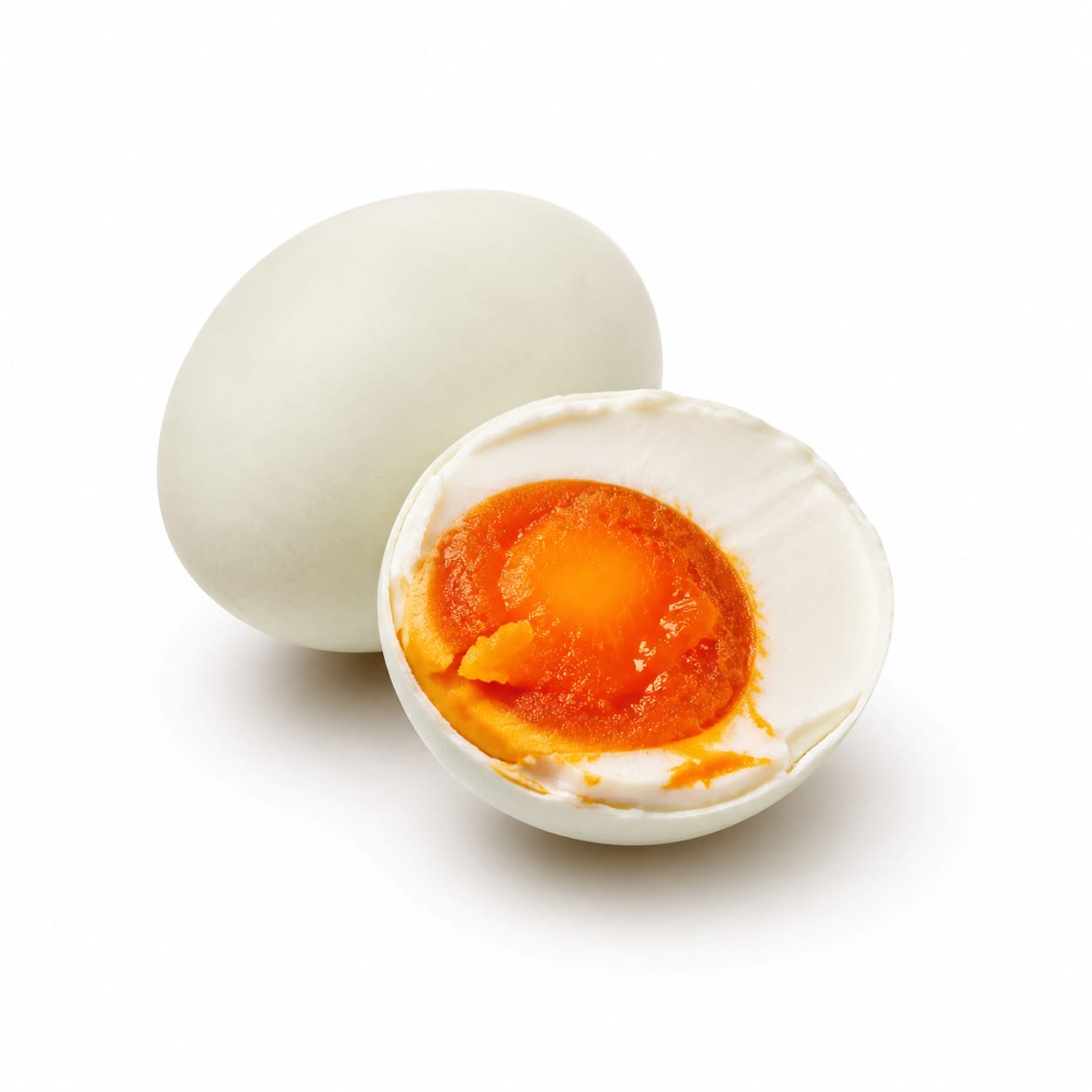
Salted Duck Egg
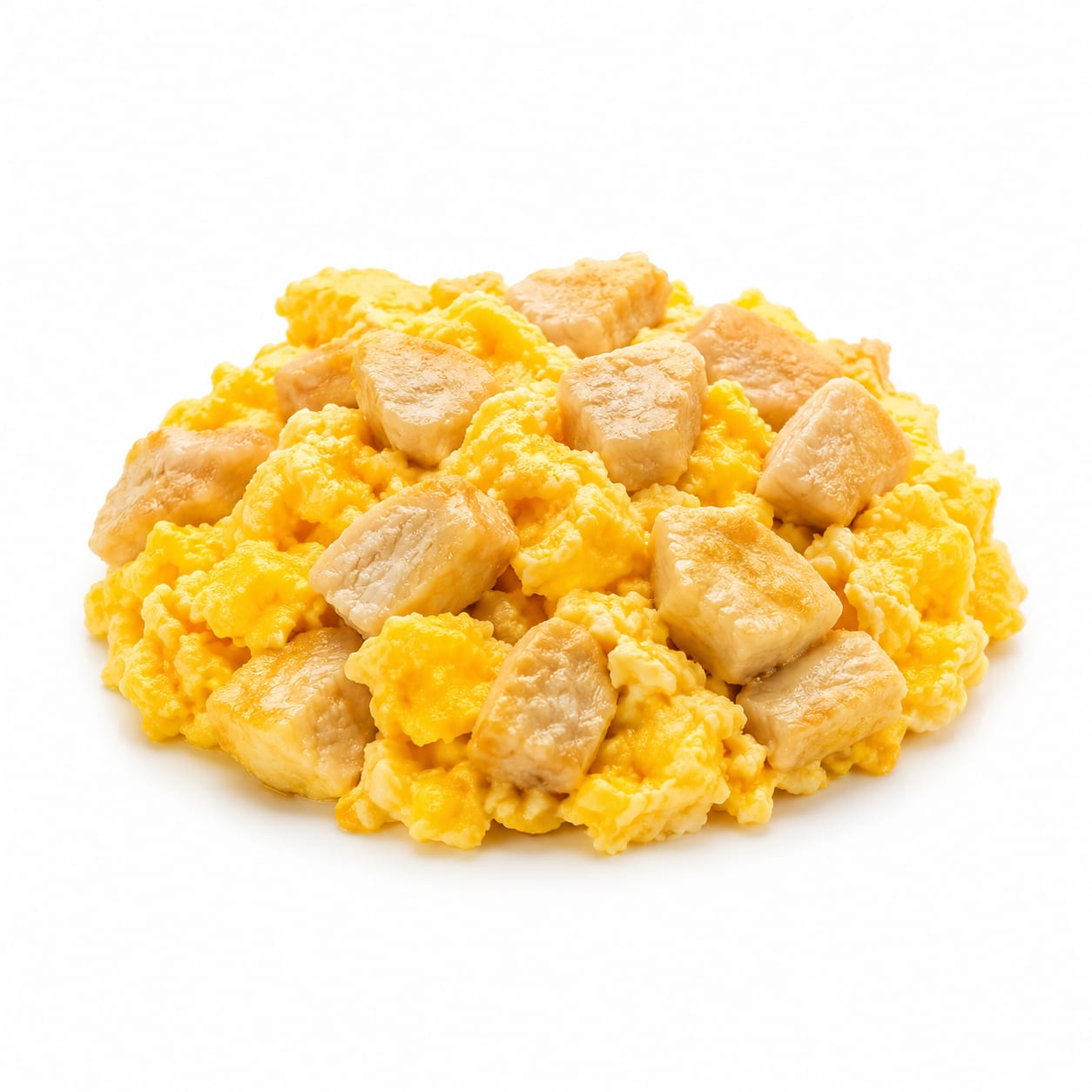
Chicken Egg
Chicken eggs win for everyday eating due to dramatically lower sodium and greater versatility. Salted duck eggs are a flavorful indulgence best enjoyed occasionally.
Chicken eggs score significantly higher due to low sodium, daily usability, and versatility. Salted duck eggs lose substantial points on sodium load and limited practicality, though they earn some credit for rich nutrient content and culinary uniqueness.
Salted duck eggs deliver a rich, creamy, umami experience but carry a massive sodium load that makes them unsuitable for regular consumption.
At a glance
Executive summary
Overall
Chicken Egg
Healthier
Chicken Egg
More practical
Chicken Egg
Daily use
Chicken Egg
Key comparison lenses
sodium and heart health
Salted duck eggs are extremely high in sodium due to the curing process, making this the single most important health differentiator
daily versus occasional eating
Chicken eggs are designed for daily consumption while salted duck eggs are traditionally eaten as a condiment or occasional ingredient
nutrient density comparison
Duck eggs are naturally richer in certain nutrients but the salting process alters the nutritional profile significantly
culinary role and versatility
These eggs serve very different purposes in cooking and are not truly interchangeable
weight management and satiety
Different calorie densities and fat contents affect how filling each option feels
Best choice for
Salted Duck Egg
- Occasional culinary indulgence
- Traditional Asian recipes requiring authentic flavor
- People seeking intense umami and richness in small quantities
- Those who eat very low sodium the rest of the day
Chicken Egg
- Daily breakfast staple
- Post-workout protein source
- Families needing versatile, affordable protein
- Anyone monitoring blood pressure or heart health
Least suitable for
Salted Duck Egg
- People with hypertension or heart conditions
- Daily breakfast eaters
- Anyone on a low-sodium diet
- Children who need moderate sodium intake
Chicken Egg
- Those seeking bold, intense preserved egg flavor
- Traditional recipes specifically calling for salted duck egg
- People wanting a high-fat, calorie-dense small meal component
Deep comparison
Dimension by dimension
Each lens scores both foods and breaks down who each option suits.
- Dimension 1 · Priority 95Chicken Egg
sodium_and_blood_pressure_impact
Salted Duck Egg · 10Chicken Egg · 85A single salted duck egg can contain 600-1000mg of sodium, roughly a third to half of your daily limit. A chicken egg has about 70mg.
Tradeoff
That incredible savory flavor in salted duck egg comes directly from heavy salting, which stresses your cardiovascular system with every serving.
Why it matters
Consistently high sodium intake raises blood pressure and increases stroke and heart disease risk, even if you feel fine now.
Real-world impact
Eating one salted duck egg at breakfast could use up most of your sodium budget for the day, forcing low-sodium choices for every other meal.
Salted Duck Egg
- Situations where sodium is temporarily beneficial, such as heavy sweating after endurance exercise
Better for
- People with hypertension
- Older adults whose blood pressure is already elevated
- Anyone eating other salty foods that day
Worse for
Chicken Egg
- Anyone with blood pressure concerns
- Daily breakfast routines
- Families balancing sodium across multiple meals
Better for
- Not applicable — chicken eggs are naturally low in sodium
Worse for
- Dimension 2 · Priority 80Salted Duck Egg
protein_quality_and_amount
Salted Duck Egg · 78Chicken Egg · 72A duck egg contains about 9g of protein versus 6g in a chicken egg, and duck egg protein is slightly more concentrated due to the larger yolk.
Tradeoff
More protein per egg sounds great, but you also get significantly more fat and calories along with it.
Why it matters
Higher protein per egg means fewer eggs needed to hit your target, but the sodium in salted duck eggs limits how many you can realistically eat.
Real-world impact
For a post-workout meal, you would need three chicken eggs to match two duck eggs for protein — but the salted version would deliver an unhealthy sodium dose at that quantity.
Salted Duck Egg
- Getting more protein from a single egg serving
- Recipes where one egg needs to do the work of two
Better for
- Anyone wanting high protein without high sodium and fat
Worse for
Chicken Egg
- Eating multiple eggs for protein without sodium overload
- Bodybuilders who eat 3-4 eggs daily
- Lean protein prioritization
Better for
- Situations where you want maximum protein from a single egg
Worse for
- Dimension 3 · Priority 72Chicken Egg
calorie_and_fat_density
Salted Duck Egg · 35Chicken Egg · 70A salted duck egg packs roughly 130-180 calories and 10-14g of fat versus 70 calories and 5g of fat in a chicken egg.
Tradeoff
The rich, creamy yolk that makes salted duck egg so satisfying also makes it calorie-dense, which adds up quickly if you treat it like a regular egg.
Why it matters
If you are watching calories or trying to lose weight, the difference between a 70-calorie egg and a 150-calorie egg matters over time.
Real-world impact
Two salted duck eggs with congee can equal the calories of four chicken eggs scrambled, but with far more sodium and less total food volume.
Salted Duck Egg
- People needing calorie-dense food in small portions
- Those trying to gain weight
Better for
- Calorie-conscious eaters
- Those who find it hard to stop at one egg
Worse for
Chicken Egg
- Weight loss or maintenance diets
- Anyone counting calories
- People who prefer larger food portions for fewer calories
Better for
- Underweight individuals needing calorie density
Worse for
- Dimension 4 · Priority 68Salted Duck Egg
micronutrient_richness
Salted Duck Egg · 76Chicken Egg · 65Duck eggs naturally contain more iron, vitamin B12, folate, and choline than chicken eggs, and the larger yolk amplifies this advantage.
Tradeoff
The nutrient advantage is real but gets overshadowed by the sodium penalty in the salted version. You can get similar micronutrients from two chicken eggs without the salt.
Why it matters
Choline supports brain health and iron prevents fatigue, but these benefits should not come at the cost of cardiovascular stress.
Real-world impact
Eating one salted duck egg weekly gives you a micronutrient boost with manageable sodium. Eating one daily negates the benefits with sodium overload.
Salted Duck Egg
- Occasional micronutrient top-up
- People with higher iron needs who tolerate the sodium
Better for
- Anyone whose sodium budget is already tight from other foods
Worse for
Chicken Egg
- Consistent daily micronutrient intake without sodium tradeoff
- Pregnant women needing choline but who must limit sodium
Better for
- Situations where maximum single-egg nutrient density matters
Worse for
- Dimension 5 · Priority 70Chicken Egg
culinary_versatility_and_convenience
Salted Duck Egg · 30Chicken Egg · 90Chicken eggs can be scrambled, fried, poached, baked, or boiled and work in nearly any cuisine. Salted duck eggs have a specific role in Asian dishes.
Tradeoff
Salted duck eggs bring a unique irreplaceable flavor but only fit certain recipes. You cannot scramble them for a normal breakfast.
Why it matters
A food you can use a dozen ways gets eaten more consistently and wastes less. A niche ingredient sits in the fridge unless you plan around it.
Real-world impact
Chicken eggs are a fridge staple you reach for anytime. Salted duck eggs require a specific recipe plan or you end up eating them alone with congee every time.
Salted Duck Egg
- Authentic Asian recipes like mooncakes, congee toppings, or stir-fries
- Creating umami depth without adding separate salt
Better for
- Western-style breakfasts
- Baking applications
- Quick lazy meals
Worse for
Chicken Egg
- Quick any-meal cooking
- Baking and meal prep
- Households that need one versatile protein source
Better for
- Traditional salted egg recipes where the cured flavor is essential
Worse for
- Dimension 6 · Priority 60It depends
digestive_tolerance_and_satiety
Salted Duck Egg · 62Chicken Egg · 68Salted duck eggs feel heavier and more filling due to higher fat content, but the sodium can cause bloating and thirst. Chicken eggs are lighter and easier to digest.
Tradeoff
That satisfying fullness from a salted duck egg comes with post-meal thirst and potential water retention that chicken eggs do not cause.
Why it matters
Feeling satisfied after eating matters for adherence, but feeling bloated and thirsty undermines comfort and can trigger overeating later.
Real-world impact
After a salted duck egg, you may find yourself drinking extra water and feeling puffy. After chicken eggs, you feel comfortably full without the aftermath.
Salted Duck Egg
- People wanting a small but very filling food item
- Those who enjoy rich, heavy breakfasts
Better for
- People prone to bloating or water retention
- Anyone sensitive to high sodium
Worse for
Chicken Egg
- Sensitive digestion
- People who dislike feeling bloated after meals
- Athletes needing clean fuel without water retention
Better for
- Those wanting maximum satiety from a single egg
Worse for
Timeline
Health impact over time
Short-term
Hours to days
Salted Duck Egg
- Noticeable thirst and water intake increase after eating
- Potential bloating from sodium-driven water retention
- Strong satiety from high fat content
- Blood pressure spike within hours of consumption
Chicken Egg
- Steady energy without sodium-related side effects
- Comfortable fullness without heaviness
- No unusual thirst or bloating
- Stable blood pressure response
Long-term
Months to years
Salted Duck Egg
- Regular consumption significantly increases hypertension risk
- Higher cardiovascular disease risk from chronic sodium excess
- Potential kidney strain from sustained high sodium intake
- If eaten occasionally, micronutrient benefits without major risk
Chicken Egg
- Consistent high-quality protein supporting muscle maintenance
- Choline intake supporting cognitive health long-term
- No adverse sodium-related health effects with daily consumption
- Saturated fat intake worth monitoring if eating 3+ daily
Risk profile
Safety & processing
Salted duck eggs are preserved using salt and sometimes alkaline compounds, making them a processed food with moderate additive concern. Some commercial versions use artificial coloring for the yolk. Chicken eggs are essentially unprocessed unless you choose pre-seasoned or pre-cooked varieties.
Salted Duck Egg
High sodium health risk
highA single egg can deliver 40-60% of daily sodium limits, posing immediate concern for those with blood pressure issues.
Artificial yolk coloring
mediumSome commercial salted duck eggs use synthetic dyes to enhance yolk color. Look for naturally cured brands.
Improper curing and spoilage
mediumTraditional curing methods vary in hygiene. Poorly cured eggs can harbor bacteria if salt concentration is insufficient.
Chicken Egg
Salmonella from raw or undercooked eggs
mediumStandard food safety risk mitigated by proper cooking and refrigeration. Pasteurized eggs eliminate this concern.
Antibiotic residue in conventional farming
lowConventionally raised chickens may have antibiotic exposure. Choosing organic or free-range eggs reduces this.
Who wins for whom
Audience fit
Same foods, different winners depending on your goal.
children
Chicken EggChildren have lower sodium tolerances and smaller bodies, making the sodium load in salted duck eggs inappropriate. Chicken eggs provide growing bodies with clean protein.
daily consumption
Chicken EggChicken eggs are one of the most well-tolerated daily foods in existence. Salted duck eggs are a preserved delicacy meant for occasional enjoyment, not daily use.
diabetes
Chicken EggBoth eggs have minimal impact on blood sugar, but salted duck eggs increase cardiovascular risk which is already elevated for diabetics. Chicken eggs are the safer daily choice.
elderly
Chicken EggOlder adults are more sensitive to sodium's blood pressure effects. Chicken eggs provide the same protein and nutrients without cardiovascular stress.
muscle gain
Chicken EggMuscle gain requires multiple eggs daily for protein. The sodium in salted duck eggs makes eating several per day unsafe, while chicken eggs handle daily volume easily.
weight loss
Chicken EggChicken eggs provide satisfying protein at half the calories with negligible sodium, making them far easier to fit into a calorie-controlled plan.
Your move
Decision guide
Choose Salted Duck Egg
- You are preparing a traditional Asian dish that specifically requires salted duck egg
- You want an occasional rich, savory treat and have low sodium intake from other meals
- You are a healthy person with normal blood pressure eating it once a week or less
- You need calorie-dense food in a small package and can afford the sodium
Choose Chicken Egg
- You eat eggs daily or multiple times per week
- You have any blood pressure, heart, or kidney concerns
- You want a versatile protein source for any meal
- You are feeding children or elderly family members
- You are meal prepping or batch cooking
- You want to control your sodium intake without thinking about it
Either works if
- You have no sodium restrictions and just want a protein source
- You are rotating between different egg types for variety
- You are cooking a dish where either could work as a garnish
Avoid both if
- You have a confirmed egg allergy
- You are following a strict vegan diet
- You have severe cholesterol issues and your doctor has advised against eggs entirely
Final recommendation
Keep chicken eggs as your daily staple and treat salted duck eggs as a special occasion ingredient. If you love salted duck egg flavor, enjoy one per week alongside a low-sodium diet for the rest of the day. The richness is worth savoring occasionally, but the sodium makes it a poor choice for regular consumption.
Practical
Consumer tips
- 1
Limit salted duck egg to once per week maximum if you have normal blood pressure
- 2
If eating salted duck egg, skip other high-sodium foods that day like soy sauce, processed meats, or instant noodles
- 3
Choose naturally cured salted duck eggs without artificial yolk coloring — check the ingredient list
- 4
For chicken eggs, free-range or omega-3 enriched varieties offer slightly better fat profiles at marginal extra cost
- 5
Half a salted duck egg gives you most of the flavor experience with half the sodium — try sharing one
- 6
If you crave the rich yolk experience daily, a soft-boiled chicken egg yolk is creamy and satisfying without the salt