
Nutrition comparison
Salted Duck Egg vs Cheddar Cheese: Which Is Healthier for Daily Eating?
Compare Salted Duck Egg and Cheddar Cheese on sodium, calcium, protein, and health impact. Find out which preserved food is safer for daily consumption and when each makes sense.
Overall winner · Cheddar Cheese
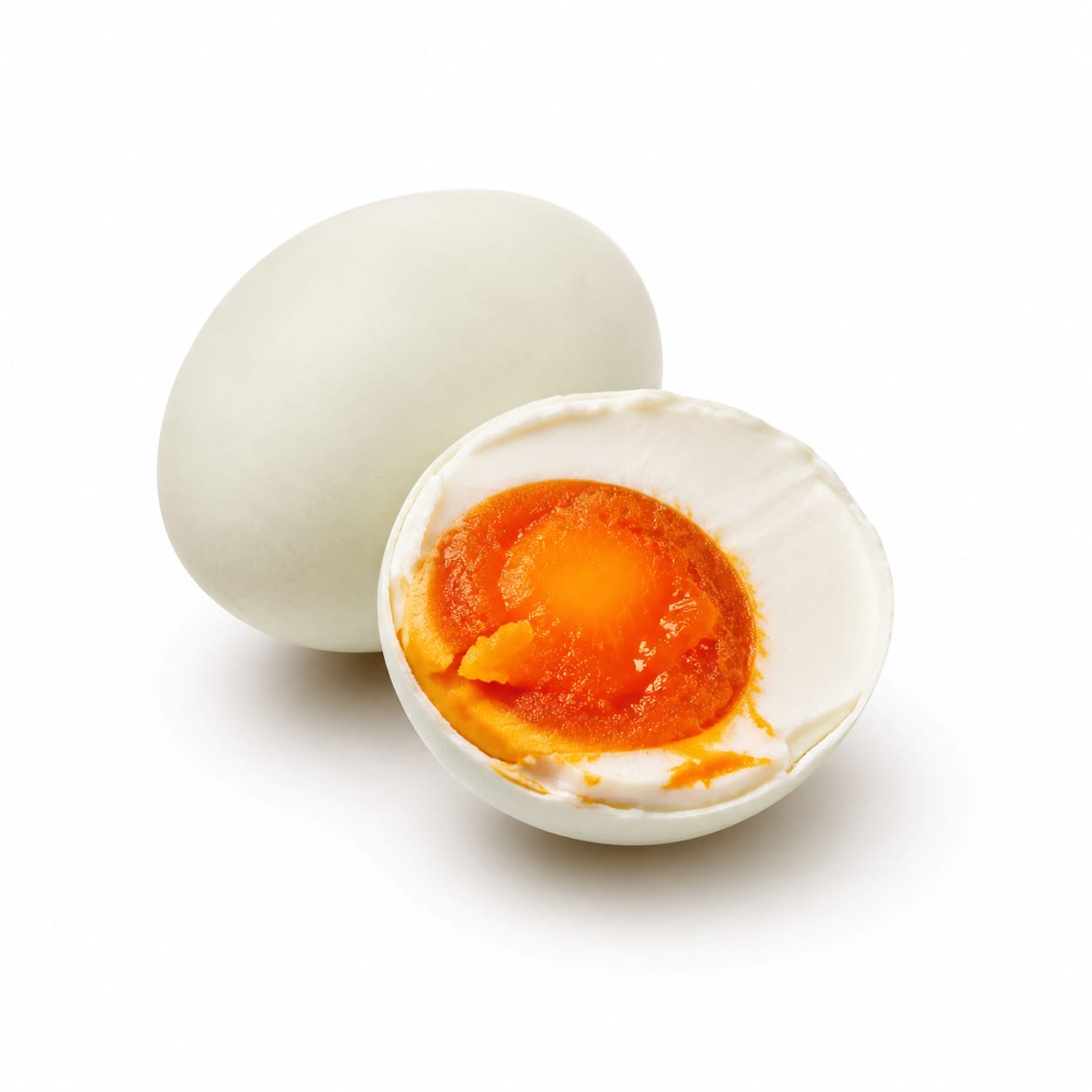
Salted Duck Egg
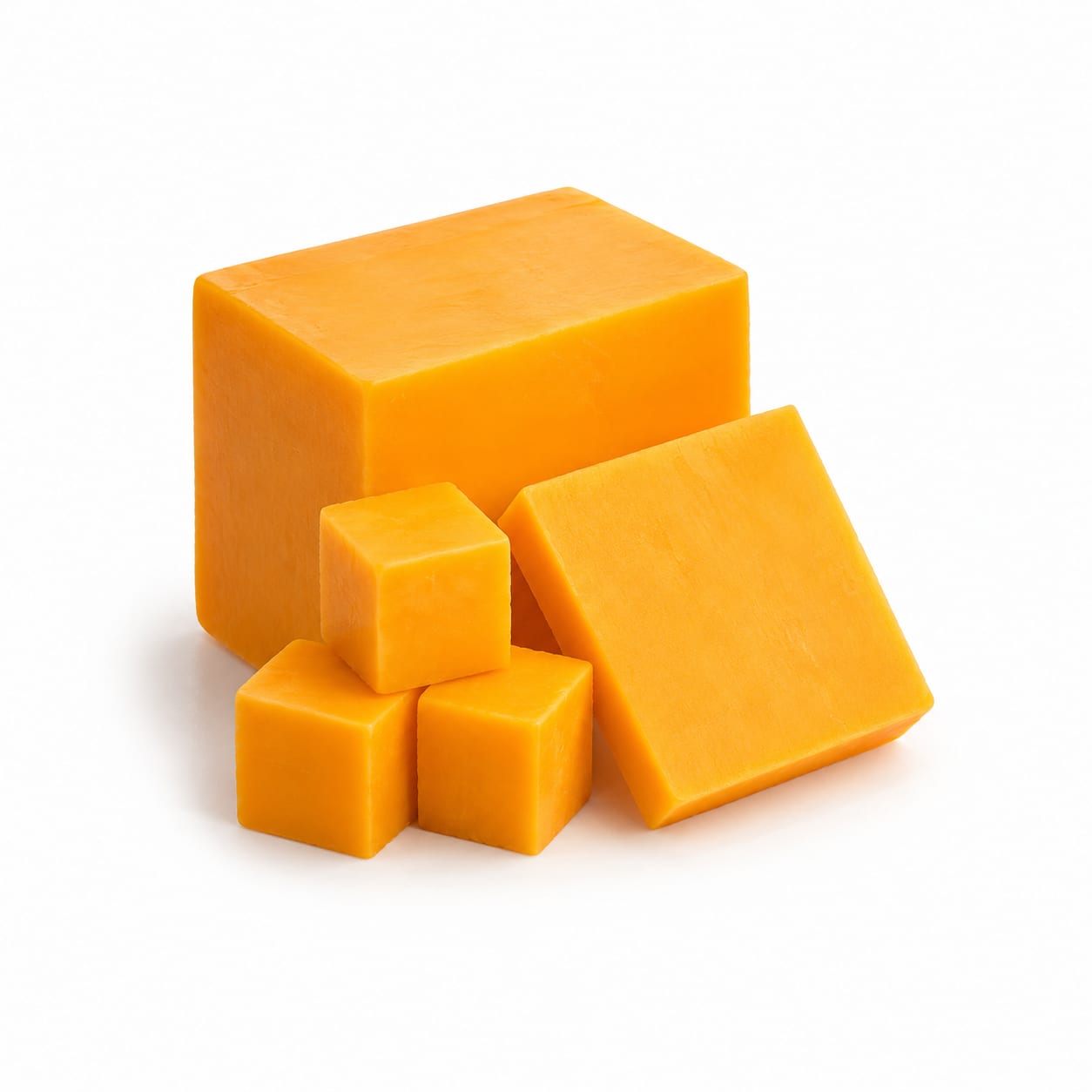
Cheddar Cheese
Cheddar Cheese wins for everyday eating due to its calcium content, broader versatility, and lower sodium density, though Salted Duck Egg offers unique micronutrients and richer fats for occasional use.
Cheddar Cheese scores notably higher primarily due to its calcium advantage, lower sodium density, and everyday practicality. Salted Duck Egg is not inherently unhealthy but its extreme sodium content and limited culinary flexibility make it harder to recommend for regular consumption.
Salted Duck Egg delivers more iron and vitamin D per serving but packs extreme sodium levels that make daily consumption risky. Cheddar provides far more calcium and is easier to incorporate moderately into meals.
At a glance
Executive summary
Overall
Cheddar Cheese
Healthier
Cheddar Cheese
More practical
Cheddar Cheese
Daily use
Cheddar Cheese
Key comparison lenses
sodium and heart health
Both foods are high-sodium preserved foods, making cardiovascular impact the primary concern for most users
protein and nutrient density
Both deliver concentrated protein and micronutrients but through very different nutritional profiles
calcium and bone health
Cheddar is a major calcium source whereas salted duck egg provides minimal calcium, a critical long-term difference
culinary versatility and accessibility
Cheddar is a daily staple in Western diets while salted duck egg is a specialty ingredient with limited everyday use
preservation and processing concerns
Both are preserved foods with different curing methods that affect safety and additive exposure
Best choice for
Salted Duck Egg
- People needing iron supplementation through food
- Those seeking vitamin D from natural sources
- Traditional Asian cuisine enthusiasts
- Anyone wanting rich, satisfying fats in small portions
- Occasional treat eaters who enjoy intense savory flavors
Cheddar Cheese
- Daily cheese eaters seeking calcium and protein
- People managing sodium who still want savory flavor
- Anyone building bone density through diet
- Meal preppers wanting versatile ingredients
- Families needing kid-friendly protein sources
Least suitable for
Salted Duck Egg
- People with hypertension or sodium-sensitive conditions
- Anyone eating multiple preserved foods daily
- Those unfamiliar with its strong flavor profile
- Individuals tracking sodium closely for kidney health
Cheddar Cheese
- People with dairy allergies or lactose intolerance
- Vegans and those avoiding animal products
- Individuals on strict saturated fat restrictions
- Those with migraine triggers linked to aged cheeses
Deep comparison
Dimension by dimension
Each lens scores both foods and breaks down who each option suits.
- Dimension 1 · Priority 95Cheddar Cheese
Sodium Load and Heart Health
Salted Duck Egg · 18Cheddar Cheese · 48A single salted duck egg can contain 600-800mg of sodium, roughly a third of your daily limit. Cheddar averages 170-200mg per ounce, making portion control far more manageable.
Tradeoff
Salted Duck Egg delivers intense savory satisfaction in a small package but at a steep cardiovascular cost per serving. Cheddar lets you enjoy salty cheese flavor with less sodium pressure per bite.
Why it matters
Consistently high sodium intake raises blood pressure and strains the heart over years. The difference here is not subtle — it changes how often you can reasonably eat each food.
Real-world impact
Eating one salted duck egg with congee at breakfast uses up a large chunk of your sodium budget before lunch. An ounce of cheddar on a sandwich leaves room for other seasoned foods throughout the day.
Salted Duck Egg
- Those who only eat it a few times per month
- People who otherwise eat very low-sodium diets
Better for
- Hypertensive individuals
- People with kidney disease
- Anyone already eating processed or restaurant foods frequently
Worse for
Cheddar Cheese
- Anyone monitoring blood pressure
- People who eat multiple savory foods daily
- Older adults more sensitive to sodium
Better for
- People who struggle to stop at one ounce and eat large portions
- Those combining cheese with other high-sodium foods in one meal
Worse for
- Dimension 2 · Priority 85Cheddar Cheese
Calcium and Bone Support
Salted Duck Egg · 15Cheddar Cheese · 88Cheddar delivers roughly 200mg of calcium per ounce — about 20% of daily needs. Salted Duck Egg provides minimal calcium since the mineral is not concentrated in egg yolk the way it is in dairy.
Tradeoff
If bone health matters to you, Cheddar is a genuinely useful food source. Salted Duck Egg cannot fill this role regardless of its other nutrients.
Why it matters
Most adults under-consume calcium, and food-based sources are more effective than supplements for long-term bone density. This is a clear nutritional gap between the two.
Real-world impact
A cheese snack twice a day meaningfully contributes to your calcium target. Salted duck egg offers almost nothing toward this goal, leaving you to find calcium elsewhere.
Salted Duck Egg
- Not applicable for calcium — salted duck egg is not a meaningful source
Better for
- People relying on it as a protein food without realizing it lacks calcium
- Those who might assume all animal-based foods are good calcium sources
Worse for
Cheddar Cheese
- Postmenopausal women concerned about osteoporosis
- Growing teenagers building peak bone mass
- Anyone who does not consume other dairy or calcium-fortified foods
Better for
- People with dairy allergies who cannot access this calcium source
Worse for
- Dimension 3 · Priority 75Salted Duck Egg
Iron and Micronutrient Uniqueness
Salted Duck Egg · 78Cheddar Cheese · 25Salted Duck Egg is surprisingly rich in iron and vitamin D, nutrients many people lack. Cheddar provides B12 and vitamin A but little iron.
Tradeoff
For iron deficiency or vitamin D support, salted duck egg is genuinely useful despite its sodium. Cheddar simply cannot match this particular micronutrient profile.
Why it matters
Iron deficiency is the most common nutrient shortfall worldwide, and vitamin D insufficiency is widespread. Foods that naturally provide both are relatively rare.
Real-world impact
Someone with low iron who eats salted duck egg occasionally gets a meaningful nutrient boost alongside the sodium hit. Cheddar eaters need separate iron sources entirely.
Salted Duck Egg
- Women with heavy menstrual cycles needing iron
- People with limited sun exposure seeking dietary vitamin D
- Those who tolerate the sodium and want nutrient density
Better for
- People whose sodium intake already crowds out the iron benefit
- Those who cannot eat it frequently enough for consistent iron support
Worse for
Cheddar Cheese
- People needing B12 from food sources
- Those who get iron from other foods already
Better for
- Vegetarians relying on cheese as their main animal protein who may still lack iron
Worse for
- Dimension 4 · Priority 70It depends
Protein Quality and Satiety
Salted Duck Egg · 65Cheddar Cheese · 72Both provide complete protein with all essential amino acids. Cheddar offers slightly more protein per typical serving and is easier to eat in protein-meaningful portions.
Tradeoff
Salted Duck Egg has excellent protein quality but the intense saltiness limits how much you can realistically eat. Cheddar is milder and easier to consume in larger protein-serving amounts.
Why it matters
Protein from whole foods supports muscle maintenance and keeps you full. The food you can actually eat enough of wins the practical protein argument.
Real-world impact
You can easily eat 2 ounces of cheddar for 14g of protein. Eating two salted duck eggs for similar protein would deliver an unsustainable sodium load.
Salted Duck Egg
- Small portion eaters who want concentrated protein in a single item
- Those pairing it with low-sodium foods like plain congee
Better for
- Those who find the saltiness limits their intake before reaching protein goals
Worse for
Cheddar Cheese
- Active people needing meaningful protein from snacks
- Anyone building meals around cheese as a protein contributor
Better for
- People who overeat cheese and consume excess calories along with the protein
Worse for
- Dimension 5 · Priority 72Cheddar Cheese
Culinary Versatility and Daily Practicality
Salted Duck Egg · 30Cheddar Cheese · 85Cheddar works in sandwiches, salads, omelets, burgers, pasta, and as a standalone snack. Salted Duck Egg is mostly used in specific Asian dishes and as a condiment.
Tradeoff
Cheddar adapts to nearly any meal. Salted Duck Egg has a distinct role but cannot be swapped into most recipes without dominating the flavor.
Why it matters
Foods you can use multiple ways get eaten more consistently and waste less. Versatility directly affects nutritional impact over time.
Real-world impact
You can keep cheddar in the fridge and use it all week in different meals. Salted duck egg sits in the pantry until you make the specific dish it belongs in.
Salted Duck Egg
- Cooks specializing in Chinese or Southeast Asian cuisine
- Those who enjoy its unique flavor as a garnish or filling
Better for
- Those unfamiliar with its culinary tradition
- People wanting a grab-and-go snack
Worse for
Cheddar Cheese
- Busy households needing one ingredient for many meals
- Anyone meal-prepping with flexible ingredients
- People who want a cheese that melts, slices, and grates easily
Better for
- Cooks making Asian dishes where cheddar would taste wrong
Worse for
- Dimension 6 · Priority 60It depends
Fat Profile and Satiety Feel
Salted Duck Egg · 55Cheddar Cheese · 58Both are high-fat foods with saturated fat. Salted Duck Egg has richer, more concentrated yolk fats. Cheddar has a mix of saturated and some naturally occurring trans fats from fermentation.
Tradeoff
Duck egg yolk fat feels more luxurious and satisfying in tiny amounts. Cheddar fat comes with more calcium and protein per calorie, making it more nutritionally efficient.
Why it matters
Fat carries flavor and creates fullness. The question is whether the fat comes packaged with enough other nutrients to justify the calories.
Real-world impact
Half a salted duck egg with rice feels incredibly satisfying because of the rich yolk. A cheddar slice on a cracker satisfies differently — less intense but more balanced nutritionally.
Salted Duck Egg
- Those who eat small portions and want maximum satisfaction per bite
- People seeking the unique mouthfeel of cured egg yolk
Better for
- Calorie-conscious eaters who find it easy to overconsume because of the intense flavor
Worse for
Cheddar Cheese
- Those who want fat paired with calcium and protein
- People who prefer milder, creamier fat over intense richness
Better for
- Those strictly limiting saturated fat intake
Worse for
Timeline
Health impact over time
Short-term
Hours to days
Salted Duck Egg
- Noticeable thirst after eating due to extreme sodium content
- Quick satiety from dense yolk fats and protein
- Possible bloating if eaten with other salty foods in the same meal
- Blood pressure spike in sodium-sensitive individuals within hours
Cheddar Cheese
- Mild satiety from protein and fat combination
- Possible digestive discomfort for those with mild lactose sensitivity
- Steadier energy with less sodium-driven thirst than salted duck egg
- Contribution to daily calcium needs within a single serving
Long-term
Months to years
Salted Duck Egg
- Regular consumption significantly increases hypertension risk due to sodium load
- Iron and vitamin D benefits accumulate with occasional intake
- Potential kidney strain if eaten frequently alongside other preserved foods
- Risk of cardiovascular issues escalates if used as a daily protein source
Cheddar Cheese
- Consistent calcium intake supports bone density over decades
- Moderate daily consumption associated with neutral to positive heart health outcomes in recent studies
- Long-term saturated fat intake remains a consideration for those with existing lipid issues
- Beneficial K2 and B12 contributions accumulate with regular moderate intake
Risk profile
Safety & processing
Both are preserved foods, but their processing differs. Salted Duck Egg is cured in brine or salted charcoal for weeks, relying on heavy salt as the sole preservative. Cheddar is fermented and aged with cultures and rennet, a more complex but natural preservation tradition. Cheddar typically contains fewer concerning additives, while some mass-produced salted duck eggs may use chemical accelerants or dyes to speed curing or enhance yolk color.
Salted Duck Egg
Contamination from improper curing
mediumHomemade or unregulated salted duck eggs may harbor Salmonella if the curing process is insufficient. Commercial products from reputable sources are generally safer.
Artificial colorants in yolk
mediumSome producers add chemical dyes to intensify the orange yolk color. Look for naturally cured products without color additives.
Botulism in improperly stored eggs
lowRare but possible if eggs are home-cured in anaerobic conditions without adequate salt concentration or refrigeration.
Cheddar Cheese
Listeria contamination
lowAged hard cheeses like cheddar have low listeria risk compared to soft cheeses, but unpasteurized versions carry slightly higher risk.
Histamine reactions
lowAged cheeses contain histamine that can trigger headaches or allergic-type responses in sensitive individuals.
Biogenic amines from fermentation
lowTyramine and other amines in aged cheddar can interact with certain medications like MAO inhibitors.
Who wins for whom
Audience fit
Same foods, different winners depending on your goal.
children
Cheddar CheeseCheddar is widely accepted by kids, provides calcium for growing bones, and has manageable sodium. Salted Duck Egg is too sodium-dense for small children and the flavor is often rejected.
daily consumption
Cheddar CheeseAn ounce of cheddar daily fits comfortably in most diets. A salted duck egg daily would push sodium well beyond safe limits for nearly everyone.
diabetes
Cheddar CheeseBoth are low-carb and will not spike blood sugar directly. However, Cheddar's lower sodium reduces cardiovascular risk that diabetics are already vulnerable to.
elderly
Cheddar CheeseOlder adults need calcium and are more sodium-sensitive. Cheddar supports bone density while Salted Duck Egg's sodium directly threatens blood pressure management in this group.
muscle gain
Cheddar CheeseCheddar provides more protein per realistic serving and is easier to eat in quantity without sodium overload, making it more practical for muscle-building diets.
weight loss
Cheddar CheeseCheddar can be portioned more easily and eaten in controlled amounts. Salted Duck Egg's extreme sodium causes water retention that masks true weight progress.
Your move
Decision guide
Choose Salted Duck Egg
- You eat it a few times per month as part of traditional cuisine and love the flavor
- You have low iron or vitamin D and tolerate sodium well
- You are preparing specific dishes like mooncakes, congee, or stir-fries where nothing else substitutes
- You otherwise eat a very low-sodium diet and have room for it
Choose Cheddar Cheese
- You want a versatile cheese for daily meals and snacks
- Calcium intake is a priority for your bone health
- You are monitoring sodium but still want satisfying savory food
- You need kid-friendly protein that works in many recipes
- You want something easy to find at any grocery store
Either works if
- You are simply looking for a high-protein, high-fat food and have no specific sodium or calcium concerns
- You enjoy both foods in different cultural food contexts
- Your overall diet is balanced enough that either works as an occasional addition
Avoid both if
- You have severe hypertension and are on a strict low-sodium diet
- You are trying to reduce saturated fat intake for cardiovascular reasons
- You have kidney disease requiring both sodium and protein restriction
Final recommendation
Keep Cheddar Cheese as your everyday staple for its calcium, protein, and versatility. Enjoy Salted Duck Egg as an occasional treat a few times per month when cooking traditional dishes. If sodium is a health concern for you, the choice is clear: Cheddar is the safer regular option by a wide margin.
Practical
Consumer tips
- 1
Limit Salted Duck Egg to 2-3 times per month maximum if you eat other preserved or restaurant foods regularly
- 2
Choose naturally cured salted duck eggs without artificial colorants — the yolk should be rich orange, not neon
- 3
Pair Salted Duck Egg with very low-sodium foods like plain rice or steamed vegetables to balance the meal
- 4
For Cheddar, buy sharp or aged varieties — they have more flavor per ounce, which helps you eat less while feeling satisfied
- 5
Measure cheddar portions rather than eating directly from the block — calories add up quickly with cheese
- 6
If you love the flavor of salted duck egg but want less sodium, try using half a yolk crumbled as a garnish instead of eating a whole egg
- 7
Check labels on both foods — sodium content varies significantly between brands and curing methods