
Nutrition comparison
Salted Duck Egg vs Salted Fish: Which Preserved Food Is Safer?
Compare salted duck egg and salted fish on sodium, cancer risk, protein, and heart health. Learn which preserved food is the safer choice for your diet.
Overall winner · Salted Duck Egg
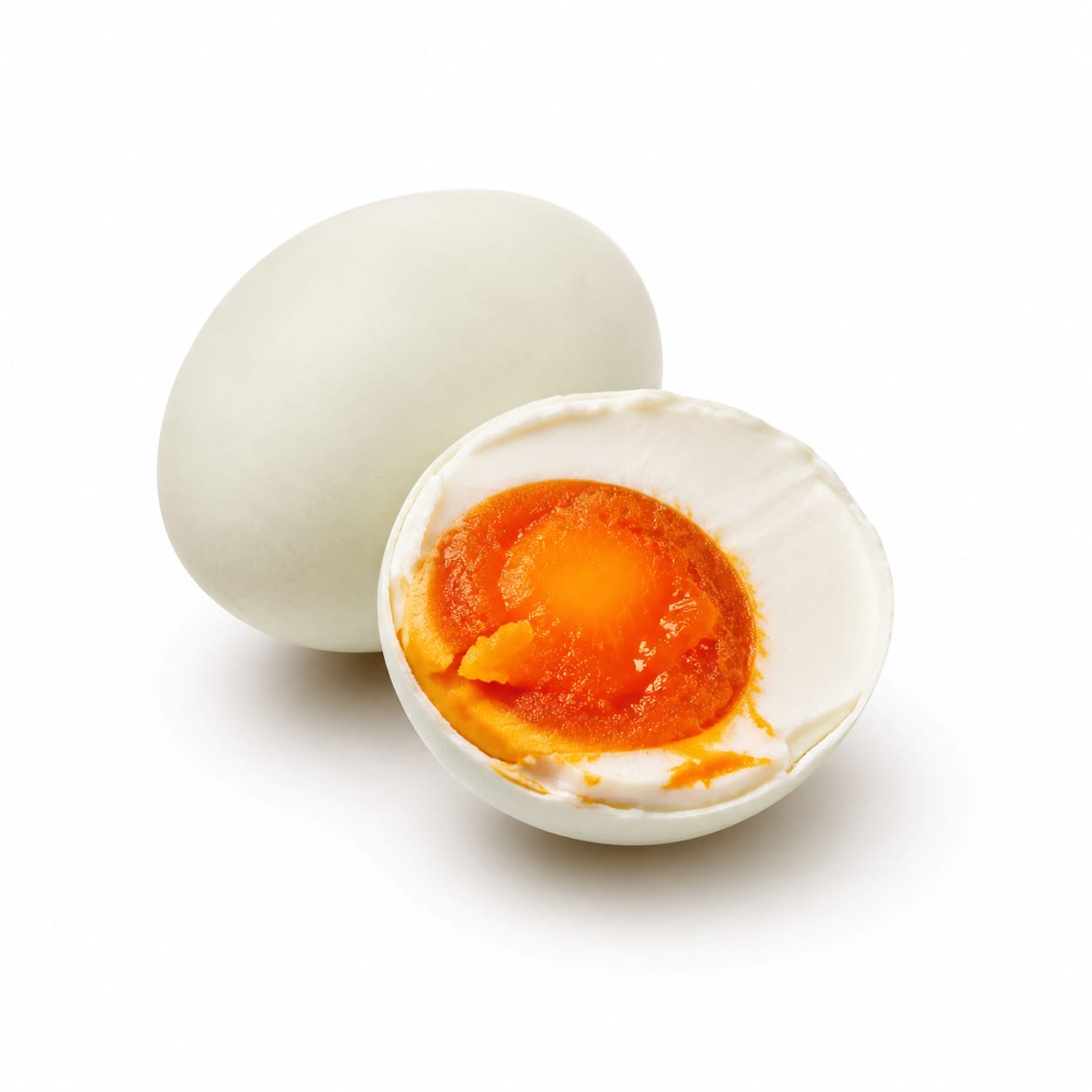
Salted Duck Egg
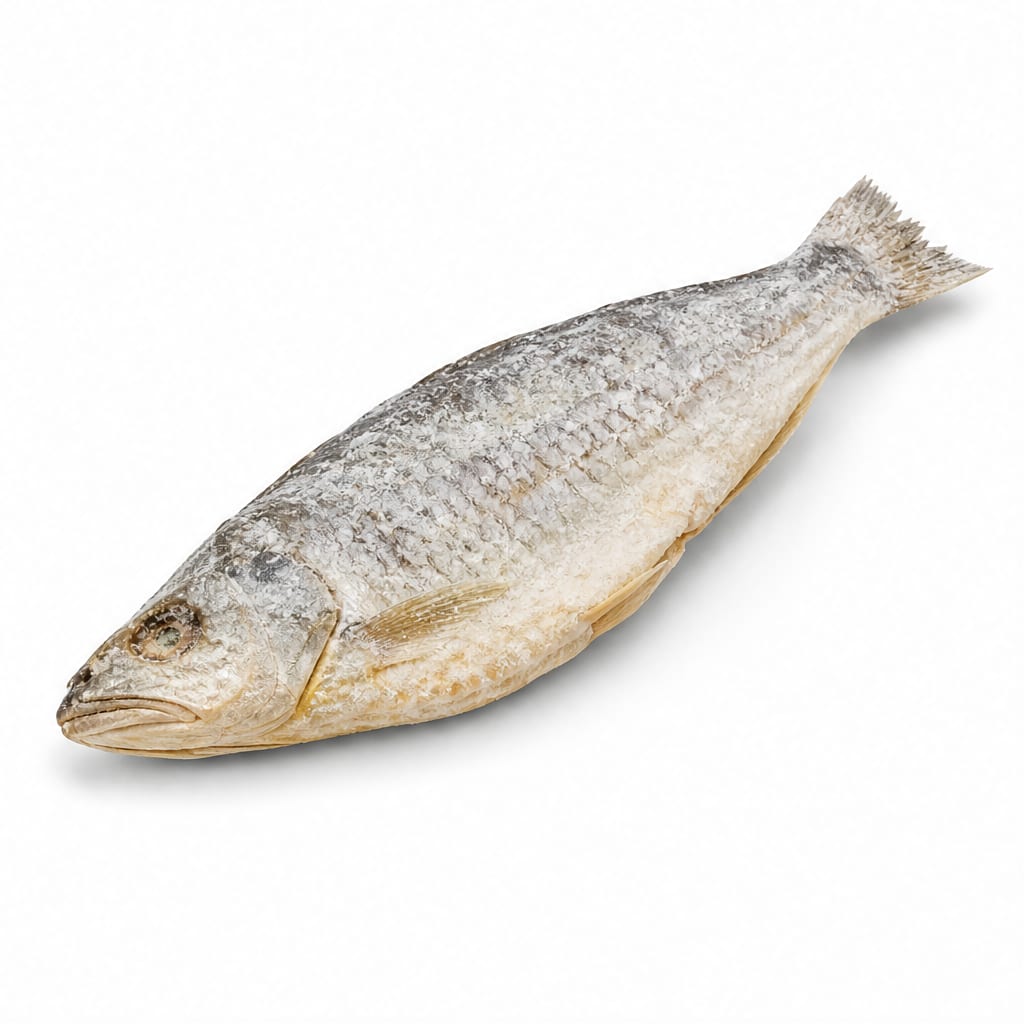
Salted Fish
Salted duck egg edges ahead due to lower cancer risk and richer micronutrients, but both are high-sodium preserved foods that should be eaten sparingly.
Neither food scores well because both are high-sodium preserved products with limited daily-use potential. Salted duck egg scores higher due to lower carcinogenic risk and better micronutrient density, while salted fish is penalized for its IARC Group 1 carcinogen classification.
Salted fish offers more protein and omega-3s but carries a documented cancer risk from nitrosamines; salted duck egg has more cholesterol but is safer from a carcinogenic standpoint.
At a glance
Executive summary
Overall
Salted Duck Egg
Healthier
Salted Duck Egg
More practical
Salted Duck Egg
Daily use
It depends
Key comparison lenses
sodium and blood pressure risk
Both foods are extremely high in sodium due to salt-curing, making this the dominant health concern for most users
cancer risk from preservation methods
Salted fish is classified as a Group 1 carcinogen by IARC due to nitrosamine formation, a critical differentiator
heart health and cholesterol
Salted duck egg is very high in cholesterol while salted fish carries different cardiovascular risks from sodium and processing
protein and nutrient density
Users often choose preserved foods as flavor enhancers and protein sources, so nutritional payoff matters
traditional diet integration
Both are staple preserved foods in Asian cuisines, often used as condiments rather than main dishes
Best choice for
Salted Duck Egg
- People wanting a rich flavor enhancer with lower cancer risk
- Those seeking vitamin A and B12 from a preserved food
- Home cooks making congee or mooncakes
- Anyone avoiding nitrosamine exposure
Salted Fish
- People prioritizing high protein intake in small portions
- Those wanting omega-3 retention in a shelf-stable form
- Traditional Southeast Asian and Chinese recipes requiring dried fish
- Individuals who tolerate sodium well and need calorie-dense preserved protein
Least suitable for
Salted Duck Egg
- People with severe high cholesterol or hyperlipidemia
- Anyone on a strict low-sodium diet
- Children who already consume high-sodium diets
Salted Fish
- Anyone concerned about cancer risk from preserved foods
- People with a family history of nasopharyngeal cancer
- Children, due to heightened vulnerability to nitrosamines
- Those with hypertension or kidney disease
Deep comparison
Dimension by dimension
Each lens scores both foods and breaks down who each option suits.
- Dimension 1 · Priority 95It depends
sodium_load
Salted Duck Egg · 18Salted Fish · 15Both are sodium bombs. Salted duck egg packs roughly 600-900mg per egg, while salted fish can exceed 1000mg per small serving depending on curing method.
Tradeoff
Neither wins here. Both can easily push you past daily sodium limits with just one serving. Salted fish tends to be slightly worse, but the difference is marginal.
Why it matters
Consistently high sodium intake raises blood pressure and strains kidneys. Either food can deliver half your daily sodium in a few bites.
Real-world impact
Eating one salted duck egg with congee at breakfast could use up 40% of your daily sodium budget before noon.
Salted Duck Egg
- Portion control is slightly easier since one egg is a natural serving unit
Better for
- Easy to eat a whole egg without realizing the sodium hit
Worse for
Salted Fish
- Can be shredded into tiny amounts as seasoning, spreading sodium across more dishes
Better for
- Sodium concentration per gram is often higher than salted egg
Worse for
- Dimension 2 · Priority 90Salted Duck Egg
cancer_safety
Salted Duck Egg · 55Salted Fish · 20Salted fish is classified as a Group 1 carcinogen by IARC, specifically linked to nasopharyngeal cancer. Salted duck egg has no such classification.
Tradeoff
This is the starkest difference between the two. Salted fish carries a real, documented cancer risk from nitrosamines formed during curing. Salted duck egg avoids this entirely.
Why it matters
Regular consumption of Chinese-style salted fish during childhood is strongly associated with nasopharyngeal cancer. This is not theoretical — it is established science.
Real-world impact
If you eat salted fish weekly for years, your risk for certain cancers measurably increases. Salted duck egg does not carry this specific risk.
Salted Duck Egg
- No nitrosamine formation during curing
- Safe from IARC carcinogen classification
- Better long-term safety profile for regular consumers
Better for
Salted Fish
- Group 1 carcinogen classification from IARC
- Strong link to nasopharyngeal cancer with regular consumption
- Childhood exposure especially risky
- Nitrosamines form naturally during the salting and drying process
Worse for
- Dimension 3 · Priority 75Salted Fish
protein_quality_and_density
Salted Duck Egg · 50Salted Fish · 72Salted fish delivers more protein per serving with a complete amino acid profile. Salted duck egg provides moderate protein but is heavier on fat.
Tradeoff
If protein is your priority, salted fish wins clearly. But you pay for that protein with higher carcinogenic risk, which is a steep tradeoff.
Why it matters
Protein from fish retains its quality even after salting. Eggs also have excellent protein, but the yolk-heavy nature of salted duck egg means more fat relative to protein.
Real-world impact
A small piece of salted fish can add 15-20g of protein to a meal, while one salted duck egg provides about 9g alongside 12g of fat.
Salted Duck Egg
- Protein is highly bioavailable with a strong amino acid score
- Convenient single-egg portion
Better for
- Lower protein-to-calorie ratio due to high fat content
Worse for
Salted Fish
- Higher protein per calorie
- Retains omega-3 fatty acids even after curing
- More protein-dense for small serving sizes
Better for
- Protein benefit is undermined by cancer risk with frequent consumption
Worse for
- Dimension 4 · Priority 70Salted Duck Egg
micronutrient_density
Salted Duck Egg · 68Salted Fish · 50Salted duck egg is richer in vitamin A, B12, iron, and selenium. Salted fish retains some minerals but loses water-soluble vitamins during curing.
Tradeoff
The egg yolk concentrates fat-soluble vitamins that survive salting well. Fish loses more nutrients through the drying and salting process.
Why it matters
If you are eating a preserved food anyway, getting more micronutrients per bite softens the nutritional compromise.
Real-world impact
One salted duck egg provides meaningful vitamin A and B12, making it a functional addition to nutrient-poor meals like plain rice or congee.
Salted Duck Egg
- Rich in vitamin A from the yolk
- Good B12 and selenium content
- Iron is present in bioavailable form
Better for
- Cholesterol content is very high at over 600mg per egg
Worse for
Salted Fish
- Retains iodine and selenium from the fish
- Some omega-3s survive curing
Better for
- Water-soluble vitamins are largely destroyed during curing
- Mineral content varies widely by fish species
Worse for
- Dimension 5 · Priority 80Salted Duck Egg
heart_health_impact
Salted Duck Egg · 30Salted Fish · 22Neither food is heart-friendly. Salted duck egg brings very high cholesterol, while salted fish brings sodium plus carcinogenic risk that also affects cardiovascular tissue.
Tradeoff
The egg is worse for cholesterol but safer regarding cancer. The fish avoids cholesterol overload but introduces nitrosamine damage that affects blood vessels too.
Why it matters
Both foods challenge cardiovascular health through different mechanisms. Choosing the lesser risk depends on your personal health profile.
Real-world impact
If you have high LDL cholesterol, salted duck egg is the worse immediate choice. If you have a family history of nasopharyngeal cancer, salted fish is the worse long-term choice.
Salted Duck Egg
- No nitrosamine damage to blood vessels
- Cholesterol impact is manageable if intake is infrequent
Better for
- Over 600mg cholesterol per egg exceeds daily recommended limits
Worse for
Salted Fish
- Lower direct cholesterol load per serving
- Omega-3s provide some anti-inflammatory counterbalance
Better for
- Extreme sodium directly raises blood pressure
- Nitrosamines may contribute to vascular damage over time
Worse for
- Dimension 6 · Priority 60Salted Duck Egg
culinary_versatility_and_portion_control
Salted Duck Egg · 65Salted Fish · 55Salted duck egg comes in a natural portion unit and works in both savory and sweet dishes. Salted fish requires more preparation and has a narrower flavor window.
Tradeoff
The egg is easier to portion and more versatile in cooking. Salted fish works well as a seasoning but dominates any dish it enters.
Why it matters
Foods that are easier to portion and more versatile tend to be easier to moderate, which matters when both options are high-sodium.
Real-world impact
You can halve a salted duck egg over congee and feel satisfied. Salted fish often gets added generously because shredding makes portions harder to track.
Salted Duck Egg
- Natural single-serving unit makes portion control intuitive
- Works in congee, stir-fries, pastries, and even desserts
- Milder flavor that blends rather than dominates
Better for
- Limited to cuisines where egg fits the flavor profile
Worse for
Salted Fish
- Intense umami means a little goes a long way as seasoning
- Shelf-stable without refrigeration in dry form
Better for
- Strong fishy flavor restricts pairing options
- Hard to control portions when shredded or flaked into dishes
Worse for
Timeline
Health impact over time
Short-term
Hours to days
Salted Duck Egg
- Immediate sodium hit can cause thirst and mild bloating
- Rich fat content provides quick satiety but may feel heavy
- Cholesterol spike is temporary but measurable after one egg
Salted Fish
- Intense sodium load triggers thirst and potential water retention
- Strong umami can stimulate appetite rather than satisfy it
- High salt may cause digestive discomfort on an empty stomach
Long-term
Months to years
Salted Duck Egg
- Frequent consumption raises LDL cholesterol with regular intake
- Chronic high sodium intake from eggs contributes to hypertension risk
- More manageable long-term than salted fish due to absence of nitrosamines
Salted Fish
- Documented increase in nasopharyngeal cancer risk with regular consumption
- Sustained sodium overload strains kidneys and raises blood pressure
- Nitrosamine exposure may contribute to other gastrointestinal cancers over decades
Risk profile
Safety & processing
Both are traditionally preserved using salt and time. Salted duck egg relies on brining or salted clay, which is relatively straightforward. Salted fish involves salting and sun-drying, which encourages nitrosamine formation — a natural but harmful byproduct of the process. Neither contains artificial preservatives, but the fish curing process itself creates carcinogenic compounds.
Salted Duck Egg
Salmonella from improper curing or storage
mediumIf eggs are not fully cured or are stored in warm conditions, bacterial contamination is possible. Commercially produced eggs in sealed packaging are generally safer.
Cholesterol overload with regular consumption
mediumOne egg exceeds the daily cholesterol limit recommended by some health authorities. Daily consumption is not advisable for people with lipid disorders.
Salted Fish
Nitrosamine exposure and cancer risk
highChinese-style salted fish is classified as a Group 1 carcinogen by IARC. Nitrosamines form naturally during salting and drying. Childhood exposure is especially concerning.
Histamine toxicity from improper drying
mediumInadequately dried or stored salted fish can develop high histamine levels, causing scombroid-like poisoning symptoms including flushing, headache, and nausea.
Heavy metal accumulation depending on fish species
mediumLarger fish used for salting may concentrate mercury and other heavy metals, which are not removed by the curing process.
Who wins for whom
Audience fit
Same foods, different winners depending on your goal.
children
Salted Duck EggIARC specifically warns against feeding salted fish to children due to heightened nasopharyngeal cancer risk. Salted duck egg is not risk-free but lacks the carcinogen classification.
daily consumption
It dependsNeither should be consumed daily. If forced to choose, salted duck egg in small portions a few times per week is the lesser risk, but both are occasional foods at best.
diabetes
Salted Duck EggSalted duck egg has virtually zero carbohydrates and will not spike blood sugar. Salted fish is also low-carb, but the nitrosamine concern is compounded for people with diabetes who already face higher cancer risk.
elderly
Salted Duck EggOlder adults are more vulnerable to both sodium and cancer risks. Salted duck egg avoids the nitrosamine issue and provides B12, which is often deficient in elderly populations.
muscle gain
Salted FishSalted fish provides more complete protein per serving, which supports muscle maintenance. However, the cancer risk makes it unsuitable as a daily protein source.
weight loss
It dependsNeither is ideal for weight loss. Salted duck egg is more satiating per serving due to fat content, but salted fish offers more protein with fewer calories per gram of protein. Both are high-sodium, which causes water retention that masks true weight loss.
Your move
Decision guide
Choose Salted Duck Egg
- You want a preserved food with lower cancer risk
- You are cooking congee, mooncakes, or stir-fries where egg fits naturally
- You value micronutrients like vitamin A and B12 from preserved food
- You are feeding children and need a safer preserved flavor enhancer
Choose Salted Fish
- You need high protein density in a shelf-stable form
- You are making traditional dishes that specifically require salted fish
- You eat it only occasionally and want maximum umami impact per serving
- You have no family history of nasopharyngeal cancer and tolerate sodium well
Either works if
- You are looking for an occasional flavor enhancer, not a dietary staple
- You want to add umami depth to simple rice or noodle dishes
- You are comfortable managing sodium intake for the rest of the day
Avoid both if
- You have hypertension, kidney disease, or heart failure
- You are on a strict low-sodium diet prescribed by a doctor
- You have a family history of nasopharyngeal cancer
- You already consume high amounts of processed or preserved foods daily
Final recommendation
If you must choose one, salted duck egg is the safer occasional indulgence. It avoids the carcinogenic profile of salted fish while still delivering rich flavor and useful micronutrients. But treat both as condiments, not staples — a few times per month at most. Your blood pressure and long-term cancer risk will thank you.
Practical
Consumer tips
- 1
Limit salted duck egg to 2-3 per week maximum, and balance with low-sodium meals the same day
- 2
Avoid salted fish entirely if you have children in the household — the IARC warning is specifically about childhood exposure
- 3
Soak salted fish in water for 30 minutes before cooking to reduce surface sodium slightly
- 4
Pair either food with potassium-rich vegetables like spinach or bok choy to help counteract sodium effects
- 5
If you love the flavor of salted duck egg, try using just the yolk as a garnish — a little goes a long way
- 6
Never make either food your primary protein source — use them as flavor enhancers alongside fresh proteins
- 7
Check packaging for sodium content, as commercial brands vary widely in salt concentration