
Nutrition comparison
Salted Duck Egg vs Avocado: Which Is Healthier for Daily Eating?
Compare Salted Duck Egg and Avocado on sodium, fat quality, heart health, and daily usability. Learn why Avocado wins for regular consumption and when Salted Duck Egg is worth the indulgence.
Overall winner · Avocado
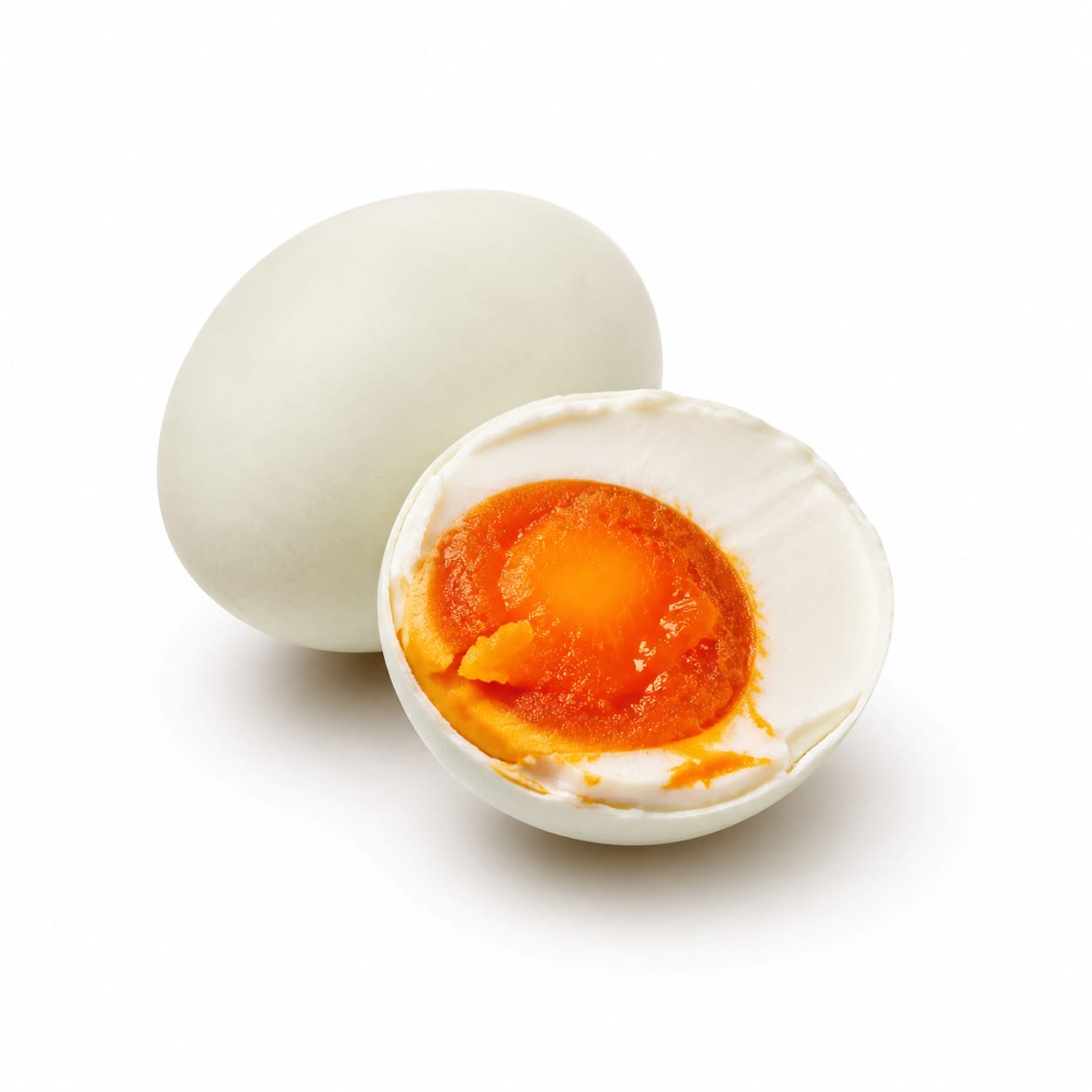
Salted Duck Egg
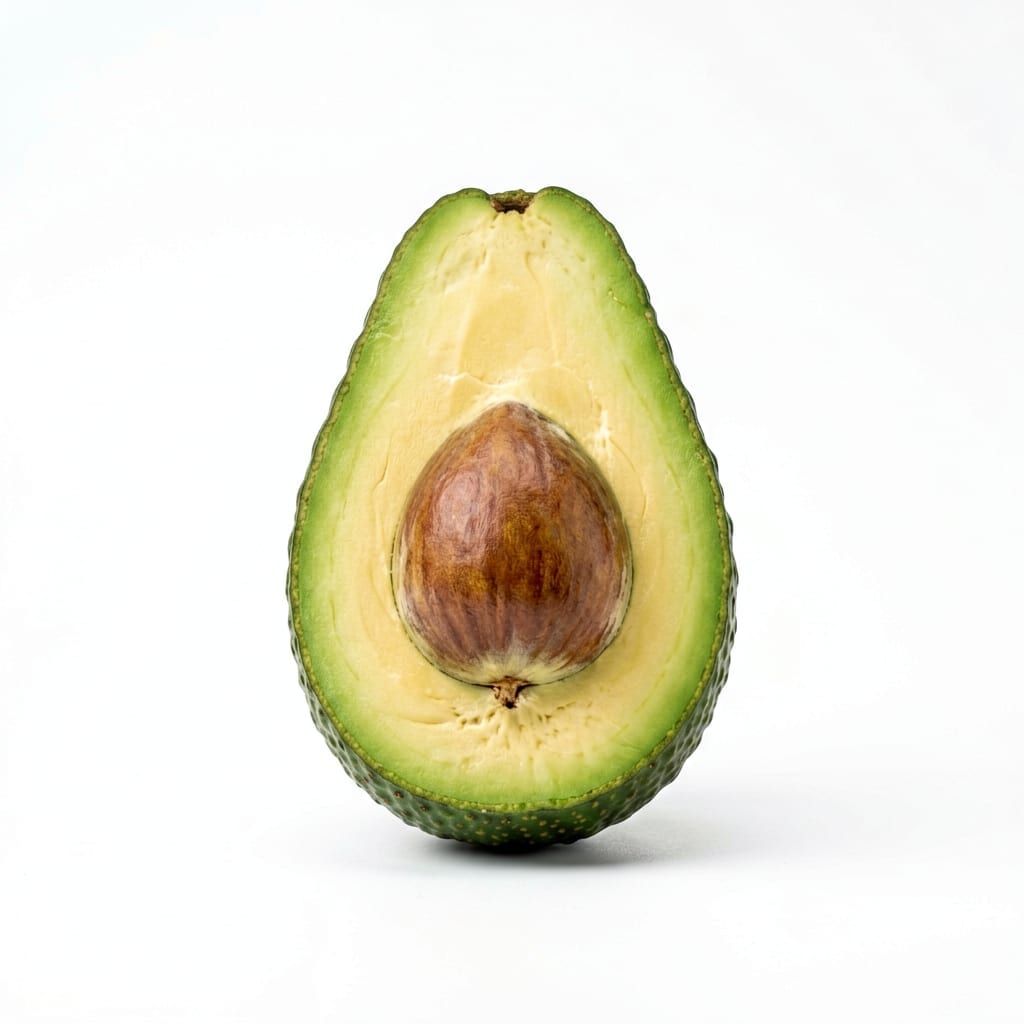
Avocado
Avocado wins for everyday health due to its heart-friendly fats and zero sodium, while Salted Duck Egg is a flavorful occasional indulgence that carries significant salt load.
Avocado scores significantly higher due to its heart-healthy fat profile, fiber content, and near-zero sodium. Salted Duck Egg is not inherently bad but its extreme salt content and cholesterol load make it unsuitable as a regular food, dragging its overall score down substantially.
Salted Duck Egg delivers richer protein and unique umami satisfaction but at a steep sodium cost; Avocado offers sustained energy and cardiovascular benefits with barely any salt.
At a glance
Executive summary
Overall
Avocado
Healthier
Avocado
More practical
Avocado
Daily use
Avocado
Key comparison lenses
sodium and heart health
Salted Duck Egg is extremely high in sodium while Avocado is virtually sodium-free, making this the most critical health differentiator
fat quality comparison
Both foods are fat-dense but the type of fat differs dramatically — saturated fat and cholesterol versus heart-healthy monounsaturated fat
daily consumption safety
Avocado can be eaten daily without concern; Salted Duck Egg carries cumulative sodium risks with regular intake
processing and preservation
Salted Duck Egg is a preserved food with curing salt; Avocado is a whole fresh fruit
nutrient density and satiety
Both are nutrient-dense and filling, but through very different mechanisms — protein and fat versus fiber and healthy fat
Best choice for
Salted Duck Egg
- Traditional Asian cuisine enthusiasts wanting authentic flavor
- People needing extra protein and calories in a compact serving
- Occasional savory cravings where nothing else hits the spot
Avocado
- Heart-conscious eaters watching blood pressure
- Anyone seeking a daily healthy fat source
- People managing weight through high-satiety whole foods
Least suitable for
Salted Duck Egg
- People with hypertension or sodium-restricted diets
- Anyone eating multiple salty preserved foods regularly
- Children who should not develop high-salt taste preferences
Avocado
- People with latex-fruit syndrome or avocado allergy
- Very low-fat diet followers under medical guidance
- Budget-conscious shoppers in regions where avocados are expensive
Deep comparison
Dimension by dimension
Each lens scores both foods and breaks down who each option suits.
- Dimension 1 · Priority 95Avocado
Sodium and Blood Pressure Impact
Salted Duck Egg · 8Avocado · 98A single Salted Duck Egg can contain 600-900mg of sodium — roughly a third to half of your daily limit. Avocado has essentially zero sodium.
Tradeoff
That rich savory flavor in Salted Duck Egg comes directly from heavy salt curing, which directly raises blood pressure risk with regular consumption.
Why it matters
High sodium intake is one of the leading preventable risk factors for cardiovascular disease worldwide. This single dimension makes daily consumption of Salted Duck Egg inadvisable.
Real-world impact
Eating one Salted Duck Egg at breakfast could use up most of your sodium budget for the day, leaving little room for any other seasoned food.
Salted Duck Egg
- Situations where electrolyte replenishment is genuinely needed after heavy sweating
Better for
- Hypertension patients
- People on sodium-restricted medical diets
- Children developing lifelong taste preferences
Worse for
Avocado
- Anyone with borderline or high blood pressure
- People who eat other salty foods throughout the day
- Older adults whose kidneys process sodium less efficiently
Better for
- Endurance athletes who actually need sodium replacement during prolonged exercise
Worse for
- Dimension 2 · Priority 90Avocado
Fat Quality and Heart Health
Salted Duck Egg · 30Avocado · 92Avocado is loaded with monounsaturated fat that actively supports cardiovascular health. Salted Duck Egg yolk contains saturated fat and dietary cholesterol.
Tradeoff
Salted Duck Egg provides satisfying richness from animal fat, but that same fat profile is less favorable for long-term heart health compared to plant-based monounsaturated fat.
Why it matters
The type of fat you eat regularly shapes your lipid profile over years. Monounsaturated fats lower LDL cholesterol; excessive saturated fat and sodium together compound cardiovascular risk.
Real-world impact
Swapping Salted Duck Egg for Avocado on your morning toast could meaningfully shift your cholesterol numbers over months, not just your taste experience.
Salted Duck Egg
- People on keto diets who prioritize fat variety and are not sodium-sensitive
- Cultural meals where the egg's richness is integral to the dish
Better for
- People with existing heart disease
- Anyone already exceeding saturated fat guidelines
Worse for
Avocado
- Anyone focused on long-term heart health
- People with family history of cardiovascular disease
- Those managing elevated LDL cholesterol
Better for
- Individuals on medically prescribed very-low-fat diets
Worse for
- Dimension 3 · Priority 75It depends
Satiety and Fullness
Salted Duck Egg · 72Avocado · 78Both foods are filling but through different mechanisms — Salted Duck Egg via dense protein and fat, Avocado via fiber and creamy fat content.
Tradeoff
Salted Duck Egg feels heavier and more immediately satisfying due to concentrated protein, while Avocado provides longer-lasting fullness from fiber that slows digestion.
Why it matters
How long you stay full after eating affects snacking behavior and total daily calorie intake more than most people realize.
Real-world impact
Half an Avocado with lunch keeps afternoon hunger at bay for hours. A Salted Duck Egg feels deeply satisfying in the moment but the salt may trigger thirst and cravings sooner.
Salted Duck Egg
- People wanting a compact, dense protein hit in a small serving
- Those who find animal protein more psychologically satisfying
Better for
- People whose thirst from salt leads to drinking sugary beverages
Worse for
Avocado
- People prone to afternoon snacking who need sustained fullness
- Anyone trying to reduce overall calorie intake without feeling deprived
Better for
- Those who find plant-based fat less emotionally satisfying than animal fat
Worse for
- Dimension 4 · Priority 70Avocado
Nutrient Density Beyond Fat
Salted Duck Egg · 55Avocado · 80Avocado delivers potassium, folate, vitamin K, vitamin E, and substantial fiber. Salted Duck Egg offers vitamin A, iron, B12, and some calcium but no fiber.
Tradeoff
Salted Duck Egg wins on certain micronutrients like B12 and iron that Avocado lacks entirely, but Avocado provides fiber and potassium that most diets are deficient in.
Why it matters
Modern diets are chronically low in potassium and fiber — nutrients Avocado excels at providing. The nutrients in Salted Duck Egg are easier to obtain from less salty sources.
Real-world impact
Adding Avocado to a meal helps close common nutrient gaps. The iron and B12 in Salted Duck Egg are valuable but available from many other unsalted protein sources.
Salted Duck Egg
- People with iron deficiency who tolerate the sodium load
- Those needing B12 who eat limited animal products otherwise
Better for
- People already meeting iron and B12 needs through other foods
Worse for
Avocado
- Anyone not meeting daily fiber targets
- People who need more potassium to balance sodium intake
- Those wanting broad micronutrient coverage from a single food
Better for
- Vegans who also need B12 from supplements regardless of Avocado intake
Worse for
- Dimension 5 · Priority 80Avocado
Processing and Naturalness
Salted Duck Egg · 25Avocado · 95Avocado is a whole fresh fruit you peel and eat. Salted Duck Egg is preserved through weeks of salt curing or brining.
Tradeoff
The preservation process that gives Salted Duck Egg its distinctive texture and flavor also introduces significant sodium and alters the food from its natural state.
Why it matters
Minimally processed foods generally support better long-term health outcomes. Preservation methods involving heavy salt carry cumulative risks.
Real-world impact
Avocado can be eaten as-is with zero preparation beyond cutting. Salted Duck Egg requires a curing process and always delivers a processed-food sodium load even at the highest quality.
Salted Duck Egg
- Situations requiring long shelf life without refrigeration
Better for
- People reducing intake of preserved and cured foods
- Anyone concerned about cumulative effects of food preservation methods
Worse for
Avocado
- Anyone prioritizing whole, unprocessed food choices
- People who value knowing exactly what is in their food
- Those avoiding preserved or cured foods for health reasons
Better for
- Environments without reliable fresh food access where shelf-stable options matter
Worse for
- Dimension 6 · Priority 60Avocado
Culinary Versatility
Salted Duck Egg · 55Avocado · 82Avocado works in sweet and savory dishes, spreads, smoothies, salads, and as a butter substitute. Salted Duck Egg is more niche — powerful in specific Asian dishes but overwhelming in others.
Tradeoff
Salted Duck Egg brings intense umami that defines certain dishes but can dominate a recipe. Avocado is a neutral creamy base that adapts to almost any flavor profile.
Why it matters
A versatile healthy food gets eaten more often in more contexts, making it easier to build consistent habits.
Real-world impact
You can put Avocado on toast, in a smoothie, on a salad, or use it as mayo replacement. Salted Duck Egg shines in congee, mooncakes, and stir-fries but is harder to incorporate broadly.
Salted Duck Egg
- Home cooks preparing traditional Chinese or Southeast Asian recipes
- People wanting a concentrated umami punch in small quantities
Better for
- Cooks working outside Asian culinary traditions
- Anyone wanting a neutral-flavored fat source
Worse for
Avocado
- Meal preppers who want one ingredient that works across many recipes
- People new to healthy eating who need easy versatile options
Better for
- Traditional recipes where Avocado would be an inauthentic substitution
Worse for
Timeline
Health impact over time
Short-term
Hours to days
Salted Duck Egg
- Immediate sodium hit that can cause thirst and mild bloating
- Rich satisfying mouthfeel that curbs hunger quickly
- Potential blood pressure spike within hours for sodium-sensitive individuals
Avocado
- Steady energy without blood sugar spikes or crashes
- Gentle digestive support from fiber and healthy fats
- Comforting creamy texture that feels indulgent without heaviness
Long-term
Months to years
Salted Duck Egg
- Regular consumption significantly increases hypertension risk due to cumulative sodium load
- Dietary cholesterol and saturated fat may impact lipid profiles over time
- Frequent high-salt intake can damage kidney function and cardiovascular system progressively
Avocado
- Consistent monounsaturated fat intake supports healthier cholesterol ratios
- Regular fiber consumption improves gut health and reduces disease risk
- Potassium from Avocado helps counteract sodium from other dietary sources
Risk profile
Safety & processing
Salted Duck Egg is a traditionally preserved food cured in salt or brine for weeks, which fundamentally alters its composition and concentrates sodium dramatically. Avocado is a whole fruit eaten in its natural state with no additives or alteration.
Salted Duck Egg
Excessive sodium intake
highA single egg can contain 600-900mg sodium, making it easy to exceed daily limits especially when combined with other seasoned foods
Salmonella and bacterial contamination
mediumImproper curing or storage can allow harmful bacteria to develop; quality control varies significantly between producers
Cholesterol accumulation with frequent consumption
mediumEach egg contains roughly 600mg of dietary cholesterol, which may impact blood lipids in sensitive individuals when eaten regularly
Avocado
Allergic reaction in latex-fruit syndrome
mediumPeople with latex allergy may experience cross-reactive allergic responses to avocado proteins
Pesticide residue on conventionally grown avocados
lowThick skin protects edible flesh from most pesticide exposure, making avocados one of the cleaner conventional produce choices
Foodborne illness from improper handling
lowCut avocados left at room temperature can harbor Listeria; refrigerate cut surfaces promptly
Who wins for whom
Audience fit
Same foods, different winners depending on your goal.
children
AvocadoChildren should not develop high-salt taste preferences from Salted Duck Egg, while Avocado provides brain-supporting healthy fats and mild flavor that kids can learn to enjoy
daily consumption
AvocadoAvocado can be eaten every day without accumulating health risks; Salted Duck Egg's sodium makes daily consumption inadvisable for most people
diabetes
AvocadoAvocado has virtually zero carbs and its fiber slows any blood sugar response, while Salted Duck Egg's sodium worsens the hypertension risk that already accompanies diabetes
elderly
AvocadoOlder adults are more sodium-sensitive and at higher cardiovascular risk, making Avocado's potassium and heart-healthy fats far more appropriate than Salted Duck Egg's sodium load
muscle gain
Salted Duck EggSalted Duck Egg provides more complete protein with all essential amino acids in a compact serving, making it slightly more useful for muscle recovery when sodium is managed through other meals
weight loss
AvocadoAvocado's fiber and healthy fats provide lasting fullness that reduces overall calorie intake throughout the day, while Salted Duck Egg's sodium triggers thirst that may lead to sugary drink consumption
Your move
Decision guide
Choose Salted Duck Egg
- You are preparing traditional Asian dishes where Salted Duck Egg is essential to authentic flavor
- You need a compact calorie and protein source and are otherwise eating very low sodium
- You are an occasional indulgence eater who can limit Salted Duck Egg to once a week or less
Choose Avocado
- You want a daily healthy fat source that supports heart health instead of undermining it
- You are watching your blood pressure or have family history of cardiovascular disease
- You need a versatile whole food that works across breakfast, lunch, dinner, and snacks
- You are trying to increase fiber and potassium intake naturally
Either works if
- You are simply looking for a satisfying fat-rich food and can manage the sodium tradeoff
- You rotate between diverse fat sources and neither food dominates your diet
Avoid both if
- You are on a strict low-fat diet for medical reasons such as gallbladder disease or pancreatitis
- You have kidney disease requiring both sodium and potassium restriction
Final recommendation
Make Avocado your everyday fat source and treat Salted Duck Egg as a cultural delicacy enjoyed occasionally. The sodium difference alone makes this a clear long-term health decision, not a close call. If you love Salted Duck Egg, savor it mindfully once every week or two — not as a daily habit.
Practical
Consumer tips
- 1
Limit Salted Duck Egg to once per week maximum and balance the rest of your day with low-sodium foods
- 2
If eating Salted Duck Egg, skip other salty foods that day to stay within recommended sodium limits
- 3
Choose Avocados that yield slightly to pressure for immediate eating; firm ones need 2-3 days to ripen
- 4
Store cut Avocado with the pit and a squeeze of lemon juice to slow browning
- 5
Look for Salted Duck Eggs from reputable producers with proper food safety certifications — curing quality varies widely
- 6
If you have hypertension, even occasional Salted Duck Egg should be paired with potassium-rich foods like bananas or spinach to help buffer the sodium
- 7
Freeze ripe Avocados peeled and pitted if you cannot use them before they overripen