
Nutrition comparison
Salted Duck Egg vs Ostrich Egg: Nutrition, Sodium, and Health Comparison
Compare Salted Duck Egg and Ostrich Egg side by side. Discover which egg is healthier, how sodium levels differ dramatically, and which fits your diet best.
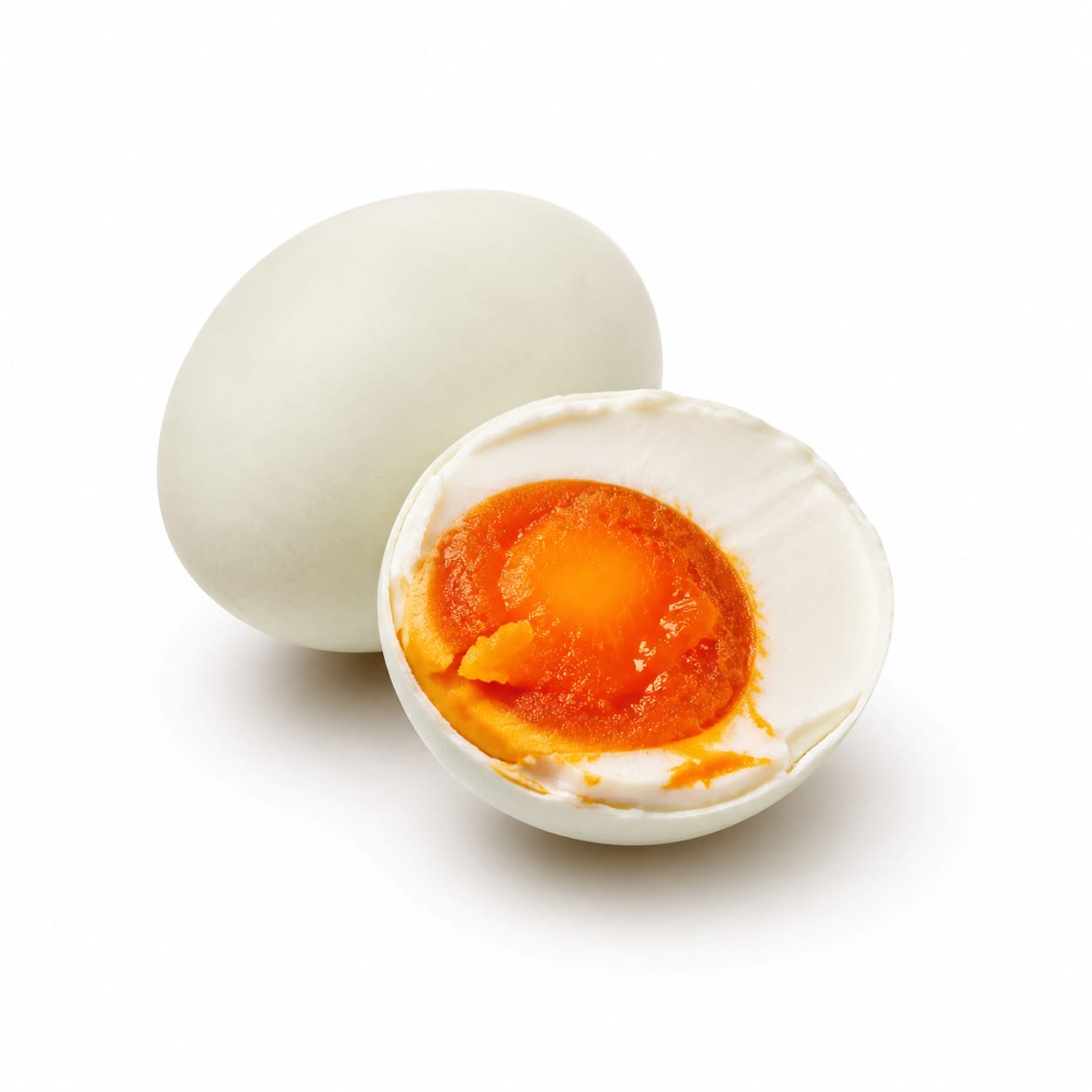
Salted Duck Egg

Ostrich Egg
Ostrich Egg wins on nutrition and naturalness, but Salted Duck Egg wins on convenience and cultural culinary value. The sodium load in Salted Duck Egg is the dealbreaker for daily use.
Ostrich Egg scores significantly higher due to minimal processing, zero added sodium, and superior protein density. Salted Duck Egg loses ground mainly from extreme sodium content and preservation processing, though it remains culturally valuable and flavorful.
Flavor and convenience versus sodium and processing. Ostrich Egg gives you clean, massive protein; Salted Duck Egg gives you rich umami in a compact serving but with a heavy salt price.
At a glance
Executive summary
Overall
It depends
Healthier
Ostrich Egg
More practical
Salted Duck Egg
Daily use
Ostrich Egg
Key comparison lenses
sodium and heart health
Salted Duck Egg is extremely high in sodium due to brining, making cardiovascular risk the dominant concern
protein value and satiety
Ostrich Egg delivers massive protein in a single serving, while Salted Duck Egg offers modest protein with intense flavor
processing and preservation
Salted Duck Egg is a preserved food with added salt, while Ostrich Egg is a fresh whole egg
practicality and portion control
One Ostrich Egg equals roughly 24 chicken eggs, creating unique portion challenges compared to a single-serve Salted Duck Egg
cholesterol management
Both eggs are cholesterol-dense, but the sheer size of an Ostrich Egg makes overconsumption risk higher if not portioned
Best choice for
Salted Duck Egg
- Flavor enthusiasts wanting umami richness in dishes
- People who eat eggs occasionally as a condiment or topping
- Traditional Asian recipe preparation
- Quick single-serve protein with intense taste
Ostrich Egg
- Meal preppers feeding a family from one egg
- Athletes needing large clean protein amounts
- People avoiding processed or preserved foods
- Anyone monitoring sodium intake strictly
Least suitable for
Salted Duck Egg
- People with hypertension or sodium-sensitive conditions
- Anyone eating eggs daily as a staple protein
- Children who should not have excessive sodium
- Those avoiding preserved or cured foods
Ostrich Egg
- Solo cooks who cannot finish or store 2000+ calories of egg
- People wanting quick single-serving convenience
- Those on a tight grocery budget given specialty pricing
- Anyone unfamiliar with portioning such a large egg
Deep comparison
Dimension by dimension
Each lens scores both foods and breaks down who each option suits.
- Dimension 1 · Priority 95Ostrich Egg
sodium_and_heart_health
Salted Duck Egg · 15Ostrich Egg · 90Salted Duck Egg contains roughly 600-900mg sodium per egg from brining. Ostrich Egg has naturally occurring sodium around 90mg per whole egg.
Tradeoff
You get intense savory flavor from Salted Duck Egg but at the cost of consuming 25-40% of your daily sodium limit in one small egg.
Why it matters
Consistently high sodium intake raises blood pressure and stroke risk even in healthy people. This is the single biggest health differentiator.
Real-world impact
Eating two Salted Duck Eggs could put you near your daily sodium ceiling before counting any other food. Ostrich Egg lets you season to taste instead.
Salted Duck Egg
- Quick umami flavor boost in small amounts
Better for
- Hypertension risk
- Water retention and bloating
- Cardiovascular strain with regular use
Worse for
Ostrich Egg
- Blood pressure management
- Heart health long-term
- Flexible seasoning control
Better for
- None significant for sodium
Worse for
- Dimension 2 · Priority 88Ostrich Egg
protein_and_satiety
Salted Duck Egg · 45Ostrich Egg · 92One Ostrich Egg contains approximately 170g of protein versus roughly 7g in a Salted Duck Egg. The satiety difference is enormous.
Tradeoff
Ostrich Egg provides feast-level protein but requires portioning across multiple meals. Salted Duck Egg offers a small protein bump alongside its flavor role.
Why it matters
Protein drives fullness, muscle maintenance, and metabolic health. A single Ostrich Egg can protein-feed a family of four.
Real-world impact
After eating a Salted Duck Egg you will still be hungry. After a portion of Ostrich Egg you will stay full for hours.
Salted Duck Egg
- Light protein addition without feeling heavy
Better for
- Inadequate as a standalone protein source
- Likely to need additional food to feel satisfied
Worse for
Ostrich Egg
- Post-workout recovery
- Muscle preservation
- Long-lasting fullness
- Feeding multiple people efficiently
Better for
- Overconsumption risk if eaten alone
- Requires meal planning to portion properly
Worse for
- Dimension 3 · Priority 82Ostrich Egg
processing_and_naturalness
Salted Duck Egg · 30Ostrich Egg · 95Salted Duck Egg is preserved through weeks of brining or salted clay coating. Ostrich Egg is a fresh unprocessed whole egg.
Tradeoff
Traditional preservation creates unique flavor and shelf stability but introduces high sodium and changes the egg's natural state.
Why it matters
Less processing generally means more predictable nutrient profiles and fewer hidden health costs.
Real-world impact
With Ostrich Egg you know exactly what you are eating. With Salted Duck Egg the preservation process has fundamentally altered the sodium and moisture content.
Salted Duck Egg
- Extended shelf life without refrigeration
- Traditional culinary authenticity
Better for
- Added sodium from preservation
- Altered natural nutrient balance
- Less transparency in processing methods
Worse for
Ostrich Egg
- Clean label eating
- Full control over added ingredients
- Nutrient integrity preserved
Better for
- Shorter shelf life
- Requires refrigeration
Worse for
- Dimension 4 · Priority 78Salted Duck Egg
practicality_and_convenience
Salted Duck Egg · 80Ostrich Egg · 35Salted Duck Egg is grab-and-go with built-in portion size. Ostrich Egg requires planning, tools, and storage strategy.
Tradeoff
Convenience of a single-serve preserved egg versus the logistical challenge of an egg equivalent to two dozen chicken eggs.
Why it matters
In real life people eat what is easy. An egg you cannot easily crack or finish creates waste and frustration.
Real-world impact
You can toss a Salted Duck Egg into a lunchbox. An Ostrich Egg requires a bowl big enough to hold it and a plan for the remaining 1800 calories.
Salted Duck Egg
- Single serving ready to eat
- Easy to store and transport
- No portioning decisions needed
Better for
- Limited culinary versatility beyond traditional uses
Worse for
Ostrich Egg
- Cost-effective protein for groups
- One cook feeds many people
Better for
- Difficult to crack and handle
- Storage challenges after opening
- Specialty sourcing required
- High risk of food waste
Worse for
- Dimension 5 · Priority 75It depends
cholesterol_and_fat_profile
Salted Duck Egg · 40Ostrich Egg · 50Both are cholesterol-dense. Salted Duck Egg has about 600mg cholesterol per egg. Ostrich Egg has roughly 2600mg per whole egg but is typically portioned across many servings.
Tradeoff
Per serving Ostrich Egg can be moderate in cholesterol if portioned correctly. Salted Duck Egg is often eaten whole, delivering its full cholesterol load at once.
Why it matters
Dietary cholesterol affects people differently. Sensitive individuals need to watch both, but portion control makes Ostrich Egg more flexible.
Real-world impact
If you eat a quarter of an Ostrich Egg you get similar cholesterol to one chicken egg. Eat a whole Salted Duck Egg and you get double that with a sodium chaser.
Salted Duck Egg
- Smaller absolute cholesterol per egg if eaten alone
Better for
- Cholesterol combined with high sodium compounds cardiovascular risk
- Typically consumed whole without portioning
Worse for
Ostrich Egg
- Adjustable cholesterol per serving through portioning
- Better fat-to-protein ratio overall
Better for
- Total cholesterol is extreme if consumed in large amounts
- Easy to overeat if not disciplined about portions
Worse for
Timeline
Health impact over time
Short-term
Hours to days
Salted Duck Egg
- Immediate sodium hit causing thirst and potential bloating
- Rich satisfying flavor that enhances meal enjoyment
- Moderate satiety from fat and protein content
Ostrich Egg
- High satiety from dense protein and fat content
- Steadier energy without sodium-driven blood pressure spikes
- Potential digestive heaviness if overconsumed
Long-term
Months to years
Salted Duck Egg
- Elevated blood pressure risk with regular consumption
- Increased cardiovascular strain from combined sodium and cholesterol
- Possible kidney stress from chronic high sodium intake
Ostrich Egg
- Excellent muscle maintenance from high-quality protein
- Flexible cholesterol management through portion control
- Minimal processing supports cleaner long-term dietary patterns
Risk profile
Safety & processing
Salted Duck Egg undergoes traditional preservation with heavy salt application over weeks. Some commercial versions may include additional preservatives or dyes for the signature red yolk. Ostrich Egg is essentially as natural as any fresh egg gets.
Salted Duck Egg
Excessive sodium intake
highA single egg can contain 600-900mg sodium, which is 25-40% of the recommended daily limit. Regular consumption compounds cardiovascular risk.
Commercial additive exposure
mediumSome mass-produced versions use artificial coloring for the yolk or preservatives to extend shelf life beyond traditional methods.
Botulism from improper curing
lowTraditional salt curing is generally safe, but home-prepared versions with insufficient salt concentration could pose rare contamination risk.
Ostrich Egg
Salmonella from undercooking
mediumLike all eggs, Ostrich Eggs carry salmonella risk if consumed raw or undercooked. The large volume means thorough cooking takes longer.
Food waste and spoilage
mediumOnce cracked, the massive volume must be consumed or stored quickly. Improper storage of leftover portions creates spoilage risk.
Sourcing and quality control
lowOstrich Eggs are specialty items with less regulatory oversight than commercial chicken eggs. Source from reputable farms.
Who wins for whom
Audience fit
Same foods, different winners depending on your goal.
children
Ostrich EggChildren are especially sensitive to sodium. Salted Duck Egg delivers an inappropriate sodium load for small bodies. A small portion of Ostrich Egg is a cleaner choice.
daily consumption
Ostrich EggOstrich Egg can be portioned daily as a clean protein source. Salted Duck Egg's sodium makes daily use inadvisable for most people.
diabetes
Ostrich EggBoth eggs are low-carb, but Ostrich Egg has no added sodium which often accompanies insulin resistance. Salted Duck Egg's sodium worsens the hypertension that frequently co-occurs with diabetes.
elderly
Ostrich EggOlder adults face higher blood pressure and kidney sensitivity. Ostrich Egg's natural sodium level is far safer. Salted Duck Egg's sodium load is risky for this group.
muscle gain
Ostrich EggWith approximately 170g protein per egg, Ostrich Egg is a muscle-building powerhouse. Salted Duck Egg's modest 7g protein cannot compete.
weight loss
Ostrich EggOstrich Egg provides high protein satiety with zero added sodium, supporting lean eating. Salted Duck Egg's sodium causes water retention and its intense flavor can stimulate appetite.
Your move
Decision guide
Choose Salted Duck Egg
- You are preparing traditional Asian dishes like mooncakes, congee, or stir-fries
- You want an intense umami flavor accent rather than a primary protein source
- You have no blood pressure concerns and eat it only occasionally
- You need a shelf-stable egg product for travel or emergency supplies
Choose Ostrich Egg
- You want maximum clean protein for yourself or a family
- You are monitoring sodium for heart or kidney health
- You prefer unprocessed whole foods with no hidden additives
- You enjoy cooking and are comfortable portioning large-format ingredients
Either works if
- You want a cholesterol-free alternative (neither works — both are cholesterol-dense)
- You need a quick portable snack (neither is ideal — Salted Duck Egg is too salty, Ostrich Egg is too large)
Avoid both if
- You have severe hypercholesterolemia and have been advised to limit dietary cholesterol
- You have egg allergies or sensitivities
- You are on a strict sodium-restricted diet (especially avoid Salted Duck Egg)
Final recommendation
For health-conscious everyday eating, Ostrich Egg is the clear winner — massive clean protein, no added sodium, minimal processing. Reserve Salted Duck Egg as an occasional flavor treat in traditional dishes, not a daily protein staple. If sodium is not a personal concern and you value culinary tradition, Salted Duck Egg has its place, but it should never be your go-to egg.
Practical
Consumer tips
- 1
Limit Salted Duck Egg to once or twice per week maximum to manage sodium exposure
- 2
When cooking Ostrich Egg, portion it into 4-6 servings and refrigerate the rest immediately
- 3
Look for Salted Duck Eggs made with traditional methods and no artificial coloring if you choose them
- 4
Ostrich Egg can be scrambled, boiled, or used in baking just like chicken eggs — just scale recipes by roughly 24x
- 5
If you have hypertension, treat Salted Duck Egg as a condiment rather than a main protein
- 6
Freeze leftover Ostrich Egg portions in ice cube trays for convenient future use
- 7
Check labels on commercial Salted Duck Eggs for added preservatives or dyes