
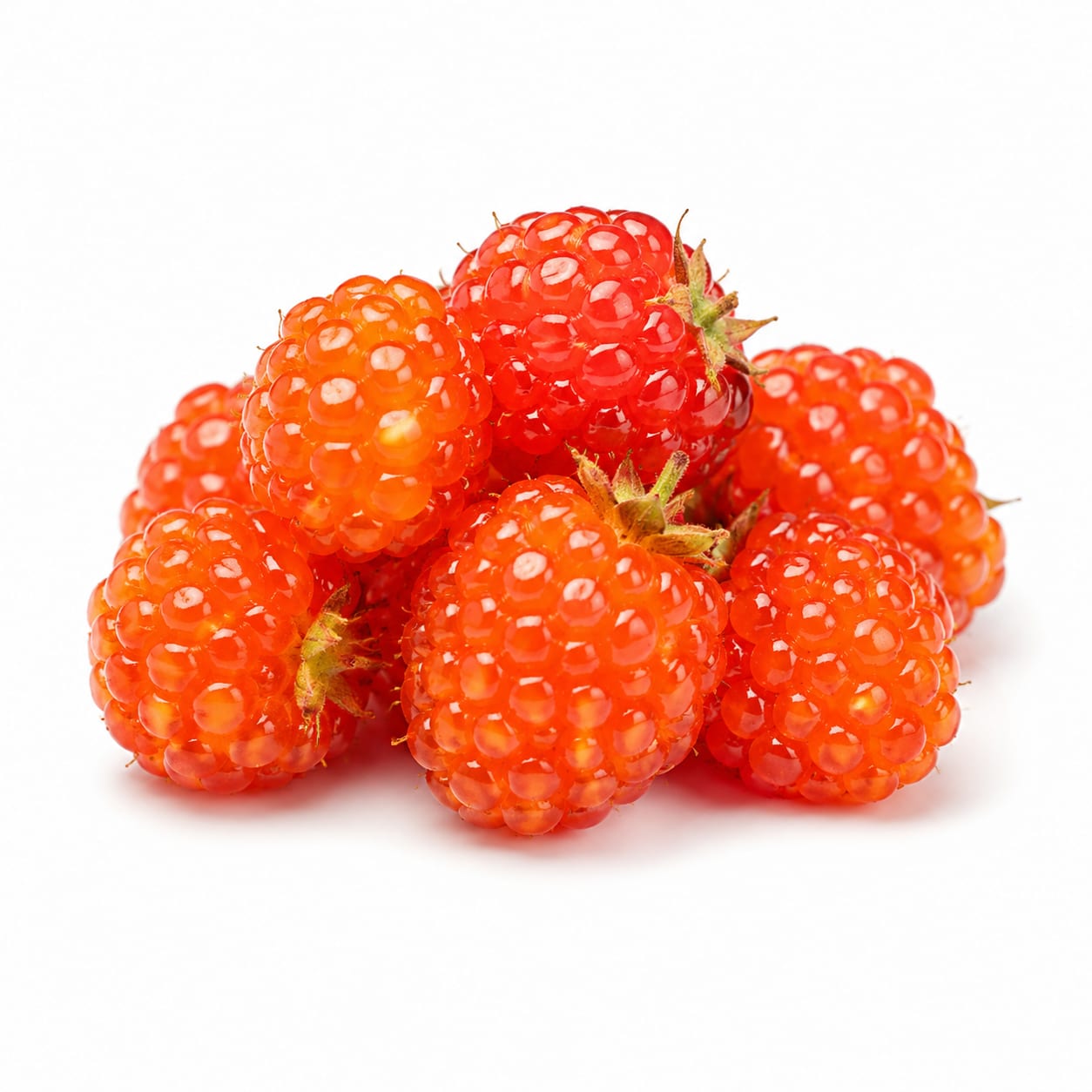
Berry
Salmonberry
A wild, tart-to-sweet North American berry similar to a raspberry.
A wild bramble fruit native to the west coast of North America, resembling a large raspberry with a color ranging from yellow to deep red.
low-calorie wild fruit
Typical serving · 100g
Common varieties · Typical wild (red/orange), Golden salmonberry, Dark red salmonberry
Overall context score across nutrition, safety, and diet fit
At a glance
Quick facts
Simple indicators based on nutrition, processing, and diet fit.
The story
What makes it unique
Salmonberries are fast-digesting, low-calorie fruits with a high water content and moderate fiber. Their macronutrient profile is dominated by simple sugars, but the low overall carbohydrate density and fiber content promote moderate satiety and a low glycemic response. As a wild, minimally processed food, they retain high levels of natural phytochemicals.
Varieties: Typical wild (red/orange) · Golden salmonberry · Dark red salmonberry
Per 100g
Nutrition breakdown
Macro balance and key metrics at a glance.
Energy
Density 0.47 kcal/g
Protein
Carbs
Fat
Fiber
Sugar
5 g
Sodium
1 mg
Potassium
130 mg
Glycemic index
32
Glycemic load
3
Water content
86%
Standout compounds
Nutrient highlights
Vitamin C
moderateSupports immune function and collagen synthesis
Manganese
moderateAids in metabolism and bone formation
Dietary Fiber
moderatePromotes digestive regularity and gut health
Anthocyanins
highProvides antioxidant protection against cellular damage
Wellness map
Health scores & processing
NOVA processing scale
Minimally processed · Whole food
Wild-harvested and consumed fresh or frozen without additives or refinement.
Diet compatibility
- Weight loss
- Muscle gain
- Diabetes
- Gut health
- Low carb
- High protein
- Heart health
Relative standing
Food rankings
Qualitative ranks compared to similar whole foods.
- Satietygood
- Blood sugarexcellent
- Nutrient densitygood
- Fitness fuelmoderate
- Processing qualityexcellent
Eat with confidence
Food safety profile
Wild-foraged salmonberries carry a moderate risk of environmental contamination from wildlife or soil. Washing thoroughly is essential.
Evidence confidence 75%
- Pesticideslow
- Antibioticslow
- Heavy metalslow
- Contaminationmoderate
Watch for
- Soil bacteria
- Wild animal saliva
- Insects
Safer choices
Cultivated organic raspberries or blackberries offer similar nutrition with controlled agricultural standards.
Prep tips
Rinse thoroughly under cold running water to remove soil, insects, and potential wildlife residue before consuming.
Not typically regulated by the FDA as it is mostly wild-foraged rather than commercially cultivated.
Deep dive
Health analysis
How this food may fit different goals and preparation choices.
Weight loss
Very low energy density and high water content allow for large portion sizes with minimal caloric intake.
Blood sugar
Low glycemic index and load due to moderate fiber and low sugar density, preventing sharp blood sugar spikes.
Fitness & energy
Provides a quick but low-volume source of simple carbohydrates, better suited as a light pre-workout snack than for sustained energy.
Gut health
Dietary fiber and polyphenols support a healthy gut microbiome by acting as prebiotics.
Processing quality
Typically consumed in its natural state, offering maximum nutrient retention without added sugars or preservatives.
Food safety
Primary risks stem from foraging environments rather than agricultural chemicals; proper washing mitigates most concerns.
Common mistakes
Confusing them with unripe or different wild berries, or eating them unwashed straight from the bush in high-traffic wildlife areas.
Best preparation
Eaten fresh, lightly washed, or frozen for smoothies. Cooking reduces vitamin C content but makes them suitable for preserves.
Practical guide
Best use cases
When and how this food fits real eating patterns.
High-volume low-calorie snacking
Eat a large bowl fresh to satisfy sweet cravings with minimal caloric impact.
Foraged trail snack
Consume fresh while hiking in the Pacific Northwest for natural hydration and light energy.
Smoothie thickener
Blend frozen salmonberries to add fiber, tart flavor, and antioxidants to protein shakes.
Balance sheet
Pros & cons
Upsides
- Very low calorie density supports weight management
- High water content aids hydration
- Rich in wild-source antioxidants
- Low glycemic impact makes it blood sugar friendly
- Completely unprocessed when eaten fresh
Trade-offs
- Highly perishable and difficult to transport
- Tart flavor may not appeal to everyone
- Limited commercial availability outside foraging regions
- Wild foraging carries slight contamination risks
- Lower overall macronutrient density for fueling intense exercise
Fit check
Who is it for?
Great match
- weight loss diets
- low sugar snacking
- hikers and foragers
- blood sugar management
Consider alternatives
- high calorie bulking diets
- rapid post-workout glycogen replenishment
- people needing high-protein foods
Side by side
How it compares
Open the full head-to-head analysis for nutrition, safety, and practical tradeoffs.
This food
Salmonberry
VS90% alike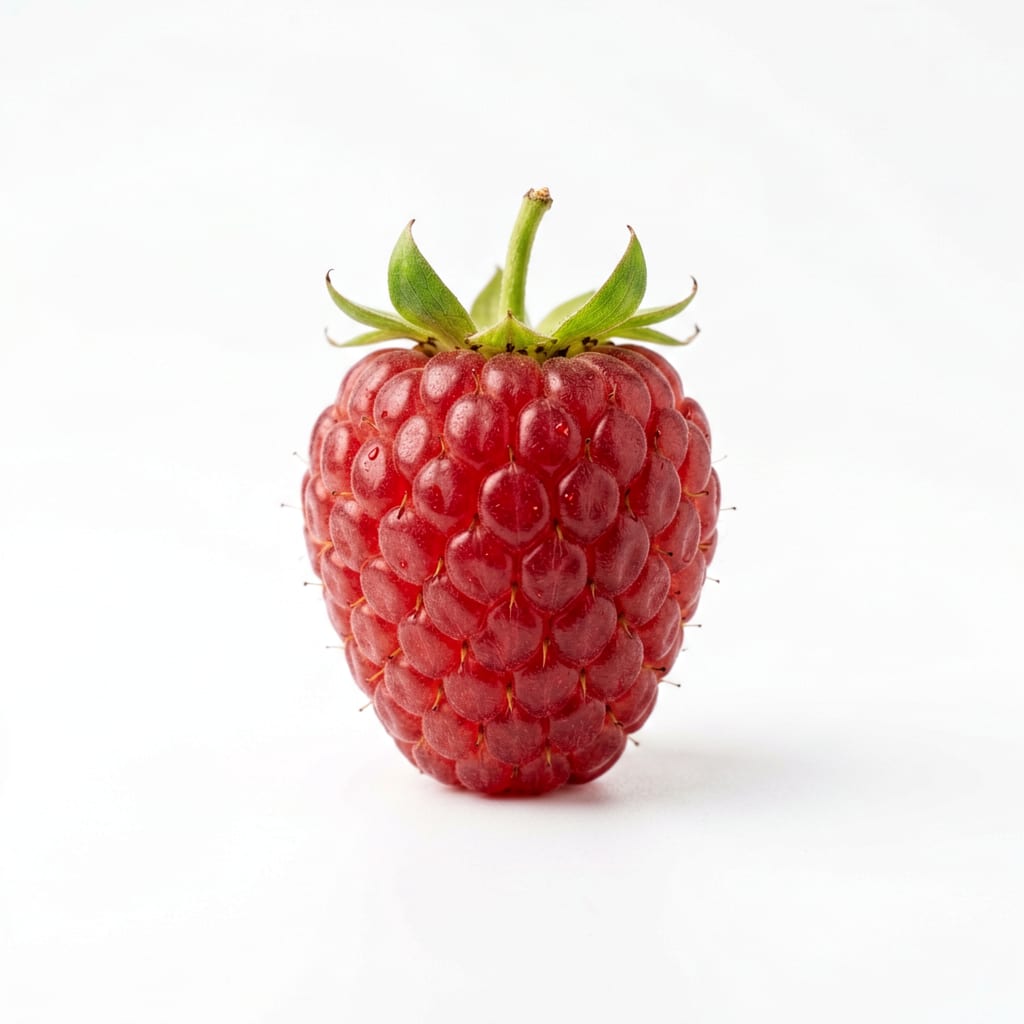
Compare with
Raspberry
Raspberries are sweeter and firmer with slightly more fiber, while salmonberries are softer and more tart.
Raspberries offer slightly better nutrition and satiety, but salmonberries are a great wild alternative.
This food
Salmonberry
VS85% alike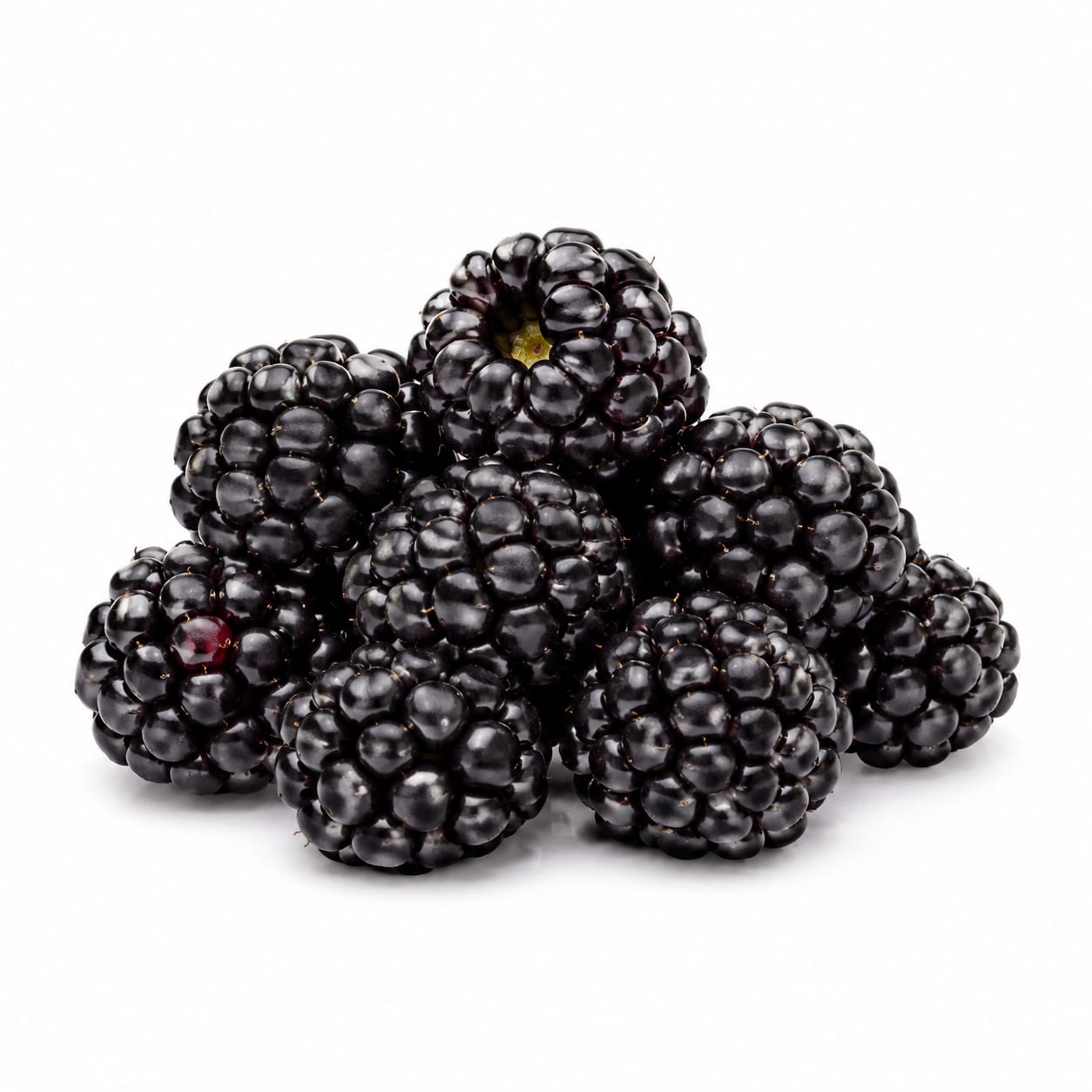
Compare with
Blackberry
Blackberries are higher in fiber and darker in pigment, offering more antioxidants, while salmonberries are softer and less sweet.
Blackberries provide more fiber and antioxidants, but salmonberries are lower in calories and sugar.
This food
Salmonberry
VS95% alike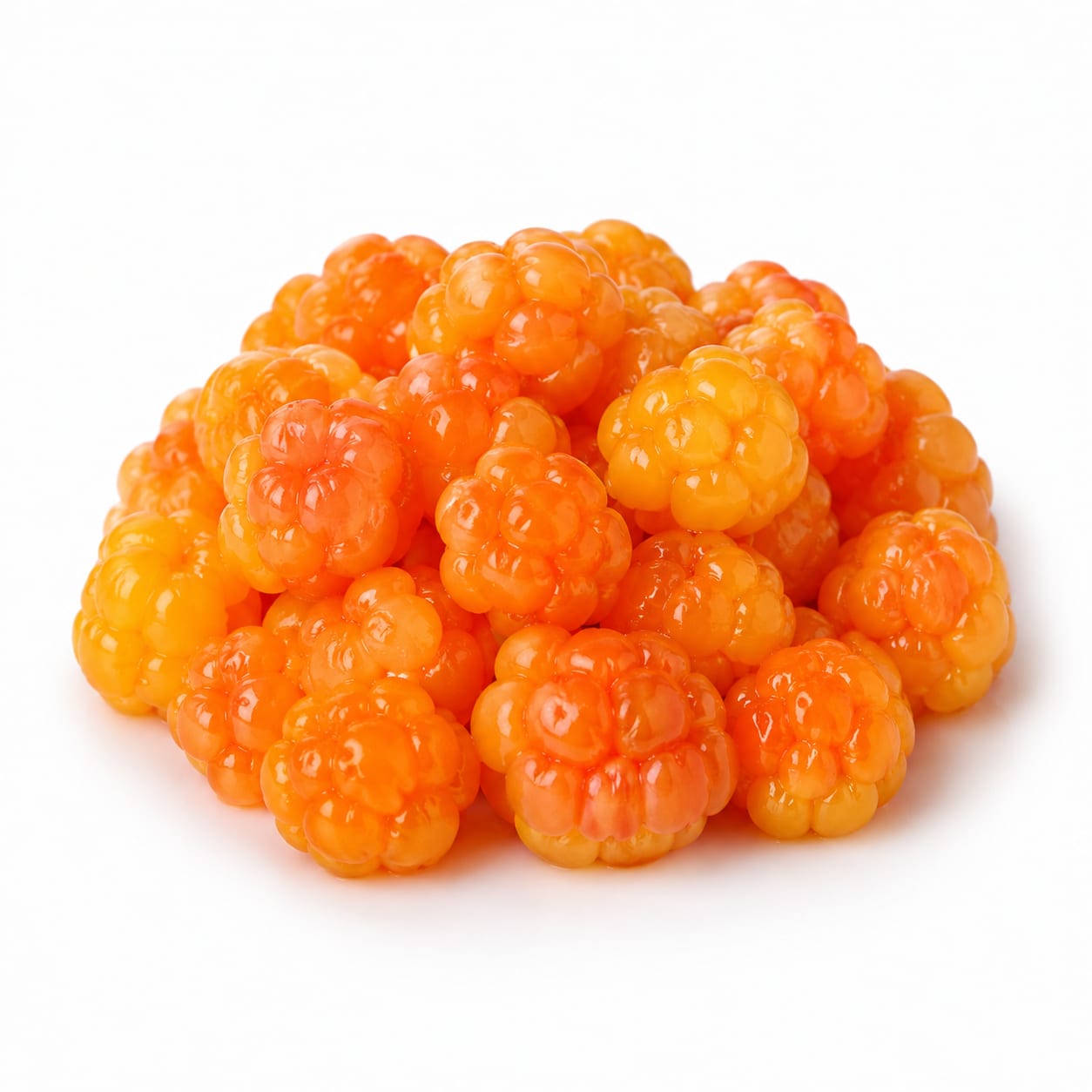
Compare with
Cloudberry
Cloudberries are similar in texture and wild origin but are typically yellow/amber and slightly higher in vitamin C.
Both are excellent wild, low-sugar berries; cloudberries edge out slightly in vitamin C.
This food
Salmonberry
VS75% alike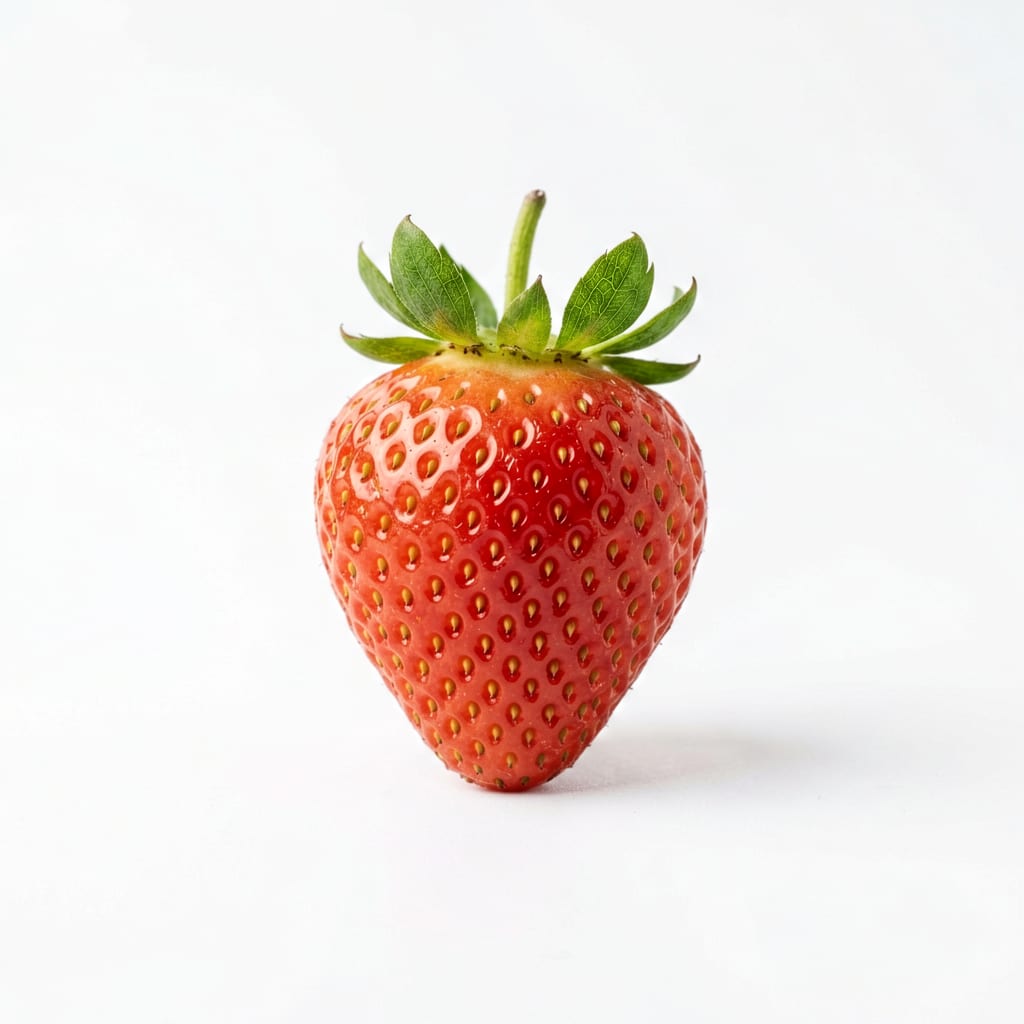
Compare with
Strawberry
Strawberries are sweeter and more commercially available, while salmonberries are more tart and lower in sugar.
Salmonberries are lower in sugar and calories, but strawberries are sweeter and more accessible.
This food
Salmonberry
VS75% alike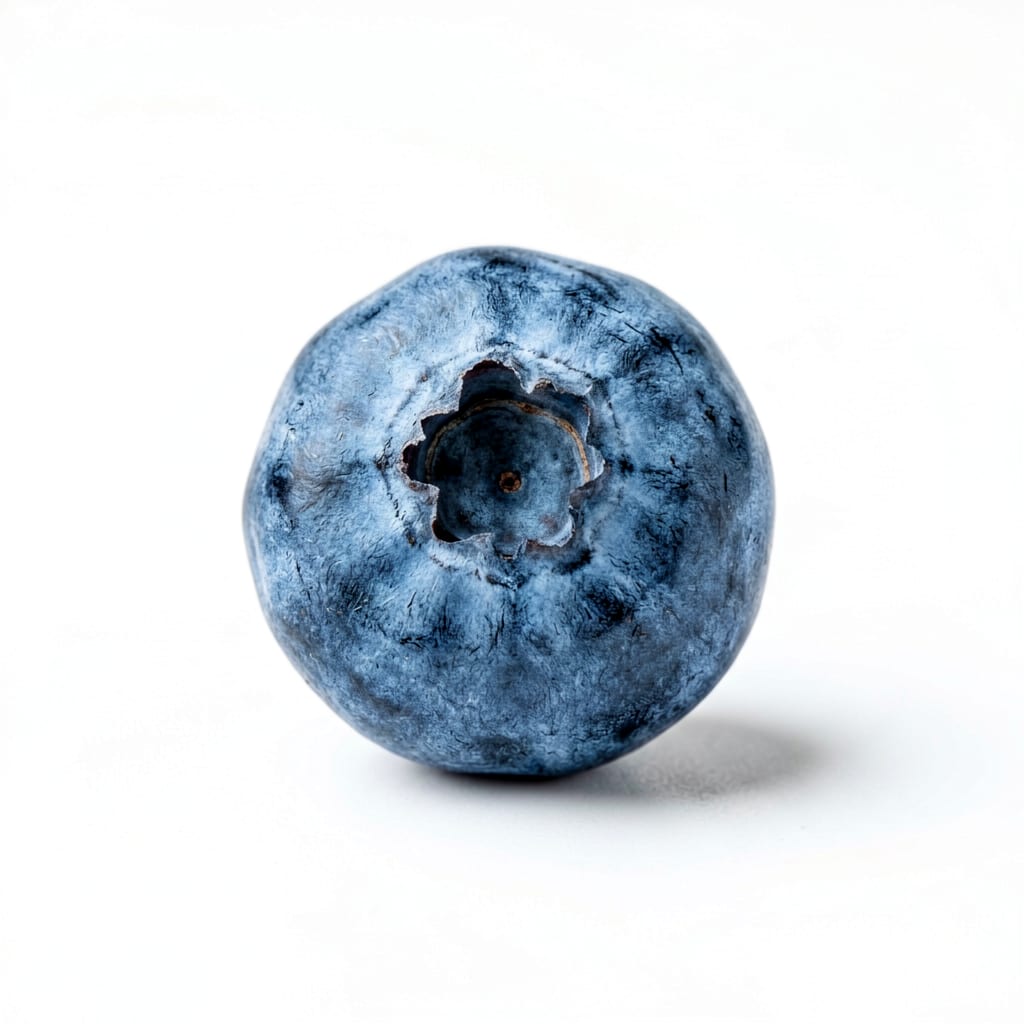
Compare with
Blueberry
Blueberries are sweeter with a higher glycemic index, while salmonberries are tarter and lower in carbohydrates.
Salmonberries are better for blood sugar control, while blueberries are preferred for sweet flavor and workout fuel.
This food
Salmonberry
VS95% alike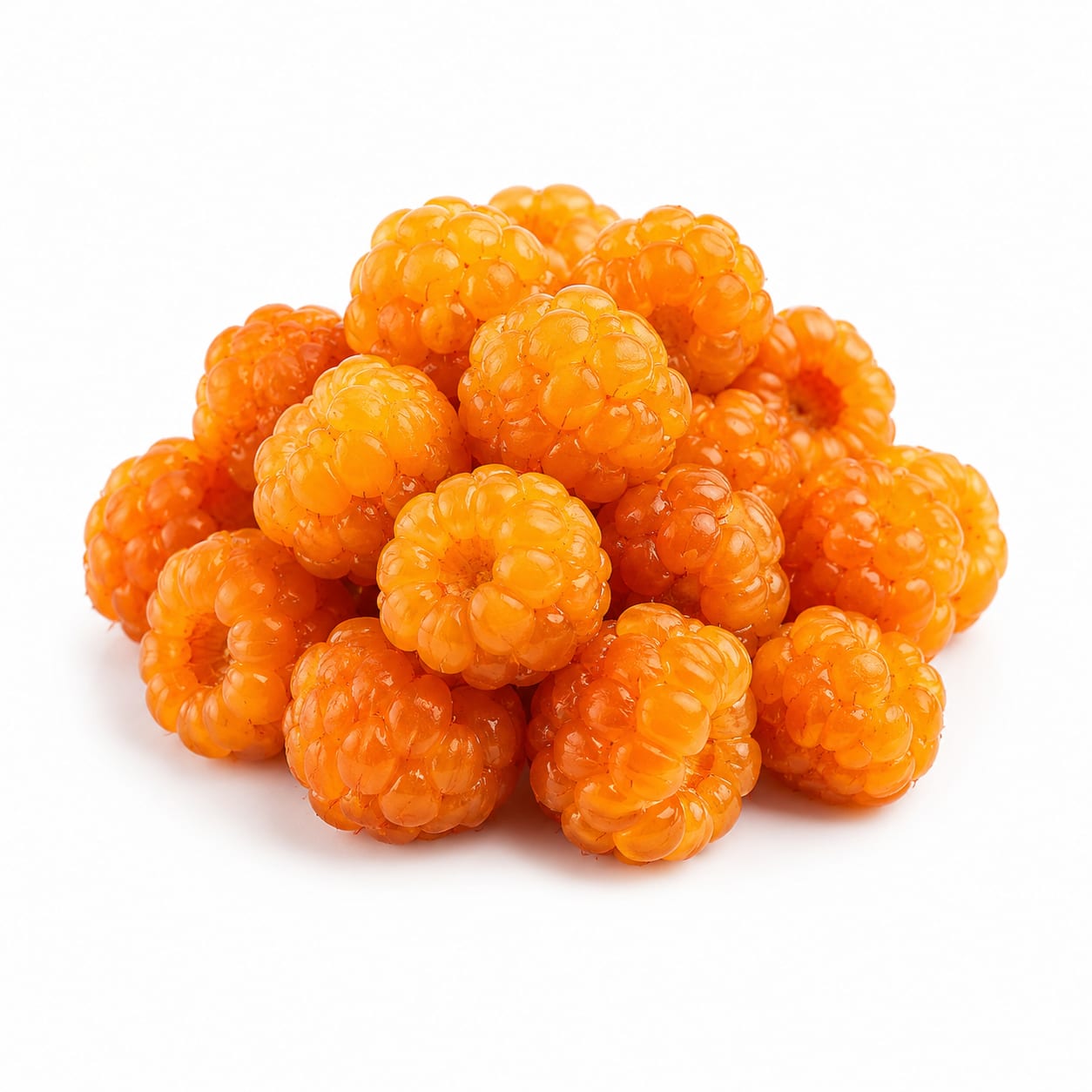
Compare with
Thimbleberry
Thimbleberries are flatter and even more delicate than salmonberries, with a similar tart flavor profile.
Both are delicate wild berries, but salmonberries are slightly juicier and more substantial.
This food
Salmonberry
VS70% alike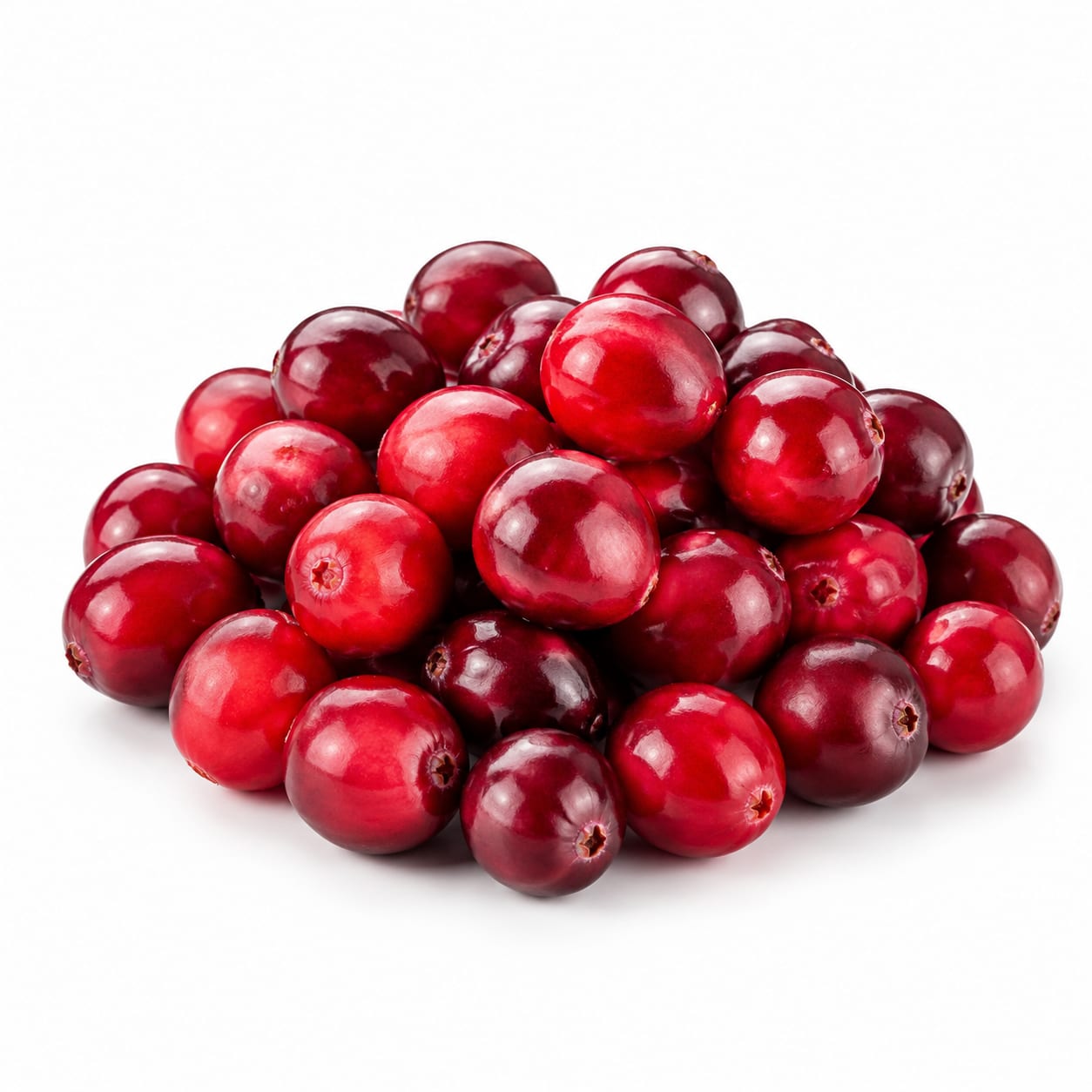
Compare with
Cranberry
Cranberries are much more tart and lower in sugar, typically requiring sweetening, whereas salmonberries can be eaten fresh.
Cranberries are lower in sugar and calories but too tart to eat raw, while salmonberries are enjoyable fresh.
This food
Salmonberry
VS50% alike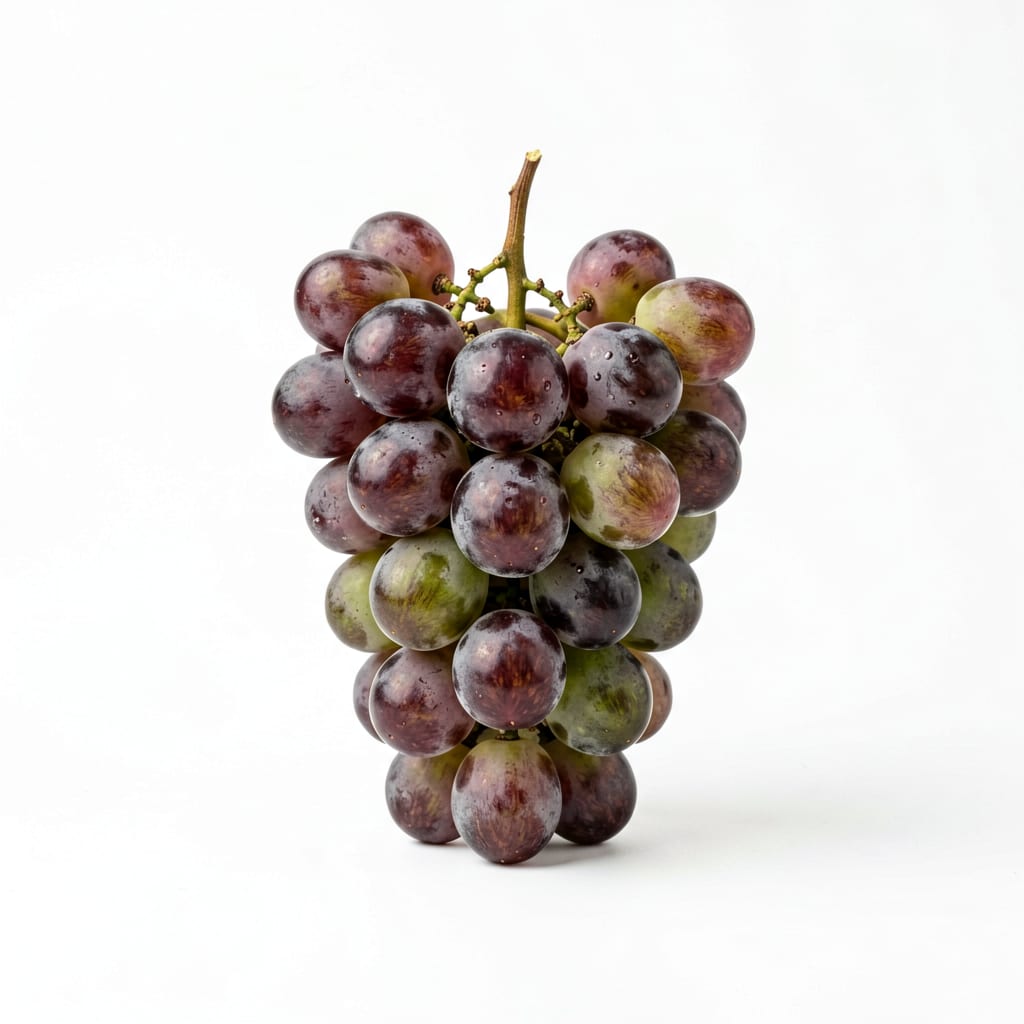
Compare with
Grape
Grapes are much sweeter and higher in sugar and calories, while salmonberries are low-sugar and tart.
Salmonberries are far better for blood sugar and weight loss, while grapes provide quicker energy.
This food
Salmonberry
VS50% alike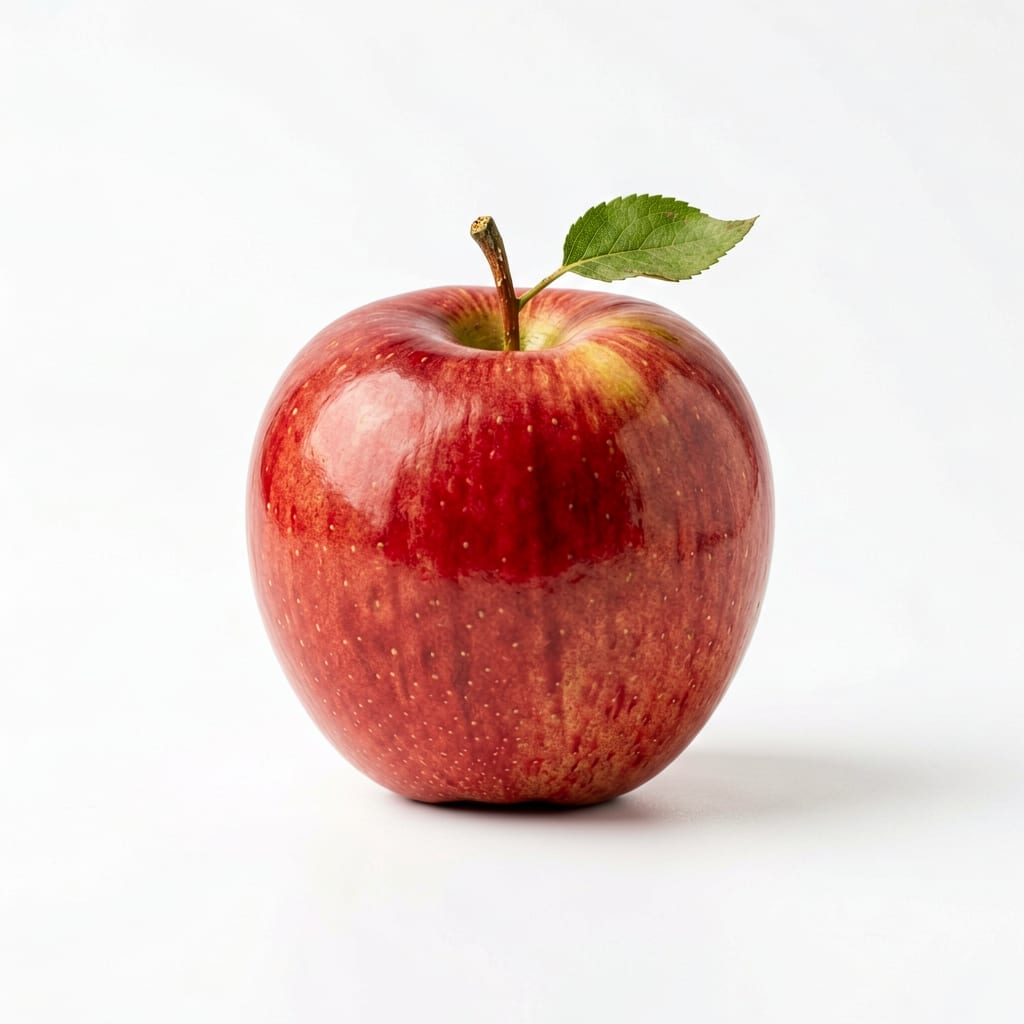
Compare with
Apple
Apples are denser, sweeter, and higher in calories and fiber, while salmonberries are water-rich and lower in carbs.
Salmonberries are lower in calories and sugar, but apples offer more sustained satiety and energy.
This food
Salmonberry
VS80% alike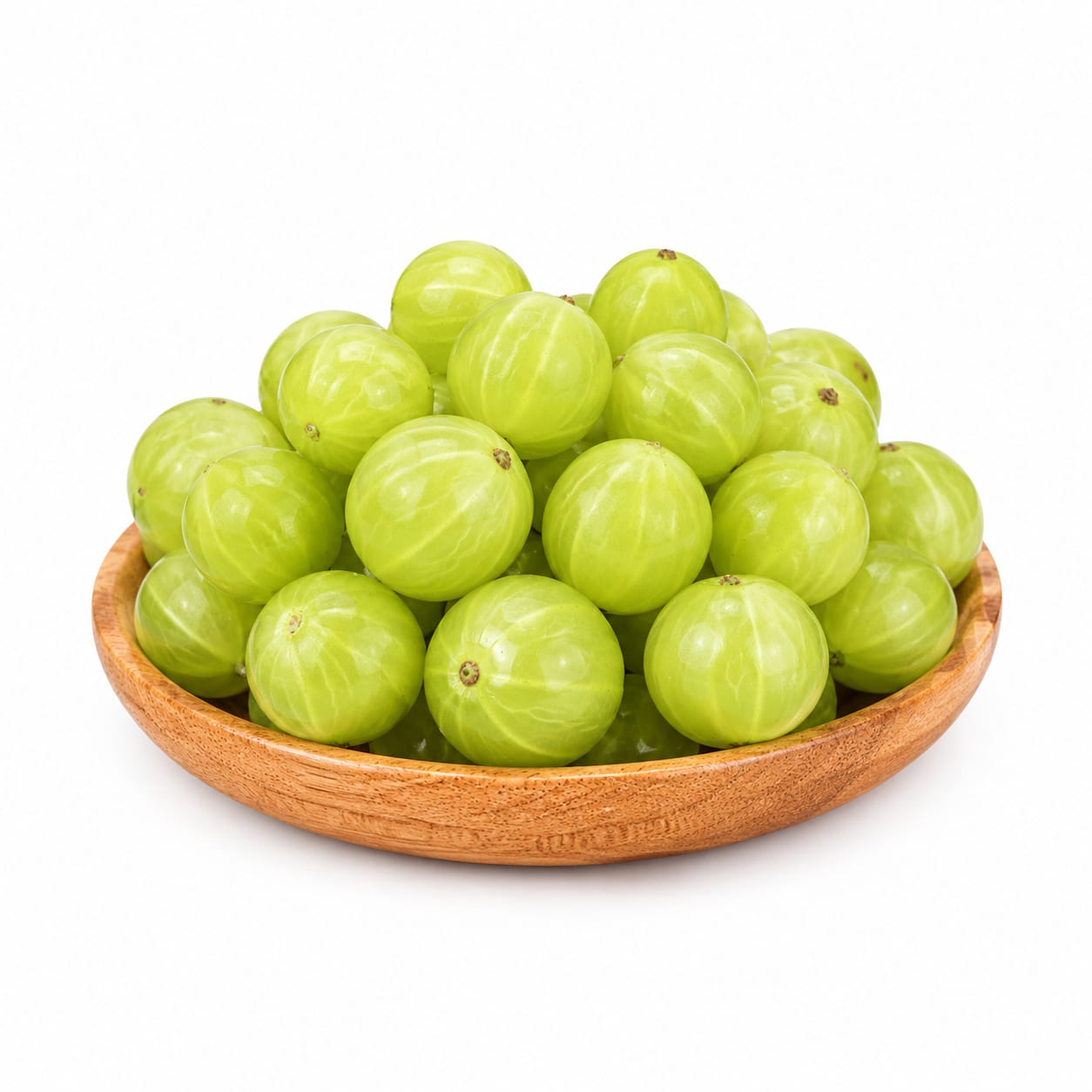
Compare with
Gooseberry
Gooseberries are firmer and more tart, while salmonberries are softer and slightly sweeter with a similar low sugar profile.
Salmonberries are lower in calories and better for weight loss, while gooseberries provide slightly more fiber.
Common questions
FAQ
Answers aligned with how people search for this food.
Are salmonberries good for weight loss?
Yes, they are low in calories and high in water and fiber, which helps increase fullness without excess calories.
Can diabetics eat salmonberries?
Yes, their low glycemic index and moderate fiber content help prevent blood sugar spikes, making them a safe fruit choice.
What does a salmonberry taste like?
They taste similar to a raspberry but are typically more tart and watery, ranging from slightly sweet to mildly bitter depending on ripeness.
Are salmonberries safe to eat raw?
Yes, salmonberries are safe to eat raw as long as they are properly washed to remove any environmental contaminants from the wild.
Do salmonberries have a lot of sugar?
No, salmonberries are relatively low in sugar compared to cultivated fruits like apples or grapes, containing only about 5g per 100g serving.
How do salmonberries compare to raspberries?
Salmonberries are larger, more tart, and softer than raspberries, with a similar but slightly lower sugar content and a more delicate texture.
Where can I find salmonberries?
They grow wild along the Pacific coast of North America, from Alaska to California, often in damp forests and coastal areas.
Are salmonberries high in vitamins?
They are a good source of vitamin C and manganese, providing moderate levels of these essential micronutrients to support immunity and metabolism.
Transparency
Data confidence
Estimated confidence for nutrition data, interpretation, safety notes, and comparisons.
Nutrition data
Health analysis
Food safety
Comparisons