
Nutrition comparison
Salmonberry vs Gooseberry: Nutrition, Taste, and Which Berry to Pick
Comparing salmonberry and gooseberry on vitamin C, fiber, taste, availability, and health benefits. Find out which berry is better for your goals.
Overall winner · Gooseberry
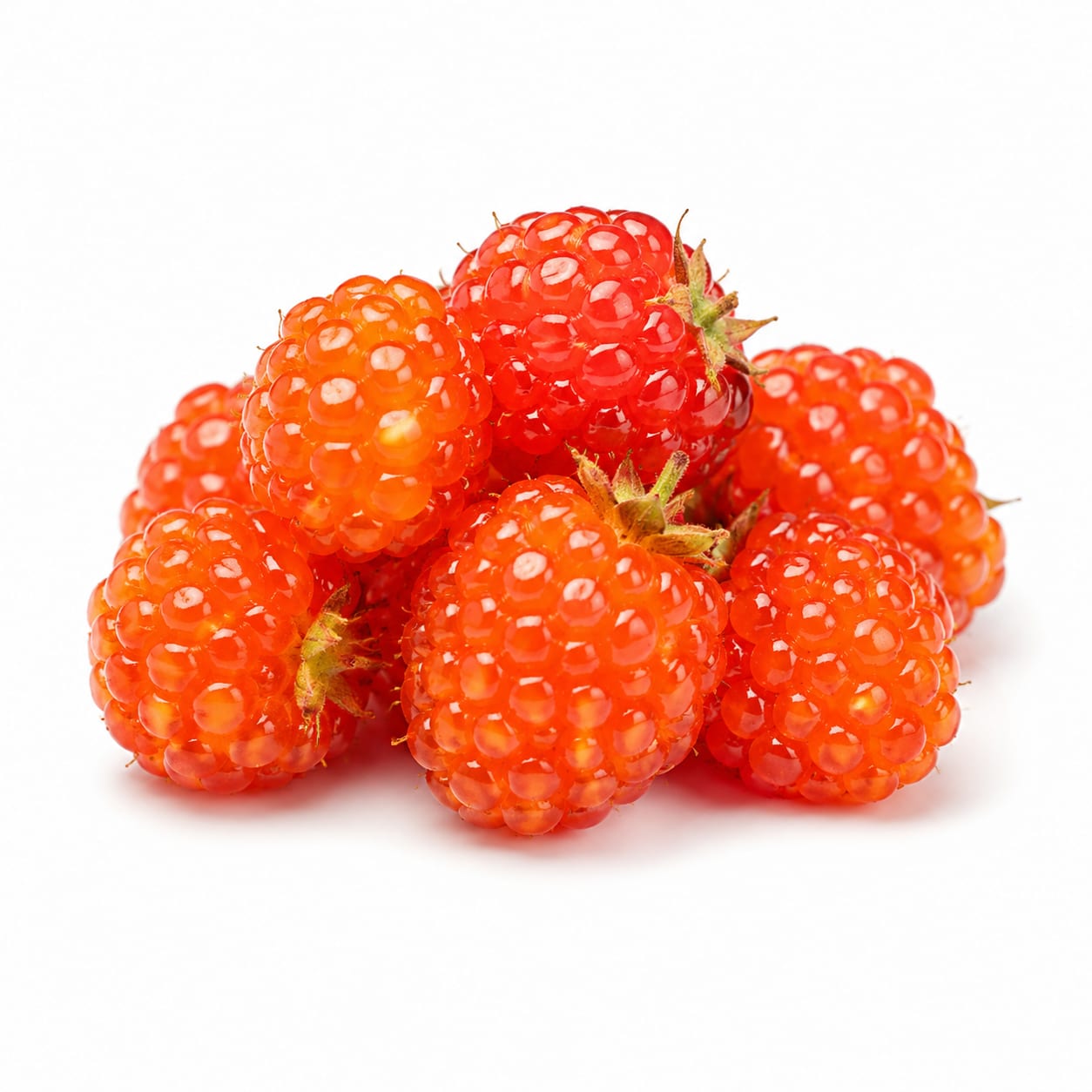
Salmonberry
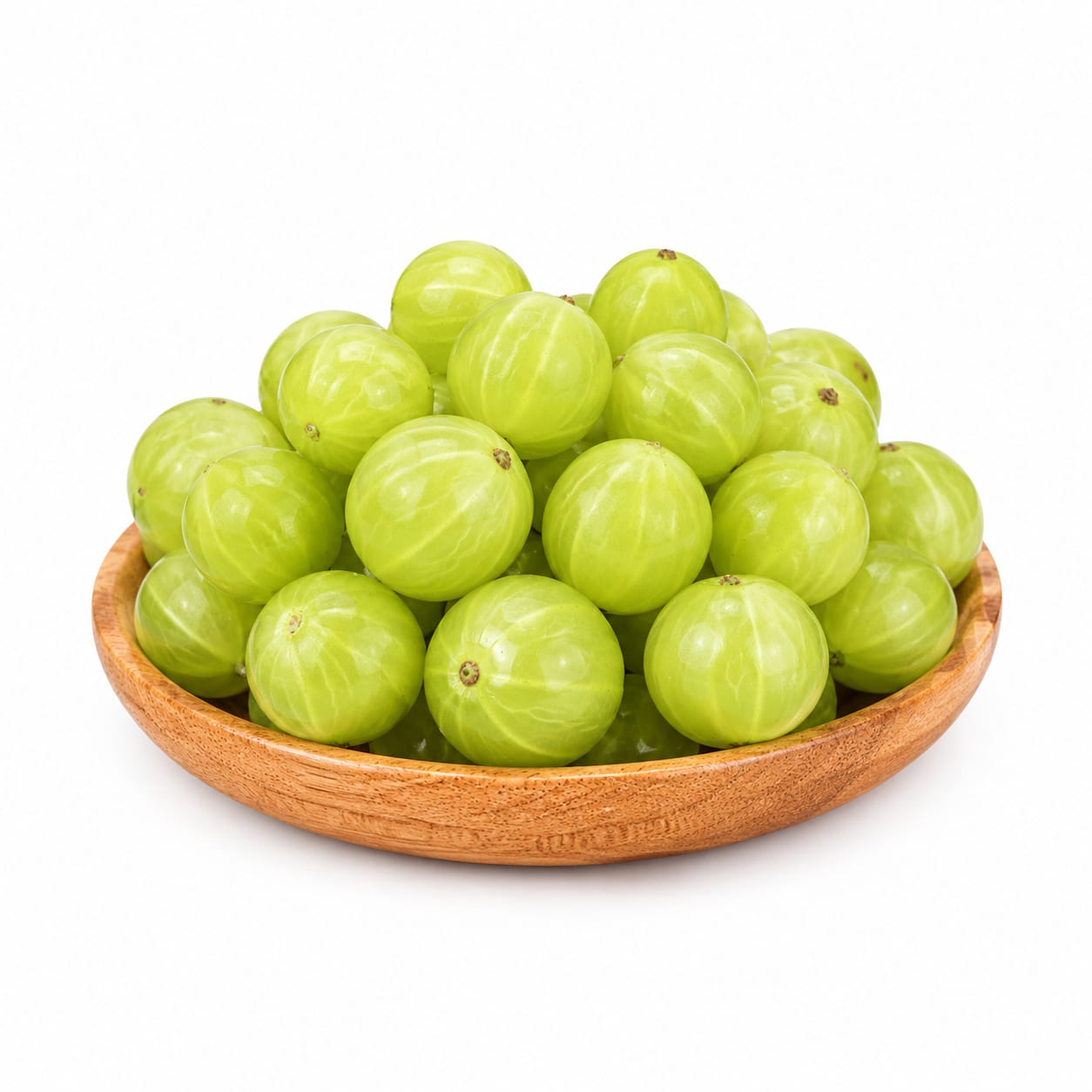
Gooseberry
Gooseberry delivers significantly more vitamin C and broader availability, while salmonberry offers a gentler flavor and unique regional foraging experience.
Gooseberry scores higher due to superior vitamin C content, better availability, and stronger culinary versatility. Salmonberry remains a wonderful regional specialty but loses points for limited access and lower overall nutrient density.
Nutrient density and practicality favor gooseberry, but salmonberry rewards foragers and those who prefer milder, less tart fruit.
At a glance
Executive summary
Overall
Gooseberry
Healthier
Gooseberry
More practical
Gooseberry
Daily use
Gooseberry
Key comparison lenses
vitamin C and antioxidant comparison
Gooseberry is notably rich in vitamin C while salmonberry is milder in nutrient density, making this the most impactful nutritional difference
availability and practical eating
Salmonberry is extremely regional and seasonal while gooseberry has broader commercial availability, heavily influencing real-world choice
flavor preference and culinary use
Salmonberry is delicate and sweet-tart while gooseberry is sharply tart, affecting how people actually enjoy eating them
fiber and digestive health
Both berries offer fiber but gooseberry has a slight edge, relevant for gut health and satiety
cultural and foraging context
Salmonberry holds deep Indigenous cultural significance in the Pacific Northwest, which matters beyond pure nutrition
Best choice for
Salmonberry
- Foragers in the Pacific Northwest seeking a delicate wild berry
- People sensitive to tart or acidic flavors
- Those wanting a low-acid, mild-tasting snack berry
- Anyone exploring Indigenous food traditions of the coastal Northwest
Gooseberry
- Anyone prioritizing vitamin C intake
- People who enjoy tart, flavorful berries in cooking and baking
- Those wanting a berry available fresh, frozen, or preserved year-round
- Home cooks making jams, pies, or chutneys
Least suitable for
Salmonberry
- People outside the Pacific Northwest who want reliable access
- Anyone needing a consistent vitamin C food source
- Consumers who dislike very perishable, delicate fruit
Gooseberry
- People who find tart flavors unpleasant
- Those with acid sensitivity or GERD triggered by sour foods
- Children who prefer sweeter fruit without added sugar
Deep comparison
Dimension by dimension
Each lens scores both foods and breaks down who each option suits.
- Dimension 1 · Priority 93Gooseberry
Vitamin C and Immune Support
Salmonberry · 40Gooseberry · 90Gooseberry is a vitamin C powerhouse, delivering roughly 4-5 times more vitamin C than salmonberry per serving.
Tradeoff
Choosing salmonberry means accepting significantly less immune-supporting vitamin C in exchange for a milder eating experience.
Why it matters
Vitamin C is the clearest nutritional differentiator here. If you eat berries partly for immune support, gooseberry delivers far more per bite.
Real-world impact
A cup of gooseberry can cover most of your daily vitamin C needs, while salmonberry covers only a modest fraction.
Salmonberry
- Those who get vitamin C easily from other foods and eat berries for enjoyment
Better for
- People counting on berries for meaningful vitamin C intake
Worse for
Gooseberry
- Anyone relying on fruit as a primary vitamin C source
- People recovering from illness who want immune support
- Those who rarely take vitamin supplements
Better for
- Those who would avoid eating the berry entirely due to tartness, negating any vitamin C benefit
Worse for
- Dimension 2 · Priority 75Gooseberry
Fiber and Satiety
Salmonberry · 55Gooseberry · 72Gooseberry provides slightly more fiber per serving, contributing to better fullness and digestive regularity.
Tradeoff
The fiber gap is modest, so flavor preference may matter more than this dimension alone.
Why it matters
Fiber from whole berries supports gut health and steadier blood sugar. Gooseberry has a small but real edge here.
Real-world impact
Both berries are reasonable fiber sources, but gooseberry gets you slightly closer to daily fiber goals per cup.
Salmonberry
- Those who find high-fiber fruit harder to digest and prefer gentler options
Better for
- Anyone specifically choosing berries to boost daily fiber
Worse for
Gooseberry
- People tracking fiber intake for gut health or blood sugar management
- Those wanting a more filling snack between meals
Better for
- People with sensitive digestion who find denser fiber uncomfortable
Worse for
- Dimension 3 · Priority 82It depends
Flavor and Enjoyability
Salmonberry · 70Gooseberry · 68Salmonberry is milder and sweeter with a delicate texture, while gooseberry is boldly tart and more complex. Preference is highly personal.
Tradeoff
Salmonberry is easier to eat plain by the handful, while gooseberry often shines best in recipes with a touch of sweetness.
Why it matters
A berry you actually enjoy eating always beats a more nutritious one that sits in the fridge untouched.
Real-world impact
If you love tart flavors, gooseberry is exciting. If tart berries make you wince, salmonberry goes down easy but is harder to find.
Salmonberry
- Snacking straight from the bush without added sugar
- People who find most berries too sour
Better for
- Cooking and baking where a more assertive berry flavor is desired
Worse for
Gooseberry
- Culinary use in jams, pies, sauces, and chutneys
- Those who love bold, tangy flavors
Better for
- Casual snacking without any sweetener added
Worse for
- Dimension 4 · Priority 88Gooseberry
Availability and Practicality
Salmonberry · 25Gooseberry · 75Gooseberry is commercially available fresh, frozen, and in preserves. Salmonberry is almost exclusively a foraged, regional berry with almost no commercial presence.
Tradeoff
You can actually buy gooseberry. Salmonberry requires living in or visiting the Pacific Northwest during its brief season.
Why it matters
Nutritional superiority is irrelevant if you cannot access the food. Availability is the biggest practical gap between these two.
Real-world impact
Most people reading this comparison will find gooseberry at a farmers market or specialty store. Salmonberry requires a foraging trip to coastal Alaska, British Columbia, or Washington.
Salmonberry
- Residents of the Pacific Northwest with foraging knowledge
- Adventure eaters and wild food enthusiasts
Better for
- Essentially everyone outside the Pacific Northwest
- People who want reliable access to a health food
Worse for
Gooseberry
- Anyone who wants to actually purchase and eat the berry they are reading about
- People who value having a consistent ingredient in their kitchen
Better for
- Those specifically seeking a wild-foraged, hyper-local food experience
Worse for
- Dimension 5 · Priority 72Gooseberry
Antioxidant and Phytonutrient Profile
Salmonberry · 50Gooseberry · 73Gooseberry contains a broader and more concentrated range of antioxidants, including flavonoids and phenolic compounds that salmonberry provides in smaller amounts.
Tradeoff
Salmonberry still offers antioxidants from its orange-red pigments, but the total protective payload is lower.
Why it matters
Antioxidant diversity matters for long-term cellular health and inflammation reduction. Gooseberry simply brings more to the table.
Real-world impact
Regular gooseberry consumption may offer slightly better long-term protection against oxidative stress, though both berries contribute meaningfully compared to processed snacks.
Salmonberry
- Those who eat a wide variety of colorful fruits and do not rely on one berry for antioxidants
Better for
- Anyone looking to maximize antioxidant intake from a single berry choice
Worse for
Gooseberry
- People focusing on antioxidant-rich foods for anti-aging or anti-inflammatory goals
- Those who eat limited fruit variety and want maximum benefit per serving
Better for
- People already eating a high-antioxidant diet where the marginal difference is small
Worse for
- Dimension 6 · Priority 68It depends
Blood Sugar Impact
Salmonberry · 65Gooseberry · 70Both berries are low in sugar and unlikely to spike blood sugar. Gooseberry's tartness reflects its lower sugar content, while salmonberry is slightly sweeter but still very manageable.
Tradeoff
Neither berry poses a real blood sugar concern. The difference is minimal and unlikely to matter clinically.
Why it matters
For most people managing blood sugar, both are safe choices. The slight edge goes to gooseberry for lower sugar, but salmonberry is still far gentler than most fruits.
Real-world impact
A diabetic person could comfortably eat either berry without worrying about glucose spikes.
Salmonberry
- Those who want a slightly sweeter berry without significant blood sugar impact
Better for
- Those counting every gram of sugar, though the difference is small
Worse for
Gooseberry
- People who are extremely carb-sensitive and want the lowest sugar option
Better for
- People who find very tart fruit unappealing and might compensate by adding sugar
Worse for
Timeline
Health impact over time
Short-term
Hours to days
Salmonberry
- Mild, pleasant energy from natural sugars without a crash
- Gentle on the stomach due to low acidity
- Hydrating and refreshing during warm weather foraging
Gooseberry
- Noticeable vitamin C boost supporting immediate immune function
- Tartness may stimulate digestion and appetite
- Can cause mild mouth puckering or acid sensitivity in some people
Long-term
Months to years
Salmonberry
- Moderate antioxidant support from carotenoid pigments
- Consistent gentle fiber intake supporting gut regularity
- Limited long-term nutritional impact if eaten only occasionally due to scarcity
Gooseberry
- Stronger long-term immune and skin health from consistent vitamin C intake
- Better cumulative antioxidant protection against cellular aging
- Regular fiber intake supporting cardiovascular and digestive health over years
Risk profile
Safety & processing
Both berries are whole, unprocessed foods when eaten fresh. Salmonberry is almost always wild-foraged, making it one of the most natural foods you can eat. Gooseberry is typically cultivated but still sold as a whole fruit without additives.
Salmonberry
Misidentification with toxic wild berries
mediumForaging always carries identification risk. Salmonberry resembles other Rubus species, most of which are safe, but inexperienced foragers should always confirm with a local expert.
Environmental contamination in wild areas
lowWild berries near roads or industrial areas may absorb pollutants. Forage away from contaminated zones and wash thoroughly.
Gooseberry
Pesticide residue on conventionally grown fruit
lowGooseberries are sometimes treated with pesticides. Washing well or choosing organic reduces this concern significantly.
Acid irritation for sensitive individuals
lowThe high acidity can aggravate acid reflux or mouth sores in sensitive people, though this is not a food safety issue per se.
Who wins for whom
Audience fit
Same foods, different winners depending on your goal.
children
SalmonberrySalmonberry's milder, sweeter flavor is more kid-friendly. Most children find gooseberry too tart without added sugar.
daily consumption
GooseberryGooseberry is actually available for daily eating. Salmonberry's extreme seasonality and regional limitation make daily consumption unrealistic for nearly everyone.
diabetes
GooseberryGooseberry has marginally less sugar and more fiber, giving it a slight edge for blood sugar management, though both are safe choices.
elderly
GooseberryGooseberry's superior vitamin C supports immune health and collagen production, both particularly important for older adults.
muscle gain
It dependsNeither berry is relevant for muscle gain. Both are low-protein foods that would need to be paired with protein sources.
weight loss
GooseberryGooseberry's lower sugar and higher fiber make it slightly more satiating per calorie, supporting portion control and steady energy.
Your move
Decision guide
Choose Salmonberry
- You live in the Pacific Northwest and can forage salmonberry fresh
- You dislike tart berries and want something gentle and mild
- You value wild, foraged foods and the experience of harvesting your own
- You want a berry that kids or picky eaters will accept without sweetener
Choose Gooseberry
- You want maximum vitamin C and antioxidant benefit from your berries
- You enjoy tart flavors or cook with berries regularly
- You need a berry you can actually find at a store or market
- You are focused on long-term immune and skin health
Either works if
- You simply want a low-calorie, whole-food snack instead of processed sweets
- You are already eating a diverse diet and the nutrient differences are marginal for you
- You enjoy trying new berries and want to experience both
Avoid both if
- You have a berry allergy or salicylate sensitivity
- You are looking for a high-protein or calorie-dense food for fueling
Final recommendation
Gooseberry is the stronger everyday choice for nutrition and availability. But if you have access to fresh salmonberry, it is a special, delicate fruit worth enjoying during its short season. The best answer may be both: gooseberry for your regular kitchen, salmonberry for the rare joy of a wild Pacific Northwest berry.
Practical
Consumer tips
- 1
If buying gooseberry, look for firm, plump berries. Wrinkled ones are past their prime.
- 2
Salmonberry is extremely perishable. Eat within a day of picking, or freeze immediately.
- 3
Gooseberry freezes well and retains most of its vitamin C, making frozen a smart off-season choice.
- 4
If gooseberry is too tart for you, try slicing it into yogurt with a drizzle of honey rather than adding sugar directly.
- 5
For foraging salmonberry, always go with someone experienced and never eat any wild berry you cannot identify with 100% certainty.
- 6
Both berries make excellent jams, but gooseberry jam sets more reliably due to higher natural pectin.