
Nutrition comparison
Salmonberry vs Blueberry: Which Berry Is Healthier?
Compare salmonberry and blueberry nutrition, antioxidants, vitamins, and health benefits. Learn which berry wins for brain health, weight loss, and daily eating.
Overall winner · Blueberry
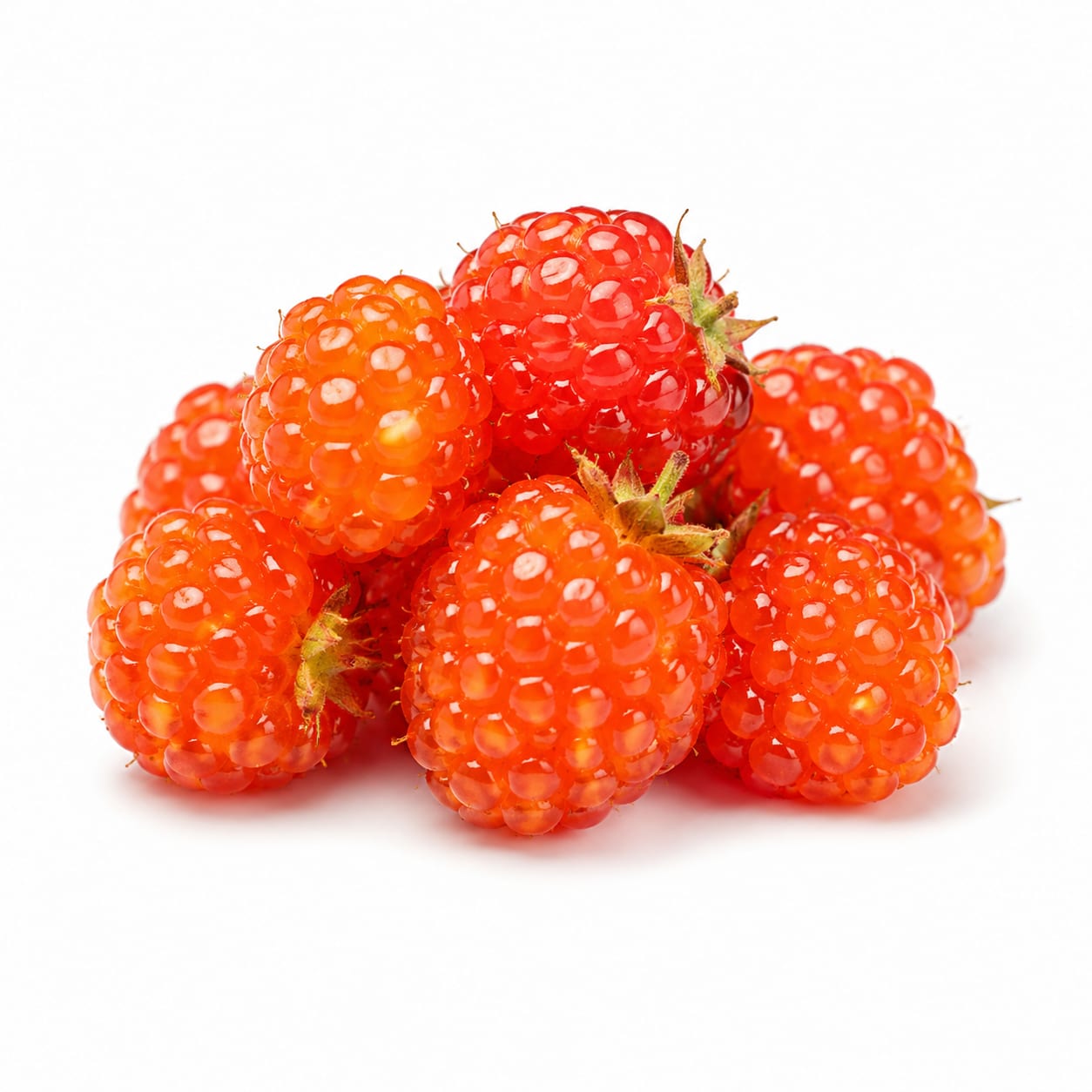
Salmonberry
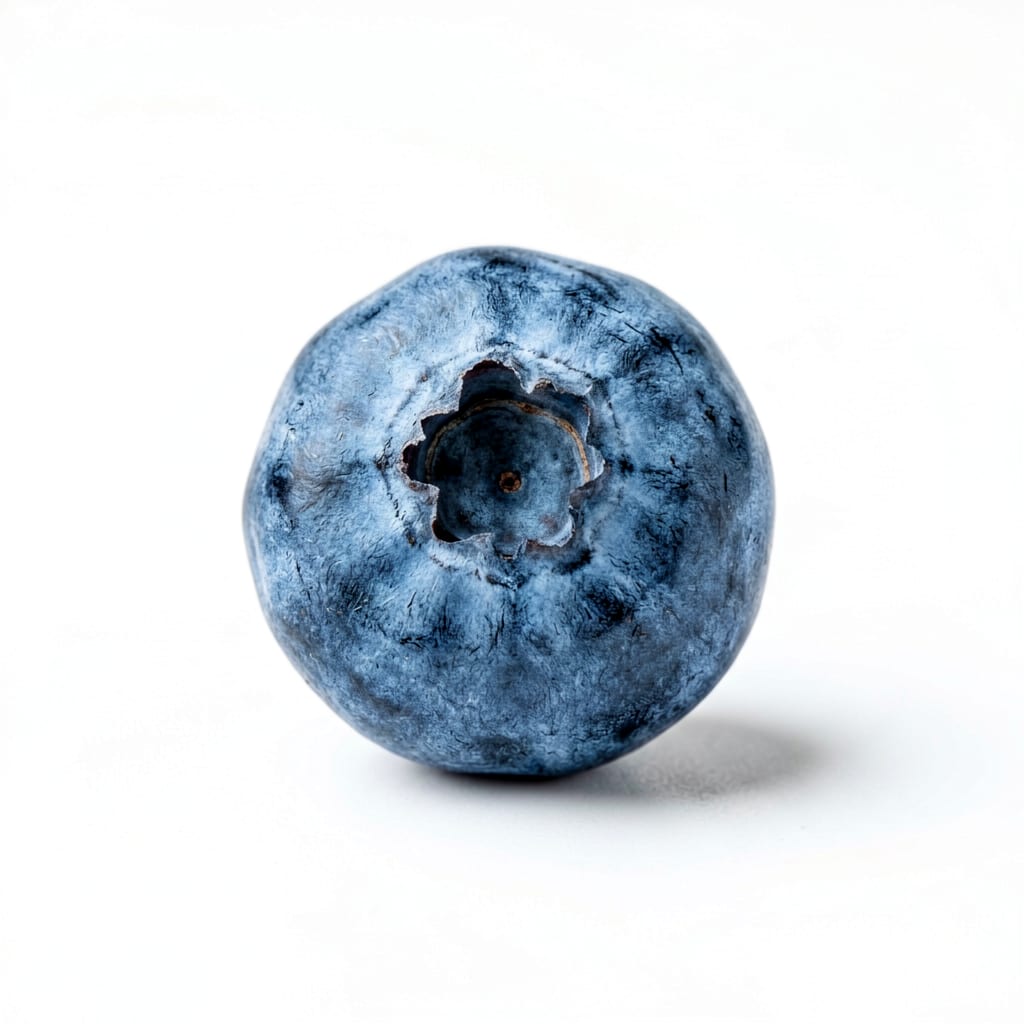
Blueberry
Blueberries win for most people thanks to unmatched antioxidant power, proven cognitive benefits, and year-round availability. Salmonberries are a special wild treasure with unique vitamin A content but cannot match blueberries for everyday practicality.
Blueberries score significantly higher due to superior antioxidant density, overwhelming research support, and universal availability. Salmonberries score respectably for their wild naturalness and unique vitamin A content but lose ground on accessibility and evidence base.
Blueberries give you consistency, research-backed health benefits, and convenience. Salmonberries offer a wilder, less pesticide-exposed fruit with carotenoid-based nutrition you simply cannot get from blueberries.
At a glance
Executive summary
Overall
Blueberry
Healthier
Blueberry
More practical
Blueberry
Daily use
Blueberry
Key comparison lenses
antioxidant density and longevity benefits
Blueberries are legendary for anthocyanin content; salmonberries offer different but less-studied carotenoid antioxidants
everyday accessibility and practicality
Blueberries are available year-round in most stores; salmonberries are seasonal and regional, making daily use unrealistic for most people
wild vs cultivated food naturalness
Salmonberries are almost exclusively wild-foraged; blueberries range from wild to heavily cultivated with pesticide concerns
vitamin profile diversity
Salmonberries bring vitamin A from carotenoids; blueberries deliver vitamin K and anthocyanins — different strengths for different needs
blood sugar and weight management
Both are low-sugar berries suitable for glycemic control, but subtle differences in fiber and sugar content matter for daily snacking
Best choice for
Salmonberry
- Foragers and Pacific Northwest locals with seasonal access
- Anyone seeking diverse carotenoid intake from berries
- People prioritizing wild-harvested foods with minimal pesticide exposure
- Those wanting a tart, lower-sugar berry for preserves and desserts
Blueberry
- Daily fruit eaters wanting reliable antioxidant intake
- Older adults focused on cognitive preservation
- Anyone meal-prepping or buying groceries weekly
- Parents needing kid-friendly, widely available fruit
Least suitable for
Salmonberry
- Anyone outside the Pacific Northwest or Alaska during short season
- People who need consistent weekly grocery staples
- Those wanting extensive clinical research behind their food choices
Blueberry
- People strictly avoiding conventional pesticide exposure who cannot find or afford organic
- Those seeking vitamin A from fruit sources specifically
Deep comparison
Dimension by dimension
Each lens scores both foods and breaks down who each option suits.
- Dimension 1 · Priority 95Blueberry
antioxidant_power
Salmonberry · 45Blueberry · 95Blueberries are among the most antioxidant-dense fruits on earth. Salmonberries, while healthy, simply cannot compete on this metric.
Tradeoff
Salmonberries provide carotenoid antioxidants from their orange pigment that blueberries lack entirely, but the total antioxidant volume heavily favors blueberries.
Why it matters
Antioxidant intake correlates with reduced aging, better brain function, and lower chronic disease risk over decades.
Real-world impact
Eating blueberries regularly is like a daily shield for your brain and cells. Salmonberries offer a different but thinner layer of protection.
Salmonberry
- Carotenoid-based antioxidant diversity
- Vitamin A precursor intake from a berry source
Better for
- Low anthocyanin content compared to deeply pigmented berries
- Minimal clinical research on specific health outcomes
Worse for
Blueberry
- Total antioxidant capacity
- Anthocyanin-driven cognitive and cardiovascular protection
- Long-term cellular defense against oxidative stress
Better for
- No meaningful carotenoid content
- Antioxidant benefits depend heavily on variety and growing conditions
Worse for
- Dimension 2 · Priority 80It depends
vitamin_and_mineral_profile
Salmonberry · 72Blueberry · 78Blueberries deliver more vitamin K and manganese. Salmonberries offer meaningful vitamin A from carotenoids that blueberries completely lack.
Tradeoff
Blueberries support blood clotting and bone metabolism better. Salmonberries support eye health and immune function through vitamin A precursors.
Why it matters
Different vitamin profiles serve different body systems — your priority determines the winner here.
Real-world impact
If you eat leafy greens daily, blueberries add less unique vitamin K value. If you lack orange vegetables, salmonberries fill a genuine gap.
Salmonberry
- Vitamin A intake from a fruit source
- Carotenoid diversity for eye and immune health
Better for
- Lower vitamin K content
- Nutritional data is less precisely characterized due to wild variability
Worse for
Blueberry
- Vitamin K for bone and blood health
- Manganese for metabolism and connective tissue
- More consistent micronutrient levels across cultivated varieties
Better for
- Essentially no vitamin A or carotenoids
- Vitamin C content is moderate rather than exceptional
Worse for
- Dimension 3 · Priority 90Blueberry
accessibility_and_everyday_practicality
Salmonberry · 25Blueberry · 92Blueberries are available frozen and fresh year-round in nearly every grocery store. Salmonberries are a seasonal, regional specialty almost impossible to find commercially.
Tradeoff
You can build a daily blueberry habit effortlessly. Salmonberries are an occasional foraging reward or farmers market find, never a staple.
Why it matters
The healthiest food only works if you can actually eat it regularly. Consistency beats perfection.
Real-world impact
Most people reading this have never tasted a salmonberry. Blueberries are in your fridge right now.
Salmonberry
- Experiential and cultural value of wild foraging
- Connection to Pacific Northwest indigenous food traditions
Better for
- Extremely limited geographic and seasonal availability
- No reliable commercial supply chain
- Short harvest window of just a few weeks
Worse for
Blueberry
- Year-round fresh and frozen availability
- Consistent pricing and quality
- Easy meal prep and smoothie integration
- Available in organic options nationwide
Better for
- Organic options cost significantly more
- Out-of-season fresh berries travel long distances
Worse for
- Dimension 4 · Priority 82Salmonberry
pesticide_exposure_and_naturalness
Salmonberry · 95Blueberry · 55Salmonberries are wild-harvested with essentially zero pesticide exposure. Conventional blueberries frequently appear on pesticide concern lists.
Tradeoff
Wild salmonberries grow without any agricultural chemicals but lack quality control standards. Organic blueberries solve the pesticide problem at higher cost.
Why it matters
Pesticide exposure from fruit adds up over years, especially for children and pregnant women.
Real-world impact
If you eat blueberries daily, choosing organic matters. With salmonberries, this concern vanishes entirely.
Salmonberry
- Zero pesticide application by definition
- Wild habitat means no agricultural runoff exposure
- Completely unmodified by breeding programs
Better for
- No formal food safety testing or oversight
- Potential environmental contaminant exposure in wild habitats
Worse for
Blueberry
- Organic certification available for concerned consumers
- Regulated growing standards ensure food safety
Better for
- Conventional blueberries often carry multiple pesticide residues
- Frequently listed on EWG Dirty Dozen watchlists
Worse for
- Dimension 5 · Priority 75It depends
blood_sugar_and_weight_management
Salmonberry · 74Blueberry · 76Both berries are low-sugar, high-fiber choices suitable for most diets. Differences are marginal.
Tradeoff
Salmonberries may be slightly lower in sugar but have less consistent nutritional data. Blueberries offer reliable, well-documented glycemic benefits.
Why it matters
For diabetes management or weight loss, both berries are excellent choices that rarely cause blood sugar spikes.
Real-world impact
Neither berry will derail your diet. Both are smart snacks that satisfy sweet cravings without the crash.
Salmonberry
- Possibly slightly lower natural sugar content
- Tartness discourages overeating
Better for
- Nutritional variability makes precise carb counting harder
- Less research on glycemic response specifically
Worse for
Blueberry
- Well-documented low glycemic index
- Fiber content precisely measured for meal planning
- Proven to improve insulin sensitivity with regular consumption
Better for
- Sweeter taste may trigger overeating in some people
- Slightly higher sugar than tart wild berries
Worse for
- Dimension 6 · Priority 88Blueberry
cognitive_and_brain_health
Salmonberry · 35Blueberry · 90Blueberries have more clinical evidence for brain protection than almost any other fruit. Salmonberries have essentially no research in this area.
Tradeoff
Blueberry anthocyanins cross the blood-brain barrier and accumulate in learning and memory centers. Salmonberries may support brain health indirectly through vitamin A but lack direct evidence.
Why it matters
Cognitive decline prevention is one of the most compelling reasons to eat berries regularly.
Real-world impact
Daily blueberry consumption has been linked to measurable memory improvements in older adults within months. No equivalent data exists for salmonberries.
Salmonberry
- Vitamin A supports neurological development
- Carotenoids may protect against age-related cognitive decline indirectly
Better for
- Zero clinical studies on cognitive outcomes
- Lower total polyphenol content limits neuroprotective potential
Worse for
Blueberry
- Direct clinical evidence for memory improvement
- Anthocyanins accumulate in brain regions tied to learning
- Proven benefits for age-related cognitive slowing
Better for
- Benefits require consistent long-term consumption
- Effects are modest, not dramatic
Worse for
Timeline
Health impact over time
Short-term
Hours to days
Salmonberry
- Mild blood sugar stability from low sugar and moderate fiber
- Vitamin C supports immediate immune function
- Tart flavor can stimulate digestion and appetite
Blueberry
- Quick antioxidant absorption supporting cellular protection
- Steady energy without blood sugar spikes
- Mild anti-inflammatory effect noticeable within hours of consumption
Long-term
Months to years
Salmonberry
- Carotenoid intake may protect vision and eye health over decades
- Wild food consumption connects to diverse micronutrient intake patterns
- Limited research means long-term specific benefits are speculative
Blueberry
- Consistent consumption associated with reduced dementia risk
- Cardiovascular protection through improved endothelial function
- Lower systemic inflammation markers documented in long-term studies
Risk profile
Safety & processing
Both berries are whole, unprocessed foods in their natural state. Salmonberries have an edge in naturalness since they are virtually always wild-harvested, while blueberries range from wild to intensively cultivated. Neither typically contains additives when purchased fresh or frozen.
Salmonberry
Environmental contamination in wild habitats
lowWild salmonberries near roads or industrial areas may absorb environmental pollutants. Foraging from clean, remote areas minimizes this concern.
Misidentification by novice foragers
mediumSalmonberries resemble other Rubus species. While most lookalikes are also edible, confident identification requires basic foraging knowledge.
No commercial food safety oversight
lowWild-harvested berries lack the regulatory inspection that commercial produce receives, though this is rarely a practical problem.
Blueberry
Pesticide residues on conventional berries
mediumBlueberries frequently test positive for multiple pesticide residues. Washing helps but does not eliminate all residues. Organic options significantly reduce this risk.
Mold and spoilage
lowBlueberries are prone to fuzzy mold within days of purchase. Inspect containers carefully and refrigerate promptly.
Who wins for whom
Audience fit
Same foods, different winners depending on your goal.
children
BlueberryKids accept sweet blueberries readily, they are easy to pack in lunches, and the cognitive development benefits are especially valuable for growing brains.
daily consumption
BlueberryBlueberries are available year-round, store well frozen, and have the most research supporting daily intake benefits. Salmonberries simply cannot be accessed consistently enough for daily use.
diabetes
BlueberryBlueberries have proven insulin-sensitizing effects and a well-documented low glycemic index, making them a safer and more predictable choice for blood sugar management.
elderly
BlueberryThe strong evidence for blueberries protecting against cognitive decline and supporting vascular health makes them particularly important for aging adults.
muscle gain
It dependsNeither berry is a protein source. Both offer antioxidant support for exercise recovery, but the difference is negligible for muscle building goals.
weight loss
BlueberryBoth are low-calorie, high-fiber options, but blueberries are easier to portion consistently and have well-documented effects on metabolism and satiety.
Your move
Decision guide
Choose Salmonberry
- You live in the Pacific Northwest and have access to wild salmonberry patches during their brief season
- You want carotenoid diversity from a berry source and already eat plenty of blueberries
- You prioritize wild-foraged foods and want to minimize pesticide exposure from fruit
- You are interested in indigenous food traditions and local ecosystems
Choose Blueberry
- You want a reliable daily berry with the strongest antioxidant and brain-health evidence
- You need something available year-round at your local grocery store
- You are feeding children or older adults who benefit most from consistent anthocyanin intake
- You want a versatile berry for smoothies, oatmeal, baking, and snacking
Either works if
- You simply want a low-sugar, high-fiber fruit that will not spike your blood sugar
- You are looking for whole-food antioxidants to complement a vegetable-rich diet
- You enjoy seasonal eating and can rotate between berries throughout the year
Avoid both if
- You have a salicylate sensitivity that triggers reactions with berries
- You are on a very strict low-FODMAP elimination phase and reacting to fruit sugars
Final recommendation
Make blueberries your daily berry — their antioxidant power, brain benefits, and availability make them one of the best fruits you can eat consistently. If you ever encounter fresh salmonberries, absolutely enjoy them as a seasonal treat that adds carotenoid diversity your blueberry habit cannot provide. The ideal approach is blueberries as your baseline, salmonberries as your adventure.
Practical
Consumer tips
- 1
Buy organic blueberries when possible — they are worth the premium given pesticide residue concerns
- 2
Frozen blueberries retain nearly all their antioxidants and are far more affordable than fresh out of season
- 3
If foraging salmonberries, harvest from clean areas away from roads and always confirm identification with a local expert
- 4
Add blueberries to oatmeal or yogurt within 30 minutes of waking for the best blood sugar stabilization effect
- 5
Never wash blueberries until right before eating — moisture accelerates mold growth
- 6
Freeze salmonberries immediately if you find them — their short season means you should preserve them while you can