
Nutrition comparison
Salmonberry vs Cranberry: Which Berry Is Healthier?
Compare salmonberry and cranberry nutrition, health benefits, sugar content, and practicality. Learn which berry is better for UTIs, weight loss, and daily eating.
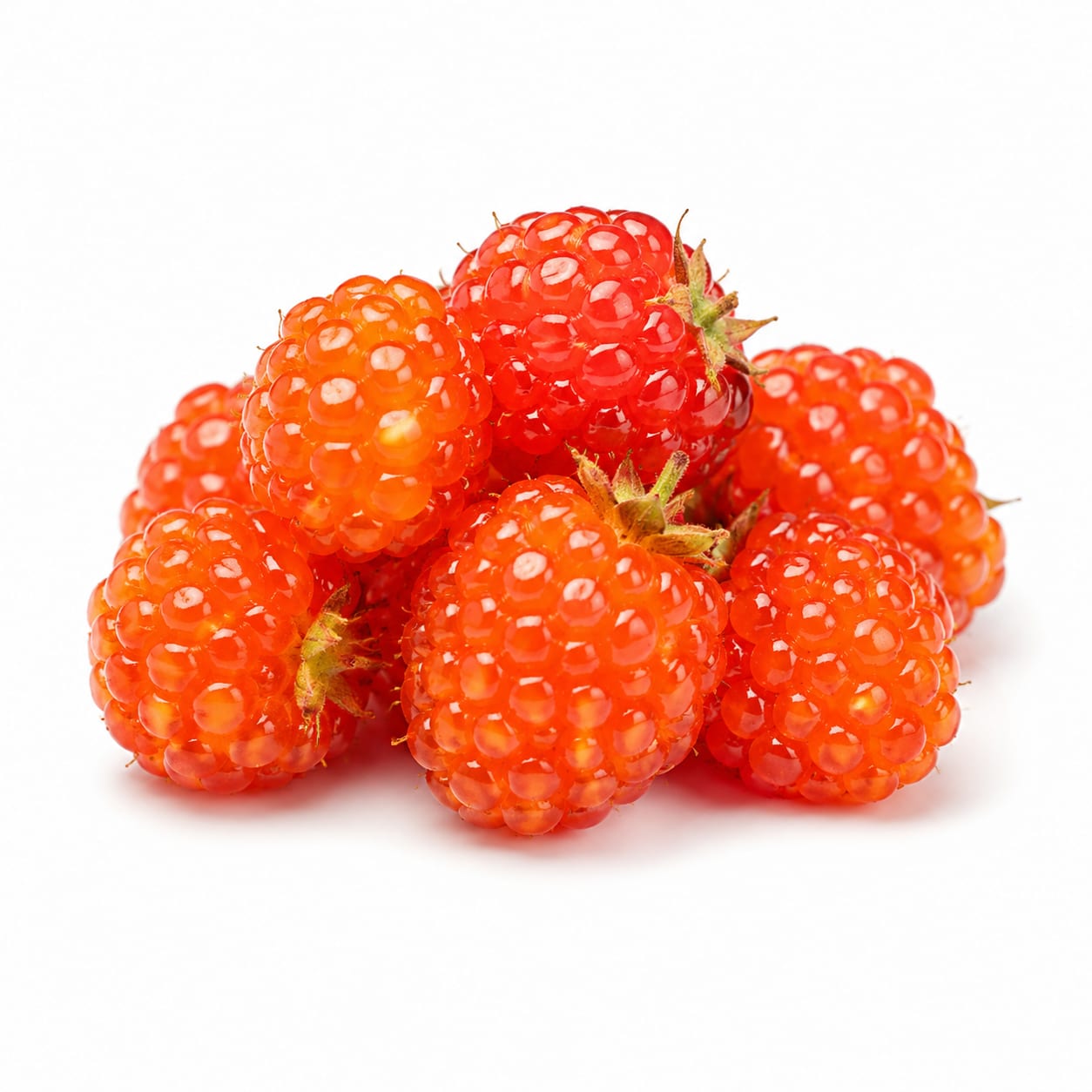
Salmonberry
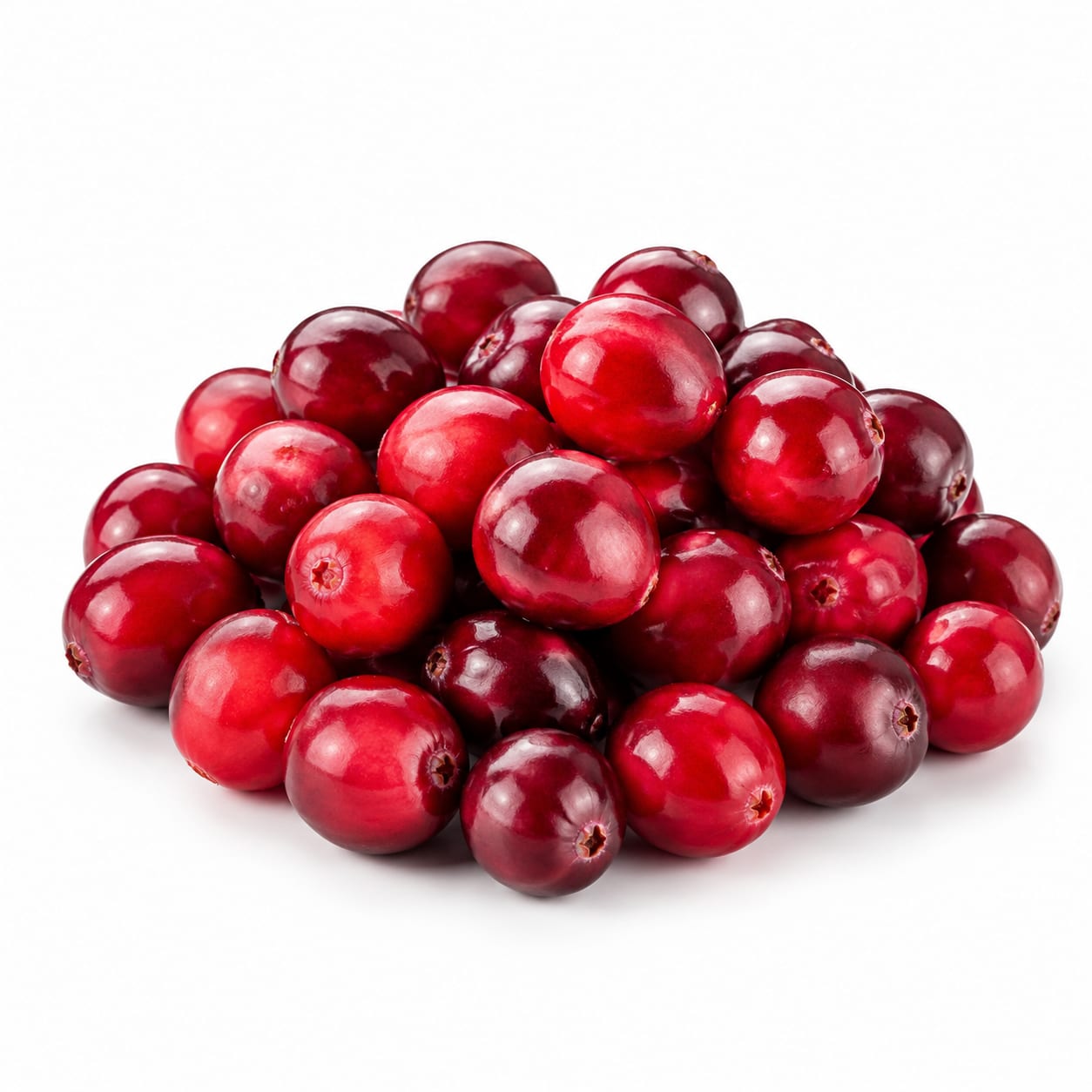
Cranberry
Cranberries win for targeted health benefits and accessibility; salmonberries win for natural sweetness and eating pleasure straight off the bush.
Cranberries score higher due to stronger evidence for health benefits, wider availability, and versatility in preserved forms. Salmonberries are delightful but limited by regional scarcity and lack of research.
Cranberries deliver stronger medicinal benefits but need sweetening to be palatable, while salmonberries are enjoyable raw but harder to find and less studied.
At a glance
Executive summary
Overall
It depends
Healthier
Cranberry
More practical
Cranberry
Daily use
Cranberry
Key comparison lenses
antioxidant and urinary health
Cranberries are famously linked to urinary tract health; users likely want to know if salmonberries offer similar benefits
sugar and tartness tradeoff
Cranberries are extremely tart and rarely eaten raw without sweetening, while salmonberries are sweeter and juicier — this shapes how people actually consume them
wild vs commercial availability
Salmonberries are primarily wild-harvested and regional, while cranberries are widely available year-round in multiple forms
everyday versatility
How easily each berry fits into daily meals, snacks, and recipes matters for long-term adoption
Best choice for
Salmonberry
- People who want a naturally sweet wild berry experience
- Foragers and Pacific Northwest locals with fresh access
- Those seeking a low-preparation snack berry
- Anyone avoiding added sugars who still wants palatable fruit
Cranberry
- People prioritizing urinary tract health
- Those wanting a widely available, shelf-stable berry
- Bakers and cooks who want a tart ingredient for sauces and desserts
- Anyone seeking well-researched antioxidant benefits
Least suitable for
Salmonberry
- People without access to wild or specialty markets
- Those wanting a shelf-stable pantry staple
- Anyone needing well-documented clinical health benefits
Cranberry
- People sensitive to tart flavors who dislike adding sweeteners
- Those avoiding added sugar in processed cranberry products
- Anyone looking for a casual fresh-eating berry
Deep comparison
Dimension by dimension
Each lens scores both foods and breaks down who each option suits.
- Dimension 1 · Priority 92Cranberry
antioxidant_and_medicinal_potency
Salmonberry · 55Cranberry · 90Cranberries contain unique proanthocyanidins that prevent bacteria from adhering to urinary tract walls — a benefit salmonberries cannot match.
Tradeoff
Salmonberries have general antioxidant content from vitamin C and anthocyanins, but lack the specific clinical evidence cranberries carry.
Why it matters
If you are choosing a berry for functional health reasons, cranberries have decades of research behind them while salmonberries remain largely unstudied.
Real-world impact
Regular cranberry consumption can meaningfully reduce UTI recurrence; salmonberries are a healthy fruit but not a targeted remedy.
Salmonberry
- General antioxidant variety from a diverse wild diet
Better for
- No documented UTI-specific benefits
- Almost no clinical research exists
Worse for
Cranberry
- Urinary tract infection prevention
- Gut microbiome support through polyphenols
- Evidence-backed anti-inflammatory effects
Better for
- Maximum benefit requires consistent daily intake over weeks
Worse for
- Dimension 2 · Priority 85Salmonberry
palatability_and_raw_eating_enjoyment
Salmonberry · 85Cranberry · 40Salmonberries are sweet, juicy, and pleasant to eat fresh. Raw cranberries are aggressively tart and almost nobody eats them unmodified.
Tradeoff
You can enjoy salmonberries straight from the hand, but cranberries almost always require sweetening, cooking, or processing — which adds sugar and effort.
Why it matters
A berry you actually enjoy eating raw is more likely to become a natural habit without extra calories from preparation.
Real-world impact
A handful of fresh salmonberries is a satisfying snack; a handful of raw cranberries will make most people pucker and reach for something else.
Salmonberry
- Fresh snacking without preparation
- Kids who reject sour flavors
- Trail mix or fruit salad additions
Better for
- Very perishable — soft texture means they do not store well
Worse for
Cranberry
- Culinary applications where tartness is desired
- Sauces, relishes, and baked goods
Better for
- Almost never eaten raw without wincing
- Common cranberry products are loaded with added sugar
Worse for
- Dimension 3 · Priority 82Cranberry
sugar_content_and_blood_impact
Salmonberry · 60Cranberry · 82Raw cranberries are very low in sugar, making them gentler on blood sugar. Salmonberries contain more natural sugars, though still moderate compared to most fruits.
Tradeoff
Cranberries' low sugar is a metabolic advantage, but most people consume them sweetened — which eliminates this benefit entirely.
Why it matters
If you eat cranberries in their natural form, they are one of the lowest-sugar fruits available. But cranberry juice cocktail has more sugar than soda.
Real-world impact
A diabetic eating raw or unsweetened dried cranberries gets a blood-sugar-friendly fruit. A diabetic drinking commercial cranberry juice gets a sugar spike.
Salmonberry
- People who want fruit that tastes good without adding sweeteners
Better for
- Higher natural sugar means slightly more glycemic load
- Less suitable for strict low-carb approaches
Worse for
Cranberry
- Blood sugar management when consumed unsweetened
- Low-carb and keto diets in raw form
- Reduced calorie density per serving
Better for
- The low-sugar advantage vanishes with most commercial products
Worse for
- Dimension 4 · Priority 88Cranberry
availability_and_practicality
Salmonberry · 25Cranberry · 90Cranberries are available year-round in fresh, frozen, dried, and juice forms at any grocery store. Salmonberries are regional, seasonal, and rarely sold commercially.
Tradeoff
You can buy cranberries anywhere anytime; salmonberries require foraging, farmers markets in the Pacific Northwest, or specialty ordering.
Why it matters
The healthiest berry in the world does you no good if you cannot obtain it. Consistency depends on access.
Real-world impact
Most people reading this have never tasted a fresh salmonberry and would not know where to find one. Cranberries are in every supermarket.
Salmonberry
- Foragers who enjoy wild harvesting as part of their lifestyle
Better for
- Extremely limited geographic availability
- Very short harvest season in summer
- Almost no commercial supply chain
Worse for
Cranberry
- Year-round availability in multiple formats
- Long shelf life when frozen or dried
- Easy to incorporate into meal prep routines
Better for
- Fresh cranberries are seasonal (fall), though frozen fills the gap
Worse for
- Dimension 5 · Priority 70Cranberry
fiber_and_digestive_value
Salmonberry · 62Cranberry · 75Cranberries provide solid fiber per serving, especially when eaten whole or dried. Salmonberries offer some fiber but less density per calorie due to higher water and sugar content.
Tradeoff
Both berries contribute useful fiber, but cranberries edge ahead because their lower sugar means more fiber relative to total calories.
Why it matters
Fiber-to-calorie ratio matters for gut health without overconsuming energy. Cranberries deliver more gut-friendly bulk per bite.
Real-world impact
A serving of whole cranberries gives you notable fiber with minimal calories — a quiet win for digestion and fullness.
Salmonberry
- Still provides moderate fiber from a whole-food source
Better for
- Less fiber density per calorie consumed
Worse for
Cranberry
- Better fiber-to-calorie ratio
- More satiety per serving
- Prebiotic polyphenols that feed beneficial gut bacteria
Better for
- Juice form removes nearly all fiber content
Worse for
- Dimension 6 · Priority 65It depends
vitamin_and_mineral_density
Salmonberry · 68Cranberry · 70Both berries offer vitamin C and manganese. Salmonberries have notable vitamin A and vitamin E content; cranberries provide more vitamin C per serving.
Tradeoff
Salmonberries offer broader micronutrient variety including fat-soluble vitamins, while cranberries concentrate more heavily on vitamin C.
Why it matters
For general micronutrient coverage, salmonberries are surprisingly diverse. For immune-focused vitamin C intake, cranberries deliver more per bite.
Real-world impact
Eating salmonberries gives you a small but meaningful vitamin A boost that cranberries lack — helpful for skin and eye health.
Salmonberry
- Vitamin A and E content not found in cranberries
- Broader micronutrient spread per serving
Better for
- Nutrient data is limited due to lack of commercial research
Worse for
Cranberry
- Higher vitamin C concentration per serving
- More consistent nutrient profile across commercial products
Better for
- Lacks fat-soluble vitamins that salmonberries provide
Worse for
Timeline
Health impact over time
Short-term
Hours to days
Salmonberry
- Quick natural energy from easily digested fruit sugars
- Hydrating due to high water content
- Mild satiety from fiber but less filling than denser fruits
Cranberry
- Very low blood sugar impact when eaten raw
- Tartness can stimulate saliva and digestive juices
- Unsweetened cranberries are remarkably non-caloric per serving
Long-term
Months to years
Salmonberry
- Contributes to dietary diversity and wild-food variety
- Antioxidant support from vitamin C and anthocyanins
- Limited research means long-term benefits are plausible but unproven
Cranberry
- Consistent intake reduces UTI recurrence by roughly 25-35% in susceptible individuals
- Polyphenols support cardiovascular health over time
- Commercial sweetened forms may contribute to metabolic issues if consumed daily
Risk profile
Safety & processing
Both berries are whole foods in their natural state. However, most cranberries people actually consume are in juice, sauce, or dried form — which often includes added sugars, preservatives, or oils. Salmonberries are almost always eaten fresh or frozen with minimal intervention.
Salmonberry
Wild harvesting contamination
mediumSalmonberries are often foraged rather than farmed, meaning potential exposure to animal waste, polluted water, or misidentification if harvested by inexperienced foragers.
Perishability and mold
mediumTheir soft, delicate structure means salmonberries spoil quickly. Mold can develop within 1-2 days if not refrigerated or frozen promptly.
Cranberry
Added sugar in commercial products
highCranberry juice cocktails, sweetened dried cranberries, and canned sauces often contain large amounts of added sugar that undermine the health benefits of the raw fruit.
Oxalate content
lowCranberries contain moderate oxalates, which could be a concern for people prone to calcium oxalate kidney stones if consumed in large quantities.
Who wins for whom
Audience fit
Same foods, different winners depending on your goal.
children
SalmonberrySalmonberries are sweeter and more palatable for kids who reject sour flavors. Raw cranberries are too tart for most children without added sugar.
daily consumption
CranberryCranberries are available year-round, shelf-stable in multiple forms, and have more consistent evidence for daily health benefits.
diabetes
CranberryUnsweetened cranberries have minimal glycemic impact. Salmonberries are still moderate-sugar fruit that would require more portion awareness.
elderly
CranberryCranberries' UTI prevention is especially valuable for older adults, and their soft texture when cooked or dried suits aging digestive systems.
muscle gain
It dependsNeither berry is relevant for muscle gain. Both are low-protein foods that serve as micronutrient complements rather than muscle-building fuel.
weight loss
CranberryRaw cranberries are extremely low in calories and sugar, making them one of the most weight-friendly fruits available — as long as you avoid sweetened versions.
Your move
Decision guide
Choose Salmonberry
- You live in or visit the Pacific Northwest and can forage or buy fresh salmonberries
- You want a berry you actually enjoy eating raw without any preparation
- You are building a diverse wild-food diet and value eating locally
- You need a naturally sweet fruit that does not require added sugar to taste good
Choose Cranberry
- You want evidence-backed urinary tract health protection
- You need a berry you can find at any grocery store any time of year
- You are managing blood sugar and want the lowest-sugar fruit option
- You enjoy cooking with tart ingredients like sauces, compotes, and baked goods
Either works if
- You simply want more berry variety in your diet
- You are looking for general antioxidant support from whole fruits
- You enjoy seasonal eating and rotate fruits throughout the year
Avoid both if
- You need a high-protein or high-calorie food for recovery or muscle building
- You have a berry allergy or salicylate sensitivity
- You are looking for a significant source of dietary fat or complex carbohydrates
Final recommendation
Keep cranberries as your reliable daily berry for health benefits and convenience, but seek out salmonberries when you have the rare chance — they are a seasonal pleasure worth experiencing. The best approach is cranberries for consistency and salmonberries for joy.
Practical
Consumer tips
- 1
If you buy cranberry products, always check the sugar content — cranberry juice cocktail can have more sugar than cola
- 2
Freeze fresh salmonberries immediately if you find them — they spoil within a day at room temperature
- 3
Unsweetened dried cranberries exist and are a much better choice than the standard sweetened versions
- 4
If you forage salmonberries, be certain of identification and avoid areas near roads or treated water
- 5
Add raw cranberries to smoothies with sweeter fruits — you get the health benefits without needing added sugar
- 6
Salmonberry leaves can be brewed as tea, offering additional antioxidants from a part of the plant most people discard