
Nutrition comparison
Salmonberry vs Grape: Which is Healthier?
Compare salmonberries vs grapes for sugar, antioxidants, and health benefits. Find out which fruit is better for blood sugar, weight loss, and daily snacking.
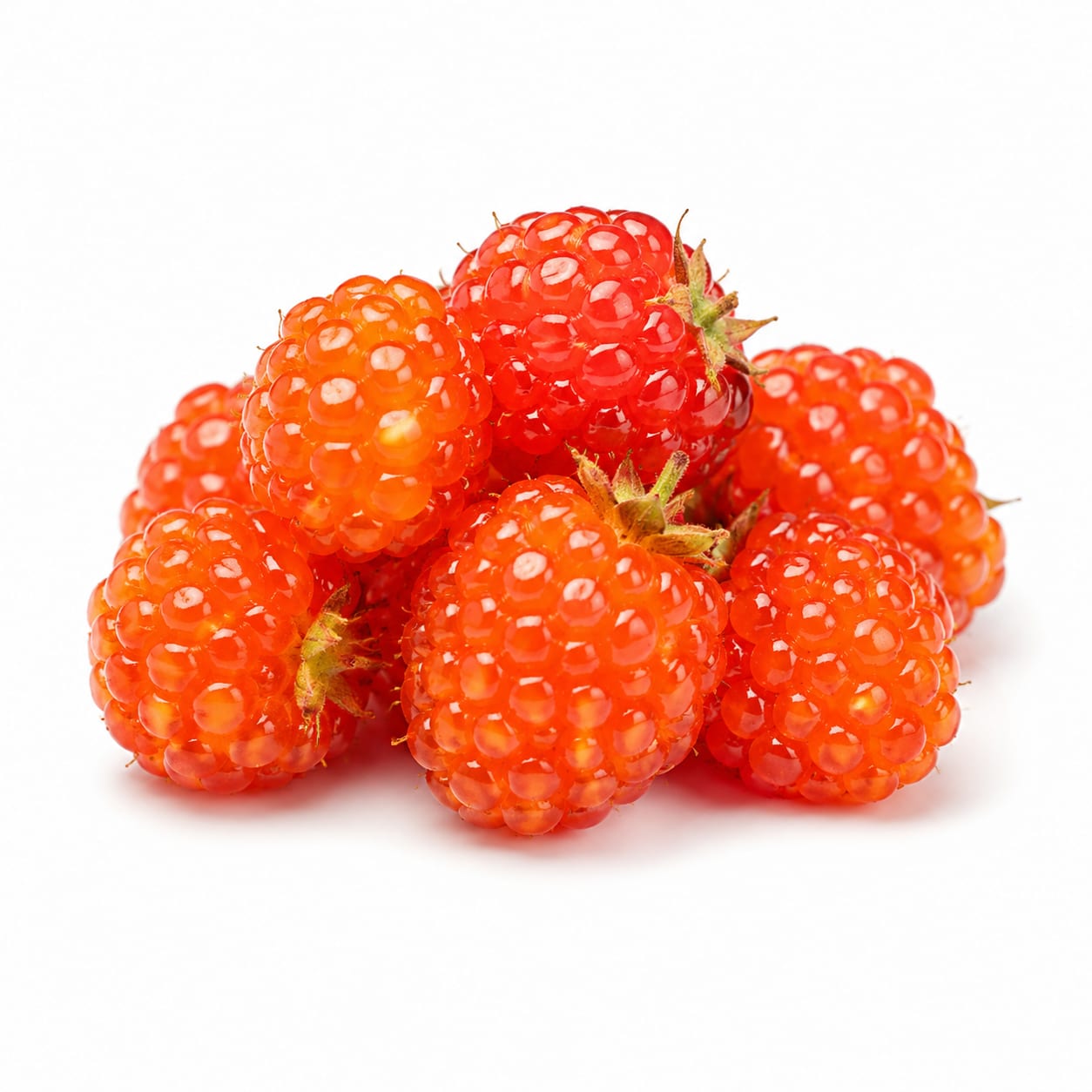
Salmonberry
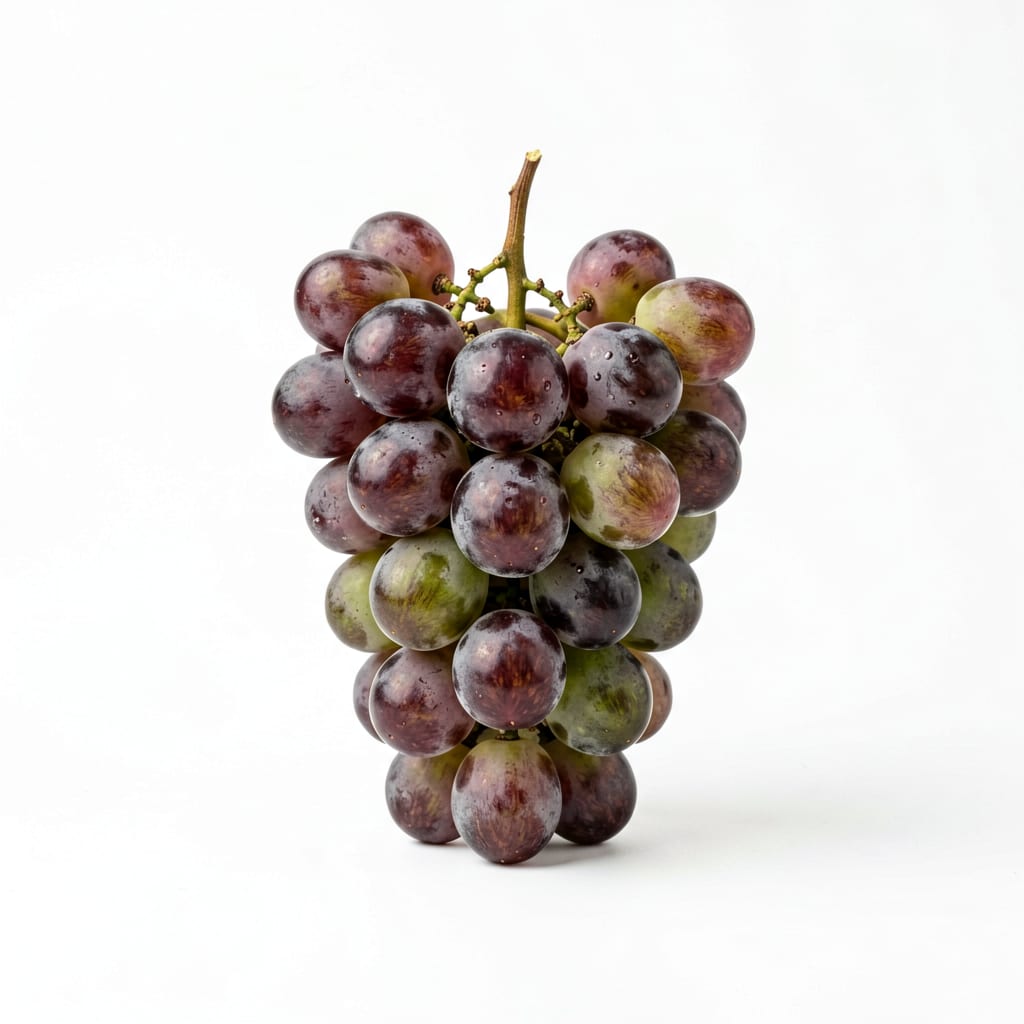
Grape
Salmonberries are the clear winner for blood sugar control and low-calorie snacking, while grapes offer superior convenience, sweetness, and heart-healthy resveratrol.
Salmonberries score higher for metabolic health and satiety, but grapes score much higher for practicality, resulting in a close overall score that depends heavily on your priorities.
Choosing between the metabolic safety of salmonberries and the easy, sweet accessibility of grapes.
At a glance
Executive summary
Overall
It depends
Healthier
Salmonberry
More practical
Grape
Daily use
Grape
Key comparison lenses
Sugar and Blood Sugar Impact
Grapes are notoriously high in sugar compared to tart wild berries like salmonberries.
Practicality and Access
Grapes are a grocery store staple while salmonberries are highly regional and seasonal.
Antioxidant Diversity
Grapes offer resveratrol while salmonberries provide different wild berry antioxidants like ellagic acid.
Best choice for
Salmonberry
- People managing diabetes or insulin resistance
- Low-carb and keto dieters
Grape
- Athletes needing quick natural carbs
- Families wanting an easy sweet snack
Least suitable for
Salmonberry
- People who dislike tart flavors
- Those without access to regional or specialty markets
Grape
- People prone to sugar cravings or binge eating
- Strict low-carb dieters
Deep comparison
Dimension by dimension
Each lens scores both foods and breaks down who each option suits.
- Dimension 1 · Priority 95Salmonberry
Blood Sugar & Sweetness
Salmonberry · 90Grape · 50Salmonberries are tart and low in sugar, making them very gentle on blood sugar. Grapes are very sweet and can cause rapid blood sugar spikes.
Tradeoff
You sacrifice the sweet, dessert-like taste of grapes for the metabolic peace of mind that salmonberries provide.
Why it matters
High-sugar fruits can trigger cravings and energy crashes, especially when eaten in large amounts.
Real-world impact
Eating a bowl of grapes can leave you hungry an hour later, while salmonberries provide steady energy.
Salmonberry
- Steady afternoon energy
- Avoiding sugar crashes
Better for
- Satisfying a sugar craving
Worse for
Grape
- Quick pre-workout fuel
- Satisfying a sweet tooth naturally
Better for
- Managing insulin resistance
- Controlling portion sizes
Worse for
- Dimension 2 · Priority 75It depends
Antioxidant Profile
Salmonberry · 80Grape · 85Grapes are famous for resveratrol, which supports heart health, while salmonberries offer anthocyanins and ellagic acid for cellular repair.
Tradeoff
Grapes give you a well-researched heart-protective compound, while salmonberries offer a broader range of wild-plant antioxidants.
Why it matters
Different antioxidants support different body systems, from cardiovascular to anti-inflammatory.
Real-world impact
Red grapes are a staple for heart-healthy diets, but wild berries excel at fighting general inflammation.
Salmonberry
- Fighting cellular inflammation
- Vitamin C intake
Better for
- Targeted heart health support
Worse for
Grape
- Cardiovascular support
- Anti-aging benefits
Better for
- Broad-spectrum anti-inflammatory benefits
Worse for
- Dimension 3 · Priority 85Salmonberry
Satiety & Overeating Risk
Salmonberry · 85Grape · 45Salmonberries are tart and filling, naturally limiting intake. Grapes are incredibly easy to overeat due to their high sweetness and low fiber relative to sugar.
Tradeoff
Grapes are a highly palatable snack that requires willpower, while salmonberries naturally curb your appetite.
Why it matters
Foods that are easy to overeat can silently add hundreds of calories to your day.
Real-world impact
It is very easy to eat an entire bag of grapes without realizing it, while salmonberries stop you naturally with their tartness.
Salmonberry
- Weight management
- Mindful snacking
Better for
- Bulking up on calories
Worse for
Grape
- Comfort eating
- High-calorie needs
Better for
- Controlling calorie intake
Worse for
- Dimension 4 · Priority 90Grape
Availability & Convenience
Salmonberry · 25Grape · 95Grapes are available in every grocery store year-round. Salmonberries are highly seasonal and mostly found in the Pacific Northwest or specialty markets.
Tradeoff
You trade the nutritional edge of salmonberries for the effortless access of grapes.
Why it matters
The healthiest food only works if you can actually find and eat it consistently.
Real-world impact
You can grab grapes anywhere, anytime. Finding salmonberries requires foraging, timing, or living in a specific region.
Salmonberry
- Connecting with local wild food systems
Better for
- Impulse snacking
- Year-round reliability
Worse for
Grape
- Busy lifestyles
- Consistent daily fruit intake
Better for
- Eating locally and seasonally
Worse for
Timeline
Health impact over time
Short-term
Hours to days
Salmonberry
- Provides light, steady energy without a sugar crash
- Tart flavor can feel refreshing and palate-cleansing
Grape
- Delivers a quick burst of energy
- Can trigger hunger shortly after eating if consumed alone in large amounts
Long-term
Months to years
Salmonberry
- Supports healthy blood sugar regulation
- Low sugar intake helps maintain metabolic flexibility
Grape
- Resveratrol supports cardiovascular health
- Excessive daily consumption can contribute to high sugar intake
Risk profile
Safety & processing
Both fruits are whole, unprocessed foods in their natural state, making them excellent choices over processed snacks.
Salmonberry
Foraging Misidentification
mediumIf foraging wild, ensure correct identification to avoid confusing with inedible or toxic wild berries.
Environmental Contaminants
lowWild berries may absorb pollutants if growing near roads or industrial areas.
Grape
Pesticide Residue
highConventional grapes consistently rank high on the EWG's Dirty Dozen list for pesticide residues. Washing helps but does not remove all.
Who wins for whom
Audience fit
Same foods, different winners depending on your goal.
children
GrapeKids generally love the sweet taste and fun texture of grapes, making them an easy way to get fruit into a child's diet.
daily consumption
GrapeGrapes are easy to find year-round, making them a more practical daily staple for most people.
diabetes
SalmonberryThe low sugar and high fiber-to-sugar ratio of salmonberries make them much safer for blood sugar management.
elderly
It dependsGrapes are very soft and easy to chew, but salmonberries offer better blood sugar control which is often a concern for older adults.
muscle gain
GrapeGrapes provide easily digestible carbohydrates that are useful for glycogen replenishment after workouts.
weight loss
SalmonberrySalmonberries are lower in sugar and calories, and their tartness prevents overeating.
Your move
Decision guide
Choose Salmonberry
- You are strictly managing your blood sugar or carbohydrate intake
- You live in the Pacific Northwest and have access to fresh or foraged salmonberries
- You want a snack that naturally prevents overeating
Choose Grape
- You need quick, easily accessible energy before or after a workout
- You want a sweet, kid-friendly fruit that is available at any grocery store
- You are focused on the cardiovascular benefits of resveratrol
Either works if
- You just want a whole-food fruit snack instead of processed sweets
- You are pairing the fruit with a fat or protein source like cheese or nuts
Avoid both if
- You have a severe fructose intolerance
- You are looking for a high-protein snack
Final recommendation
Let your location and metabolic goals decide. If you have access to salmonberries and want to keep your sugar intake low, they are a fantastic, tart alternative. If you need a convenient, sweet energy boost, grapes are a classic for a reason—just watch your portions.
Practical
Consumer tips
- 1
Wash conventional grapes thoroughly, or buy organic to avoid high pesticide exposure.
- 2
Freeze grapes for a refreshing, popsicle-like summer treat that takes longer to eat.
- 3
If foraging salmonberries, pick from clean areas away from roadsides and always confirm identification.
- 4
Pair grapes with a handful of almonds or cheese to slow down sugar absorption and prevent a crash.