
Nutrition comparison
Salmonberry vs Apple: Which Fruit Is Healthier for You?
Compare salmonberry and apple on sugar, fiber, antioxidants, and practicality. Learn which fruit fits your health goals and when each one is the better choice.
Overall winner · Apple
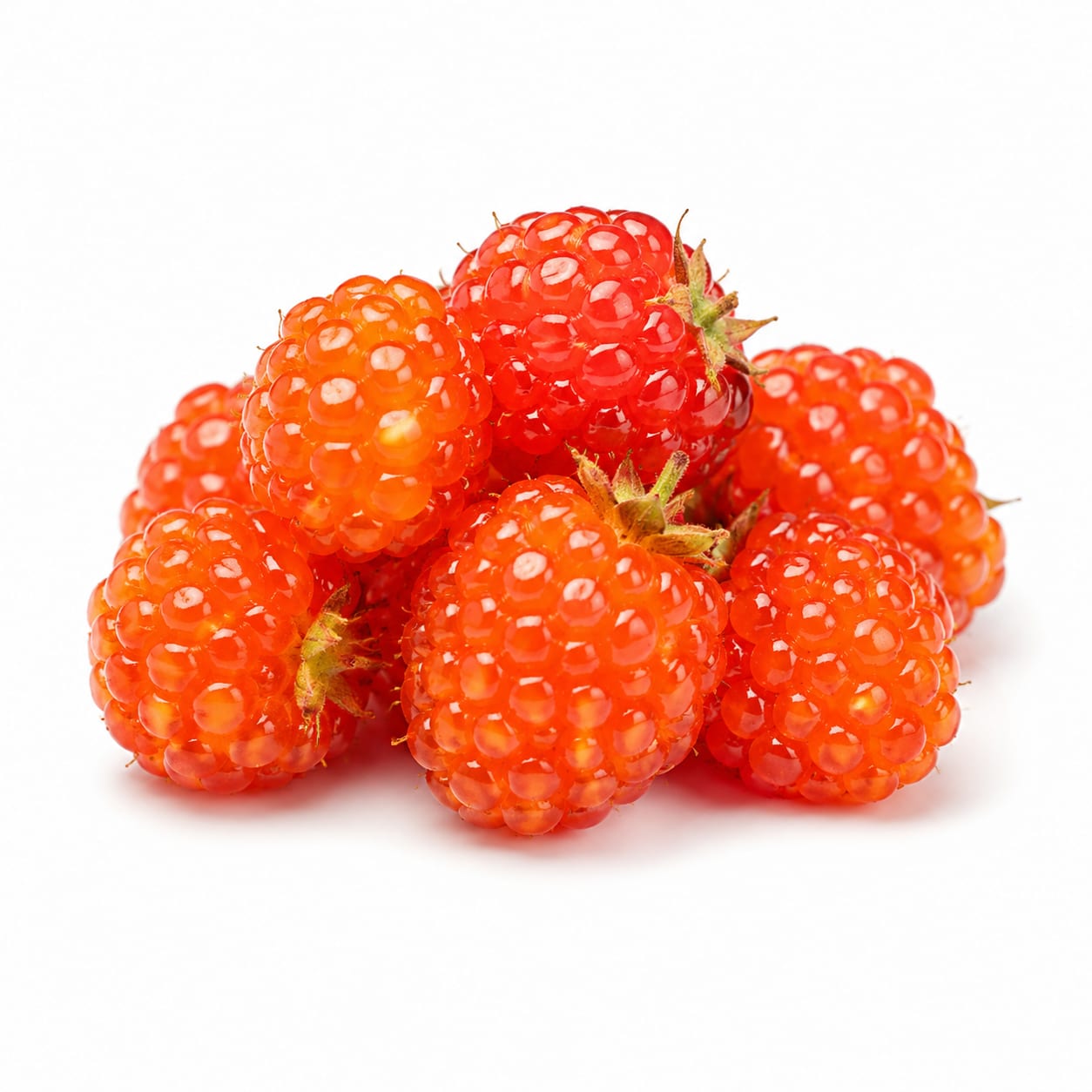
Salmonberry
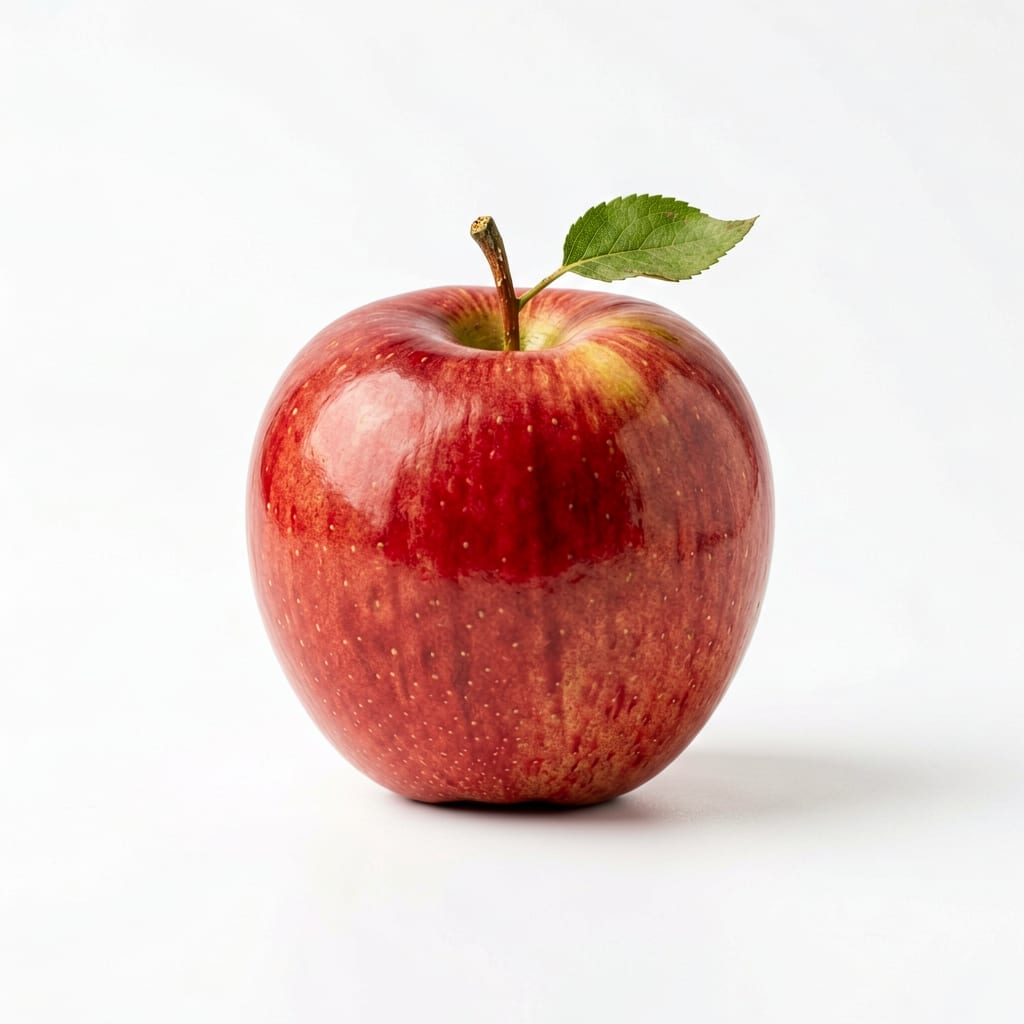
Apple
Apple wins for everyday practicality and fiber, but salmonberry is the smarter pick for lower sugar and unique wild antioxidants if you can find it.
Apple scores higher overall due to superior fiber, satiety, and near-universal availability. Salmonberry edges ahead on micronutrient density and sugar content but loses significantly on practicality and filling power. The gap reflects that most people need a fruit they can actually eat consistently.
Apple fills you up and is always available; salmonberry delivers more micronutrients per calorie with far less sugar but is hard to source and barely filling.
At a glance
Executive summary
Overall
Apple
Healthier
Salmonberry
More practical
Apple
Daily use
Apple
Key comparison lenses
everyday fruit selection for health and convenience
Users comparing these two are likely deciding between a common staple fruit and a lesser-known wild berry for daily nutrition
accessibility and realistic long-term use
Salmonberry is seasonal and region-specific while apples are available everywhere year-round
fiber and satiety for appetite control
Apple's fiber content is substantially higher, making fullness a major practical tradeoff
sugar and blood sugar management
Salmonberry is significantly lower in sugar, making glycemic impact a key differentiator
antioxidant diversity and micronutrient value
Both offer different antioxidant profiles, with salmonberry providing unique wild berry compounds
Best choice for
Salmonberry
- People managing blood sugar or reducing fruit sugar intake
- Those seeking wild, foraged foods with unique antioxidant compounds
- Anyone in the Pacific Northwest with access to fresh salmonberries
- Low-carb dieters who still want fruit flavor
Apple
- People who want a filling, satisfying snack between meals
- Anyone needing reliable, affordable, year-round fruit access
- Those prioritizing digestive regularity through high fiber intake
- Families wanting a kid-friendly portable fruit
Least suitable for
Salmonberry
- Anyone outside salmonberry growing regions who values convenience
- People needing a filling snack to curb hunger
- Those who dislike tart or mildly bitter flavors
Apple
- People strictly limiting sugar or managing reactive hypoglycemia
- Those seeking maximum micronutrient density per calorie
- Anyone avoiding conventionally farmed produce with pesticide residues
Deep comparison
Dimension by dimension
Each lens scores both foods and breaks down who each option suits.
- Dimension 1 · Priority 90Salmonberry
Sugar Content and Blood Sugar Impact
Salmonberry · 88Apple · 55Salmonberry contains roughly half the sugar of a typical apple, making it noticeably gentler on blood sugar.
Tradeoff
You get steadier energy with salmonberry but sacrifice the satisfying sweetness that makes apple such a popular snack.
Why it matters
For anyone watching glucose levels or trying to avoid afternoon energy crashes, lower sugar fruit is a meaningful advantage.
Real-world impact
Eating salmonberry instead of apple means less of a blood sugar rollercoaster, but you may feel less satisfied and reach for another snack sooner.
Salmonberry
- People with insulin resistance or prediabetes
- Low-carb eaters wanting fruit without the sugar hit
Better for
- Athletes needing fast-acting carbs post-workout
Worse for
Apple
- Active people who need quick energy from natural sugars
- Children who prefer sweet flavors and might reject tart fruit
Better for
- People experiencing sugar crashes after sweet snacks
- Those tracking daily sugar intake carefully
Worse for
- Dimension 2 · Priority 92Apple
Fiber and Satiety
Salmonberry · 35Apple · 85Apple delivers roughly 4 grams of fiber per medium fruit while salmonberry provides only about 1-2 grams per equivalent serving.
Tradeoff
Apple keeps you full for much longer; salmonberry digests quickly and leaves you hungry again fast.
Why it matters
Fiber is the single biggest factor in whether a snack actually holds you over between meals or just takes the edge off briefly.
Real-world impact
An apple at 3pm can genuinely replace a vending machine visit. A handful of salmonberries at 3pm buys you maybe 30 minutes before you are hungry again.
Salmonberry
- Light snackers who prefer small, low-bulk food
Better for
- Anyone relying on a snack to bridge a 4-hour gap between meals
Worse for
Apple
- People using fruit as a between-meal hunger solution
- Anyone trying to eat fewer total calories by staying fuller longer
- Those needing digestive regularity
Better for
- People who feel uncomfortably full from high-fiber foods
Worse for
- Dimension 3 · Priority 82Salmonberry
Micronutrient Density Per Calorie
Salmonberry · 82Apple · 62Salmonberry packs more vitamin C, manganese, and unique wild berry antioxidants per calorie than apple, which spreads its nutrients across a larger caloric load.
Tradeoff
You get more nutritional bang per bite with salmonberry, but the total amount you can realistically eat is limited by availability and tartness.
Why it matters
If you are calorie-conscious and want maximum vitamin and antioxidant value from every calorie, denser foods win.
Real-world impact
A cup of salmonberry gives you a concentrated dose of vitamin C and wild polyphenols in under 50 calories. An apple takes about 95 calories to deliver a broader but less concentrated nutrient spread.
Salmonberry
- Calorie-restricted dieters maximizing nutrient intake
- People interested in wild plant compounds not found in common grocery fruit
Better for
- Anyone who cannot eat enough volume to make the density advantage matter
Worse for
Apple
- Those who get their micronutrients spread across many foods throughout the day
- People who care more about total fiber than vitamin density
Better for
- People trying to optimize every calorie for maximum nutritional return
Worse for
- Dimension 4 · Priority 95Apple
Accessibility and Year-Round Availability
Salmonberry · 15Apple · 95Apples are available in every grocery store year-round. Salmonberries are seasonal, regional, and almost never sold commercially.
Tradeoff
Apple is always there when you need it. Salmonberry is a rare treat you might forage yourself for a few weeks in summer.
Why it matters
The healthiest food is the one you can actually eat consistently. A perfect fruit you cannot find does nothing for your daily nutrition.
Real-world impact
You can build a reliable daily habit around apples. Salmonberries are more like a seasonal adventure that supplements your diet occasionally.
Salmonberry
- Foragers and Pacific Northwest locals during summer months
- People who enjoy seasonal eating and rare food experiences
Better for
- Anyone living outside the Pacific Northwest or coastal Alaska
- People who want their fruit available in January
Worse for
Apple
- Anyone who shops at regular grocery stores
- People building consistent daily fruit habits
- Families needing affordable, always-available fruit
Better for
- People who find grocery store apples boring or bland
Worse for
- Dimension 5 · Priority 75Salmonberry
Antioxidant Profile and Inflammatory Potential
Salmonberry · 78Apple · 65Salmonberry contains wild berry polyphenols and anthocyanins that are less common in domesticated fruit. Apple offers quercetin and catechins, especially in the skin.
Tradeoff
Salmonberry provides more exotic antioxidant compounds; apple provides well-studied anti-inflammatory flavonoids with stronger clinical evidence.
Why it matters
Diverse antioxidant intake from wild and cultivated foods together likely offers better protection than relying on either alone.
Real-world impact
Eating salmonberry when available adds antioxidant variety your body does not get from grocery store fruit alone. Eating apple daily gives you a consistent baseline of proven anti-inflammatory compounds.
Salmonberry
- People already eating common fruits who want antioxidant diversity
- Those interested in the emerging science of wild plant compounds
Better for
- People who need large, consistent antioxidant intake from a daily staple
Worse for
Apple
- People wanting well-researched anti-inflammatory benefits with strong evidence
- Anyone eating the skin and getting the full quercetin benefit
Better for
- Those peeling the apple and losing most of the antioxidant value
Worse for
- Dimension 6 · Priority 70Salmonberry
Pesticide Exposure and Contamination Risk
Salmonberry · 90Apple · 45Salmonberries are typically wild-foraged with essentially zero pesticide exposure. Conventionally grown apples consistently rank in the top 5 most pesticide-contaminated produce.
Tradeoff
Wild salmonberry is nearly free of chemical residues but carries natural foraging risks. Apple is heavily sprayed unless you buy organic, which costs significantly more.
Why it matters
Pesticide exposure from daily apple consumption adds up over years. This is one of the strongest reasons to choose organic apples or diversify your fruit sources.
Real-world impact
If you eat an apple every day and do not buy organic, you are consistently ingesting low levels of multiple pesticide residues. Wild salmonberry avoids this entirely but is not a realistic daily substitute.
Salmonberry
- People concerned about cumulative pesticide exposure
- Anyone who cannot afford organic produce but wants clean fruit
Better for
- People foraging near roads or contaminated areas where wild berries absorb pollutants
Worse for
Apple
- People who buy organic apples and avoid the residue issue
- Those who wash and peel apples, reducing exposure significantly
Better for
- Daily conventional apple eaters accumulating pesticide exposure over years
Worse for
Timeline
Health impact over time
Short-term
Hours to days
Salmonberry
- Quick, light energy with minimal blood sugar spike
- Vitamin C boost supporting immune function within hours
- Tart flavor may stimulate digestion and saliva production
- Unlikely to cause bloating due to low fiber volume
Apple
- Noticeable fullness that can replace a small meal
- Steadier blood sugar rise compared to sweeter fruits due to fiber slowing absorption
- Pectin feeds beneficial gut bacteria within hours
- May cause mild bloating in people sensitive to fermentable fibers
Long-term
Months to years
Salmonberry
- Lower cumulative sugar intake when replacing sweeter fruits
- Unique wild polyphenols may offer protective effects understudied in common berries
- Minimal pesticide burden reduces long-term chemical exposure
- Unlikely to contribute to weight gain due to low calorie density
Apple
- Consistent fiber intake supports digestive health and cholesterol management over years
- Quercetin from apple skin linked to reduced chronic disease risk in large studies
- Daily conventional apple consumption may contribute to cumulative pesticide exposure if not organic
- Reliable satiety helps prevent overeating and supports weight maintenance
Risk profile
Safety & processing
Both are whole, unprocessed foods in their natural state. Salmonberry has a slight edge as a truly wild food untouched by agricultural chemicals, while even conventional apples are simply picked and sold without additives. The real difference is agricultural intervention: apples are cultivated, sprayed, and often waxed for shelf appeal, whereas salmonberries grow without any human intervention.
Salmonberry
Misidentification with toxic wild berries
mediumForagers must confidently distinguish salmonberry from potentially harmful lookalikes. If you are not experienced, foraging carries real risk.
Environmental contamination in wild areas
lowBerries growing near roads, old industrial sites, or treated land can absorb heavy metals or pollutants. Always forage away from contaminated areas.
Parasite or bacterial contamination from wildlife
lowWild berries may be exposed to animal droppings. Washing thoroughly before eating reduces this already small risk.
Apple
Pesticide residue on conventional apples
mediumApples consistently appear on the EWG Dirty Dozen list. A single conventional apple can carry residues of multiple pesticides. Washing helps but does not eliminate all residues.
Wax coatings on grocery store apples
lowMany apples are coated with shellac or carnauba wax to improve appearance and shelf life. These are generally recognized as safe but can trap pesticide residues under the coating.
Allergic reactions in birch pollen-sensitive individuals
lowOral allergy syndrome can cause itching or swelling in the mouth for people with birch pollen allergies when eating raw apples. Cooking destroys the offending protein.
Who wins for whom
Audience fit
Same foods, different winners depending on your goal.
children
AppleApples are sweet, familiar, portable, and kid-approved. Most children will not eagerly eat tart salmonberries, and the small window of availability makes them unreliable for family nutrition.
daily consumption
AppleYou can reliably eat an apple every day of the year. Salmonberry is a seasonal specialty that cannot sustain a daily habit for more than a few weeks.
diabetes
SalmonberrySalmonberry's significantly lower sugar content and gentler blood sugar impact make it the safer choice for glucose management, though portion control with apple is also viable.
elderly
AppleApple's fiber supports the digestive regularity that older adults often struggle with, and its soft texture when ripe is easy to chew. Salmonberry's small seeds can be bothersome for dental issues.
muscle gain
AppleNeither fruit is a muscle-building food, but apple provides more carbohydrate energy around workouts and is easy to eat in larger quantities.
weight loss
AppleApple's fiber creates lasting fullness that reduces overall calorie intake throughout the day, while salmonberry's low calorie count is offset by its inability to satisfy hunger for long.
Your move
Decision guide
Choose Salmonberry
- You live in the Pacific Northwest and have access to fresh salmonberries in season
- You are actively reducing sugar intake but still want fruit in your diet
- You enjoy foraging and want to eat more wild foods with minimal pesticide exposure
- You are looking for antioxidant diversity beyond standard grocery store options
Choose Apple
- You need a reliable, filling daily snack that is always available
- Fiber and digestive health are top priorities for you
- You want a fruit your whole family will actually eat consistently
- You can buy organic apples and want to avoid pesticide concerns
Either works if
- You simply want a whole-food snack and both are available
- You enjoy rotating different fruits for nutrient diversity throughout the week
- Neither fruit is a dietary staple for you, just an occasional addition
Avoid both if
- You have a severe fructose intolerance or malabsorption issue
- You are on a strict very-low-carb ketogenic diet and cannot accommodate fruit sugar
- You have a known allergy to Rosaceae family fruits (apples, berries, stone fruits)
Final recommendation
Make apple your daily fruit for its fiber, satiety, and reliability. Choose organic when possible to minimize pesticide exposure. When salmonberries are in season and accessible, enjoy them as a low-sugar, nutrient-dense addition that brings antioxidant variety your regular diet lacks. Think of salmonberry as a seasonal upgrade, not a replacement.
Practical
Consumer tips
- 1
If you buy conventional apples, wash them thoroughly under running water and consider peeling to reduce pesticide residue, though you lose fiber and quercetin in the skin.
- 2
Organic apples are worth the premium if you eat them daily. The pesticide reduction is significant and well-documented.
- 3
When foraging salmonberries, pick only from clean areas away from roads and industrial sites. Wash all wild berries before eating.
- 4
Salmonberries are best eaten fresh within a day or two of picking. They do not store or travel well, which is why you rarely see them in stores.
- 5
If you cannot find fresh salmonberries, other low-sugar berries like raspberries and blackberries offer similar benefits with better availability.
- 6
Pair salmonberries with a handful of nuts or cheese to add the satiety they lack on their own. This turns a light snack into something that actually holds you over.
- 7
Freeze surplus salmonberries immediately after foraging. They retain most of their vitamin C and antioxidant content when frozen promptly.