
Nutrition comparison
Salmonberry vs Strawberry: Nutrition, Pesticides, and Which Berry to Choose
Compare salmonberries and strawberries on vitamin C, fiber, pesticide risk, and daily practicality. Find out which berry fits your health goals and lifestyle.
Overall winner · Strawberry
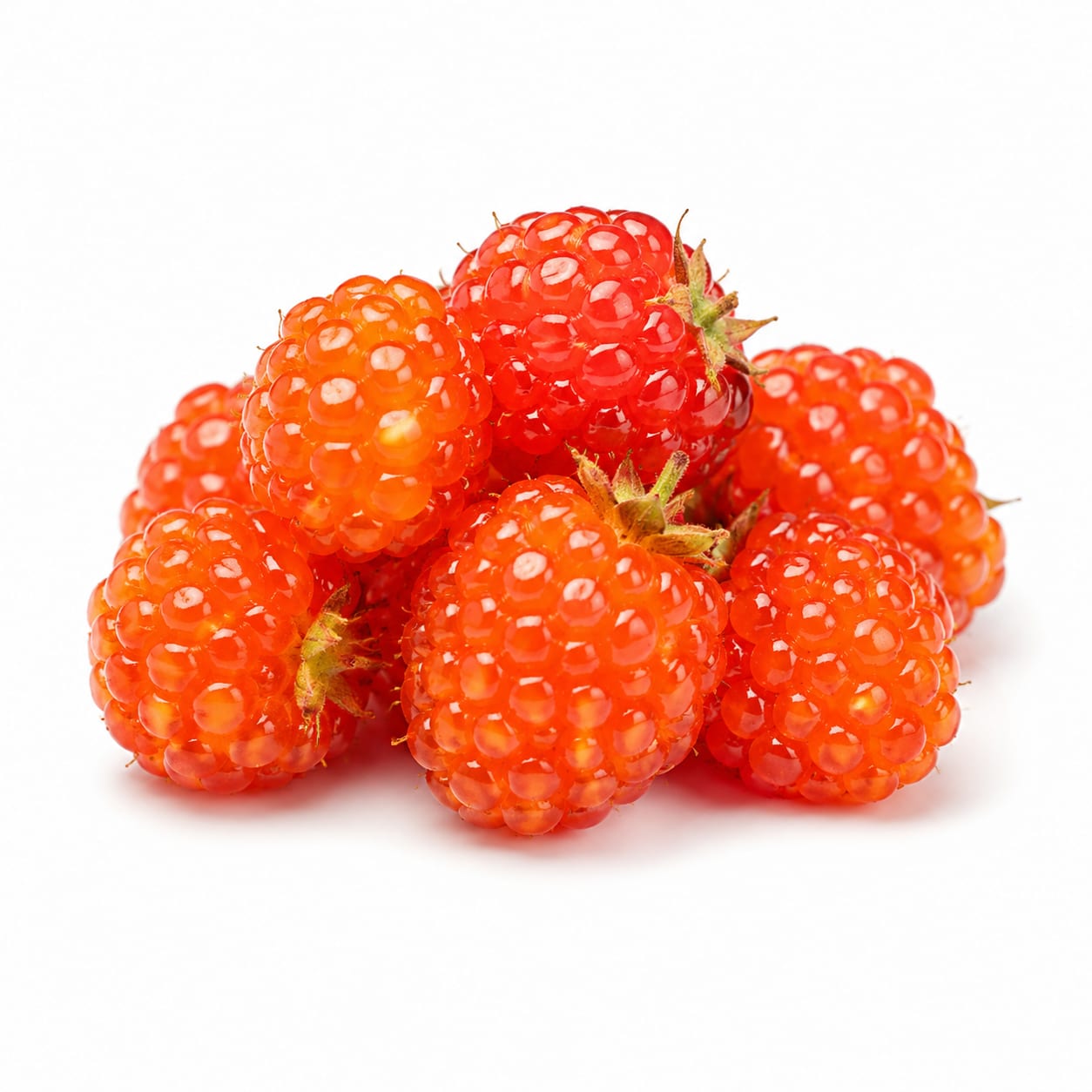
Salmonberry
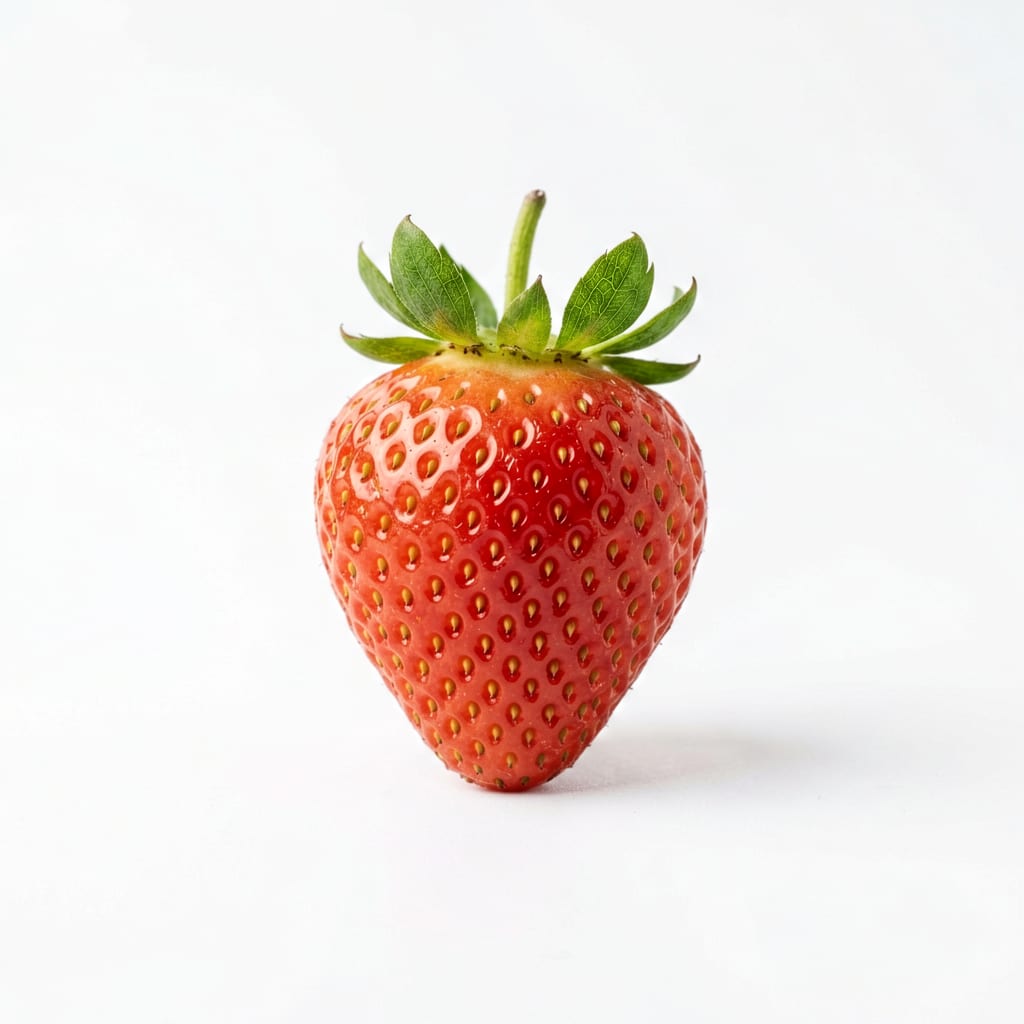
Strawberry
Strawberries win on vitamin C, availability, and everyday practicality, but salmonberries offer superior fiber, a unique antioxidant profile, and virtually zero pesticide risk as a wild food.
Strawberries score higher mainly due to exceptional vitamin C content, broad availability, and culinary versatility. Salmonberries trail because of limited access and lower overall nutrient density, but they earn meaningful points for fiber, wild purity, and unique phytonutrients. The moderate confidence reflects limited nutritional data on salmonberries compared to well-studied strawberries.
Convenience and vitamin C versus fiber density and wild-foraged purity.
At a glance
Executive summary
Overall
Strawberry
Healthier
It depends
More practical
Strawberry
Daily use
Strawberry
Key comparison lenses
nutrient density comparison
Both are berries but differ significantly in vitamin C, fiber, and antioxidant profiles
accessibility and practicality
Salmonberries are regionally limited and seasonal while strawberries are available year-round globally
pesticide and contamination concerns
Strawberries consistently rank #1 on the EWG Dirty Dozen list for pesticide residues
antioxidant diversity
Different berry colors signal different phytonutrient families worth comparing
wild vs cultivated food choice
Salmonberries are primarily wild-foraged while strawberries are heavily cultivated, raising questions about naturalness and terroir
Best choice for
Salmonberry
- Foragers and people in the Pacific Northwest with seasonal access
- Anyone prioritizing minimal pesticide exposure without buying organic
- Those seeking higher fiber from fruit to support digestion
- People interested in traditional and indigenous foodways
Strawberry
- Anyone needing reliable, affordable berry access year-round
- Vitamin C-focused diets and immune support
- Meal prep and recipe versatility
- Households with children who prefer familiar sweet-tart flavors
Least suitable for
Salmonberry
- People outside the Pacific Northwest or coastal Alaska
- Anyone needing consistent weekly grocery availability
- Shoppers on a tight budget who cannot forage
- Those wanting a versatile cooking and baking berry
Strawberry
- People highly concerned about pesticide residues who cannot afford organic
- Anyone seeking a high-fiber fruit option
- Those wanting a more novel or wild food experience
Deep comparison
Dimension by dimension
Each lens scores both foods and breaks down who each option suits.
- Dimension 1 · Priority 92Strawberry
Vitamin C Content
Salmonberry · 35Strawberry · 95Strawberries deliver roughly 3-4 times more vitamin C per serving than salmonberries, making them one of the best fruit sources available.
Tradeoff
You sacrifice a major vitamin C boost if you choose salmonberries over strawberries.
Why it matters
Vitamin C drives immune function, collagen production, and iron absorption. A single cup of strawberries nearly covers your daily need.
Real-world impact
Eating strawberries regularly can meaningfully reduce how often you reach for vitamin C supplements.
Salmonberry
- Meeting daily vitamin C needs efficiently
Worse for
Strawberry
- Immune support during cold season
- Skin health and collagen maintenance
- Iron absorption when paired with plant-based meals
Better for
- Dimension 2 · Priority 85Salmonberry
Fiber Density
Salmonberry · 82Strawberry · 55Salmonberries contain roughly double the fiber per serving compared to strawberries, supporting steadier digestion and fuller feelings.
Tradeoff
Strawberries provide less fiber, so you may feel hungry sooner after eating them alone.
Why it matters
Fiber slows sugar absorption, feeds gut bacteria, and keeps you satisfied between meals.
Real-world impact
A salmonberry snack holds you over longer, while strawberries may need pairing with nuts or yogurt to match that fullness.
Salmonberry
- Digestive regularity
- Blood sugar stability when eating fruit alone
- Gut microbiome support
Better for
Strawberry
- Satiety when eaten as a standalone snack
Worse for
- Dimension 3 · Priority 80It depends
Antioxidant Diversity
Salmonberry · 72Strawberry · 78Strawberries offer more total antioxidants, especially ellagic acid and pelargonidin, while salmonberries contribute different anthocyanins and carotenoids from their orange-red hue.
Tradeoff
Strawberries give you more studied, proven antioxidants; salmonberries give you rarer compounds most people never consume.
Why it matters
Diverse antioxidants protect different tissues and pathways. Eating both would be ideal but is rarely practical.
Real-world impact
If you already eat strawberries often, salmonberries add novelty to your antioxidant intake. If you rarely eat berries at all, strawberries give you more proven bang per bite.
Salmonberry
- Diversifying an already berry-rich diet
- Accessing carotenoid-class antioxidants uncommon in most berries
Better for
- Relying on less-studied antioxidant compounds with limited human data
Worse for
Strawberry
- Maximum total antioxidant capacity per serving
- Ellagic acid for cellular defense
- Consistent, well-researched polyphenol benefits
Better for
- Missing carotenoid-class antioxidants found in orange-toned berries
Worse for
- Dimension 4 · Priority 88Salmonberry
Pesticide Exposure Risk
Salmonberry · 95Strawberry · 30Salmonberries are wild-foraged with essentially zero pesticide exposure. Conventionally grown strawberries are the #1 most pesticide-contaminated fruit in the US.
Tradeoff
Choosing conventional strawberries means accepting significant pesticide residue unless you buy organic, which costs more.
Why it matters
Chronic low-dose pesticide exposure is linked to hormonal disruption and neurological concerns, especially in children.
Real-world impact
If you eat strawberries daily and cannot afford organic, this is a real concern. Salmonberries sidestep the issue entirely.
Salmonberry
- Families wanting minimal pesticide exposure without paying organic premiums
- Children and pregnant individuals more vulnerable to pesticide effects
Better for
Strawberry
- Anyone eating conventional strawberries frequently
- Budget-constrained shoppers who cannot access organic
Worse for
- Dimension 5 · Priority 90Strawberry
Availability and Practicality
Salmonberry · 15Strawberry · 95Strawberries are available in nearly every grocery store year-round. Salmonberries are seasonal, regional, and almost never sold commercially.
Tradeoff
Salmonberries are a rare treat tied to place and season; strawberries are an everyday staple you can count on.
Why it matters
The healthiest food only matters if you can actually get it. Consistency beats perfection for long-term habits.
Real-world impact
Most people reading this cannot buy salmonberries this week. Strawberries you can grab on the way home tonight.
Salmonberry
- Residents of coastal Alaska, British Columbia, or the Pacific Northwest during late spring and summer
Better for
- Anyone outside the Pacific Northwest
- Year-round dietary planning
Worse for
Strawberry
- Everyone else
- Meal planning and weekly grocery routines
- Recipe consistency and cooking reliability
Better for
- Dimension 6 · Priority 75Salmonberry
Sugar and Blood Sugar Impact
Salmonberry · 78Strawberry · 65Both berries are relatively low-sugar fruits, but salmonberries have slightly less sugar and notably more fiber, giving them a gentler blood sugar curve.
Tradeoff
Strawberries taste sweeter, which makes them more enjoyable but slightly less blood-sugar-friendly when eaten in larger amounts.
Why it matters
For people monitoring glucose, the fiber-to-sugar ratio matters more than total sugar alone.
Real-world impact
A bowl of salmonberries is less likely to trigger a sugar spike and crash compared to an equivalent bowl of strawberries.
Salmonberry
- People with diabetes or insulin resistance
- Those tracking glycemic load carefully
Better for
Strawberry
- Active individuals who want quick natural energy
Better for
- Blood sugar-sensitive people eating large portions without pairing
Worse for
Timeline
Health impact over time
Short-term
Hours to days
Salmonberry
- Steadier energy with less sugar crash risk due to higher fiber-to-sugar ratio
- Mild digestive support from soluble fiber feeding gut bacteria
- Moderate immune support but noticeably less than strawberries
Strawberry
- Strong vitamin C boost supporting immediate immune readiness
- Quick natural energy from easily accessible natural sugars
- Hydration benefit from high water content
Long-term
Months to years
Salmonberry
- Consistent fiber intake supporting colorectal health and cholesterol management
- Minimal cumulative pesticide exposure if foraged from clean areas
- Unique antioxidant intake that complements a varied diet
Strawberry
- Sustained vitamin C intake reducing chronic disease risk markers
- Ellagic acid intake associated with lower cancer risk in observational studies
- Potential cumulative pesticide exposure if conventionally grown and eaten frequently
Risk profile
Safety & processing
Both berries are whole, unprocessed foods at their natural state. Salmonberries edge ahead on naturalness because they are almost exclusively wild-harvested, while most strawberries are commercially cultivated with agricultural inputs including pesticides and fertilizers.
Salmonberry
Misidentification with toxic lookalikes
mediumForagers must correctly identify salmonberries, as confusing them with untested wild berries can cause illness. Only experienced foragers should harvest.
Environmental contamination in wild areas
lowBerries growing near roads or industrial areas may absorb pollutants. Harvest from clean, remote locations.
Strawberry
Pesticide residue
highStrawberries top the EWG Dirty Dozen list year after year. Conventional samples frequently contain multiple pesticide residues, some linked to hormonal and neurological effects.
Mold and spoilage
mediumStrawberries spoil rapidly and can harbor mold toxins. Inspect carefully and consume within days of purchase.
Who wins for whom
Audience fit
Same foods, different winners depending on your goal.
children
StrawberryStrawberries are sweeter, more familiar, and widely accepted by kids. Just choose organic when possible to reduce pesticide exposure.
daily consumption
StrawberryPracticality wins. You can actually find and afford strawberries every week, which matters more than marginal nutritional differences.
diabetes
SalmonberryBetter fiber-to-sugar ratio means a gentler, more predictable blood sugar response.
elderly
StrawberryHigher vitamin C supports immune function and collagen maintenance, both critical for aging bodies. The widespread availability also matters for consistent nutrition.
muscle gain
StrawberryNeither berry is a protein source, but strawberries offer more vitamin C which supports collagen synthesis and exercise recovery.
weight loss
SalmonberryHigher fiber and lower sugar make salmonberries more filling per calorie, reducing the urge to overeat.
Your move
Decision guide
Choose Salmonberry
- You live in or visit the Pacific Northwest during salmonberry season
- Pesticide avoidance is a top priority and organic strawberries are not accessible
- You want a higher-fiber fruit that keeps you full longer
- You value wild, foraged foods and traditional ecological knowledge
Choose Strawberry
- You want reliable, affordable berry access any week of the year
- Vitamin C intake is a priority for immune or skin health
- You need a versatile berry for smoothies, desserts, salads, and snacks
- You are feeding kids who prefer familiar, sweeter fruit
Either works if
- You simply want a low-calorie, antioxidant-rich fruit snack
- Both are available and you enjoy variety in your diet
- You are pairing berries with a protein or fat source for balanced energy
Avoid both if
- You have a salicylate sensitivity, as both berries contain moderate levels
- You are on a very low-carb or keto diet and tracking every gram of sugar carefully
Final recommendation
Eat strawberries as your everyday berry for the vitamin C, convenience, and enjoyment, but choose organic whenever your budget allows. If you ever have the chance to forage or buy salmonberries, treat them as a special nutritional bonus: more fiber, zero pesticide worry, and antioxidants you cannot get from any grocery store berry. The ideal approach is strawberries as your staple and salmonberries as your adventure.
Practical
Consumer tips
- 1
Buy organic strawberries whenever possible. They are the single most pesticide-contaminated fruit in the US.
- 2
If you cannot afford organic strawberries, wash them thoroughly with a baking soda soak to reduce surface residues.
- 3
Salmonberries are extremely perishable. Eat or freeze them within 24 hours of harvesting.
- 4
Freeze strawberries on a parchment-lined tray before bagging to prevent clumping for smoothies later.
- 5
Pair strawberries with a handful of nuts or Greek yogurt to add fat and protein, which smooths out the blood sugar response.
- 6
If foraging salmonberries, only harvest from areas you know are free of roadside pollution and agricultural runoff.
- 7
Salmonberry season is brief, typically June through July depending on latitude. Plan your foraging accordingly.