
Nutrition comparison
Salmonberry vs Raspberry: Nutrition, Taste, and Health Benefits Compared
Which berry is healthier: salmonberry or raspberry? Compare antioxidants, fiber, sugar, availability, and real-world health benefits to find the best choice for your diet.
Overall winner · Raspberry
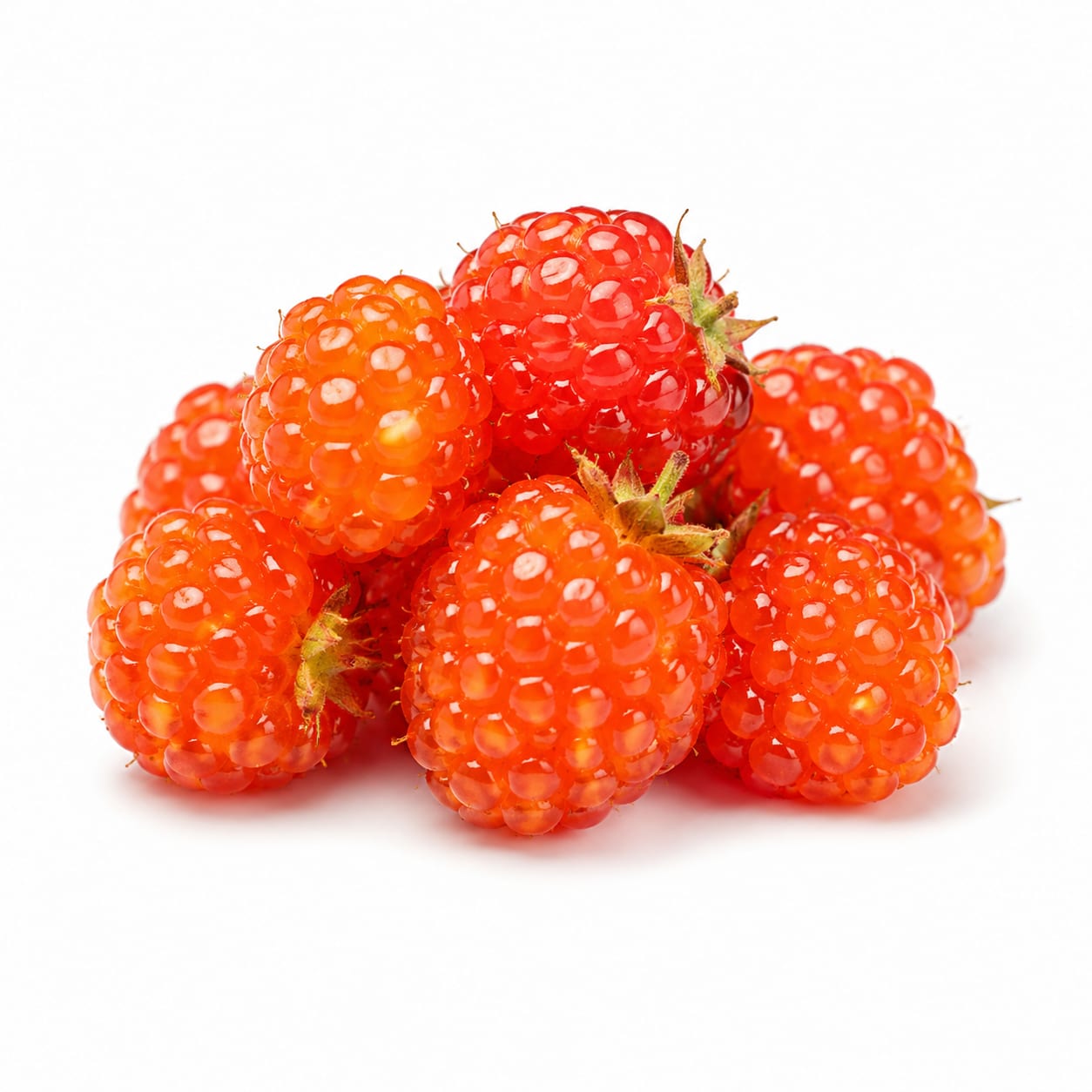
Salmonberry
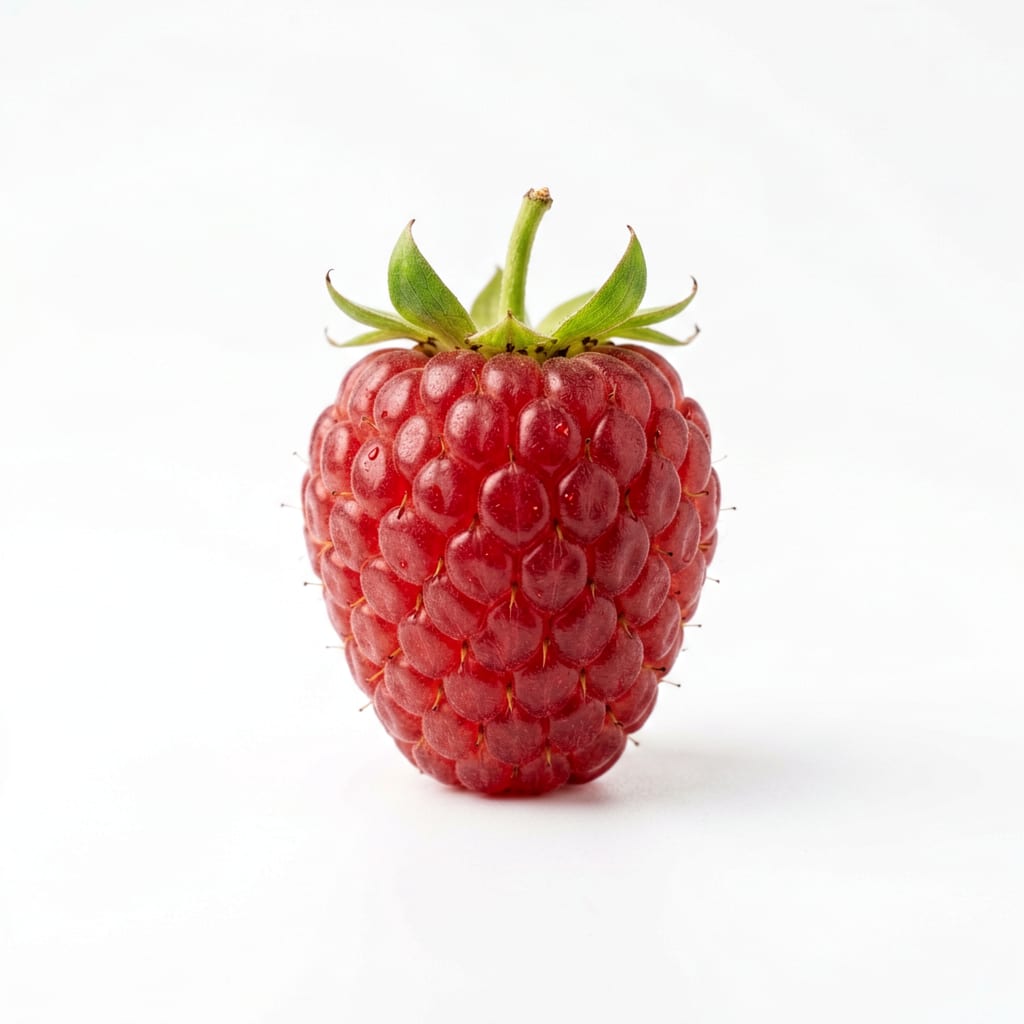
Raspberry
Raspberries win on nutrition, availability, and research-backed health benefits. Salmonberries offer a unique foraging experience but can't match the everyday practicality.
Raspberries score significantly higher due to superior antioxidant content, fiber density, commercial availability, and extensive research backing. Salmonberries are a perfectly healthy wild fruit but lack the nutritional concentration and everyday practicality of raspberries.
Raspberries deliver proven antioxidant power and grocery-store convenience, while salmonberries offer regional novelty and a connection to Pacific Northwest traditions.
At a glance
Executive summary
Overall
Raspberry
Healthier
Raspberry
More practical
Raspberry
Daily use
Raspberry
Key comparison lenses
antioxidant density and disease prevention
Raspberries are among the most antioxidant-rich berries available, while salmonberries are less studied and likely lower in concentrated antioxidants
everyday accessibility and practical use
Raspberries are grocery-store staples; salmonberries are regional, seasonal, and rarely sold commercially
fiber and digestive benefit
Both are Rubus berries with notable fiber, but raspberries are exceptionally high, making this a key differentiator
foraging vs convenience lifestyle fit
Salmonberries appeal to foragers and locavores; raspberries fit mainstream convenience-driven diets
blood sugar and weight management
Both are low-sugar, high-fiber fruits suitable for glycemic control, but subtle differences matter for daily use
Best choice for
Salmonberry
- Foraging enthusiasts and outdoor adventurers
- Pacific Northwest locals wanting seasonal tradition
- Anyone seeking novel fruit experiences
- People who value eating hyper-locally
Raspberry
- Daily berry eaters seeking maximum health returns
- Anyone managing blood sugar or weight
- Meal preppers needing reliable grocery access
- People wanting proven anti-inflammatory benefits
Least suitable for
Salmonberry
- Anyone without access to the Pacific Northwest coast
- People who need consistent year-round fruit supply
- Consumers prioritizing well-studied health outcomes
- Shoppers on a tight budget who can't forage
Raspberry
- People bored with common berries wanting novelty
- Foraging purists avoiding commercial produce
- Those with raspberry allergies or sensitivities
Deep comparison
Dimension by dimension
Each lens scores both foods and breaks down who each option suits.
- Dimension 1 · Priority 92Raspberry
antioxidant_power
Salmonberry · 45Raspberry · 90Raspberries are loaded with ellagic acid, anthocyanins, and vitamin C. Salmonberries have antioxidants too, but at notably lower concentrations.
Tradeoff
Salmonberries provide some vitamin C and carotenoids from their orange color, but raspberries deliver far more total antioxidant capacity per serving.
Why it matters
Higher antioxidant intake correlates with lower inflammation, better aging, and reduced chronic disease risk over time.
Real-world impact
Eating raspberries regularly gives your body more tools to fight daily oxidative stress from pollution, stress, and aging.
Salmonberry
- Getting carotenoid variety from orange-pigmented fruit
Better for
- Lower total antioxidant capacity per calorie
Worse for
Raspberry
- Maximizing daily antioxidant intake
- Reducing systemic inflammation
- Supporting long-term cellular health
Better for
- Lacks the orange carotenoid spectrum
Worse for
- Dimension 2 · Priority 85Raspberry
fiber_content
Salmonberry · 55Raspberry · 92Raspberries are one of the highest-fiber fruits available, packing about 8 grams per cup. Salmonberries provide decent fiber but noticeably less.
Tradeoff
Both berries beat most fruits on fiber, but raspberries are in a league of their own, making them far more filling per serving.
Why it matters
Fiber controls hunger, stabilizes blood sugar, feeds gut bacteria, and keeps digestion regular.
Real-world impact
A cup of raspberries with breakfast can keep you full until lunch. Salmonberries would leave you hungry sooner.
Salmonberry
- Still provides more fiber than most common fruits
Better for
- Less filling per serving than raspberries
Worse for
Raspberry
- Satiety and fullness between meals
- Gut microbiome support
- Blood sugar stabilization
- Weight management through natural appetite control
Better for
- High fiber can cause bloating if you eat too much too fast
Worse for
- Dimension 3 · Priority 88Raspberry
availability_and_convenience
Salmonberry · 15Raspberry · 90Raspberries are available year-round in most grocery stores. Salmonberries are almost never sold commercially and grow only in specific coastal regions for a few weeks per year.
Tradeoff
You can buy raspberries any day of the week anywhere. Salmonberries require living near the Pacific Northwest coast and timing a foraging trip.
Why it matters
The healthiest food is the one you can actually access and eat consistently.
Real-world impact
Most people will never encounter a fresh salmonberry. Raspberries are a realistic daily habit.
Salmonberry
- Free foraging if you live in the right region
- Novel experience that connects you to place
Better for
- Almost impossible to find in stores
- Extremely short seasonal window
- Geographically limited to coastal PNW
Worse for
Raspberry
- Year-round grocery availability
- Frozen options that retain nutrients
- Consistent supply for daily habits
- No foraging knowledge required
Better for
- Can be expensive out of season
- Spoil quickly in the fridge
Worse for
- Dimension 4 · Priority 75Raspberry
sugar_and_glycemic_impact
Salmonberry · 60Raspberry · 82Both are low-sugar berries, but raspberries have less sugar and more fiber, giving them a lower effective glycemic impact.
Tradeoff
Salmonberries taste milder and slightly sweeter due to lower acidity, but their higher water content means less fiber to buffer the sugar.
Why it matters
Lower glycemic impact means steadier energy, fewer cravings, and better metabolic health over time.
Real-world impact
Raspberries are a safer bet for afternoon snacking without triggering a sugar crash.
Salmonberry
- Milder flavor may appeal to those who find raspberries too tart
Better for
- Higher effective sugar per unit of fiber
Worse for
Raspberry
- Diabetes-friendly snacking
- Steadier energy without crashes
- Keto and low-carb diet compatibility
Better for
- Tartness can be off-putting for some palates
Worse for
- Dimension 5 · Priority 70Salmonberry
cultural_and_experiential_value
Salmonberry · 88Raspberry · 40Salmonberries carry deep Indigenous cultural significance in the Pacific Northwest and offer a unique foraging experience that raspberries simply can't match.
Tradeoff
Raspberries are familiar and reliable but lack the sense of place, tradition, and discovery that comes with harvesting wild salmonberries.
Why it matters
Food is more than nutrients. Connection to land, season, and culture matters for long-term wellbeing.
Real-world impact
A salmonberry foraging trip creates memories and relationships with nature that grocery-store raspberries never will.
Salmonberry
- Indigenous food sovereignty and cultural connection
- Outdoor foraging experiences
- Seasonal eating mindfulness
- Sense of place and regional identity
Better for
- Limited to those with regional access and knowledge
Worse for
Raspberry
- Reliable comfort food familiarity
- Easier to share with others consistently
Better for
- No foraging or cultural novelty
Worse for
Timeline
Health impact over time
Short-term
Hours to days
Salmonberry
- Mild hydration from high water content
- Moderate vitamin C boost for immune support
- Gentle fiber for digestion without bloating
Raspberry
- Noticeable fullness from high fiber density
- Quick vitamin C and antioxidant infusion
- Stable blood sugar without energy dips
Long-term
Months to years
Salmonberry
- Moderate anti-inflammatory benefit from regular consumption
- Supports seasonal dietary variety if foraged annually
- Insufficient research for strong health claims
Raspberry
- Well-documented reduction in chronic disease risk markers
- Consistent gut microbiome support from high fiber intake
- Anti-inflammatory effects backed by extensive research
Risk profile
Safety & processing
Both berries are whole, unprocessed foods in their natural state. Salmonberries are almost always eaten wild and untouched. Raspberries may carry pesticide residues when conventionally grown, but organic options are widely available.
Salmonberry
Misidentification with toxic wild berries
mediumForaging always carries some risk of misidentification. Salmonberries resemble other Rubus species, most of which are safe, but novice foragers should always confirm with local experts.
Environmental contamination in wild areas
lowWild berries near roads or industrial areas may absorb pollutants. Forage away from contaminated zones.
Raspberry
Pesticide residues on conventional raspberries
mediumRaspberries consistently rank on the EWG Dirty Dozen list due to pesticide residues. Washing helps but doesn't remove everything. Organic is recommended when possible.
Mold and spoilage
lowRaspberries spoil rapidly and can grow mold within days. Inspect containers carefully and consume quickly.
Who wins for whom
Audience fit
Same foods, different winners depending on your goal.
children
RaspberryRaspberries are widely available, familiar, and easy to serve. Salmonberries could work for PNW kids but lack consistent access.
daily consumption
RaspberryRaspberries can be eaten daily year-round with consistent nutritional benefits. Salmonberries are a seasonal treat at best for most people.
diabetes
RaspberryRaspberries have less sugar and more fiber per serving, resulting in a lower glycemic load and better blood sugar control.
elderly
RaspberryRaspberries' proven anti-inflammatory and fiber benefits matter more for aging bodies, and they're far easier to obtain regularly.
muscle gain
It dependsNeither berry is a protein source. Both offer antioxidants that support recovery, but neither moves the needle meaningfully for muscle building.
weight loss
RaspberryRaspberries provide more fiber and fewer calories per gram, keeping you fuller longer with less sugar impact.
Your move
Decision guide
Choose Salmonberry
- You live in the Pacific Northwest and can forage them fresh
- You want a unique seasonal experience tied to place and tradition
- You already eat raspberries regularly and want berry diversity
- You value wild foods and Indigenous foodways
Choose Raspberry
- You want the most nutritionally dense berry for daily eating
- You need reliable grocery-store access year-round
- You're managing blood sugar, weight, or inflammation
- You want a well-studied food with proven health benefits
Either works if
- You just want a low-sugar fruit snack
- You're looking for vitamin C and natural sweetness
- You enjoy berries and want variety in your diet
Avoid both if
- You have a severe berry allergy
- You need high-protein or calorie-dense foods for recovery
- You're on a very restricted low-fiber diet for digestive reasons
Final recommendation
Make raspberries your daily berry. They deliver more fiber, more antioxidants, and better blood sugar control with easy access. If you ever get the chance to forage salmonberries in season, absolutely do it for the experience and variety, but don't rely on them for your nutritional baseline.
Practical
Consumer tips
- 1
Buy organic raspberries when possible to avoid pesticide exposure, since they rank high on the Dirty Dozen list
- 2
Freeze raspberries immediately if you won't eat them within two days to preserve nutrients and prevent mold
- 3
If foraging salmonberries, always confirm identification with a local expert and avoid areas near roads or industrial sites
- 4
Add raspberries to overnight oats or Greek yogurt for a high-fiber breakfast that keeps you full until lunch
- 5
Salmonberries are best eaten fresh within hours of picking, as they spoil even faster than raspberries