
Tropical Fruit
Salak
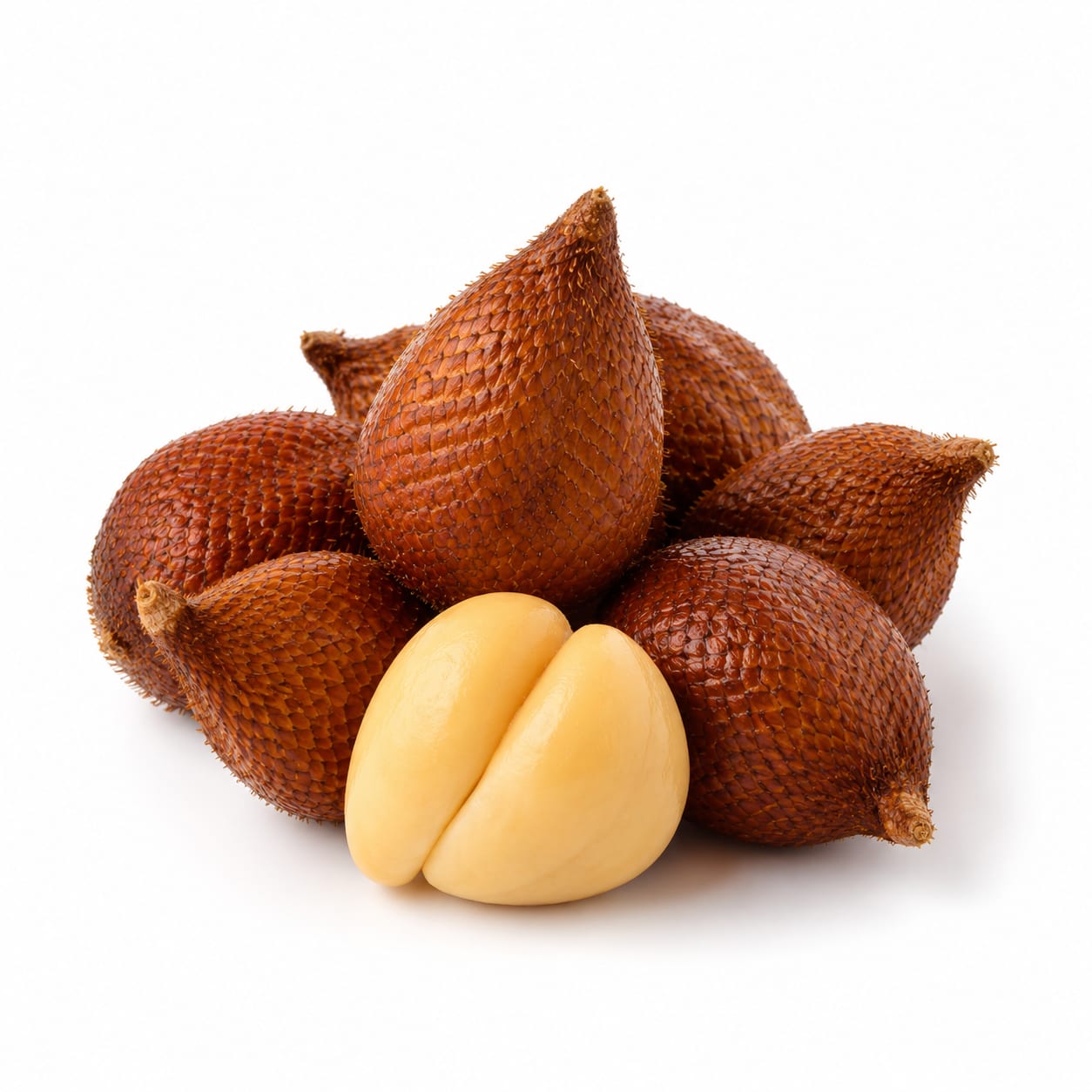
A crisp, sweet-sour tropical fruit with scaly skin, known for its high fiber and unique astringent properties.
Salak, commonly known as snake fruit due to its reddish-brown scaly skin, is a tropical fruit native to Indonesia and Southeast Asia. The flesh is firm, crisp, and has a unique sweet-sour taste with a slightly astringent finish.
high-fiber low-water tropical fruit
Typical serving · 100g
Common varieties · salak pondoh, salak bali, salak gading, salak condet
Overall context score across nutrition, safety, and diet fit
At a glance
Quick facts
Simple indicators based on nutrition, processing, and diet fit.
The story
What makes it unique
Salak is a dry, firm-textured fruit with a moderate carbohydrate content primarily from natural sugars. Its high tannin and dietary fiber content slow digestion speed and increase satiety compared to water-rich fruits. The macronutrient profile is low in protein and fat, making it a carbohydrate-dominant whole food with minimal processing characteristics.
Varieties: salak pondoh · salak bali · salak gading · salak condet
Per 100g
Nutrition breakdown
Macro balance and key metrics at a glance.
Energy
Density 0.82 kcal/g
Protein
Carbs
Fat
Fiber
Sugar
17 g
Sodium
3 mg
Potassium
150 mg
Glycemic index
42
Glycemic load
8
Water content
78%
Standout compounds
Nutrient highlights
Dietary Fiber
moderateSupports digestion and increases satiety
Potassium
moderateRegulates blood pressure and fluid balance
Tannins
highAstringent properties that slow digestion and firm stools
Vitamin C
lowSupports immune function and acts as an antioxidant
Beta-carotene
lowSupports eye health and provides antioxidant protection
Wellness map
Health scores & processing
NOVA processing scale
minimally processed · Whole food
Raw whole fruit consumed fresh with the inedible skin removed.
Diet compatibility
- Weight loss
- Muscle gain
- Diabetes
- Gut health
- Low carb
- High protein
- Heart health
Relative standing
Food rankings
Qualitative ranks compared to similar whole foods.
- Satietygood
- Blood sugarmoderate
- Nutrient densitymoderate
- Fitness fuelgood
- Processing qualityexcellent
Eat with confidence
Food safety profile
Generally safe, but the rough, scaly skin can trap dirt and agricultural chemicals. Washing the skin before peeling prevents transferring contaminants to the flesh.
Evidence confidence 85%
- Pesticidesmoderate
- Antibioticslow
- Heavy metalslow
- Contaminationlow
Watch for
- pesticide residue on skin
- soil-borne bacteria
Safer choices
Organic salak
Prep tips
Wash the outer skin thoroughly under running water before peeling to avoid contaminating the edible flesh with dirt or residues.
Varies by Southeast Asian export standards; conventional farming often uses pesticides.
Deep dive
Health analysis
How this food may fit different goals and preparation choices.
Weight loss
Low energy density and high fiber content promote fullness, making it easier to manage calorie intake during a deficit.
Blood sugar
A low-to-moderate glycemic index combined with insoluble fiber slows sugar absorption, preventing sharp glucose spikes.
Fitness & energy
Provides a quick source of natural sugars for short-term energy, suitable as a light pre-workout snack.
Gut health
Fiber supports bowel regularity, but high tannin content can have an astringent, constipating effect if overconsumed.
Processing quality
A whole, unprocessed fruit with no added ingredients or artificial preservatives.
Food safety
Primary risk is pesticide residue on the rough, scaly skin; washing before peeling is essential to avoid contamination.
Common mistakes
Eating too many at once can lead to constipation due to tannins. Peeling without washing the skin first transfers dirt to the flesh.
Best preparation
Consumed fresh and raw. Can also be pickled or made into jam, though raw retains the most nutrients and fiber.
Practical guide
Best use cases
When and how this food fits real eating patterns.
Portable tropical snack
The thick skin protects the firm flesh, making it easy to transport without bruising.
High-volume low-calorie eating
The fiber and dry texture promote fullness, making it ideal for snacking between meals during a diet.
Pre-workout natural energy
Provides easily digestible natural sugars for a quick energy boost before exercise.
Balance sheet
Pros & cons
Upsides
- High in dietary fiber for satiety
- Low energy density aids weight management
- Contains blood pressure-friendly potassium
- Unprocessed whole food with no additives
- Unique sweet and sour flavor profile
Trade-offs
- High tannin content can cause constipation
- Scaly skin is difficult to peel and traps dirt
- Not suitable for strict low-carb or keto diets
- Can be overly astringent if not fully ripe
Fit check
Who is it for?
Great match
- weight management
- moderate blood sugar control
- tropical fruit lovers
- diarrhea relief
Consider alternatives
- strict ketogenic diets
- severe constipation sufferers
- people avoiding tannins
Side by side
How it compares
Open the full head-to-head analysis for nutrition, safety, and practical tradeoffs.
This food
Salak
VS85% alike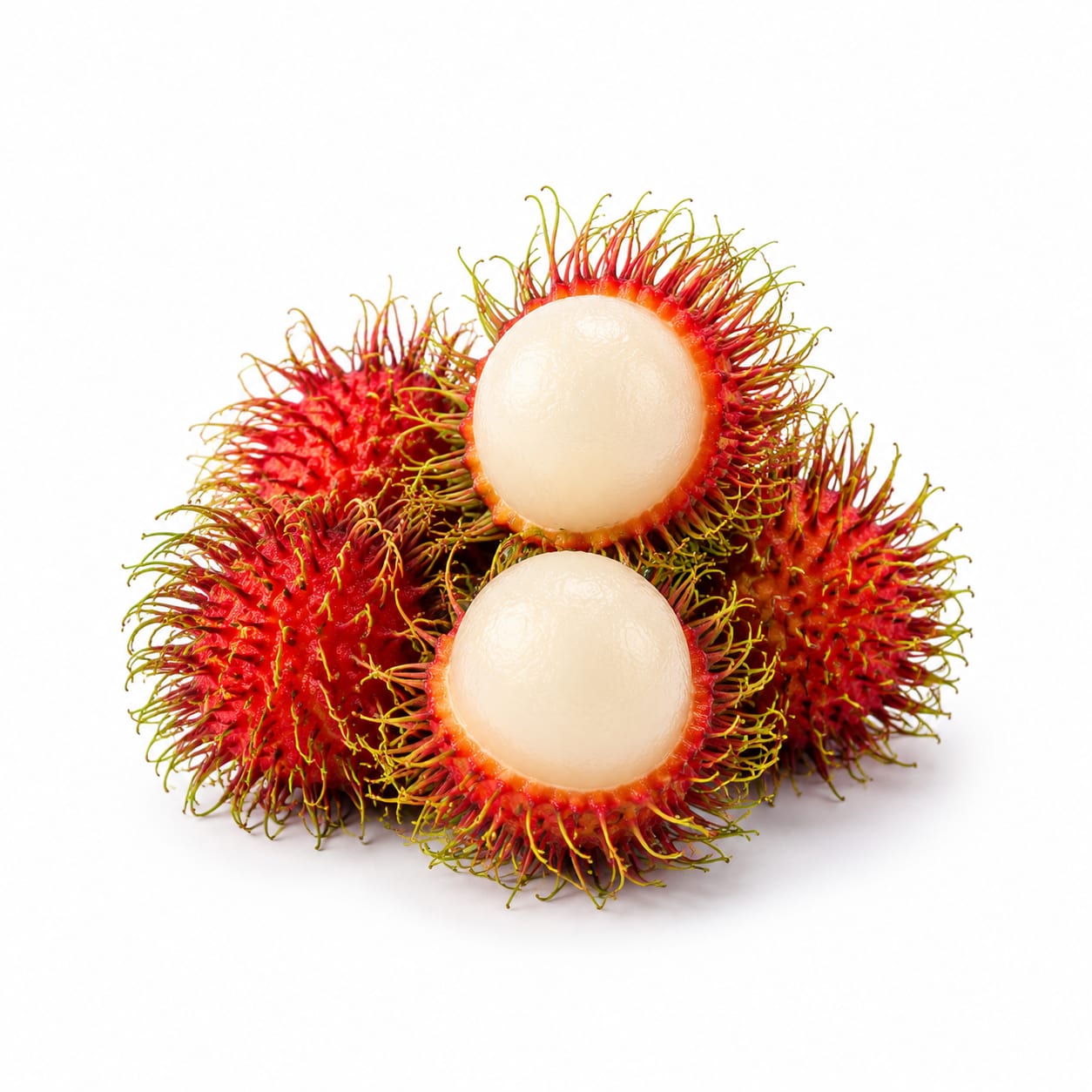
Compare with
Rambutan
Salak is drier and firmer, while rambutan is juicier and sweeter.
Salak offers more fiber and satiety for weight loss, while rambutan is juicier and better for quick hydration.
This food
Salak
VS80% alike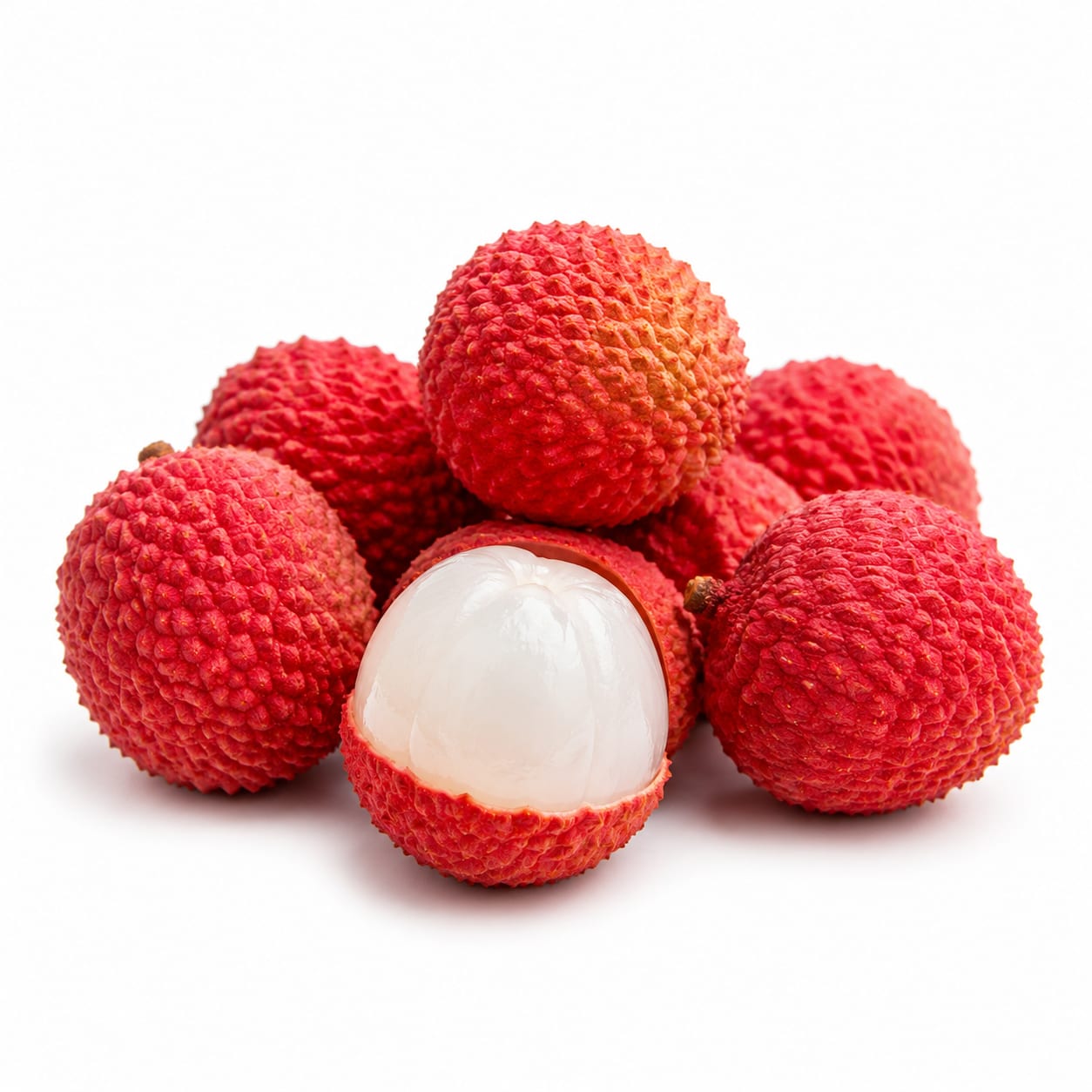
Compare with
Lychee
Lychee is higher in water and vitamin C, while salak is firmer and higher in fiber.
Salak is the better choice for fullness and fiber, whereas lychee provides quicker hydration and vitamin C.
This food
Salak
VS75% alike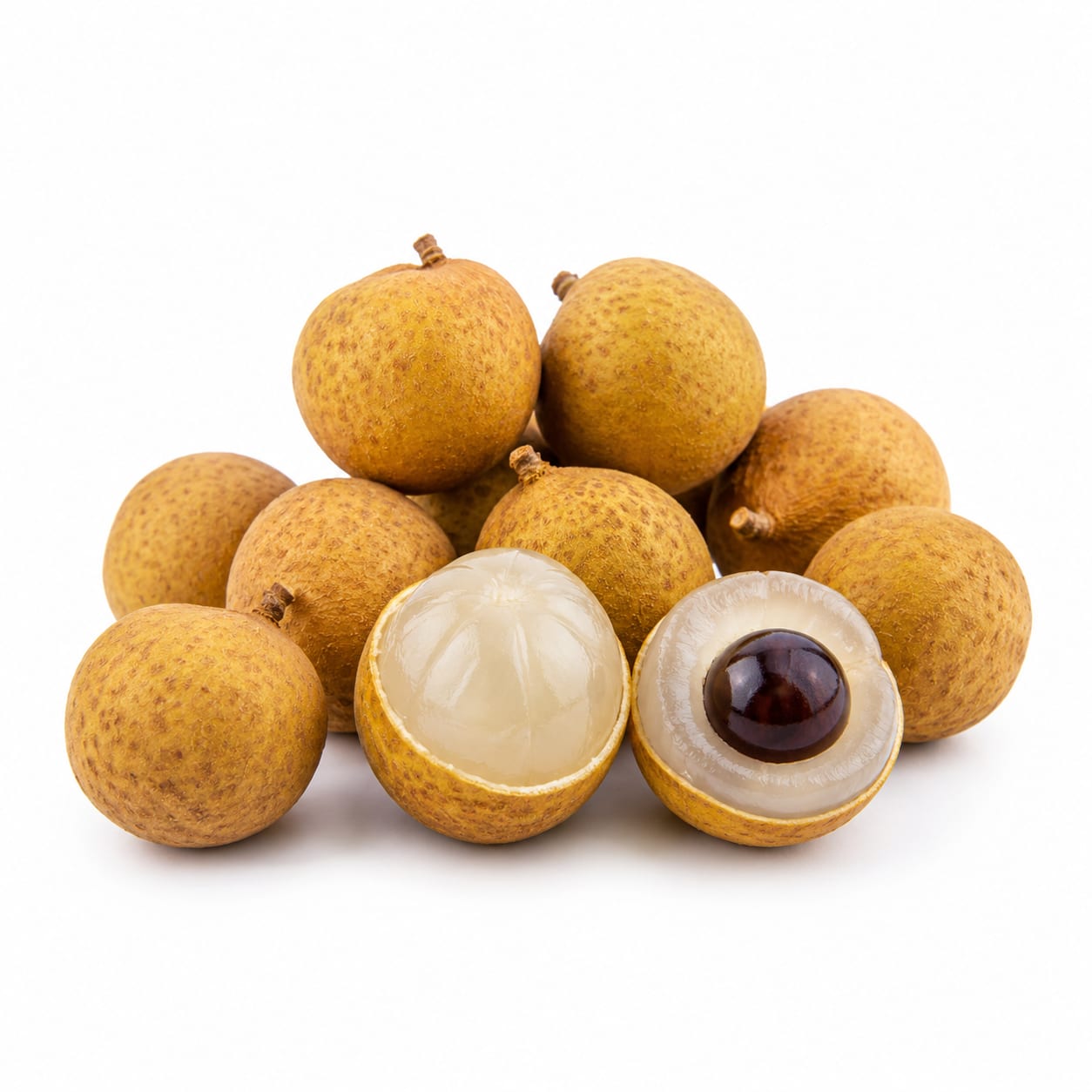
Compare with
Longan
Longan is sweeter and softer, while salak is firmer and more astringent.
Salak provides better portion control and satiety than the sweeter, easier-to-overeat longan.
This food
Salak
VS70% alike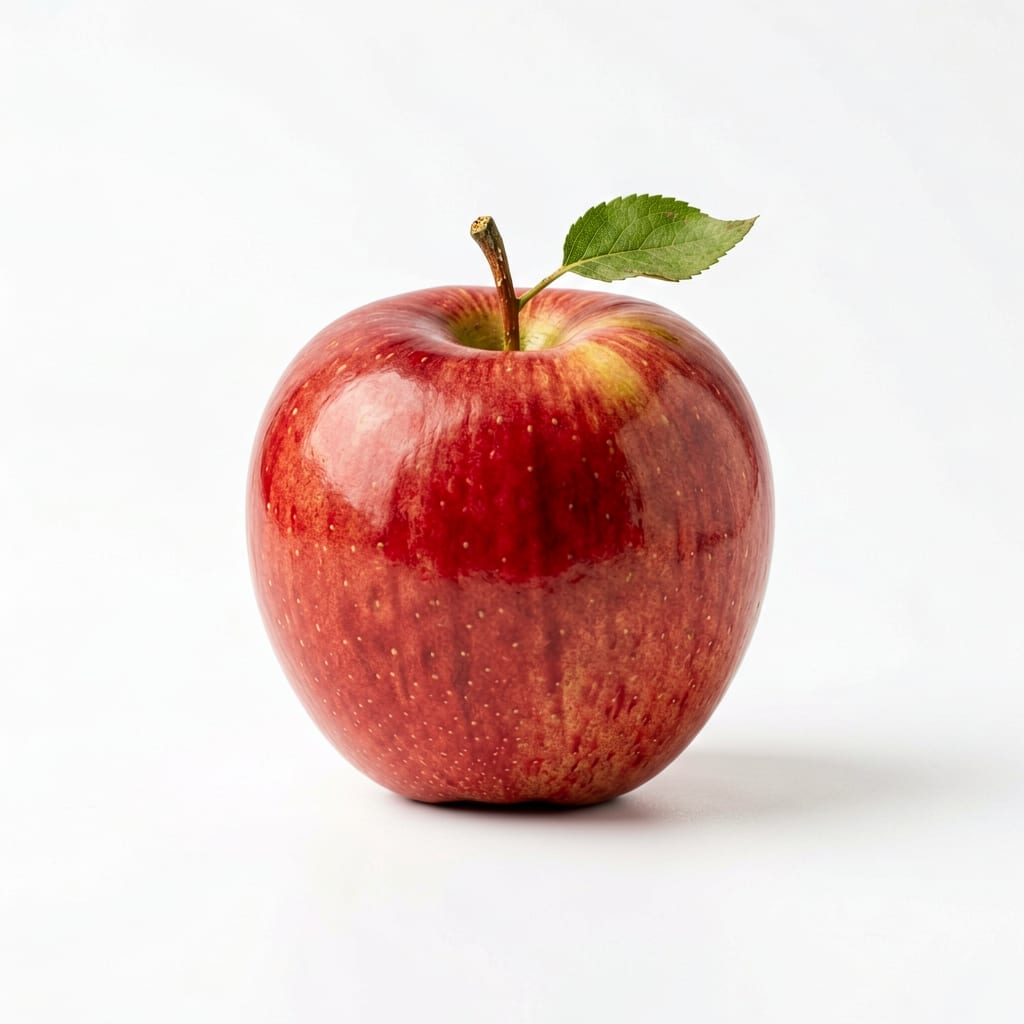
Compare with
Apple
Apples are juicier and more universally available, while salak is drier and more tart.
Apples are more accessible and slightly lower in sugar, but salak offers a similar firm, fibrous bite with more satiety.
This food
Salak
VS65% alike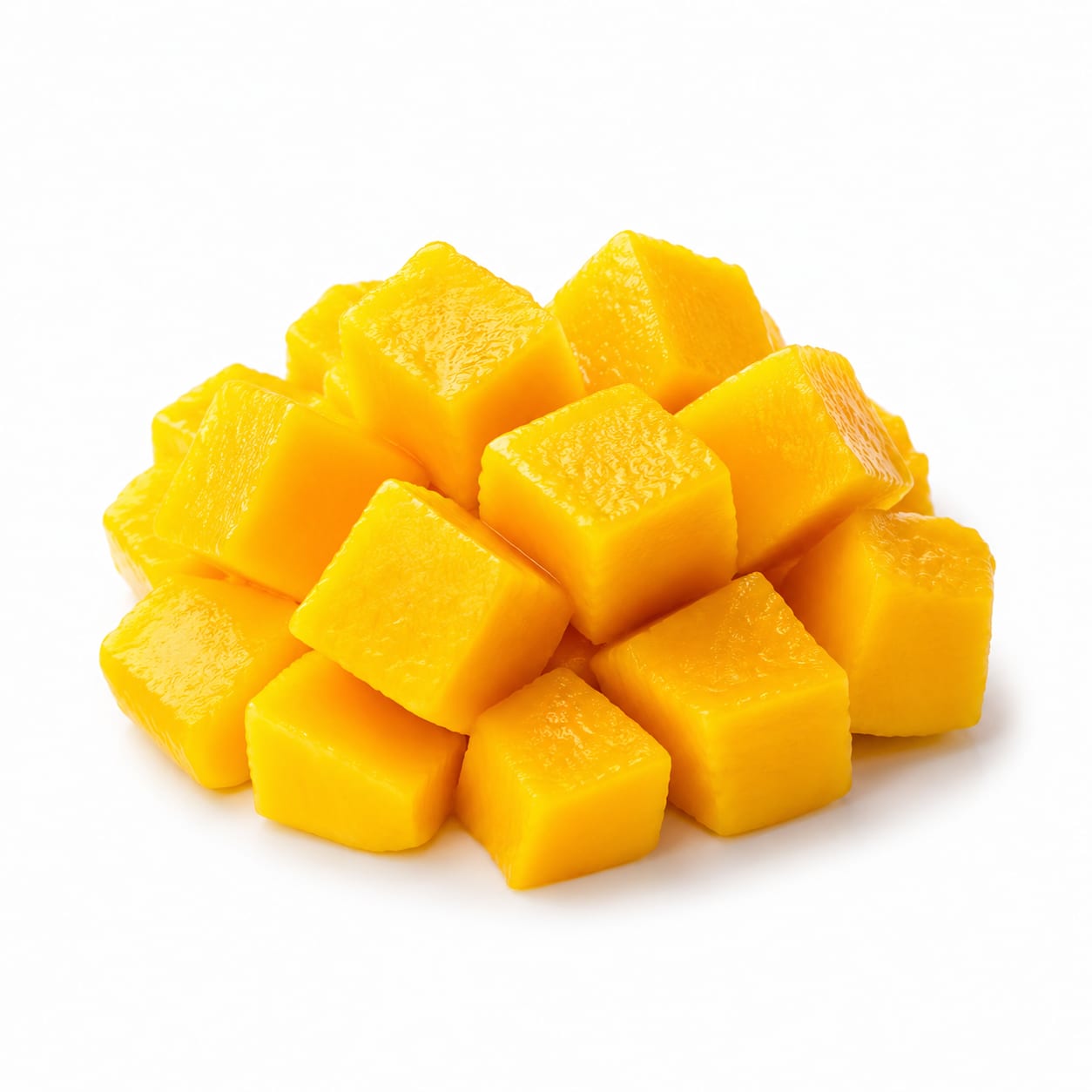
Compare with
Mango
Mango is juicier and higher in sugar and vitamin A, while salak is drier and lower in calories.
Salak is the lower-sugar, higher-fiber alternative to the sweeter, juicier mango.
This food
Salak
VS60% alike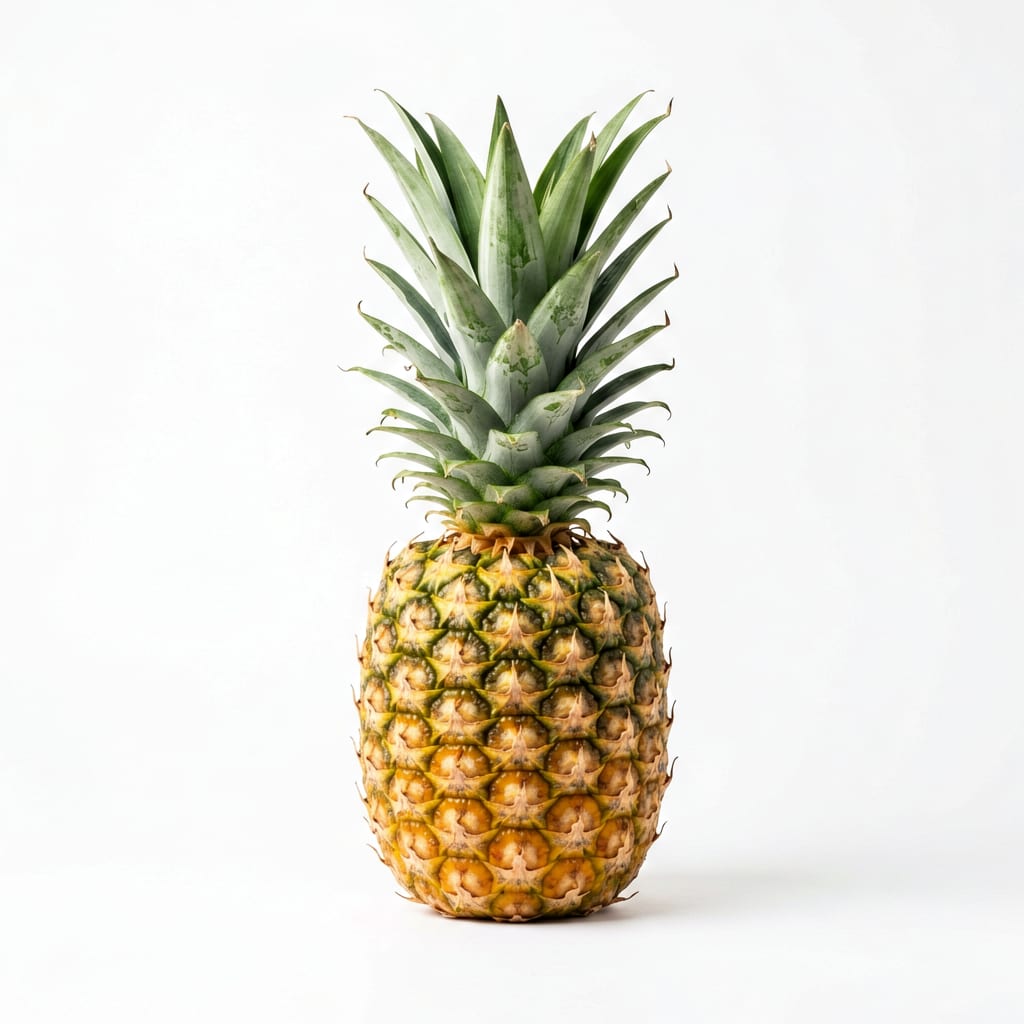
Compare with
Pineapple
Pineapple is high in water and bromelain, while salak is dry and high in tannins.
Pineapple is better for post-workout hydration and digestion, while salak is better for sustained fullness.
This food
Salak
VS55% alike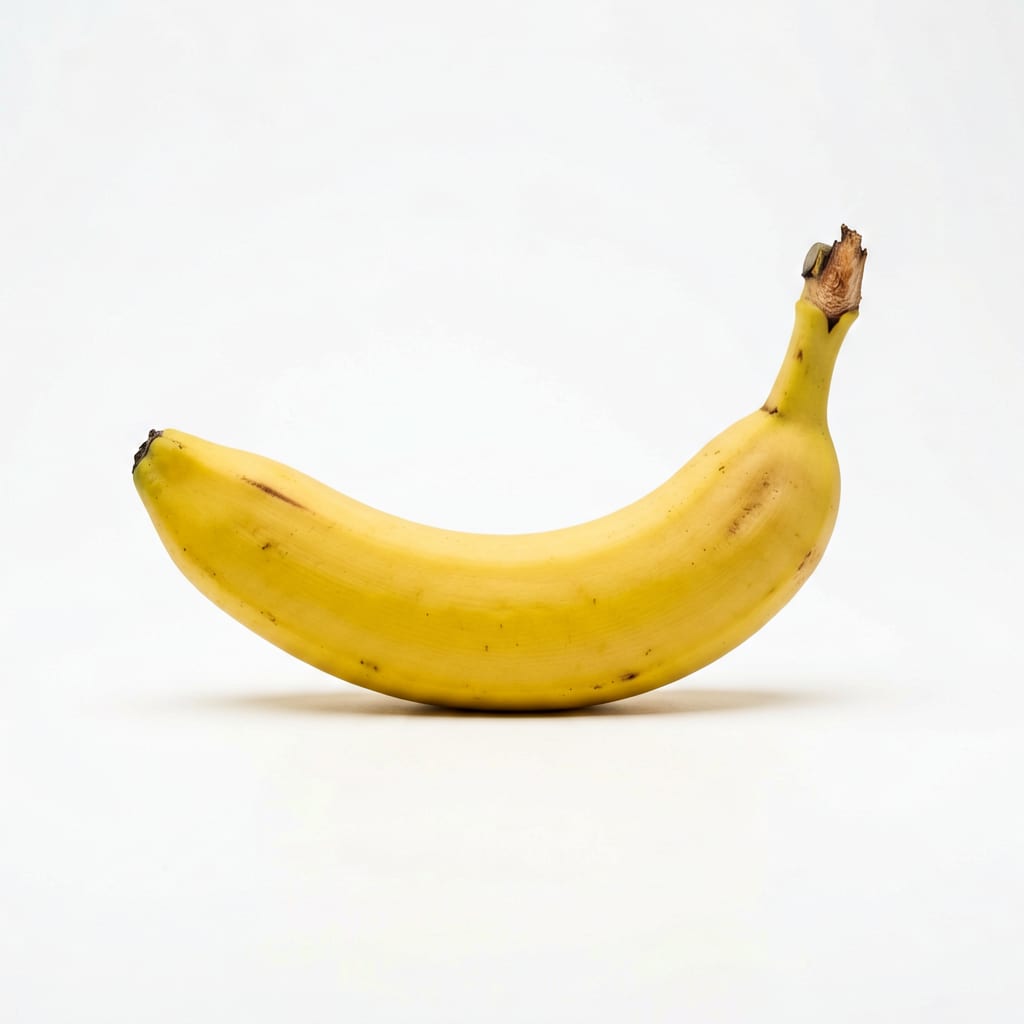
Compare with
Banana
Banana is starchier and promotes bowel movements, while salak is firmer and can constipate.
Bananas offer more workout fuel and potassium, while salak has less sugar impact and fewer calories per gram.
This food
Salak
VS50% alike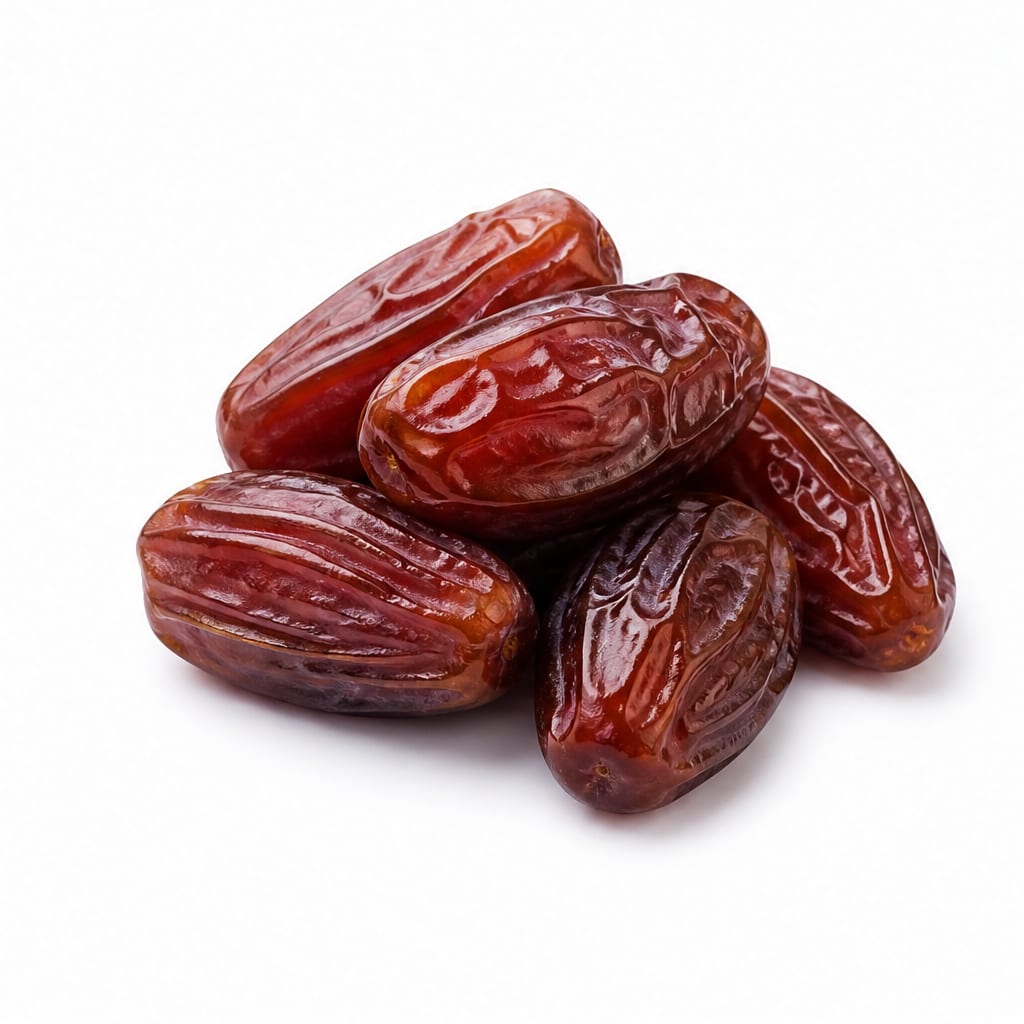
Compare with
Dates
Dates are extremely sweet and calorie-dense, while salak is mild and low-calorie.
Salak is a far better everyday snacking fruit for weight management compared to the energy-dense date.
This food
Salak
VS45% alike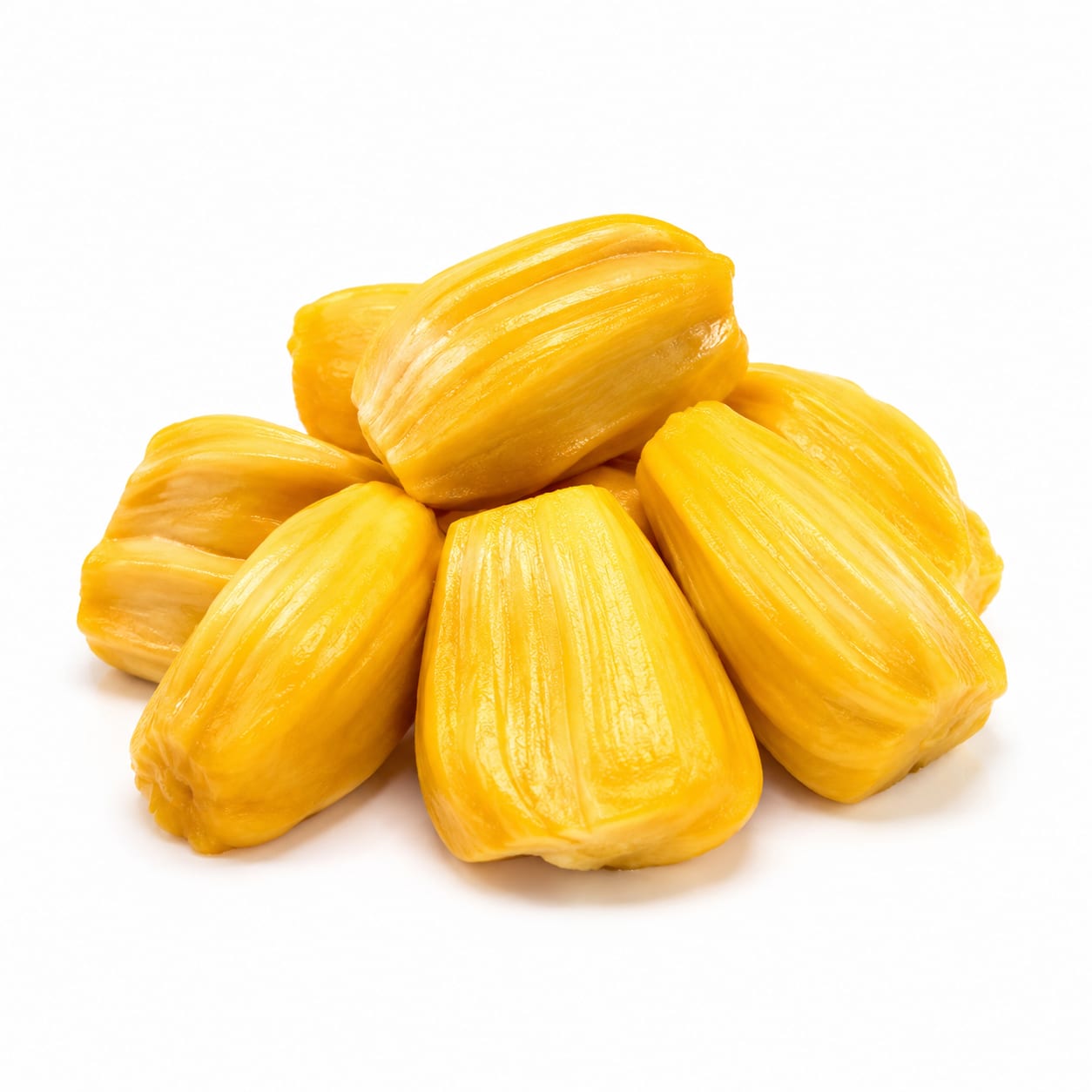
Compare with
Jackfruit
Jackfruit is much larger, sweeter, and higher in carbs, while salak is bite-sized and tart.
Salak is easier to portion control and much lower in carbohydrates than the dense, sweet jackfruit.
This food
Salak
VS40% alike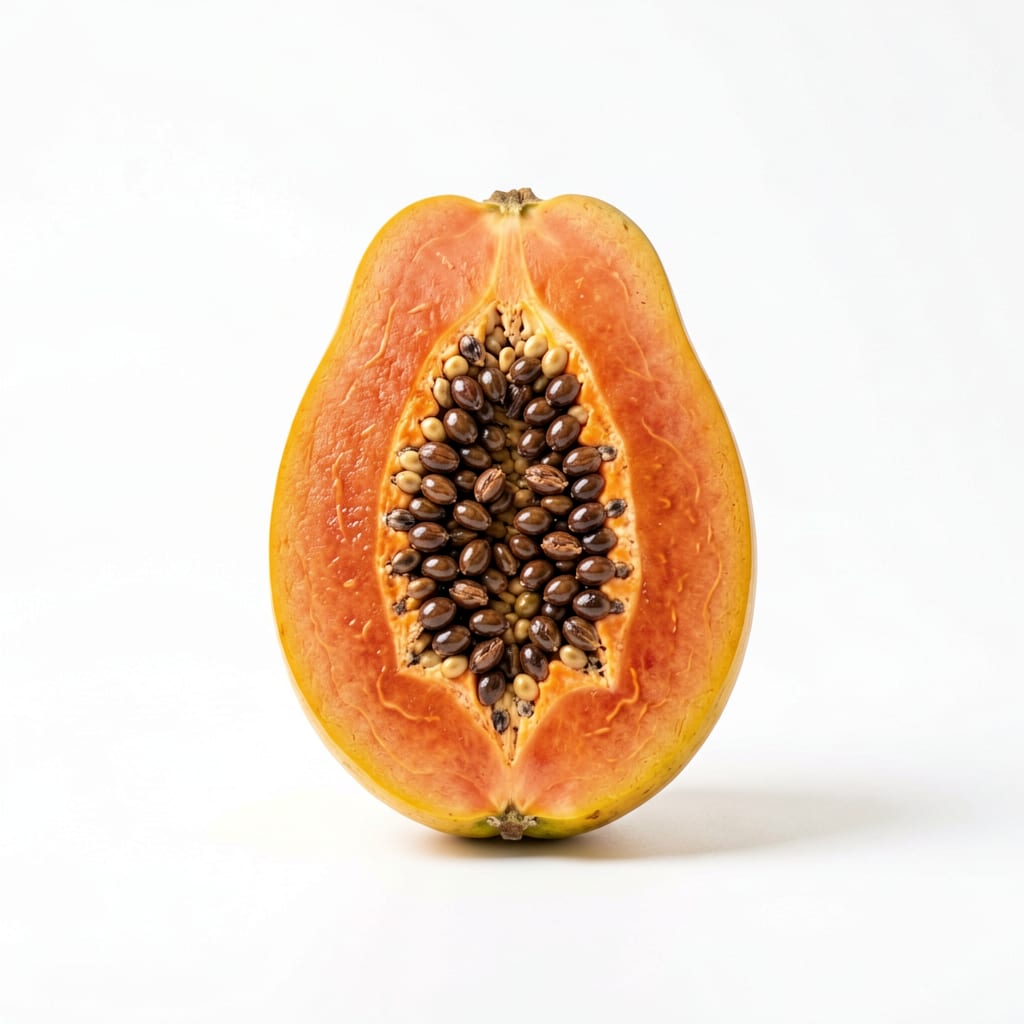
Compare with
Papaya
Papaya is water-rich and aids digestion with papain, while salak is fiber-rich and can constipate.
Papaya is better for digestive regularity and hydration, while salak is better for strict calorie control and satiety.
Common questions
FAQ
Answers aligned with how people search for this food.
Is salak good for weight loss?
Yes, salak is good for weight loss. Its high fiber content and low energy density help keep you full longer, reducing overall calorie consumption.
Can diabetics eat snake fruit?
Yes, diabetics can eat salak in moderation. It has a low-to-moderate glycemic index, and its fiber content helps slow down sugar absorption, preventing rapid blood sugar spikes.
Why does salak cause constipation?
Salak contains high levels of tannins and insoluble fiber. Tannins have an astringent effect that slows down bowel movements, which can lead to constipation if eaten in large amounts.
What does salak taste like?
Salak has a unique sweet and sour taste with a firm, apple-like texture. It often has a slightly astringent finish, and very ripe varieties can taste reminiscent of pineapple or fermented fruit.
How many salak fruits can I eat a day?
Eating 3 to 5 salak fruits per day (about 100g) is a safe amount to enjoy the nutritional benefits without risking constipation from excessive tannin intake.
Is snake fruit high in sugar?
Salak contains moderate natural sugars, roughly 17g per 100g, which is similar to an apple. The fiber prevents the sugar from causing rapid blood sugar spikes.
How do you peel salak?
Pinch the tip of the fruit to break the skin, then peel away the scaly reddish-brown rind. Make sure to wash the skin thoroughly before peeling to avoid transferring dirt to the flesh.
Is salak good for diarrhea?
Yes, the tannins and astringent properties in salak can help solidify stools and are traditionally used to help manage mild diarrhea.
Transparency
Data confidence
Estimated confidence for nutrition data, interpretation, safety notes, and comparisons.
Nutrition data
Health analysis
Food safety
Comparisons