
Nutrition comparison
Salak vs Longan: Which Tropical Fruit Is Healthier?
Compare Salak and Longan nutrition — sugar, fiber, calories, and health benefits. Find out which Southeast Asian fruit is better for weight loss, diabetes, and daily snacking.
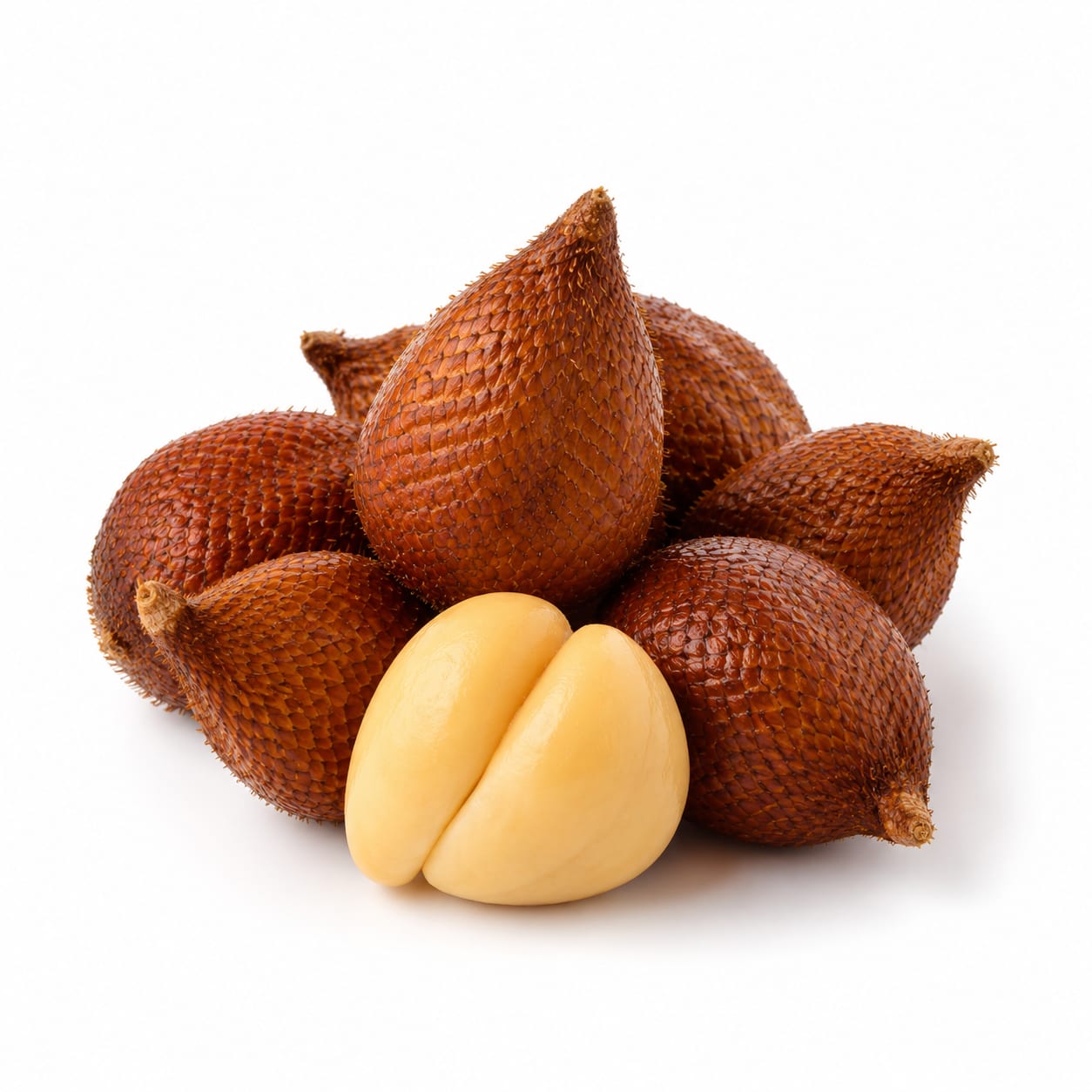
Salak
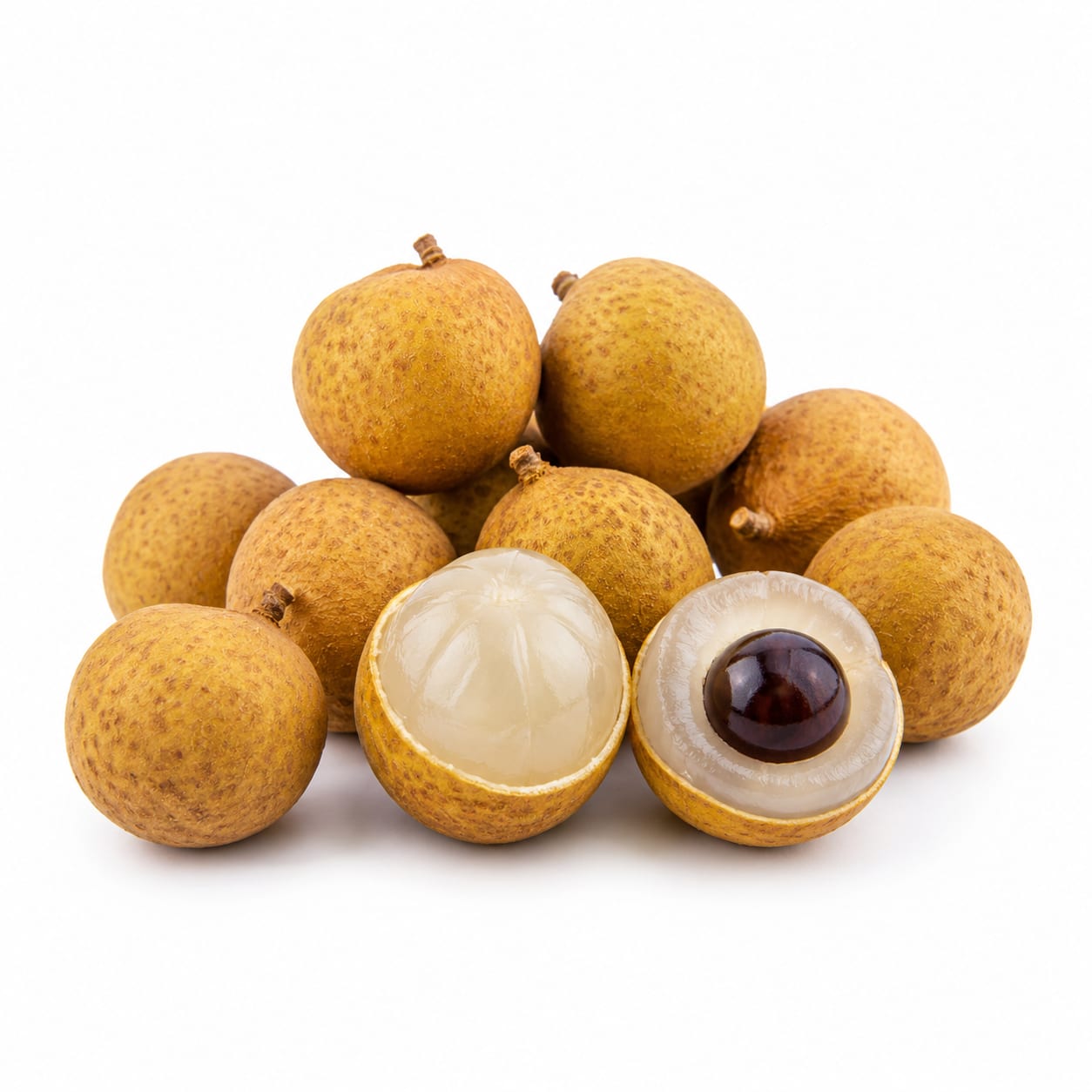
Longan
Salak wins on fiber, blood sugar control, and satiety. Longan wins on taste, convenience, and traditional calming benefits. Your pick depends on whether you prioritize metabolic steadiness or enjoyable sweetness.
Salak scores higher due to superior fiber, lower sugar, and better blood sugar profile. Longan remains competitive through taste appeal, convenience, and unique calming compounds. The gap reflects metabolic advantages rather than a clear universal superiority.
Salak is the more metabolically responsible choice with its fiber and lower sugar, but Longan is far more pleasant to eat and offers unique relaxing properties.
At a glance
Executive summary
Overall
It depends
Healthier
Salak
More practical
Longan
Daily use
Salak
Key comparison lenses
sugar content and blood sugar impact
Longan is notably sweeter and higher in sugar than Salak, making glycemic impact the most critical differentiator
fiber and digestive health
Salak offers significantly more fiber, which affects satiety, digestion, and blood sugar stability
calorie density for weight management
Both are tropical fruits but differ meaningfully in calorie-to-satiety ratio
ease of consumption and convenience
Salak's thorny skin and astringent bite make it harder to enjoy than the easy-peeling, sweet Longan
antioxidant and micronutrient profile
Each fruit carries distinct antioxidant compounds worth comparing for long-term health benefits
Best choice for
Salak
- People managing blood sugar or prediabetes
- Those seeking a filling, high-fiber snack
- Weight-conscious eaters who want lower sugar fruit
- Anyone with sluggish digestion needing fiber support
Longan
- People who want a sweet, comforting treat without junk food
- Those dealing with stress or sleep issues seeking natural calming
- Anyone new to tropical fruits who wants an accessible entry point
- Older adults or children who need soft, easy-to-eat fruit
Least suitable for
Salak
- People with sensitive stomachs who react to tannins or astringency
- Anyone seeking a sweet, dessert-like fruit experience
- Children who may find the texture and taste off-putting
Longan
- People strictly limiting sugar intake
- Those with diabetes who need low-glycemic fruit options
- Anyone prone to overeating sweet fruit
Deep comparison
Dimension by dimension
Each lens scores both foods and breaks down who each option suits.
- Dimension 1 · Priority 92Salak
sugar_and_blood_sugar_impact
Salak · 78Longan · 45Salak contains roughly half the sugar of Longan per serving, making it far gentler on blood sugar.
Tradeoff
You give up the sweet, satisfying taste of Longan but avoid the energy crash that can follow a sugary fruit snack.
Why it matters
Frequent blood sugar spikes from high-sugar fruits can increase cravings, fatigue, and long-term metabolic risk even in healthy people.
Real-world impact
A bowl of Longan can feel like eating candy — easy to overconsume and leave you hungry an hour later. Salak feels more like a substantive snack that holds you over.
Salak
- Steadier afternoon energy without the crash
- Better glycemic control for prediabetics
- Less trigger for sugar cravings afterward
Better for
- Less satisfying if you specifically want something sweet
Worse for
Longan
- Quick energy replenishment after intense exercise
- More enjoyable as a natural dessert substitute
Better for
- Higher risk of blood sugar roller coaster
- Easy to overeat due to sweetness and small size
Worse for
- Dimension 2 · Priority 88Salak
fiber_and_digestive_health
Salak · 85Longan · 40Salak provides substantially more dietary fiber, supporting digestion and gut health. Longan is relatively fiber-poor.
Tradeoff
Salak's fiber comes with tannins that can cause constipation if eaten unripe or in excess. Longan is gentler on the stomach but offers little digestive support.
Why it matters
Fiber is the single most underconsumed nutrient globally. A fruit that naturally delivers it meaningfully is a genuine advantage.
Real-world impact
Eating Salak feels like it sits in your stomach and does work. Longan passes through quickly — pleasant but not filling.
Salak
- More regular bowel movements with consistent intake
- Greater satiety between meals
- Feeds beneficial gut bacteria
Better for
- Unripe Salak can cause constipation due to tannins
- Astringency may bother some digestive systems
Worse for
Longan
- Easier on sensitive stomachs when fiber is irritating
- Better tolerated during digestive illness recovery
Better for
- Contributes almost nothing to daily fiber needs
- Less satiating, leading to more snacking
Worse for
- Dimension 3 · Priority 80Salak
calorie_density_and_weight_management
Salak · 75Longan · 55Salak offers more volume and fullness per calorie. Longan's sugar density makes it easier to accidentally overconsume.
Tradeoff
Salak is more filling but less enjoyable to eat in quantity. Longan is delicious but calorie-creepy — a few handfuls add up fast.
Why it matters
Fruit is often assumed to be automatically weight-friendly, but sugar-dense varieties can quietly undermine portion control.
Real-world impact
You can eat 10 Longan before feeling full. Salak stops you naturally after a few pieces because of texture and fiber.
Salak
- Natural portion control through fiber and texture
- Lower calorie-to-satiety ratio
Better for
- Astringency may limit how much you enjoy eating it
Worse for
Longan
- Higher calorie density useful for underweight individuals needing to gain
Better for
- Mindless snacking risk is high with small sweet fruit
- Sugar calories accumulate quickly without fullness
Worse for
- Dimension 4 · Priority 75Longan
convenience_and_ease_of_consumption
Salak · 40Longan · 85Longan is easy to peel, soft to eat, and universally palatable. Salak has a prickly skin, astringent bite, and an acquired texture.
Tradeoff
Convenience favors Longan heavily, but the effort of eating Salak naturally slows consumption — which can be a hidden benefit.
Why it matters
The fruit you actually enjoy eating consistently beats the one that sits in your fridge because it's too much work.
Real-world impact
Longan is a grab-and-go snack anyone can enjoy. Salak requires technique and tolerance — not ideal for busy or picky eaters.
Salak
- Forced slower eating pace aids digestion and satiety signals
Better for
- Thorny skin can prick fingers during peeling
- Astringent taste is off-putting for newcomers
- Not convenient for on-the-go eating
Worse for
Longan
- Quick, mess-free snacking for busy schedules
- Kid-friendly and elderly-friendly texture
- No learning curve to enjoy
Better for
- Ease of eating makes overconsumption more likely
Worse for
- Dimension 5 · Priority 70It depends
antioxidant_and_micronutrient_profile
Salak · 70Longan · 68Salak offers more beta-carotene and minerals like calcium and iron. Longan provides unique polyphenols and more vitamin C per serving.
Tradeoff
Neither fruit is a micronutrient powerhouse compared to berries or citrus. Their antioxidant value is complementary rather than competitive.
Why it matters
Tropical fruits often carry distinctive antioxidants you cannot easily get elsewhere, making rotation more valuable than picking one winner.
Real-world impact
Eating both fruits in rotation gives you broader antioxidant coverage than doubling down on either one alone.
Salak
- Beta-carotene supports skin and eye health
- Higher mineral content supports bone and blood health
Better for
- Vitamin C content is modest compared to Longan
Worse for
Longan
- Corilagin and gallic acid have anti-inflammatory potential
- More vitamin C per serving for immune support
Better for
- Lower mineral density overall
Worse for
- Dimension 6 · Priority 65Longan
traditional_and_functional_benefits
Salak · 50Longan · 80Longan has centuries of use in Traditional Chinese Medicine as a calming, sleep-promoting, and blood-nourishing fruit. Salak is valued for digestion but has less documented functional use.
Tradeoff
Longan's traditional calming reputation is culturally significant and may have real relaxation benefits, but it comes paired with high sugar that can disrupt sleep if eaten late.
Why it matters
For people seeking food-as-medicine approaches, Longan's documented traditional role adds meaningful value beyond basic nutrition.
Real-world impact
A small serving of Longan before bed may help some people relax, though the sugar content means moderation matters.
Salak
- Fiber-driven digestive regularity is a tangible daily benefit
Better for
- Limited traditional or functional medicine reputation beyond digestion
Worse for
Longan
- Traditional use as a calming and sleep-supporting food
- Cultural significance adds psychological comfort
- Used in soups and teas for post-illness recovery in TCM
Better for
- Sugar content contradicts the calming purpose if overconsumed
Worse for
Timeline
Health impact over time
Short-term
Hours to days
Salak
- Noticeable fullness after eating due to fiber density
- Possible mouth-drying astringency from tannins
- Stable energy without significant sugar crash
- Risk of constipation if eating unripe fruit in quantity
Longan
- Quick energy boost from natural sugars
- Pleasant sweetness satisfies dessert cravings naturally
- Possible drowsiness or relaxation from traditional calming properties
- Rapid return of hunger due to low fiber content
Long-term
Months to years
Salak
- Better glycemic control with regular consumption
- Improved digestive regularity from consistent fiber intake
- Lower cumulative sugar exposure compared to sweeter tropical fruits
- Potential mineral support for bone density from calcium and iron
Longan
- Antioxidant polyphenols may support cellular health over time
- Traditional calming use may support stress management routines
- Higher cumulative sugar intake if eaten frequently
- Minimal fiber contribution to long-term gut health
Risk profile
Safety & processing
Both Salak and Longan are typically consumed fresh and whole with minimal processing. The main concern is that canned Longan often comes in heavy syrup, which dramatically increases sugar content. Always choose fresh or dried without added sugar.
Salak
Tannin-related constipation
mediumUnripe or excess Salak consumption can cause significant constipation due to high tannin content. Always choose ripe fruit with softer texture and darker skin.
Pesticide residue on skin
lowThe thick scaly skin provides natural protection, but washing before peeling is still recommended as pesticides can transfer during handling.
Physical injury from thorny skin
lowThe sharp scales can prick fingers during peeling. Not a health hazard but worth noting for children or those with sensitive hands.
Longan
Sulfur dioxide in dried Longan
mediumCommercially dried Longan is often treated with sulfur dioxide as a preservative. People with sulfite sensitivity should seek unsulfured varieties or stick to fresh.
Added sugar in canned Longan
highCanned Longan is frequently packed in heavy syrup, effectively doubling or tripling the sugar content. Always read labels and prefer fresh or water-packed versions.
Mold contamination on dried fruit
lowImproperly stored dried Longan can develop mold. Store in cool, dry conditions and inspect before eating.
Who wins for whom
Audience fit
Same foods, different winners depending on your goal.
children
LonganLongan's soft texture, sweet taste, and easy peeling make it far more child-friendly than the astringent, prickly Salak.
daily consumption
SalakSalak's fiber and mineral content make it a more nutritionally constructive daily habit, provided you enjoy the taste enough to sustain it.
diabetes
SalakSalak's lower sugar and higher fiber create a gentler glycemic response, making it the safer choice for blood sugar management.
elderly
LonganSoft texture and gentle digestibility make Longan more suitable for aging digestive systems, though portion control matters for sugar intake.
muscle gain
LonganLongan's quicker-digesting sugars can provide fast post-workout carbohydrate replenishment, though neither fruit is a significant protein source.
weight loss
SalakHigher fiber and lower sugar make Salak more satiating per calorie, naturally limiting overconsumption.
Your move
Decision guide
Choose Salak
- You want a filling snack that stabilizes blood sugar
- You are watching your weight or sugar intake
- You struggle with low fiber intake and need food-based solutions
- You enjoy or want to explore unique tropical fruit flavors
Choose Longan
- You want a naturally sweet treat that satisfies dessert cravings
- You need quick energy after exercise or during an active day
- You are looking for a calming, sleep-friendly evening snack in small portions
- You are sharing fruit with children or elderly family members
Either works if
- You want tropical fruit variety and can rotate both in moderation
- You are generally healthy with no blood sugar or weight concerns
- You are exploring Southeast Asian cuisine and want authentic experiences
Avoid both if
- You have a strict low-sugar or ketogenic diet — both exceed carb limits
- You have known allergies to tropical fruits or Sapindaceae family (Longan)
- You are sensitive to tannins and experience constipation from astringent foods
Final recommendation
Eat Salak when you need a metabolically smart snack that fills you up. Eat Longan when you want something sweet and comforting. If you can only pick one for daily use, Salak gives your body more of what it actually needs — but only if you genuinely enjoy it. The best fruit for your health is always the one you will eat consistently, not the one that scores higher on paper.
Practical
Consumer tips
- 1
Choose Salak with darker, slightly soft skin — lighter, rock-hard fruit is likely unripe and more astringent
- 2
Peel Salak by snapping the tip and pulling downward — avoid squeezing to prevent the thorny skin from pricking you
- 3
Fresh Longan should have intact, thin skin with no cracks or leaking — avoid fruit with fermented smell
- 4
If buying dried Longan, look for unsulfured varieties to avoid sulfite exposure
- 5
Refrigerate both fruits after purchase — they spoil quickly at tropical room temperatures
- 6
Limit Longan to roughly 10-15 pieces per sitting to manage sugar intake
- 7
If Salak causes constipation, try eating it fully ripe or reducing portion size before giving up on it entirely