
Nutrition comparison
Salak vs Apple: Which Fruit Is Healthier for Daily Eating?
Compare salak (snake fruit) and apple on nutrition, digestion, blood sugar, and practicality. Learn which fruit fits your health goals and when to choose each.
Overall winner · Apple

Salak
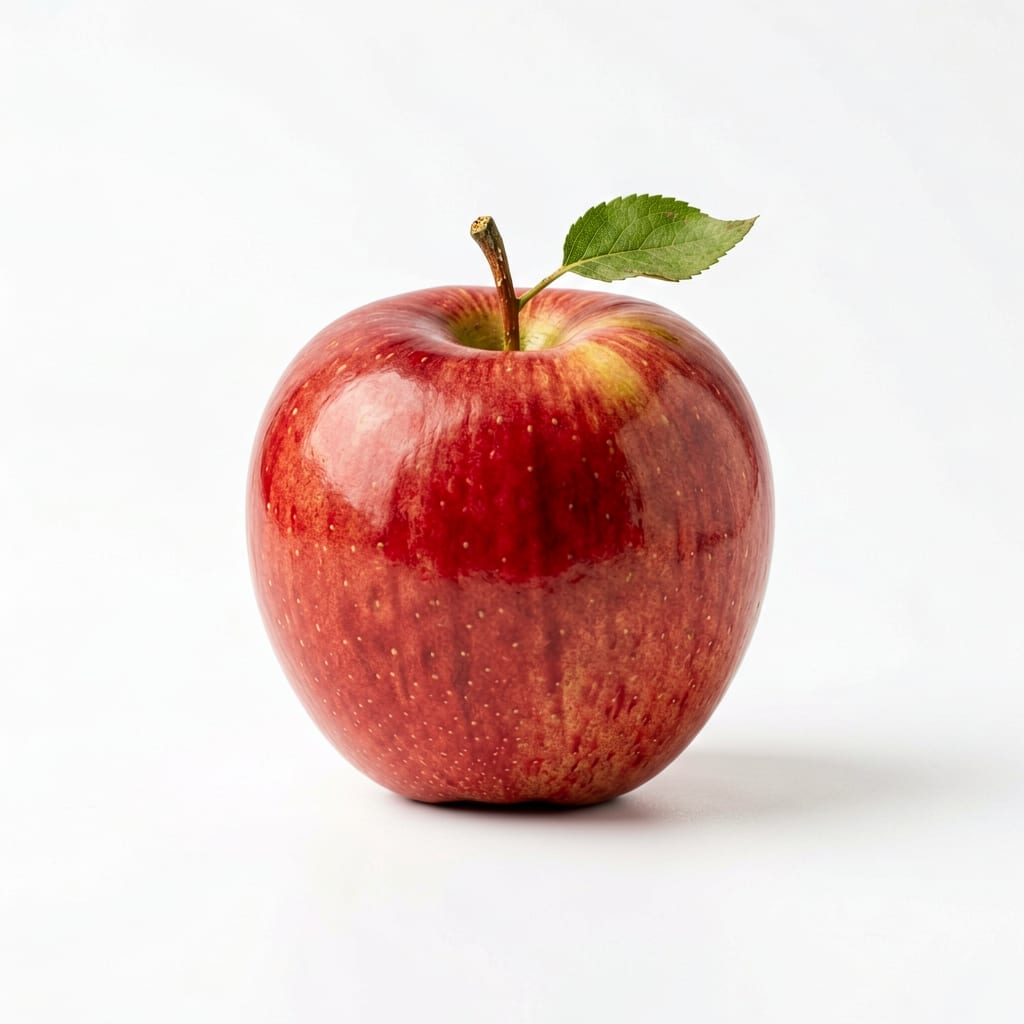
Apple
Apples win on consistency, digestion, and everyday practicality. Salak offers a nutrient punch but comes with digestive tradeoffs and limited availability.
Apples score higher due to superior digestive tolerance, global availability, and reliable daily nutrition. Salak earns points for unique micronutrients but loses ground on constipation risk and limited accessibility.
Salak delivers more iron, beta-carotene, and unique antioxidants but risks constipation and is hard to find. Apples are safer, more hydrating, and endlessly accessible with solid everyday nutrition.
At a glance
Executive summary
Overall
Apple
Healthier
Apple
More practical
Apple
Daily use
Apple
Key comparison lenses
everyday snacking choice
Both are popular snack fruits, but availability and familiarity differ enormously
digestive tolerance
Salak's tannin content can cause constipation, while apples are gentler and more predictable
accessibility and practicality
Apples are globally available year-round; salak is regional and seasonal
blood sugar management
Different glycemic profiles and fiber types make this relevant for diabetics and energy seekers
nutrient density comparison
Salak offers unique minerals like iron and beta-carotene that apples lack
Best choice for
Salak
- People seeking tropical micronutrient variety
- Those with low iron or beta-carotene intake
- Adventurous eaters wanting antioxidant diversity
- Residents of Southeast Asia with easy salak access
Apple
- Daily reliable fruit consumption
- Sensitive digestion or constipation tendency
- Blood sugar management
- Families needing affordable, kid-friendly fruit
Least suitable for
Salak
- People prone to constipation
- Those outside tropical regions where salak is rare
- Children unfamiliar with the astringent texture
- Anyone needing consistent daily fruit habits
Apple
- People bored with common fruit seeking novelty
- Those specifically wanting tropical antioxidant profiles
- Anyone already eating apples daily who wants variety
Deep comparison
Dimension by dimension
Each lens scores both foods and breaks down who each option suits.
- Dimension 1 · Priority 90Apple
digestive comfort and tolerance
Salak · 45Apple · 85Salak's tannins can bind the digestive tract and cause constipation, especially eaten in excess. Apples are gentle and actually promote healthy bowel movements.
Tradeoff
You get more astringent antioxidants from salak but risk sluggish digestion. Apples trade some exotic nutrients for reliable gut comfort.
Why it matters
Digestive issues from fruit are frustrating and counterproductive. A healthy snack that blocks you up defeats its own purpose.
Real-world impact
Eating 3-4 salak in a day can leave you uncomfortably constipated. An apple a day keeps digestion moving smoothly.
Salak
- Short-term astringent benefits for mild diarrhea
Better for
- Constipation-prone individuals
- Eating multiple servings daily
Worse for
Apple
- Regular bowel movements
- Sensitive stomachs
- Daily consumption without discomfort
Better for
- Loose stool situations where binding would help
Worse for
- Dimension 2 · Priority 85Salak
micronutrient density
Salak · 78Apple · 62Salak packs more iron, beta-carotene, and potassium per serving. Apples are decent but not micronutrient standouts.
Tradeoff
Salak delivers minerals many common fruits lack, but you need consistent access to benefit. Apples provide steady but unremarkable micronutrients.
Why it matters
Iron and beta-carotene gaps are real, especially in plant-based diets. Salak can help fill those in a way apples simply cannot.
Real-world impact
Adding salak to a varied diet can meaningfully boost iron and vitamin A precursors. An apple contributes modest vitamin C and potassium but nothing exceptional.
Salak
- Iron-deficient diets
- Vitamin A precursor intake
- Tropical micronutrient diversity
Better for
- Iron overload conditions (rare)
Worse for
Apple
- Consistent baseline vitamin C
- Reliable potassium intake
Better for
- Anyone counting on fruit for iron or beta-carotene
Worse for
- Dimension 3 · Priority 82Apple
blood sugar stability
Salak · 58Apple · 75Apples have a lower glycemic index around 36. Salak varies by variety but can spike blood sugar faster due to less soluble fiber and higher sugar density.
Tradeoff
Apples give steadier energy with less crash risk. Salak can feel more energizing quickly but may cause sharper dips.
Why it matters
For anyone watching blood sugar, the difference between a slow burn and a quick spike matters for cravings, focus, and metabolic health.
Real-world impact
An apple as an afternoon snack sustains energy without the crash. Salak might give a quicker lift followed by hunger sooner.
Salak
- Quick pre-workout energy
Better for
- Blood sugar management
- Reactive hypoglycemia
Worse for
Apple
- Diabetics and pre-diabetics
- Sustained afternoon energy
- Reduced craving cycles
Better for
- Immediate energy needs where faster sugar helps
Worse for
- Dimension 4 · Priority 72Apple
hydration and water content
Salak · 48Apple · 86Apples are roughly 86% water. Salak is significantly drier and denser, making it less hydrating per bite.
Tradeoff
Salak's density means more nutrients per gram but less refreshment. Apples are thirst-quenching and lighter.
Why it matters
Fruit is a stealth hydration source. In hot climates or active lifestyles, water content matters more than people think.
Real-world impact
After a workout or on a hot day, an apple feels refreshing and hydrating. Salak feels more like eating a dense snack that leaves you wanting water.
Salak
- Lower volume, higher nutrient density eating
Better for
- Rehydration after sweating
Worse for
Apple
- Post-exercise refreshment
- Hot climate snacking
- Stealth hydration
Better for
- Calorie-restricted diets where water weight feels filling without nutrition
Worse for
- Dimension 5 · Priority 88Apple
availability and practicality
Salak · 30Apple · 95Apples are available virtually everywhere year-round. Salak is mostly found in Southeast Asia and specialty markets, with short seasons.
Tradeoff
You cannot build a daily habit around a fruit you cannot reliably buy. Availability is the ultimate practical filter.
Why it matters
The healthiest fruit in the world is useless if you cannot access it. Consistency beats perfection in nutrition.
Real-world impact
You can grab an apple at any grocery store, gas station, or cafeteria. Finding salak requires living near a tropical market or paying premium import prices.
Salak
- Southeast Asian residents during peak season
Better for
- Anyone outside tropical regions
- Building reliable daily habits
Worse for
Apple
- Global availability
- Year-round consistency
- Budget-friendly fruit intake
- Travel and convenience
Better for
- Exotic fruit enthusiasts seeking variety
Worse for
- Dimension 6 · Priority 75Salak
antioxidant diversity
Salak · 80Apple · 70Salak contains unique phenolic compounds and tannins you rarely find in common fruits. Apples offer quercetin and catechins, which are valuable but more common in Western diets.
Tradeoff
Salak broadens your antioxidant spectrum but with digestive tradeoffs. Apples provide reliable but less diverse antioxidants.
Why it matters
Antioxidant diversity matters more than total antioxidant load. Eating different compound classes protects cells through different pathways.
Real-world impact
Rotating salak into a diet already rich in apples and berries adds protective compounds your body has not seen. Apples alone cover solid but familiar ground.
Salak
- Antioxidant rotation strategies
- Diets lacking tropical fruit variety
Better for
- Overconsumption due to tannin load
Worse for
Apple
- Consistent daily quercetin intake
- Anti-inflammatory baseline
Better for
- Antioxidant monotony if eaten exclusively
Worse for
Timeline
Health impact over time
Short-term
Hours to days
Salak
- Quick energy from natural sugars
- Possible constipation within hours if overeaten
- Astringent mouthfeel can feel drying
- Mineral boost especially iron and potassium
Apple
- Steady energy without sharp crash
- Promotes bowel regularity within hours
- Hydrating and refreshing
- Mild blood sugar stabilization
Long-term
Months to years
Salak
- Iron and beta-carotene accumulation supporting anemia prevention
- Chronic constipation risk if eaten daily in quantity
- Unique antioxidant exposure supporting cellular defense
- Possible dental enamel wear from acidity with frequent consumption
Apple
- Consistent fiber intake supporting heart and gut health
- Quercetin accumulation linked to reduced inflammation
- Stable blood sugar patterns with regular consumption
- Pesticide exposure risk if not organic
Risk profile
Safety & processing
Both fruits are eaten whole and unprocessed in their natural state. Neither typically contains additives. The main concern is apple pesticide residues, which are well-documented, while salak's thick scaly skin provides natural protection but is sometimes treated with post-harvest fungicides in commercial supply chains.
Salak
Tannin-induced constipation
mediumEating more than 2-3 salak daily can cause significant constipation due to high tannin content. This is the most common adverse effect reported.
Post-harvest fungicide treatment
lowCommercial salak shipped long distances may be treated with fungicides. Washing thoroughly is advisable.
Choking hazard from large seeds
lowSalak contains hard seeds that can pose a choking risk for small children if not removed.
Apple
Pesticide residue
mediumApples consistently rank on the Dirty Dozen list with multiple pesticide residues detected. Washing helps but does not eliminate all residues. Organic is preferable.
Wax coating
lowConventional apples are often coated with shellac or carnauba wax for appearance and shelf life. Generally recognized as safe but unappetizing to some consumers.
Allergic reaction in birch pollen sufferers
lowOral allergy syndrome can cause mouth itching in people with birch pollen allergies when eating raw apples. Cooking denatures the allergen.
Who wins for whom
Audience fit
Same foods, different winners depending on your goal.
children
AppleApples are familiar, easy to eat, and gentle on digestion. Salak's astringent taste, tough skin, constipation risk, and large seeds make it less kid-friendly.
daily consumption
AppleDaily apple consumption is sustainable, safe, and well-studied. Daily salak consumption risks constipation and is impractical for most people outside Southeast Asia.
diabetes
AppleApples have a lower glycemic index and more soluble fiber to slow sugar absorption. Salak's tannin content does not offset its faster blood sugar impact.
elderly
AppleOlder adults often struggle with constipation and need hydration. Apples support both. Salak's constipating effect is particularly problematic for this group.
muscle gain
It dependsNeither fruit is a muscle-building food. Salak offers slightly more potassium for cramp prevention, but the difference is negligible for this goal.
weight loss
AppleApples provide more volume and water per calorie, keeping you fuller longer. Salak's density makes it easier to overconsume calories without feeling full.
Your move
Decision guide
Choose Salak
- You live in or visit Southeast Asia and want local tropical nutrition
- You specifically need more iron and beta-carotene from whole food sources
- You want to diversify your antioxidant intake beyond common fruits
- You have no constipation tendency and eat it in moderation
Choose Apple
- You want a reliable daily fruit that supports digestion and hydration
- You are managing blood sugar or watching your weight
- You need affordable, accessible fruit anywhere in the world
- You have kids or elderly family members who need gentle, safe options
Either works if
- You simply want a whole-food snack instead of processed alternatives
- You are rotating fruits for nutrient diversity and both are available
- You have no specific digestive or blood sugar concerns
Avoid both if
- You have fructose intolerance or FODMAP sensitivity
- You are on a strict very-low-carb ketogenic diet
- You have severe oral allergy syndrome triggered by both
Final recommendation
Make apples your daily staple fruit. Add salak occasionally when available for micronutrient variety and antioxidant diversity. Think of salak as a supplement to your fruit routine, not the foundation. Limit salak to 1-2 pieces per sitting to avoid constipation, and always choose organic apples when possible to reduce pesticide exposure.
Practical
Consumer tips
- 1
Limit salak to 1-2 fruits per day to avoid constipation from tannins
- 2
Choose organic apples to avoid pesticide residues, or peel conventionally grown apples
- 3
Wash salak thoroughly even though you peel it, as the scaly skin can harbor residues
- 4
If you are constipated after eating salak, drink extra water and eat soluble fiber from apples or oats to counterbalance
- 5
Pair salak with a glass of water since its low water content can feel dehydrating
- 6
Freeze apple slices for a refreshing hot-weather snack that doubles as hydration
- 7
Rotate both fruits seasonally rather than choosing only one, to maximize antioxidant diversity