
Nutrition comparison
Salak vs Banana: Which Fruit Is Better for Blood Sugar, Energy, and Daily Health?
Compare Salak and Banana on blood sugar impact, satiety, convenience, and nutrition. Discover when each fruit is the smarter choice for your health goals.
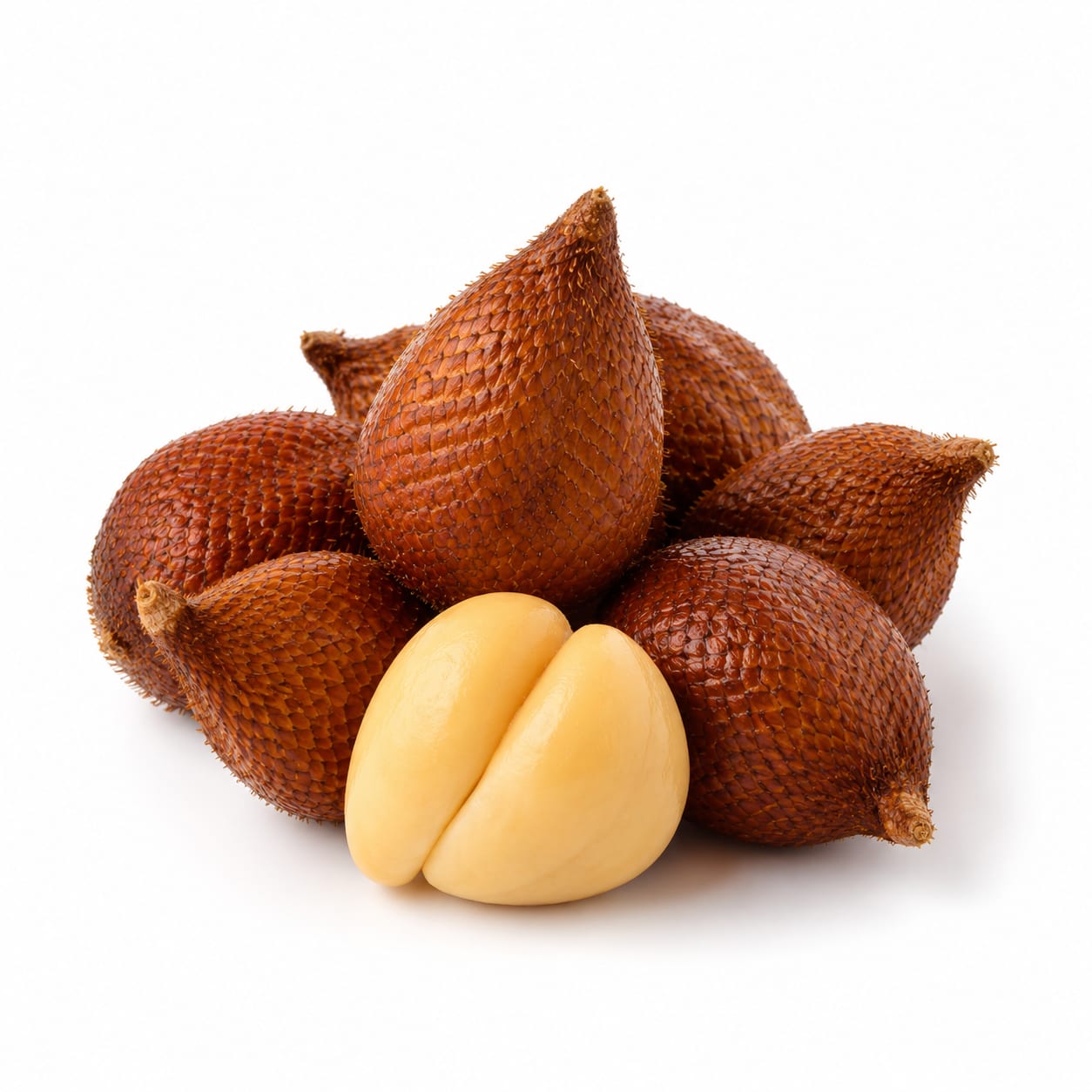
Salak
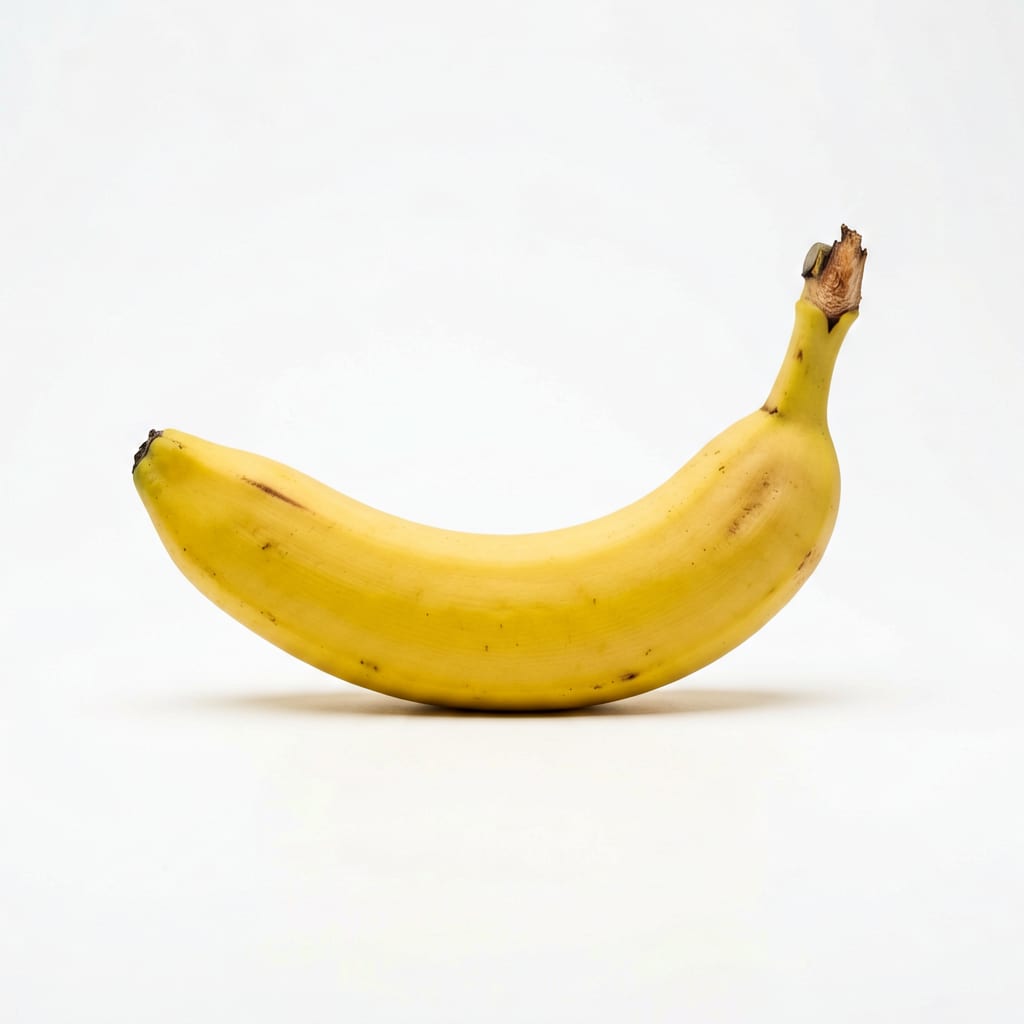
Banana
Banana wins on convenience and quick energy; Salak wins on blood sugar stability and satiety. Your lifestyle determines the real winner.
Banana edges ahead due to overwhelming practicality and global accessibility, but Salak offers superior metabolic benefits when available. The 4-point gap reflects that nutrition alone slightly favors Salak, but real-world usability strongly favors Banana.
Instant accessible energy versus steadier blood sugar with less convenience
At a glance
Executive summary
Overall
It depends
Healthier
Salak
More practical
Banana
Daily use
Banana
Key comparison lenses
blood sugar and glycemic impact
Banana is known for rapid sugar release while Salak contains tannins that slow glucose absorption, making this the most consequential difference for daily health decisions
convenience and accessibility
Banana is universally available and effortless to eat; Salak is regional, seasonal, and requires peeling skill, creating a massive practical gap
satiety and craving control
Salak's astringent tannins and firmer texture promote fullness better, while Banana's sweetness can trigger wanting more
energy and workout fuel
Banana is a classic pre-workout snack for quick energy; Salak provides steadier but less immediate fuel
antioxidant and anti-inflammatory value
Salak is rich in phenolic compounds and tannins rarely found in common fruits, offering unique antioxidant benefits
Best choice for
Salak
- People managing diabetes or insulin resistance
- Those wanting steady energy without crashes
- Anyone trying to reduce sugar cravings
- Dieters seeking more satiety from fruit
- Antioxidant enthusiasts wanting variety
Banana
- Athletes needing quick pre-workout fuel
- Busy people who need grab-and-go snacks
- Children who reject unfamiliar textures
- Anyone on a tight grocery budget
- People with digestive sensitivity to astringency
Least suitable for
Salak
- People outside Southeast Asia with no access
- Children put off by unusual textures
- Anyone needing immediate energy replenishment
- People with tannin sensitivity or stomach irritation
Banana
- People strictly managing blood sugar
- Those prone to sugar cravings from sweet foods
- Ketogenic or very low-carb dieters
- People wanting maximum satiety per calorie
Deep comparison
Dimension by dimension
Each lens scores both foods and breaks down who each option suits.
- Dimension 1 · Priority 92Salak
blood sugar stability
Salak · 82Banana · 48Salak's tannins slow sugar absorption significantly, while ripe Banana causes a faster glucose spike.
Tradeoff
Salak protects your energy curve but tastes astringent; Banana tastes sweet but can cause crashes
Why it matters
Blood sugar swings drive cravings, fatigue, and long-term metabolic risk more than most people realize
Real-world impact
After eating Salak you feel steady for hours; after a ripe Banana you may feel hungry again within 45 minutes
Salak
- Avoiding afternoon energy crashes
- Managing prediabetes or diabetes
- Reducing sugar craving cycles
Better for
- Situations requiring immediate glucose replenishment
Worse for
Banana
- Quick recovery from hypoglycemia
- Fast carb loading before exercise
Better for
- Sustained focus during long work sessions
- Blood sugar management goals
Worse for
- Dimension 2 · Priority 88Banana
convenience and accessibility
Salak · 25Banana · 95Banana is arguably the most convenient fruit on Earth; Salak is regional, seasonal, and tricky to peel.
Tradeoff
You gain superior nutrition with Salak but sacrifice the effortless daily habit that makes Banana so popular
Why it matters
The healthiest food only works if you actually eat it consistently
Real-world impact
You can find Banana at any gas station worldwide; Salak requires specialty Asian markets and seasonal timing
Salak
- Expanding culinary horizons when traveling in Southeast Asia
Better for
- Building a reliable daily nutrition routine
- Quick snacks during work breaks
Worse for
Banana
- Busy mornings with zero prep time
- Travel and on-the-go snacking
- Consistent daily fruit habits
- Feeding picky children
Better for
- Adding variety and excitement to fruit rotation
Worse for
- Dimension 3 · Priority 80Salak
satiety and fullness
Salak · 78Banana · 55Salak's firm texture and tannin content signal fullness more effectively than Banana's soft sweetness.
Tradeoff
Salak keeps you fuller but is less comforting to eat; Banana goes down easy but leaves you wanting more sooner
Why it matters
Feeling full prevents overeating more reliably than willpower alone
Real-world impact
One serving of Salak can suppress snacking urges for 2-3 hours; Banana may leave you reaching for something else within an hour
Salak
- Weight management through natural portion control
- Bridging long gaps between meals
- Reducing mindless snacking
Better for
- When you need to eat quickly before exercise
Worse for
Banana
- Post-workout when you need food that digests quickly
- Gentle eating for upset stomachs
Better for
- Controlling overall daily calorie intake
- Late-night snacking without overdoing it
Worse for
- Dimension 4 · Priority 75Banana
energy and workout fuel
Salak · 50Banana · 85Banana delivers fast-digesting carbs ideal for exercise; Salak releases energy too slowly for immediate needs.
Tradeoff
Banana fuels your workout now; Salak supports your energy later
Why it matters
Timing of carb availability determines whether food helps or hinders athletic performance
Real-world impact
Eat Banana 30 minutes before a run and feel ready; eat Salak and you may feel sluggish during the workout but fine afterward
Salak
- Sustained energy for long sedentary workdays
- Avoiding the post-sugar-exercise crash
Better for
- Any situation needing rapid energy availability
Worse for
Banana
- Pre-workout fuel within 30-60 minutes
- Mid-run energy replenishment
- Post-workout glycogen recovery
- Morning quick-start before breakfast
Better for
- Endurance events where steady slow release matters more
Worse for
- Dimension 5 · Priority 70Salak
antioxidant and anti-inflammatory value
Salak · 80Banana · 52Salak contains unique phenolic compounds and tannins with notable antioxidant capacity; Banana offers moderate antioxidants mainly when slightly green.
Tradeoff
Salak provides rare antioxidant diversity but requires acquiring a taste; Banana gives common antioxidants in a familiar package
Why it matters
Diverse antioxidant intake from lesser-known fruits complements standard diets better than repeating the same foods
Real-world impact
Regular Salak consumption adds antioxidant variety your body cannot get from typical Western fruit; Banana adds reliable but redundant antioxidants
Salak
- Diversifying antioxidant intake beyond common fruits
- Anti-inflammatory dietary patterns
- Exploring traditional Southeast Asian health foods
Better for
- People already consuming diverse tropical fruit diets
Worse for
Banana
- Consistent baseline antioxidant intake with zero effort
Better for
- Those relying on it as their sole fruit source for antioxidants
Worse for
- Dimension 6 · Priority 65Banana
digestive tolerance
Salak · 50Banana · 78Banana is gentle and well-tolerated by nearly everyone; Salak's tannins can irritate sensitive stomachs.
Tradeoff
Salak offers more digestive benefits long-term but can cause short-term discomfort; Banana is always safe but less therapeutically active
Why it matters
A food that causes discomfort undermines compliance and nutrient absorption regardless of its theoretical benefits
Real-world impact
Most people can eat Banana on an empty stomach with zero issues; Salak may cause mild stomach ache if eaten in quantity or without other food
Salak
- Supporting healthy gut bacteria through prebiotic fiber
- Occasional use to strengthen digestive resilience
Better for
- Active gastritis or ulcer conditions
- Tannin-sensitive individuals
Worse for
Banana
- Sensitive stomachs and IBS management
- First food after illness or fasting
- Gentle morning eating
- Children and elderly with delicate digestion
Better for
- Constipation-predominant digestive issues where firmer fiber helps
Worse for
Timeline
Health impact over time
Short-term
Hours to days
Salak
- Steadier energy without the sugar rush and crash cycle
- Possible mild stomach discomfort from tannins if eaten in large amounts
- Astringent mouthfeel that naturally limits overeating
- Slight constipation relief from fiber content
Banana
- Quick energy boost within 15-20 minutes of eating
- Potential hunger return within 45-60 minutes due to rapid digestion
- Comforting and mood-lifting from natural sugars
- Easy digestion with almost no gastrointestinal stress
Long-term
Months to years
Salak
- Better blood sugar regulation from consistent low-glycemic fruit choices
- Enhanced antioxidant diversity from rare phenolic compounds
- Possible improved satiety signaling and portion control habits
- Risk of insufficient variety if Salak replaces all other fruit
Banana
- Reliable potassium intake supporting heart and muscle function
- Risk of blood sugar dysregulation if overconsumed, especially ripe ones
- Consistent fiber intake supporting regular digestion
- Potential for sugar habituation from daily sweet fruit consumption
Risk profile
Safety & processing
Both Salak and Banana are whole, unprocessed fruits eaten in their natural state. Neither typically contains additives, preservatives, or artificial inputs. The only concern is that some commercial Bananas are chemically ripened with ethylene gas, and imported Salak may be treated with post-harvest fungicides. Both are among the cleanest food choices available when sourced from quality suppliers.
Salak
Post-harvest fungicide residue
mediumImported Salak may receive fungicide treatments to survive long shipping; washing thoroughly reduces exposure significantly
Thorn-related hand injury during peeling
lowSalak spines can puncture skin if peeled carelessly; minor but surprisingly common for first-timers
Tannin overconsumption
lowEating large quantities may cause constipation or stomach irritation in sensitive individuals; moderate intake avoids this
Banana
Pesticide residue on conventionally grown varieties
mediumBanana peels retain pesticide residues; while you discard the peel, handling and potential surface transfer remain concerns
Chemical ripening agents
lowCommercial ethylene ripening is standard and generally safe, but some consumers prefer organic to avoid any artificial acceleration
Allergic reaction in latex-sensitive individuals
lowBanana contains proteins cross-reactive with latex allergies; affects roughly 1-2% of the population with latex sensitivity
Who wins for whom
Audience fit
Same foods, different winners depending on your goal.
children
BananaBanana is sweet, soft, familiar, and easy to eat; Salak's unusual texture and astringent taste make it a hard sell for most kids
daily consumption
BananaBanana's universal availability, gentle digestion, and ease of eating make it the more sustainable daily habit for most people worldwide
diabetes
SalakSalak's tannins slow glucose absorption and its lower sugar content creates a significantly gentler blood sugar response than Banana
elderly
BananaBanana's soft texture is easy to chew and digest; Salak's firmness and tannins may challenge aging digestive systems and dental issues
muscle gain
BananaBanana provides fast-digesting carbs that replenish glycogen and support training intensity; Salak's slow release is less useful around workouts
weight loss
SalakSalak's tannins and firm texture naturally suppress appetite and reduce snacking frequency, while Banana's sweetness can trigger wanting more food
Your move
Decision guide
Choose Salak
- You have access to fresh Salak and want better blood sugar control
- Cravings and snacking frequency are your main struggle
- You are curious about diverse tropical fruits and their unique compounds
- You want a fruit that naturally limits overeating through its taste profile
- You live in or visit Southeast Asia regularly
Choose Banana
- You need reliable pre- or post-workout fuel
- Convenience and availability are your top priorities
- You are feeding children or elderly family members
- You want a gentle fruit for sensitive digestion
- Budget is a major consideration and you need affordable daily fruit
Either works if
- You simply want to add more whole fruit to your diet
- Both are available and you value variety
- You have no specific blood sugar or athletic performance concerns
Avoid both if
- You are on a strict ketogenic diet requiring minimal carb intake
- You have a severe fructose intolerance
- You need high-protein snacks and are using fruit as a meal replacement
Final recommendation
Eat Banana for daily convenience and workout fuel; eat Salak when available for metabolic benefits and antioxidant variety. If you can access both, rotating them gives you the quick energy of Banana on active days and the steady satiety of Salak on rest days. The best choice is the one you will actually eat consistently.
Practical
Consumer tips
- 1
Choose slightly green Bananas for lower sugar and higher resistant starch if blood sugar is a concern
- 2
Peel Salak by snapping the tip and pulling downward — avoid squeezing to prevent thorn pricks
- 3
Store unripe Bananas at room temperature and refrigerate once ripe to extend usability by several days
- 4
Salak is best eaten fresh within 2-3 days of purchase as it deteriorates quickly after peeling
- 5
If Salak is unavailable, other astringent fruits like persimmon or green apple offer some similar blood sugar benefits
- 6
Freeze overripe Bananas for smoothies rather than discarding them — they sweeten naturally without added sugar
- 7
Avoid Salak with dark spots or mold on the skin, as this indicates internal spoilage that is not visible from outside