
Nutrition comparison
Salak vs Jackfruit: Which Tropical Fruit Is Better for You?
Compare Salak and Jackfruit nutrition, sugar content, fiber, and health benefits. Find out which fruit suits your diet, digestion, and lifestyle better.
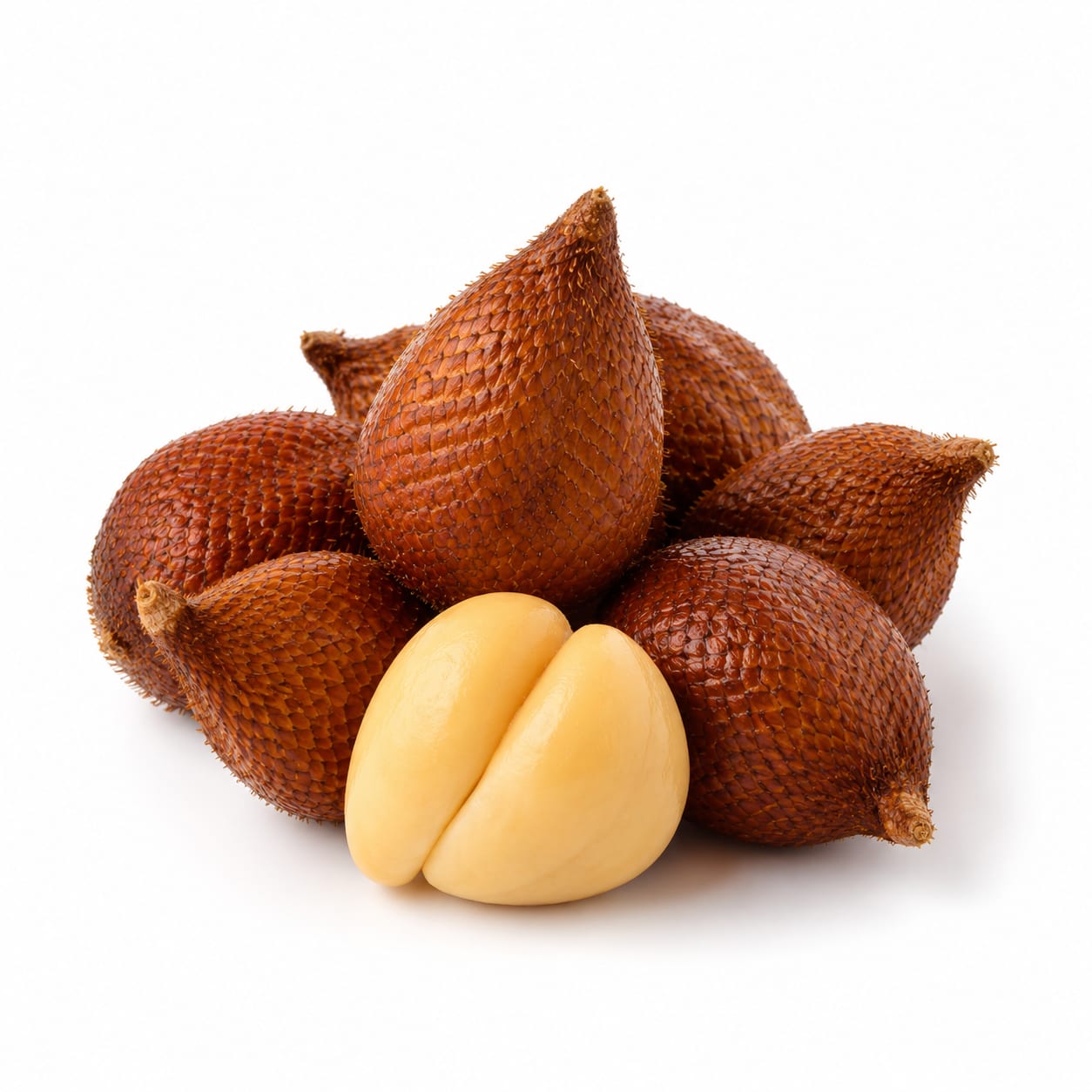
Salak
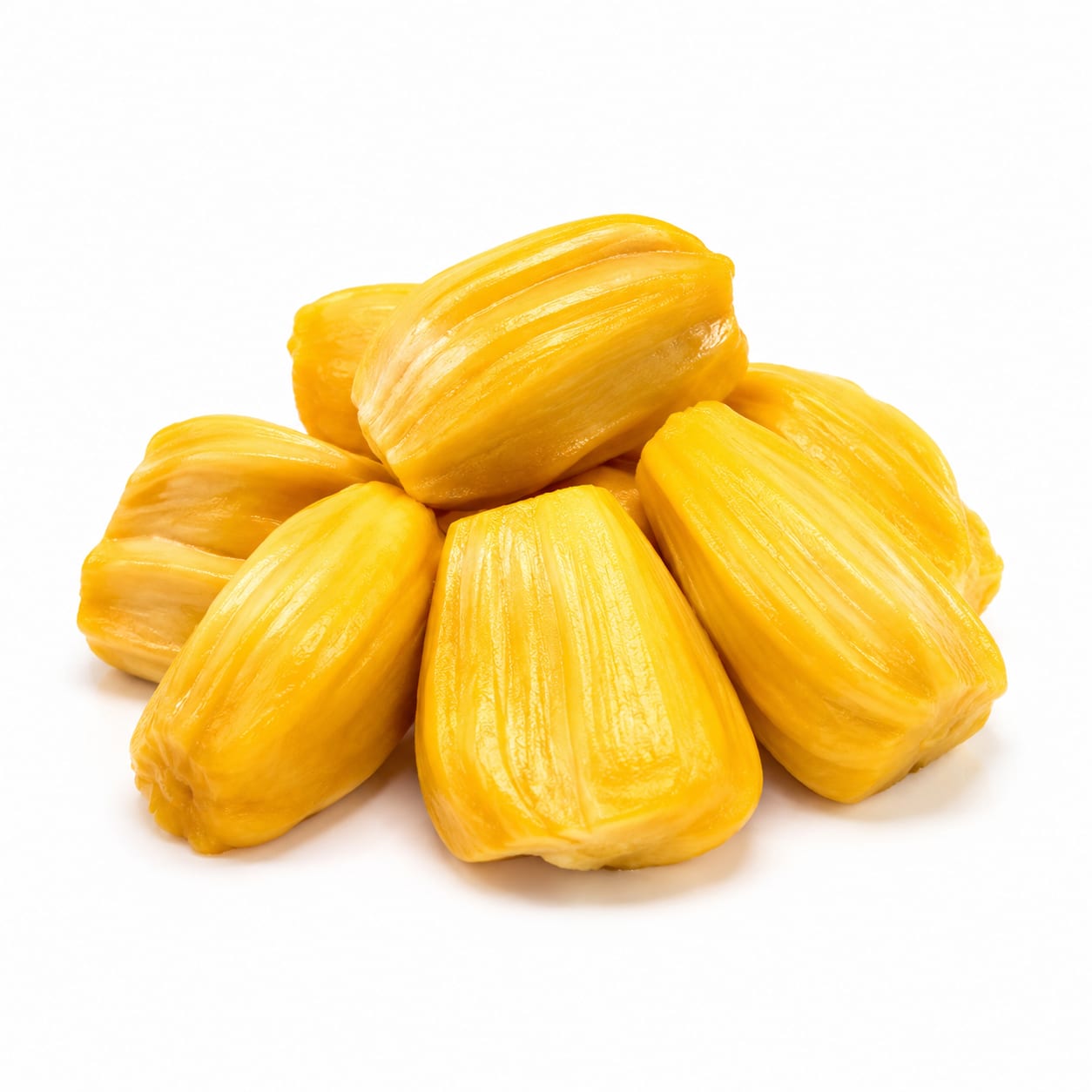
Jackfruit
Salak wins for low-sugar snacking and weight control; Jackfruit wins for nutrient variety, fiber, and culinary versatility.
Jackfruit scores higher overall due to superior fiber, broader micronutrients, and better digestive support. Salak stays competitive with its low sugar and calorie advantage, but its constipation risk and narrower nutrient profile hold it back.
Salak keeps sugar and calories low but risks digestive slowdown, while Jackfruit delivers more nutrients and fiber at the cost of higher sugar and demanding prep work.
At a glance
Executive summary
Overall
It depends
Healthier
It depends
More practical
Salak
Daily use
Jackfruit
Key comparison lenses
blood sugar management
Both are tropical fruits with notably different sugar loads, making glycemic impact a primary concern
weight management suitability
Salak is significantly lower in calories while Jackfruit is calorie-dense, a key tradeoff for portion-conscious eaters
digestive tolerance
Salak's tannins can cause constipation while Jackfruit's fiber supports regularity, a critical everyday comfort factor
practical convenience
Jackfruit is notoriously difficult to cut and prepare while Salak is small and peelable by hand
nutrient diversity
Jackfruit offers broader vitamin coverage while Salak provides concentrated minerals
Best choice for
Salak
- People managing diabetes or watching blood sugar
- Those counting calories or on a cut
- Anyone wanting a quick grab-and-go tropical snack
- People who prefer smaller, portion-controlled fruits
Jackfruit
- Active individuals needing sustained energy
- Vegetarians and vegans seeking meat alternatives
- People wanting to improve digestive regularity
- Families sharing a nutrient-rich fruit
Least suitable for
Salak
- People prone to constipation
- Those with sensitive stomachs who struggle with astringent foods
- Anyone needing calorie-dense fuel for intense activity
Jackfruit
- People strictly limiting carbohydrate or sugar intake
- Those who want a quick single-serving snack
- Anyone without the time or tools to break down a large fruit
Deep comparison
Dimension by dimension
Each lens scores both foods and breaks down who each option suits.
- Dimension 1 · Priority 92Salak
blood sugar stability
Salak · 82Jackfruit · 55Salak has roughly half the sugar per serving, making it far gentler on blood glucose.
Tradeoff
You get steadier energy with Salak but miss out on Jackfruit's broader micronutrient delivery.
Why it matters
Tropical fruits can spike blood sugar unexpectedly; Salak's lower glycemic load makes it safer for glucose-sensitive individuals.
Real-world impact
Salak is less likely to cause that afternoon energy crash that sweeter fruits can trigger.
Salak
- Diabetics monitoring glucose
- Low-carb dieters wanting tropical flavor
- People who get sugar crashes easily
Better for
- Those who need calorie-dense post-workout fuel
Worse for
Jackfruit
- Athletes needing quick glycogen replenishment
- People doing endurance training
Better for
- Insulin-resistant individuals
- Anyone tracking glycemic load carefully
Worse for
- Dimension 2 · Priority 85Jackfruit
satiety and fullness
Salak · 52Jackfruit · 78Jackfruit's higher fiber and volume make it significantly more filling per eating occasion.
Tradeoff
Jackfruit keeps you full longer but delivers more calories in the process.
Why it matters
Feeling satisfied after eating fruit prevents overgrazing on less healthy snacks.
Real-world impact
A Jackfruit session can replace a light meal; Salak is more of a between-meal nibble.
Salak
- People who want a light snack without feeling heavy
- Those practicing portion control by design
Better for
- Those who need a snack to actually hold them over
Worse for
Jackfruit
- Anyone replacing a meal component with fruit
- People who tend to overeat when not fully satisfied
Better for
- People who find heavy fruit uncomfortable in hot weather
Worse for
- Dimension 3 · Priority 85Jackfruit
digestive tolerance
Salak · 40Jackfruit · 80Salak's tannins can slow digestion and cause constipation; Jackfruit's soluble fiber promotes regularity.
Tradeoff
Jackfruit supports gut health but its sheer volume can cause bloating in sensitive people.
Why it matters
Daily comfort depends heavily on how food moves through your system.
Real-world impact
Eat too much Salak and you may feel backed up for a day; Jackfruit generally keeps things moving smoothly.
Salak
- People experiencing loose stools who need binding foods
Better for
- Constipation-prone individuals
- People with slow digestion
Worse for
Jackfruit
- Anyone struggling with irregularity
- People wanting to support healthy gut transit
Better for
- Those with IBS who react to high-fiber loads
- People sensitive to fermentable carbohydrates
Worse for
- Dimension 4 · Priority 72Jackfruit
nutrient density
Salak · 60Jackfruit · 79Jackfruit delivers more vitamin C, B6, potassium, and magnesium per serving. Salak offers concentrated beta-carotene and iron.
Tradeoff
Jackfruit covers more nutritional bases but requires eating more volume and sugar to get there.
Why it matters
Broad micronutrient intake supports immune function, energy metabolism, and recovery.
Real-world impact
Regular Jackfruit consumption contributes more meaningably to your daily vitamin targets.
Salak
- People wanting iron and beta-carotene specifically
- Those who need nutrient density in a small package
Better for
- Those relying on fruit as a primary vitamin C source
Worse for
Jackfruit
- Anyone seeking broader vitamin coverage
- People who want potassium for muscle recovery
Better for
- People who want micronutrients without the sugar payload
Worse for
- Dimension 5 · Priority 80Salak
convenience and practicality
Salak · 85Jackfruit · 35Salak peels easily by hand and is naturally portion-sized. Jackfruit requires serious knife work and sticky cleanup.
Tradeoff
Salak is effortless to eat but offers less per session; Jackfruit rewards effort with abundance.
Why it matters
If a fruit is hard to prepare, people simply eat it less often.
Real-world impact
You can snack on Salak at your desk; Jackfruit preparation is a kitchen project.
Salak
- Busy people wanting zero-prep snacking
- Office workers and commuters
- Anyone without heavy kitchen tools
Better for
- People cooking for a crowd
Worse for
Jackfruit
- Home cooks who enjoy food preparation
- Families sharing a single prep effort
Better for
- Anyone short on time
- People who dislike sticky messy food prep
Worse for
- Dimension 6 · Priority 70Jackfruit
culinary versatility
Salak · 30Jackfruit · 88Unripe Jackfruit works as a meat substitute in savory dishes; ripe Jackfruit shines in desserts and smoothies. Salak is almost exclusively eaten fresh.
Tradeoff
Jackfruit's versatility comes with more preparation complexity and recipe dependency.
Why it matters
A versatile ingredient reduces food waste and keeps meals interesting.
Real-world impact
Jackfruit can replace pulled pork on Tuesday and top your yogurt on Wednesday; Salak is basically a one-trick snack.
Salak
- Purists who enjoy fruit unadorned
- People who dislike cooking
Better for
- People who get bored eating the same way repeatedly
Worse for
Jackfruit
- Creative home cooks
- Vegans and vegetarians exploring plant-based cooking
- Anyone meal-prepping diverse dishes
Better for
- Those who want simple eat-and-go food
Worse for
Timeline
Health impact over time
Short-term
Hours to days
Salak
- Quick light energy without sugar rush
- Potential digestive slowdown within hours of eating multiple pieces
- Mild astringent mouthfeel that some find unpleasant
Jackfruit
- Noticeable fullness that can replace a light meal
- Possible bloating if large portions are consumed quickly
- Natural sugar lift that feels energizing but may dip within an hour
Long-term
Months to years
Salak
- Consistent low-sugar fruit intake supports stable blood glucose over time
- Regular consumption without adequate hydration may worsen constipation
- Beta-carotene and iron contribute to skin and blood health with habitual intake
Jackfruit
- High fiber intake supports cardiovascular and digestive health long-term
- Broad micronutrient profile strengthens immune resilience over months
- Excessive regular consumption could contribute to calorie surplus if not managed
Risk profile
Safety & processing
Both Salak and Jackfruit are whole foods typically eaten fresh with no additives. Canned Jackfruit sometimes contains syrup or brine, so check labels if buying packaged.
Salak
Constipation from tannins
mediumEating several Salak pieces in one sitting, especially without enough water, can significantly slow bowel movements.
Thorn-like skin injury
lowThe sharp scaly skin can prick fingers during peeling if handled carelessly.
Jackfruit
Latex allergy cross-reaction
mediumJackfruit contains proteins similar to latex, which can trigger reactions in latex-allergic individuals.
Sticky sap skin irritation
lowThe natural latex sap during cutting can irritate skin and is difficult to remove without oil.
Canned variety additive exposure
lowCanned Jackfruit in syrup adds unnecessary sugar; brined versions add sodium. Fresh is safest.
Who wins for whom
Audience fit
Same foods, different winners depending on your goal.
children
JackfruitJackfruit's sweet taste and soft texture appeal more to kids, and its nutrients support growth. Salak's astringency often puts children off.
daily consumption
JackfruitJackfruit's broader nutrient profile and gut-friendly fiber make it more sustainable as a daily fruit, provided portions are managed.
diabetes
SalakSalak's lower glycemic load makes it the safer choice for blood glucose management.
elderly
JackfruitJackfruit's fiber supports the digestive regularity that older adults often struggle with. Salak's constipating effect is counterproductive.
muscle gain
JackfruitJackfruit provides more calories, potassium for cramp prevention, and B6 for protein metabolism.
weight loss
SalakSalak's low calorie and sugar content make it easy to enjoy tropical flavor without derailing a deficit.
Your move
Decision guide
Choose Salak
- You are monitoring blood sugar or managing diabetes
- You want a low-calorie tropical snack you can eat mindlessly
- You need something portable and mess-free for on-the-go
- You occasionally experience loose stools and want a binding fruit
Choose Jackfruit
- You want a fruit that doubles as a savory meat alternative
- You need help staying regular digestively
- You are active and need calorie-dense natural fuel
- You are cooking for a family and want versatile ingredient
Either works if
- You simply want whole-food tropical fruit variety in your diet
- You have no specific blood sugar or digestive concerns
- You enjoy rotating fruits seasonally
Avoid both if
- You have a strict low-FODMAP protocol, as both contain fermentable carbs
- You are on a very low carbohydrate diet under medical supervision
Final recommendation
Keep both in rotation. Salak is your low-sugar everyday snack; Jackfruit is your nutrient-packed meal-builder. If you must pick one for daily use, Jackfruit gives you more nutritional mileage — just watch the portion size and prep time.
Practical
Consumer tips
- 1
Peel Salak by pinching the tip and pulling the scaly skin downward — it comes off cleanly like a glove
- 2
Oil your knife and hands before cutting Jackfruit to prevent the sticky sap from bonding to everything
- 3
Start with two or three Salak pieces maximum to test your digestive tolerance before eating more
- 4
Buy canned young Jackfruit in water or brine for savory cooking — avoid syrup-packed versions
- 5
If you are latex-allergic, test a tiny amount of Jackfruit before committing to a full serving
- 6
Drink extra water when eating Salak to offset its constipating tannins
- 7
Freeze ripe Jackfruit chunks for smoothies — it blends into a creamy tropical base