
Nutrition comparison
Salak vs Papaya: Which Tropical Fruit Is Healthier?
Compare Salak (snake fruit) and Papaya side by side. Learn which is better for digestion, blood sugar, weight loss, and daily nutrition with expert analysis.
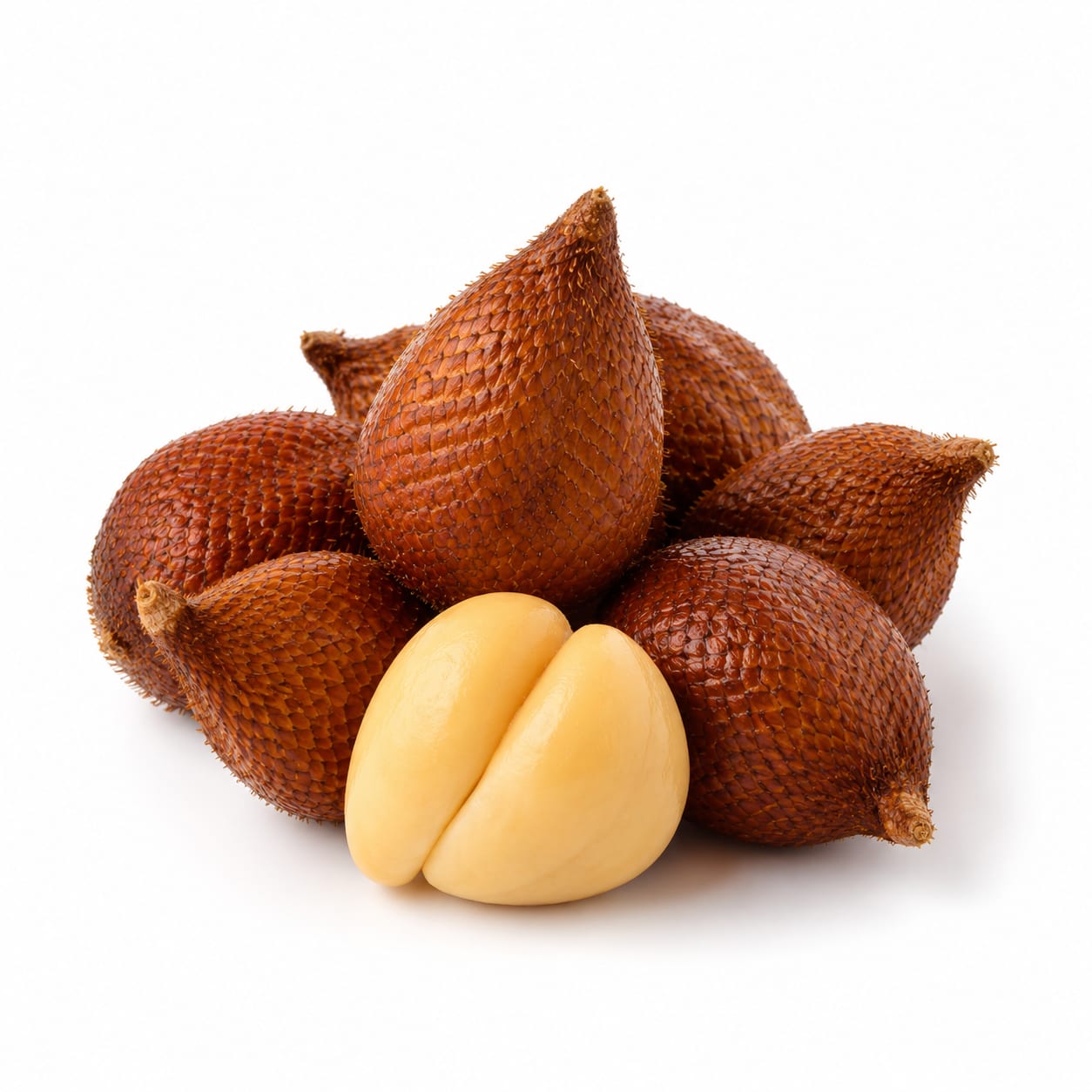
Salak
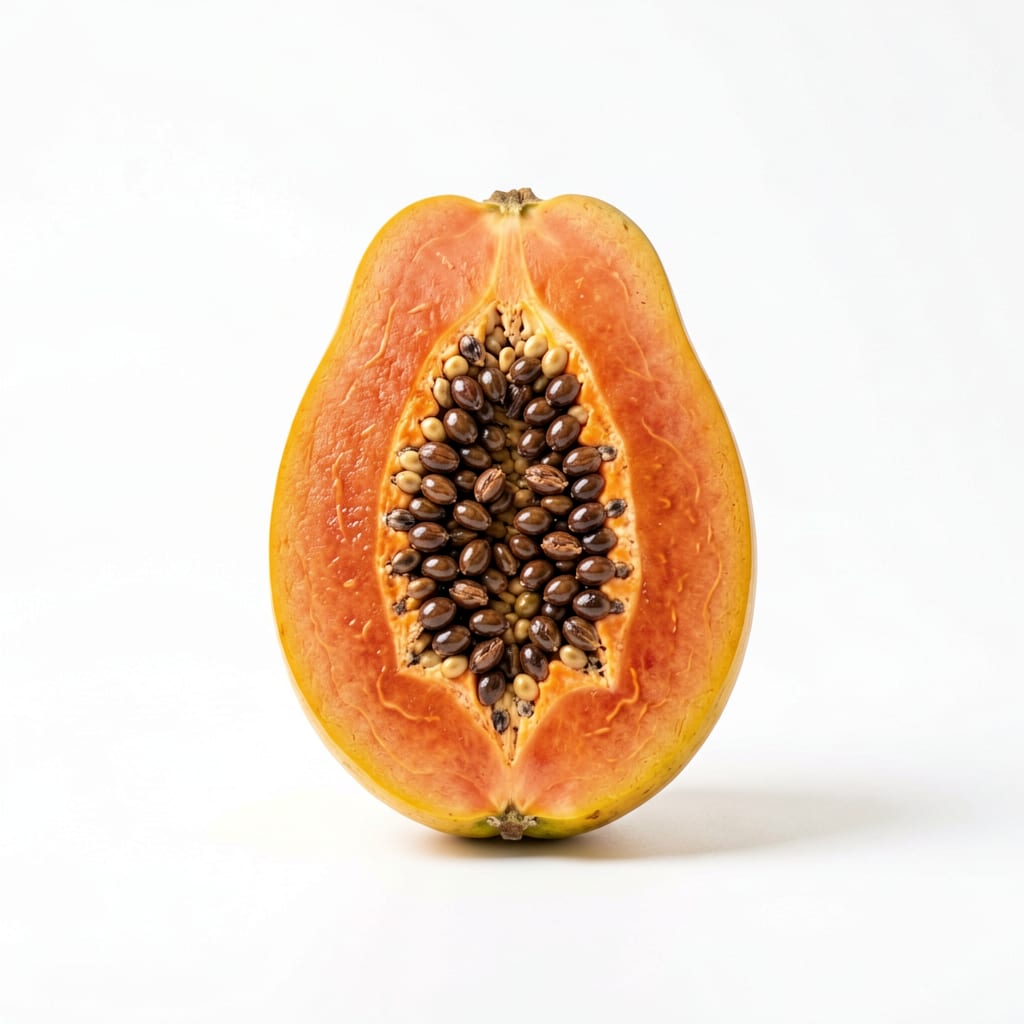
Papaya
Papaya wins for daily nutrition and digestion; Salak wins for mineral density and satiety.
Papaya scores higher due to broader vitamin coverage, digestive enzymes, and easier daily integration. Salak remains valuable for minerals and satiety but has narrower appeal and practical drawbacks.
Papaya offers superior vitamins, enzymes, and hydration, while Salak delivers more minerals, fiber, and fullness per serving.
At a glance
Executive summary
Overall
It depends
Healthier
Papaya
More practical
Papaya
Daily use
Papaya
Key comparison lenses
digestive compatibility
Papaya contains papain enzyme aiding digestion while Salak has tannins that can cause constipation in excess
nutrient density comparison
These fruits have dramatically different vitamin and mineral profiles worth understanding
blood sugar management
Salak is denser and less sweet-tasting but has complex carb effects; Papaya is sweeter but lower GI
hydration and calorie density
Papaya is water-rich and light; Salak is dense and more filling per bite
everyday practicality
Salak is harder to peel and less familiar; Papaya is easy to prepare and widely available
Best choice for
Salak
- People needing more iron and potassium in their diet
- Those wanting a filling, low-water fruit snack
- Anyone seeking a mineral-dense tropical fruit
- People who prefer crisp, firm fruit textures
Papaya
- People with digestive issues needing gentle enzyme support
- Anyone focused on vitamins A and C intake
- Those wanting a hydrating, low-calorie fruit
- People managing blood sugar who need a lower GI option
Least suitable for
Salak
- People prone to constipation
- Those unfamiliar with peeling snake fruit
- Anyone wanting quick hydration after exercise
- People with sensitive stomachs who react to tannins
Papaya
- People with latex-fruit syndrome
- Those wanting a calorie-dense fruit for weight gain
- Anyone seeking a firm, crunchy fruit texture
- People who need high-iron foods
Deep comparison
Dimension by dimension
Each lens scores both foods and breaks down who each option suits.
- Dimension 1 · Priority 95Papaya
digestive_health
Salak · 50Papaya · 90Papaya is significantly gentler on digestion thanks to papain, while Salak's tannins can be binding in larger amounts.
Tradeoff
Salak provides more fiber but its tannins may slow digestion; Papaya actively aids breakdown of proteins.
Why it matters
If you have any digestive sensitivity, this difference is immediately noticeable after eating.
Real-world impact
Papaya after a heavy meal feels relieving. Too much Salak can leave you feeling backed up.
Salak
- Adding bulk to stool when consumed in moderation
- People with loose stools who benefit from astringent foods
Better for
- Constipation-prone individuals
- People with sensitive GI tracts
Worse for
Papaya
- Post-meal digestive comfort
- People with IBS or sensitive stomachs
- Elderly with slower digestion
Better for
- People with latex-fruit allergy (cross-reactivity risk)
Worse for
- Dimension 2 · Priority 90Papaya
vitamin_profile
Salak · 55Papaya · 92Papaya is a vitamin powerhouse with massive vitamin C and A content. Salak provides modest amounts.
Tradeoff
You get far more immune-supporting and skin-protective vitamins from Papaya per serving.
Why it matters
Vitamin A supports vision and skin; vitamin C supports immunity and collagen. Papaya delivers both abundantly.
Real-world impact
A single serving of Papaya covers most of your daily vitamin C needs. Salak covers a smaller fraction.
Salak
- Situations where mineral intake matters more than vitamins
Better for
- Relying on it as a primary vitamin source
Worse for
Papaya
- Immune system support during cold season
- Skin health and anti-aging routines
- Eye health maintenance
Better for
- People already supplementing high-dose vitamin A who need to avoid excess
Worse for
- Dimension 3 · Priority 82Salak
mineral_density
Salak · 82Papaya · 55Salak delivers more potassium, iron, and calcium per serving than Papaya.
Tradeoff
Salak's mineral edge comes with less vitamin coverage and more digestive caution.
Why it matters
Iron and potassium are commonly deficient minerals that affect energy and muscle function.
Real-world impact
Eating Salak regularly can help close mineral gaps, especially for those not eating red meat.
Salak
- Iron-deficient individuals needing plant-based sources
- Active people needing potassium for muscle recovery
- Those wanting calcium from non-dairy sources
Better for
- People with hemochromatosis who must limit iron
Worse for
Papaya
- People whose mineral needs are already met through other foods
Better for
- Those relying on fruit as a meaningful iron source
Worse for
- Dimension 4 · Priority 85Papaya
blood_sugar_impact
Salak · 60Papaya · 78Papaya has a lower glycemic index and higher water content, making it gentler on blood sugar.
Tradeoff
Salak tastes less sweet but is denser, so portion control matters more.
Why it matters
Dense, lower-water fruits can spike blood sugar more if you eat them freely.
Real-world impact
A bowl of Papaya feels light and causes a gentler glucose rise. Salak is easy to overeat because pieces are small and dense.
Salak
- People who prefer less sweet-tasting fruit and can control portions
Better for
- Mindless snackers who eat by volume
- People with poorly controlled diabetes
Worse for
Papaya
- Diabetics wanting safer fruit choices
- People who eat larger fruit portions
- Those monitoring glycemic load
Better for
- Those who find very sweet fruit triggers cravings
Worse for
- Dimension 5 · Priority 78It depends
hydration_and_satiety
Salak · 75Papaya · 72Papaya hydrates better; Salak fills you up more. Different needs, different winners.
Tradeoff
Post-workout or in heat, Papaya is superior. Between meals when hungry, Salak keeps you fuller longer.
Why it matters
Hydration and fullness are both critical but serve different moments in your day.
Real-world impact
After a run, Papaya replenishes fluids. At 3pm when starving, Salak satisfies better.
Salak
- Curbing afternoon hunger
- Replacing calorie-dense snacks with something filling
- Hiking or travel where water-rich fruit spoils fast
Better for
- Rehydration after sweating
Worse for
Papaya
- Post-exercise rehydration
- Hot climates where fluid intake matters
- Light breakfast alongside other foods
Better for
- Situations needing sustained fullness without other food
Worse for
- Dimension 6 · Priority 76Papaya
antioxidant_diversity
Salak · 65Papaya · 85Papaya offers lycopene, beta-carotene, and vitamin C. Salak provides flavonoids and tannins with different benefits.
Tradeoff
Papaya's antioxidants are better studied for disease prevention; Salak's are less researched but potentially valuable.
Why it matters
Lycopene specifically supports heart and prostate health with strong evidence behind it.
Real-world impact
Regular Papaya consumption has clearer long-term health data. Salak is promising but less proven.
Salak
- Dietary variety to get less common antioxidants
- People already eating lycopene-rich foods like tomatoes
Better for
- Those wanting well-researched antioxidant benefits
Worse for
Papaya
- Heart health focus
- Prostate health in men
- Evidence-based antioxidant intake
Better for
- People seeking novel or diverse antioxidant sources
Worse for
- Dimension 7 · Priority 70Papaya
convenience_and_accessibility
Salak · 40Papaya · 85Papaya is easy to cut, scoop, and eat. Salak requires careful peeling of its scaly skin and is harder to find.
Tradeoff
Salak's exotic appeal comes with real practical friction that limits how often you'll actually eat it.
Why it matters
The healthiest fruit is the one you actually eat consistently.
Real-world impact
Most people can prep Papaya in 30 seconds. Salak takes patience and technique, and is rarely in mainstream grocery stores.
Salak
- Travelers in Southeast Asia where Salak is abundant
- People who enjoy the ritual of peeling and preparing exotic fruit
Better for
- Quick breakfast needs
- People with limited hand strength or dexterity
Worse for
Papaya
- Busy people wanting quick fruit prep
- Anyone outside tropical Asia
- Meal preppers who want ready-to-eat fruit
Better for
- Situations where long shelf life without refrigeration matters
Worse for
Timeline
Health impact over time
Short-term
Hours to days
Salak
- Provides quick mineral replenishment, especially potassium
- Tannins can create a dry mouth feel and mild constipation
- Dense texture gives immediate satiety
- Slightly astringent taste may reduce overeating
Papaya
- Papain enzyme eases bloating after protein-heavy meals
- High water content provides quick hydration
- Vitamin C boost supports immediate immune function
- Very gentle on the stomach with almost no digestive friction
Long-term
Months to years
Salak
- Consistent mineral intake supports bone density and muscle function
- Tannin consumption may have anti-inflammatory benefits
- Risk of constipation if overconsumed without adequate water
- Limited research on long-term specific health outcomes
Papaya
- Lycopene and beta-carotene intake linked to lower chronic disease risk
- Regular digestive enzyme support may improve gut health over time
- Sustained vitamin C intake supports collagen and skin aging
- Well-established long-term health benefits from population studies
Risk profile
Safety & processing
Both Salak and Papaya are whole, unprocessed tropical fruits typically eaten fresh. Neither carries processing concerns when purchased whole.
Salak
Tannin overconsumption
mediumEating large quantities of Salak can cause constipation and digestive discomfort due to high tannin content. Moderation is key.
Thorn-like skin injury
lowThe scaly skin has sharp edges that can cause minor cuts during peeling if not handled carefully.
Pesticide residue on skin
mediumAs with many tropical fruits, pesticide use varies by region. The thick skin provides some protection but washing is still important.
Papaya
Latex-fruit syndrome cross-reactivity
highPeople with latex allergies may react to Papaya due to cross-reactive proteins. This can cause itching, swelling, or in rare cases anaphylaxis.
Unripe papaya concerns
mediumUnripe Papaya contains high levels of papain and latex that can trigger uterine contractions. Pregnant women should avoid unripe Papaya.
Seed consumption
lowWhile Papaya seeds are sometimes used medicinally, consuming large amounts may have toxic effects. Occasional small amounts are generally safe.
Who wins for whom
Audience fit
Same foods, different winners depending on your goal.
children
PapayaPapaya is soft, sweet, easy to eat, and gentle on digestion. Salak's astringency and tough texture make it less kid-friendly.
daily consumption
PapayaPapaya is easier to find, prepare, and digest daily. Salak is better as an occasional variety addition.
diabetes
PapayaPapaya has a lower glycemic index and higher water content, resulting in gentler blood sugar responses per typical serving.
elderly
PapayaPapaya's digestive enzymes, soft texture, and high vitamin content are especially beneficial for older adults with reduced digestive capacity.
muscle gain
SalakSalak provides more potassium and iron per serving, supporting muscle function and recovery. Neither is a protein source.
weight loss
PapayaPapaya's high water content and low calorie density allow larger portions for fewer calories, making it easier to stay in a deficit.
Your move
Decision guide
Choose Salak
- You want a mineral-dense snack that keeps you full
- You have access to fresh Salak and enjoy its unique flavor
- You need more iron and potassium from fruit sources
- You tend toward loose stools and benefit from astringent foods
- You're traveling in Southeast Asia and want local fruit
Choose Papaya
- You want a daily fruit with broad vitamin coverage
- You have any digestive sensitivity or bloating issues
- You're managing blood sugar or calorie intake
- You need quick, hydrating fruit after exercise
- You want something easy to prepare on busy mornings
- You're pregnant and need safe, nutrient-rich fruit (ripe only)
Either works if
- You simply want tropical fruit variety in your diet
- You're healthy and have no specific digestive concerns
- You're getting vitamins and minerals from other sources already
Avoid both if
- You have a latex allergy (especially avoid Papaya)
- You're on a very low-carb or keto diet
- You have fructose intolerance
Final recommendation
Make Papaya your everyday tropical fruit for its vitamins, enzymes, and ease. Add Salak occasionally for mineral variety and a satisfying texture change. If you live where Salak is abundant and affordable, enjoy it a few times weekly but watch for constipation. For most people worldwide, Papaya is the more practical and nutritionally complete choice.
Practical
Consumer tips
- 1
When buying Salak, choose fruits with firm, intact skin. Avoid any with soft spots or mold near the stem end.
- 2
Peel Salak by snapping the tip and pulling the skin downward in strips. The skin should come off cleanly if ripe.
- 3
For Papaya, wait until the skin is mostly yellow-orange for peak sweetness. Green patches mean it needs more time.
- 4
Store unripe Papaya at room temperature. Once ripe, refrigerate and consume within 2-3 days.
- 5
If Salak makes your mouth feel too dry, pair it with water or a hydrating fruit like Papaya in the same meal.
- 6
Pregnant women should only eat fully ripe Papaya and avoid unripe or semi-ripe fruit entirely.
- 7
Freeze Papaya chunks for smoothies — it blends into a creamy texture. Salak does not freeze well.
- 8
If you have a latex allergy, test Papaya cautiously with a small bite and wait 15 minutes before eating more.