
Nutrition comparison
Salak vs Lychee: Which Tropical Fruit Is Healthier?
Compare Salak and Lychee nutrition, sugar content, fiber, safety, and health benefits. Learn which fruit is better for diabetes, weight loss, and daily snacking.
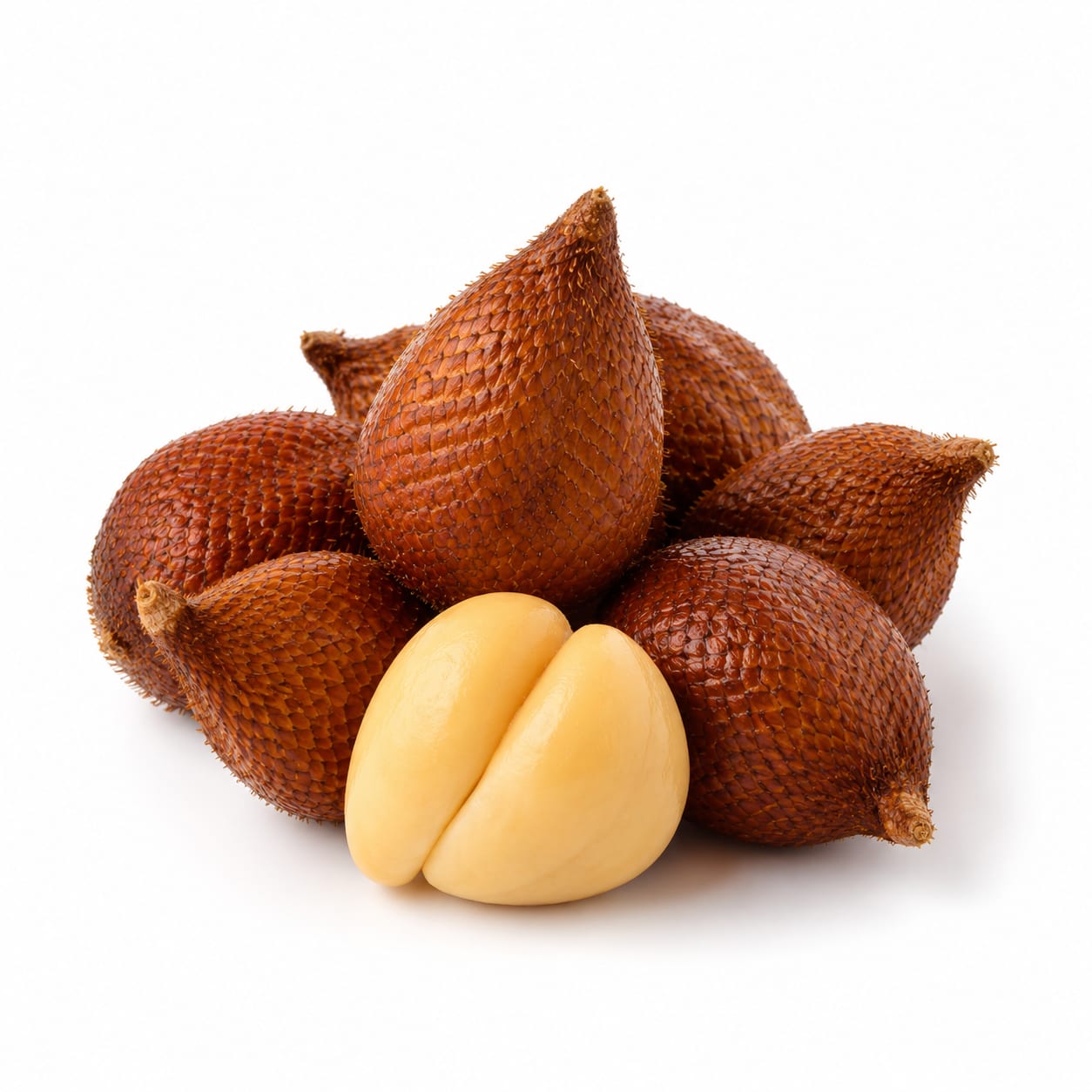
Salak
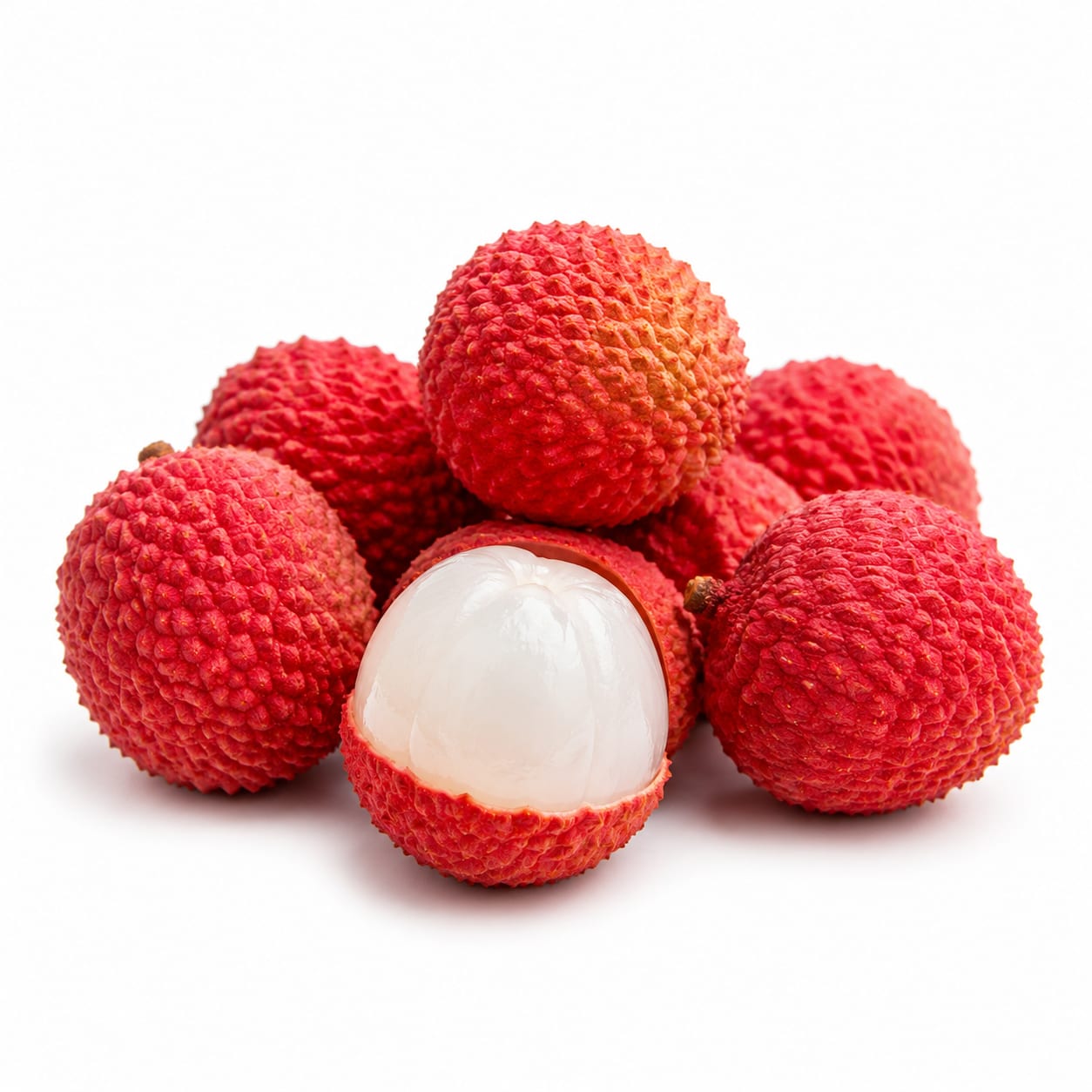
Lychee
Salak is the safer, steadier choice with better blood sugar control and fiber. Lychee is sweeter and richer in vitamin C but carries real sugar and safety caveats.
Salak scores higher due to superior fiber, lower sugar, and fewer safety concerns. Lychee loses ground on glycemic impact and the rare but serious hypoglycin risk, though it wins on vitamin C and enjoyment factor.
Fiber-rich stability versus sweeter, more antioxidant-dense indulgence
At a glance
Executive summary
Overall
It depends
Healthier
Salak
More practical
Lychee
Daily use
Salak
Key comparison lenses
blood sugar management
Lychee's high sugar and known hypoglycin risk make glycemic impact the most critical differentiator
tropical fruit safety awareness
Unripe lychee has caused documented encephalopathy outbreaks in children, a rare but serious concern
fiber and digestive health
Salak offers significantly more fiber, making it far more gut-friendly and satiating
antioxidant and immune support
Lychee delivers much more vitamin C and unique polyphenols like oligonol
everyday snacking practicality
Both require peeling effort but differ in availability, shelf life, and eating experience
Best choice for
Salak
- People managing diabetes or insulin resistance
- Those seeking better digestion and regularity
- Anyone wanting a low-sugar tropical fruit option
- Weight-conscious snackers who value fullness over sweetness
Lychee
- People wanting an immune-boosting vitamin C hit
- Those craving a sweet, hydrating treat in hot weather
- Anyone needing quick natural energy after exercise
- Fans of floral, delicate fruit flavors
Least suitable for
Salak
- People with constipation tendencies who eat large quantities (tannins can worsen it)
- Anyone unfamiliar with the astringent, dry mouthfeel
- Children who may struggle with the unusual texture
Lychee
- Children in malnourished regions (hypoglycin A risk from unripe fruit)
- People with diabetes or blood sugar instability
- Anyone prone to overeating sweet fruit
- Those with known lychee allergies (rare but documented)
Deep comparison
Dimension by dimension
Each lens scores both foods and breaks down who each option suits.
- Dimension 1 · Priority 92Salak
Blood Sugar Stability
Salak · 78Lychee · 38Salak's fiber slows sugar absorption significantly. Lychee spikes blood sugar fast with roughly 15g sugar per 100g and minimal fiber to buffer it.
Tradeoff
You give up Lychee's sweet rush but avoid the energy crash that follows
Why it matters
Repeated blood sugar spikes drive cravings, fatigue, and long-term metabolic damage
Real-world impact
Eating Lychee as an afternoon snack may leave you hungrier an hour later. Salak keeps you steadier longer.
Salak
- Diabetics and prediabetics
- People who get energy crashes after sweet snacks
- Anyone doing intermittent fasting who wants stable glucose
Better for
- People who need rapid calorie replenishment
Worse for
Lychee
- Athletes needing quick post-workout carbs
- Healthy individuals wanting fast natural energy
Better for
- Insulin-resistant individuals
- Anyone prone to sugar cravings
- Children with inconsistent meal patterns
Worse for
- Dimension 2 · Priority 80Salak
Fiber and Digestive Health
Salak · 82Lychee · 35Salak provides roughly 2-3 times more fiber than Lychee, supporting gut health, satiety, and regularity.
Tradeoff
Salak's tannins can be constipating in excess, while Lychee's low fiber offers little digestive help either way
Why it matters
Fiber is the single most undervalued nutrient for long-term health and weight management
Real-world impact
A Salak snack feels more filling and keeps your digestion moving. Lychee disappears quickly without satisfying hunger.
Salak
- People with irregular digestion
- Anyone trying to eat less by staying full longer
- Gut health enthusiasts
Better for
- People already prone to constipation eating large amounts daily
Worse for
Lychee
- People recovering from digestive illness who need low-residue foods temporarily
Better for
- Anyone relying on fruit as a fiber source
- People with sluggish digestion
Worse for
- Dimension 3 · Priority 72Lychee
Vitamin C and Antioxidants
Salak · 42Lychee · 85Lychee delivers roughly 70mg vitamin C per 100g versus Salak's modest amount. Lychee also contains oligonol, a unique polyphenol with anti-inflammatory potential.
Tradeoff
You get stronger immune and antioxidant support from Lychee but at the cost of much higher sugar
Why it matters
Vitamin C is essential for immunity, skin health, and iron absorption, and many people fall short
Real-world impact
A handful of Lychee covers most of your daily vitamin C. Salak barely makes a dent.
Salak
- People who already get vitamin C from other sources like citrus or bell peppers
Better for
- People relying on this fruit as a primary vitamin C source
Worse for
Lychee
- Anyone needing an immune boost during cold season
- People with low dietary vitamin C intake
- Those interested in anti-inflammatory polyphenols
Better for
- People who supplement vitamin C already and don't need more from high-sugar sources
Worse for
- Dimension 4 · Priority 88Salak
Safety and Toxicity Risk
Salak · 82Lychee · 48Unripe Lychee contains hypoglycin A, which has caused fatal encephalopathy in malnourished children. Salak has no comparable toxicity concern.
Tradeoff
Lychee is safe when ripe and consumed in moderation by well-nourished adults, but the risk profile is objectively worse
Why it matters
Even rare serious risks matter when comparing foods, especially for vulnerable populations
Real-world impact
For most healthy adults eating ripe Lychee, this is a non-issue. For families with children, it is worth knowing.
Salak
- Households with young children
- People in regions where fruit ripeness is uncertain
- Anyone who wants peace of mind with no toxicity concerns
Better for
- People sensitive to astringent tannins causing dry mouth discomfort
Worse for
Lychee
- Well-nourished adults eating fully ripe fruit in moderation
Better for
- Malnourished children
- Anyone eating unripe or underripe Lychee
- People with unexplained hypoglycemia episodes
Worse for
- Dimension 5 · Priority 60It depends
Eating Experience and Satisfaction
Salak · 55Lychee · 75Lychee is sweet, juicy, and universally appealing. Salak is an acquired taste with a dry, astringent bite that some love and others find unpleasant.
Tradeoff
Lychee is easier to enjoy but easier to overeat. Salak is more polarizing but naturally portion-controlled.
Why it matters
A food you actually enjoy is more sustainable in your diet than one you force yourself to eat
Real-world impact
Offer Lychee at a party and everyone reaches for more. Offer Salak and you will get mixed reactions.
Salak
- Adventurous eaters who enjoy complex flavors
- People who prefer less sweet, more textured fruit
- Anyone who wants a snack that naturally limits itself
Better for
- People expecting a sweet tropical fruit experience
- Children unfamiliar with astringent flavors
Worse for
Lychee
- People who find healthy eating boring and need enjoyment
- Social settings and fruit platters
- Hot weather hydration through food
Better for
- People who cannot stop at a small portion of sweet food
- Anyone tracking sugar intake carefully
Worse for
Timeline
Health impact over time
Short-term
Hours to days
Salak
- Steadier energy without a sugar crash
- Mild astringent mouthfeel that some find drying
- Better satiety per calorie consumed
Lychee
- Quick energy boost from natural sugars
- Refreshing hydration in hot weather
- Possible blood sugar spike followed by hunger return
Long-term
Months to years
Salak
- Improved digestive regularity from consistent fiber intake
- Better blood sugar management with regular consumption
- Minimal metabolic risk even with frequent snacking
Lychee
- Stronger immune support from high vitamin C if consumed regularly
- Risk of excess sugar intake if portions are not controlled
- Anti-inflammatory benefits from oligonol polyphenols
Risk profile
Safety & processing
Both fruits are typically eaten whole and fresh with no processing. Canned Lychee, however, often comes in heavy syrup, which dramatically changes its health profile. Always choose fresh over canned for Lychee.
Salak
Tannin-related constipation
lowEating very large amounts of Salak can constipate due to tannins. Moderate consumption is fine for most people.
Physical injury from thorny skin
lowSalak skin has small spines that can prick fingers during peeling. Not a health risk, just uncomfortable.
Lychee
Hypoglycin A toxicity from unripe fruit
highUnripe Lychee contains hypoglycin A, which inhibits fatty acid oxidation and can cause severe hypoglycemia and encephalopathy, especially in malnourished children. Documented fatal outbreaks in India and Bangladesh.
Pesticide residue on thin skin
mediumLychee's thin skin allows more pesticide penetration than thicker-skinned fruits. Washing thoroughly or choosing organic reduces this risk.
Allergic reactions
lowLychee allergy exists but is uncommon. Symptoms range from oral itching to, rarely, anaphylaxis.
Who wins for whom
Audience fit
Same foods, different winners depending on your goal.
children
SalakSalak has no hypoglycin risk. However, its astringent taste may not appeal to all kids. If serving Lychee to children, ensure it is fully ripe and limit portions.
daily consumption
SalakSalak's balanced nutritional profile and lower sugar make it more suitable as a regular daily fruit without metabolic downsides.
diabetes
SalakSalak's fiber content and lower sugar load make it significantly safer for blood sugar management.
elderly
SalakOlder adults benefit more from Salak's fiber for digestion and its gentler blood sugar impact. Lychee's soft texture is easier to chew, but the sugar load is a concern.
muscle gain
LycheeLychee provides faster carbs that can support post-workout glycogen replenishment, though neither fruit is a muscle-building food.
weight loss
SalakHigher fiber and lower sugar make Salak more filling per calorie and less likely to trigger overeating.
Your move
Decision guide
Choose Salak
- You want steady energy without sugar crashes
- Blood sugar management is a priority for you
- You value fiber and digestive health
- You are cautious about fruit sugar intake
- You enjoy or want to explore complex, less sweet flavors
Choose Lychee
- You want a vitamin C-rich immune boost
- You are healthy, active, and can handle the sugar
- You crave something sweet and hydrating
- You are eating after exercise and need quick carbs
- You find healthy eating more sustainable when it tastes indulgent
Either works if
- You want tropical fruit variety in your diet
- You have no blood sugar concerns and eat fruit in moderation
- You are rotating fruits for diverse micronutrient intake
Avoid both if
- You have a strict low-sugar or ketogenic diet
- You have fructose intolerance or malabsorption
- You are on a calorie-restricted plan and prefer lower-calorie fruit options like berries
Final recommendation
For most people seeking a healthier everyday tropical fruit, Salak is the smarter choice thanks to its fiber, lower sugar, and cleaner safety profile. But if you are metabolically healthy and want something more enjoyable and vitamin C-rich, Lychee in moderation is perfectly fine. The key is knowing that Lychee demands portion discipline and must always be fully ripe.
Practical
Consumer tips
- 1
If buying Lychee, always choose fully ripe fruit with red skin. Green or partially green Lychee has higher hypoglycin A levels.
- 2
Limit Lychee to roughly 6-10 fruits per sitting to keep sugar intake reasonable.
- 3
If buying canned Lychee, choose versions packed in water or light syrup, not heavy syrup.
- 4
Salak is best eaten fresh. Avoid pre-peeled Salak that has been sitting out, as it oxidizes and loses quality quickly.
- 5
For children, Salak is the safer tropical fruit option. If serving Lychee, ensure it is ripe and limit to a few pieces after a meal.
- 6
Both fruits are seasonal and can be expensive outside their native regions. Frozen Lychee retains most nutrients and is a practical alternative.
- 7
If you find Salak too astringent, try younger fruit which tends to be sweeter and less dry on the palate.