
Nutrition comparison
Salak vs Rambutan: Which Tropical Fruit Is Healthier?
Compare Salak and Rambutan nutrition—sugar, fiber, vitamins, and health effects. Find out which fruit is better for diabetes, weight loss, and daily snacking.
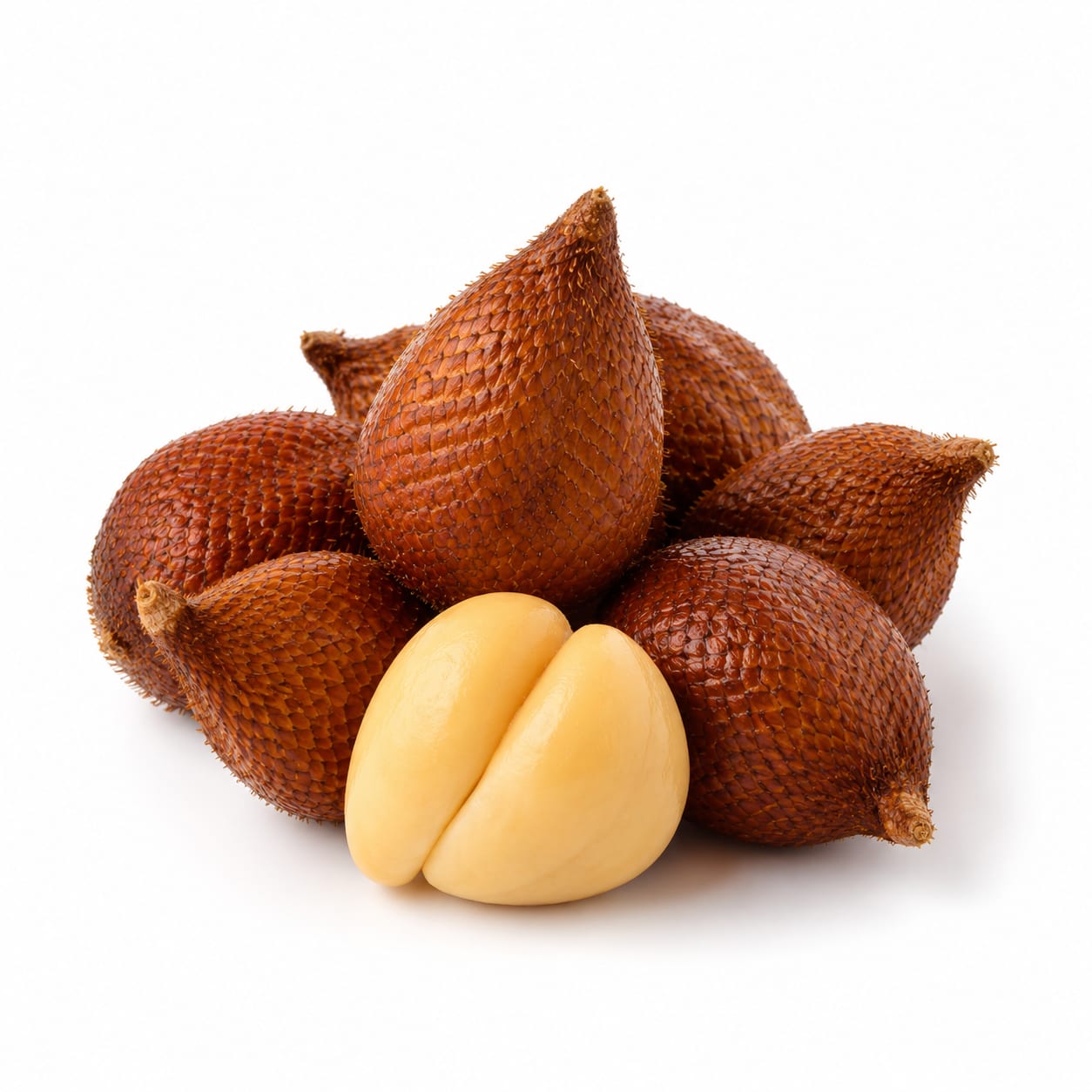
Salak
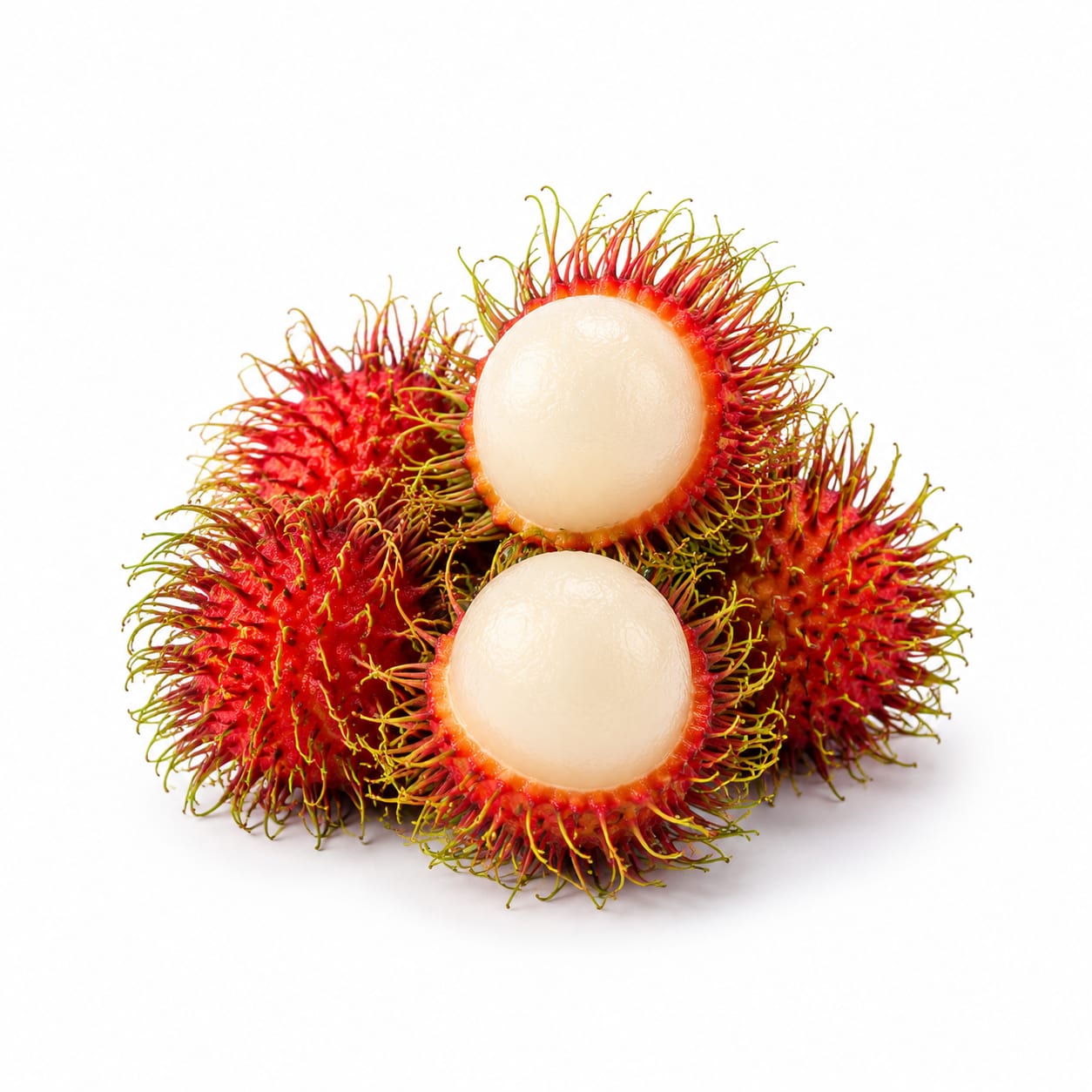
Rambutan
Salak wins for blood sugar control and satiety; Rambutan wins for taste, vitamin C, and ease of eating.
Salak edges ahead due to lower sugar and higher fiber, but Rambutan's vitamin C and broader appeal keep it competitive. Neither dominates.
You choose between Salak's filling, low-sugar crunch and Rambutan's sweet, juicy indulgence.
At a glance
Executive summary
Overall
It depends
Healthier
Salak
More practical
Rambutan
Daily use
Salak
Key comparison lenses
sugar and glycemic impact
Both are tropical fruits but differ significantly in sugar content and how they affect blood sugar
fiber and satiety
Salak is notably higher in fiber, making it more filling and slower to digest
eating experience and accessibility
Rambutan is sweeter and easier to eat; Salak has a unique astringent crunch that not everyone enjoys
antioxidant and micronutrient profile
Each fruit offers different antioxidants and minerals worth comparing
digestive tolerance
Salak's tannins and high fiber can cause constipation if overconsumed; Rambutan is gentler on digestion
Best choice for
Salak
- People managing diabetes or blood sugar
- Those seeking a filling low-calorie snack
- Anyone trying to reduce sugar intake without giving up fruit
- Weight-conscious eaters who want satiety
Rambutan
- Kids who need a fun, sweet fruit
- People wanting a vitamin C boost
- Anyone finding Salak's texture off-putting
- Post-workout when quick carbs are welcome
Least suitable for
Salak
- People prone to constipation if eaten in large amounts
- Those who dislike astringent or dry textures
- Anyone with sensitive teeth from the firm crunch
Rambutan
- People strictly limiting sugar
- Those who struggle with portion control on sweet fruits
- Diabetics needing low-glycemic options
Deep comparison
Dimension by dimension
Each lens scores both foods and breaks down who each option suits.
- Dimension 1 · Priority 92Salak
sugar_and_glycemic_impact
Salak · 82Rambutan · 48Salak has roughly half the sugar of Rambutan per serving and digests more slowly.
Tradeoff
Rambutan's sweetness makes it more enjoyable but spikes blood sugar faster.
Why it matters
If you're watching blood sugar or trying to avoid afternoon energy crashes, Salak is the safer bet.
Real-world impact
A Rambutan snack can leave you hungry again in 30 minutes; Salak keeps you steadier for longer.
Salak
- Stable energy without the crash
- Diabetics and prediabetics
- Intermittent fasters breaking a fast gently
Better for
- Not satisfying if you're craving something sweet
Worse for
Rambutan
- Quick energy after exercise
- Satisfying a sweet tooth without reaching for candy
Better for
- Easy to overeat due to sweetness
- Less suitable for low-carb or keto-adjacent diets
Worse for
- Dimension 2 · Priority 88Salak
fiber_and_satiety
Salak · 85Rambutan · 50Salak packs significantly more fiber, making it far more filling per calorie.
Tradeoff
That same fiber can back up your digestion if you eat too much without enough water.
Why it matters
Fiber is the difference between a snack that holds you and one that disappears.
Real-world impact
A handful of Salak feels like a real snack. The same amount of Rambutan feels like a warm-up.
Salak
- Staying full between meals
- Supporting gut health with prebiotic fiber
- Reducing overall calorie intake naturally
Better for
- Risk of constipation if overconsumed or under-hydrated
Worse for
Rambutan
- Easier on the stomach if you have IBS or fiber sensitivity
Better for
- Less satisfying, easier to overeat
Worse for
- Dimension 3 · Priority 75Rambutan
vitamin_and_mineral_density
Salak · 60Rambutan · 72Rambutan delivers more vitamin C and small amounts of copper and manganese. Salak offers more iron and potassium.
Tradeoff
Rambutan is better for immune support; Salak is better for electrolyte balance and blood health.
Why it matters
Your priority—immunity vs. mineral support—should guide this choice.
Real-world impact
During cold season, Rambutan is the smarter pick. After heavy sweating, Salak helps replenish minerals.
Salak
- Iron needs, especially for women
- Potassium for muscle cramp prevention
Better for
- Lower vitamin C means less immune support per serving
Worse for
Rambutan
- Vitamin C for immune function and skin health
- Trace minerals like copper for energy production
Better for
- Less iron and potassium per calorie
Worse for
- Dimension 4 · Priority 80Rambutan
eating_experience_and_convenience
Salak · 45Rambutan · 78Rambutan is sweet, juicy, and easy to love. Salak is an acquired taste with a dry, astringent bite.
Tradeoff
Rambutan is the crowd-pleaser; Salak is the connoisseur's choice with health perks as the reward.
Why it matters
The best fruit for you is the one you'll actually eat consistently.
Real-world impact
Kids and fruit newcomers almost always prefer Rambutan. Salak takes a few tries to appreciate.
Salak
- Adventurous eaters who enjoy unique textures
- People who find most fruit too sweet
Better for
- Dry mouthfeel can be unpleasant
- Astringency surprises first-timers
Worse for
Rambutan
- Picky eaters and children
- Serving guests or sharing at parties
- A refreshing treat on a hot day
Better for
- Sticky fingers from the juice
- Can feel too sweet for some palates
Worse for
- Dimension 5 · Priority 70It depends
antioxidant_profile
Salak · 68Rambutan · 66Salak is rich in beta-carotene and tannins. Rambutan offers gallic acid and ellagic acid. Both contribute differently.
Tradeoff
Salak supports eye health and has anti-inflammatory tannins. Rambutan supports cellular defense against oxidative stress.
Why it matters
Variety wins here—rotating both gives broader antioxidant coverage than picking just one.
Real-world impact
Neither is an antioxidant powerhouse like berries, but both contribute meaningfully in a tropical diet.
Salak
- Eye health from beta-carotene
- Anti-inflammatory effects from tannins
Better for
- Tannins can reduce absorption of some minerals
Worse for
Rambutan
- Cell-level protection from gallic and ellagic acid
- Skin health support
Better for
- Less diverse carotenoid profile
Worse for
- Dimension 6 · Priority 70Rambutan
digestive_tolerance
Salak · 52Rambutan · 74Rambutan is gentle and easy to digest. Salak's tannins and dense fiber can cause issues in excess.
Tradeoff
Moderate Salak intake is great for digestion, but overdoing it leads to constipation and discomfort.
Why it matters
A healthy food that causes digestive distress defeats its own purpose.
Real-world impact
Eating more than 5-6 Salak fruits in one sitting can leave you uncomfortably backed up. Rambutan rarely causes this.
Salak
- Promotes regular bowel movements at moderate intake
- Feeds beneficial gut bacteria
Better for
- Constipation risk at high intake
- Astringency can irritate sensitive digestive tracts
Worse for
Rambutan
- Gentle on sensitive stomachs
- Lower risk of digestive discomfort
Better for
- Less fiber means less gut health benefit per serving
Worse for
Timeline
Health impact over time
Short-term
Hours to days
Salak
- Steadier energy with minimal blood sugar spike
- Firm, filling sensation in the stomach
- Dry mouthfeel from tannins may feel unusual at first
Rambutan
- Quick energy boost from natural sugars
- Refreshing hydration from high water content
- Satisfies sweet cravings almost immediately
Long-term
Months to years
Salak
- Better blood sugar regulation with regular consumption
- Improved bowel regularity when paired with adequate water
- Iron and potassium support long-term cardiovascular health
Rambutan
- Consistent vitamin C intake supports immune resilience
- Antioxidants may reduce cellular aging markers
- Higher sugar intake could become an issue if portions are unchecked
Risk profile
Safety & processing
Both Salak and Rambutan are whole, unprocessed tropical fruits typically eaten fresh. Neither raises ultra-processing concerns. The main consideration is how they are stored and transported—canned Rambutan in syrup is a different product entirely and should be avoided.
Salak
Thorn-like skin puncture
lowSalak's sharp, scaly skin can cause minor cuts during peeling. Handle carefully or use a knife.
Pesticide residue on skin
mediumAs with many tropical fruits grown commercially, pesticide residue on the skin can transfer to hands during peeling. Wash before handling.
Overconsumption causing constipation
mediumThe combination of high tannins and dense fiber can severely slow digestion if eaten in large quantities without enough water.
Rambutan
Pesticide residue on skin
mediumRambutan is often treated with pesticides. The skin is not eaten, but residue can transfer to the flesh during opening.
Sulfur dioxide in canned versions
highCanned Rambutan often contains sulfur dioxide as a preservative, which can trigger reactions in sensitive individuals. Always choose fresh.
Mold on overripe fruit
lowRambutan spoils quickly in humid conditions. Fermented or moldy fruit can cause stomach upset.
Who wins for whom
Audience fit
Same foods, different winners depending on your goal.
children
RambutanRambutan's sweet taste and fun appearance make it kid-friendly. Salak's astringency usually turns children off.
daily consumption
SalakLower sugar and higher fiber make Salak more sustainable as a daily staple without metabolic downsides.
diabetes
SalakLower glycemic impact and higher fiber slow glucose absorption, making Salak significantly safer for blood sugar management.
elderly
RambutanRambutan is softer and easier to chew and digest. Salak's firm texture and constipation risk are concerns for older adults.
muscle gain
RambutanRambutan's quick carbs and vitamin C support post-workout recovery and nutrient absorption better.
weight loss
SalakHigher fiber and lower sugar make Salak more satiating per calorie, reducing the urge to overeat.
Your move
Decision guide
Choose Salak
- You're managing blood sugar or trying to cut sugar
- You want a snack that actually keeps you full
- You enjoy unique textures and don't mind an acquired taste
- Constipation isn't a recurring issue for you
Choose Rambutan
- You want a refreshing, sweet treat on a hot day
- You're feeding kids or picky eaters
- You need quick carbs after a workout
- You find most fruit too bland and want something satisfying
Either works if
- You're rotating tropical fruits for antioxidant variety
- You have no specific health restrictions
- You want to enjoy seasonal Southeast Asian produce
Avoid both if
- You have a known allergy to tropical fruits
- You're on a strict very-low-carb diet
- You can only find canned versions in heavy syrup
Final recommendation
Keep both in rotation. Salak is your weekday workhorse—filling, low-sugar, and metabolically gentle. Rambutan is your weekend reward—sweet, hydrating, and joyful. If you must pick one for daily health, Salak wins. If you must pick one for pleasure, Rambutan wins. The smartest move is to let the season decide.
Practical
Consumer tips
- 1
Always wash both fruits before peeling, even though you don't eat the skin—pesticide residue transfers to your hands and then to the flesh
- 2
Limit Salak to 3-4 fruits per sitting to avoid constipation, and drink extra water when eating it
- 3
Choose fresh Rambutan over canned—canned versions in syrup add unnecessary sugar and preservatives
- 4
Ripe Salak should feel firm but not rock-hard; if it's too soft, the tannins may have broken down and it can taste fermented
- 5
Rambutan is best eaten within 2-3 days of purchase; it ferments quickly at room temperature
- 6
If you're new to Salak, try it chilled—the astringency mellows and the crunch becomes more refreshing
- 7
Freeze peeled Rambutan for a naturally sweet, sorbet-like treat on hot days