
Nutrition comparison
Salak vs Dates: Which Fruit Is Better for Blood Sugar, Weight Loss, and Daily Snacking?
Compare Salak and Dates nutritionally. Salak offers lower sugar and fewer calories, while Dates deliver more minerals and quick energy. Find out which fits your health goals.

Salak
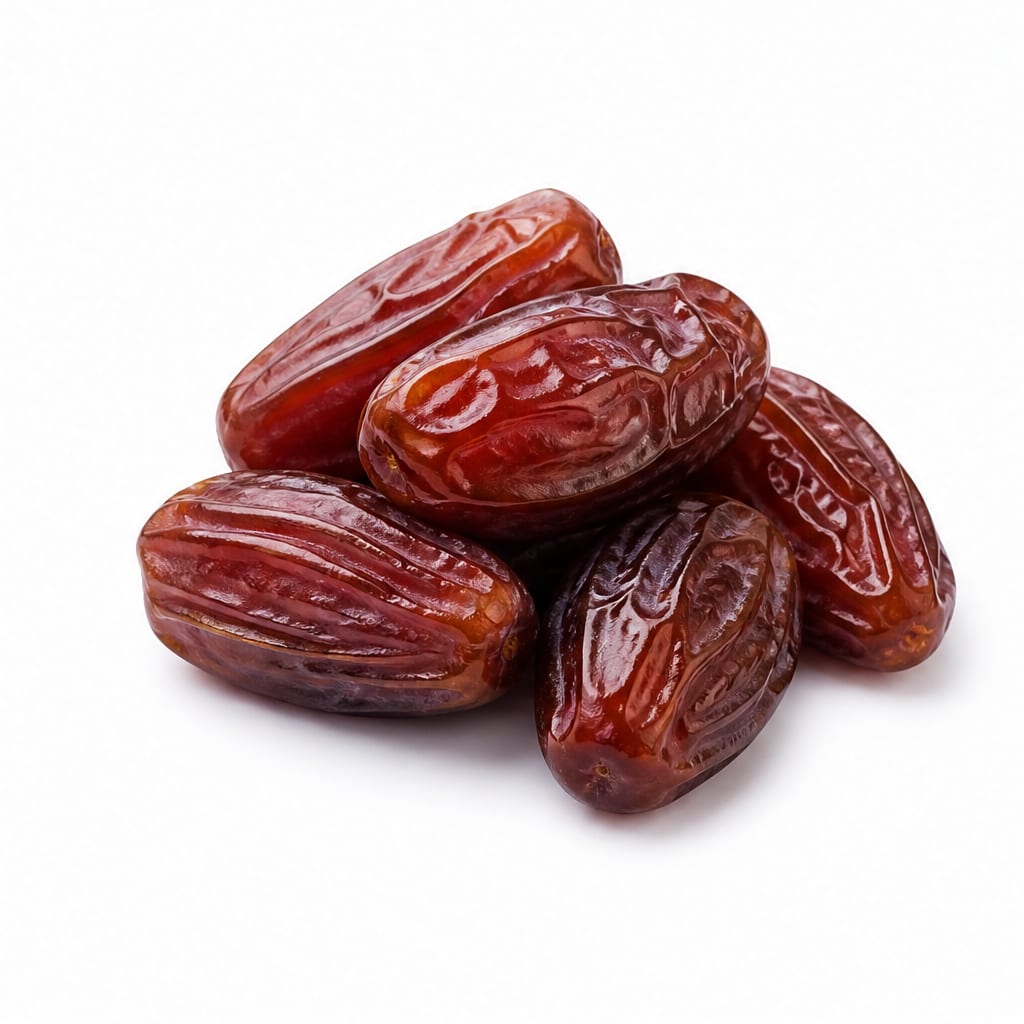
Dates
Salak is the smarter low-sugar everyday snack, while Dates are a concentrated energy powerhouse best used strategically.
Salak scores higher for everyday health due to lower sugar and better blood sugar control. Dates score well for specific use cases like athletic fuel and mineral supplementation but lose ground on overeating risk and glycemic impact.
You choose between Salak's blood sugar friendliness and Dates' unmatched mineral density and quick-energy delivery.
At a glance
Executive summary
Overall
It depends
Healthier
Salak
More practical
Dates
Daily use
Salak
Key comparison lenses
blood sugar management
Dates are extremely sugar-dense while Salak offers a lower-glycemic alternative, making this the most critical differentiator
weight-conscious snacking
Calorie density differs dramatically between these two fruits, directly impacting portion control and satiety
natural energy needs
Dates are prized for quick energy while Salak provides steadier, less spike-prone fuel
mineral and micronutrient intake
Dates deliver concentrated potassium and magnesium, Salak offers different micronutrient benefits
everyday availability and practicality
Salak is regionally limited while Dates are globally accessible, affecting real-world decision-making
Best choice for
Salak
- People managing blood sugar or insulin resistance
- Weight-conscious snackers who want volume without calories
- Anyone seeking a light, refreshing fruit with lower sugar
- Those who find sweet fruits trigger cravings
Dates
- Endurance athletes needing fast carbohydrate fuel
- Pregnant women seeking natural iron and folate sources
- People recovering from illness who need calorie-dense nutrition
- Anyone replacing refined sugar with a whole-food sweetener
Least suitable for
Salak
- Athletes needing rapid glycogen replenishment post-workout
- Anyone struggling to meet daily calorie needs
- People outside Southeast Asia who lack reliable access
- Those who dislike astringent or tart flavors
Dates
- People with diabetes or prediabetes
- Anyone actively trying to lose weight
- Those prone to sugar cravings and overeating
- People on low-carb or ketogenic diets
Deep comparison
Dimension by dimension
Each lens scores both foods and breaks down who each option suits.
- Dimension 1 · Priority 95Salak
Blood Sugar Stability
Salak · 82Dates · 35Salak has significantly less sugar and a lower glycemic impact, making it far gentler on blood glucose.
Tradeoff
Dates deliver fast energy but at the cost of sharp blood sugar spikes that can lead to crashes and cravings.
Why it matters
Stable blood sugar means steadier mood, fewer energy dips, and lower long-term metabolic risk.
Real-world impact
Eating Dates as a casual snack often leads to wanting more sweet food within an hour. Salak satisfies without triggering that cycle.
Salak
- Diabetics and prediabetics
- Anyone avoiding afternoon energy crashes
- People trying to reduce sugar cravings
Better for
- Situations requiring instant energy replenishment
Worse for
Dates
- Athletes mid-endurance event who need immediate glucose
- Hypoglycemic individuals needing rapid blood sugar correction
Better for
- Sedentary snacking while watching TV
- Late-night eating before bed
Worse for
- Dimension 2 · Priority 88Salak
Calorie Density and Weight Management
Salak · 78Dates · 40Salak is much lower in calories per serving, making it easier to enjoy without overshooting daily intake.
Tradeoff
Dates pack around 280 calories per 100g compared to Salak's roughly 82 calories. That is a 3x difference in calorie density.
Why it matters
High-calorie-density foods are easy to overeat. Low-density foods let you eat more volume for fewer calories.
Real-world impact
A handful of Dates can quietly deliver 200+ calories before you feel full. The same volume of Salak costs under 80 calories.
Salak
- Weight loss diets
- Mindless snacking situations
- People who eat by volume not weight
Better for
- Calorie surplus needs during bulking
Worse for
Dates
- Hikers and backpackers needing lightweight calorie-dense food
- Underweight individuals trying to gain
Better for
- Anyone tracking calories closely
- Emotional eaters who struggle with portion control
Worse for
- Dimension 3 · Priority 78Dates
Mineral and Micronutrient Content
Salak · 55Dates · 85Dates are a concentrated source of potassium, magnesium, iron, and vitamin B6, delivering more minerals per serving.
Tradeoff
You get outstanding mineral density with Dates, but it comes bundled with high sugar. Salak offers fewer minerals but with a much lower metabolic cost.
Why it matters
Potassium and magnesium support muscle function, blood pressure, and sleep quality. Many people fall short on both.
Real-world impact
A few Dates after a workout can meaningfully replenish potassium and magnesium lost through sweat. Salak cannot match that mineral hit.
Salak
- Those already meeting mineral needs through other foods
- People who prioritize low sugar over micronutrient density
Better for
- Recovery nutrition after intense exercise
Worse for
Dates
- Post-workout mineral replenishment
- Pregnant women needing iron and folate
- People with low dietary potassium intake
Better for
- Mineral supplementation without the sugar payload
Worse for
- Dimension 4 · Priority 85Salak
Overeating and Craving Risk
Salak · 80Dates · 30Salak's tartness and tannin astringency naturally limit intake. Dates' intense sweetness makes portion control difficult.
Tradeoff
Dates taste so good that stopping is hard. Salak's flavor naturally puts the brakes on after a reasonable amount.
Why it matters
The food you cannot stop eating is usually the food that undermines your health goals, regardless of its nutrient profile.
Real-world impact
It is very easy to eat 6-8 Dates in one sitting without thinking. Most people naturally stop at 2-3 Salak fruits.
Salak
- Compulsive or emotional eaters
- Anyone who struggles with portion control
- Evening snackers who want something light
Better for
- Those who find the astringency unpleasant and avoid fruit entirely
Worse for
Dates
- Deliberate pre-portioned fueling during endurance sports
Better for
- Anyone who has binged on dried fruit before
- Stress eaters seeking comfort foods
Worse for
- Dimension 5 · Priority 70It depends
Digestive Tolerance
Salak · 60Dates · 65Both fruits offer fiber but can cause issues in different ways. Salak's tannins may constipate; Dates' sugar can ferment.
Tradeoff
Salak can be binding due to tannins, while Dates can cause bloating in sensitive people due to high fermentable sugars.
Why it matters
A healthy food that causes digestive distress is not healthy for you personally.
Real-world impact
Eating too many Dates at once often causes gas and bloating. Eating too much Salak can slow digestion and worsen constipation.
Salak
- People with IBS-D or loose stools who benefit from binding foods
- Those who find high-sugar fruits cause bloating
Better for
- Already constipated individuals
Worse for
Dates
- People with constipation who benefit from fiber and sugar's osmotic effect
- Those who tolerate dried fruit well
Better for
- IBS-C sufferers sensitive to fermentable carbohydrates
- People with fructose intolerance
Worse for
- Dimension 6 · Priority 65Dates
Availability and Convenience
Salak · 25Dates · 90Dates are available year-round in nearly every grocery store worldwide. Salak is hard to find outside Southeast Asia.
Tradeoff
The healthiest food does you no good if you cannot buy it. Dates win on pure accessibility.
Why it matters
Consistency in healthy eating depends on foods being easy to find and keep stocked.
Real-world impact
You can grab Dates at any supermarket. Finding fresh Salak requires specialty Asian markets or travel to Indonesia, Thailand, or Malaysia.
Salak
- Residents of Southeast Asia with local market access
- Travelers visiting Salak-growing regions
Better for
- Anyone living outside tropical Asia
Worse for
Dates
- Everyone else globally
- Online shoppers wanting reliable delivery
Better for
- Situations where you want fresh, hydrating fruit instead of dried
Worse for
Timeline
Health impact over time
Short-term
Hours to days
Salak
- Provides light, refreshing energy without a sugar crash
- Tannins may cause mild dry mouth or astringent sensation
- Unlikely to trigger cravings or the desire for more sweets
Dates
- Delivers rapid blood sugar spike followed by potential crash
- Can cause bloating or gas if eaten in large quantities
- High satiety from fiber but short-lived due to rapid sugar absorption
Long-term
Months to years
Salak
- Better glycemic control supports metabolic health over decades
- Lower calorie intake from snacking aids weight maintenance
- Antioxidant compounds from tannins may offer anti-inflammatory benefits
Dates
- Consistent overconsumption risks weight gain and insulin resistance
- Excellent mineral intake supports bone density and cardiovascular health
- Using Dates as a sugar replacement is still high-sugar consumption, just from a whole food source
Risk profile
Safety & processing
Both are whole, minimally processed fruits. Some commercial Dates are treated with sulfur dioxide or coated in syrup, so check labels. Fresh Salak is typically sold as-is with no additives.
Salak
Thorn-like skin puncture injuries
lowSalak scales can be sharp. Careless peeling may cause minor cuts. Not a health risk but an annoyance.
Tannin overconsumption
lowEating large quantities may cause constipation or reduce iron absorption due to tannin content. Moderate intake avoids this.
Spoilage in transit
mediumSalak spoils quickly once ripe. Outside Southeast Asia, imported Salak may be old or improperly stored, increasing mold risk.
Dates
Added sulfites in commercial varieties
mediumSome Dates are treated with sulfur dioxide to preserve color. Sulfite-sensitive individuals should seek unsulfured options.
Syrup-coated or sugar-added products
mediumLower-quality Dates are sometimes glazed with glucose syrup. Always check ingredients for 100% dates with no additives.
Mycotoxin contamination in storage
lowImproperly stored dried Dates can develop mold. Buy from reputable sources and store in cool, dry conditions.
Who wins for whom
Audience fit
Same foods, different winners depending on your goal.
children
DatesChildren generally prefer the sweet taste of Dates, and the mineral content supports growing bones. Just watch portion sizes.
daily consumption
SalakSalak's lower sugar and calorie load makes it more sustainable as a daily snack without metabolic consequences.
diabetes
SalakSalak's lower sugar content and reduced glycemic impact make it significantly safer for blood glucose management.
elderly
It dependsDates offer easier chewing and more potassium for bone health, but Salak's lower sugar is better for metabolic health common in aging.
muscle gain
DatesDates provide fast carbohydrates and potassium that support glycogen replenishment and muscle recovery after training.
weight loss
SalakSalak's low calorie density and natural portion-limiting astringency make it far easier to enjoy within a calorie deficit.
Your move
Decision guide
Choose Salak
- You want a refreshing snack that will not spike your blood sugar
- You are watching your weight and need a low-calorie fruit option
- You live in or visit Southeast Asia where Salak is fresh and affordable
- You find that sweet snacks trigger cravings and want something that naturally limits itself
Choose Dates
- You are an athlete or very active person who needs concentrated carbohydrate fuel
- You want to replace refined sugar with a whole-food sweetener in recipes
- You are pregnant and seeking natural iron, folate, and potassium sources
- You struggle to eat enough calories and need energy-dense foods
Either works if
- You want a whole-food snack and are mindful of portion sizes
- You are generally healthy with no blood sugar concerns
- You value natural, minimally processed fruit over packaged snacks
Avoid both if
- You are on a strict very-low-carb or ketogenic diet
- You have severe fructose intolerance or malabsorption
- You need high-protein snacks for satiety and neither fruit provides meaningful protein
Final recommendation
For most people eating a typical Western diet already high in sugar, Salak is the smarter everyday choice. Dates are excellent strategic fuel for active people, but their sugar density makes them risky as a casual daily snack. If you can access fresh Salak, enjoy it freely. If you reach for Dates, pre-portion them and treat them as energy fuel, not mindless snacking.
Practical
Consumer tips
- 1
When buying Dates, always check the ingredient list. The only ingredient should be dates. Avoid products with added glucose syrup or sulfur dioxide.
- 2
Store Dates in the refrigerator to prevent mold and extend shelf life by months.
- 3
If you cannot find fresh Salak locally, look for it frozen in Southeast Asian grocery stores. Frozen retains most nutrients.
- 4
Limit Dates to 2-3 per sitting to avoid blood sugar spikes and calorie overload.
- 5
Pair Dates with a protein or fat source like nuts to slow sugar absorption and extend satiety.
- 6
Salak is best eaten fresh. Avoid pre-peeled Salak that has been sitting out, as it oxidizes and loses quality quickly.
- 7
If Salak tastes too astringent, try a riper fruit. Astringency decreases as the fruit softens.