
Nutrition comparison
Salak vs Pineapple: Which Tropical Fruit Is Better for You?
Compare salak (snake fruit) and pineapple on sugar content, vitamins, digestion, and blood sugar impact. Find out which tropical fruit fits your health goals better.
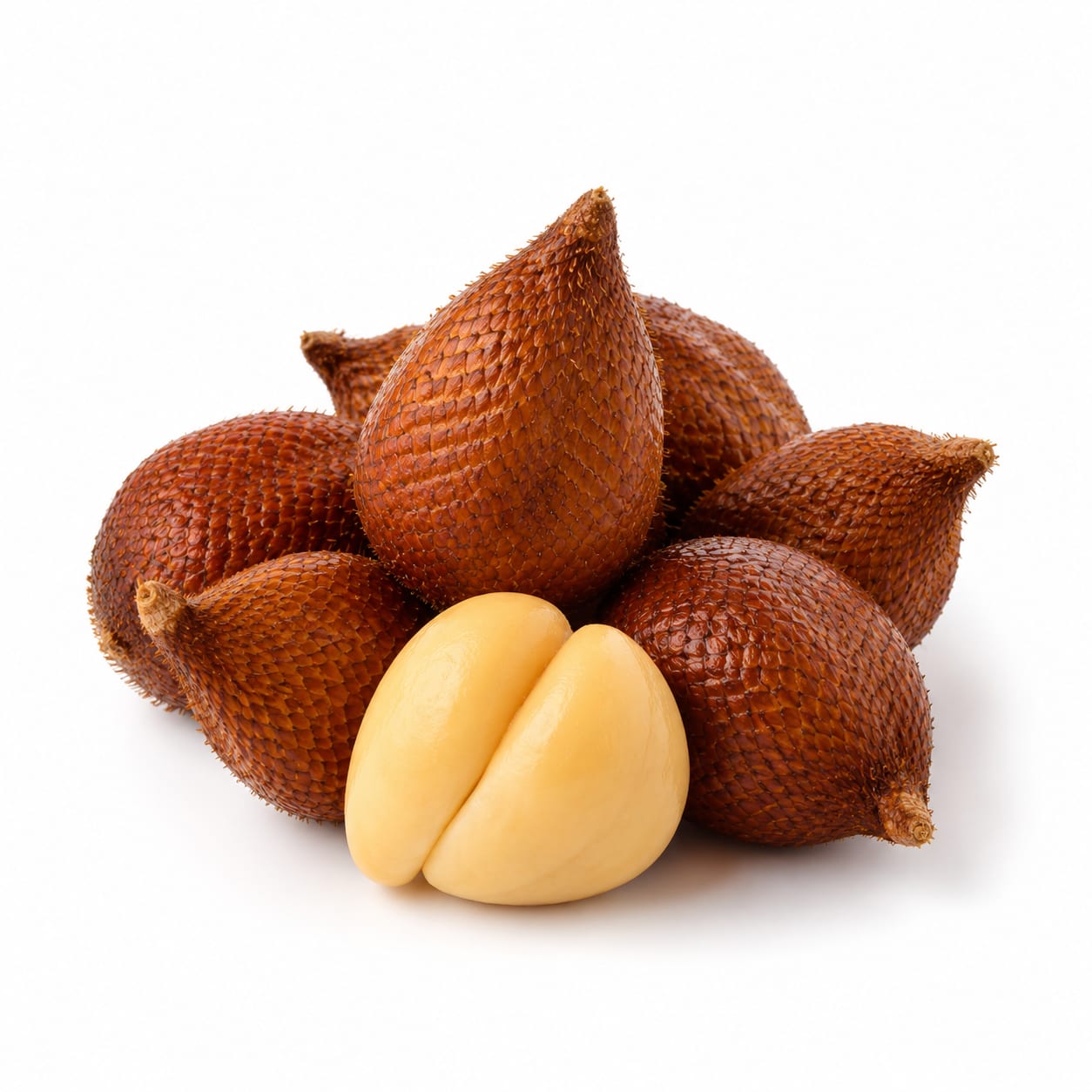
Salak
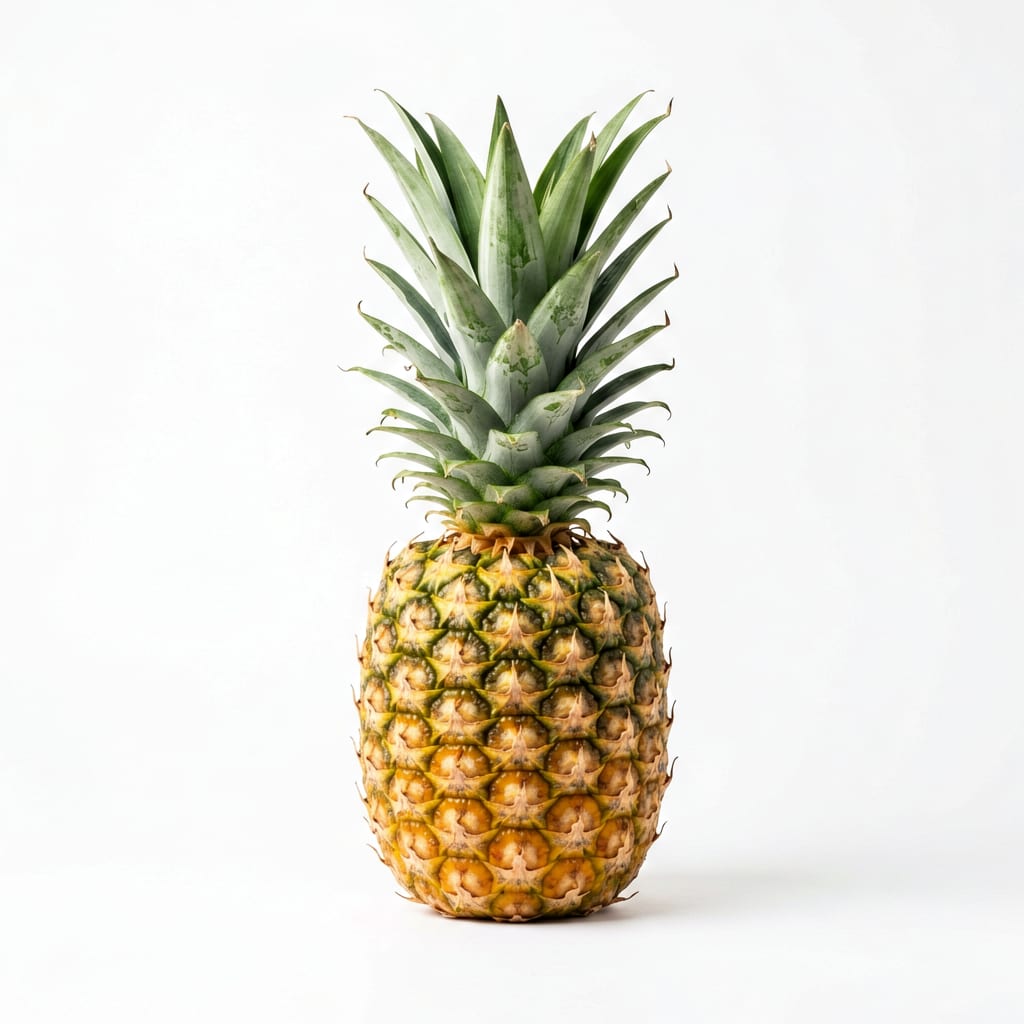
Pineapple
Pineapple wins on nutrition and availability, but salak is the smarter choice for blood sugar control and satiety.
Pineapple scores higher overall due to superior vitamin content, digestive enzymes, and global accessibility. Salak remains competitive for blood sugar control and satiety but loses points for limited availability and lower micronutrient density.
Pineapple gives you more vitamins and enzymes but hits your blood sugar harder; salak keeps energy steadier but is harder to find and less nutrient-dense overall.
At a glance
Executive summary
Overall
It depends
Healthier
It depends
More practical
Pineapple
Daily use
Pineapple
Key comparison lenses
blood sugar management
Both are tropical fruits with notably different sugar loads and glycemic impacts, making this the most decision-relevant factor
digestive health and tolerance
Pineapple contains bromelain while salak has tannins and high fiber, creating very different digestive experiences
accessibility and practicality
Salak is extremely hard to find outside Southeast Asia, while pineapple is globally available year-round
vitamin C and antioxidant intake
Pineapple delivers significantly more vitamin C, but salak offers different antioxidant compounds
weight management and satiety
Salak is more filling per calorie due to fiber density, while pineapple is easier to overeat
Best choice for
Salak
- People managing diabetes or insulin resistance
- Those seeking a low-sugar tropical fruit option
- Anyone wanting a filling snack that prevents overeating
- People on low-glycemic diets
Pineapple
- People wanting maximum vitamin C intake
- Those with digestive issues who benefit from bromelain
- Athletes needing quick natural energy
- Anyone who values easy availability and versatility
Least suitable for
Salak
- People outside Southeast Asia who cannot source it reliably
- Anyone who dislikes astringent or dry-mouth sensations
- Children who may struggle with the unusual texture
Pineapple
- People with strict blood sugar management needs
- Those prone to overeating sweet fruit
- People with oral allergy syndrome or pineapple sensitivity
Deep comparison
Dimension by dimension
Each lens scores both foods and breaks down who each option suits.
- Dimension 1 · Priority 90Salak
blood sugar stability
Salak · 82Pineapple · 48Salak has roughly half the sugar per serving and a lower glycemic impact, making it far gentler on blood sugar.
Tradeoff
You sacrifice the quick energy burst pineapple provides, but avoid the crash that follows.
Why it matters
For anyone monitoring glucose or trying to avoid afternoon energy dips, this difference is significant.
Real-world impact
Eating salak feels like a steady walk; pineapple feels like a sprint followed by a slowdown.
Salak
- Diabetics and pre-diabetics
- Low-carb dieters
- People who get sleepy after sweet snacks
Better for
- Those needing quick pre-workout energy
Worse for
Pineapple
- Endurance athletes needing fast carbs
- People with low blood sugar episodes
Better for
- Anyone counting sugar intake carefully
- People with insulin resistance
Worse for
- Dimension 2 · Priority 85Pineapple
vitamin and mineral density
Salak · 45Pineapple · 88Pineapple delivers substantially more vitamin C and manganese, while salak offers modest potassium but falls short on most micronutrients.
Tradeoff
Pineapple is a genuine vitamin C powerhouse; salak provides adequate but unremarkable nutrition.
Why it matters
If you rely on fruit as a key vitamin C source, pineapple clearly delivers more per serving.
Real-world impact
One cup of pineapple covers over 100% of daily vitamin C needs; salak covers roughly 15-20%.
Salak
- People who get vitamin C from other sources already
Better for
- People relying on fruit as their primary vitamin C source
Worse for
Pineapple
- Anyone needing immune support
- People with limited fruit variety in their diet
- Those recovering from illness
Better for
- Those already exceeding vitamin C needs from supplements
Worse for
- Dimension 3 · Priority 85It depends
digestive health
Salak · 72Pineapple · 75Pineapple offers bromelain for protein digestion; salak provides more fiber for gut regularity. They help digestion differently.
Tradeoff
Bromelain aids protein breakdown but can irritate sensitive mouths; salak's fiber supports bowel regularity but tannins can cause dryness.
Why it matters
Your digestive concern determines the winner here — bloating after protein meals versus general gut regularity.
Real-world impact
Pineapple after a heavy meat meal feels like digestive relief; salak as a daily snack keeps things moving consistently.
Salak
- People with constipation tendencies
- Those wanting to increase daily fiber intake
Better for
- People sensitive to astringent foods
- Those with very dry mouth conditions
Worse for
Pineapple
- People with protein-heavy diets who need digestive help
- Those with mild bloating after meals
Better for
- People with mouth sores or oral sensitivity
- Those with acid reflux triggered by acidic fruits
Worse for
- Dimension 4 · Priority 70Salak
satiety and fullness
Salak · 80Pineapple · 52Salak's dense, dry texture and high fiber make it significantly more filling per calorie than juicy pineapple.
Tradeoff
Salak stops hunger effectively but feels less refreshing; pineapple is hydrating but easy to overeat.
Why it matters
If you snack to control hunger between meals, salak does the job with fewer calories.
Real-world impact
A few pieces of salak feel like a substantive snack; pineapple can disappear quickly without satisfying hunger.
Salak
- People trying to reduce snacking frequency
- Those managing calorie intake through portion control
Better for
- People wanting a refreshing, juicy experience
Worse for
Pineapple
- People who want hydration from fruit
- Those eating fruit as a light refreshment rather than hunger control
Better for
- Emotional eaters who may consume large quantities
- Those trying to limit sugar intake from fruit
Worse for
- Dimension 5 · Priority 80Pineapple
availability and convenience
Salak · 20Pineapple · 92Pineapple is available globally year-round in fresh, frozen, and canned forms. Salak is extremely difficult to find outside Southeast Asia.
Tradeoff
You can buy pineapple anywhere, anytime; salak requires specialty Asian markets or travel to tropical regions.
Why it matters
The best fruit nutritionally means nothing if you cannot access it regularly.
Real-world impact
Pineapple is a practical weekly grocery item; salak is a rare specialty purchase for most people.
Salak
- People living in Indonesia, Malaysia, or Thailand
- Those with access to specialty Southeast Asian markets
Better for
- Anyone in Europe, North America, or most non-tropical regions
Worse for
Pineapple
- Anyone shopping at regular grocery stores
- People who want consistent year-round access
- Those living outside tropical Asia
Better for
- People in very remote areas with limited fresh produce
Worse for
- Dimension 6 · Priority 65Pineapple
anti-inflammatory potential
Salak · 55Pineapple · 78Bromelain in pineapple has well-documented anti-inflammatory properties; salak contains antioxidants but with less clinical evidence.
Tradeoff
Pineapple offers proven inflammation-fighting compounds; salak provides more theoretical antioxidant benefits from tannins and phenolics.
Why it matters
For joint pain, post-exercise recovery, or chronic inflammation, pineapple has clearer evidence.
Real-world impact
Athletes and people with joint issues may notice more tangible benefits from regular pineapple consumption.
Salak
- People interested in traditional Southeast Asian remedies
Better for
- Those wanting clinically supported anti-inflammatory options
Worse for
Pineapple
- Athletes with exercise-induced inflammation
- People with mild joint stiffness
- Those seeking evidence-based anti-inflammatory foods
Better for
- People whose inflammation worsens with high sugar intake
Worse for
Timeline
Health impact over time
Short-term
Hours to days
Salak
- Provides steady energy without a sugar rush
- Can cause mouth dryness due to tannins, especially with less ripe fruit
- Supports regular bowel movements within hours of consumption
Pineapple
- Delivers quick energy from natural sugars, useful before physical activity
- Bromelain may cause tingling or soreness on the tongue and lips
- Can trigger heartburn in people prone to acid reflux
Long-term
Months to years
Salak
- Consistent fiber intake supports gut microbiome diversity
- Lower sugar load reduces long-term metabolic strain
- Limited vitamin C intake may require supplementation if salak is the only fruit consumed
Pineapple
- Regular bromelain intake may reduce chronic inflammation markers
- High vitamin C supports long-term immune function and collagen production
- Consistent sugar intake from large portions may contribute to insulin resistance if not portion-controlled
Risk profile
Safety & processing
Both fruits are typically consumed in their whole, natural state. Fresh salak and fresh pineapple are equally clean choices. However, canned pineapple often contains added syrup, which dramatically increases sugar content — always check labels if buying canned.
Salak
Astringency from tannins
lowUnripe salak can cause significant mouth dryness and discomfort. Always choose fully ripe fruit with a darker brown skin.
Choking hazard from seeds
mediumSalak contains hard inedible seeds inside each segment. Children and elderly should be cautioned to eat carefully.
Pesticide residue
lowThe thick scaly skin provides good protection, and salak is generally grown with minimal pesticide use in traditional orchards.
Pineapple
Oral irritation from bromelain
mediumBromelain enzymes break down proteins on the tongue and lips, causing a burning or raw sensation. This is harmless but uncomfortable.
Added sugar in canned versions
highCanned pineapple in heavy syrup can contain 2-3 times the sugar of fresh pineapple. Always choose fresh or canned in juice, not syrup.
Allergic cross-reactivity
lowPeople with latex allergies may experience oral allergy syndrome with pineapple due to profilin protein cross-reactivity.
Who wins for whom
Audience fit
Same foods, different winners depending on your goal.
children
PineapplePineapple's sweet taste and juicy texture appeal more to kids, and it lacks the hard seeds that make salak a choking risk.
daily consumption
PineapplePineapple's superior vitamin C content, easier availability, and versatility make it more practical as a daily fruit staple.
diabetes
SalakSalak has roughly half the sugar content and a lower glycemic impact, making it safer for blood glucose management.
elderly
PineapplePineapple is softer and easier to chew, plus bromelain aids digestion which often slows with age. Salak's hard seeds and astringency can be problematic.
muscle gain
PineapplePineapple provides faster-digesting carbs useful post-workout, plus bromelain may help reduce exercise-induced inflammation.
weight loss
SalakSalak's higher fiber and lower sugar make it more satiating per calorie, reducing the likelihood of overeating.
Your move
Decision guide
Choose Salak
- You are managing blood sugar or insulin resistance
- You want a filling snack that prevents overeating
- You live in or travel frequently to Southeast Asia
- You prefer lower-sugar fruit options
- You struggle with constipation and need more fiber
Choose Pineapple
- You want maximum vitamin C from your fruit
- You need quick natural energy before or after exercise
- You have access to a regular grocery store only
- You enjoy a refreshing, hydrating fruit experience
- You want anti-inflammatory benefits from bromelain
Either works if
- You simply want a whole-food tropical fruit snack
- You are looking for natural sweetness without processed sugar
- You want to diversify your fruit intake across different antioxidant profiles
Avoid both if
- You have a strict very-low-carb or ketogenic diet
- You have fructose intolerance or malabsorption
- You are on a sodium-restricted diet and considering canned pineapple with added sodium
Final recommendation
For most people, pineapple is the more practical and nutritionally rewarding daily choice due to its vitamin C content, digestive enzymes, and easy availability. However, if blood sugar control is your priority or you have access to fresh salak, it is an excellent low-sugar alternative that keeps you fuller longer. The ideal approach is enjoying both when possible — pineapple as your staple, salak as a specialty addition.
Practical
Consumer tips
- 1
If buying canned pineapple, always choose varieties packed in their own juice, never heavy syrup
- 2
Ripe salak should have a dark brown skin and yield slightly to pressure — avoid light-colored or rock-hard fruit
- 3
To reduce pineapple's mouth-burning effect, chill it before eating or pair it with yogurt to neutralize bromelain
- 4
Salak can be stored at room temperature for 2-3 days; refrigeration extends shelf life to about a week
- 5
If you cannot find fresh salak, look for it in jarred or dried form at specialty Asian grocers, though dried versions have concentrated sugar
- 6
Pineapple cores contain the highest concentration of bromelain — blend them into smoothies rather than discarding