
Starch / Grain Alternative
Sago
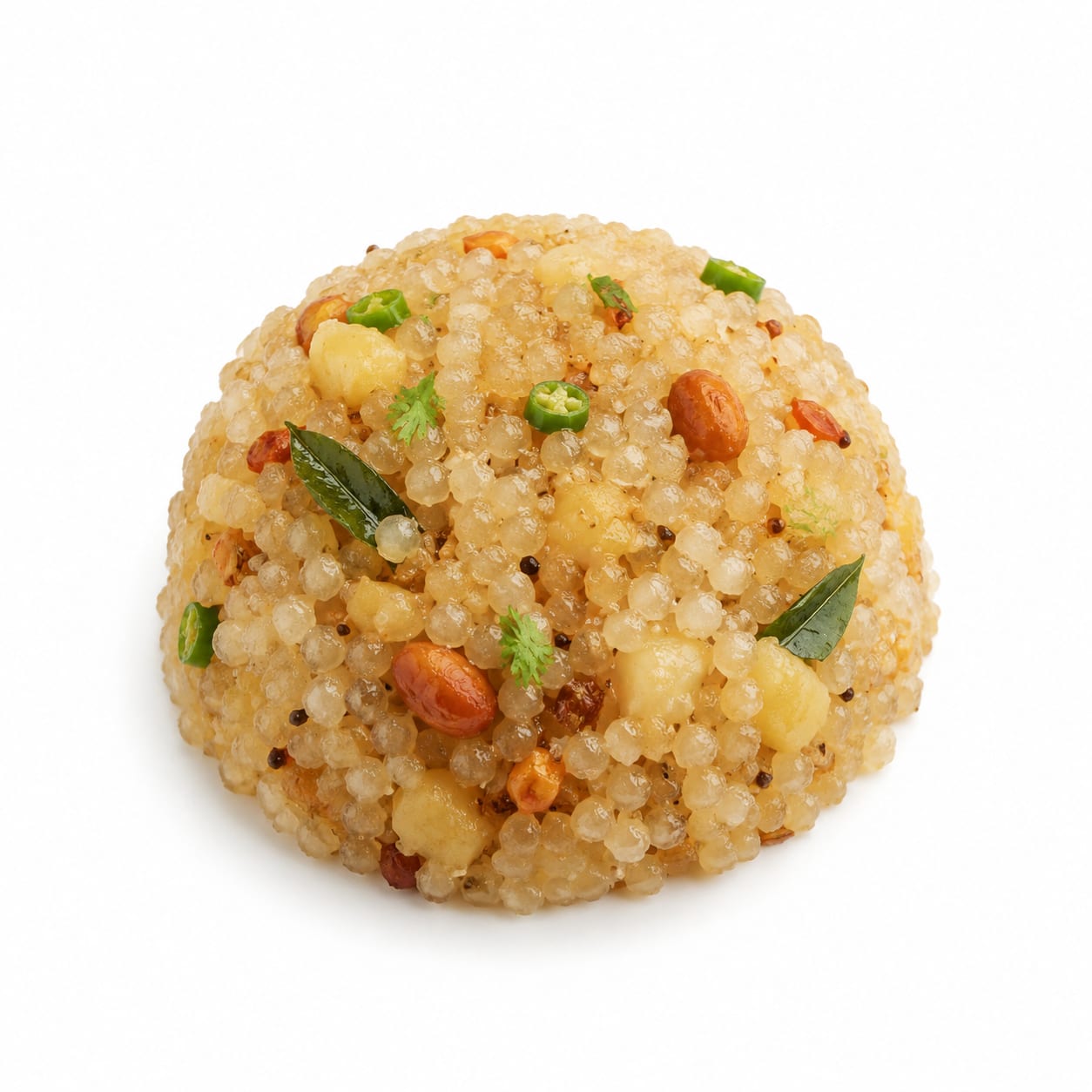
Sago is a pure starch extracted from tropical palm pith, typically sold as pearls and used as a high-carb thickener or base in cooking.
Sago is a starch extracted from the pith of various tropical palm stems, predominantly the sago palm, and is commonly processed into small pearls used in puddings and savory dishes.
fast-digesting pure carbohydrate source
Typical serving · 40g
Common varieties · white sago pearls, mini sago pearls, sago flour, brown sago
Overall context score across nutrition, safety, and diet fit
The story
What makes it unique
Sago is almost pure carbohydrate (starch) with minimal protein, fat, or fiber. It digests rapidly, leading to quick glucose absorption and a high glycemic response. Satiety is low due to the lack of fiber and protein. Processing involves extracting, washing, and forming starch into pearls.
Varieties: white sago pearls · mini sago pearls · sago flour · brown sago
Per 100g
Nutrition breakdown
Macro balance and key metrics at a glance.
Energy
Density 3.32 kcal/g
Protein
Carbs
Fat
Fiber
Sugar
0.2 g
Sodium
2 mg
Potassium
11 mg
Glycemic index
78
Glycemic load
65
Water content
12%
Standout compounds
Nutrient highlights
Carbohydrates
highRapid energy supply
Calcium
lowMinor contribution to bone health
Iron
lowTrace mineral for oxygen transport
Wellness map
Health scores & processing
NOVA processing scale
Processed · Whole food
Sago undergoes significant processing to extract starch from the palm pith, wash it, and form it into commercial pearls, though it contains no artificial additives.
Diet compatibility
- Weight loss
- Muscle gain
- Diabetes
- Gut health
- Low carb
- High protein
- Heart health
Relative standing
Food rankings
Qualitative ranks compared to similar whole foods.
- Satietypoor
- Blood sugarpoor
- Nutrient densitypoor
- Fitness fuelgood
- Processing qualitymoderate
Eat with confidence
Food safety profile
Commercially produced sago is generally safe. Raw sago starch can harbor microbes if not properly processed, but cooking eliminates this risk.
Evidence confidence 85%
- Pesticideslow
- Antibioticslow
- Heavy metalslow
- Contaminationlow
Watch for
- microbial contaminants from improper drying
Safer choices
Organic or certified brands ensure better processing standards
Prep tips
Rinse thoroughly before cooking to remove excess surface starch and prevent clumping
None significant
Deep dive
Health analysis
How this food may fit different goals and preparation choices.
Weight loss
Poor choice for weight loss due to high calorie density and lack of satiating fiber or protein.
Blood sugar
Causes rapid blood sugar spikes because it is nearly pure fast-digesting starch, making it unsuitable for diabetics.
Fitness & energy
Provides quick, easily digestible carbohydrates for high-intensity activity, similar to tapioca or white rice.
Gut health
Offers minimal prebiotic benefits or fiber to support a healthy gut microbiome.
Processing quality
Moderately processed extraction of pure starch, lacking the whole-food matrix of the original palm pith.
Food safety
Very safe when commercially prepared and thoroughly cooked.
Common mistakes
Assuming sago is a whole grain or high in nutrients; treating it as a health food rather than a pure energy source.
Best preparation
Boiling or steaming until translucent; soaking beforehand can reduce cooking time and improve texture.
Practical guide
Best use cases
When and how this food fits real eating patterns.
Pre-workout carb loading
Provides rapid glucose availability for high-intensity exercise or endurance events.
Gluten-free thickening agent
Works as a neutral starch to thicken soups, sauces, and puddings without gluten.
Cultural fasting food
Commonly used in Indian fasting diets (Sabudana khichdi) for quick, easily digestible energy.
Balance sheet
Pros & cons
Upsides
- Provides quick, easily digestible energy
- Naturally gluten-free
- Very low in fat and sodium
- Versatile thickener for cooking and baking
Trade-offs
- Very high glycemic index
- Lacks fiber, protein, and essential micronutrients
- Not suitable for weight loss or diabetic diets
- Relatively high in calories for the volume it provides
Fit check
Who is it for?
Great match
- carb-loading before endurance events
- gluten-free baking and thickening
- cultural fasting practices
Consider alternatives
- strict ketogenic diets
- blood sugar management
- weight loss diets
- high-protein diets
Side by side
How it compares
Open the full head-to-head analysis for nutrition, safety, and practical tradeoffs.
This food
Sago
VS95% alike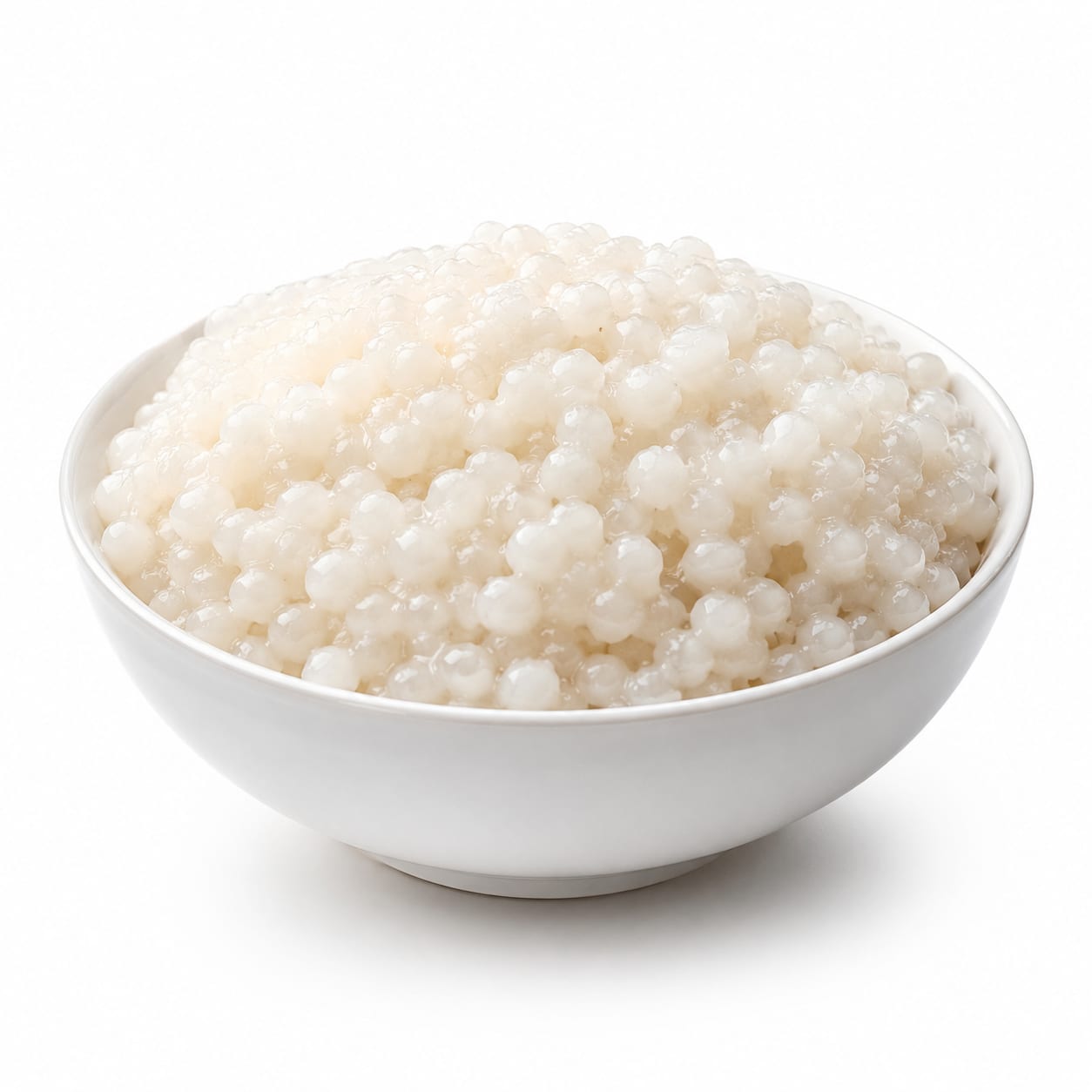
Compare with
Tapioca
Tapioca and sago are nearly identical nutritionally, providing pure carbs with minimal nutrients.
Sago and tapioca are nutritionally equivalent pure starches with similar blood sugar impacts.
This food
Sago
VS85% alike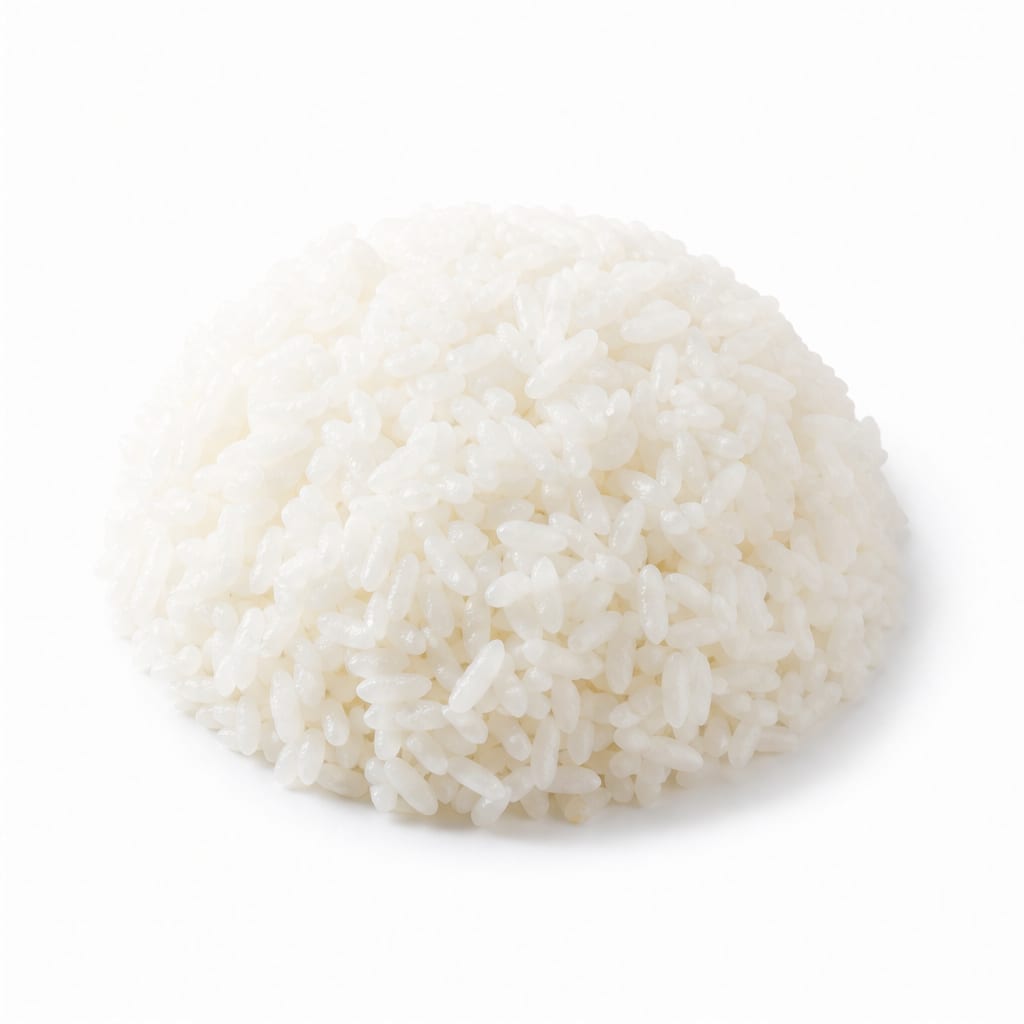
Compare with
White Rice
White rice offers slightly more protein and B vitamins, while sago is pure starch.
White rice is slightly more nutritious than sago, though both spike blood sugar.
This food
Sago
VS40% alike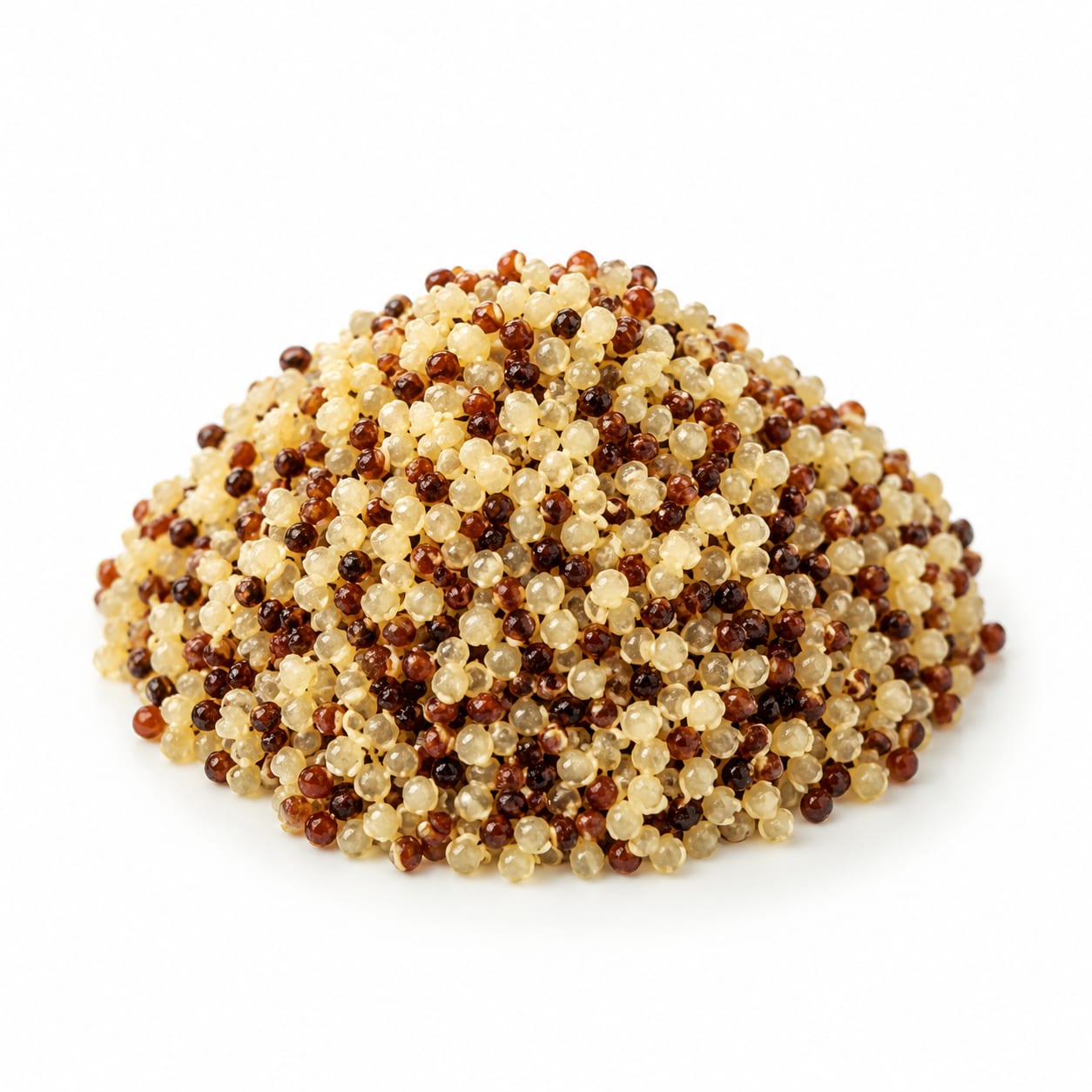
Compare with
Quinoa
Quinoa is a complete protein high in fiber, while sago is empty carbs.
Quinoa vastly outperforms sago in protein, fiber, and blood sugar control.
This food
Sago
VS60% alike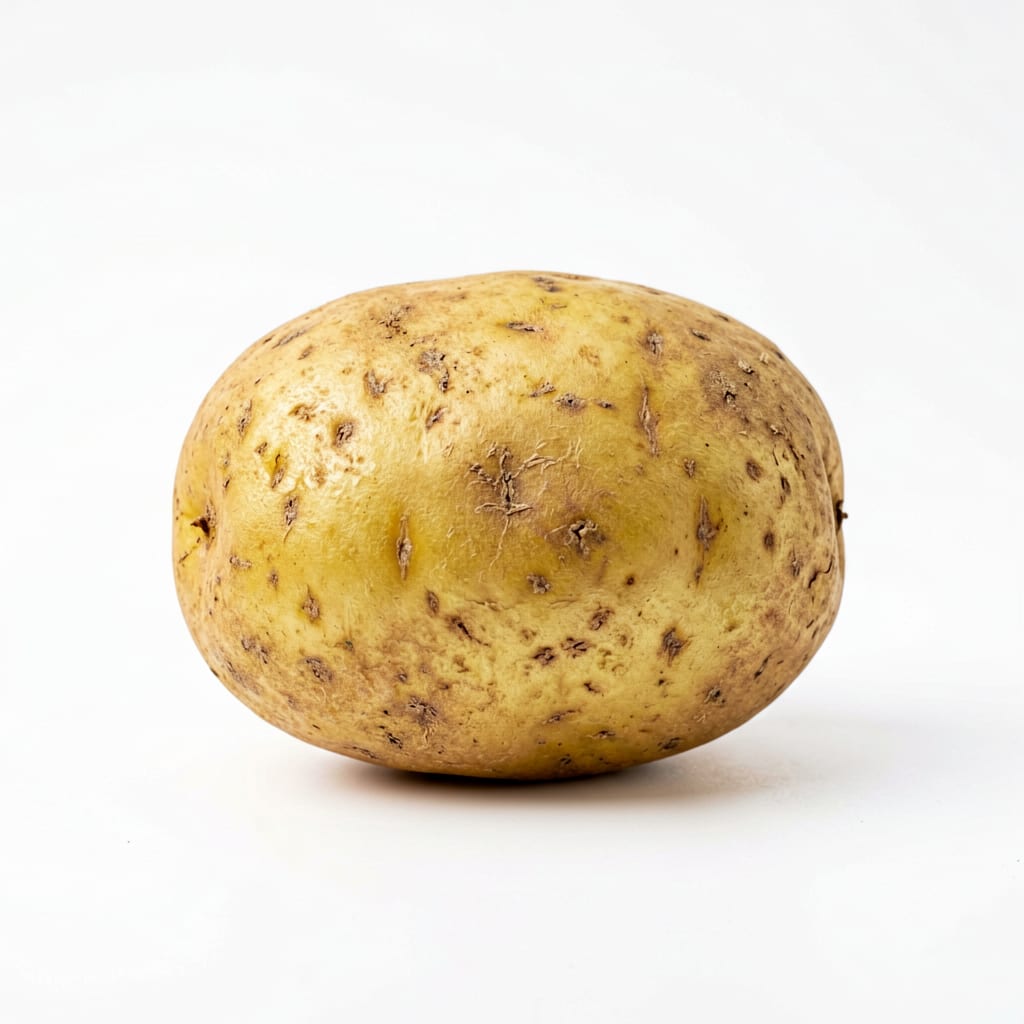
Compare with
Potato
Potatoes provide potassium, vitamin C, and more satiety than sago.
Potatoes offer more nutrients and satiety per calorie compared to sago.
This food
Sago
VS90% alike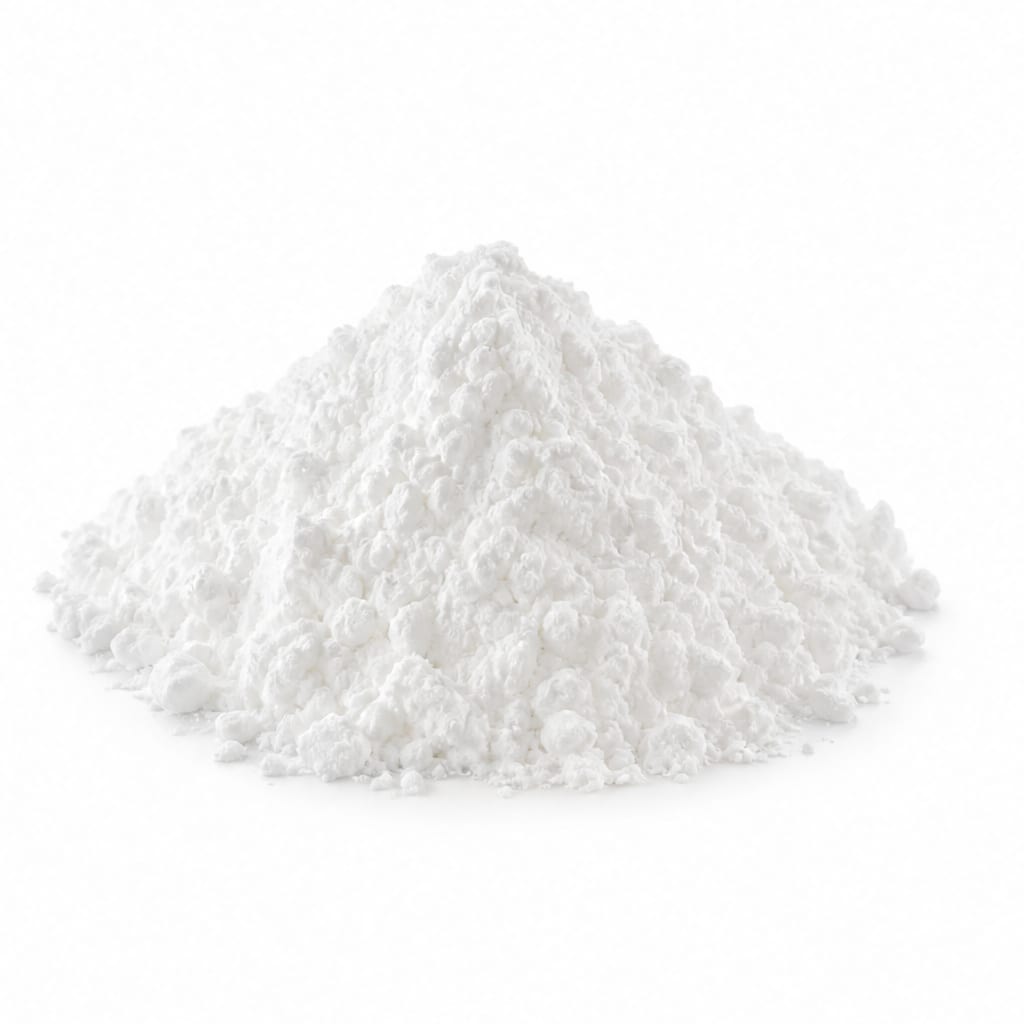
Compare with
Cornstarch
Cornstarch and sago are functionally similar in cooking, both lacking nutritional value.
Cornstarch and sago are both pure starches with minimal nutritional differences.
This food
Sago
VS85% alike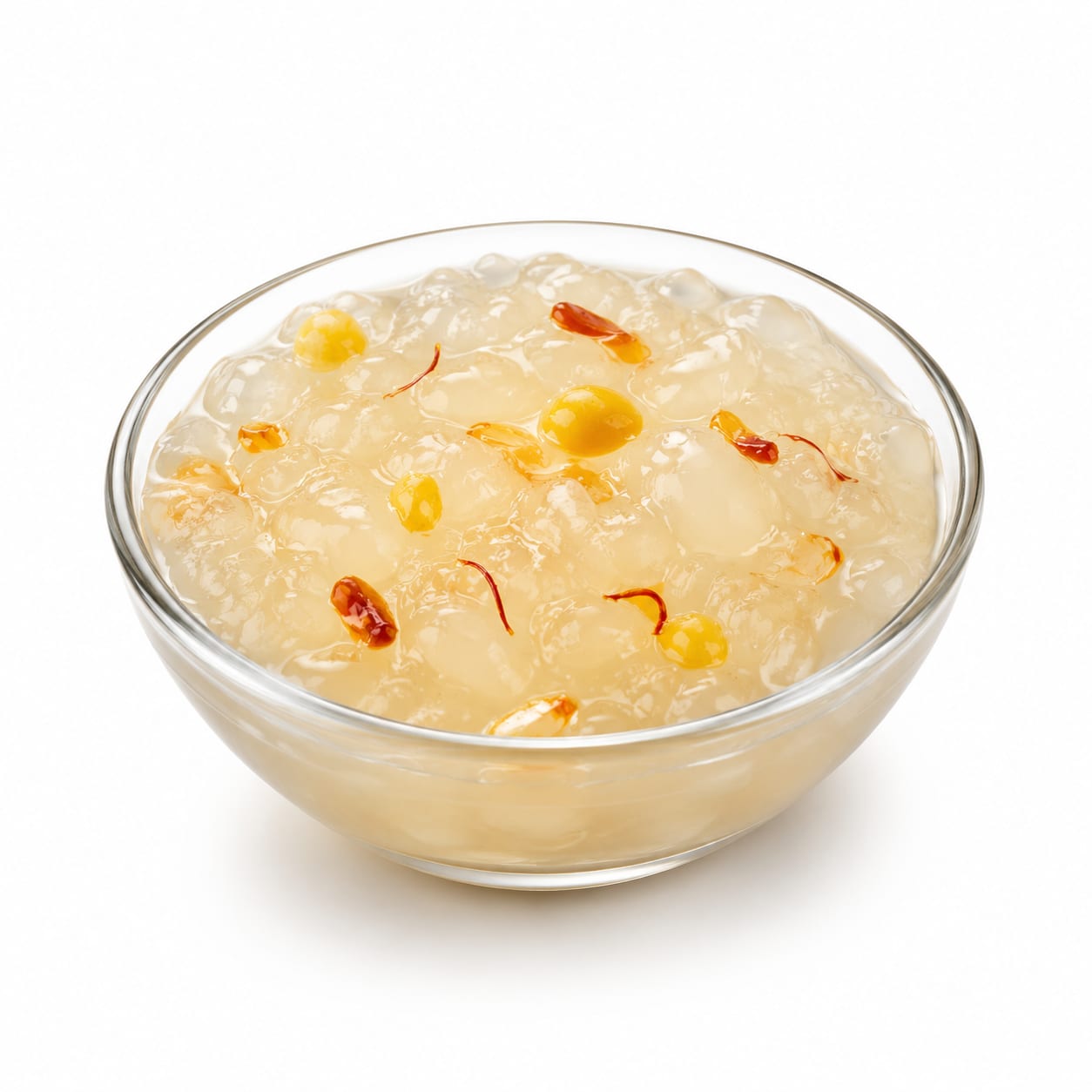
Compare with
Arrowroot
Arrowroot is easier to digest and has slightly more fiber than sago.
Arrowroot is slightly easier to digest and more nutritious than sago.
This food
Sago
VS35% alike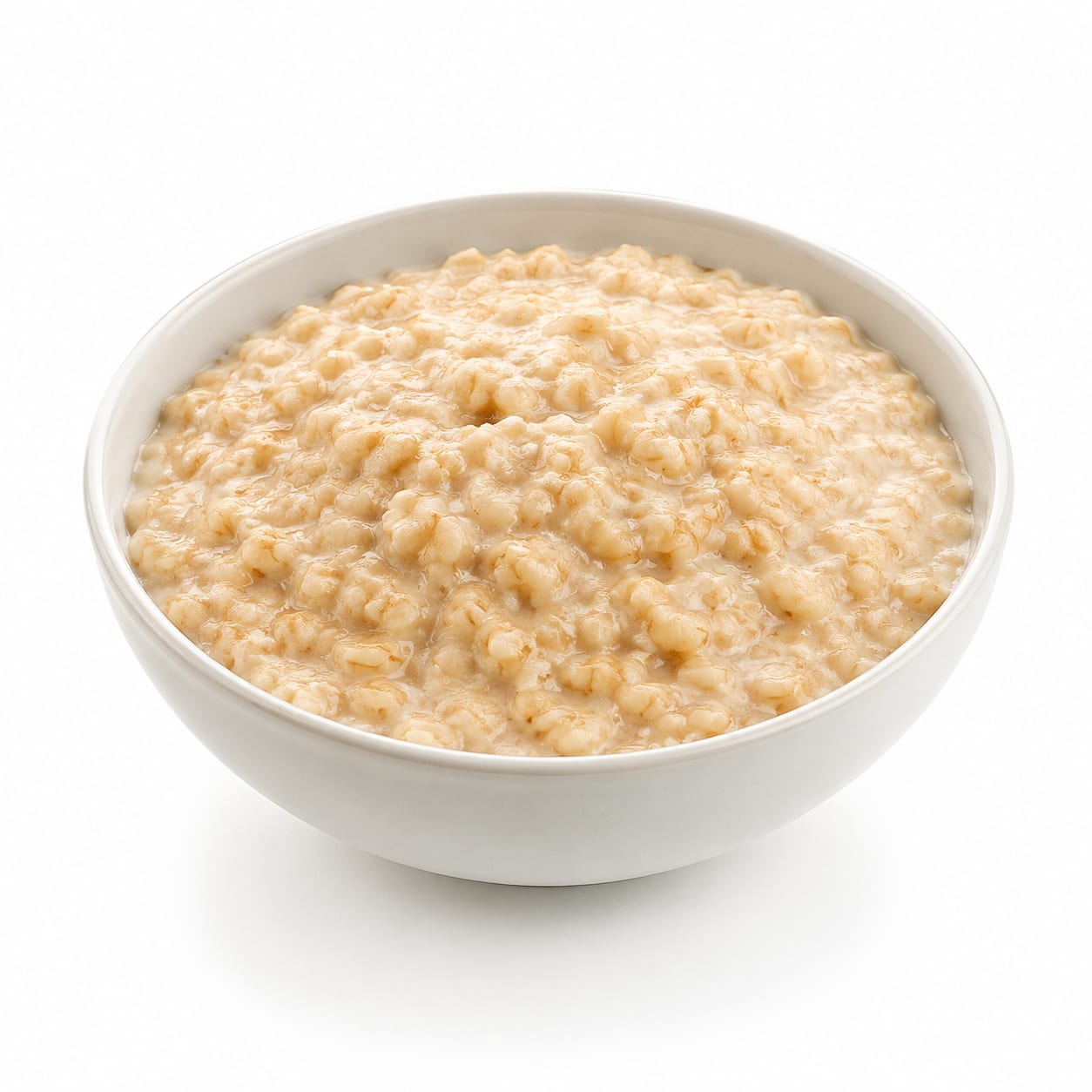
Compare with
Oats
Oats are high in fiber and protein, promoting satiety, while sago is pure starch.
Oats are far superior for satiety, blood sugar, and overall nutrition compared to sago.
This food
Sago
VS50% alike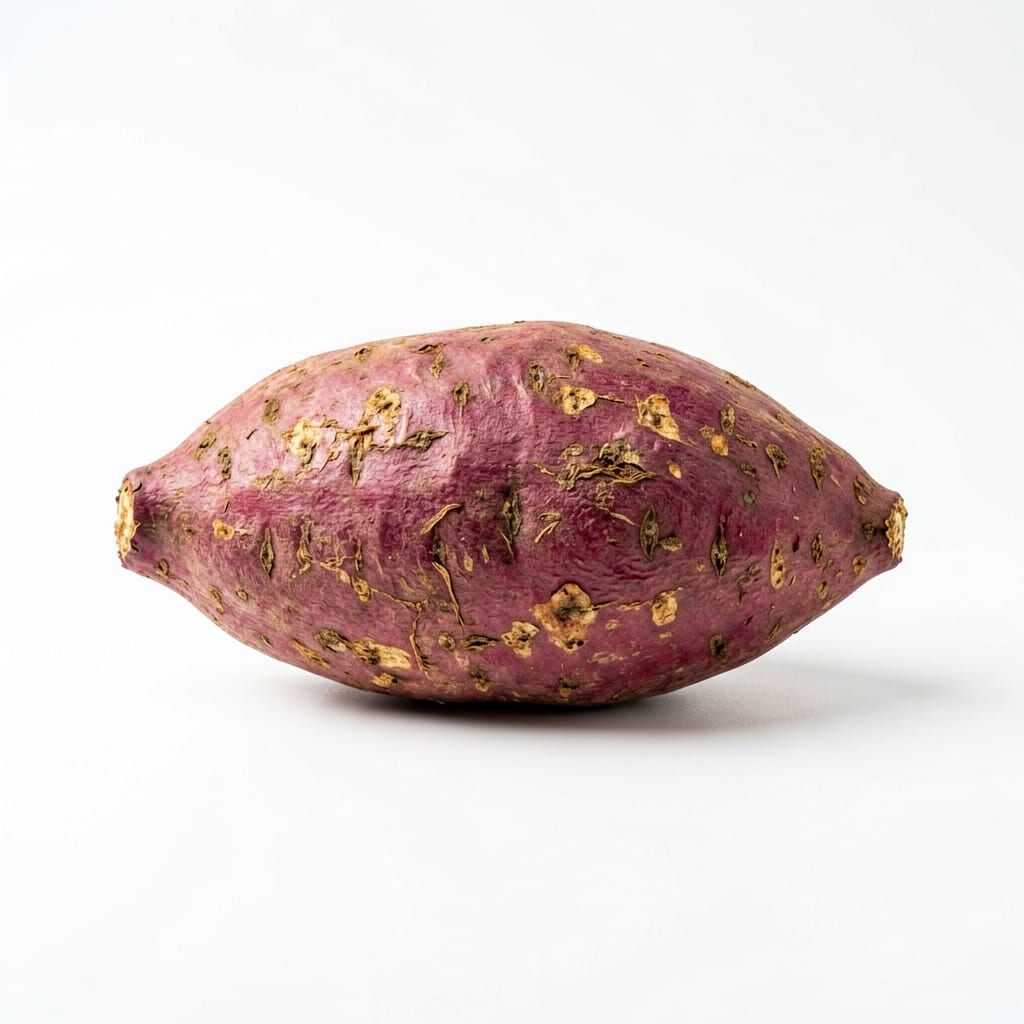
Compare with
Sweet Potato
Sweet potatoes are rich in vitamins and fiber, whereas sago is nutrient-poor.
Sweet potatoes provide significantly more vitamins and fiber than sago.
This food
Sago
VS60% alike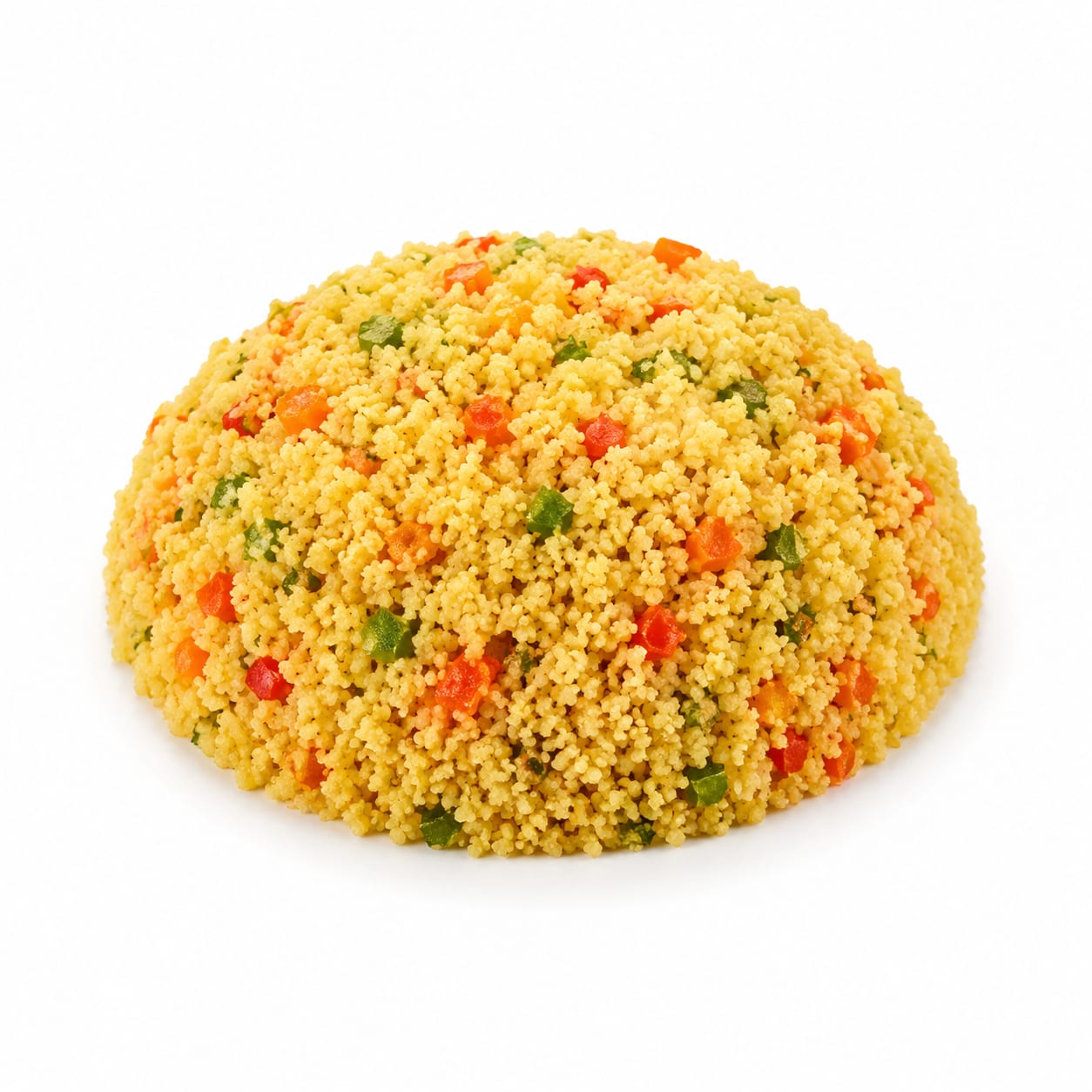
Compare with
Couscous
Couscous has more protein and selenium, while sago is gluten-free.
Couscous offers more protein and nutrients, but sago is a safer choice for gluten intolerance.
This food
Sago
VS45% alike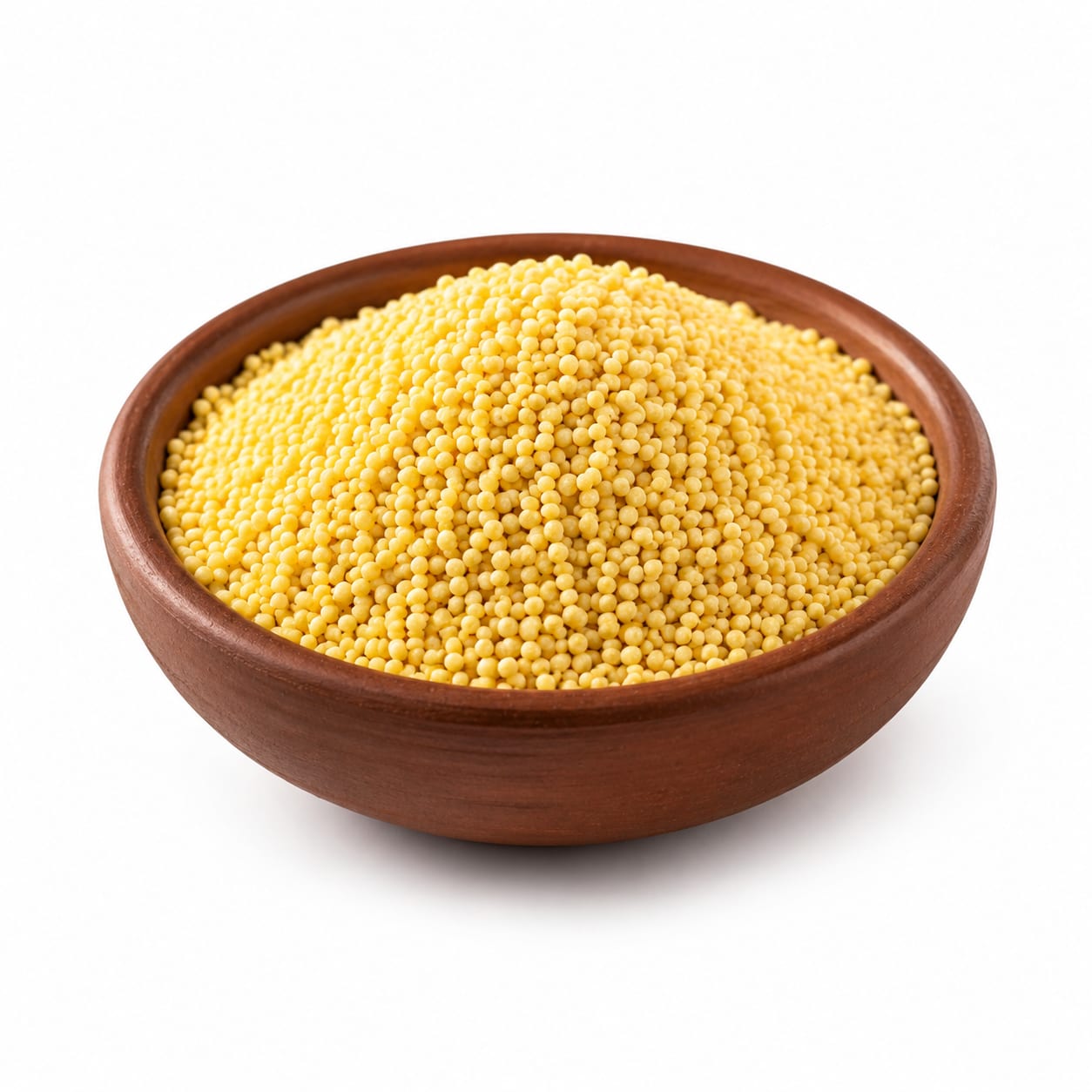
Compare with
Millet
Millet is a whole grain rich in minerals and fiber, unlike refined sago.
Millet provides whole-grain nutrition and fiber, making it much healthier than sago.
Common questions
FAQ
Answers aligned with how people search for this food.
Is sago good for weight loss?
No, it is high in calories and carbs with almost no fiber, making it easy to overeat and poor for weight loss.
Can diabetics eat sago?
It is not recommended as it digests rapidly and causes significant blood sugar spikes due to its high glycemic index.
Is sago the same as tapioca?
No, sago comes from palm stems while tapioca comes from cassava roots, though both are pure starches used similarly in cooking.
What is sago made of?
It is pure starch extracted from the spongy center (pith) of the sago palm tree.
Is sabudana healthy?
Sabudana (sago) is a good source of quick energy but lacks protein, fiber, and vitamins, making it a carb source rather than a nutrient-dense food.
Does sago spike blood sugar?
Yes, sago has a high glycemic index and load, leading to rapid increases in blood sugar levels.
Is sago keto-friendly?
No, sago is almost entirely carbohydrates and is completely incompatible with a ketogenic diet.
Why do people eat sago during fasting?
It provides quick, easily digestible energy and is traditionally considered a pure, non-stimulating food in certain cultural fasts.
Transparency
Data confidence
Estimated confidence for nutrition data, interpretation, safety notes, and comparisons.
Nutrition data
Health analysis
Food safety
Comparisons