
Nutrition comparison
Sago vs Tapioca: Which Starch Is Better for You?
Compare sago and tapioca nutrition, safety, and cooking uses. Learn the key differences between these two popular starches and which one fits your needs better.
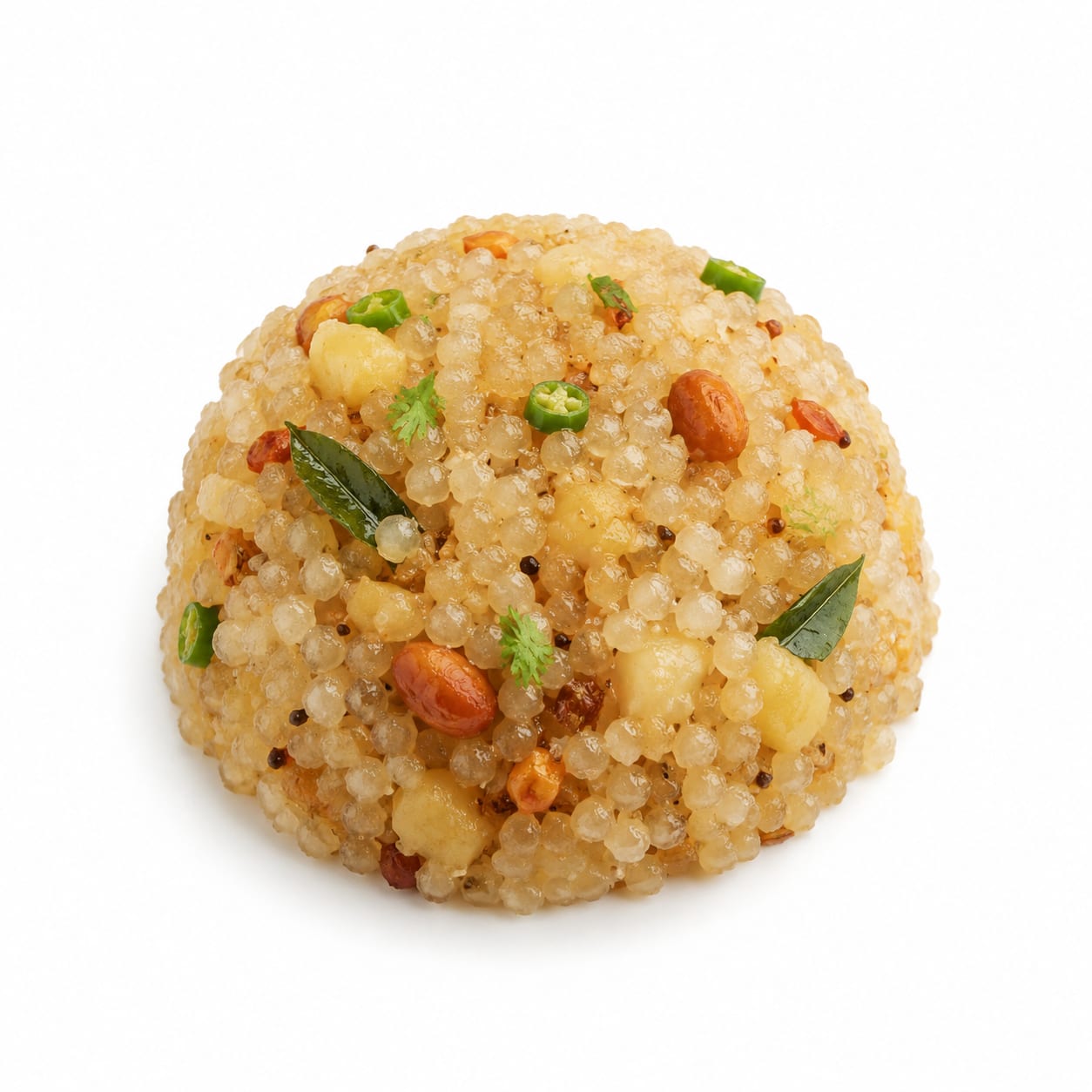
Sago
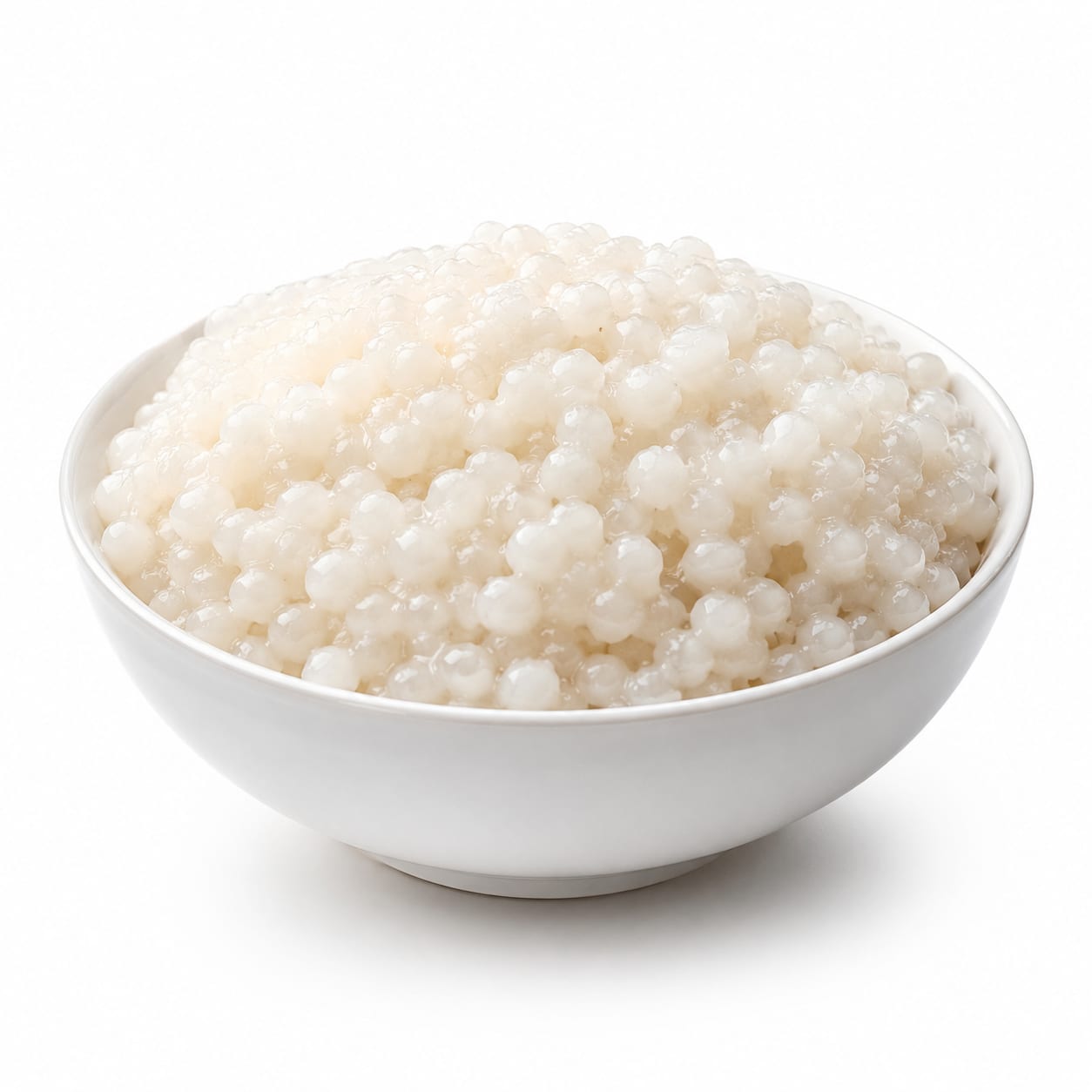
Tapioca
Neither sago nor tapioca is a nutritional powerhouse — both are essentially pure starch with minimal protein, fiber, or vitamins.
Both score low because they are nearly empty-calorie starches. Tapioca edges ahead slightly due to wider availability, more consistent safety processing, and greater recipe versatility. The gap is small because neither offers meaningful nutrition.
Sago may have slightly more trace minerals from its palm source, but tapioca is far more accessible and consistently processed for safety worldwide.
At a glance
Executive summary
Overall
It depends
Healthier
It depends
More practical
Tapioca
Daily use
Tapioca
Key comparison lenses
nutritional value comparison
Both are nearly pure starch with minimal protein, fiber, or micronutrients, making nutritional emptiness the central concern
blood sugar impact
Both spike blood sugar rapidly, which is the biggest health tradeoff users need to understand
source and processing transparency
Sago comes from palm pith, tapioca from cassava root — different plant origins matter for allergies and safety
safety and toxin concerns
Cassava-derived tapioca carries cyanogenic glycoside risk if improperly processed
cooking versatility and availability
Tapioca is far more available globally and used in more recipes, while sago is harder to find outside Southeast Asia
digestive tolerance
Both are gentle on digestion but in different ways — relevant for sensitive stomachs
Best choice for
Sago
- Traditional Southeast Asian recipes where sago is authentic
- People wanting slightly more iron and calcium trace content
- Those avoiding cassava-family allergens or sensitivities
- Bubble tea enthusiasts seeking the classic chewy pearl texture
Tapioca
- Everyday gluten-free baking and thickening
- People who want reliable availability in any grocery store
- Those seeking a well-established safe processing standard
- Budget-conscious cooks needing an affordable starch
Least suitable for
Sago
- Anyone managing diabetes or blood sugar issues
- People seeking nutrient-dense foods for daily meals
- Those living outside Southeast Asia where sago is hard to find
- Anyone needing a high-protein or high-fiber staple
Tapioca
- Anyone managing diabetes or blood sugar issues
- People seeking nutrient-dense foods for daily meals
- Those with cassava sensitivity or allergy
- Anyone needing a high-protein or high-fiber staple
Deep comparison
Dimension by dimension
Each lens scores both foods and breaks down who each option suits.
- Dimension 1 · Priority 95It depends
blood sugar stability
Sago · 15Tapioca · 15Both cause rapid blood sugar spikes with virtually no fiber or protein to slow absorption.
Tradeoff
Neither is acceptable as a standalone food for anyone monitoring glucose — both behave like eating pure sugar in terms of glycemic response.
Why it matters
Frequent blood sugar spikes from refined starches can lead to energy crashes, increased hunger, and long-term metabolic strain.
Real-world impact
Eating a bowl of sago or tapioca pudding without protein or fat alongside it will likely leave you hungry again within an hour.
Sago
- Diabetics
- Prediabetics
- Anyone with insulin resistance
- People trying to reduce sugar cravings
Worse for
Tapioca
- Diabetics
- Prediabetics
- Anyone with insulin resistance
- People trying to reduce sugar cravings
Worse for
- Dimension 2 · Priority 90Sago
nutritional density
Sago · 25Tapioca · 18Sago retains trace amounts of iron, calcium, and potassium from palm pith, while tapioca is almost entirely stripped of minerals during processing.
Tradeoff
The difference is real but small — neither food meaningfully contributes to daily nutrient needs.
Why it matters
Even small mineral contributions add up when a food is eaten regularly, but both foods remain poor nutrient sources overall.
Real-world impact
You would need to eat unrealistic portions of sago to get any significant mineral benefit — it is a marginal advantage, not a meaningful one.
Sago
- People with mild iron deficiency who eat sago regularly
- Those wanting any available trace mineral edge
Better for
- Anyone relying on starch as a calorie staple without other nutrient sources
Worse for
Tapioca
- Anyone relying on starch as a calorie staple without other nutrient sources
Worse for
- Dimension 3 · Priority 85Tapioca
safety_and_toxin_risk
Sago · 60Tapioca · 75Tapioca from reputable producers is reliably processed to remove cyanogenic compounds from cassava, while sago production varies more in quality control.
Tradeoff
Commercially sold tapioca in developed markets undergoes standardized processing, but improperly processed cassava products can still contain dangerous cyanide precursors.
Why it matters
Cassava naturally contains cyanogenic glycosides that must be removed through proper processing — this is a real safety concern in informal or artisanal production.
Real-world impact
Buying tapioca from a regulated grocery store is safe. Buying unverified cassava products from informal markets can be genuinely dangerous.
Sago
- People with cassava allergy or sensitivity
- Those who want to avoid cassava-family plants entirely
Better for
- People buying unverified sago from informal sources with unknown processing standards
Worse for
Tapioca
- Consumers buying from regulated markets with standardized processing
- Those who value consistent safety testing
Better for
- People consuming unprocessed or improperly prepared cassava products
- Those buying from unregulated informal markets
Worse for
- Dimension 4 · Priority 75Tapioca
availability_and_convenience
Sago · 30Tapioca · 85Tapioca is available in nearly every grocery store worldwide in multiple forms — pearls, flour, flakes. Sago is much harder to find outside Southeast Asia.
Tradeoff
If you live in a region with Southeast Asian markets, sago is accessible. Otherwise, tapioca is dramatically easier to find.
Why it matters
A food you can actually buy is always more practical than one you cannot, regardless of theoretical nutritional differences.
Real-world impact
Most people reading this comparison can find tapioca at their local store today. Finding sago likely requires a specialty trip or online order.
Sago
- People living in Southeast Asia or near specialty markets
- Cooks specifically seeking sago for traditional recipes
Better for
- Rural shoppers
- Those without access to Asian grocery stores
- Anyone who wants to cook tonight without specialty shopping
Worse for
Tapioca
- Most consumers worldwide
- Home cooks wanting easy access to a versatile starch
- Anyone who values convenience
Better for
- Dimension 5 · Priority 65It depends
digestive_tolerance
Sago · 70Tapioca · 72Both are extremely easy to digest and commonly recommended for people recovering from illness or with sensitive stomachs.
Tradeoff
Tapioca is slightly more commonly recommended in clinical settings for digestive recovery, but both are gentle and well-tolerated.
Why it matters
When your stomach is upset or you are recovering from illness, easily digestible starches can provide comfort calories without irritation.
Real-world impact
Both work well as bland, soothing foods during stomach recovery — tapioca pudding and sago porridge are traditional comfort foods for this reason.
Sago
- People recovering from illness who prefer sago porridge texture
- Those with specific cassava sensitivity
Better for
Tapioca
- Most people recovering from digestive illness
- Those following BRAT-style recovery diets
- Anyone wanting a gentle, widely recommended bland food
Better for
- Dimension 6 · Priority 60Tapioca
cooking_versatility
Sago · 40Tapioca · 78Tapioca flour works as a gluten-free thickener, baking binder, and pudding base. Sago is more limited to porridges and pearl-based desserts.
Tradeoff
Tapioca integrates into far more recipes across cuisines, while sago is more niche and culturally specific in its applications.
Why it matters
A more versatile ingredient gets used more often and reduces waste, making it more practical for everyday cooking.
Real-world impact
Tapioca flour can thicken gravies, bind gluten-free baked goods, and make puddings. Sago pearls mainly work in desserts and porridges.
Sago
- Cooks making traditional Southeast Asian kuih and desserts
- Those specifically wanting the unique chewy sago pearl texture
Better for
- Those wanting a multi-purpose kitchen starch
- People unfamiliar with sago-specific recipes
Worse for
Tapioca
- Gluten-free bakers needing a reliable flour
- Home cooks thickening soups, sauces, and pies
- Anyone wanting one starch that handles multiple kitchen roles
Better for
Timeline
Health impact over time
Short-term
Hours to days
Sago
- Quick energy from easily digested carbohydrates
- Rapid blood sugar spike followed by potential energy crash
- Light, easy-to-digest feeling in the stomach
- Satiety that fades quickly due to zero fiber or protein
Tapioca
- Quick energy from easily digested carbohydrates
- Rapid blood sugar spike followed by potential energy crash
- Light, easy-to-digest feeling in the stomach
- Satiety that fades quickly due to zero fiber or protein
Long-term
Months to years
Sago
- Potential weight gain if eaten frequently without portion control
- No meaningful contribution to micronutrient status
- Possible benefit from trace iron and calcium if eaten regularly in traditional diets
- Blood sugar management concerns with habitual consumption
Tapioca
- Potential weight gain if eaten frequently without portion control
- No meaningful contribution to micronutrient status
- Reliable safety record when sourced from regulated producers
- Blood sugar management concerns with habitual consumption
Risk profile
Safety & processing
Both sago and tapioca require significant processing to extract starch from their plant sources — sago from palm pith and tapioca from cassava root. Neither typically contains artificial additives in its pure form, but both are far from whole foods. Commercial tapioca pearls sometimes contain added preservatives or colorings, so check labels.
Sago
Variable processing quality
mediumSago production is less standardized globally, meaning quality and purity can vary significantly between sources.
Mislabeling and adulteration
mediumSome products sold as sago are actually tapioca pearls, making it hard to know what you are really eating.
Tapioca
Cyanogenic glycosides from cassava
mediumCassava naturally contains compounds that can produce cyanide. Proper processing removes them, but unverified sources may carry residual risk.
Allergic reactions in cassava-sensitive individuals
lowThough rare, some people have genuine cassava allergies that would make tapioca unsafe for them.
Who wins for whom
Audience fit
Same foods, different winners depending on your goal.
children
TapiocaTapioca is more widely recognized as safe in pediatric settings, commonly used in baby foods and children's puddings with established safety standards.
daily consumption
TapiocaTapioca's wider availability, more consistent processing, and greater recipe versatility make it more practical for regular use — though neither should be a daily dietary staple.
diabetes
It dependsNeither is appropriate for regular consumption by diabetics. Both cause sharp blood sugar spikes with no fiber buffer.
elderly
TapiocaTapioca's soft texture when cooked and established digestive tolerance make it a more common recommendation for elderly nutrition support.
muscle gain
It dependsNeither provides protein. Both can supply quick carbs post-workout, but only as a calorie source alongside actual protein-rich foods.
weight loss
It dependsNeither supports weight loss — both are calorie-dense refined starches with no satiety fiber. If forced to choose, tapioca flour allows better portion control in recipes.
Your move
Decision guide
Choose Sago
- You are cooking traditional Southeast Asian recipes that specifically call for sago
- You have a cassava sensitivity and want to avoid tapioca entirely
- You can access high-quality sago from trusted sources
- You prefer the specific chewy texture of sago pearls in desserts
Choose Tapioca
- You want a versatile gluten-free starch for baking and thickening
- You value easy availability at any grocery store
- You are making tapioca pudding, bubble tea, or other common recipes
- You want a product with more consistent safety processing standards
- You are on a budget and need an affordable starch option
Either works if
- You just need quick calories from a bland, easily digestible starch
- You are recovering from illness and need gentle comfort food
- You are adding a starch thickener to a dish that already has protein and fiber
- You want a gluten-free alternative to wheat-based thickeners
Avoid both if
- You are managing diabetes or insulin resistance
- You are trying to lose weight and reduce refined carbohydrate intake
- You need nutrient-dense foods to meet daily vitamin and mineral requirements
- You are looking for a high-fiber or high-protein food source
Final recommendation
For most people, tapioca is the more practical choice due to availability, versatility, and consistent safety processing. However, the real takeaway is that neither sago nor tapioca should be a dietary staple — both are refined starches best enjoyed occasionally as treats or cultural foods, paired with protein and fiber to reduce blood sugar impact. If you choose either one regularly, make sure the rest of your diet is nutrient-rich to compensate.
Practical
Consumer tips
- 1
Always pair sago or tapioca with protein and healthy fats to slow blood sugar absorption — try coconut milk, nuts, or eggs alongside
- 2
Check labels on commercial tapioca pearls for added preservatives, artificial colors, or sulfites
- 3
If buying sago, verify the source is reputable since quality control varies more than with tapioca
- 4
Use tapioca flour as a thickener in soups and gravies as a gluten-free alternative to wheat flour
- 5
Both foods work best as occasional treats or cultural dishes, not daily nutrition sources
- 6
For a more nutritious pudding, add chia seeds, ground flax, or protein powder to tapioca or sago recipes
- 7
If you have blood sugar concerns, consider lower-glycemic alternatives like chia pudding or oat-based desserts instead