
Nutrition comparison
Sago vs Arrowroot: Which Starch Is Better for Digestion, Cooking, and Health?
Compare sago and arrowroot starch side by side. Learn which is easier to digest, better for thickening sauces, safer for infants, and more suitable for blood sugar management.
Overall winner · Arrowroot
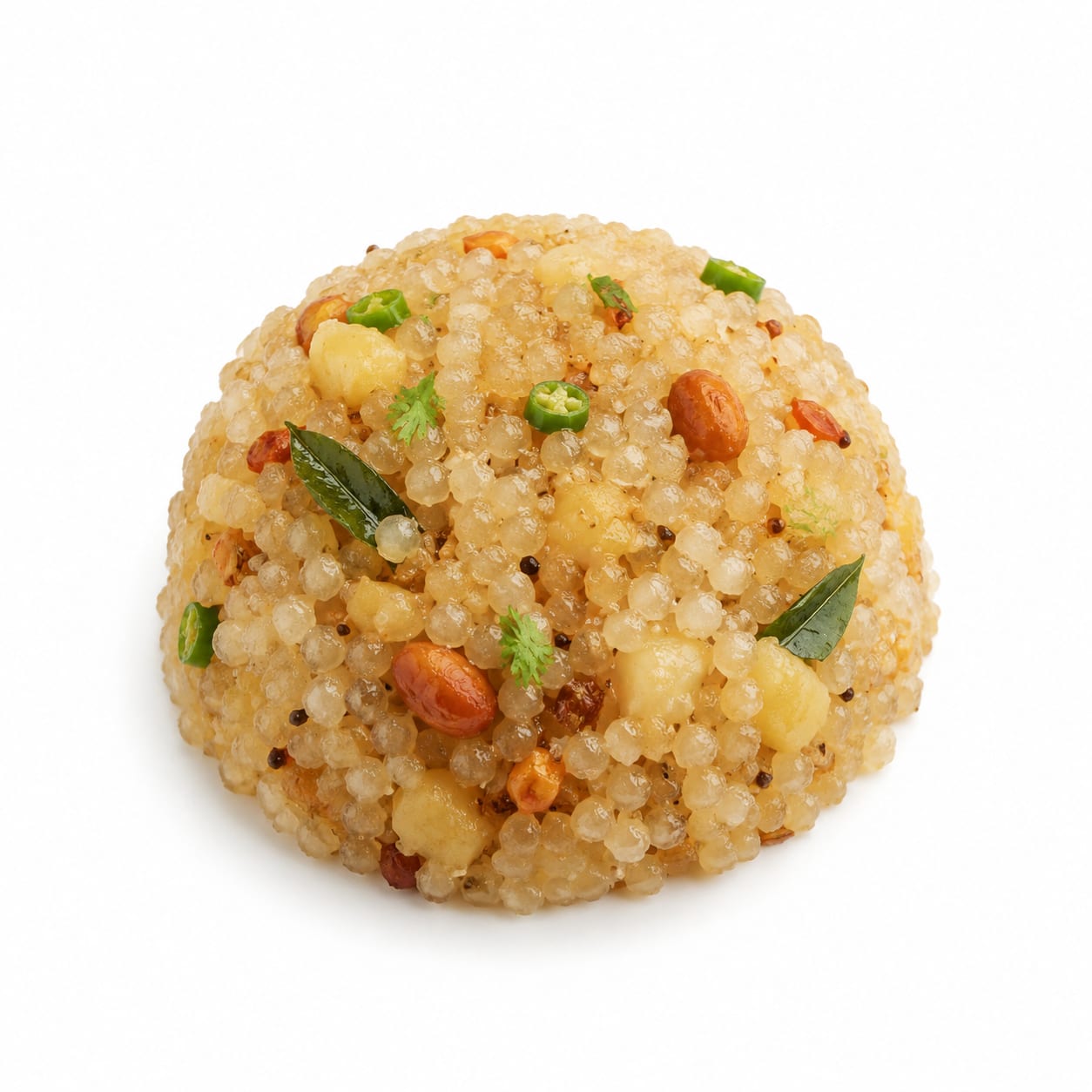
Sago
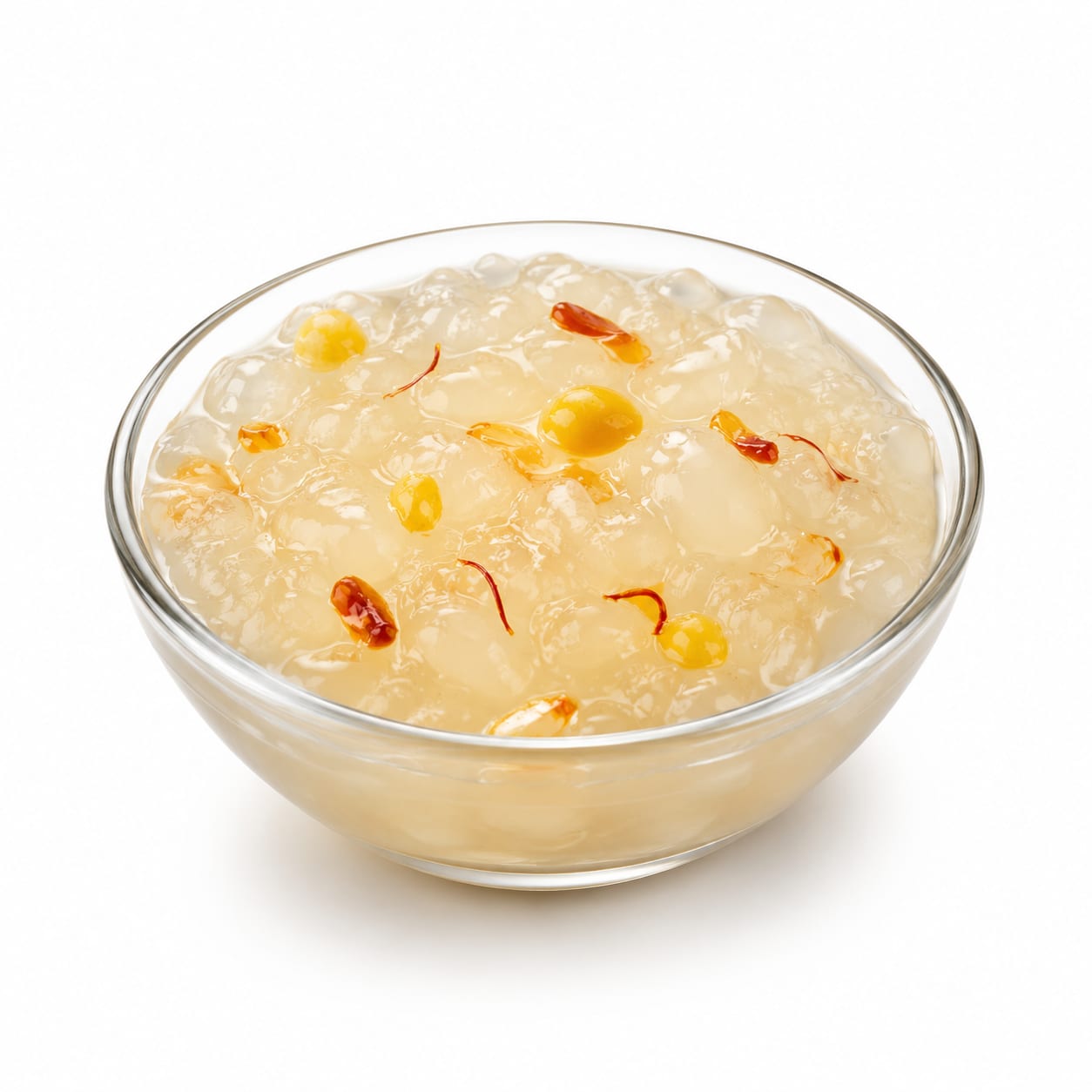
Arrowroot
Arrowroot is the more versatile and gentler option, winning on digestibility and culinary performance, while sago offers a denser, more traditional eating experience in specific cultural dishes.
Arrowroot scores moderately higher due to better digestibility, cleaner thickening performance, and slightly more favorable nutrient profile. Both foods are limited by being nearly pure starch with minimal protein, fiber, or micronutrients, which caps both scores well below nutrient-dense whole foods.
Sago provides a heartier, more filling texture in puddings and traditional recipes, but arrowroot digests easier, thickens more cleanly, and carries slightly more micronutrients per serving.
At a glance
Executive summary
Overall
Arrowroot
Healthier
Arrowroot
More practical
Arrowroot
Daily use
Arrowroot
Key comparison lenses
digestive tolerance
Both are starch-based thickeners often chosen by people with sensitive stomachs, making digestibility the primary decision factor
blood sugar management
Both are nearly pure carbohydrate with high glycemic potential, so understanding their glucose impact is critical
nutritional value comparison
Neither food is nutrient-dense, but users want to know which offers marginally more benefit per calorie
culinary thickening performance
Both are commonly used as starch thickeners, and their cooking behavior differs meaningfully
allergen and sensitivity safety
Arrowroot is frequently recommended for elimination diets and infant feeding, while sago is less studied for allergen safety
Best choice for
Sago
- People following Southeast Asian or Pacific Island traditional diets
- Those wanting a denser, more satisfying pudding or dessert base
- Individuals needing high-calorie starch for weight gain or recovery
- Cultural or religious fasting practices where sago is traditional
Arrowroot
- People with sensitive digestion or recovering from illness
- Parents introducing starches to infants or toddlers
- Home cooks needing a reliable, clear-setting thickener
- Anyone managing blood sugar who wants the gentler glycemic option
Least suitable for
Sago
- People with diabetes or insulin resistance due to rapid blood sugar spike
- Those seeking nutrient-dense foods — sago is essentially empty carbs
- Anyone with gluten-like sensitivity symptoms from processed starches
Arrowroot
- Those needing calorie-dense, filling staples — arrowroot is very light
- People looking for significant protein or fiber from their starch source
- Traditional recipes that specifically require sago's unique pearl texture
Deep comparison
Dimension by dimension
Each lens scores both foods and breaks down who each option suits.
- Dimension 1 · Priority 95Arrowroot
Digestive Tolerance
Sago · 45Arrowroot · 88Arrowroot is widely recognized as one of the easiest starches to digest, often recommended for infants, the elderly, and people recovering from gastrointestinal illness.
Tradeoff
Sago can feel heavier and sit in the stomach longer, which may be uncomfortable for sensitive digesters but more satisfying for those wanting fullness.
Why it matters
If you are choosing between these two, there is a good chance digestion is a concern. Arrowroot's reputation as a gentle, soothing starch is well-earned and clinically observed.
Real-world impact
After a stomach bug, arrowroot-based porridge or gruel is far less likely to cause bloating or discomfort than sago pearls, which can feel gummy and slow to digest.
Sago
- Those who want a starch that feels substantial and stays with them longer
Better for
- Acid reflux sufferers — heavy starch can worsen symptoms
- Post-illness recovery when the gut needs gentleness
Worse for
Arrowroot
- Infants transitioning to solid foods
- People recovering from vomiting or diarrhea
- Anyone with IBS or sensitive digestion
Better for
- Those who find very light foods unsatisfying and end up overeating later
Worse for
- Dimension 2 · Priority 88Arrowroot
Blood Sugar Impact
Sago · 25Arrowroot · 40Both foods are high-glycemic starches that spike blood sugar, but arrowroot has a marginally lower glycemic effect and contains small amounts of fiber that sago lacks.
Tradeoff
Neither is a good choice for blood sugar control. The difference is real but modest — arrowroot is slightly less aggressive, while sago hits faster and harder.
Why it matters
For anyone with diabetes, prediabetes, or energy crash issues, both foods require careful portioning and pairing with protein or fat to blunt the glucose response.
Real-world impact
A sago pudding on its own will spike your blood sugar and leave you hungry again within 90 minutes. Arrowroot thickened soup has a slightly gentler curve but still needs protein pairing.
Sago
- Endurance athletes who actually need rapid glucose replenishment
Better for
- Diabetics — sago's rapid digestion creates sharp glucose spikes
- Anyone prone to afternoon energy crashes
Worse for
Arrowroot
- Those trying to pick the lesser of two high-glycemic options
- People who pair starches with protein and want a slightly easier glucose load
Better for
- Still risky for blood sugar management — the advantage is marginal, not meaningful
Worse for
- Dimension 3 · Priority 75Arrowroot
Nutritional Density
Sago · 15Arrowroot · 30Arrowroot contains modest amounts of potassium, iron, and B vitamins that sago essentially lacks. Neither is a meaningful nutrient source.
Tradeoff
Arrowroot offers trace minerals that give it a slight edge, but realistically, you would need to eat impractical quantities to get meaningful nutrition from either.
Why it matters
If you are choosing a starch staple, knowing that one at least contributes small amounts of potassium and iron matters for cumulative daily intake.
Real-world impact
Using arrowroot as a thickener a few times a week adds small amounts of potassium to your diet. Sago contributes almost nothing beyond calories.
Sago
- Not applicable — sago is one of the least nutrient-dense starches available
Better for
- Anyone at risk of micronutrient deficiency relying on starch as a staple
Worse for
Arrowroot
- Those who want even trace nutritional value from their thickener
- Potassium-conscious individuals seeking small dietary contributions
Better for
- People who might overestimate the nutritional benefit — it is still minimal
Worse for
- Dimension 4 · Priority 70Arrowroot
Culinary Versatility and Thickening Performance
Sago · 40Arrowroot · 82Arrowroot produces a clearer, glossier finish and thickens at lower temperatures, making it superior for sauces, gravies, and fruit pies. Sago is limited to puddings and bubble tea applications.
Tradeoff
Sago delivers a unique chewy pearl texture that arrowroot cannot replicate, but this texture is desirable in far fewer recipes than arrowroot's clean thickening.
Why it matters
If you are buying a starch for general kitchen use, arrowroot handles far more cooking tasks. Sago is a specialty ingredient, not an all-purpose one.
Real-world impact
Arrowroot smoothly thickens a berry pie filling without clouding the color. Sago pearls turn the same pie into something gummy and odd. But for tapioca-style pudding, only sago works.
Sago
- Making traditional sago pudding, kheer, or Southeast Asian desserts
- Bubble tea or drinks requiring chewy pearl texture
Better for
- Acidic sauces — sago breaks down and gets stringy
- Dairy-free recipes where sago's texture becomes unpredictable
Worse for
Arrowroot
- Thickening sauces, gravies, and soups with a clear finish
- Fruit pie fillings where you want vibrant color to show through
- Gluten-free baking blends needing a light starch component
Better for
- Any recipe specifically requiring the chewy pearl texture of sago
Worse for
- Dimension 5 · Priority 65Arrowroot
Allergen and Sensitivity Safety
Sago · 50Arrowroot · 85Arrowroot is one of the most hypoallergenic starches available and is frequently used in elimination diets and infant formulas. Sago is generally safe but less studied in sensitive populations.
Tradeoff
Arrowroot has a stronger clinical track record for allergen safety, while sago's safety profile is based more on traditional use than formal testing.
Why it matters
For parents introducing foods to allergic children or adults on strict elimination diets, arrowroot is the starch most dietitians reach for first.
Real-world impact
A pediatrician is far more likely to recommend arrowroot cereal for a sensitive infant than sago, which has less established safety data for that population.
Sago
- Those with confirmed tolerance looking for variety in their starch rotation
Better for
- Introduction to highly allergic children without prior testing
Worse for
Arrowroot
- Infants and toddlers with unknown allergy profiles
- People on elimination diets needing a safe starch
- Anyone with multiple food sensitivities seeking a low-reactivity option
Better for
- Rare cases of arrowroot allergy, though extremely uncommon
Worse for
Timeline
Health impact over time
Short-term
Hours to days
Sago
- Rapid blood sugar spike within 30-60 minutes of consumption
- Heavy, full feeling in the stomach that can be comforting or uncomfortable depending on context
- Quick but short-lasting energy — hunger returns within 1-2 hours
Arrowroot
- More moderate blood sugar rise compared to sago, though still significant
- Light, easy digestion with minimal bloating in most people
- Gentle energy that fades gradually rather than crashing
Long-term
Months to years
Sago
- Regular consumption without protein or fiber pairing may worsen insulin sensitivity over time
- Calorie-dense nature can contribute to weight gain if portions are not managed
- Minimal nutrient contribution means reliance on sago as a staple can crowd out more nutritious foods
Arrowroot
- Slightly better long-term metabolic profile due to marginally lower glycemic impact
- Trace mineral contributions accumulate modestly with regular use
- Still a concentrated starch — regular large portions carry similar metabolic risks as any refined carbohydrate
Risk profile
Safety & processing
Both are extracted starches, but arrowroot undergoes a simpler, more traditional washing and grinding process. Sago processing involves more extensive extraction from palm pith, sometimes with chemical aids to separate starch from fiber. Commercial sago pearls may also contain added starches or fillers not present in pure arrowroot powder.
Sago
Adulteration with cheaper starches
mediumCommercial sago pearls are sometimes cut with tapioca or corn starch, which may be a concern for those with corn allergies or seeking purity.
Cyanogenic compound exposure from improper processing
lowSome sago palm varieties contain natural cyanogenic compounds that are removed during proper processing, but poorly processed sago could retain trace amounts.
Arrowroot
Contamination during harvesting
lowArrowroot rhizomes grow underground and could contact soil contaminants, but washing and processing effectively remove this concern.
Who wins for whom
Audience fit
Same foods, different winners depending on your goal.
children
ArrowrootArrowroot is a traditional weaning food with established safety for infants and toddlers. Its easy digestibility and hypoallergenic profile make it the preferred choice for young children.
daily consumption
ArrowrootArrowroot's versatility as both a thickener and a gentle starch makes it more practical for daily kitchen use, while sago is better reserved for occasional traditional recipes.
diabetes
ArrowrootArrowroot has a marginally lower glycemic impact and trace fiber, making it the slightly safer choice, but both require strict portion control and protein pairing.
elderly
ArrowrootArrowroot's gentle digestion and soothing properties make it better suited for aging digestive systems that may struggle with heavier starches like sago.
muscle gain
It dependsNeither provides meaningful protein. Sago offers more calories for bulking, but arrowroot's easier digestion may better complement a high-protein meal plan.
weight loss
ArrowrootArrowroot is lighter and slightly lower in calories per serving, making it easier to fit into a calorie-controlled diet, though neither is ideal for weight loss.
Your move
Decision guide
Choose Sago
- You are making traditional Southeast Asian desserts, kheer, or puddings where the chewy pearl texture is essential
- You need a calorie-dense starch for weight gain or recovery and want something that feels substantial
- Cultural or religious practices specifically call for sago during fasting periods
- You are an endurance athlete needing rapid carbohydrate replenishment
Choose Arrowroot
- You want a gentle, easy-to-digest starch for yourself, a child, or someone recovering from illness
- You need a versatile kitchen thickener for sauces, gravies, pies, and soups
- You are managing blood sugar and want the lesser of two high-glycemic options
- You are on an elimination diet and need a hypoallergenic starch
- You want a starch with at least trace nutritional value beyond pure calories
Either works if
- You are simply thickening a dish where texture differences will not be noticeable
- You want a gluten-free starch alternative and have no specific digestive concerns
- You are rotating starches to avoid developing sensitivities from repetitive consumption
Avoid both if
- You have diabetes or insulin resistance and are not pairing the starch with protein and healthy fat
- You are seeking nutrient-dense foods — both are essentially empty carbohydrates
- You are trying to lose weight and these would displace more filling, fiber-rich options
Final recommendation
Keep arrowroot in your pantry as a versatile, digestion-friendly thickener for everyday cooking. Save sago for the occasional traditional dessert where its unique texture truly shines. Neither should be a dietary staple, but arrowroot earns its place as the more practical and slightly healthier choice for regular use.
Practical
Consumer tips
- 1
Always cook sago pearls thoroughly — undercooked sago is hard, chalky, and much harder to digest
- 2
Arrowroot loses its thickening power if boiled too long; stir it in at the end of cooking for best results
- 3
Pair either starch with protein and healthy fat to slow digestion and reduce blood sugar spikes
- 4
Check sago pearl ingredient lists — some brands add tapioca or corn starch fillers
- 5
Store both in airtight containers away from moisture — both starches clump and spoil easily when damp
- 6
For infant feeding, choose pure arrowroot powder and mix with breast milk or formula for a gentle first food
- 7
Avoid using arrowroot in dairy-based sauces that need prolonged cooking — it can break down and become slimy