
Nutrition comparison
Sago vs White Rice: Nutrition, Digestibility, and Health Comparison
Comparing Sago and White Rice? Discover which carb is better for blood sugar, digestion, and daily use. Learn the nutritional tradeoffs and find out which one fits your diet.
Overall winner · White Rice
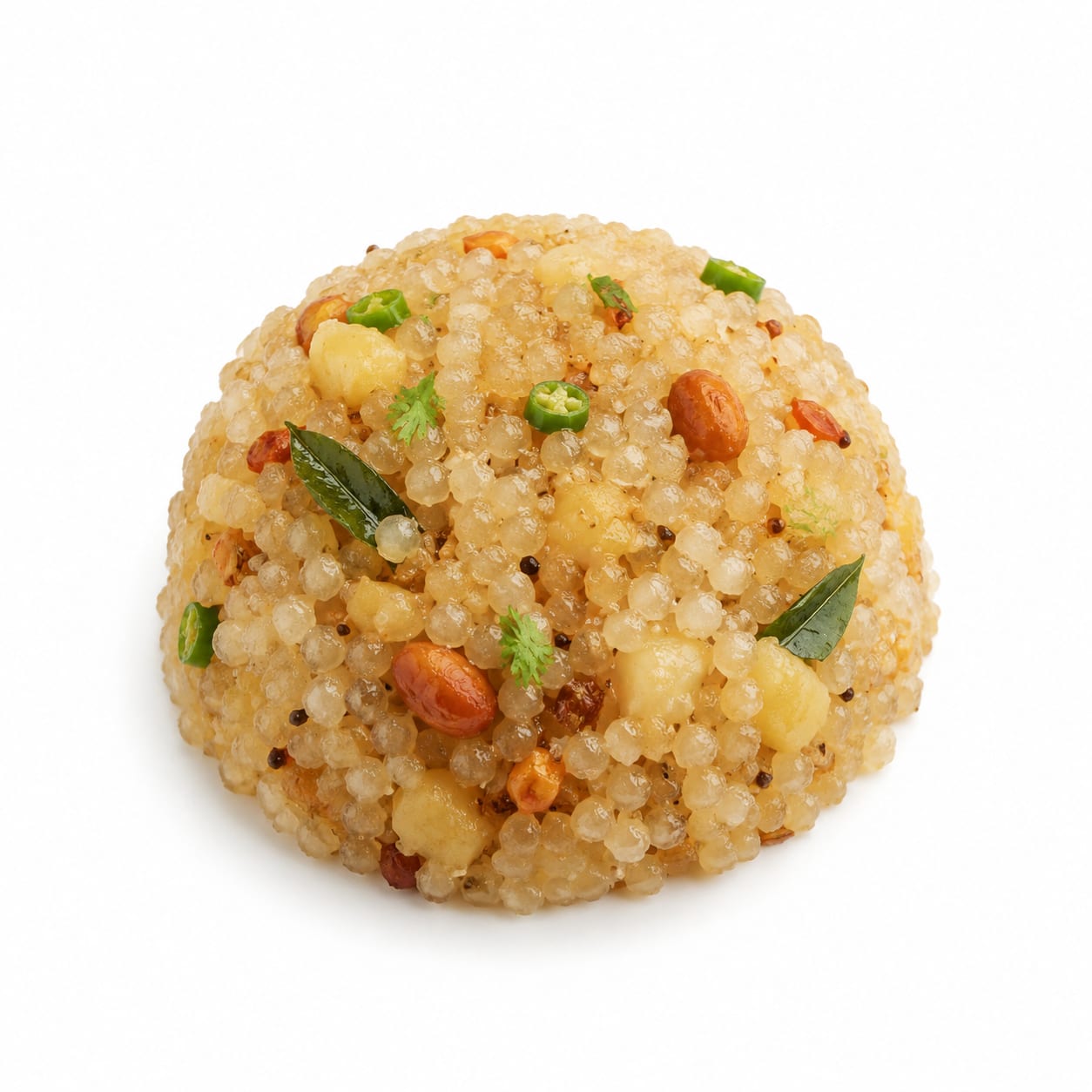
Sago
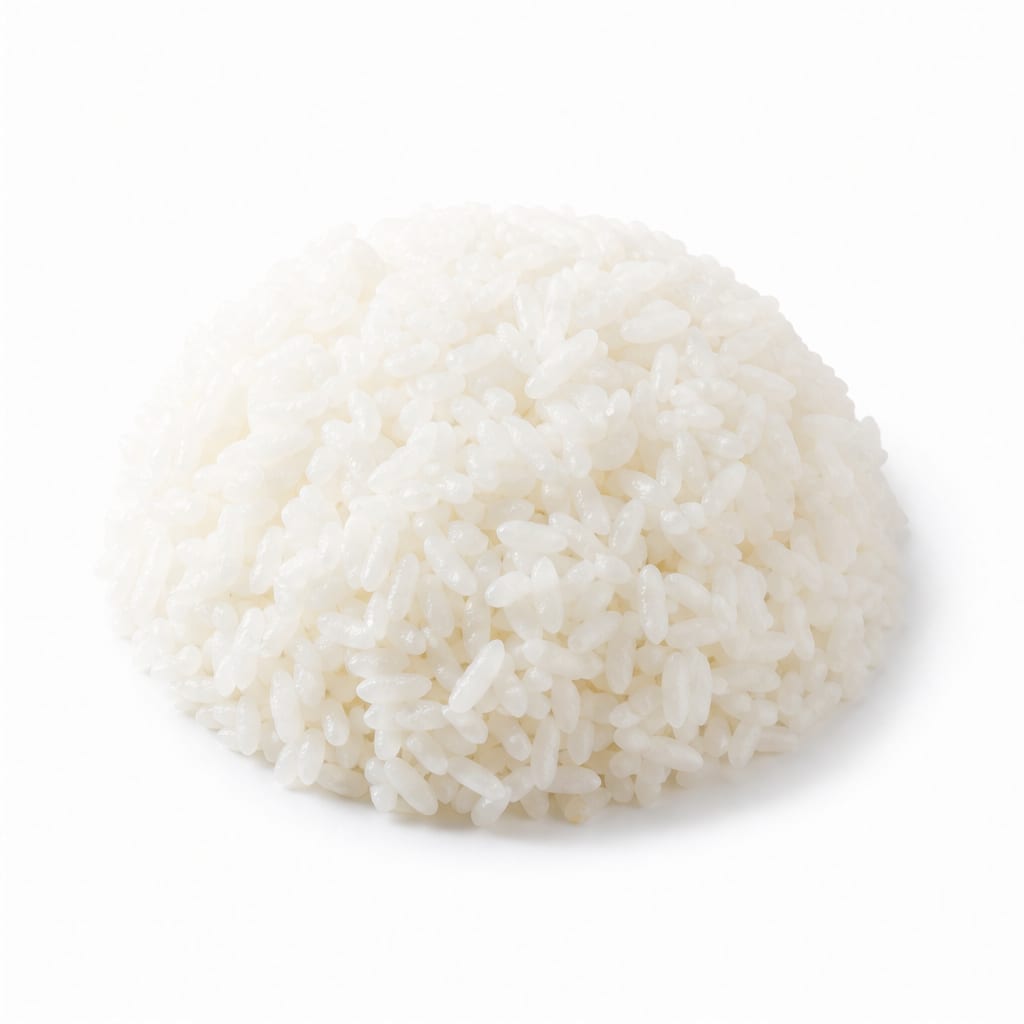
White Rice
White Rice is a more viable daily staple with slight nutritional advantages, while Sago is essentially pure starch best reserved for gentle digestion or cultural recipes.
Neither food scores well nutritionally, as both are refined carbs. White Rice scores higher due to protein content, fortification, and better satiety, while Sago is essentially empty calories.
You trade near-zero nutritional value and extreme blood sugar spikes in Sago for slightly better protein, vitamins, and everyday practicality in White Rice.
At a glance
Executive summary
Overall
White Rice
Healthier
White Rice
More practical
White Rice
Daily use
White Rice
Key comparison lenses
Carbohydrate quality and glycemic impact
Both are heavily starch-dense foods that spike blood sugar, making this the primary health concern for most eaters.
Nutritional emptiness and micronutrient intake
Sago is almost pure starch with negligible nutrients, while White Rice at least offers some protein and often added vitamins.
Digestive tolerance and illness recovery
Sago is famously gentle on the gut and commonly eaten during sickness, giving it a specific therapeutic niche.
Daily staple viability
People need to know if they can build a regular diet around these foods or if they require heavy pairing to be balanced.
Best choice for
Sago
- People recovering from stomach illness needing extremely gentle carbs
- Those following specific cultural or traditional recipes
- Endurance athletes needing a rapid, low-fiber energy hit
White Rice
- People needing an affordable, accessible daily carb base
- Anyone looking to build muscle who needs a protein-pairing staple
- Those who want at least some micronutrient fortification in their carbs
Least suitable for
Sago
- People with diabetes or insulin resistance
- Anyone seeking weight loss or satiety from their carb source
- Those relying on a single staple for daily nutrition
White Rice
- People strictly managing blood sugar without medication
- Those with severe arsenic exposure concerns depending on region
- Anyone looking for high-fiber carbohydrate options
Deep comparison
Dimension by dimension
Each lens scores both foods and breaks down who each option suits.
- Dimension 1 · Priority 95White Rice
Nutritional Density
Sago · 5White Rice · 30Sago is almost entirely empty starch, while White Rice provides a small amount of protein and is often fortified with vitamins.
Tradeoff
You sacrifice all micronutrients and protein for a purely bland starch base if you choose Sago over White Rice.
Why it matters
Relying on Sago means you must get all your nutrients from the rest of your meal, leaving no room for nutritional error.
Real-world impact
A White Rice bowl with vegetables and chicken feels like a complete meal; a Sago pudding feels like a dessert lacking sustenance.
Sago
- Ultra-gentle refeeding after fasting or illness
Better for
- Preventing nutrient deficiencies
- Providing lasting energy
Worse for
White Rice
- Everyday nourishment
- Supporting a balanced plate
- Getting small amounts of B vitamins and iron
Better for
- Delivering high-density nutrition compared to whole grains
Worse for
- Dimension 2 · Priority 90It depends
Blood Sugar Stability
Sago · 15White Rice · 20Both are high-glycemic foods that spike blood sugar rapidly, though Sago is slightly worse due to its pure starch content.
Tradeoff
Choosing Sago means an even faster sugar rush and crash compared to White Rice, which has a marginally slower digesting starch structure.
Why it matters
Frequent blood sugar spikes lead to afternoon energy crashes, cravings, and long-term metabolic strain.
Real-world impact
Eating a large Sago meal will likely leave you hungry again within an hour, while White Rice might hold you slightly longer.
Sago
- Quick energy replenishment during intense physical labor
Better for
- Managing diabetes
- Avoiding energy crashes
- Controlling cravings
Worse for
White Rice
- Marginally slower glucose release
- Slightly better pairing with proteins to blunt spikes
Better for
- Sustaining steady energy without added fiber or fat
Worse for
- Dimension 3 · Priority 85Sago
Digestive Comfort
Sago · 90White Rice · 70Sago is extremely easy on the digestive tract and is a traditional food for upset stomachs, whereas White Rice can sometimes be binding or irritating depending on the person.
Tradeoff
You get supreme gut gentleness with Sago, but at the cost of any meaningful nutrition.
Why it matters
When your stomach is sensitive, tolerating food is more important than nutrient density.
Real-world impact
A warm Sago porridge is comforting and easy to keep down during a stomach flu, making it a reliable recovery food.
Sago
- Recovering from vomiting or diarrhea
- Soothing an inflamed gut
- Eating when appetite is extremely low
Better for
- Feeding a healthy gut microbiome
- Providing prebiotic fiber
Worse for
White Rice
- Regular daily digestion
- Providing mild binding effects for loose stools
Better for
- Extreme gastrointestinal sensitivity
Worse for
- Dimension 4 · Priority 75White Rice
Satiety and Fullness
Sago · 15White Rice · 35White Rice offers slightly better satiety due to its small protein content and grain structure, while Sago digests incredibly fast.
Tradeoff
Sago leaves you hungry again very quickly, whereas White Rice at least provides a temporary feeling of fullness.
Why it matters
Foods that fail to fill you up lead to overeating and excessive calorie consumption later in the day.
Real-world impact
A bowl of White Rice keeps you full for a couple of hours; a bowl of Sago leaves you looking for a snack almost immediately.
Sago
- Making room for more nutrient-dense foods shortly after
Better for
- Weight management
- Preventing late-night snacking
Worse for
White Rice
- Bridging the gap between meals
- Feeling satisfied after dinner
Better for
- Staying full for hours without added protein and fat
Worse for
Timeline
Health impact over time
Short-term
Hours to days
Sago
- Rapid blood sugar spike followed by a quick energy crash
- Immediate relief for an upset stomach
- Very low satiety leading to prompt hunger return
White Rice
- Noticeable blood sugar rise, especially if eaten alone
- Mild feeling of fullness and satisfaction
- Quick energy availability for physical activity
Long-term
Months to years
Sago
- High risk of nutrient deficiencies if used as a primary staple
- Potential weight gain from blood sugar volatility and overeating
- Increased insulin resistance risk with frequent consumption
White Rice
- Possible contribution to metabolic syndrome if eaten in large excess
- Better maintenance of basic protein and vitamin levels if fortified
- Risk of arsenic accumulation depending on sourcing and daily volume
Risk profile
Safety & processing
Both are processed from their raw state. Sago is extracted starch from palm pith, while White Rice is milled and polished to remove the bran and germ. Neither contains artificial additives inherently, but both are far removed from their whole-food origins.
Sago
Inadequate processing of raw starch
mediumRaw sago starch can be difficult to digest and may contain natural toxins if not properly washed and processed during manufacturing.
White Rice
Arsenic contamination
mediumWhite Rice can accumulate inorganic arsenic from soil and water, posing long-term health risks if consumed heavily as a daily staple.
Who wins for whom
Audience fit
Same foods, different winners depending on your goal.
children
White RiceWhite Rice offers more nutritional value for growing bodies and is a reliable, mild-tasting base for nutrient-dense meals.
daily consumption
White RiceWhite Rice is more sustainable as a daily staple due to its slight nutritional advantages, better satiety, and cultural adaptability as a meal base.
diabetes
It dependsBoth are high-glycemic and risky for diabetes. Neither should be eaten alone, and both require strict portion control and heavy pairing with fiber and protein.
elderly
SagoSago is exceptionally gentle on aging digestive systems and is easier to chew and swallow for those with dental or gastrointestinal issues.
muscle gain
White RiceWhite Rice provides a small amount of protein and is a proven, reliable carb source for athletes to replenish glycogen without digestive strain.
weight loss
It dependsNeither is ideal for weight loss. Sago is less calorie-dense per cooked volume but causes faster hunger return. White Rice is slightly more filling but easy to overeat.
Your move
Decision guide
Choose Sago
- You are recovering from a stomach bug and need the gentlest possible food
- You are making traditional desserts or puddings
- You need a quick, easily digestible carb right before or after intense exercise
Choose White Rice
- You need a reliable, everyday carbohydrate base for meals
- You want slightly more protein and vitamins in your diet
- You are meal-prepping and need a versatile staple that pairs well with proteins and vegetables
Either works if
- You are simply looking for a quick energy source and plan to pair it heavily with high-fiber vegetables and lean proteins
- You have no blood sugar concerns and need a comforting carb
Avoid both if
- You have diabetes or severe insulin resistance and cannot pair them with fiber and protein
- You are on a strict low-carb or ketogenic diet
- You are trying to maximize nutrient density in every calorie you consume
Final recommendation
Choose White Rice as your everyday staple for its slight nutritional edge and better satiety. Save Sago for when your stomach is upset, when you need a comforting pudding, or when you need a rapid, low-residue energy source. Always pair either choice with protein and healthy fats to prevent blood sugar crashes.
Practical
Consumer tips
- 1
Always cook Sago thoroughly until completely translucent to ensure digestibility and neutralize raw starch issues.
- 2
Rinsing White Rice before cooking can reduce surface arsenic and excess starch for fluffier, safer grains.
- 3
Pair either food with a generous serving of non-starchy vegetables and a protein source to blunt the blood sugar spike.
- 4
If eating Sago, add a source of healthy fat like coconut milk to slow down digestion and improve satiety.
- 5
Vary your carb sources throughout the week with whole grains like quinoa or oats to avoid the nutritional gaps these two foods create.