
Nutrition comparison
Sago vs Potato: Which Starch Is Actually Better For You?
Sago and potato are both starchy carbs but nutritionally worlds apart. Compare their health impact, blood sugar effects, satiety, and best uses to make the right choice.
Overall winner · Potato
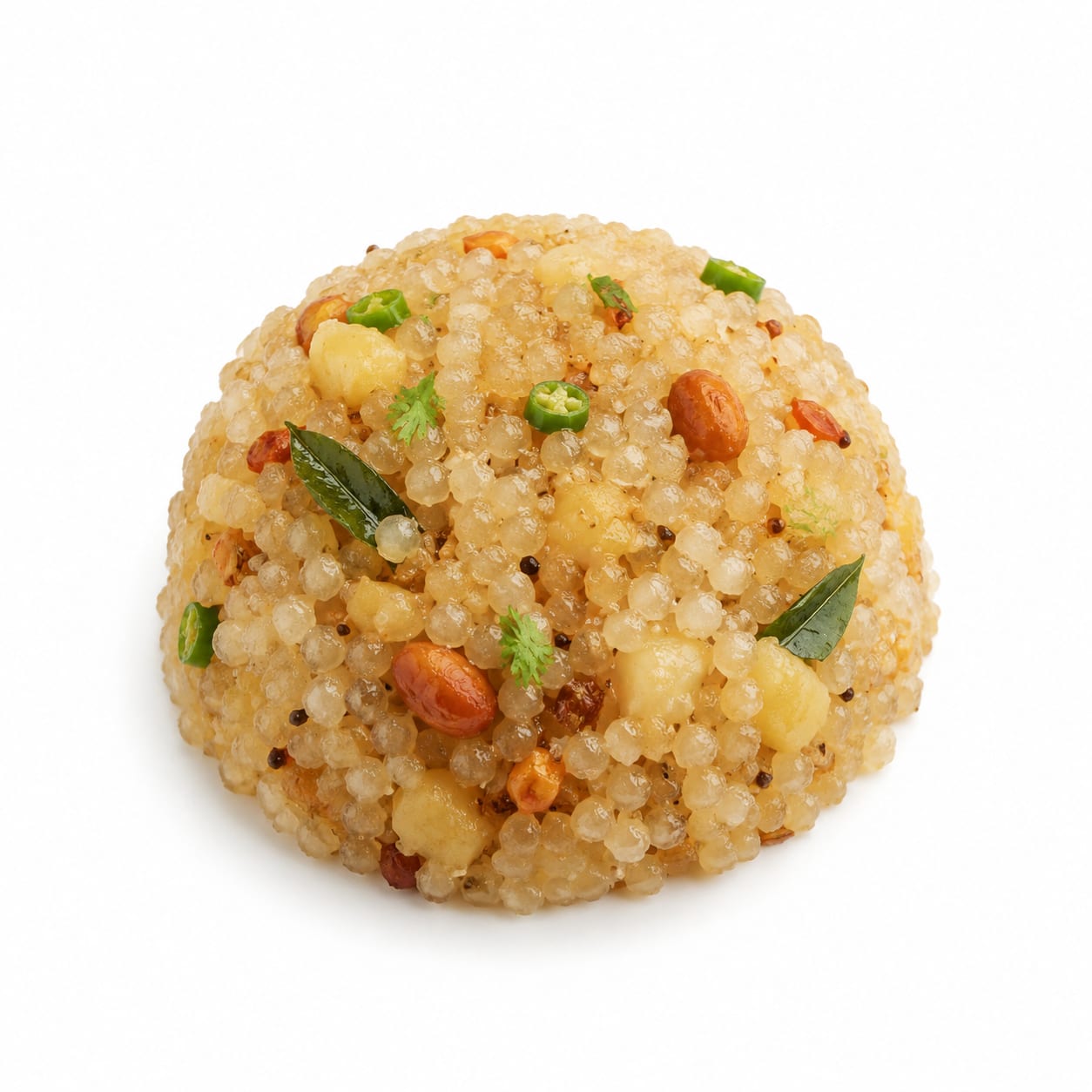
Sago
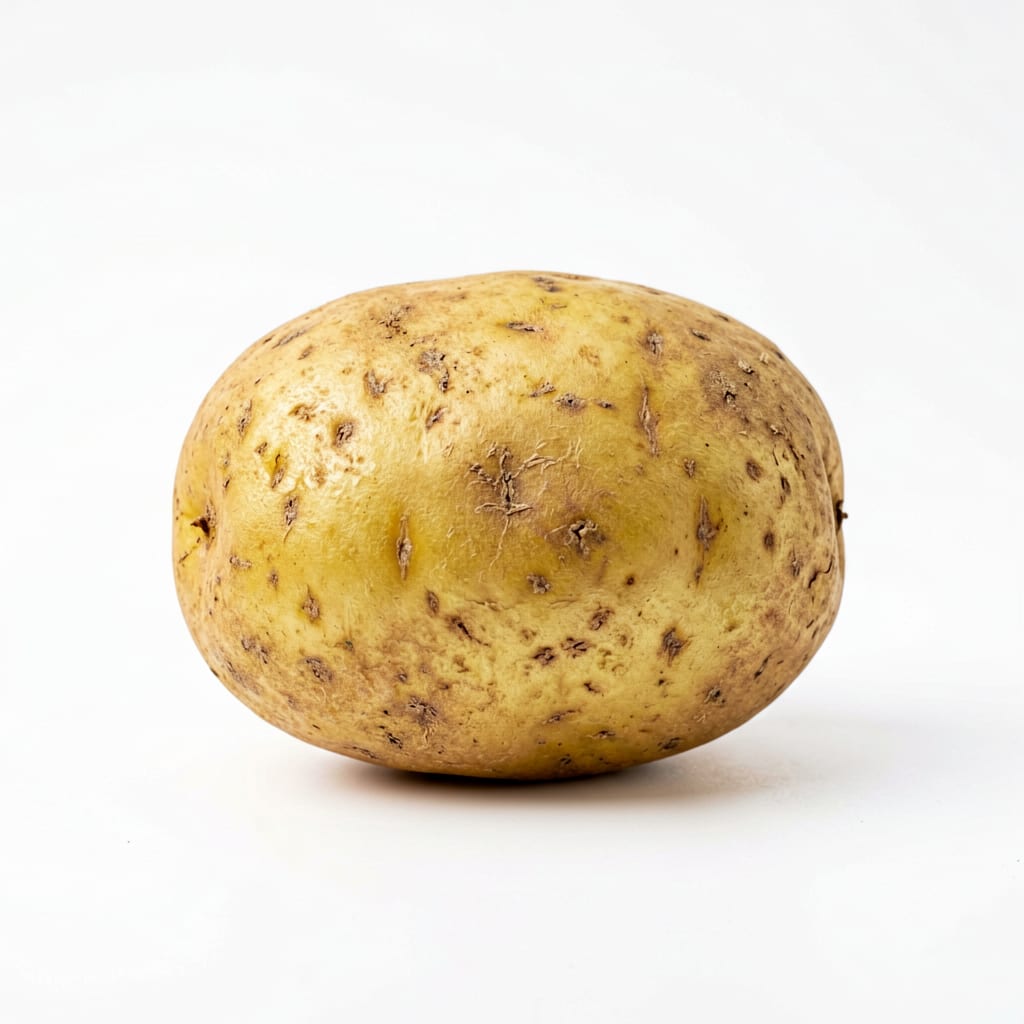
Potato
Potato dominates on nutrition and satiety, but sago has a narrow but real role for digestive recovery and cultural fasting practices.
Potato wins decisively due to far superior nutritional density, fiber, satiety, and mineral content. Sago scores low because it provides mostly empty starch calories with minimal vitamins, minerals, or fiber. The gap is large but sago retains niche value for specific digestive and cultural situations.
You trade nearly all nutritional value for gentle digestibility when choosing sago over potato.
At a glance
Executive summary
Overall
Potato
Healthier
Potato
More practical
Potato
Daily use
Potato
Key comparison lenses
nutritional density comparison
Sago is nearly pure starch with minimal nutrients while potatoes offer significant vitamins and minerals
blood sugar management
Both are high-carb starches but differ greatly in fiber content and glycemic response
digestive tolerance and recovery eating
Sago is commonly used during illness or fasting due to being extremely easy to digest
satiety and hunger control
Potatoes rank among the most filling foods while sago provides calories without lasting fullness
everyday staple versatility
Potatoes are a dietary workhorse globally while sago is more of a specialty or cultural ingredient
Best choice for
Sago
- Recovering from stomach illness when you need bland calories
- Religious fasting periods that permit sago but not other grains
- People needing extremely low-residue diets before medical procedures
- Traditional Southeast Asian dessert recipes
Potato
- Everyday meals requiring sustained energy and fullness
- Athletes needing potassium and carb replenishment
- Budget-conscious households seeking maximum nutrition per dollar
- Anyone managing weight who wants filling calories
Least suitable for
Sago
- Daily staple carbohydrate needs
- Anyone needing sustained energy without crashes
- People with diabetes or insulin resistance
- Nutrient-deficient diets that cannot afford empty calories
Potato
- Strict low-carb or ketogenic diets
- People with nightshade sensitivities
- Those immediately recovering from vomiting or severe GI distress
Deep comparison
Dimension by dimension
Each lens scores both foods and breaks down who each option suits.
- Dimension 1 · Priority 95Potato
Nutritional Density
Sago · 8Potato · 72Potato delivers vitamin C, potassium, B6, and fiber. Sago is essentially pure starch with trace nutrients at best.
Tradeoff
Sago provides easy calories but almost nothing your body actually needs beyond energy. Potato feeds you on multiple levels.
Why it matters
Eating nutrient-poor starches regularly can crowd out foods that actually nourish you, leading to hidden deficiencies over time.
Real-world impact
A medium potato covers roughly 30% of your daily vitamin C and 20% of potassium. A serving of sago covers close to 0% of nearly everything.
Sago
- Situations where you want calories without stimulating digestion
Better for
- Anyone already eating a limited or monotonous diet
- Children who need nutrient-dense foods for growth
Worse for
Potato
- Everyday nutrition and preventing micronutrient gaps
- Getting more from each calorie you eat
Better for
- Not applicable — potato is nutritionally superior here
Worse for
- Dimension 2 · Priority 88Potato
Blood Sugar Stability
Sago · 18Potato · 45Both are high-glycemic starches, but potato has fiber and resistant starch that slow absorption. Sago spikes blood sugar faster and harder.
Tradeoff
Neither is ideal for blood sugar control, but potato at least offers some buffering. Sago is closer to eating pure glucose in effect.
Why it matters
Rapid blood sugar spikes from sago lead to energy crashes and increased hunger within an hour or two.
Real-world impact
Eating sago porridge for breakfast may leave you tired and hungry by mid-morning. A boiled potato with skin holds you longer.
Sago
- Quick energy during prolonged fasting breaks when you need rapid glucose
Better for
- People with diabetes or prediabetes
- Anyone prone to afternoon energy crashes
Worse for
Potato
- More sustained energy between meals
- Slightly gentler glycemic impact especially when cooled and reheated
Better for
- Those who need very tight blood sugar control still need to moderate portions
Worse for
- Dimension 3 · Priority 82Sago
Digestive Tolerance
Sago · 88Potato · 55Sago is extremely gentle on the digestive system. It is one of the first foods introduced during recovery from illness in many Asian cultures.
Tradeoff
You sacrifice all nutritional value for something your gut can handle when nothing else stays down.
Why it matters
When recovering from food poisoning, stomach flu, or surgery, your digestive system needs calories that demand almost zero effort to process.
Real-world impact
Sago porridge is often the first solid-adjacent food given after illness because it is unlikely to trigger nausea or cramping.
Sago
- Post-illness recovery eating
- Low-residue diets before colonoscopies or surgery
- People with severely inflamed digestive tracts
Better for
- Long-term use leads to constipation from zero fiber
Worse for
Potato
- Normal healthy digestion that benefits from fiber
- Promoting regular bowel movements
Better for
- Potato skins can irritate an already inflamed gut
- May cause bloating in sensitive individuals
Worse for
- Dimension 4 · Priority 78Potato
Satiety and Fullness
Sago · 15Potato · 82Potato ranks as one of the most filling foods tested. Sago digests quickly and leaves you hungry again fast.
Tradeoff
Sago feels light and comforting going down but does not keep you full. Potato feels heavy but sustains you for hours.
Why it matters
If you eat sago as a meal base, you will likely overeat later because it does not trigger lasting fullness signals.
Real-world impact
In the famous satiety index study, boiled potatoes scored the highest of all foods tested. Sago would likely score near the bottom.
Sago
- When you intentionally want something light before bed or during illness
Better for
- Anyone trying to control portions or lose weight
- People who struggle with late-night hunger
Worse for
Potato
- Weight management through natural portion control
- Staying full between meals without snacking
- Athletes who need lasting fuel
Better for
- Those who find heavy meals uncomfortable
Worse for
- Dimension 5 · Priority 72Potato
Mineral Content and Electrolytes
Sago · 5Potato · 78Potato is a standout source of potassium and also provides magnesium and phosphorus. Sago is essentially mineral-void.
Tradeoff
Potato helps you meet electrolyte needs naturally. Sago offers no meaningful mineral contribution.
Why it matters
Potassium is chronically underconsumed and critical for blood pressure regulation, muscle function, and heart health.
Real-world impact
A single medium potato with skin provides more potassium than a banana. Sago provides essentially zero potassium.
Sago
- Not applicable — sago has no meaningful mineral content
Better for
- Athletes or active people who need electrolyte replenishment
- Older adults at risk for potassium deficiency
Worse for
Potato
- Active individuals who lose electrolytes through sweat
- People managing blood pressure through diet
- Anyone not taking a multivitamin who needs food-source minerals
Better for
- Those on potassium-restricted diets for kidney disease
Worse for
- Dimension 6 · Priority 60It depends
Cultural and Religious Significance
Sago · 75Potato · 50Sago holds deep cultural importance in Indian fasting traditions and Southeast Asian cuisine. Potato is more universally common but less ritually significant.
Tradeoff
Sago connects people to heritage and religious practice in ways potato simply does not match for certain communities.
Why it matters
Food is not just fuel. Cultural compliance during fasting periods has emotional and spiritual value beyond nutrition.
Real-world impact
During Hindu fasting days like Ekadashi or Navratri, sago is permitted while grains are not. This makes it irreplaceable in those contexts.
Sago
- Hindu religious fasting where grains are prohibited
- Southeast Asian traditional desserts and celebrations
- Cultural food identity and heritage cooking
Better for
- Cultures where sago is unfamiliar and recipes are limited
Worse for
Potato
- Universal everyday cooking across most cultures
- Comfort food traditions in Western and Latin American cuisines
Better for
- Religious contexts that exclude potato along with other vegetables
Worse for
Timeline
Health impact over time
Short-term
Hours to days
Sago
- Quick blood sugar spike followed by a crash within 1-2 hours
- Very gentle on an upset stomach when prepared as plain porridge
- Unlikely to cause bloating or gas due to near-zero fiber
- Leaves you feeling hungry again sooner than most carb sources
Potato
- Provides sustained energy for 3-4 hours after a meal
- Potassium supports muscle function and reduces cramping risk
- Can cause bloating in sensitive individuals especially with skin
- Cooled potato creates resistant starch that feeds beneficial gut bacteria
Long-term
Months to years
Sago
- Regular use as a staple risks nutrient deficiencies due to near-empty calories
- Frequent blood sugar spikes may contribute to insulin resistance over time
- Lack of fiber may worsen chronic constipation
- No protective phytonutrients or antioxidants to support long-term health
Potato
- Consistent potassium intake supports healthy blood pressure long-term
- Resistant starch from cooled potatoes may improve gut microbiome diversity
- Vitamin C contribution supports immune function and skin health
- High satiety helps with weight maintenance when prepared without deep frying
Risk profile
Safety & processing
Sago requires significant processing to extract starch from palm pith, stripping away all natural nutrients. Potato is eaten close to its natural state with minimal processing. Both are free from artificial additives when purchased in basic form, but sago starts further from its whole-food origins.
Sago
Cyanogenic compounds in improperly processed sago
mediumRaw sago palm contains natural cyanogenic glycosides. Commercial sago is processed to remove these, but poorly prepared or unverified sources could pose a risk of cyanide exposure.
Adulteration with cheaper starches
lowSome sago products may be cut with tapioca or cornstarch. While not dangerous, this means you may not be getting authentic sago.
Potato
Glycoalkaloid toxicity from green or sprouted potatoes
mediumGreen spots and sprouts contain solanine which can cause nausea, headaches, and in rare severe cases neurological symptoms. Always cut away green areas and sprouts.
Acrylamide formation during high-heat cooking
lowFrying or roasting potatoes at high temperatures creates acrylamide, a probable carcinogen. Boiling and steaming avoid this concern entirely.
Who wins for whom
Audience fit
Same foods, different winners depending on your goal.
children
PotatoGrowing children need nutrient-dense calories. Potato provides vitamin C, potassium, and B6. Sago is empty starch that fills small stomachs without nourishing them.
daily consumption
PotatoPotato can serve as a daily staple with real nutritional contribution. Sago as a daily carb source would create significant nutrient gaps over time.
diabetes
PotatoNeither is ideal, but potato has fiber and resistant starch that moderate glycemic impact. Sago behaves almost like pure glucose in the bloodstream.
elderly
PotatoPotassium in potato helps prevent muscle cramps and supports heart health in aging. Sago's empty calories can worsen the malnutrition risk already common in elderly populations.
muscle gain
PotatoPotato provides potassium for muscle function and some protein, plus better sustained energy for training. Sago offers only quick carbs with no supportive nutrients.
weight loss
PotatoPotato is one of the most satiating foods per calorie, helping you eat less overall. Sago's lack of fullness makes overeating more likely.
Your move
Decision guide
Choose Sago
- You are recovering from stomach illness and need the gentlest possible calories
- You are observing religious fasting that permits sago but not grains
- A doctor has recommended a low-residue diet for a medical procedure
- You are making traditional sago-based dishes for cultural reasons
Choose Potato
- You need a filling, affordable everyday carbohydrate source
- You want maximum nutrition per calorie from your staple foods
- You are active and need potassium and sustained energy
- You are managing your weight and want foods that naturally control hunger
- You want to feed your family nutrient-dense meals on a budget
Either works if
- You need a gluten-free carbohydrate source — both work
- You are meal prepping and want versatile carb options
- You are eating for quick energy before intense exercise
Avoid both if
- You are on a strict low-carb or ketogenic diet
- You have severe insulin resistance and need to minimize all starch intake
- You are looking for protein-rich foods — neither is meaningful here
Final recommendation
Choose potato as your everyday starch. It delivers real nutrition, lasting fullness, and broad health benefits that sago simply cannot match. Reserve sago for its proper roles: digestive recovery, religious fasting, and cultural cooking. When you do eat sago, pair it with protein and vegetables to compensate for what it lacks.
Practical
Consumer tips
- 1
Always cut away green spots and sprouts on potatoes — they contain solanine which can make you sick
- 2
Cool boiled potatoes in the fridge overnight to create resistant starch, which lowers glycemic impact and feeds gut bacteria
- 3
If eating sago during fasting, add peanuts or yogurt to introduce protein and fat that slow the blood sugar spike
- 4
Soak sago pearls in water for 15-20 minutes before cooking for better texture and more even cooking
- 5
Boil or steam potatoes instead of frying to avoid acrylamide formation and keep calories reasonable
- 6
Buy sago from reputable brands to ensure proper cyanogen removal during processing
- 7
Leave potato skins on when possible — that is where most fiber and nutrients concentrate