
Nutrition comparison
Sago vs Sweet Potato: Which Carb Is Actually Worth Eating?
Sago and sweet potato are both carb-rich foods, but their nutritional value differs dramatically. Learn which one fuels your body better and when each makes sense.
Overall winner · Sweet Potato
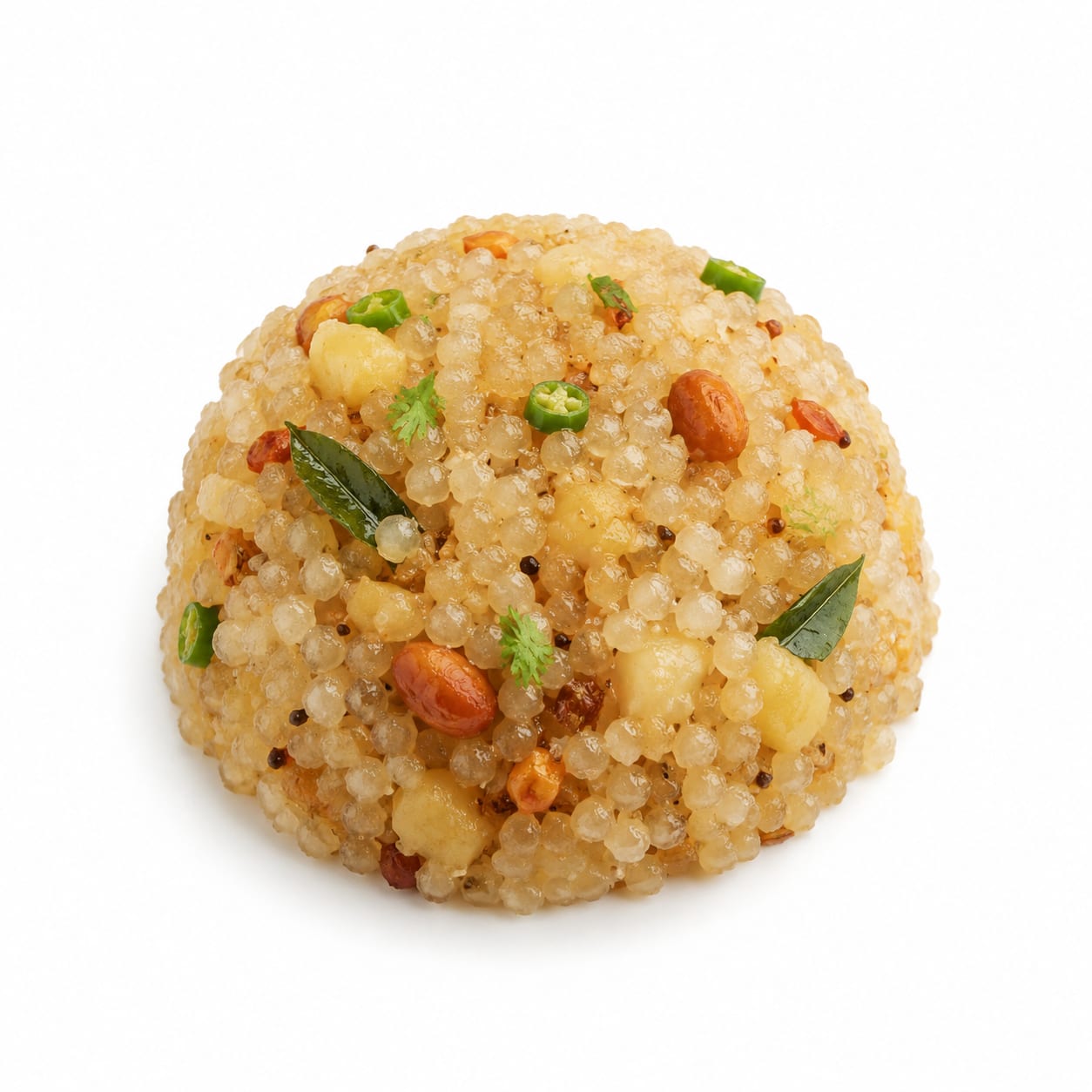
Sago
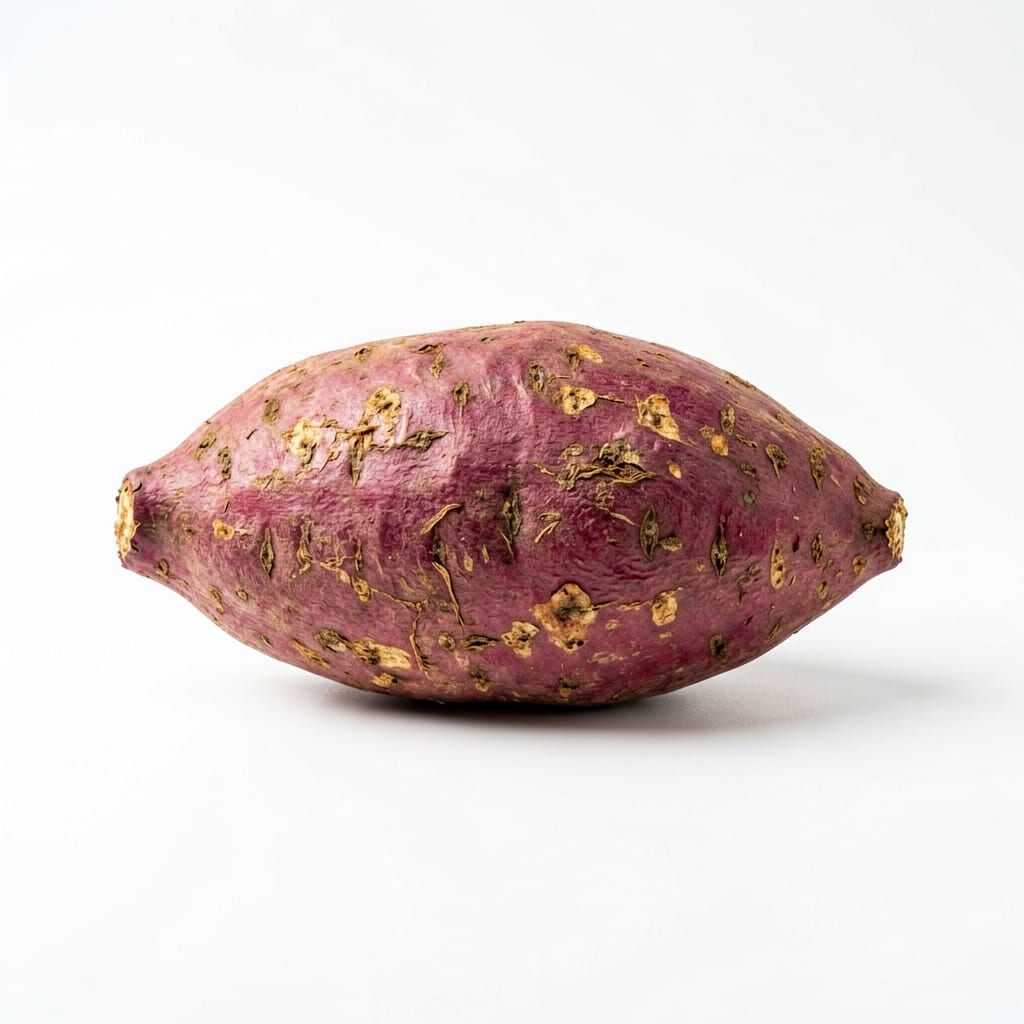
Sweet Potato
Sweet potato is the clear nutritional winner with fiber, vitamins, and steadier energy. Sago is mostly empty starch best reserved for occasional use or specific digestive needs.
Sweet potato scores dramatically higher due to its fiber, vitamin A, potassium, and antioxidant content. Sago is not inherently harmful but provides almost no nutritional value beyond starch calories, making it a poor regular choice.
Sago digests easily and provides quick energy but lacks almost all nutrients. Sweet potato takes more effort to digest but rewards you with lasting fullness and real nutrition.
At a glance
Executive summary
Overall
Sweet Potato
Healthier
Sweet Potato
More practical
Sweet Potato
Daily use
Sweet Potato
Key comparison lenses
nutritional value comparison
Sago is nearly pure starch with minimal nutrients while sweet potato is nutrient-dense, making this the most critical differentiator
blood sugar management
Both are carbohydrate-heavy but differ dramatically in fiber content and glycemic impact
weight management satiety
Sweet potato fills you up far more per calorie; sago is easy to overeat without feeling satisfied
everyday staple vs occasional food
Users need to understand that sago works as an occasional comfort food but not as a dietary staple
digestive tolerance
Sago is extremely gentle on digestion, making it relevant for people with GI issues
Best choice for
Sago
- People recovering from illness who need gentle, easy-to-digest calories
- Those with severe digestive conditions who cannot tolerate fiber
- Cultural and traditional dishes where sago is irreplaceable
- Endurance athletes needing rapid carbohydrate replenishment
Sweet Potato
- Anyone seeking a nutritious daily carbohydrate source
- People managing blood sugar or trying to lose weight
- Families wanting affordable, vitamin-rich whole food
- Those looking for sustained energy without crashes
Least suitable for
Sago
- People with diabetes or insulin resistance
- Anyone trying to lose weight or reduce empty calories
- Those seeking nutrient-dense meals
- Daily staple carbohydrate needs
Sweet Potato
- People with severe IBS who cannot tolerate fiber
- Those on a very low-fiber medical diet
- Anyone needing immediate rapid-energy replenishment during intense exercise
Deep comparison
Dimension by dimension
Each lens scores both foods and breaks down who each option suits.
- Dimension 1 · Priority 95Sweet Potato
Nutritional Density
Sago · 8Sweet Potato · 88Sweet potato is loaded with vitamins, minerals, and antioxidants. Sago is essentially pure carbohydrate with trace nutrients at best.
Tradeoff
Sago provides calories without much else. Sweet potato delivers beta-carotene, vitamin C, potassium, and fiber in every bite.
Why it matters
Eating nutrient-poor starch regularly means you fill up on calories while still being malnourished at a cellular level.
Real-world impact
A sweet potato at dinner actually nourishes you. A sago pudding satisfies a craving but leaves your body wanting real nutrients.
Sago
- Situations where you only need calories and nothing else
Better for
- Long-term health when eaten as a staple
- Preventing vitamin and mineral shortfalls
Worse for
Sweet Potato
- Every meal where nutrition matters
- Preventing hidden nutrient deficiencies
- Getting more health value per calorie eaten
Better for
- Nothing significant in this dimension
Worse for
- Dimension 2 · Priority 90Sweet Potato
Blood Sugar Stability
Sago · 15Sweet Potato · 72Sago spikes blood sugar quickly due to its refined starch content and zero fiber. Sweet potato releases energy more slowly thanks to fiber and complex carbs.
Tradeoff
Sago gives you fast energy that fades fast. Sweet potato gives you steadier energy that lasts hours longer.
Why it matters
Blood sugar crashes after sago can trigger hunger, fatigue, and cravings. Sweet potato keeps you on a more even keel.
Real-world impact
Eat sago for breakfast and you may feel hungry again by mid-morning. Eat sweet potato and you stay satisfied until lunch.
Sago
- Quick carb loading right before intense physical activity
Better for
- Anyone with blood sugar concerns
- People prone to energy crashes
Worse for
Sweet Potato
- Avoiding afternoon energy crashes
- Managing prediabetes or diabetes
- Sustained focus throughout the workday
Better for
- Very large portions can still spike blood sugar in sensitive individuals
Worse for
- Dimension 3 · Priority 85Sweet Potato
Satiety and Fullness
Sago · 20Sweet Potato · 82Sweet potato is far more filling per calorie. Its fiber and water content stretch your stomach and signal fullness. Sago digests quickly and leaves you wanting more.
Tradeoff
Sago disappears from your stomach fast. Sweet potato hangs around and keeps hunger at bay.
Why it matters
Feeling full prevents overeating. Foods that fail to satisfy lead to snacking and excess calorie intake.
Real-world impact
A bowl of sago porridge feels light and temporary. A baked sweet potato feels like an actual meal.
Sago
- When you deliberately want something light before a race or event
Better for
- Portion control is very difficult
- You feel hungry again quickly
Worse for
Sweet Potato
- Weight management without feeling deprived
- Staying full between meals
- Reducing late-night snacking urges
Better for
- Can feel too heavy right before intense exercise
Worse for
- Dimension 4 · Priority 70Sago
Digestive Tolerance
Sago · 90Sweet Potato · 55Sago is one of the gentlest foods on the digestive system. Sweet potato, while generally well-tolerated, contains fiber that can bother sensitive stomachs.
Tradeoff
Sago is comfort food for an upset stomach. Sweet potato is healthier but demands more digestive effort.
Why it matters
During illness recovery or GI flare-ups, low-fiber foods like sago can be the only tolerable option.
Real-world impact
After stomach flu, sago porridge goes down easy. Sweet potato might cause bloating in the same situation.
Sago
- Recovery from gastrointestinal illness
- Severe IBS flare-ups
- Post-surgical soft food diets
Better for
- Contributes to constipation with regular use
- Starves beneficial gut bacteria
Worse for
Sweet Potato
- Feeding healthy gut bacteria with fiber
- Preventing constipation long-term
Better for
- Can cause gas and bloating in fiber-sensitive people
- Not suitable during acute digestive illness
Worse for
- Dimension 5 · Priority 65Sweet Potato
Versatility and Convenience
Sago · 40Sweet Potato · 78Sweet potato works in savory and sweet dishes, bakes, boils, mashes, and roasts. Sago is mostly limited to puddings, porridges, and specific cultural recipes.
Tradeoff
Sweet potato adapts to any meal. Sago has a narrower culinary role.
Why it matters
A versatile food gets eaten more often and replaces less healthy options more easily.
Real-world impact
Sweet potato can be breakfast, lunch, or dinner. Sago is mostly a snack or dessert ingredient.
Sago
- Traditional Southeast Asian and Pacific Island recipes
- Making quick comforting desserts
Better for
- Hard to build meals around
- Limited recipe flexibility
Worse for
Sweet Potato
- Meal prep across the whole week
- Replacing bread, rice, or pasta
- Sweet and savory applications equally
Better for
- Takes longer to cook than sago pearls
Worse for
- Dimension 6 · Priority 75Sweet Potato
Antioxidant and Anti-inflammatory Value
Sago · 5Sweet Potato · 85Sweet potato, especially orange and purple varieties, is rich in antioxidants like beta-carotene and anthocyanins. Sago has virtually none.
Tradeoff
Sweet potato actively fights cellular damage. Sago is neutral at best on inflammation.
Why it matters
Chronic inflammation drives aging and disease. Antioxidant-rich foods are one of the most impactful daily choices you can make.
Real-world impact
Eating sweet potato regularly is like putting anti-inflammatory armor on your cells. Sago offers no such protection.
Sago
- No meaningful antioxidant benefit
Better for
- No protective phytonutrients whatsoever
Worse for
Sweet Potato
- Reducing chronic inflammation
- Supporting eye health with beta-carotene
- Purple varieties add extra brain-protective compounds
Better for
- Boiling can reduce some antioxidant content
Worse for
Timeline
Health impact over time
Short-term
Hours to days
Sago
- Quick energy surge followed by a crash within 1-2 hours
- Very gentle on an upset stomach
- Unlikely to cause bloating or gas due to zero fiber
Sweet Potato
- Steady energy lasting 3-4 hours without crashes
- Mild fullness and satiety after eating
- Possible slight bloating if you are not used to fiber
Long-term
Months to years
Sago
- Risk of nutrient deficiencies if used as a primary carb source
- Potential contribution to insulin resistance with frequent consumption
- Constipation risk due to lack of fiber
Sweet Potato
- Improved vitamin A status and immune function
- Better blood sugar regulation over time
- Healthier gut microbiome from consistent fiber intake
Risk profile
Safety & processing
Sago undergoes significant processing to extract starch from palm pith, stripping away all natural nutrients. Sweet potato is eaten close to its natural state with minimal processing.
Sago
Cyanogenic compounds in improperly processed sago
mediumRaw sago palm contains natural cyanogenic glycosides. Commercial sago is processed to remove these, but poorly processed batches can pose a risk.
Contamination during processing
lowIndustrial starch extraction can introduce contaminants if hygiene standards are poor.
Sweet Potato
Pesticide residue on conventionally grown sweet potatoes
lowSweet potatoes generally have low pesticide residue, but washing is still recommended.
Mold and spoilage from improper storage
lowSweet potatoes can develop mold if stored in damp or cold conditions. Inspect before cooking.
Who wins for whom
Audience fit
Same foods, different winners depending on your goal.
children
Sweet PotatoGrowing bodies need the vitamins and minerals sweet potato provides. Sago offers calories without the building blocks for development.
daily consumption
Sweet PotatoSweet potato is a sustainable daily staple. Sago should be an occasional food, not a regular one.
diabetes
Sweet PotatoSweet potato has a lower glycemic load and contains fiber that slows glucose absorption. Sago spikes blood sugar rapidly.
elderly
Sweet PotatoSweet potato supports immune function, digestion, and bone health. Sago may be easier to chew but fails to nourish aging bodies.
muscle gain
Sweet PotatoBoth are carb sources, but sweet potato offers potassium and antioxidants that support recovery alongside the energy.
weight loss
Sweet PotatoSweet potato provides more fullness per calorie and prevents the blood sugar crashes that trigger overeating.
Your move
Decision guide
Choose Sago
- You are recovering from a stomach illness and need the gentlest possible food
- You are preparing a traditional cultural dish that requires sago
- You need rapid carbohydrate replenishment during endurance sports
- You have a medical condition requiring a very low-fiber diet temporarily
Choose Sweet Potato
- You want a nutritious daily carbohydrate source
- You are trying to manage your weight or blood sugar
- You need lasting energy without crashes
- You want to feed your family a vitamin-rich whole food
- You are meal prepping for the week
Either works if
- You simply want a comforting warm food and portion size is small
- You are mixing carbs in a balanced meal with protein and vegetables
Avoid both if
- You are on a strict ketogenic or very low-carb diet
- You have a severe carbohydrate metabolism disorder requiring medical supervision
Final recommendation
Make sweet potato your everyday carb and treat sago as an occasional comfort food. The nutritional gap between them is enormous. Sweet potato nourishes you while filling you up. Sago fills your stomach but leaves your body underfed. If you love sago culturally or emotionally, enjoy it in moderation alongside nutrient-rich foods, never as your main energy source.
Practical
Consumer tips
- 1
Choose orange or purple sweet potatoes for the highest antioxidant content
- 2
If eating sago, pair it with protein and healthy fats to slow the blood sugar spike
- 3
Boil sweet potatoes rather than baking if you want a lower glycemic impact
- 4
Store sweet potatoes in a cool dark place, never the refrigerator, to prevent spoilage
- 5
Rinse sago pearls thoroughly before cooking to remove excess surface starch
- 6
If switching from sago to sweet potato, expect to feel fuller for longer and adjust portions accordingly