
Nutrition comparison
Sago vs Millet: Which Grain is Better for Your Health?
Compare Sago and Millet to discover which is better for blood sugar, weight loss, and daily nutrition. Learn why Millet is the superior whole grain choice.
Overall winner · Millet

Sago
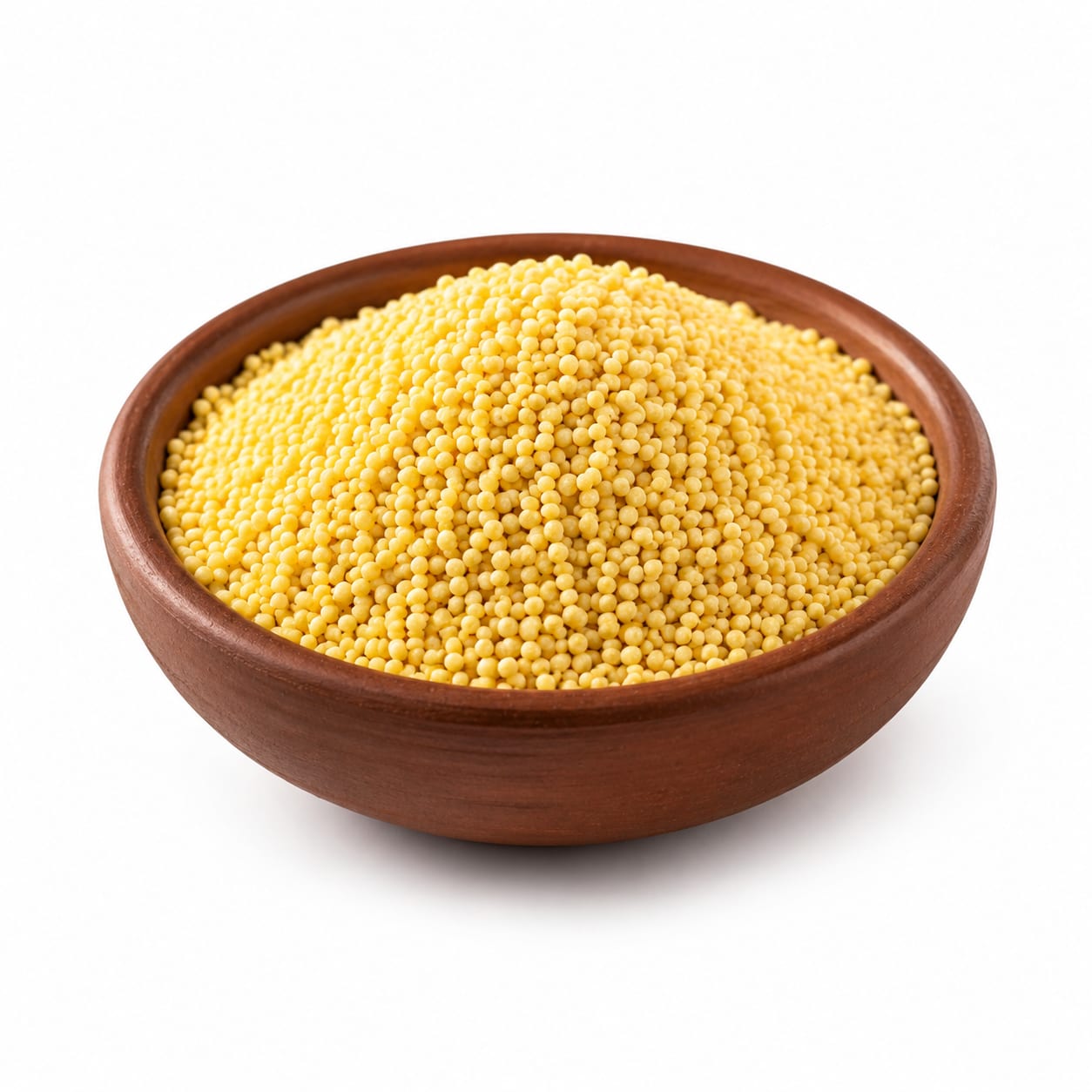
Millet
Millet is a nutrient-packed whole grain that fuels you steadily, while Sago is mostly empty starch best reserved for quick energy or digestive recovery.
Millet vastly outperforms Sago in almost every nutritional category. Sago scores low because it functions primarily as refined starch with minimal vitamins, minerals, or fiber.
You trade Sago's gentle, fast-digesting starch for Millet's superior fiber, protein, and long-term health benefits.
At a glance
Executive summary
Overall
Millet
Healthier
Millet
More practical
Millet
Daily use
Millet
Key comparison lenses
Nutritional density and empty calories vs whole grain benefits
Sago is almost pure starch with minimal nutrients, while Millet is a nutrient-dense whole grain
Blood sugar management and glycemic impact
Sago causes rapid blood sugar spikes, whereas Millet provides slow-releasing, steady energy
Digestive tolerance and acute illness recovery
Sago is extremely easy to digest during stomach illness, while Millet's fiber can be irritating during flare-ups
Gluten-free staple selection
Both are naturally gluten-free, but they serve very different roles in a gluten-free diet
Best choice for
Sago
- Recovering from a stomach bug or digestive distress
- Need for rapid, easily digestible energy during intense endurance events
- Making traditional comfort desserts
Millet
- Daily whole grain nutrition and sustained energy
- Managing blood sugar or insulin resistance
- Weight management and increasing dietary fiber
Least suitable for
Sago
- Daily staple carbohydrate replacement
- Diabetics or those with metabolic syndrome
- Anyone seeking nutrient-dense calories
Millet
- Acute gastrointestinal illness or diarrhea
- Very low-fiber diets prescribed by a doctor
Deep comparison
Dimension by dimension
Each lens scores both foods and breaks down who each option suits.
- Dimension 1 · Priority 95Millet
Nutritional Density
Sago · 5Millet · 90Millet is loaded with magnesium, B vitamins, and antioxidants, while Sago is essentially empty calories.
Tradeoff
Sago provides calories without much nutritional baggage to process, but Millet actually nourishes your body at a cellular level.
Why it matters
Eating nutrient-dense foods reduces cravings and supports long-term health without needing heavy supplementation.
Real-world impact
A Millet bowl keeps your body fueled and functioning smoothly, whereas a Sago meal leaves your body still hunting for the vitamins and minerals it actually needs.
Sago
- Situations requiring pure caloric intake without triggering digestive enzymes heavily
Better for
- Preventing nutrient deficiencies over time
Worse for
Millet
- Meeting daily micronutrient needs naturally
- Supporting bone health and energy metabolism
Better for
- Situations where extra vitamins and minerals are unnecessary overhead for a severely compromised gut
Worse for
- Dimension 2 · Priority 90Millet
Blood Sugar Stability
Sago · 15Millet · 85Sago digests rapidly, causing sharp blood sugar spikes and crashes. Millet digests slowly, providing steady, reliable energy.
Tradeoff
Sago gives you a quick carb rush when you are depleted, but you will feel hungry again soon. Millet prevents the afternoon energy crash.
Why it matters
Frequent blood sugar spikes lead to fatigue, cravings, and increased risk of type 2 diabetes over time.
Real-world impact
Eating Sago for breakfast guarantees a hunger pang by mid-morning. Millet keeps you satisfied right up until lunch.
Sago
- Quick recovery after an intense, glycogen-depleting workout
Better for
- Maintaining focus and steady energy throughout the day
Worse for
Millet
- Preventing the 3 PM afternoon energy crash
- Managing insulin resistance or prediabetes
Better for
- Rapidly refueling when blood sugar is dangerously low
Worse for
- Dimension 3 · Priority 75Sago
Digestive Tolerance
Sago · 90Millet · 65Sago is incredibly gentle on a troubled digestive system, while Millet's fiber can be too rough during acute stomach issues.
Tradeoff
Sago is the ultimate comfort food for an upset stomach, but it does nothing for your long-term gut health. Millet builds a healthier gut over time but requires a healthy gut to process comfortably.
Why it matters
When you are sick, you need calories that will not irritate your gut. When you are healthy, you need fiber to keep your gut bacteria happy.
Real-world impact
Sago porridge is a lifesaver when you are recovering from food poisoning. Millet is better for preventing constipation on a normal day.
Sago
- Recovering from a stomach flu or severe diarrhea
- Transitioning back to solid foods after fasting or illness
Better for
- Promoting regular, healthy bowel movements
Worse for
Millet
- Feeding beneficial gut bacteria daily
- Preventing chronic constipation
Better for
- Soothing an actively inflamed or irritated digestive tract
Worse for
- Dimension 4 · Priority 80Millet
Satiety and Fullness
Sago · 20Millet · 85Millet's protein and fiber combo keeps you full for hours. Sago digests so quickly you will be looking for a snack shortly after eating.
Tradeoff
Sago feels light in the stomach, which can be comforting, but that lightness translates to zero staying power.
Why it matters
Foods that keep you full make it dramatically easier to manage your weight and avoid junk food.
Real-world impact
A bowl of Millet at lunch prevents the vending machine raid at 3 PM. A bowl of Sago feels like an appetizer.
Sago
- Light eating before a workout where you do not want food sitting heavily
Better for
- Avoiding overeating and constant snacking
Worse for
Millet
- Controlling portions and reducing overall calorie intake
- Staying focused at work without hunger distractions
Better for
- Eating right before a high-intensity cardio session
Worse for
Timeline
Health impact over time
Short-term
Hours to days
Sago
- Provides rapid but short-lived energy
- Soothes an upset stomach without causing irritation
- Likely to trigger hunger and cravings within an hour or two
Millet
- Delivers sustained, even energy levels
- Promotes a feeling of fullness and satisfaction
- May cause mild bloating if you are not used to high-fiber grains
Long-term
Months to years
Sago
- Risk of nutrient deficiencies if used as a dietary staple
- Potential weight gain from blood sugar rollercoasters and overeating
- Increased risk of metabolic issues due to high glycemic load
Millet
- Improved blood sugar regulation and insulin sensitivity
- Better heart health due to magnesium and fiber content
- Healthier gut microbiome from regular prebiotic fiber intake
Risk profile
Safety & processing
Sago is an extracted starch stripped from the pith of palm stems, meaning the natural whole food is heavily processed to yield pure carbs. Millet is a whole grain eaten largely in its natural state, retaining its bran and nutrients.
Sago
Incomplete cooking toxicity
mediumUncooked or poorly cooked Sago starch can be difficult to digest and may cause mild gastrointestinal distress or blockages.
Blood sugar crash
mediumThe rapid spike and subsequent drop in blood sugar can cause dizziness, shakiness, and irritability in sensitive individuals.
Millet
Goitrogenic compounds
lowMillet contains goitrogens that can interfere with thyroid function if consumed in massive quantities as a sole staple, particularly in iodine-deficient diets.
Phytic acid reducing mineral absorption
lowLike many whole grains, Millet contains phytic acid which can bind to minerals like iron and zinc, though soaking or cooking largely mitigates this.
Who wins for whom
Audience fit
Same foods, different winners depending on your goal.
children
MilletGrowing bodies need the vitamins and minerals Millet provides, though Sago is fine occasionally for a sick child's upset stomach.
daily consumption
MilletMillet is a true whole grain staple that nourishes you daily, while Sago is nutritionally inadequate for everyday use.
diabetes
MilletMillet has a low glycemic index and improves insulin sensitivity, while Sago acts almost like pure sugar in the bloodstream.
elderly
MilletMillet supports heart health and regular digestion, which are critical for older adults, while Sago offers little nutritional value for aging bodies.
muscle gain
MilletMillet provides a moderate amount of protein to support muscle repair, whereas Sago offers zero protein for recovery.
weight loss
MilletMillet's high fiber and protein content keep you full on fewer calories, while Sago's empty carbs stimulate hunger.
Your move
Decision guide
Choose Sago
- You are recovering from a stomach bug and need the gentlest possible food
- You are an endurance athlete needing quick, easily digestible carbs mid-race
- You are making a traditional dessert like sago pudding
Choose Millet
- You want a healthy, filling daily grain to replace rice or wheat
- You are trying to manage your weight, blood sugar, or energy levels
- You need a nutrient-dense source of complex carbohydrates
Either works if
- You need a gluten-free carbohydrate source, though their nutritional profiles are vastly different
Avoid both if
- You are on a strict ketogenic or very low-carb diet, as both are primarily carbohydrates
Final recommendation
Make Millet your everyday grain for sustained energy, better blood sugar, and real nutrition. Keep Sago in the pantry as a rare comfort food for when you are sick or making a special dessert, but do not rely on it for daily fuel.
Practical
Consumer tips
- 1
Always cook Sago until completely translucent; any white opaque center means it is undercooked and hard to digest.
- 2
Soak Millet for a few hours before cooking to reduce phytic acid and make its minerals easier to absorb.
- 3
Toast Millet in a dry pan for a few minutes before boiling to bring out a nutty flavor and fluffier texture.
- 4
If using Sago for a quick energy boost, pair it with a protein or fat source to slow down the inevitable blood sugar spike.