
Nutrition comparison
Sago vs Oats: Which Is Healthier? Nutrition Comparison
Sago vs Oats nutrition comparison. Oats win on fiber, protein, and blood sugar control. Sago is mostly starch with minimal nutrients. See the full tradeoff analysis.
Overall winner · Oats
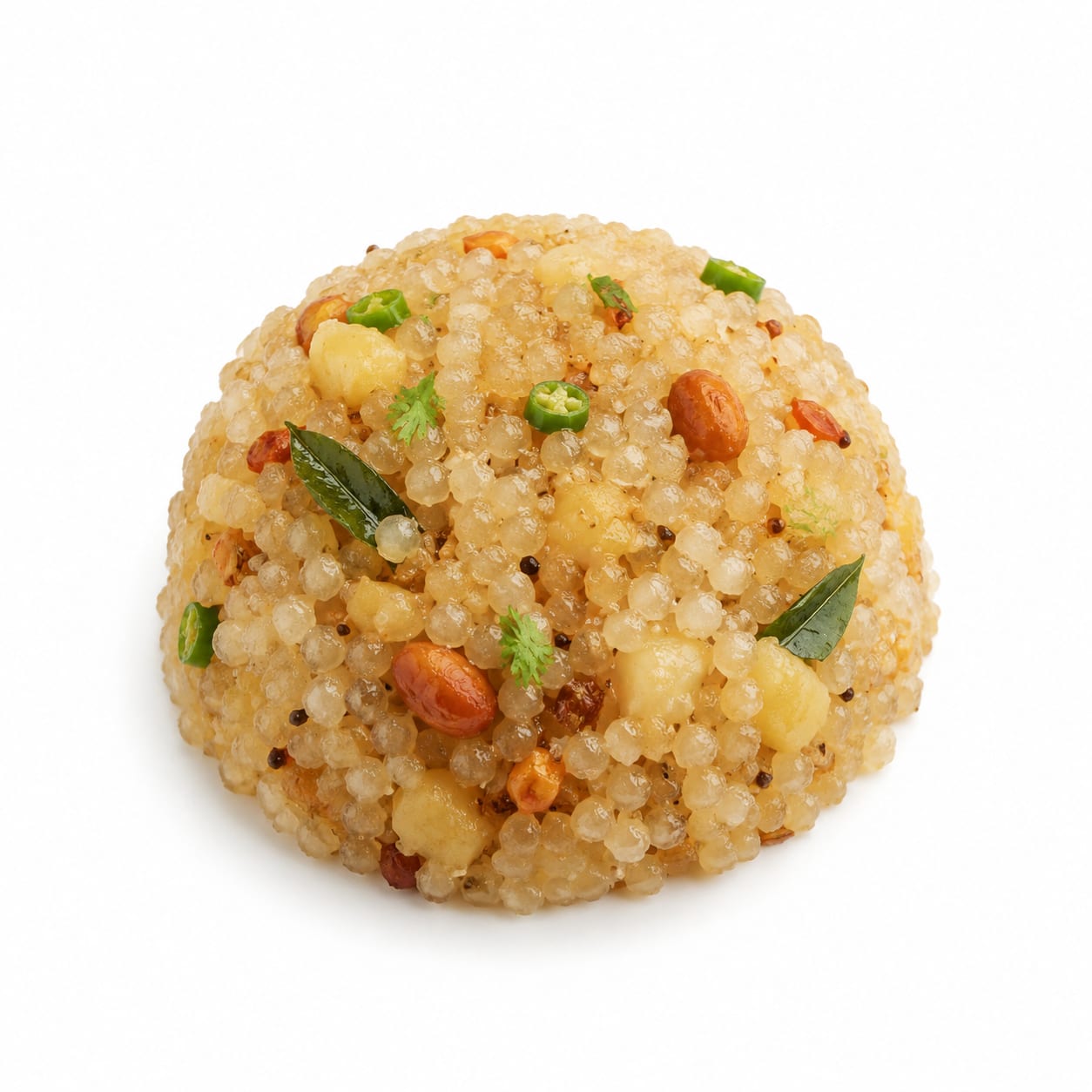
Sago
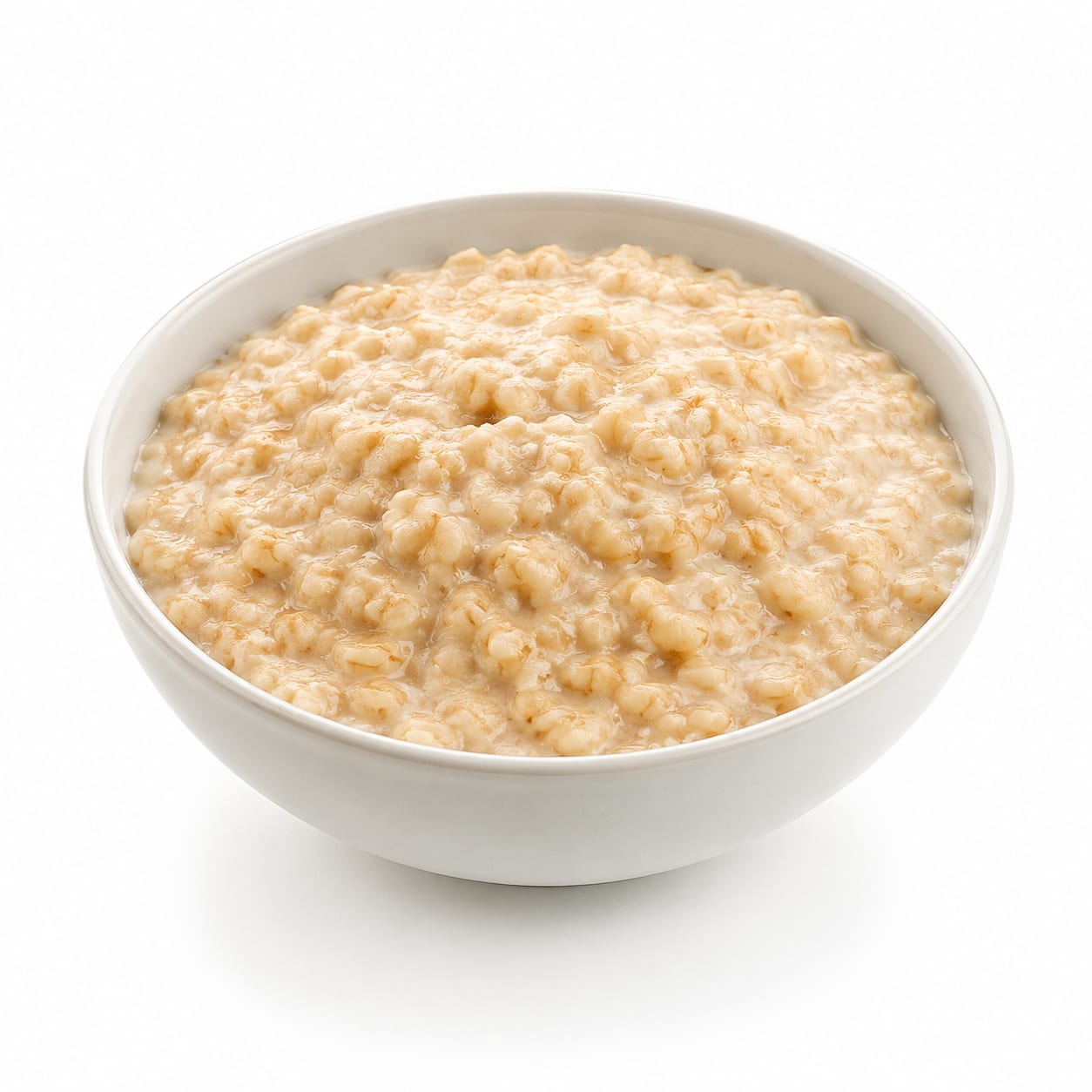
Oats
Oats dominate nutritionally with fiber, protein, and minerals. Sago is mostly empty carbs that spike blood sugar.
The gap is large because Sago provides almost no nutrition beyond starch calories. Oats deliver protein, fiber, vitamins, minerals, and proven health benefits. Sago has niche uses but is not a daily health food.
Sago offers cultural comfort and easy digestibility but sacrifices nearly all nutritional value. Oats deliver sustained energy and health benefits but require more chewing and may bother sensitive stomachs.
At a glance
Executive summary
Overall
Oats
Healthier
Oats
More practical
Oats
Daily use
Oats
Key comparison lenses
nutritional density comparison
Sago is almost pure starch with minimal nutrients, while Oats are one of the most nutrient-dense grains available
blood sugar management
Sago causes rapid blood sugar spikes; Oats provide slow, steady energy release
weight management and satiety
Oats keep you full for hours; Sago digests quickly and leaves you hungry again fast
heart health considerations
Oats contain beta-glucan fiber proven to lower cholesterol; Sago offers no cardiovascular benefit
digestive tolerance and cultural use
Sago is gentle on sensitive stomachs and holds cultural significance in Southeast Asian cuisine
Best choice for
Sago
- People recovering from illness who need easily digestible calories
- Those following traditional Southeast Asian recipes
- Anyone with severe fiber intolerance or IBS flares
- Fasting replenishment when gut rest is needed
Oats
- Anyone prioritizing long-term health and disease prevention
- People managing weight who need lasting fullness
- Those with diabetes or prediabetes
- Athletes needing sustained energy
- Anyone wanting heart-healthy breakfasts
Least suitable for
Sago
- People with diabetes or insulin resistance
- Anyone trying to lose weight
- Those seeking nutrient-dense meals
- People prone to energy crashes after carbs
Oats
- People with severe oat or gluten sensitivity
- Those on a low-fiber diet during digestive flare-ups
- Anyone with avenin allergy (rare)
Deep comparison
Dimension by dimension
Each lens scores both foods and breaks down who each option suits.
- Dimension 1 · Priority 95Oats
Nutritional Density
Sago · 8Oats · 92Sago is essentially pure carbohydrate with trace minerals. Oats pack protein, fiber, iron, magnesium, zinc, and B vitamins into every serving.
Tradeoff
Sago provides quick calories when you need them most but almost nothing else. Oats take slightly more effort to eat but reward you with real nourishment.
Why it matters
Eating nutrient-poor foods regularly leaves your body running on empty despite adequate calories.
Real-world impact
A Sago breakfast leaves you hungry again by mid-morning. An Oats breakfast fuels you through lunch without crashing.
Sago
- Situations requiring easily absorbed calories with minimal digestive work
Better for
- Anyone who needs sustained energy and real nourishment from meals
Worse for
Oats
- Literally every other scenario where nutrition matters
Better for
- Moments when your digestive system needs complete rest
Worse for
- Dimension 2 · Priority 90Oats
Blood Sugar Stability
Sago · 12Oats · 88Sago digests almost as fast as sugar, causing sharp glucose spikes. Oats release energy slowly thanks to beta-glucan fiber.
Tradeoff
Sago gives you instant energy that disappears just as fast. Oats give you steady energy that lasts for hours.
Why it matters
Blood sugar roller coasters drive cravings, fatigue, and long-term metabolic damage.
Real-world impact
After Sago, you feel energized for 30 minutes then crash. After Oats, you feel comfortably full and focused through your morning.
Sago
- Endurance athletes needing rapid carb replenishment mid-event
Better for
- Sedentary people who will not burn through that glucose quickly
Worse for
Oats
- Office workers needing focus through the morning
- Anyone with diabetes or metabolic syndrome
- People trying to break the sugar-craving cycle
Better for
- Athletes mid-race who need immediate fuel, not slow release
Worse for
- Dimension 3 · Priority 85Oats
Satiety and Fullness
Sago · 15Oats · 90Oats absorb water and expand in your stomach, keeping you full for 3-4 hours. Sago digests in under an hour.
Tradeoff
Sago feels light and easy to eat, which means you can overconsume without realizing. Oats feel substantial and naturally limit portions.
Why it matters
Foods that fail to fill you up lead to overeating and snacking between meals.
Real-world impact
A bowl of Sago pudding feels like a treat but leaves you raiding the fridge an hour later. A bowl of oatmeal carries you to your next meal comfortably.
Sago
- When you want something light before a big meal
Better for
- Anyone trying to reduce snacking between meals
Worse for
Oats
- Breakfast when you need to last until lunch
- Weight management when controlling portions matters
Better for
- When you want a light dessert after a heavy meal
Worse for
- Dimension 4 · Priority 80Oats
Heart Health
Sago · 5Oats · 92Oats contain beta-glucan, a soluble fiber clinically proven to lower LDL cholesterol. Sago has zero fiber and zero heart benefit.
Tradeoff
Eating Oats daily is one of the simplest evidence-based ways to protect your heart. Sago is heart-neutral at best.
Why it matters
Heart disease remains the leading cause of death globally, and dietary fiber is one of the strongest protective factors.
Real-world impact
Three grams of beta-glucan daily from Oats can meaningfully reduce cholesterol over months. Sago offers no comparable benefit.
Sago
- People who need heart-protective foods in their daily routine
Worse for
Oats
- Anyone with family history of heart disease
- People with elevated cholesterol
- Anyone over 40 thinking about long-term cardiovascular protection
Better for
- Dimension 5 · Priority 70It depends
Digestive Tolerance
Sago · 75Oats · 65Sago is extremely gentle and easy to digest, making it ideal during illness recovery. Oats are well-tolerated by most but their fiber can irritate sensitive guts.
Tradeoff
Sago is comfort food for an upset stomach but offers no gut health benefit long-term. Oats feed beneficial gut bacteria but can cause bloating during adjustment.
Why it matters
Digestive comfort determines whether you can actually stick with a food regularly.
Real-world impact
After a stomach bug, Sago porridge feels soothing and safe. For daily gut health, Oats build a stronger microbiome over time.
Sago
- Recovery from gastrointestinal illness
- During IBS flare-ups when fiber is the enemy
- Post-surgical soft food diets
Better for
- Long-term gut health maintenance
Worse for
Oats
- Building long-term gut health and regularity
- Feeding beneficial gut bacteria daily
Better for
- Active digestive flare-ups when any fiber causes pain
Worse for
- Dimension 6 · Priority 60Oats
Versatility and Convenience
Sago · 55Oats · 82Both are easy to cook, but Oats have far more recipe flexibility from savory to sweet, breakfast to baking.
Tradeoff
Sago shines in traditional puddings and Southeast Asian dishes. Oats work in everything from overnight oats to smoothies to veggie burgers.
Why it matters
A food you can use multiple ways is easier to keep in your regular rotation.
Real-world impact
Sago limits you to mostly sweet puddings and bubble tea. Oats can be your breakfast, your baking base, your smoothie thickener, and your crust binder.
Sago
- Making traditional Southeast Asian desserts
- Creating tapioca-style puddings and bubble tea
Better for
- Anyone wanting one staple ingredient for multiple meal types
Worse for
Oats
- Meal prepping breakfast for the whole week
- Baking healthier treats
- Adding nutrition to smoothies cheaply
Better for
Timeline
Health impact over time
Short-term
Hours to days
Sago
- Rapid blood sugar spike within 30-60 minutes of eating
- Quick energy burst followed by fatigue and hunger
- Easy on the stomach with minimal digestive effort required
- Unlikely to cause bloating or gas
Oats
- Steady energy release over 2-4 hours without crashes
- Comfortable fullness that reduces snacking urges
- Possible mild bloating if your body is adjusting to more fiber
- Improved morning focus and satiety compared to refined carbs
Long-term
Months to years
Sago
- Regular consumption may contribute to insulin resistance over time
- Provides calories without nourishment, risking nutrient deficiencies
- No protective effect against chronic disease
- May promote weight gain if portions are not carefully controlled
Oats
- Daily consumption associated with lower cholesterol and heart disease risk
- Improved gut microbiome diversity and digestive regularity
- Better blood sugar control reducing diabetes risk
- Sustained satiety supporting healthy weight maintenance
Risk profile
Safety & processing
Sago undergoes significant processing to extract starch from palm pith, stripping away all fiber and protein. Rolled or steel-cut Oats are simply hulled and flattened whole grains that retain their natural nutrition.
Sago
Cyanogenic compound exposure from improper processing
mediumRaw sago palm pith contains cyanogenic compounds that must be thoroughly removed during processing. Commercially produced Sago is generally safe, but poorly processed batches can pose risk.
Contamination in informal markets
lowSago sold in unregulated markets may have inconsistent processing quality and potential starch adulteration.
Oats
Gluten cross-contamination
mediumOats are naturally gluten-free but frequently processed in facilities that handle wheat. Certified gluten-free Oats are necessary for those with celiac disease.
Pesticide residue
lowConventionally grown Oats may carry pesticide residues including glyphosate used as a pre-harvest desiccant. Choosing organic reduces this exposure.
Who wins for whom
Audience fit
Same foods, different winners depending on your goal.
children
OatsGrowing bodies need protein, iron, and fiber that Oats provide. Sago is fine as an occasional treat but lacks nutrients children need for development.
daily consumption
OatsOats are one of the most evidence-backed daily foods for long-term health. Daily Sago consumption would displace more nutritious foods.
diabetes
OatsOats have a low glycemic index and beta-glucan fiber that slows glucose absorption. Sago spikes blood sugar rapidly and is risky for glucose management.
elderly
OatsOats support heart health, digestive regularity, and bone-supporting minerals. Sago may be easier to chew but offers no health protection for aging bodies.
muscle gain
OatsOats offer moderate protein alongside carbs for recovery. Sago provides carbs only with negligible protein for muscle repair.
weight loss
OatsOats provide lasting fullness from fiber and protein, naturally reducing overall calorie intake. Sago's rapid digestion encourages overeating.
Your move
Decision guide
Choose Sago
- You are recovering from illness and need gentle, easily digested calories
- You are making traditional Southeast Asian recipes where Sago is essential
- You have a severe fiber intolerance during a digestive flare-up
- You need quick carbs during intense endurance training
Choose Oats
- You want a daily breakfast that supports long-term health
- You are managing weight, blood sugar, or cholesterol
- You need sustained energy without afternoon crashes
- You want one affordable food that covers multiple nutritional bases
- You are meal prepping for the week ahead
Either works if
- You want a warm comforting porridge on a cold morning
- You are looking for gluten-free carb options (with certified gluten-free Oats)
Avoid both if
- You have severe carb restrictions or are in ketosis
- You need high-protein foods as your primary calorie source
Final recommendation
Make Oats your daily staple and treat Sago as an occasional cultural dish. The nutritional gap between them is enormous. Oats protect your heart, steady your blood sugar, and keep you full. Sago provides comfort and tradition but almost no nourishment. If you love Sago dishes, enjoy them mindfully alongside Oats-based meals rather than instead of them.
Practical
Consumer tips
- 1
Choose steel-cut or rolled Oats over instant packets for better blood sugar control and more fiber
- 2
If you have celiac disease, always buy certified gluten-free Oats to avoid cross-contamination
- 3
Soaking Oats overnight makes them creamier and easier to digest while preserving all nutrition
- 4
Add protein like Greek yogurt or nuts to Oats for even longer-lasting fullness
- 5
If eating Sago, pair it with protein and healthy fats to slow the blood sugar spike
- 6
Store Oats in a cool dry place and they last for months, making them extremely budget-friendly
- 7
Organic Oats reduce your exposure to glyphosate and other pesticide residues