
Nutrition comparison
Sago vs Quinoa: Which is Healthier?
Compare Sago and Quinoa to see which carb is better for weight loss, blood sugar, and daily energy. Discover why Quinoa's nutrition beats Sago's empty carbs.
Overall winner · Quinoa
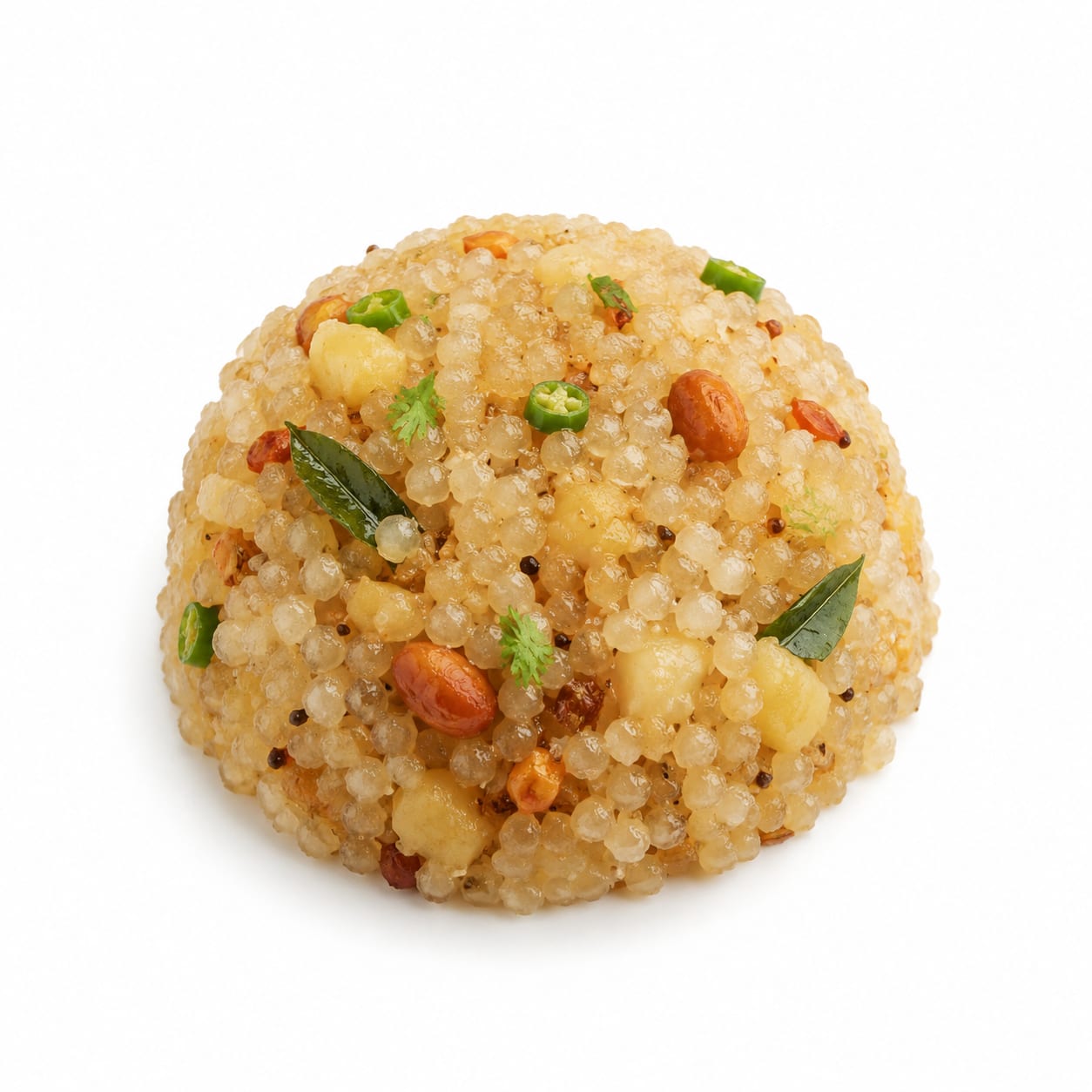
Sago
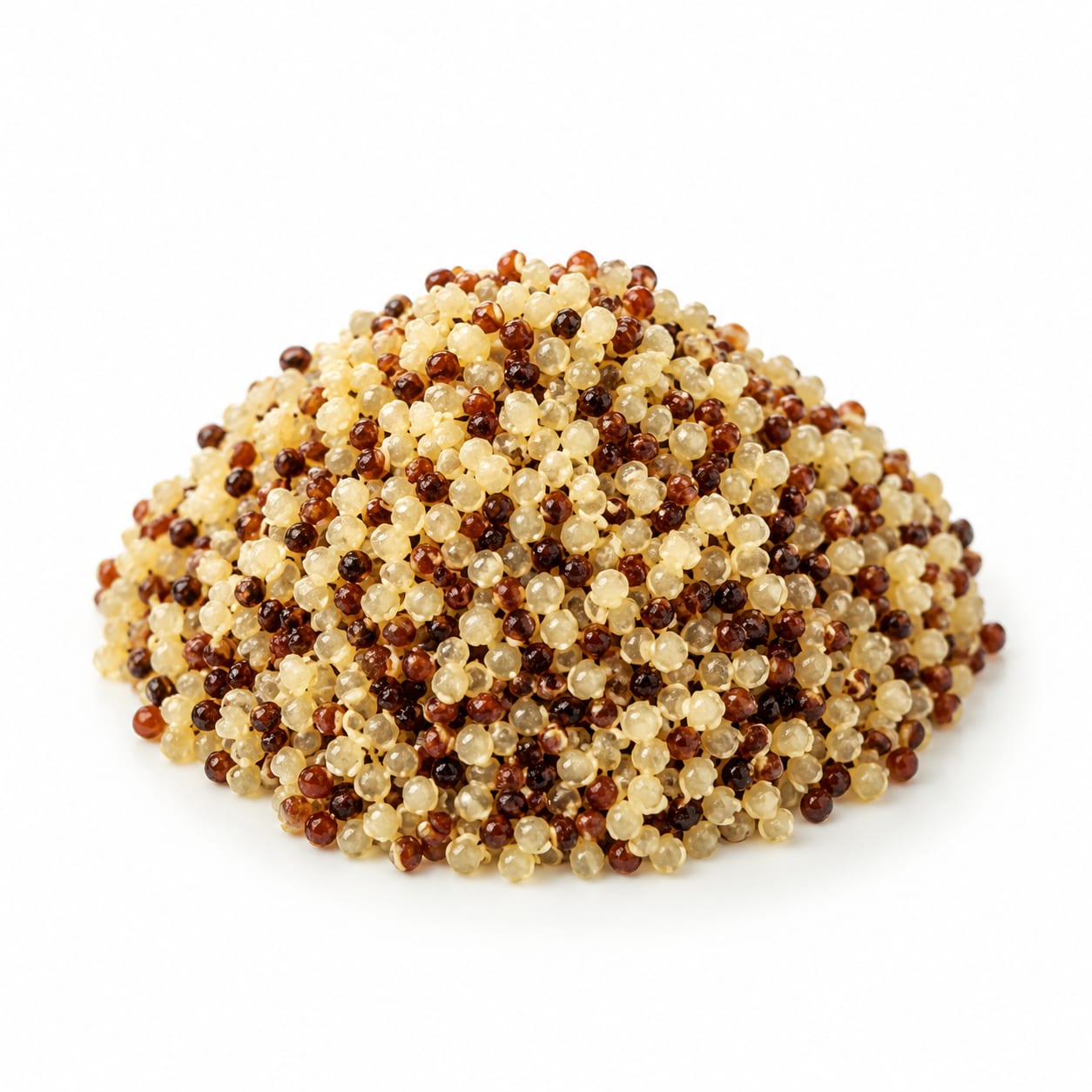
Quinoa
Quinoa is a nutritional powerhouse that fuels and sustains you, while Sago is mostly empty carbs best reserved for occasional desserts.
Quinoa scores dramatically higher because it delivers protein, fiber, and essential minerals. Sago scores low as it acts essentially as refined sugar in the body, offering calories with almost zero nutritional payoff.
You trade the unique, comforting texture of Sago for the substantial nutritional value and fullness that Quinoa provides.
At a glance
Executive summary
Overall
Quinoa
Healthier
Quinoa
More practical
Quinoa
Daily use
Quinoa
Key comparison lenses
Nutritional density and empty carbs vs whole food
Sago is almost pure starch with minimal nutrients, while Quinoa is a nutrient-dense seed packed with protein and fiber.
Blood sugar impact and satiety
Sago digests rapidly causing sugar spikes, whereas Quinoa provides slow, steady energy and keeps you full much longer.
Protein quality for meals
Quinoa offers a complete protein profile rare in plant foods, while Sago contributes virtually zero protein to a meal.
Best choice for
Sago
- Traditional dessert recipes
- Quick energy replenishment during intense endurance sports
- Gluten-free thickening agents
Quinoa
- Balanced daily meals
- Weight management and fat loss
- Plant-based protein needs
Least suitable for
Sago
- People with diabetes or insulin resistance
- Anyone looking to lose weight
- Those seeking sustained daily energy
Quinoa
- Quick sugar replenishment after severe hypoglycemia
- Traditional Asian dessert recipes requiring chewy starch
Deep comparison
Dimension by dimension
Each lens scores both foods and breaks down who each option suits.
- Dimension 1 · Priority 95Quinoa
Nutritional Value
Sago · 5Quinoa · 95Quinoa is loaded with vitamins and minerals; Sago is nutritional dead space.
Tradeoff
Eating Sago means missing out on the iron, magnesium, and B-vitamins that Quinoa easily delivers.
Why it matters
A meal built on Sago leaves your body fed but undernourished, forcing you to get nutrients from elsewhere.
Real-world impact
A Quinoa bowl keeps your body running smoothly; a Sago pudding just fills your stomach temporarily.
Sago
- Reliance on other foods for basic nutrition
Worse for
Quinoa
- Preventing nutrient deficiencies
- Supporting overall vitality
Better for
- Dimension 2 · Priority 90Quinoa
Blood Sugar Stability
Sago · 10Quinoa · 85Sago causes rapid blood sugar spikes; Quinoa provides steady, reliable energy.
Tradeoff
Sago gives a quick rush followed by a crash, while Quinoa keeps you level-headed and focused.
Why it matters
Blood sugar crashes trigger cravings, fatigue, and irritability, making it harder to stick to healthy eating.
Real-world impact
Eat Sago at lunch and you will be falling asleep at your desk by 2 PM. Eat Quinoa, and you will cruise through the afternoon.
Sago
- Emergency energy during extreme endurance events
Better for
- Triggering sugar cravings
- Mood swings from energy dips
Worse for
Quinoa
- Avoiding the afternoon energy crash
- Managing diabetes
Better for
- Dimension 3 · Priority 85Quinoa
Satiety and Fullness
Sago · 15Quinoa · 90Quinoa fills you up for hours; Sago digests rapidly, leaving you hungry again soon.
Tradeoff
You would need to eat a massive amount of Sago to feel as full as a small portion of Quinoa, taking in far more calories in the process.
Why it matters
Foods that fail to keep you full make overeating almost inevitable later in the day.
Real-world impact
A Sago snack will have you raiding the pantry an hour later; a Quinoa bowl keeps you satisfied until your next meal.
Sago
- Overeating due to lack of fullness
Worse for
Quinoa
- Controlling portion sizes naturally
- Preventing late-night snacking
Better for
- Dimension 4 · Priority 80Quinoa
Protein Quality
Sago · 2Quinoa · 92Quinoa is a rare plant-based complete protein; Sago is essentially protein-free.
Tradeoff
Relying on Sago as a base means you must work much harder to hit your protein targets with other foods.
Why it matters
Protein is crucial for maintaining muscle, immune function, and metabolic health.
Real-world impact
Quinoa actively helps repair your body after a workout; Sago does nothing for muscle recovery.
Sago
- Needing heavy protein supplementation
Worse for
Quinoa
- Muscle repair and growth
- Plant-based diet support
Better for
Timeline
Health impact over time
Short-term
Hours to days
Sago
- Rapid spike in blood sugar
- Quick but short-lasting energy burst
- Light, comforting feeling in the stomach initially
Quinoa
- Sustained energy without the crash
- Comfortable fullness that lasts for hours
- Easier to focus and avoid brain fog
Long-term
Months to years
Sago
- Increased risk of insulin resistance if eaten frequently
- Potential for weight gain due to high calorie and low satiety
- Poor nutrient intake if replacing whole grains
Quinoa
- Improved metabolic health and blood sugar regulation
- Better weight management due to high fiber and protein
- Support for heart health and digestive regularity
Risk profile
Safety & processing
Sago is heavily processed to extract pure starch from palm stems, stripping away all natural nutrients. Quinoa is a whole seed eaten essentially in its natural state, retaining its full nutritional profile.
Sago
Adulteration with cheaper starches
mediumCommercial Sago is sometimes cut with cornstarch or potato starch, which may be an issue for those with specific allergies.
Raw sago toxicity
highRaw sago starch can contain harmful pathogens or natural toxins; it must always be thoroughly cooked before eating.
Quinoa
Saponin coating
lowQuinoa naturally contains bitter saponins that can cause stomach upset; rinsing thoroughly before cooking eliminates this risk.
Oxalate content
lowQuinoa contains oxalates, which might be a concern for people with a history of kidney stones.
Who wins for whom
Audience fit
Same foods, different winners depending on your goal.
children
QuinoaQuinoa provides nutrients crucial for growth and steady energy for focus; Sago is just a quick sugar hit.
daily consumption
QuinoaQuinoa nourishes the body daily without metabolic drawbacks; Sago is too nutritionally void for regular use.
diabetes
QuinoaQuinoa has a low glycemic index and stabilizes blood sugar; Sago acts like pure sugar in the bloodstream.
elderly
QuinoaQuinoa supports bone density and digestive regularity; Sago lacks the nutrients aging bodies need most.
muscle gain
QuinoaQuinoa provides complete protein essential for muscle repair; Sago offers no protein to support muscle tissue.
weight loss
QuinoaQuinoa's high fiber and protein keep calories low relative to fullness, while Sago's empty carbs stimulate hunger.
Your move
Decision guide
Choose Sago
- You are making a traditional dessert or bubble tea
- You need rapidly digesting carbs during an ultra-marathon
- You want a comforting, easily digestible treat when sick
Choose Quinoa
- You want a nourishing base for a savory lunch bowl
- You are trying to lose weight or stabilize your blood sugar
- You need a plant-based protein source for muscle recovery
Either works if
- You need a gluten-free carbohydrate source (though their health impacts differ greatly)
Avoid both if
- You are strictly following a ketogenic or very low-carb diet
Final recommendation
Make Quinoa your everyday carb foundation for its unbeatable nutrition and steady energy. Save Sago for the occasional dessert or cultural dish where its unique chewy texture truly shines, but do not rely on it for nourishment.
Practical
Consumer tips
- 1
Always rinse Quinoa under cold water for 30 seconds to remove the bitter saponin coating before cooking.
- 2
Cook Sago thoroughly until it is completely translucent; any white center means it is raw and potentially irritating to the stomach.
- 3
Mix Quinoa with a healthy fat like olive oil or avocado to absorb its fat-soluble vitamins more effectively.
- 4
If you love Sago but want better nutrition, try substituting chia seeds or tapioca alternatives mixed with high-protein milk for desserts.