
Nutrition comparison
Sago vs Cornstarch: Which Starch Is Better for Cooking and Health?
Compare Sago and Cornstarch for nutrition, cooking uses, blood sugar impact, and processing. Learn which starch thickener is right for your recipes and health goals.
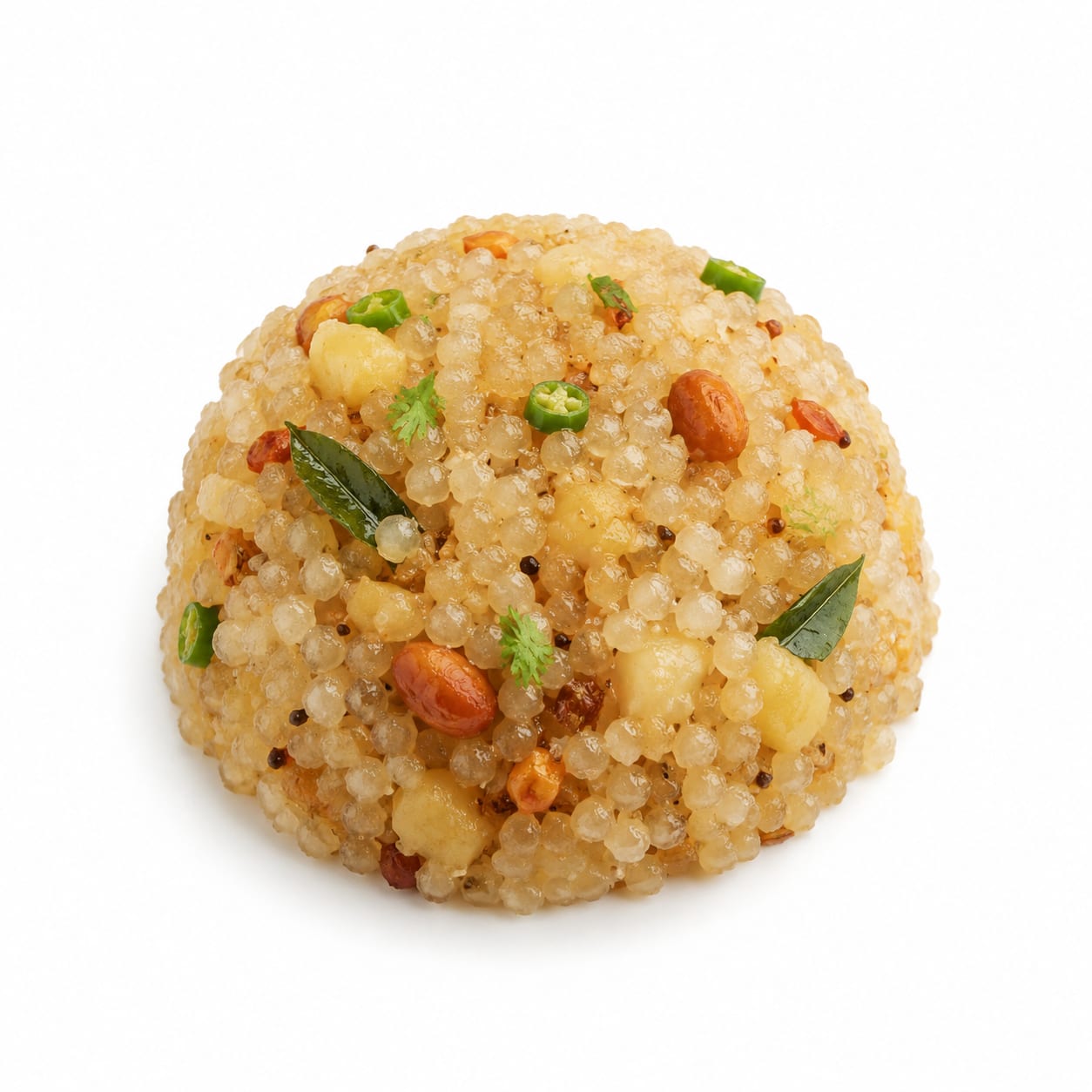
Sago
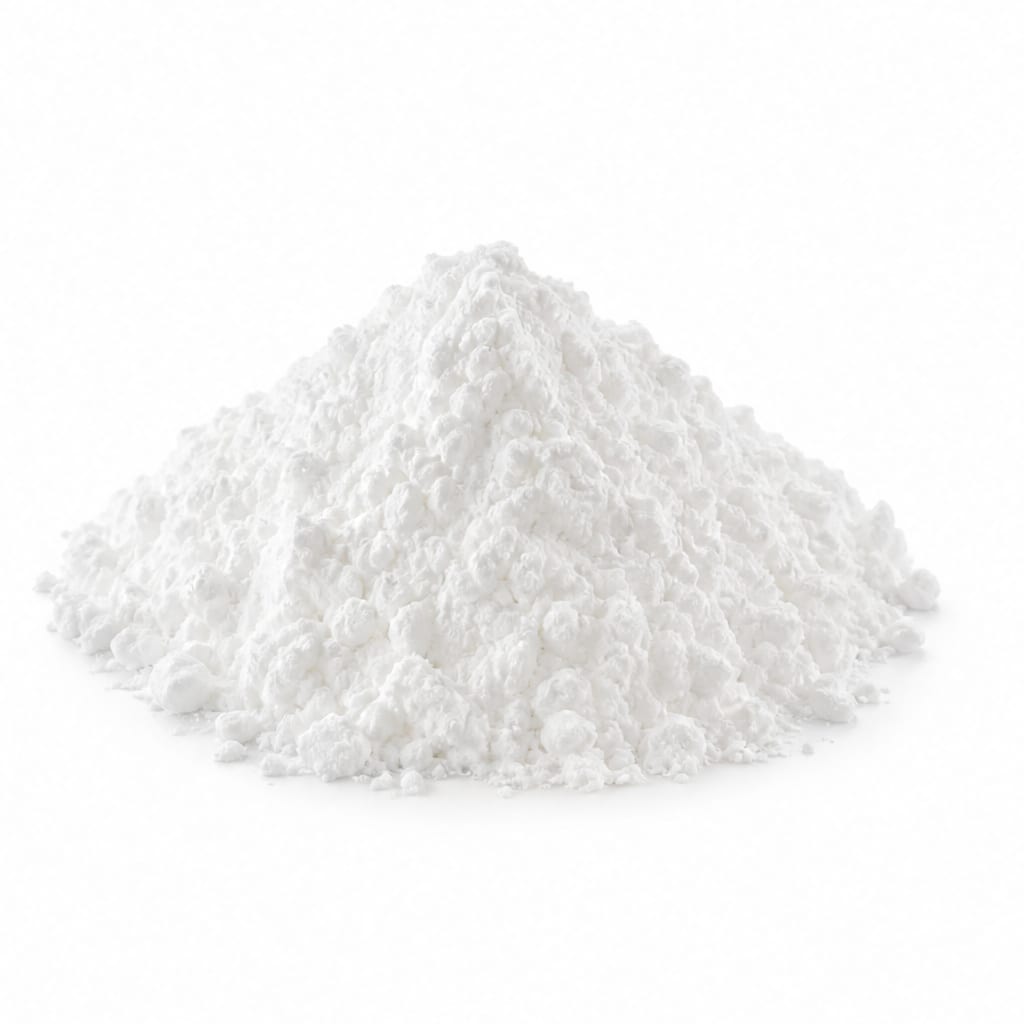
Cornstarch
Neither Sago nor Cornstarch is a nutritional winner. Sago is slightly less processed and has cultural food value, while Cornstarch is more practical and versatile as a thickener.
Both score poorly because neither offers meaningful nutrition. Sago edges slightly ahead due to less processing and trace mineral content, but Cornstarch wins on practicality. The low scores reflect that both are essentially empty-calorie thickeners.
Sago offers a more traditional, less refined option with unique texture, while Cornstarch delivers superior thickening power at lower cost and wider availability.
At a glance
Executive summary
Overall
It depends
Healthier
It depends
More practical
Cornstarch
Daily use
Cornstarch
Key comparison lenses
thickening agent comparison
Both are primarily used as starch thickeners in cooking, so functionality matters most
nutritional empty calories concern
Neither offers meaningful nutrition, making this a comparison of lesser downsides
blood sugar impact
Both are pure starches that spike blood sugar rapidly, critical for diabetic users
processing and naturalness
Sago comes from palm pith while cornstarch is heavily refined, a key differentiator
digestive tolerance
Some people find one easier to digest than the other, especially in traditional preparations
Best choice for
Sago
- Traditional Southeast Asian and Pacific Island recipes
- People wanting a less refined starch option
- Dessert recipes like puddings and bubble tea where pearl texture matters
- Those avoiding corn-based products
Cornstarch
- Everyday cooking and baking as a thickener
- Gravy, sauce, and soup thickening where clarity and smoothness matter
- Budget-conscious households
- Gluten-free baking blends
Least suitable for
Sago
- Blood sugar management or diabetes
- Weight loss diets due to calorie density without satiety
- Quick weeknight cooking due to longer pearl preparation time
- Anyone needing a smooth, invisible thickener
Cornstarch
- People with corn allergies or sensitivities
- Those avoiding highly refined ingredients
- Traditional recipes where sago texture is expected
- Anyone seeking nutritional value from their starch
Deep comparison
Dimension by dimension
Each lens scores both foods and breaks down who each option suits.
- Dimension 1 · Priority 90Sago
nutritional_value
Sago · 18Cornstarch · 12Both are nutritional deserts, but Sago retains trace amounts of calcium, iron, and potassium from its palm source.
Tradeoff
The difference is marginal. Neither provides protein, fiber, or meaningful vitamins. You would need to eat impractical quantities to get any mineral benefit from Sago.
Why it matters
If you are choosing a starch for health reasons, both fall short. The real question is which does less harm in your diet.
Real-world impact
Adding either to a meal adds calories without fullness. You will feel hungry again quickly after eating either one.
Sago
- Recipes where you want at least trace mineral contribution
- Traditional diets that pair Sago with nutrient-dense accompaniments
Better for
- Anyone expecting significant nutritional benefit
Worse for
Cornstarch
- Situations where you use such tiny amounts that nutrition is irrelevant
Better for
- People who assume all starches are equal nutritionally
Worse for
- Dimension 2 · Priority 88It depends
blood_sugar_impact
Sago · 15Cornstarch · 15Both are nearly pure starch that digest rapidly and spike blood sugar aggressively.
Tradeoff
Sago pearls may digest slightly slower than Cornstarch powder due to their physical form, but the difference is negligible in practice.
Why it matters
Either option can cause an energy crash within an hour of eating. Neither is safe for frequent consumption by people with diabetes.
Real-world impact
A Sago pudding or Cornstarch-thickened gravy will both leave you reaching for another snack soon after eating.
Sago
- Whole pearl form may slow digestion very slightly compared to fine powder
Better for
- Large servings in desserts create massive blood sugar spikes
Worse for
Cornstarch
- Used in such small quantities as thickener that glycemic impact is minimal per serving
Better for
- Pure powder form digests almost instantly
Worse for
- Dimension 3 · Priority 82Sago
processing_and_naturalness
Sago · 55Cornstarch · 30Sago is extracted from palm pith through traditional washing and settling methods. Cornstarch undergoes heavy industrial refining including chemical soaking and centrifugation.
Tradeoff
Sago retains more of its whole-food origin, but both are still refined starches stripped of their natural context.
Why it matters
If you are trying to reduce ultra-processed foods in your diet, Sago is the clearly less refined option.
Real-world impact
Cornstarch production involves steeping corn in sulfur dioxide solutions. Sago is closer to a traditional kitchen process.
Sago
- Clean-eating approaches that minimize industrial processing
- Traditional and cultural food practices
Better for
- Still a refined starch, not a whole food
Worse for
Cornstarch
- Situations where processing consistency and purity matter more than naturalness
Better for
- Industrial refining with chemical steps makes it ultra-processed by most definitions
Worse for
- Dimension 4 · Priority 85Cornstarch
cooking_versatility
Sago · 40Cornstarch · 82Cornstarch is a kitchen workhorse that thickens sauces, gravies, soups, and baked goods smoothly. Sago is limited to specific traditional dishes and desserts.
Tradeoff
Cornstarch disappears into dishes seamlessly. Sago pearls bring a distinct chewy texture that only works in certain recipes.
Why it matters
For most home cooks, Cornstarch is far more useful to keep in the pantry. Sago is a specialty ingredient.
Real-world impact
You will reach for Cornstarch weekly for dinner cooking. Sago will sit in your cupboard unless you make specific desserts.
Sago
- Unique pearl texture in bubble tea, puddings, and Southeast Asian sweets
- Traditional recipes where substitution changes the dish entirely
Better for
- Cannot be used as an invisible thickener
- Requires soaking and long cooking times
Worse for
Cornstarch
- Gravies and sauces that need smooth, glossy thickening
- Gluten-free baking as a starch component
- Stir-fry sauces and pie fillings
- Frying coatings for crispy textures
Better for
- Cannot replicate the chewy pearl texture of Sago
Worse for
- Dimension 5 · Priority 72It depends
digestive_tolerance
Sago · 50Cornstarch · 55Both are generally easy to digest as simple starches, but individual reactions vary.
Tradeoff
Cornstarch is pre-gelatinized and very easy on the gut for most people. Sago pearls can be harder to digest if undercooked, but are gentle when fully prepared.
Why it matters
For sensitive stomachs, both are bland options, but preparation method matters more than the starch itself.
Real-world impact
Undercooked Sago pearls can cause bloating. Properly cooked, both are comfortable to eat even with mild digestive issues.
Sago
- Traditional preparations where long cooking ensures full digestibility
- People with corn sensitivities who need an alternative
Better for
- Undercooked pearls cause digestive discomfort
- Large portions can feel heavy
Worse for
Cornstarch
- Recovery from stomach illness when you need the gentlest possible food
- Quick-digesting energy before or after intense exercise
Better for
- Corn allergies or sensitivities make this a non-starter
Worse for
- Dimension 6 · Priority 68Cornstarch
cost_and_accessibility
Sago · 35Cornstarch · 85Cornstarch is cheap, available in every grocery store, and has long shelf life. Sago is a specialty item requiring Asian markets or online ordering.
Tradeoff
You pay more and search harder for Sago. Cornstarch is one of the most affordable pantry staples available.
Why it matters
If you cannot easily buy an ingredient, you will not use it regularly regardless of its merits.
Real-world impact
Cornstarch costs roughly two dollars per box at any supermarket. Sago may cost three to five times more and require a specialty store trip.
Sago
- Regions where Sago is locally produced and affordable
- Online shopping makes it more accessible than before
Better for
- Hard to find in many regions
- Higher price point
- Shorter shelf life once opened
Worse for
Cornstarch
- Universal grocery store availability
- Very low cost per serving
- Long stable shelf life
Better for
- Commodity pricing can fluctuate with corn markets
Worse for
Timeline
Health impact over time
Short-term
Hours to days
Sago
- Rapid blood sugar spike after consumption
- Quick but short-lasting energy boost
- Potential bloating if pearls are undercooked
- Mild fullness that fades within an hour
Cornstarch
- Very rapid blood sugar spike due to fine powder form
- Almost instant energy that crashes quickly
- Extremely gentle on the stomach when cooked into foods
- Adds calories without triggering fullness signals
Long-term
Months to years
Sago
- Regular consumption contributes to empty calorie intake without satiety
- Potential weight gain if eaten frequently as dessert base
- Trace mineral contribution is too small to provide meaningful health benefit
- Traditional diets pairing Sago with fish and vegetables mitigate downsides
Cornstarch
- Frequent use as thickener adds hidden calories to daily meals
- Highly refined nature means zero fiber or protective phytonutrients
- Corn-derived products may be from GMO sources depending on region
- Long-term overconsumption of refined starches linked to metabolic issues
Risk profile
Safety & processing
Sago is processed through traditional extraction methods from palm pith, involving washing, settling, and drying. Cornstarch undergoes industrial wet milling with sulfur dioxide steeping, centrifugation, and chemical refinement. Neither is a whole food, but Sago retains more of its natural origin and involves fewer industrial steps.
Sago
Undercooked pearl indigestibility
mediumSago pearls must be fully cooked through. Undercooked centers are hard, unpleasant, and can cause digestive discomfort or mild GI distress.
Contamination in traditional processing
lowSmall-scale or artisanal Sago production may have less quality control than industrial starch processing, though contamination incidents are rare.
Mislabeled products
mediumSome commercial Sago products are actually tapioca starch formed into pearls rather than true palm-derived Sago. Read labels carefully if authenticity matters to you.
Cornstarch
GMO corn sourcing
lowMost conventional Cornstarch in the US comes from genetically modified corn. Choose organic certified Cornstarch if this concerns you.
Sulfur dioxide residue
lowThe wet milling process uses sulfur dioxide steeping. Residual amounts in finished Cornstarch are minimal and within safety limits, but sensitive individuals may react.
Cross-contamination with allergens
lowFacilities processing Cornstarch may also handle wheat or other allergens. Check labels if you have severe food allergies.
Who wins for whom
Audience fit
Same foods, different winners depending on your goal.
children
SagoSago pearls in traditional puddings are more appealing and less processed than Cornstarch. Children enjoy the fun texture, and traditional preparations often include milk and nutrients.
daily consumption
CornstarchCornstarch is used in such small amounts as a thickener that daily use is negligible nutritionally. Sago is typically eaten in larger dessert portions, making daily consumption more problematic.
diabetes
It dependsBoth are poor choices for blood sugar management. Cornstarch used in tiny amounts as thickener has less impact per serving than Sago eaten in dessert quantities.
elderly
CornstarchCornstarch is easier to digest fully and can be incorporated into soft foods. Sago pearls may pose a mild choking risk for those with swallowing difficulties.
muscle gain
It dependsNeither provides protein. Both offer quick carbs that could theoretically fuel workouts, but far better carb sources exist for athletic performance.
weight loss
It dependsNeither supports weight loss. Both add empty calories. Cornstarch is used in smaller quantities per serving, so it adds fewer calories in practice.
Your move
Decision guide
Choose Sago
- You are making traditional Southeast Asian or Pacific Island recipes
- You want a less refined starch and care about processing methods
- You are making bubble tea, puddings, or desserts where pearl texture is essential
- You have a corn allergy or sensitivity
- You value traditional food culture and ingredient heritage
Choose Cornstarch
- You need a reliable, smooth thickener for sauces, gravies, and soups
- You want an affordable, widely available pantry staple
- You are baking gluten-free and need a starch component
- You use starch in tiny quantities where nutritional differences are irrelevant
- You want consistent, predictable results every time you cook
Either works if
- You are simply thickening a liquid and both are available
- Neither ingredient is a significant source of your daily calories
- You are mixing starch into a dish with plenty of protein, fiber, and healthy fats
Avoid both if
- You have diabetes or blood sugar management concerns and eat large portions
- You are trying to lose weight and do not want hidden empty calories
- You are following a whole-food, minimally processed diet
- You are looking for nutritional value from your carbohydrate sources
Final recommendation
For everyday cooking, Cornstarch is the more practical and versatile choice. For traditional recipes and cultural dishes, Sago delivers an irreplaceable texture and experience. Neither should be a dietary staple. Use either in small amounts as a tool, not a food group. If health is your priority, both are best minimized in favor of nutrient-dense whole carbohydrate sources.
Practical
Consumer tips
- 1
Buy organic Cornstarch if you want to avoid GMO corn and reduce processing chemical concerns
- 2
Soak Sago pearls for at least 30 minutes before cooking to ensure even hydration and prevent undercooked centers
- 3
Use Cornstarch in slurry form by mixing with cold water before adding to hot liquids to prevent clumping
- 4
Store both in airtight containers in a cool, dry place. Cornstarch lasts indefinitely. Sago should be used within a year
- 5
Replace either with arrowroot powder if you want a less refined thickener with slightly better nutritional profile
- 6
If making Sago desserts, pair with coconut milk, fruit, or protein to slow the blood sugar spike
- 7
A teaspoon of Cornstarch thickens a cup of liquid. You rarely need more, which keeps calorie impact minimal
- 8
True Sago from palm is increasingly rare. Most commercial pearls are tapioca. Check labels if authenticity matters to you