
Berry
Rowanberry
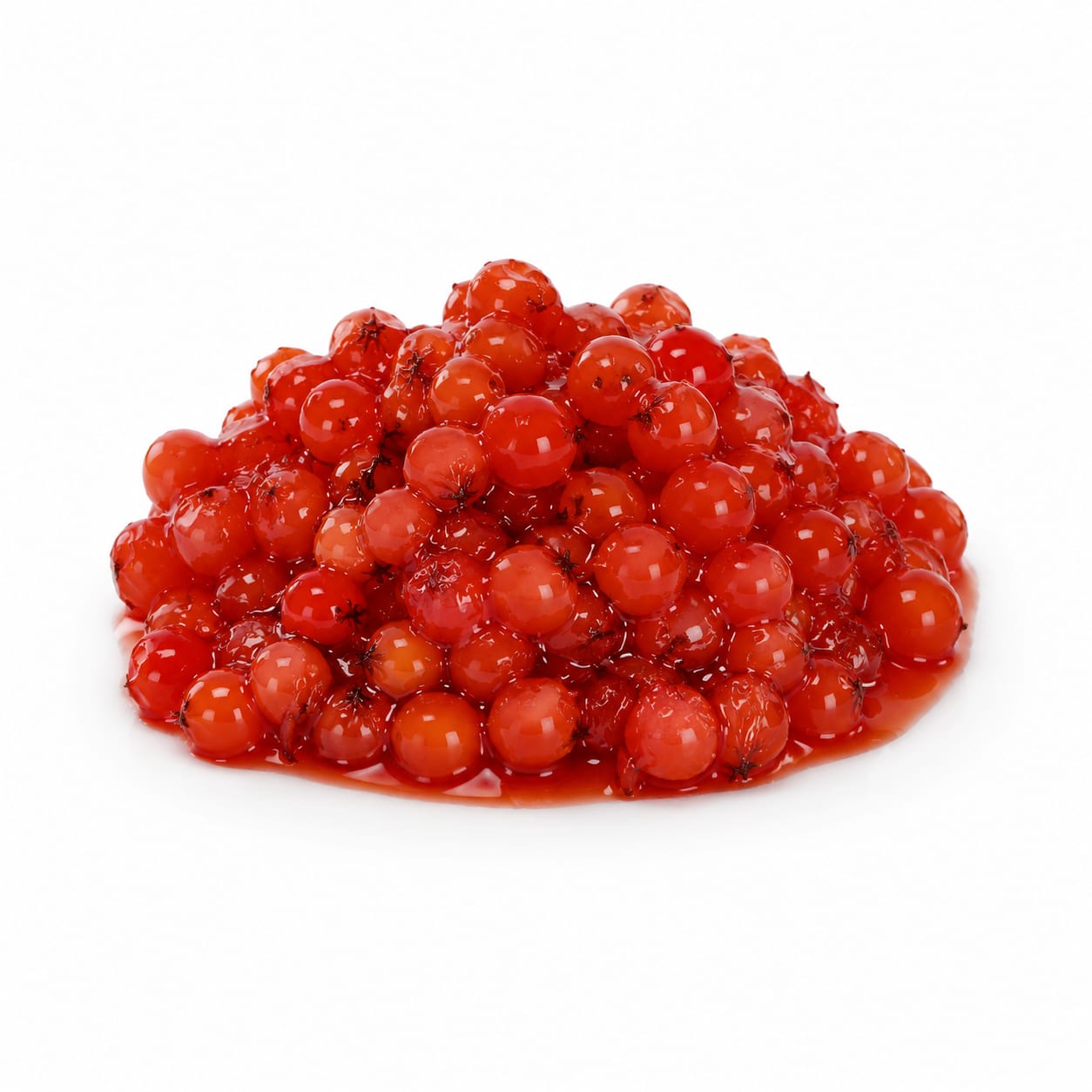
A tart, astringent berry from the mountain ash tree that requires cooking or freezing to neutralize natural parasorbic acid before consumption.
Small, bright red-orange berries from the rowan tree (mountain ash), known for their intensely tart and astringent taste. They are rarely eaten raw and typically cooked or processed into jellies, jams, and beverages.
high-antioxidant low-sugar foraging berry
Typical serving · 100g
Common varieties · Sorbus aucuparia, Rosina, Konzentra, Edulis, Yellow Russian
Overall context score across nutrition, safety, and diet fit
At a glance
Quick facts
Simple indicators based on nutrition, processing, and diet fit.
The story
What makes it unique
Rowanberries are low-calorie, high-fiber fruits rich in vitamin C and polyphenols. Raw berries contain parasorbic acid, which can cause gastrointestinal distress, but cooking or freezing converts it to safe sorbic acid. Digestion is slow due to high fiber and low sugar content, resulting in a low glycemic response.
Varieties: Sorbus aucuparia · Rosina · Konzentra · Edulis · Yellow Russian
Per 100g
Nutrition breakdown
Macro balance and key metrics at a glance.
Energy
Density 0.55 kcal/g
Protein
Carbs
Fat
Fiber
Sugar
5.5 g
Sodium
4 mg
Potassium
160 mg
Glycemic index
25
Glycemic load
2
Water content
82%
Standout compounds
Nutrient highlights
Vitamin C
highSupports immune function and collagen synthesis
Dietary Fiber
highPromotes digestive health and blood sugar regulation
Polyphenols
highProvides antioxidant and anti-inflammatory effects
Sorbitol
moderateContributes to the sweet taste after frost but can have a mild laxative effect
Wellness map
Health scores & processing
NOVA processing scale
Minimally processed · Whole food
Raw or frozen rowanberries are unprocessed whole foods. They are typically cooked into jams or jellies at home, which adds sugar but starts as a whole ingredient.
Diet compatibility
- Weight loss
- Muscle gain
- Diabetes
- Gut health
- Low carb
- High protein
- Heart health
Relative standing
Food rankings
Qualitative ranks compared to similar whole foods.
- Satietygood
- Blood sugarexcellent
- Nutrient densitygood
- Fitness fuelmoderate
- Processing qualityexcellent
Eat with confidence
Food safety profile
Raw rowanberries contain parasorbic acid, which can cause stomach upset and kidney issues if consumed in large quantities. Cooking, drying, or freezing neutralizes this compound, making the berries safe to eat.
Evidence confidence 85%
- Pesticideslow
- Antibioticslow
- Heavy metalslow
- Contaminationmoderate
Watch for
- parasorbic acid
Safer choices
Cooked or frozen rowanberries
Prep tips
Always cook, freeze, or thoroughly dry rowanberries before eating to convert parasorbic acid into safe sorbic acid. Avoid eating large quantities of raw, fresh berries.
Not commonly sold raw in standard supermarkets due to parasorbic acid content; often foraged or sold as processed products.
Deep dive
Health analysis
How this food may fit different goals and preparation choices.
Weight loss
Low energy density and high fiber content promote satiety, making them useful for weight management when prepared without added sugar.
Blood sugar
Very low glycemic index and load. The high fiber and low sugar content prevent blood sugar spikes, making them ideal for glucose management.
Fitness & energy
Not a primary energy source due to low carbohydrate density, but offers antioxidant support for recovery.
Gut health
High fiber supports healthy digestion and gut microbiome diversity, though raw berries can irritate the stomach lining.
Processing quality
Whole, unprocessed berries offer maximum nutrient density. Commercial jellies often contain high added sugars that diminish health benefits.
Food safety
Must be cooked or frozen to neutralize parasorbic acid. Foraged berries should be washed to remove environmental contaminants.
Common mistakes
Eating raw berries straight from the tree, which can lead to stomach cramps and nausea due to parasorbic acid.
Best preparation
Cooking into a sugar-free jelly, freezing before adding to smoothies, or drying for herbal teas.
Practical guide
Best use cases
When and how this food fits real eating patterns.
Sugar-free fruit jelly
Cooked down with a sugar substitute to create a tart, antioxidant-rich spread for low-carb diets.
Autumn foraging recipes
A traditional wild food used in seasonal cooking after the first frost, which naturally sweetens the berries.
Vitamin C boost
Processed into syrups or teas to support immune function during colder months.
Balance sheet
Pros & cons
Upsides
- Very low glycemic load ideal for diabetics
- High in immune-boosting vitamin C
- Rich in dietary fiber for gut health
- Packed with antioxidants and polyphenols
- Low calorie and low energy density
Trade-offs
- Must be cooked or frozen before eating
- Highly tart and astringent flavor
- Commercial preparations often contain high added sugar
- Not widely available in standard grocery stores
Fit check
Who is it for?
Great match
- blood sugar control
- low-calorie diets
- antioxidant support
- foraging enthusiasts
Consider alternatives
- quick raw snacking
- high-protein diets
- people sensitive to tart flavors
Side by side
How it compares
Open the full head-to-head analysis for nutrition, safety, and practical tradeoffs.
This food
Rowanberry
VS90% alike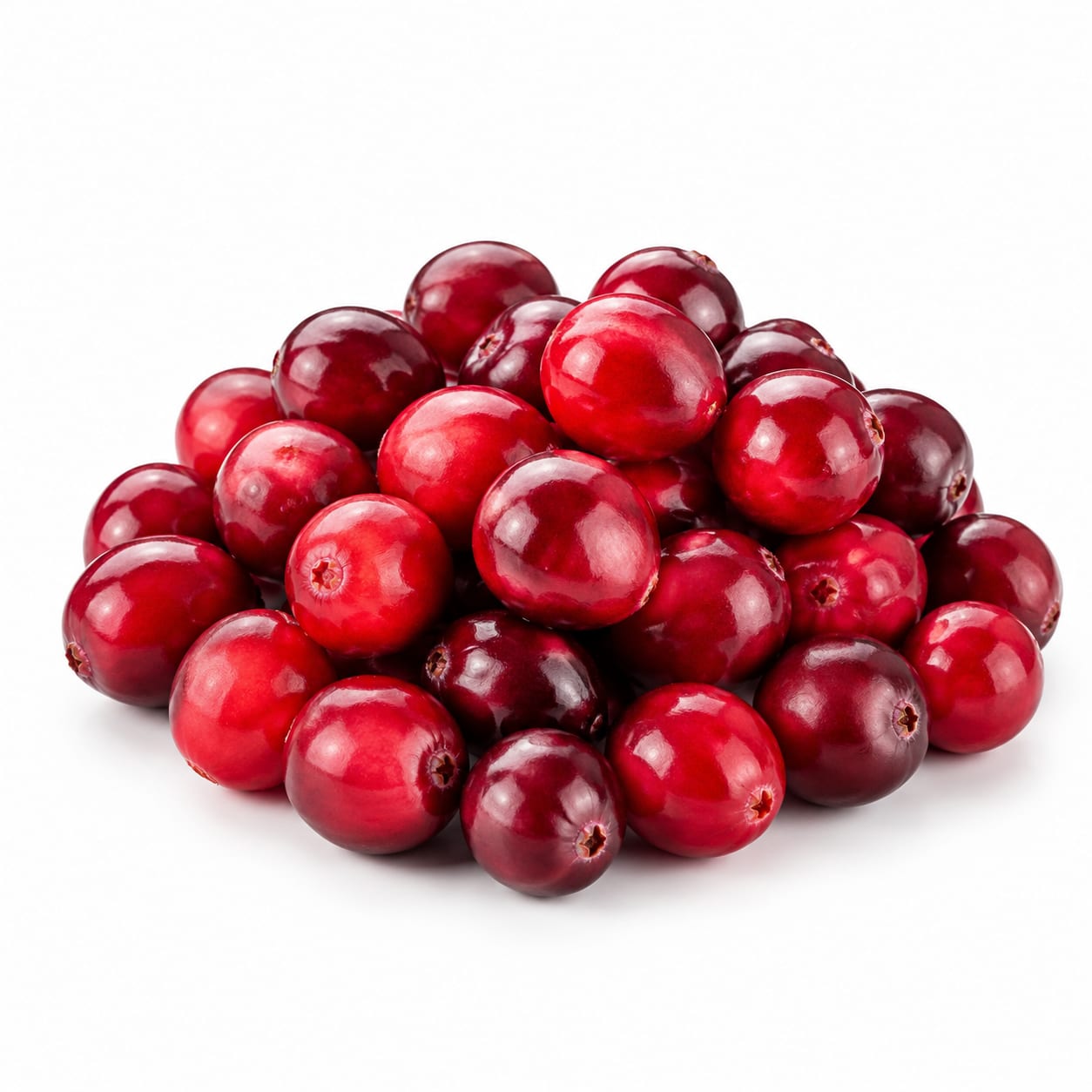
Compare with
Cranberry
Rowanberries are lower in sugar and calories than cranberries, making them slightly better for weight loss, though both are too tart to eat raw.
Rowanberries are lower in sugar and calories than cranberries, offering a better profile for weight loss and blood sugar control.
This food
Rowanberry
VS88% alike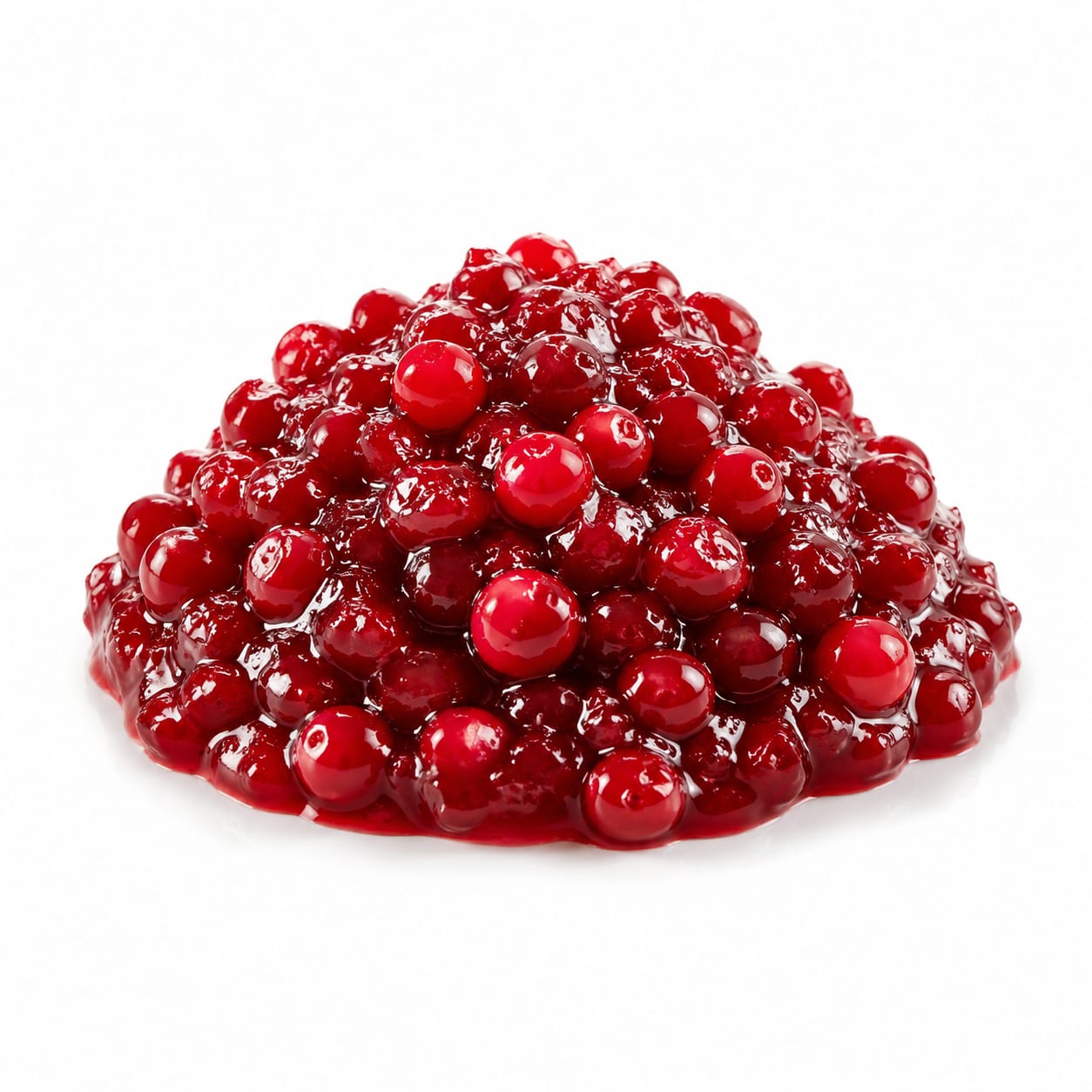
Compare with
Lingonberry
Rowanberries have slightly less sugar than lingonberries, offering a marginal edge for blood sugar control, but both serve similar culinary roles.
Rowanberries edge out lingonberries slightly for low-carb diets due to lower sugar content, though both are tart and require preparation.
This food
Rowanberry
VS75% alike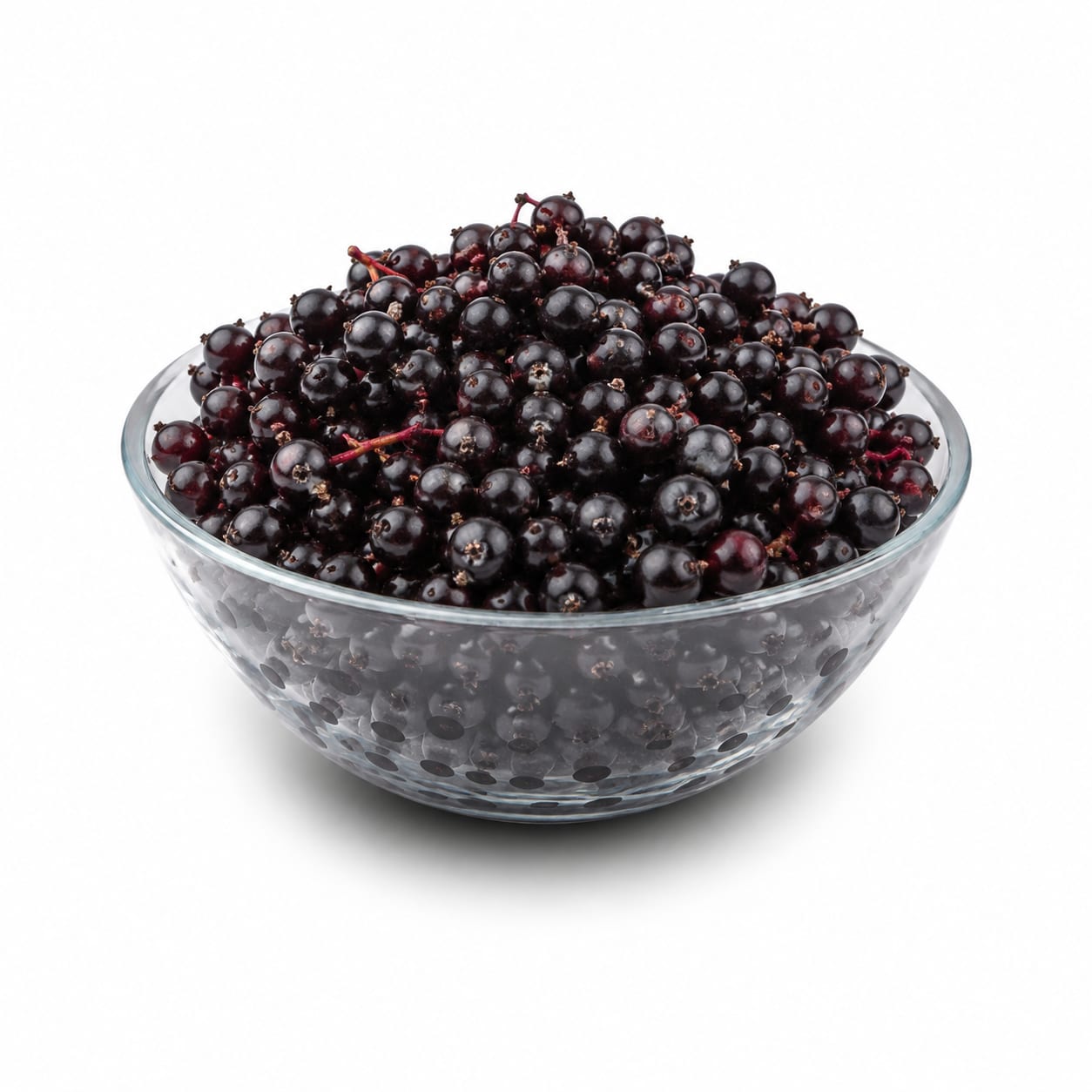
Compare with
Elderberry
Elderberries are famous for immune support but are higher in sugar; rowanberries are lower carb and better for blood sugar management.
Elderberries are higher in sugar, while rowanberries provide a lower-carb alternative better suited for strict blood sugar control.
This food
Rowanberry
VS70% alike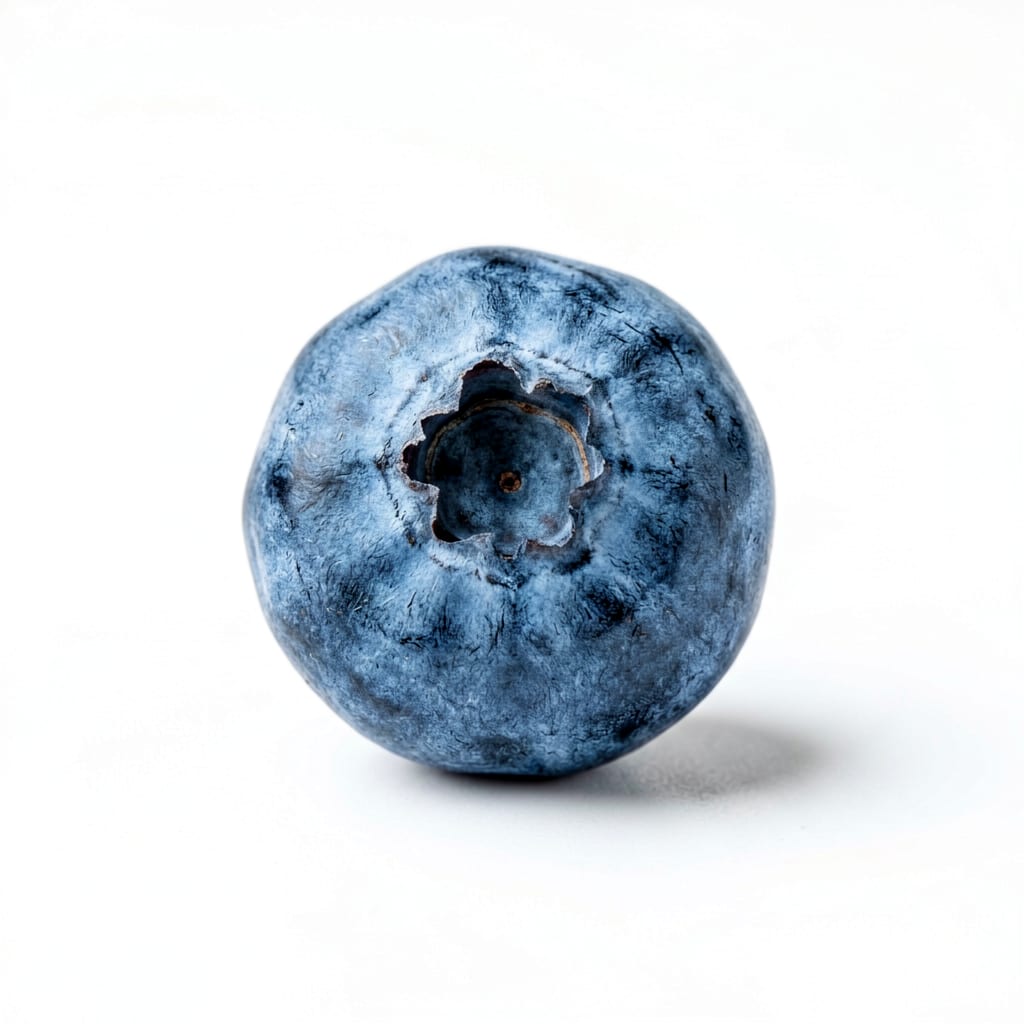
Compare with
Blueberry
Blueberries are sweeter and better for quick energy, while rowanberries are far lower in sugar and better for strict blood sugar control.
Blueberries are sweeter and better for snacking, while rowanberries are significantly lower in sugar and better for diabetics.
This food
Rowanberry
VS85% alike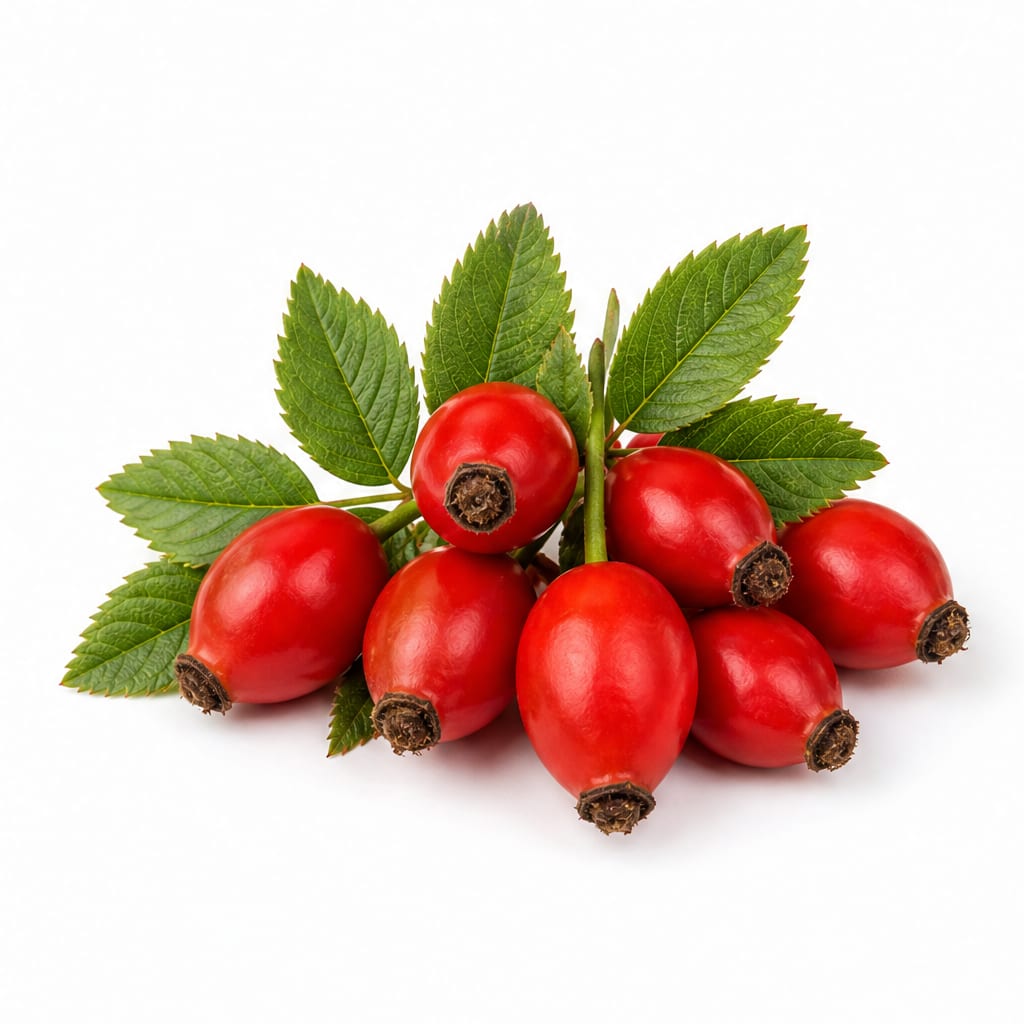
Compare with
Rosehip
Rosehips and rowanberries are both exceptionally high in vitamin C and require sweetening, but rowanberries have a lower glycemic impact.
Both are excellent sources of vitamin C, but rowanberries have a lower sugar content, making them slightly better for blood sugar management.
This food
Rowanberry
VS65% alike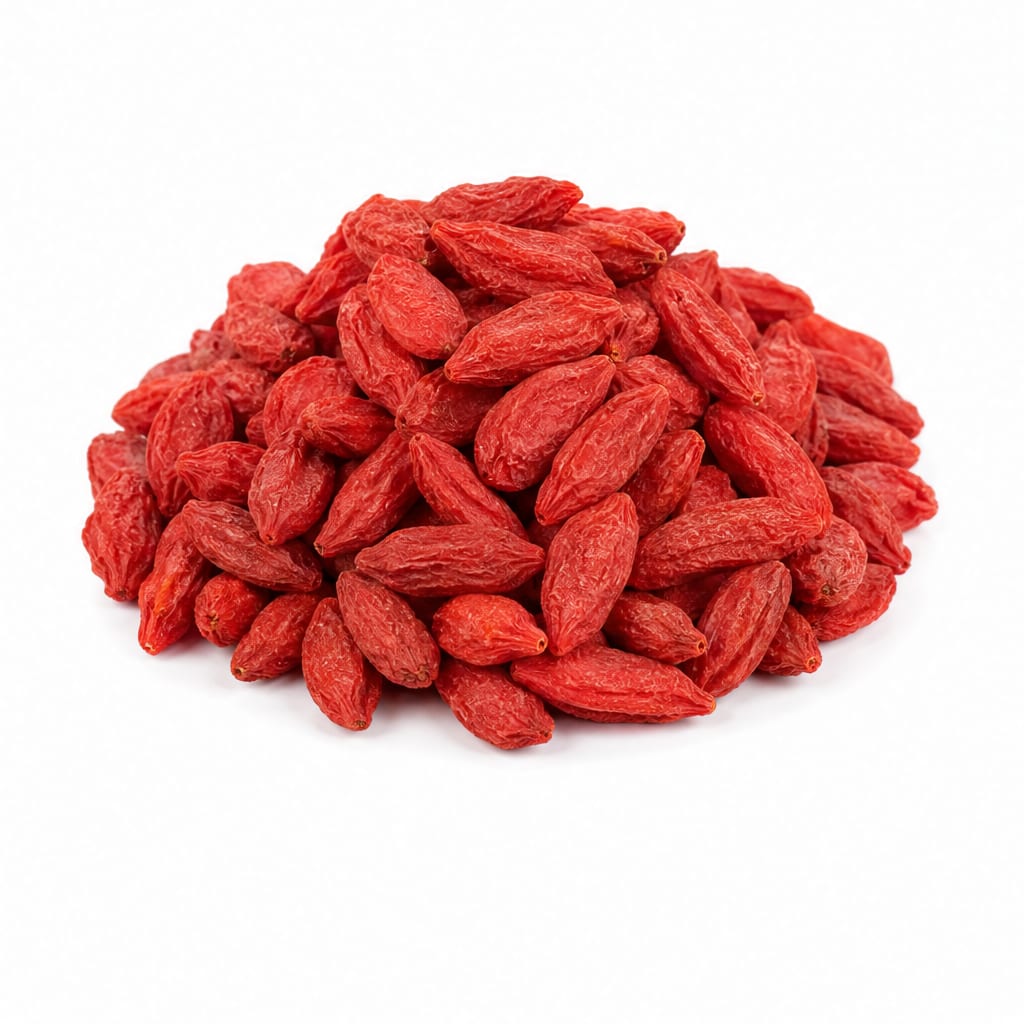
Compare with
Goji Berry
Goji berries are higher in protein and easier to snack on, but rowanberries are significantly lower in sugar and calories for weight loss.
Goji berries offer more protein and are easier to snack on, but rowanberries are much lower in sugar and better for weight loss.
This food
Rowanberry
VS80% alike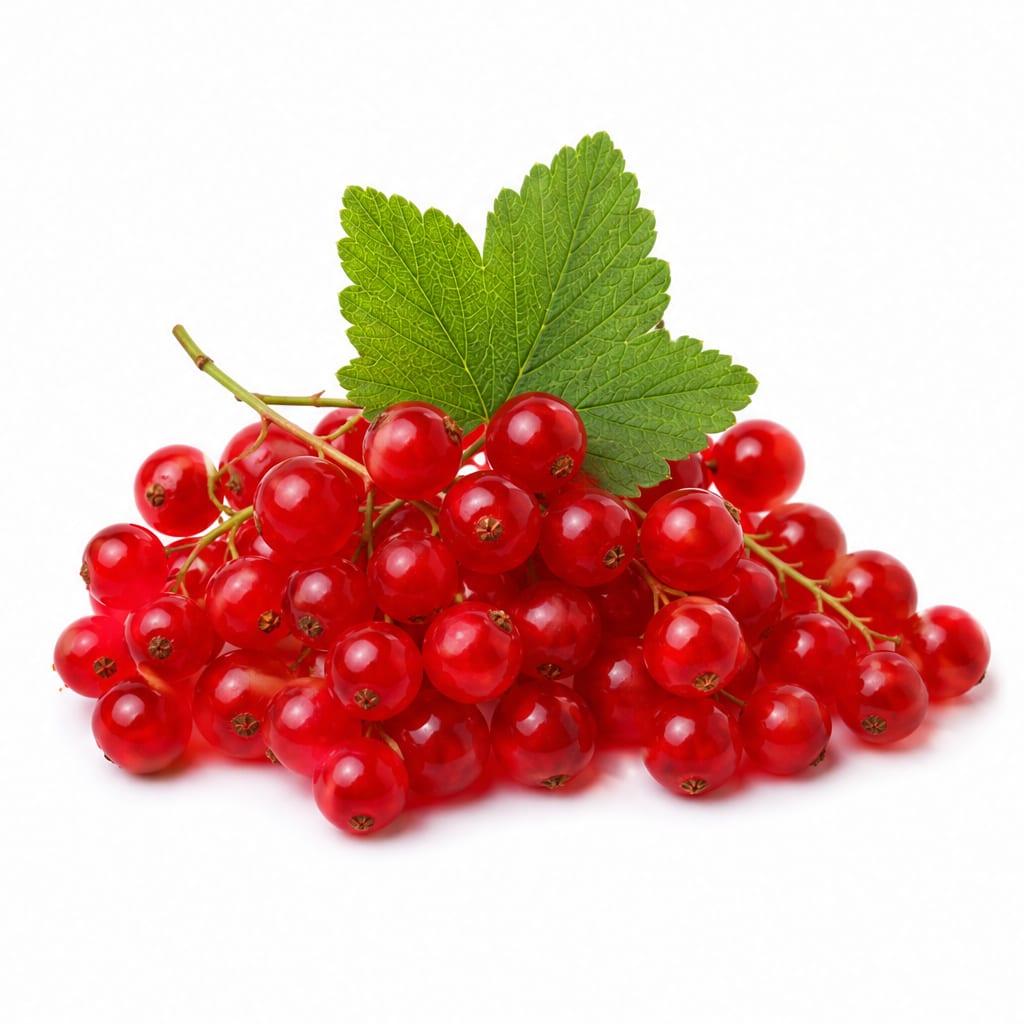
Compare with
Red Currant
Red currants can be eaten raw more easily, but rowanberries offer a lower sugar profile and higher fiber for blood sugar management.
Red currants are safer to eat raw, but rowanberries provide a lower-sugar, higher-fiber option for blood sugar control.
This food
Rowanberry
VS75% alike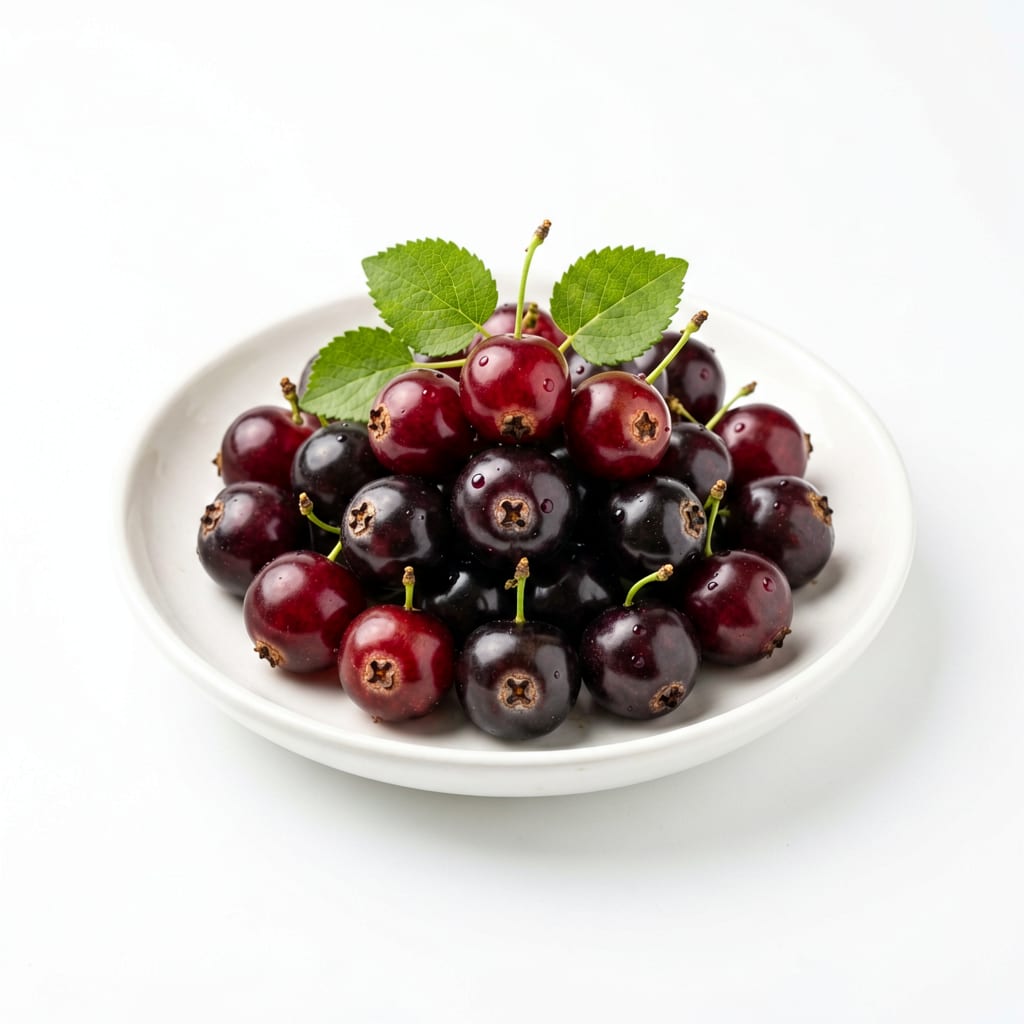
Compare with
Blackcurrant
Blackcurrants are higher in sugar and vitamin C but rowanberries provide a better low-carb option for diabetics.
Blackcurrants are sweeter and higher in vitamin C, while rowanberries are lower in carbs and better for low-glycemic diets.
This food
Rowanberry
VS60% alike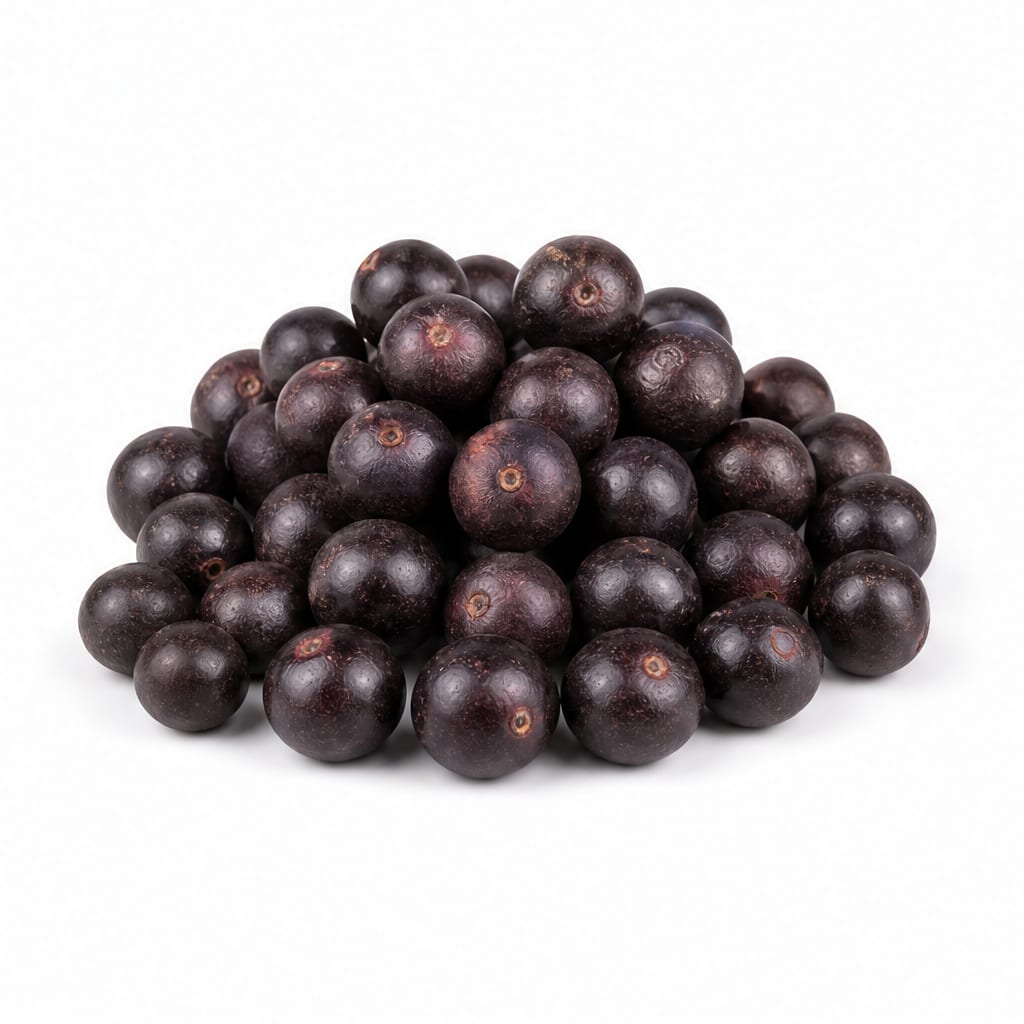
Compare with
Acai Berry
Acai is higher in healthy fats, while rowanberry is lower in calories and carbs, making it superior for low-carb weight loss.
Acai berries are higher in healthy fats, while rowanberries are lower in calories and carbs, making them better for weight loss.
This food
Rowanberry
VS70% alike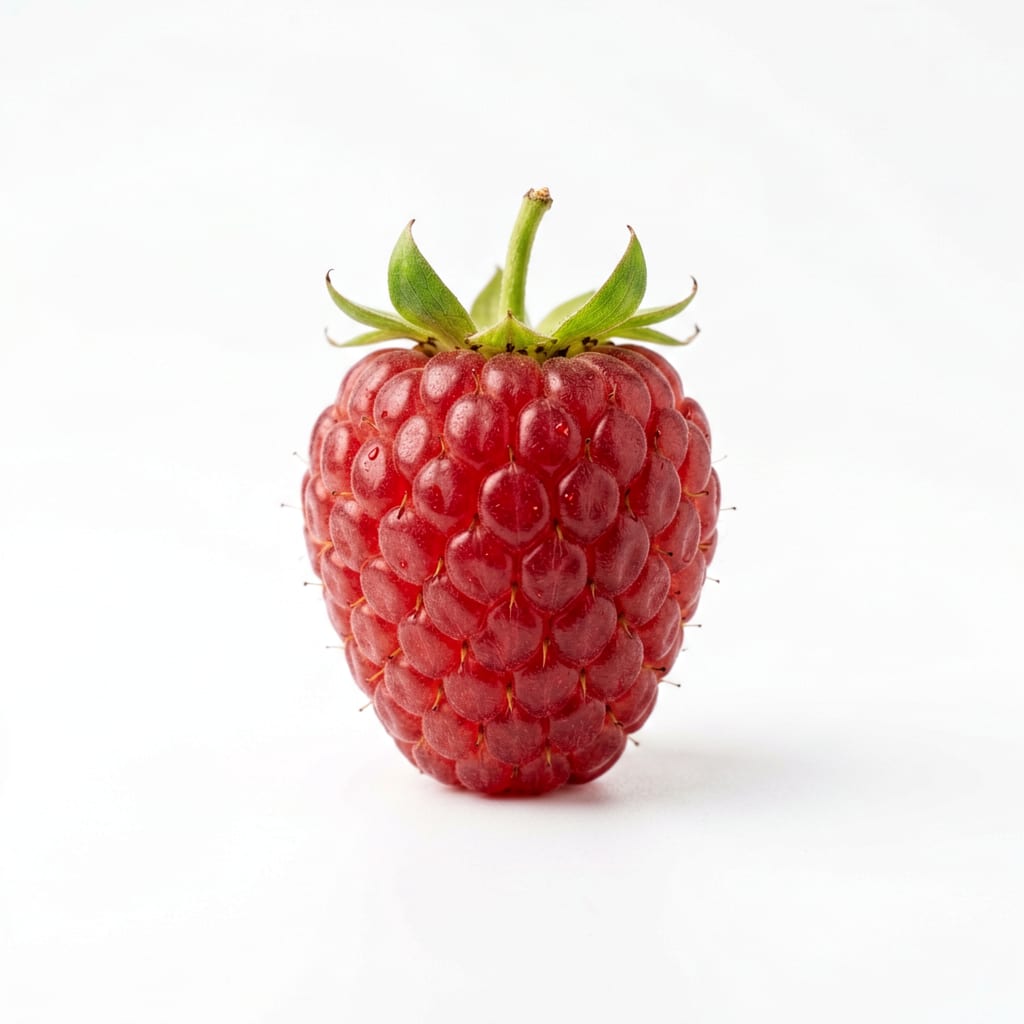
Compare with
Raspberry
Raspberries are sweeter and safer to eat raw, but rowanberries edge out slightly on low sugar content for blood sugar control.
Raspberries are sweeter and better for raw snacking, while rowanberries are slightly lower in sugar and better for strict glucose control.
Common questions
FAQ
Answers aligned with how people search for this food.
Can you eat rowanberries raw?
No, raw rowanberries contain parasorbic acid which can cause stomach upset, nausea, and kidney issues. Always cook or freeze them first to make them safe.
Are rowanberries poisonous?
They are not fatally poisonous, but raw berries contain parasorbic acid that causes gastrointestinal distress. Cooking or freezing converts this acid into safe sorbic acid.
What do rowanberries taste like?
They have a very tart, bitter, and astringent flavor when raw, which sweetens and softens slightly after frost, cooking, or freezing.
How do you make rowanberries safe to eat?
Cooking, freezing, or drying the berries converts the harmful parasorbic acid into safe sorbic acid, making them edible and enjoyable.
Is rowanberry good for weight loss?
Yes, they are very low in calories and high in fiber, which helps keep you full, especially when prepared without added sugar.
Can diabetics eat rowanberries?
Yes, they have a very low glycemic index and low sugar content, making them a safe fruit choice for blood sugar control when prepared without added sugars.
What is the difference between rowanberries and cranberries?
Rowanberries grow on mountain ash trees and must be cooked to be safe, while cranberries grow on low vines and are safe raw, though both are very tart.
What nutrients are in rowanberries?
They are rich in vitamin C, dietary fiber, and antioxidants like polyphenols and carotenoids.
Transparency
Data confidence
Estimated confidence for nutrition data, interpretation, safety notes, and comparisons.
Nutrition data
Health analysis
Food safety
Comparisons