
Nutrition comparison
Rowanberry vs Goji Berry: Nutrition, Safety, and Which Superberry Fits Your Life
Compare rowanberries and goji berries on nutrition, sugar content, safety, and convenience. Learn which berry is better for blood sugar, eye health, and daily use.
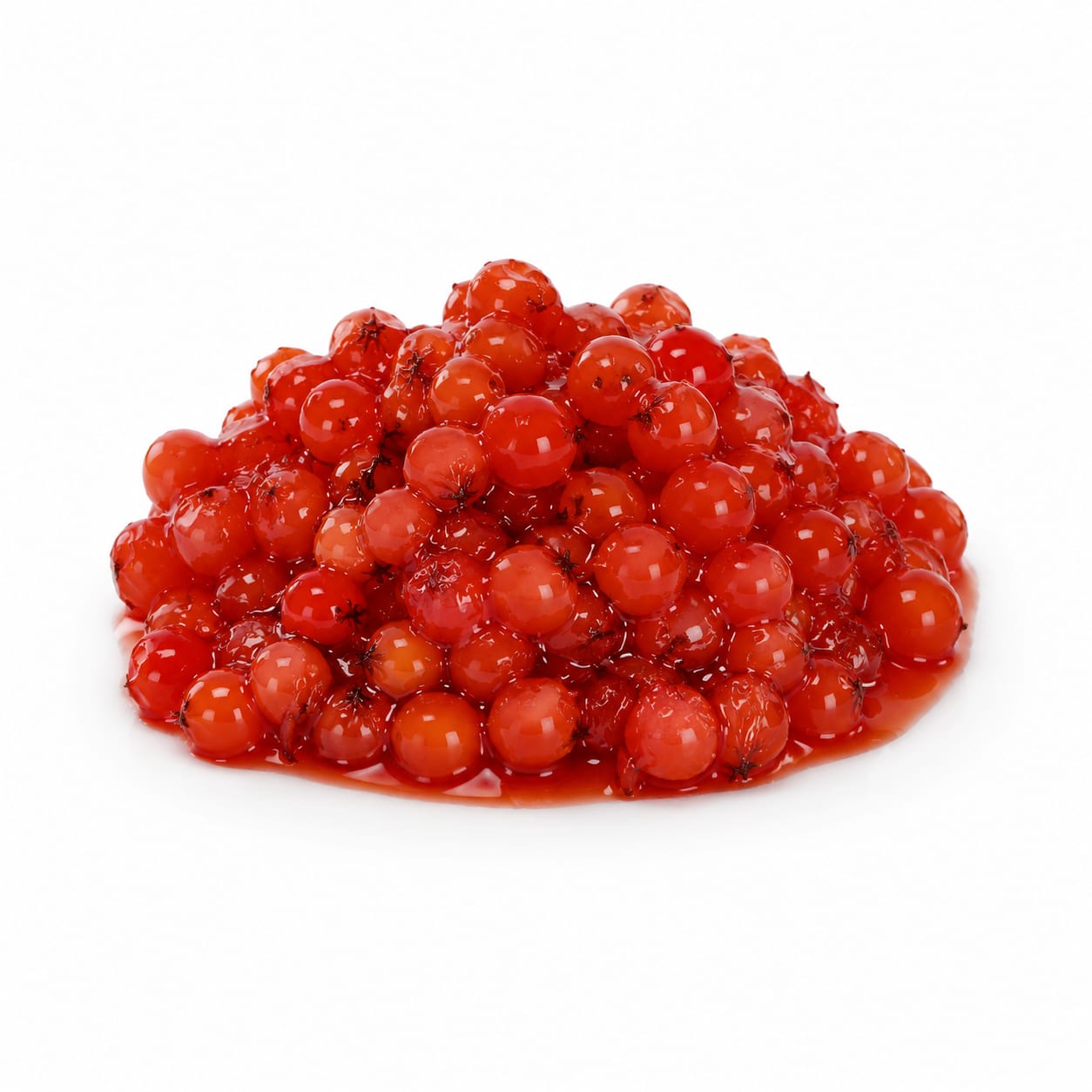
Rowanberry
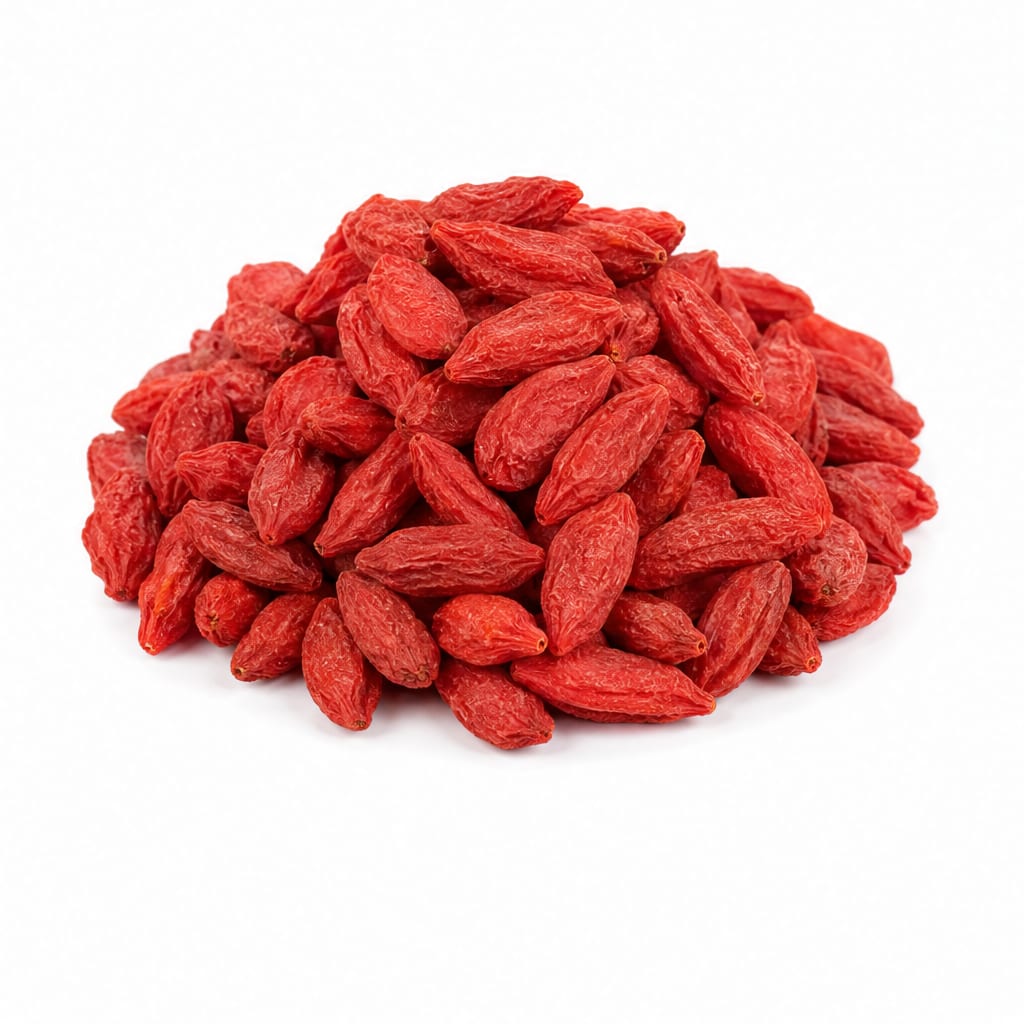
Goji Berry
Goji berries win on convenience and eye-health nutrients, but rowanberries offer a lower-sugar, polyphenol-rich alternative if you can handle the preparation requirements.
Goji berries score higher mainly due to accessibility, convenience, and a more researched health profile. Rowanberries are nutritionally impressive but lose points for preparation requirements, limited availability, and raw toxicity concerns.
Goji berries are ready-to-eat and nutrient-dense but sugar-heavy when dried; rowanberries are safer for blood sugar but require cooking and are harder to find.
At a glance
Executive summary
Overall
It depends
Healthier
It depends
More practical
Goji Berry
Daily use
Goji Berry
Key comparison lenses
safety and preparation requirements
Rowanberries contain parasorbic acid which is mildly toxic raw and requires cooking or frost treatment, while goji berries are safe to eat dried or raw
antioxidant profile comparison
Both berries are prized for antioxidants but through different compounds — rowanberries for polyphenols, goji berries for zeaxanthin and unique polysaccharides
everyday practicality and accessibility
Goji berries are widely available dried in stores; rowanberries are mostly foraged or specialty items with limited commercial availability
superfood hype vs traditional use
Goji berries carry heavy superfood marketing; rowanberries represent traditional European and Nordic food culture with less commercial hype
sugar and calorie density
Dried goji berries are significantly more sugar-dense than rowanberries, which matters for blood sugar management and weight considerations
Best choice for
Rowanberry
- People managing blood sugar who want a tart, low-sugar berry
- Foragers and wild-food enthusiasts seeking traditional Nordic ingredients
- Anyone avoiding dried-fruit sugar bombs
- Home cooks making jams, jellies, or fruit wines
Goji Berry
- People wanting a convenient, shelf-stable antioxidant snack
- Those focused on eye health and zeaxanthin intake
- Anyone who needs an easy add-in for smoothies, oatmeal, or trail mix
- People seeking well-studied adaptogenic and immune-support benefits
Least suitable for
Rowanberry
- Anyone unwilling to cook or process berries before eating
- Children who might eat raw rowanberries off a tree
- People who want grab-and-go convenience
- Those on blood thinners should consult a doctor due to vitamin K content
Goji Berry
- People strictly limiting sugar intake, especially from dried fruit
- Those on warfarin or other blood thinners — goji berries can interact
- Anyone concerned about pesticide residues from imported products
- People sensitive to naturally occurring nightshade compounds
Deep comparison
Dimension by dimension
Each lens scores both foods and breaks down who each option suits.
- Dimension 1 · Priority 95Goji Berry
safety_and_preparation
Rowanberry · 35Goji Berry · 88Rowanberries must be cooked or frost-treated to neutralize parasorbic acid; goji berries are safe straight from the bag.
Tradeoff
Rowanberries reward effort with a unique flavor and lower sugar, but the safety barrier is real and non-negotiable.
Why it matters
Eating raw rowanberries can cause nausea, stomach upset, and kidney irritation. This is not a casual snacking berry.
Real-world impact
If you grab a handful of goji berries, nothing bad happens. If you do the same with raw rowanberries, you may feel sick within hours.
Rowanberry
- People who enjoy cooking and preserving as part of their food routine
Better for
- Impulsive snackers
- People unfamiliar with wild food preparation
Worse for
Goji Berry
- Anyone who wants zero-prep safety
- Families with children who might snack unsupervised
Better for
- Those on blood-thinning medications
Worse for
- Dimension 2 · Priority 88It depends
antioxidant_diversity
Rowanberry · 78Goji Berry · 82Goji berries excel in carotenoids like zeaxanthin for eye health; rowanberries offer stronger polyphenol and flavonoid content for general antioxidant defense.
Tradeoff
Goji berries target eye and immune health specifically; rowanberries provide broader but less targeted antioxidant coverage.
Why it matters
Your choice depends on what you are trying to protect — eyes and immune function versus general cellular oxidative stress.
Real-world impact
Regular goji consumption may noticeably support eye comfort during screen-heavy days. Rowanberries contribute more to overall polyphenol intake linked to heart and vascular health.
Rowanberry
- People prioritizing cardiovascular and vascular antioxidant protection
- Those wanting diverse polyphenol sources beyond common berries
Better for
- Those specifically seeking zeaxanthin or lycopene
Worse for
Goji Berry
- People with heavy screen time or age-related eye concerns
- Anyone wanting immune-supporting polysaccharides
Better for
- People wanting a broad polyphenol spectrum rather than carotenoid focus
Worse for
- Dimension 3 · Priority 82Rowanberry
sugar_and_blood_sugar_impact
Rowanberry · 82Goji Berry · 48Rowanberries are naturally low in sugar even when prepared; dried goji berries are sugar-dense and can spike blood sugar.
Tradeoff
Goji berries taste sweeter and are more palatable, but that sweetness comes with a glycemic cost that rowanberries avoid entirely.
Why it matters
Dried goji berries can contain 40-50% sugar by weight. For anyone watching glucose, this is a hidden trap in a healthy-looking snack.
Real-world impact
A quarter cup of dried goji berries hits your blood sugar similarly to a quarter cup of raisins. Rowanberry jam, even with added sugar, spreads that load across a larger serving.
Rowanberry
- People with diabetes or insulin resistance
- Anyone following a low-sugar or keto-adjacent eating style
Better for
- Those who find very tart flavors unappealing without sweetening
Worse for
Goji Berry
- Athletes needing quick carbohydrate energy post-workout
- People who struggle to eat enough and benefit from calorie density
Better for
- Anyone prone to afternoon energy crashes from sugar spikes
- People trying to reduce dried fruit intake
Worse for
- Dimension 4 · Priority 85Goji Berry
availability_and_convenience
Rowanberry · 25Goji Berry · 90Goji berries are available in nearly every health food store and online; rowanberries are specialty items rarely found outside foraging or specialty European shops.
Tradeoff
You can order goji berries in minutes and eat them in seconds. Rowanberries require sourcing, identifying, and cooking — a multi-step commitment.
Why it matters
The best berry nutritionally is worthless if you cannot reliably obtain and consume it.
Real-world impact
Most people reading this can buy goji berries today. Finding rowanberries means foraging knowledge, seasonal timing, or specialty online orders.
Rowanberry
- Rural dwellers with rowan trees nearby
- People connected to Nordic or Eastern European food traditions
Better for
- People without foraging skills or local access
- Anyone who needs ingredients available year-round
Worse for
Goji Berry
- Urban consumers wanting reliable access
- Anyone who values shelf-stable pantry staples
Better for
- Those avoiding imported foods with long supply chains
Worse for
- Dimension 5 · Priority 75Goji Berry
vitamin_and_mineral_density
Rowanberry · 68Goji Berry · 80Goji berries provide more iron, vitamin A, and B vitamins per serving; rowanberries are especially rich in vitamin C but narrower in overall micronutrient range.
Tradeoff
Goji berries deliver a wider micronutrient spread, especially for vegetarians needing iron. Rowanberries concentrate their value in vitamin C and some minerals.
Why it matters
If you are relying on a berry as a nutritional supplement, goji covers more bases. Rowanberries are more of a vitamin C specialist.
Real-world impact
A daily handful of goji berries contributes meaningfully to iron and vitamin A intake. Rowanberries are better thought of as a seasonal vitamin C boost.
Rowanberry
- Anyone wanting a concentrated natural vitamin C source
Better for
- Those needing broad micronutrient coverage from a single food
Worse for
Goji Berry
- Vegetarians and vegans needing plant-based iron
- People with vitamin A deficiency concerns
Better for
- People already meeting iron needs who want less sugar with their vitamins
Worse for
- Dimension 6 · Priority 60Rowanberry
traditional_and_cultural_value
Rowanberry · 88Goji Berry · 65Rowanberries carry deep Nordic, Celtic, and Eastern European cultural significance; goji berries are rooted in Traditional Chinese Medicine but are now more associated with modern superfood marketing.
Tradeoff
Rowanberries offer authentic food heritage and connection to place. Goji berries carry legitimate TCM history but have been diluted by commercial wellness culture.
Why it matters
Food meaning matters. Eating rowanberry jelly your grandmother made hits differently than sprinkling marketed goji berries on a smoothie bowl.
Real-world impact
Rowanberries connect you to foraging traditions, seasonal eating, and regional identity. Goji berries connect you to a globalized wellness industry.
Rowanberry
- People who value food as cultural expression and seasonal ritual
- Nordic and Eastern European diaspora seeking heritage foods
Better for
- People with no cultural connection who find the effort unjustified
Worse for
Goji Berry
- Those interested in Traditional Chinese Medicine approaches
- Anyone open to global food traditions regardless of marketing context
Better for
- Those skeptical of overhyped superfood trends
Worse for
Timeline
Health impact over time
Short-term
Hours to days
Rowanberry
- Raw consumption causes nausea, stomach cramps, and potential kidney irritation within hours
- Properly cooked rowanberries provide a pleasant tart flavor with vitamin C absorption
- The astringency can cause mouth puckering and mild digestive stimulation
Goji Berry
- Dried goji berries provide quick energy from natural sugars, useful before exercise
- Some people experience mild digestive adjustment when first eating them due to fiber and polysaccharide content
- The dried texture can be thirst-inducing if eaten in quantity without water
Long-term
Months to years
Rowanberry
- Regular consumption of cooked rowanberries may support cardiovascular health through polyphenol intake
- Seasonal foraging and preparation encourages mindful, intentional eating patterns
- Vitamin C contributions support immune resilience over cold seasons
Goji Berry
- Consistent goji intake is associated with improved zeaxanthin status and macular health over years
- Polysaccharides may support immune modulation with regular consumption
- High sugar intake from daily dried goji consumption could contribute to insulin resistance if portions are not managed
Risk profile
Safety & processing
Rowanberries are typically wild-harvested and home-processed with minimal intervention. Dried goji berries often undergo commercial drying with potential sulfite preservatives and pesticide treatment, especially in conventionally grown imports.
Rowanberry
Parasorbic acid toxicity from raw consumption
highRaw rowanberries contain parasorbic acid which can cause gastric distress, nausea, and kidney irritation. Cooking or freezing breaks this down safely.
Misidentification with toxic lookalikes
mediumForagers must correctly identify rowan trees versus potentially toxic berry species. Never eat wild berries without confident identification.
Environmental contamination in wild harvesting
lowRoadside or urban rowanberries may absorb pollutants. Harvest from clean, remote areas when possible.
Goji Berry
Pesticide residues on imported goji berries
mediumMany commercial goji berries are grown in China where pesticide regulations differ. Choose organic when possible and wash dried berries before eating.
Drug interaction with blood thinners
highGoji berries can interact with warfarin and other anticoagulants, potentially increasing bleeding risk. Consult a doctor if on blood thinners.
Sulfite preservatives in some commercial brands
lowSome dried goji berries contain sulfur dioxide as a preservative and color retainer. People with sulfite sensitivity should seek unsulfured options.
Who wins for whom
Audience fit
Same foods, different winners depending on your goal.
children
Goji BerryGoji berries are safe and sweet-tasting for kids. Rowanberries are a safety risk if children encounter them raw, and their tartness makes them unappealing to most children anyway.
daily consumption
Goji BerryGoji berries are convenient, shelf-stable, and easy to incorporate daily. Rowanberries are seasonal, require preparation, and are better suited as an occasional traditional food.
diabetes
RowanberryRowanberries have minimal sugar content and will not spike blood glucose. Dried goji berries carry a significant sugar load that requires careful portion control.
elderly
Goji BerryGoji berries support eye health with zeaxanthin and provide easy-to-eat nutrition. However, elderly individuals on blood thinners must consult their doctor first.
muscle gain
Goji BerryGoji berries provide more carbohydrate energy and iron, both useful for training recovery and supporting the higher caloric needs of muscle building.
weight loss
RowanberryRowanberries are dramatically lower in sugar and calories per serving, making them easier to fit into a calorie-controlled eating plan without triggering sugar-driven cravings.
Your move
Decision guide
Choose Rowanberry
- You have access to rowan trees and know how to safely harvest and prepare the berries
- You are managing blood sugar and want a berry that will not spike glucose
- You value traditional, regional food culture and seasonal eating
- You enjoy cooking and preserving as a mindful food practice
- You want a tart, complex flavor for jams, chutneys, or fruit wines
Choose Goji Berry
- You want a convenient daily antioxidant source that requires no preparation
- Eye health is a priority, especially with heavy screen use
- You need plant-based iron and vitamin A in your diet
- You are an athlete or active person who benefits from natural carbohydrate energy
- You enjoy adding berries to smoothies, oatmeal, yogurt, or trail mix
Either works if
- You simply want more berry diversity in your diet regardless of form
- You are exploring traditional medicinal foods from different cultures
- You are neither on blood thinners nor managing blood sugar conditions
Avoid both if
- You are on warfarin or other anticoagulants without medical clearance
- You have known allergies to berries in the Solanaceae or Rosaceae families
- You are seeking a high-protein food — neither berry provides meaningful protein
Final recommendation
For most people, goji berries are the more practical and accessible choice for daily use. But if you have the opportunity to properly prepare rowanberries, they offer a unique low-sugar, polyphenol-rich experience that no commercial superfood can replicate. The real winner is the person who uses both — goji for daily convenience, rowanberry for seasonal tradition and blood sugar safety.
Practical
Consumer tips
- 1
If buying goji berries, choose organic to reduce pesticide exposure and check labels for added sulfites or sugar
- 2
Never eat raw rowanberries — always cook them into jam, jelly, sauce, or bake them, or wait until after a hard frost which naturally breaks down parasorbic acid
- 3
Store dried goji berries in an airtight container away from light to preserve carotenoid content
- 4
Rowanberry jam pairs exceptionally well with game meats and sharp cheeses — think of it as a Nordic cranberry sauce
- 5
If you forage rowanberries, harvest after the first frost for sweeter flavor and safer chemistry
- 6
Limit dried goji berry portions to about a quarter cup per day to manage sugar intake while still getting antioxidant benefits
- 7
Wash dried goji berries before eating to remove surface dust and potential pesticide residue