
Nutrition comparison
Rowanberry vs Rosehip: Safety, Vitamin C, and Which Wild Berry to Choose
Compare rowanberry and rosehip nutrition, safety, and health benefits. Learn why rosehip is the safer, more vitamin C-rich choice and how to properly prepare rowanberry to avoid toxicity.
Overall winner · Rosehip
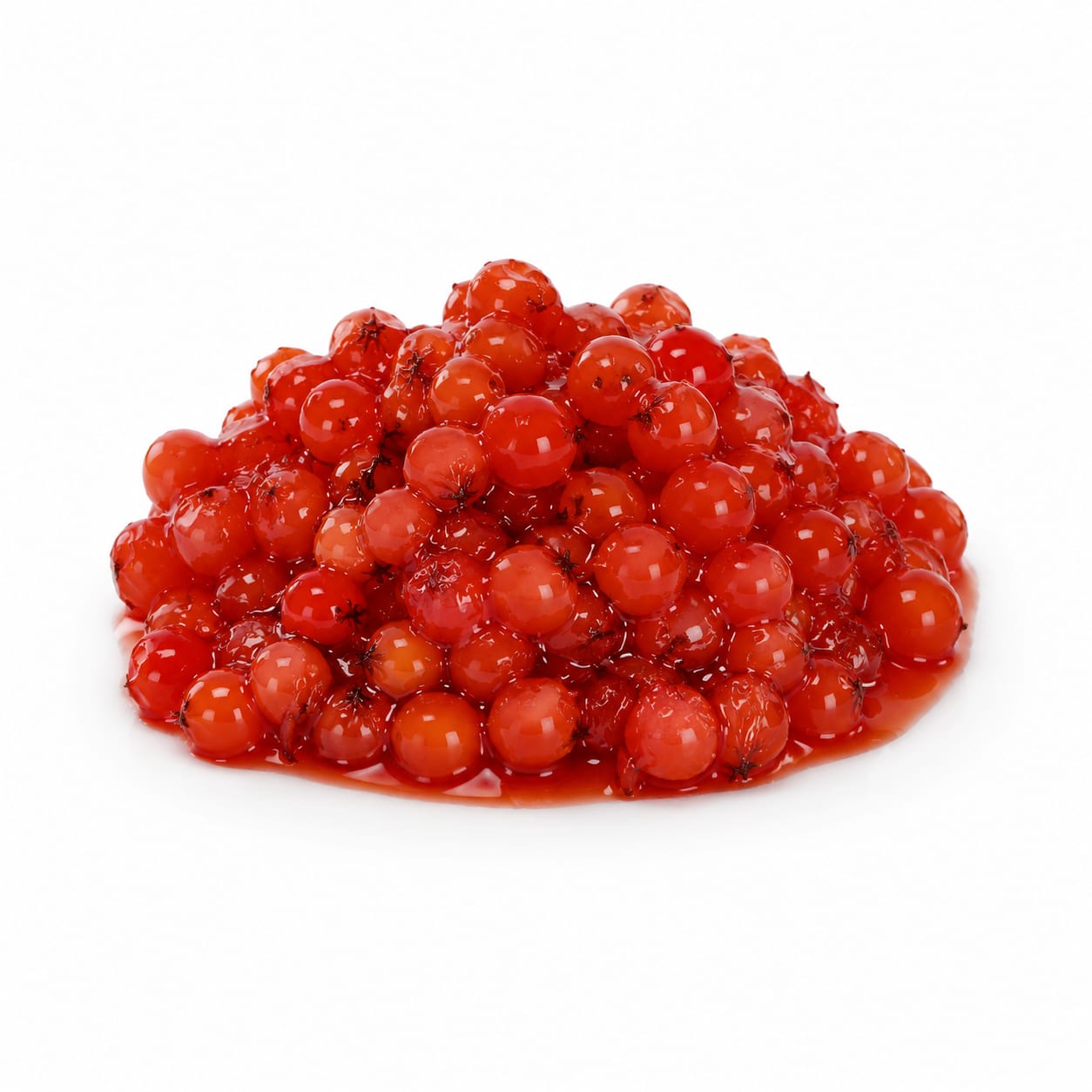
Rowanberry
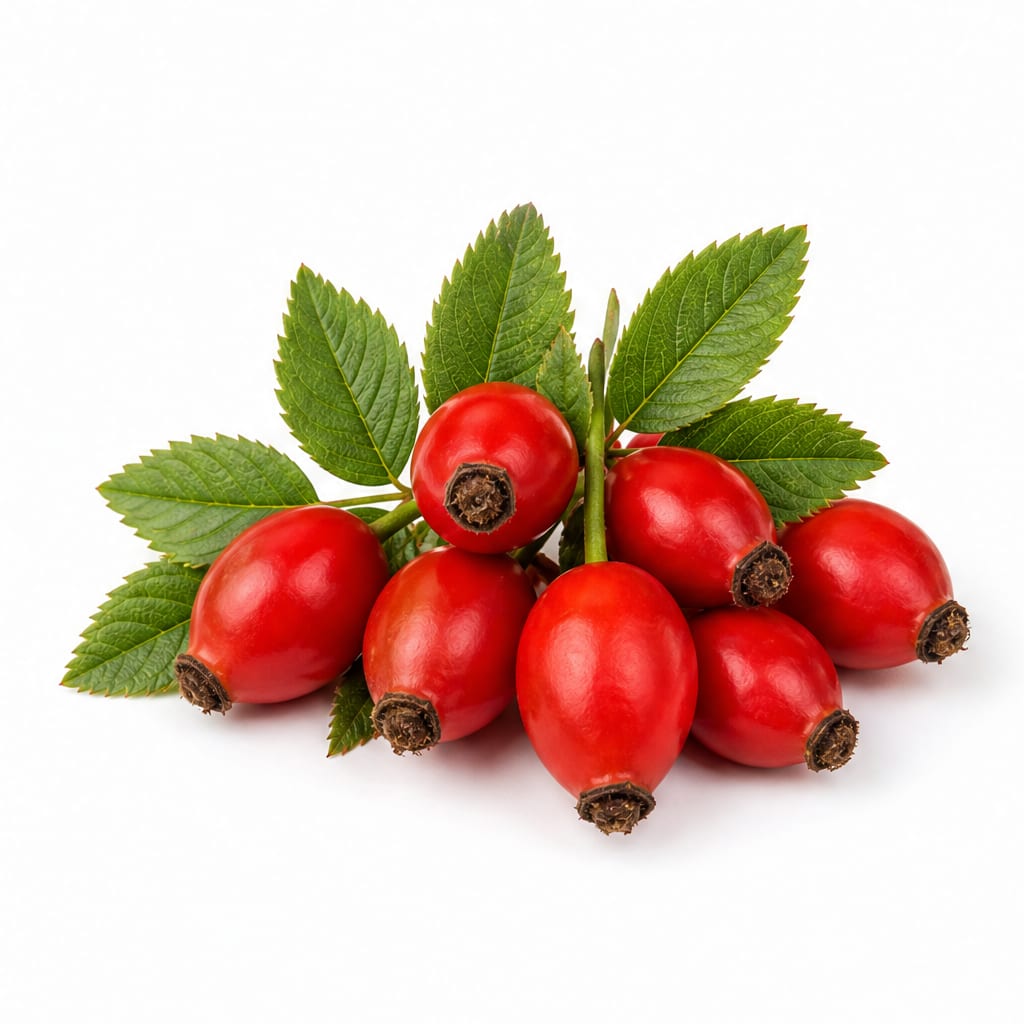
Rosehip
Rosehip is the safer, more nutrient-dense, and more versatile choice. Rowanberry can work in preserves but carries real toxicity risks if improperly prepared.
Rosehip scores significantly higher due to its superior vitamin C content, proven anti-inflammatory properties, and much better safety profile. Rowanberry loses ground primarily on toxicity risk when raw and its intense bitterness that limits culinary use.
Rowanberry offers unique carotenoids and a distinctive bitter flavor for adventurous cooks, but rosehip delivers far more vitamin C, proven anti-inflammatory benefits, and significantly fewer safety concerns.
At a glance
Executive summary
Overall
Rosehip
Healthier
Rosehip
More practical
Rosehip
Daily use
Rosehip
Key comparison lenses
safety and toxicity awareness
Rowanberry contains parasorbic acid which is toxic raw and requires processing, while rosehip is far safer to consume with minimal preparation
vitamin C potency comparison
Both are wild berries known for vitamin C, but rosehip is one of the richest natural sources on earth
anti-inflammatory and joint health benefits
Rosehip has clinically studied anti-inflammatory compounds (GOPO) used for arthritis, giving it a unique therapeutic edge
culinary usability and palatability
Both are extremely tart and astringent raw, but rowanberry is notably more bitter and requires more effort to make palatable
traditional and foraging use
Both are foraged wild fruits with deep European traditions, often confused by casual foragers
Best choice for
Rowanberry
- Foragers wanting a unique bitter-sweet preserve or jelly
- Traditional Scandinavian recipe enthusiasts
- Those seeking carotenoid-rich orange berries for visual culinary appeal
Rosehip
- Anyone wanting a potent natural vitamin C source
- People with joint inflammation or arthritis seeking natural support
- Tea drinkers looking for a soothing, daily wellness beverage
- Beginner foragers wanting a safer wild fruit to start with
Least suitable for
Rowanberry
- Children who might eat raw berries while foraging
- Anyone unwilling to properly cook or freeze before consuming
- People with sensitive digestion who react to sorbitol
Rosehip
- People on blood-thinning medications without medical consultation
- Those who dislike tart flavors and want a sweet fruit experience
Deep comparison
Dimension by dimension
Each lens scores both foods and breaks down who each option suits.
- Dimension 1 · Priority 95Rosehip
vitamin C content
Rowanberry · 55Rosehip · 97Rosehip is one of the most concentrated natural vitamin C sources available, far surpassing rowanberry.
Tradeoff
Rowanberry provides decent vitamin C but cannot compete with rosehip's exceptional levels, which rival and sometimes exceed citrus fruits by weight.
Why it matters
Vitamin C supports immune function, skin health, and iron absorption. A single cup of rosehip tea can deliver a meaningful daily dose.
Real-world impact
Drinking rosehip tea regularly during cold season feels like a practical immune-support habit. Rowanberry would require larger amounts and more preparation for similar vitamin C intake.
Rowanberry
- Moderate vitamin C with accompanying carotenoids for a different antioxidant mix
Better for
- Lower vitamin C means you need more volume to get the same benefit
Worse for
Rosehip
- Exceptional vitamin C for immune support
- Easy delivery through simple tea preparation
- More efficient way to meet daily vitamin C needs from a wild source
Better for
- Vitamin C degrades with prolonged heat, so overcooking reduces the advantage
Worse for
- Dimension 2 · Priority 95Rosehip
safety and toxicity
Rowanberry · 30Rosehip · 85Raw rowanberries contain parasorbic acid, which can cause kidney damage and digestive distress. Cooking or freezing neutralizes it. Rosehip has no significant toxicity concerns.
Tradeoff
Rowanberry demands careful preparation to be safe, while rosehip requires only basic seed removal to avoid irritating hairs. One is a safety project; the other is a routine kitchen task.
Why it matters
Foraging families with children need to know that rowanberry should never be eaten raw off the branch, while rosehip is far more forgiving.
Real-world impact
A child snacking on raw rowanberries during a hike could experience nausea or worse. The same child nibbling a rosehip would likely just find it unpleasantly tart.
Rowanberry
- Parasorbic acid is neutralized by freezing or cooking, making preserves safe
Better for
- Raw consumption risk makes it dangerous for casual foraging
- Toxicity risk creates anxiety and limits spontaneous use
Worse for
Rosehip
- Safe to handle and taste raw with minimal risk
- No toxic compounds requiring neutralization
- Far more forgiving for inexperienced foragers
Better for
- Seeds inside have tiny irritating hairs that can cause discomfort if not removed
Worse for
- Dimension 3 · Priority 85Rosehip
anti-inflammatory properties
Rowanberry · 45Rosehip · 90Rosehip contains a unique galactolipid called GOPO with clinically demonstrated anti-inflammatory effects, particularly for osteoarthritis.
Tradeoff
Rowanberry has general antioxidant benefits but nothing comparable to rosehip's targeted, studied anti-inflammatory action.
Why it matters
For people managing chronic joint pain, rosehip extract is actually prescribed in some European countries as a natural anti-inflammatory.
Real-world impact
Someone with mild knee arthritis might notice real difference after weeks of daily rosehip tea. Rowanberry would not offer the same targeted relief.
Rowanberry
- General antioxidant polyphenols still contribute to overall inflammation reduction
Better for
- No specific anti-inflammatory compound with clinical evidence
Worse for
Rosehip
- GOPO compound specifically studied for osteoarthritis relief
- Used clinically in Europe as a natural joint health supplement
- Broad anti-inflammatory profile supporting whole-body comfort
Better for
- Benefits require consistent daily intake over weeks to become noticeable
Worse for
- Dimension 4 · Priority 75Rosehip
culinary versatility and taste
Rowanberry · 40Rosehip · 70Both are intensely tart and astringent raw, but rosehip is more versatile in teas, syrups, and jams. Rowanberry's extreme bitterness limits its appeal even when cooked.
Tradeoff
Rowanberry has a unique bitter-sweet complexity that some traditional cooks prize, but it is an acquired taste. Rosehip's sweeter tartness is more universally approachable.
Why it matters
If a food is too unpleasant to eat regularly, its nutritional benefits become theoretical rather than practical.
Real-world impact
Rosehip tea is genuinely enjoyable with honey. Rowanberry jelly is respected but rarely craved. One becomes a daily habit; the other stays a novelty.
Rowanberry
- Distinctive bitter complexity valued in traditional Nordic preserves
- Adds unique character to fruit wines and liqueurs
Better for
- Extreme bitterness limits culinary applications
- Most people find it unpalatable without heavy sweetening
Worse for
Rosehip
- Pleasant tart-sweet flavor works well in teas, syrups, and jams
- More approachable for people new to wild fruit preserves
- Easier to incorporate into daily routines as a beverage
Better for
- Still too tart to eat raw as a snack fruit
- Seed removal is tedious for large-batch processing
Worse for
- Dimension 5 · Priority 70It depends
antioxidant diversity
Rowanberry · 72Rosehip · 75Rowanberry offers carotenoids from its orange pigments, while rosehip provides flavonoids and phenolic compounds. Both contribute different but valuable antioxidant profiles.
Tradeoff
Rowanberry's carotenoids support eye health and give it a unique nutritional angle. Rosehip's flavonoids support cardiovascular health. Neither dominates overall.
Why it matters
Eating a variety of antioxidant types matters more than maximizing any single one. Both berries complement each other well.
Real-world impact
Adding rowanberry preserves to your diet alongside rosehip tea gives you a broader antioxidant spectrum than either alone.
Rowanberry
- Rich in carotenoids that support eye health and skin protection
- Orange pigments provide antioxidants not commonly found in red berries
Better for
- Less studied in human trials compared to rosehip
Worse for
Rosehip
- Flavonoids and phenolics support heart and blood vessel health
- Broader evidence base for antioxidant benefits in humans
Better for
- Lacks the carotenoid diversity that orange-pigmented berries offer
Worse for
- Dimension 6 · Priority 65Rosehip
digestive tolerance
Rowanberry · 35Rosehip · 70Rowanberry contains sorbitol, a sugar alcohol that can cause bloating and diarrhea in sensitive people. Rosehip is gentler on digestion when seeds are removed.
Tradeoff
Rowanberry's sorbitol content adds a laxative effect that some may not welcome, while rosehip's main digestive risk is mechanical irritation from seed hairs.
Why it matters
If a food causes bloating or urgency, you will naturally avoid it, making consistency impossible.
Real-world impact
Eating a generous portion of rowanberry preserves could leave you reaching for the bathroom. Rosehip tea is soothing and unlikely to cause digestive upset.
Rowanberry
- Sorbitol may help with constipation in small amounts for those who need it
Better for
- Sorbitol causes gas, bloating, and diarrhea in many adults
- Combined with parasorbic acid risk, digestion is a real concern
Worse for
Rosehip
- Generally well tolerated when seeds and hairs are removed
- Soothing as a warm tea for upset stomachs
- No significant fermentable sugar alcohol load
Better for
- Seed hairs can irritate the digestive tract if not properly strained
Worse for
Timeline
Health impact over time
Short-term
Hours to days
Rowanberry
- Raw consumption causes nausea, stomach pain, and potential kidney irritation from parasorbic acid
- Even cooked, the sorbitol content can trigger bloating or loose stools in larger portions
- The intense bitterness may suppress appetite temporarily
Rosehip
- High vitamin C intake can cause mild stomach upset in very large doses
- Warm rosehip tea can feel soothing and comforting during illness
- Tartness may stimulate saliva and mild appetite stimulation
Long-term
Months to years
Rowanberry
- Regular consumption of properly prepared rowanberry preserves provides carotenoids and polyphenols
- Long-term safety is good when always cooked or frozen before eating
- Risk is minimal with correct preparation but the preparation barrier is real
Rosehip
- Consistent daily intake supports joint health and may reduce NSAID reliance in arthritis
- Sustained vitamin C intake strengthens immune resilience and skin collagen
- Anti-inflammatory benefits accumulate over weeks of regular consumption
Risk profile
Safety & processing
Both are wild-foraged fruits with minimal processing concerns. The key difference is that rowanberry requires mandatory processing (cooking or freezing) for safety, while rosehip processing is about convenience and comfort rather than toxicity avoidance.
Rowanberry
Parasorbic acid toxicity from raw consumption
highRaw rowanberries contain parasorbic acid which can cause kidney damage, nausea, and gastrointestinal distress. Always cook thoroughly or freeze before eating.
Sorbitol-induced digestive distress
mediumSorbitol content can cause bloating, gas, and diarrhea, especially in larger portions or for sensitive individuals.
Misidentification with toxic lookalikes
mediumRowanberry clusters could potentially be confused with other red berry clusters by inexperienced foragers, though the distinctive leaf shape usually prevents this.
Rosehip
Irritating seed hairs
mediumThe tiny hairs inside rosehip seeds are a traditional itching powder ingredient. They must be removed before consumption to avoid throat and digestive irritation.
Vitamin C interaction with certain medications
lowHigh vitamin C intake may interact with blood-thinning medications and certain chemotherapy drugs. Consult a doctor if on such medications.
Oxalate content
lowRosehip contains moderate oxalates, which could be a concern for people prone to calcium oxalate kidney stones if consumed in very large amounts.
Who wins for whom
Audience fit
Same foods, different winners depending on your goal.
children
RosehipRosehip is far safer around children who might sample raw fruit. Rowanberry's parasorbic acid toxicity makes it risky in households with curious kids
daily consumption
RosehipRosehip tea is easy to incorporate daily, safe, and beneficial. Rowanberry's preparation requirements and digestive effects make daily use impractical for most people
diabetes
RosehipRosehip tea has no sugar and a low glycemic impact. Rowanberry preserves usually require significant added sugar, and the sorbitol can cause unpredictable digestive effects
elderly
RosehipRosehip's proven joint health benefits and gentle digestibility make it especially valuable for older adults managing arthritis and inflammation
muscle gain
It dependsNeither berry is relevant for muscle gain. Both are low in protein and calories. Choose based on personal preference for a flavor addition to meals.
weight loss
RosehipRosehip tea is a near-zero-calorie way to get flavor and nutrients, while rowanberry preparations typically require added sugar to become palatable
Your move
Decision guide
Choose Rowanberry
- You are an experienced forager or traditional cook who knows how to properly process rowanberries
- You want a unique bitter-sweet preserve with carotenoid benefits
- You are making Scandinavian fruit wines or liqueurs and want authentic flavor
Choose Rosehip
- You want a safe, vitamin C-rich wild fruit for daily tea or syrup
- You are managing joint inflammation and want natural anti-inflammatory support
- You are new to foraging and want a forgiving, low-risk wild fruit
- You have children who might encounter your foraged berries
Either works if
- You want antioxidant-rich wild fruit preserves and are comfortable with proper preparation
- You enjoy tart flavors and want to diversify your wild fruit intake beyond common berries
Avoid both if
- You are on blood-thinning medications without consulting your doctor first
- You have oxalate-sensitive kidney stones and consume large amounts of either
- You expect a sweet, snackable berry experience similar to blueberries or strawberries
Final recommendation
Rosehip is the clear winner for most people. It is safer, more nutritious, easier to use, and has real therapeutic value for joint health. Rowanberry is a niche ingredient for experienced traditional cooks who respect its preparation requirements. If you forage, learn both but keep rosehip as your daily driver and treat rowanberry as a seasonal project.
Practical
Consumer tips
- 1
Never eat raw rowanberries. Always cook them thoroughly or freeze for at least 48 hours to neutralize parasorbic acid.
- 2
When processing rosehip, cut open and scoop out seeds and hairs before using the flesh. The hairs are a traditional itching powder for good reason.
- 3
Rosehip tea is the easiest entry point: steep dried rosehips in hot water for 10 minutes, strain, and add honey if desired.
- 4
Freeze rowanberries before cooking to reduce bitterness and break down parasorbic acid simultaneously.
- 5
If you have arthritis, look for rosehip supplements standardized for GOPO content for the most studied anti-inflammatory dose.
- 6
Both berries pair well with apple in preserves. Apple adds natural sweetness and pectin, reducing the need for added sugar.
- 7
Foragers should always confirm identification with a local expert before consuming any wild fruit, especially when children are present.