
Nutrition comparison
Rowanberry vs Lingonberry: Safety, Nutrition, and Which Nordic Berry to Choose
Compare Rowanberry and Lingonberry — safety concerns, antioxidant profiles, culinary uses, and health benefits. Learn which berry is better for daily use and why preparation matters.
Overall winner · Lingonberry
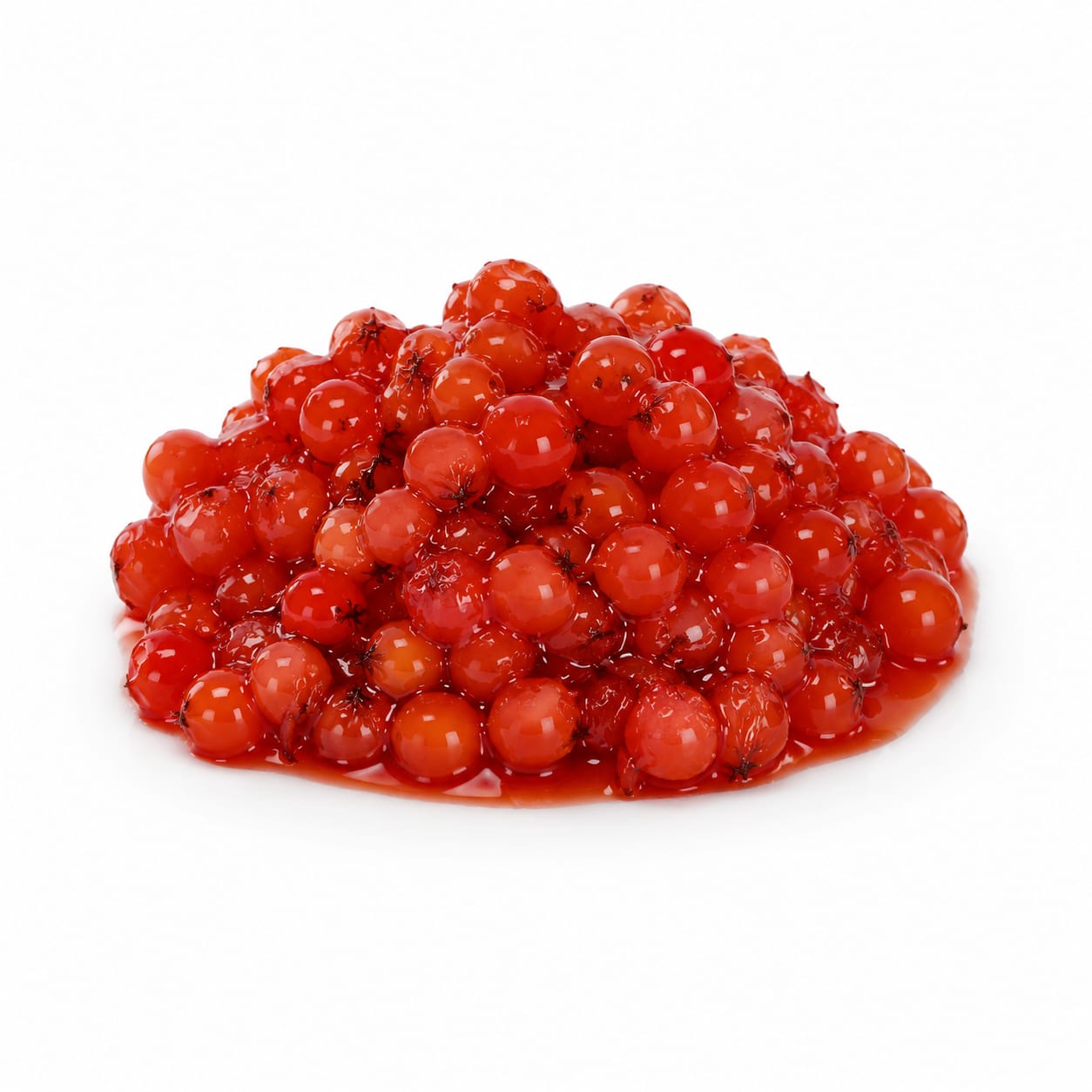
Rowanberry
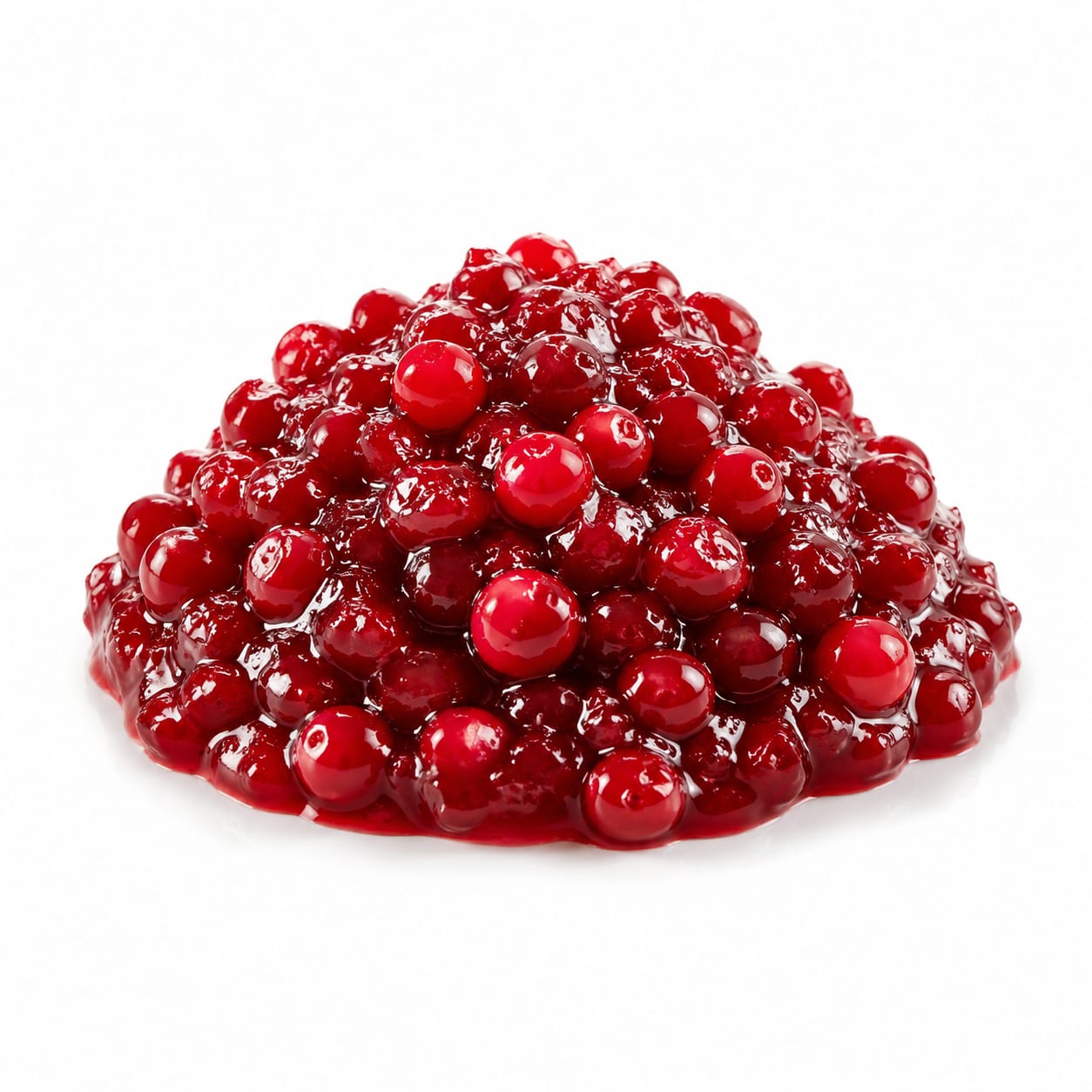
Lingonberry
Lingonberry wins on safety, convenience, and everyday usability, while Rowanberry offers a unique carotenoid profile but demands careful preparation to avoid toxicity.
Lingonberry scores significantly higher due to raw safety, broader culinary use, and urinary health benefits. Rowanberry loses ground on preparation requirements and toxicity risk when unprocessed, though its carotenoid content is genuinely valuable.
Rowanberry brings rare carotenoids and higher vitamin C potential but requires cooking or frost-treatment to neutralize parasorbic acid; Lingonberry is ready to eat and gentler on digestion.
At a glance
Executive summary
Overall
Lingonberry
Healthier
Lingonberry
More practical
Lingonberry
Daily use
Lingonberry
Key comparison lenses
raw edibility and safety
Rowanberry contains parasorbic acid which can cause digestive distress and kidney issues when eaten raw, while Lingonberry is safe to consume fresh
antioxidant profile diversity
Both berries are antioxidant powerhouses but through different compounds — carotenoids in Rowanberry versus anthocyanins in Lingonberry
culinary accessibility and tradition
Lingonberry is a staple in Scandinavian cuisine with wide availability, while Rowanberry is niche and requires specific preparation knowledge
urinary and digestive health
Lingonberry shares proanthocyanidins with cranberries, making it notable for UTI prevention, while Rowanberry has sorbitol with laxative effects
Best choice for
Rowanberry
- Foragers and adventurous cooks willing to process berries correctly
- Those seeking carotenoid-rich foods for eye and skin health
- Anyone wanting an unusual, tart preserve or jelly with complex flavor
Lingonberry
- Everyday consumers wanting a safe, tart berry for regular use
- People prone to urinary tract infections seeking natural prevention
- Anyone following Nordic dietary traditions
Least suitable for
Rowanberry
- Children who might eat raw berries off a tree
- People with sensitive kidneys or digestive issues
- Anyone unfamiliar with proper preparation methods
Lingonberry
- People who dislike tart flavors and have no sweetener available
- Those seeking high-carotenoid foods specifically
Deep comparison
Dimension by dimension
Each lens scores both foods and breaks down who each option suits.
- Dimension 1 · Priority 95Lingonberry
Raw Safety and Edibility
Rowanberry · 25Lingonberry · 90Rowanberry contains parasorbic acid that can cause nausea, vomiting, and kidney irritation when raw. Lingonberry is safe to eat fresh off the bush.
Tradeoff
Rowanberry rewards careful preparation with unique flavor and nutrition, but the safety barrier is real and non-negotiable.
Why it matters
Eating raw Rowanberries can make you sick — this is not a minor concern. Lingonberry has no such risk.
Real-world impact
If you forage either berry, Lingonberry can be snacked on immediately. Rowanberry must be cooked, frozen, or bletted first — eating a handful raw could ruin your day.
Rowanberry
- Experienced foragers who understand processing techniques
Better for
- Spontaneous snacking
- Families with curious kids near Rowan trees
Worse for
Lingonberry
- Children
- Elderly with sensitive digestion
- Anyone eating berries raw
Better for
- Dimension 2 · Priority 80It depends
Antioxidant Diversity
Rowanberry · 78Lingonberry · 82Lingonberry delivers anthocyanins and proanthocyanidins; Rowanberry offers carotenoids and flavonols. Both are strong but in different antioxidant families.
Tradeoff
Lingonberry covers the purple-red antioxidant spectrum better, while Rowanberry adds orange-spectrum carotenoids most berries lack.
Why it matters
Different antioxidants protect different systems — carotenoids support eyes and skin, anthocyanins support blood vessels and cognition.
Real-world impact
Eating both berries would give you the widest antioxidant coverage. If choosing one, Lingonberry's anthocyanins have more research backing for daily health benefits.
Rowanberry
- Eye health focus
- Skin aging concerns
- Dietary variety in carotenoid intake
Better for
- Those wanting well-studied berry antioxidants
Worse for
Lingonberry
- Cardiovascular protection
- Cognitive aging support
- UTI prevention
Better for
- Those already eating lots of blue/red berries and needing carotenoid diversity
Worse for
- Dimension 3 · Priority 70Lingonberry
Urinary and Digestive Health
Rowanberry · 45Lingonberry · 88Lingonberry contains proanthocyanidins that prevent bacteria from adhering to urinary tract walls, similar to cranberry. Rowanberry's sorbitol acts as a laxative.
Tradeoff
Lingonberry actively protects against UTIs. Rowanberry can loosen stools but offers no targeted urinary benefit.
Why it matters
Recurrent UTIs affect millions, especially women. A food-based prevention strategy is valuable.
Real-world impact
Regular Lingonberry consumption — even as jam — is associated with fewer UTIs. Rowanberry might help with constipation but could also cause digestive upset if under-processed.
Rowanberry
- Occasional constipation relief
Better for
- Anyone with diarrhea-predominant IBS
- People with kidney sensitivity
Worse for
Lingonberry
- UTI-prone individuals
- Gut microbiome support
- Gentle daily digestive regularity
Better for
- Dimension 4 · Priority 75Lingonberry
Culinary Versatility and Availability
Rowanberry · 40Lingonberry · 85Lingonberry is a Scandinavian staple found in jams, sauces, and baked goods worldwide. Rowanberry is niche, bitter, and rarely available commercially.
Tradeoff
Lingonberry integrates easily into meals; Rowanberry requires effort to find, prepare, and enjoy.
Why it matters
The healthiest berry is the one you actually eat regularly. Accessibility drives consistency.
Real-world impact
You can buy Lingonberry jam at IKEA. Rowanberry products are specialty items requiring online ordering or foraging.
Rowanberry
- Adventurous home cooks seeking unique flavors
- Foragers with access to Rowan trees
Better for
- Quick meal prep
- Beginner cooks
Worse for
Lingonberry
- Busy households wanting easy berry options
- Anyone shopping at regular grocery stores
- People who want a reliable pantry staple
Better for
- Dimension 5 · Priority 65Lingonberry
Blood Sugar Impact
Rowanberry · 70Lingonberry · 78Both berries are low in sugar and high in fiber relative to their size. Lingonberry has a slight edge due to more consistent fiber content and no sorbitol-related glycemic unpredictability.
Tradeoff
Rowanberry's sorbitol can cause unpredictable blood sugar responses in sensitive individuals, while Lingonberry's effect is steadier and better studied.
Why it matters
For diabetics, predictability matters as much as absolute sugar content.
Real-world impact
Both are solid low-sugar berry choices. Lingonberry is the safer bet if blood sugar stability is a daily concern.
Rowanberry
- Very low sugar needs when properly prepared
Better for
- Those on strict glycemic management
Worse for
Lingonberry
- Diabetics seeking predictable responses
- Steady energy throughout the afternoon
Better for
Timeline
Health impact over time
Short-term
Hours to days
Rowanberry
- Raw consumption can cause nausea, vomiting, and stomach cramps within hours
- Properly prepared Rowanberry provides a vitamin C boost and mild laxative effect
- Bitter taste may reduce appetite — potentially useful or unpleasant depending on context
Lingonberry
- Immediate safe consumption with refreshing tartness
- Mild blood sugar stabilization after carbohydrate-heavy meals
- Gentle diuretic effect supporting urinary tract flushing
Long-term
Months to years
Rowanberry
- Carotenoid intake supports eye health and skin resilience over time
- Chronic consumption of improperly processed berries could stress kidneys
- Unique antioxidant profile may complement a varied diet when used occasionally
Lingonberry
- Consistent UTI risk reduction with regular consumption
- Anti-inflammatory compounds support cardiovascular health long-term
- Sustained anthocyanin intake associated with better cognitive aging
Risk profile
Safety & processing
Both berries are whole, natural foods when fresh. The critical difference is that Rowanberry requires processing (cooking or freezing) for safety, while Lingonberry needs none. Commercial Lingonberry jam often contains added sugar, so check labels if that matters to you.
Rowanberry
Parasorbic acid toxicity from raw consumption
highRaw Rowanberries contain parasorbic acid which irritates the digestive tract and can damage kidneys. Cooking or frost-treatment converts it to safe sorbic acid.
Sorbitol-related digestive distress
mediumEven when properly prepared, the sorbitol content can cause bloating and diarrhea in sensitive individuals or with large servings.
Misidentification with toxic lookalikes
mediumRowan berries could be confused with other red/orange berries that are genuinely poisonous. Positive identification is essential.
Lingonberry
Oxalate content
lowLingonberries contain moderate oxalates. Those prone to calcium oxalate kidney stones should moderate intake.
Added sugar in commercial products
lowLingonberry jam and sauces often contain significant added sugar. Fresh or frozen berries avoid this entirely.
Who wins for whom
Audience fit
Same foods, different winners depending on your goal.
children
LingonberryLingonberry is safe for kids to eat raw. Rowanberry's toxicity risk when unprocessed makes it inappropriate for children without adult preparation.
daily consumption
LingonberryDaily use demands safety, consistency, and accessibility. Lingonberry meets all three; Rowanberry requires ongoing preparation effort and carries more risk.
diabetes
LingonberryLingonberry's glycemic effect is better studied and more predictable. Rowanberry's sorbitol adds uncertainty for blood sugar management.
elderly
LingonberryOlder adults often have more sensitive digestion and kidney function. Lingonberry is gentler and offers UTI prevention particularly relevant for elderly women.
muscle gain
It dependsNeither berry is relevant for muscle gain — both are low-protein foods. Choose based on taste preference as a meal accompaniment.
weight loss
LingonberryBoth are low-calorie, but Lingonberry is easier to eat regularly without safety concerns, and its tartness naturally limits overconsumption.
Your move
Decision guide
Choose Rowanberry
- You are an experienced forager who knows how to process Rowanberries correctly
- You want carotenoid diversity that most berries cannot provide
- You enjoy making unique preserves, jellies, or fruit wines
- You have access to fresh Rowanberries and value their distinctive bitter-tart complexity
Choose Lingonberry
- You want a safe, everyday berry you can eat without special preparation
- UTI prevention is a health priority for you
- You prefer foods that are easy to find and incorporate into meals
- You are feeding children or elderly family members
- You want reliable antioxidant benefits without safety research homework
Either works if
- You enjoy tart, astringent berry flavors
- You want low-sugar fruit options
- You are building a diverse antioxidant intake across different berry types
Avoid both if
- You are looking for a sweet, dessert-style fruit
- You need significant calorie or protein intake from fruit
- You have oxalate sensitivity and need to limit berry consumption entirely
Final recommendation
Lingonberry is the clear choice for most people — it is safe, accessible, and well-suited to daily use with real urinary health benefits. Rowanberry is worth exploring if you are a confident forager or culinary adventurer, but its preparation requirements and raw toxicity make it a specialist ingredient, not a staple. If you try both, properly processed Rowanberry jelly alongside Lingonberry sauce gives you the widest antioxidant coverage and the most interesting flavor contrast.
Practical
Consumer tips
- 1
If foraging Rowanberries, always cook them thoroughly or leave them until after the first frost — cold converts parasorbic acid to safe sorbic acid
- 2
Lingonberry jam is widely available at IKEA and Scandinavian shops — choose low-sugar versions when possible
- 3
Never eat raw Rowanberries off a tree, even in small amounts — the risk of digestive distress is real
- 4
Freeze Lingonberries in small portions to add tartness to oatmeal, yogurt, or smoothies year-round
- 5
Mix Lingonberry with a touch of honey or maple syrup if the tartness is too intense — a little sweetener goes a long way
- 6
If you have recurrent UTIs, try adding Lingonberry to your diet regularly — research supports its preventive effect
- 7
Rowanberry pairs well with apples in jelly — the sweetness balances Rowanberry's bitterness beautifully