
Nutrition comparison
Rowanberry vs Elderberry: Safety, Immune Benefits, and Which Wild Berry to Choose
Comparing rowanberry and elderberry for immune support, antioxidants, and safety. Both are toxic raw — learn which wild berry is better for cold season, how to prepare them safely, and what the research actually says.
Overall winner · Elderberry
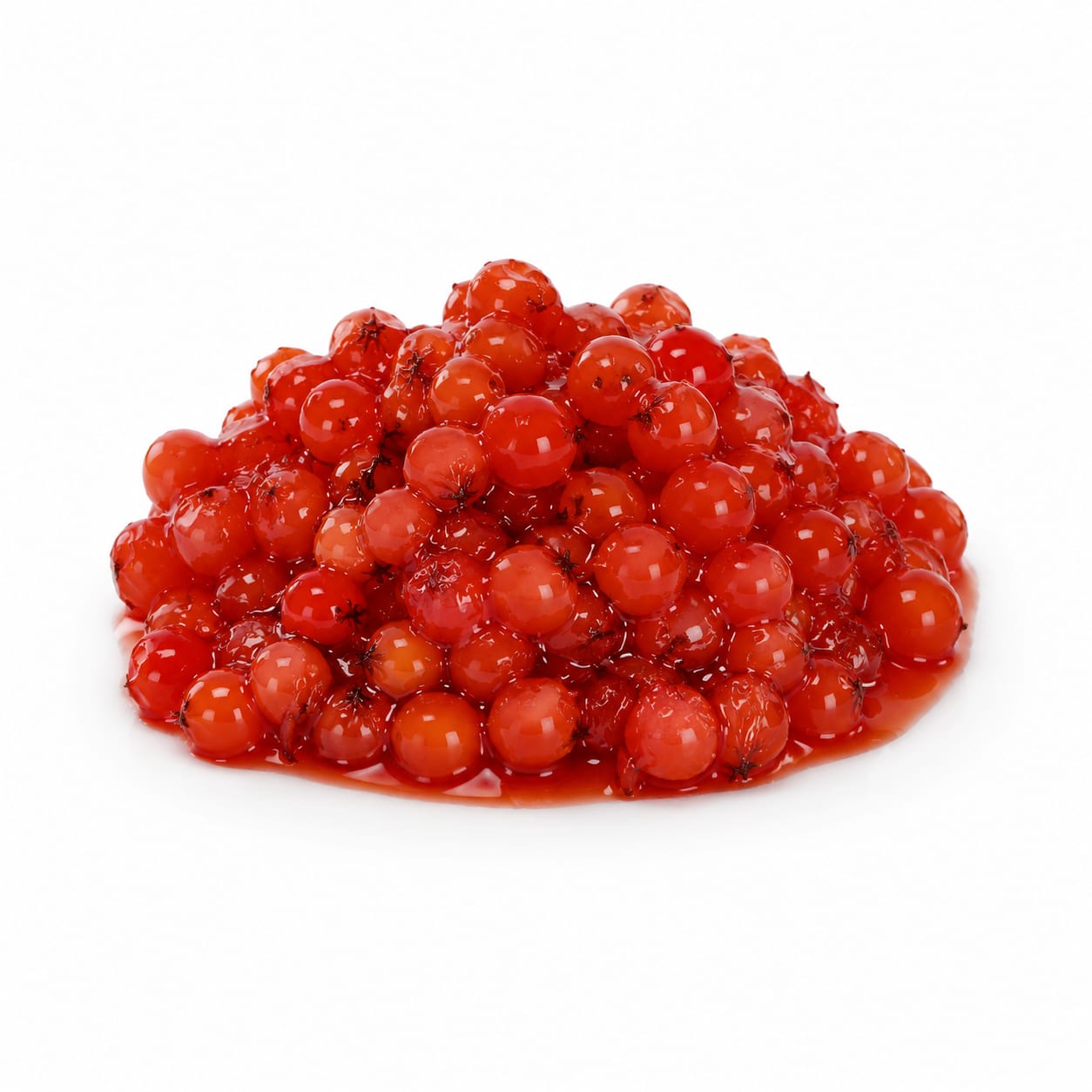
Rowanberry
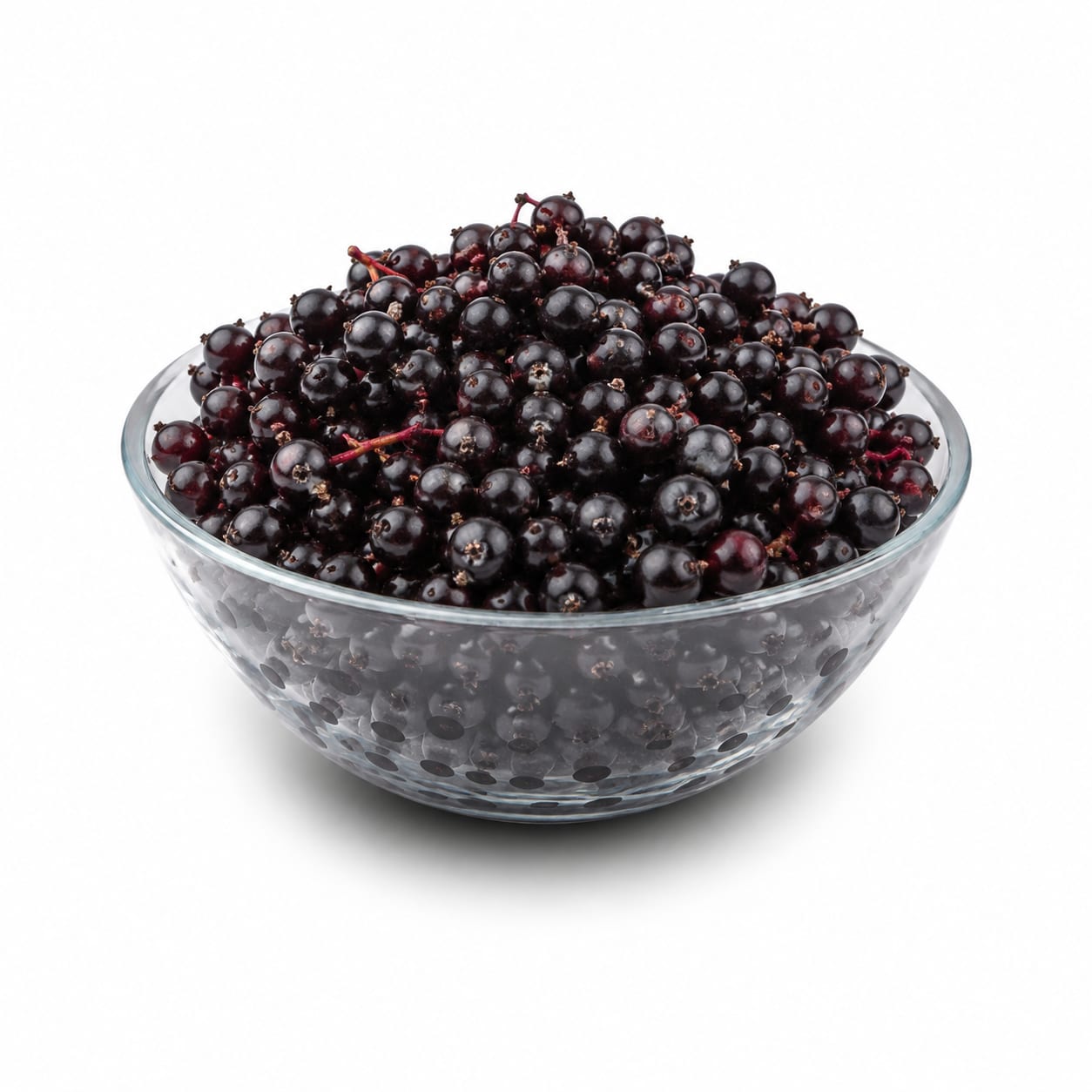
Elderberry
Elderberry wins on accessibility, immune reputation, and product availability, but both berries share a critical safety requirement: never eat them raw.
Elderberry scores notably higher due to better commercial availability, stronger immune research, and more established safe preparation methods. Rowanberry is nutritionally interesting but significantly less practical and less studied.
Rowanberry offers more vitamin C and a unique tart flavor, but Elderberry is far easier to find, better studied for immunity, and has more trusted commercial options.
At a glance
Executive summary
Overall
Elderberry
Healthier
Elderberry
More practical
Elderberry
Daily use
Elderberry
Key comparison lenses
safety and toxicity
Both berries are toxic when raw and require cooking — this is the single most critical factor in this comparison
immune support
Elderberry is widely used for immune defense; users are likely comparing these for cold and flu season
antioxidant potential
Both are rich in anthocyanins and polyphenols, but users want to know which delivers more benefit
practical availability
Elderberry products are commercially everywhere; rowanberries are niche and hard to find prepared
culinary versatility
Both need processing, but elderberry has far more established recipes and product forms
Best choice for
Rowanberry
- People seeking very high natural vitamin C from wild berries
- Foragers in Northern Europe with access to rowan trees
- Adventurous home cooks making traditional preserves and jellies
Elderberry
- People wanting immune support during cold and flu season
- Anyone who wants a commercially available, tested berry product
- Families looking for a well-established traditional remedy
Least suitable for
Rowanberry
- Anyone unwilling to thoroughly cook the berries before eating
- People without reliable access to fresh rowanberries or trusted sources
- Children — higher risk from improper preparation
Elderberry
- People with autoimmune conditions who should avoid immune stimulants
- Anyone planning to forage without confident identification — elderberry lookalikes are dangerous
- Those who would consume raw berries despite warnings
Deep comparison
Dimension by dimension
Each lens scores both foods and breaks down who each option suits.
- Dimension 1 · Priority 95Elderberry
safety_and_toxicity
Rowanberry · 40Elderberry · 55Both berries are unsafe raw. Rowanberry contains parasorbic acid that can cause kidney irritation and digestive distress. Elderberry contains cyanogenic glycosides that can release cyanide. Both must be cooked, but elderberry has more established safe-preparation traditions.
Tradeoff
Neither is safe to eat raw — this is not a minor warning. Elderberry's toxicity is better documented with clearer preparation guidelines, while rowanberry's parasorbic acid risks are less widely understood.
Why it matters
Eating even small amounts of either raw berry can cause nausea, vomiting, and diarrhea. Severe cases can involve kidney damage or cyanide-like symptoms.
Real-world impact
If you forage either berry, you must cook them thoroughly before consuming. No shortcuts. Elderberry products from reputable brands handle this for you; rowanberry products are rarely available commercially.
Rowanberry
- Experienced foragers who understand frost-treatment and cooking requirements for parasorbic acid neutralization
Better for
- Anyone who might taste-test raw berries while foraging
- People unfamiliar with the specific cooking requirements for parasorbic acid
Worse for
Elderberry
- Consumers who prefer buying pre-made syrups and supplements where toxicity has been handled correctly
- People who follow well-documented traditional preparation methods
Better for
- People who confuse elderberry with toxic lookalikes like water hemlock berries
- Those who assume all berries labeled 'elderberry' in supplements are properly processed
Worse for
- Dimension 2 · Priority 85Elderberry
immune_support
Rowanberry · 45Elderberry · 82Elderberry has substantial research supporting its antiviral and immune-modulating effects, particularly for influenza. Rowanberry has traditional use but far less scientific backing for immunity.
Tradeoff
Elderberry is one of the best-studied berries for immune function with clinical trials behind it. Rowanberry's immune benefits are mostly inferred from its vitamin C and antioxidant content, not direct evidence.
Why it matters
If you're choosing between these for cold season defense, elderberry has a much stronger evidence base and a proven track record.
Real-world impact
Elderberry syrup at the first sign of a cold is a well-supported strategy. Rowanberry might help indirectly through vitamin C, but you'd be guessing.
Rowanberry
- People who primarily want vitamin C rather than direct antiviral effects
Better for
- Those seeking reliable, studied immune intervention — the evidence just isn't there
Worse for
Elderberry
- Anyone wanting evidence-backed immune support during cold and flu season
- People looking for a berry with demonstrated antiviral properties
- Families wanting a trusted traditional remedy with modern research support
Better for
- People with autoimmune conditions who should avoid immune-stimulating supplements
Worse for
- Dimension 3 · Priority 75Elderberry
antioxidant_content
Rowanberry · 62Elderberry · 78Both berries are rich in anthocyanins and polyphenols. Elderberry has one of the highest measured antioxidant capacities among berries. Rowanberry is strong but less exceptional.
Tradeoff
Elderberry's anthocyanin profile is particularly concentrated and well-characterized. Rowanberry offers diversity in its polyphenol profile but lower total antioxidant capacity.
Why it matters
Higher antioxidant capacity correlates with better cellular protection and anti-inflammatory effects over time.
Real-world impact
Regular elderberry consumption gives you a stronger antioxidant shield. Rowanberry still contributes meaningfully but isn't in the top tier.
Rowanberry
- Those who value dietary diversity in their polyphenol sources
Better for
- Anyone looking for the single most potent antioxidant berry option
Worse for
Elderberry
- People maximizing antioxidant intake per serving
- Those wanting the highest anthocyanin concentration available in a berry
Better for
- People who already take multiple high-antioxidant supplements and may not need more
Worse for
- Dimension 4 · Priority 65Rowanberry
vitamin_c_content
Rowanberry · 80Elderberry · 50Rowanberry is notably rich in vitamin C, often exceeding citrus fruits per gram. Elderberry contains moderate vitamin C but is not a standout source.
Tradeoff
If vitamin C is your priority, rowanberry delivers significantly more. However, cooking reduces vitamin C content, and both berries must be cooked.
Why it matters
Vitamin C supports collagen synthesis, wound healing, and general immune function. Getting it from food is preferable to supplements for most people.
Real-world impact
After cooking, rowanberry still likely retains more vitamin C than elderberry, but the gap narrows. Neither should be your sole vitamin C strategy.
Rowanberry
- People specifically seeking natural vitamin C sources from wild foods
- Those in northern climates looking for local vitamin C alternatives
Better for
- Anyone assuming the raw vitamin C content survives cooking unchanged
Worse for
Elderberry
- People who get adequate vitamin C elsewhere and prioritize other nutrients
Better for
- Those relying on elderberry as a significant vitamin C source — it isn't one
Worse for
- Dimension 5 · Priority 70Elderberry
availability_and_convenience
Rowanberry · 20Elderberry · 75Elderberry is widely available as syrups, gummies, capsules, and dried berries from major brands. Rowanberry is almost impossible to find commercially in most regions.
Tradeoff
You can buy trusted elderberry products at any health food store or online. Rowanberry requires foraging or specialty European suppliers, with very few commercial options.
Why it matters
The best berry for you is one you can actually access and use safely. Availability determines whether a food moves from theoretical to practical.
Real-world impact
Most people comparing these berries will find elderberry products within minutes. Finding rowanberry products could take weeks or require foraging knowledge.
Rowanberry
- Northern European residents with rowan trees nearby and foraging experience
Better for
- North American consumers — rowanberry products are extremely rare
- Anyone unwilling to forage and process their own berries
Worse for
Elderberry
- Anyone who wants to buy a ready-made product today
- People without foraging skills or access to wild trees
- Consumers who prefer third-party tested supplements
Better for
- People in regions where elderberry supplements are overpriced or poorly regulated
Worse for
- Dimension 6 · Priority 55Elderberry
culinary_versatility
Rowanberry · 45Elderberry · 65Both berries are used in jams, jellies, wines, and syrups after cooking. Elderberry has a richer culinary tradition with more recipes and product variety. Rowanberry is more niche, often used in Scandinavian preserves.
Tradeoff
Elderberry's flavor is richer and more universally appealing in cooked preparations. Rowanberry is distinctly tart and bitter even after cooking, requiring more sugar and skill to make palatable.
Why it matters
If a food doesn't taste good, you won't keep eating it. Elderberry is easier to enjoy in multiple forms.
Real-world impact
Elderberry syrup tastes pleasant enough to take daily by the spoonful. Rowanberry preserves are an acquired taste that most people enjoy occasionally, not daily.
Rowanberry
- Fans of tart, astringent flavors similar to cranberry
- Home cooks specializing in Nordic cuisine
Better for
- Those sensitive to bitter or astringent flavors
- People wanting an easy, pleasant-tasting daily supplement
Worse for
Elderberry
- People wanting a berry that tastes good in everyday recipes
- Anyone making homemade syrups, wines, or desserts
Better for
- Those who find elderberry's musky sweetness cloying
Worse for
Timeline
Health impact over time
Short-term
Hours to days
Rowanberry
- Raw consumption causes nausea, vomiting, stomach pain, and diarrhea within hours
- Properly cooked rowanberry provides a noticeable vitamin C boost
- Sorbitol content may have a mild laxative effect even when cooked
Elderberry
- Raw berries cause nausea, vomiting, and diarrhea — cyanogenic compounds can produce serious symptoms
- Properly prepared elderberry may reduce cold and flu duration when taken early
- Large doses of elderberry extract can cause digestive upset in sensitive individuals
Long-term
Months to years
Rowanberry
- Regular consumption of cooked rowanberry may support vascular health through polyphenol intake
- Vitamin C contribution supports collagen maintenance and skin health over time
- Long-term safety data is limited compared to more commonly consumed berries
Elderberry
- Consistent elderberry intake during cold seasons may reduce infection frequency and severity
- Anthocyanin content supports cardiovascular and cognitive health with regular consumption
- Autoimmune patients should avoid regular use as immune stimulation may worsen their condition
Risk profile
Safety & processing
Both berries are whole foods when foraged and home-prepared. However, commercial elderberry products vary widely — some syrups and gummies contain added sugars, preservatives, or low-quality extracts. Rowanberry is almost never found as a commercial product, so when you do find it, it's typically in traditional, minimally processed forms like preserves.
Rowanberry
Parasorbic acid toxicity from raw berries
highRaw rowanberries contain parasorbic acid which can cause kidney damage and severe gastrointestinal distress. Cooking or frost-treatment neutralizes this compound.
Mislabeled foraging
mediumRowanberry can be confused with other Sorbus species with varying toxicity levels. Confident tree identification is essential.
Sorbitol-related digestive effects
lowEven properly cooked rowanberries contain sorbitol, which can cause bloating or laxative effects in sensitive people.
Elderberry
Cyanogenic glycoside poisoning from raw berries
highRaw elderberries contain compounds that release cyanide in the body. Symptoms include nausea, vomiting, diarrhea, and in severe cases, more serious cyanide effects. Thorough cooking destroys these compounds.
Toxic lookalike berries
highElderberry can be confused with water hemlock, pokeberry, and other highly toxic plants. Misidentification during foraging is dangerous and potentially fatal.
Unregulated supplement quality
mediumCommercial elderberry products are not well-regulated. Some contain minimal actual elderberry, excessive sugar, or improperly processed berries.
Who wins for whom
Audience fit
Same foods, different winners depending on your goal.
children
ElderberryProperly prepared commercial elderberry products designed for children exist with tested dosing. Rowanberry has no established safe pediatric dosing and is too niche to recommend for kids.
daily consumption
ElderberryElderberry has more established daily-use protocols, especially during cold season. Rowanberry's daily safety profile is less well-documented and its taste is harder to sustain daily.
diabetes
RowanberryHome-prepared rowanberry with minimal added sugar has a lower glycemic impact. Many commercial elderberry products are loaded with sugar or honey, making them problematic for blood sugar management.
elderly
ElderberryElderberry's immune support is particularly valuable for older adults, and tested commercial products provide reliable dosing. Rowanberry lacks the same safety and efficacy track record for this population.
muscle gain
It dependsNeither berry is relevant for muscle gain. Both are low in protein and calories. This is not the right comparison for this goal.
weight loss
It dependsNeither berry is a weight loss food. Both are low in calories when prepared without added sugar, but elderberry products often contain significant added sugar. Home-prepared versions of either are comparable.
Your move
Decision guide
Choose Rowanberry
- You forage in Northern Europe and have access to rowan trees with confident identification
- You want a wild berry with exceptional vitamin C content and are willing to process it properly
- You enjoy tart, astringent flavors and want to explore traditional Scandinavian preserves
- You're looking for dietary polyphenol diversity beyond the usual berry options
Choose Elderberry
- You want evidence-backed immune support during cold and flu season
- You prefer buying trusted, tested commercial products rather than foraging
- You want a berry with a pleasant taste that's easy to take daily
- You're new to wild berries and want the one with more safety information available
Either works if
- You're comfortable cooking wild berries thoroughly and want antioxidant diversity
- You enjoy making homemade jams, jellies, or fruit wines from foraged ingredients
Avoid both if
- You would consider eating either berry raw — both are toxic uncooked
- You have difficulty identifying wild trees and might confuse them with toxic species
- You have autoimmune conditions and should avoid immune-stimulating berries
- You lack the patience or knowledge for proper preparation — both require it
Final recommendation
For most people, Elderberry is the clear practical choice. It offers better-studied immune benefits, wider availability, and more reliable commercial products. Rowanberry is a fascinating wild food with impressive vitamin C content, but it remains a niche option for experienced foragers and adventurous cooks. Whichever you choose, never eat either berry raw — cooking is non-negotiable for safety.
Practical
Consumer tips
- 1
Never eat raw rowanberries or elderberries — both contain natural toxins that cooking neutralizes
- 2
If buying elderberry supplements, choose brands that third-party test for cyanogenic glycoside content
- 3
Rowanberries sweeten after a frost — traditional foragers wait for the first freeze before harvesting
- 4
When making elderberry syrup at home, simmer berries for at least 20-30 minutes to ensure safety
- 5
Avoid elderberry if you have autoimmune conditions like lupus or rheumatoid arthritis unless cleared by your doctor
- 6
Check commercial elderberry products for added sugar — many syrups contain more honey or sugar than actual berry
- 7
If foraging either berry, go with an experienced guide — toxic lookalikes can be fatal
- 8
Rowanberry preserves pair well with game meats and sharp cheeses — think of it like a tart cranberry sauce