
Nutrition comparison
Rowanberry vs Blackcurrant: Safety, Nutrition, and Which Berry to Choose
Compare rowanberry and blackcurrant for vitamin C, antioxidants, safety, and everyday usability. Learn why blackcurrant wins for most people and how to safely prepare rowanberries.
Overall winner · Blackcurrant
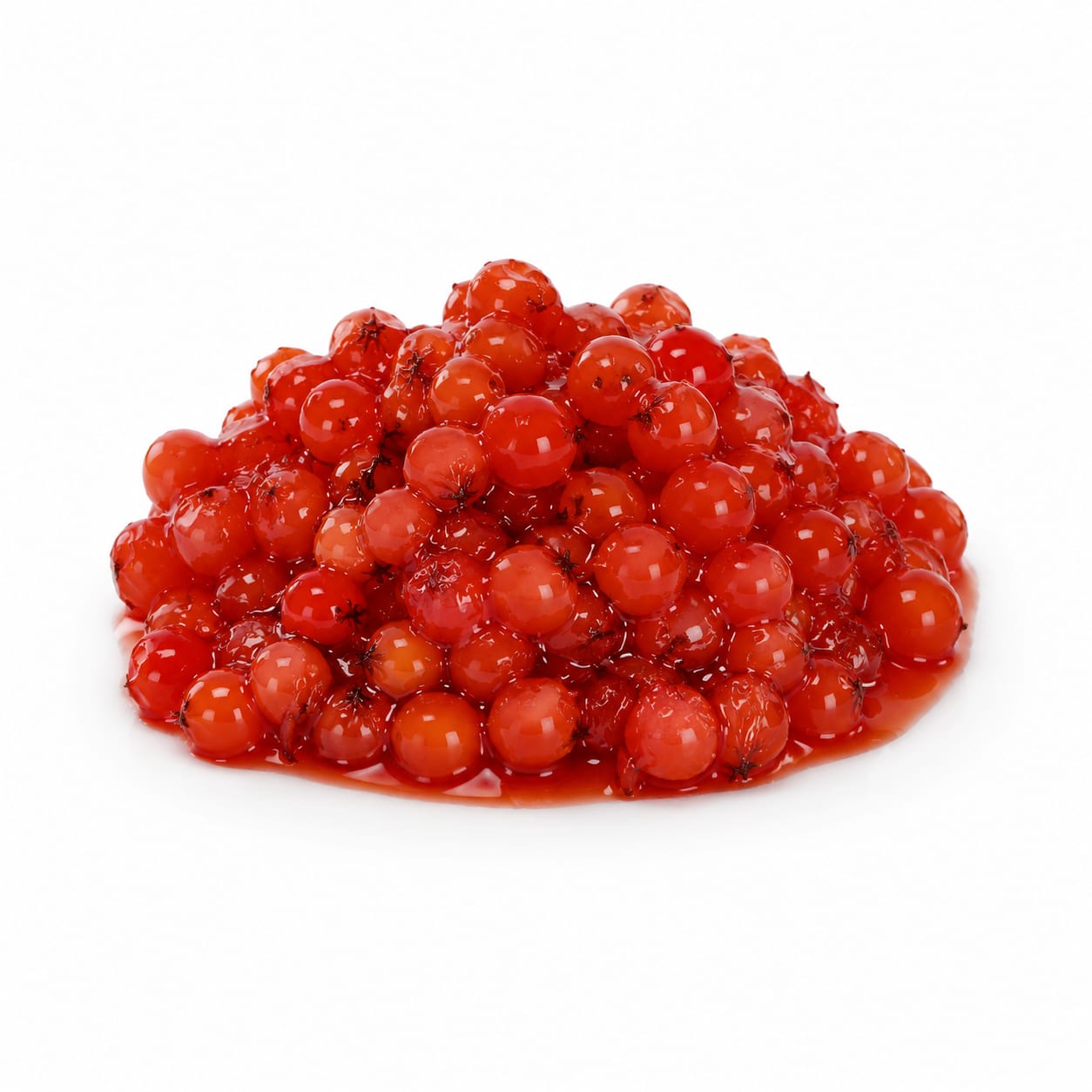
Rowanberry
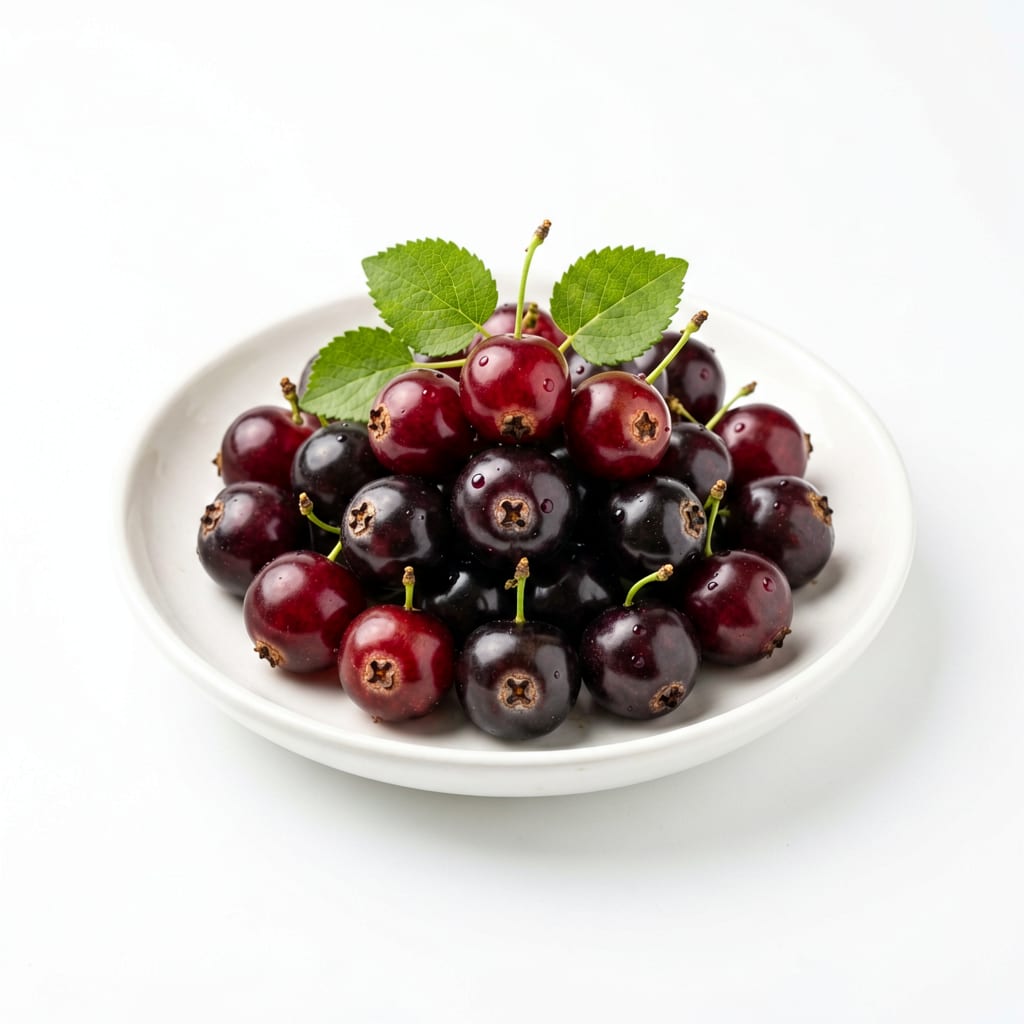
Blackcurrant
Blackcurrant wins on safety, convenience, and evidence-backed nutrition, but rowanberry offers a unique foraged experience with impressive antioxidant potential if prepared correctly.
Rowanberry scores lower primarily due to raw toxicity risk, limited availability, and preparation burden. Blackcurrant scores higher thanks to proven nutrition, easy access, and safe fresh consumption. The gap reflects real-world usability more than raw nutrient potential.
Rowanberry demands careful preparation to be safe but rewards with a distinctive tart complexity; blackcurrant delivers similar nutritional power with far less effort and risk.
At a glance
Executive summary
Overall
Blackcurrant
Healthier
Blackcurrant
More practical
Blackcurrant
Daily use
Blackcurrant
Key comparison lenses
safety and edibility
Rowanberries contain parasorbic acid which is toxic raw and requires cooking or frost treatment, while blackcurrants are safe to eat fresh
vitamin c and antioxidant density
Both are exceptionally high in vitamin C and anthocyanins, making antioxidant comparison central to this pairing
practical availability and culinary use
Blackcurrants are commercially available and versatile; rowanberries are primarily foraged and limited to preserves
traditional and medicinal value
Both have deep roots in European folk medicine but differ significantly in evidence base
Best choice for
Rowanberry
- Foragers and wild food enthusiasts who enjoy processing their own berries
- Anyone seeking a unique, locally sourced preserve or jelly
- People interested in traditional Northern European remedies
- Adventurous home cooks wanting an unusual tart ingredient
Blackcurrant
- Anyone wanting a reliable daily vitamin C and antioxidant boost
- Families looking for a safe, kid-friendly superfruit
- People who want nutrition without special preparation steps
- Smoothie and juice makers seeking bold flavor and deep color
Least suitable for
Rowanberry
- Children or anyone who might eat raw berries while foraging
- People with kidney sensitivity or digestive issues
- Anyone wanting a grab-and-go fresh snack
- Those without access to foraging areas or specialty suppliers
Blackcurrant
- People on blood-thinning medications who need to limit vitamin K
- Anyone with rare currant allergies
Deep comparison
Dimension by dimension
Each lens scores both foods and breaks down who each option suits.
- Dimension 1 · Priority 95Blackcurrant
safety_and_edibility
Rowanberry · 30Blackcurrant · 90Raw rowanberries contain parasorbic acid, which can cause kidney distress and stomach upset. Cooking or freezing destroys most of it, but the risk of improper preparation is real. Blackcurrants are safe to eat fresh off the bush.
Tradeoff
Rowanberry rewards careful preparation with a unique flavor but carries genuine risk if handled casually. Blackcurrant has no such barrier.
Why it matters
A superfood you must process correctly before eating is fundamentally less practical than one you can pop in your mouth immediately.
Real-world impact
If you hand a child a handful of berries from a tree, blackcurrant is a healthy snack. Rowanberry could mean a stomachache or worse.
Rowanberry
- Experienced foragers who understand frost-treating or cooking requirements
Better for
- Anyone unfamiliar with proper preparation
- spontaneous snacking situations
Worse for
Blackcurrant
- Children
- casual snackers
- anyone eating berries raw
Better for
- Those with specific currant allergies
Worse for
- Dimension 2 · Priority 90Blackcurrant
vitamin_c_content
Rowanberry · 70Blackcurrant · 95Blackcurrant is one of the richest vitamin C sources among all berries, delivering roughly 180-200mg per 100g. Rowanberry also contains significant vitamin C but typically less and with more variability depending on harvest timing.
Tradeoff
Both far exceed common fruits like oranges, but blackcurrant is the more consistent and concentrated source.
Why it matters
Vitamin C supports immune function, skin health, and iron absorption. A single serving of blackcurrant can cover your entire daily need.
Real-world impact
A small bowl of blackcurrants with breakfast effectively covers your vitamin C for the day. Rowanberry can too, but only if you process enough of them correctly.
Rowanberry
- Getting vitamin C from foraged local sources in autumn
Better for
- Inconsistent vitamin C levels due to harvest variability
Worse for
Blackcurrant
- Reliable daily immune support
- fighting off colds
- post-illness recovery
Better for
- Dimension 3 · Priority 88It depends
antioxidant_and_phytonutrient_profile
Rowanberry · 82Blackcurrant · 85Both are anthocyanin powerhouses. Blackcurrant has been extensively studied for its delphinidin and cyanidin content. Rowanberry contains unique polyphenols including sorbic acid derivatives and flavonoids less common in other berries.
Tradeoff
Blackcurrant offers a better-researched antioxidant profile with proven benefits. Rowanberry may have distinctive compounds but lacks equivalent clinical evidence.
Why it matters
Antioxidants reduce inflammation and protect cells from damage. The more studied the source, the more confidently you can expect real benefits.
Real-world impact
Blackcurrant extracts are already used in supplements for eye and vascular health. Rowanberry remains largely in the realm of traditional use.
Rowanberry
- Those seeking diverse, less common polyphenols
- anyone interested in phytonutrient variety
Better for
- Lacks clinical trial data to confirm specific health claims
Worse for
Blackcurrant
- Evidence-based anti-inflammatory support
- eye health
- vascular protection
Better for
- May not offer the same novelty of rare phytonutrients
Worse for
- Dimension 4 · Priority 85Blackcurrant
availability_and_convenience
Rowanberry · 25Blackcurrant · 80Blackcurrants are available frozen, dried, in juices, and fresh in season across many markets. Rowanberries are almost never sold commercially and must be foraged or sourced from specialty suppliers.
Tradeoff
You can find blackcurrant products year-round with minimal effort. Rowanberry requires planning, foraging knowledge, or mail-order preserves.
Why it matters
Nutritional value means nothing if you cannot reliably access the food. Convenience determines whether a healthy choice becomes a habit.
Real-world impact
You can toss frozen blackcurrants into a smoothie any morning. Rowanberry jelly is a weekend project or a specialty purchase.
Rowanberry
- Rural dwellers with rowan trees nearby
- people who enjoy foraging as a seasonal ritual
Better for
- City dwellers
- anyone without foraging experience
- year-round availability
Worse for
Blackcurrant
- Urban shoppers
- busy people
- anyone wanting consistent access
Better for
- Fresh blackcurrants can still be hard to find in some US markets
Worse for
- Dimension 5 · Priority 75Blackcurrant
culinary_versatility
Rowanberry · 45Blackcurrant · 78Blackcurrants work in smoothies, jams, sauces, baked goods, and even savory dishes. Rowanberry is essentially limited to jellies, preserves, and wine due to its extreme astringency and required cooking.
Tradeoff
Rowanberry makes an exceptional jelly with a distinctive rosy-apple tartness. Blackcurrant covers a far wider range of everyday uses.
Why it matters
A food you can use in multiple ways is more likely to become a regular part of your diet.
Real-world impact
Blackcurrant can go in your morning yogurt, a dessert sauce, or a cocktail. Rowanberry is a special-occasion preserve.
Rowanberry
- Artisanal jam and jelly makers
- anyone wanting a conversation-starting preserve
Better for
- Raw applications
- quick meals
- versatile cooking
Worse for
Blackcurrant
- Smoothie makers
- home bakers
- anyone cooking for a family
Better for
- Dimension 6 · Priority 72Blackcurrant
digestive_tolerance
Rowanberry · 35Blackcurrant · 75Even when properly cooked, rowanberries can be harsh on sensitive stomachs due to residual tannins and acids. Blackcurrants are generally well tolerated, though their seeds can bother some people.
Tradeoff
Rowanberry demands a robust digestive system even at its best. Blackcurrant is gentler and more predictable.
Why it matters
A nutrient-dense food that causes discomfort will not be eaten consistently, no matter how healthy it is.
Real-world impact
A rowanberry jelly on toast might sit fine for most, but larger servings or improper preparation can cause nausea. Blackcurrants rarely cause issues beyond mild seed texture complaints.
Rowanberry
- Those with iron stomachs who tolerate tannin-rich foods
Better for
- Sensitive stomachs
- IBS sufferers
- anyone prone to nausea
Worse for
Blackcurrant
- Sensitive digestion
- older adults
- anyone prone to stomach upset
Better for
- People bothered by small seeds in berries
Worse for
Timeline
Health impact over time
Short-term
Hours to days
Rowanberry
- Raw consumption can cause nausea, vomiting, and kidney irritation within hours
- Properly prepared rowanberry provides a noticeable vitamin C lift
- Astringency may cause mouth puckering and mild throat dryness
Blackcurrant
- Quick vitamin C boost supporting immediate immune response
- Tart flavor can stimulate digestion and appetite
- Natural sugars provide a light energy lift without a crash
Long-term
Months to years
Rowanberry
- Consistent use of properly prepared rowanberry preserves may support vascular health through polyphenols
- Traditional use suggests kidney-supportive properties, but clinical evidence is thin
- Long-term safety of regular parasorbic acid exposure even at low cooked levels is not well studied
Blackcurrant
- Well-documented reduction in inflammatory markers with regular consumption
- Anthocyanins support eye health and may reduce visual fatigue with prolonged use
- Consistent vitamin K intake supports bone density but requires monitoring on blood thinners
Risk profile
Safety & processing
Both berries are whole, natural foods at their source. However, rowanberry must be cooked or frozen before eating, which is a necessary processing step rather than an industrial one. Blackcurrant requires no such intervention. Commercial blackcurrant products like juices and concentrates may contain added sugars, so check labels.
Rowanberry
Parasorbic acid toxicity from raw consumption
highRaw rowanberries contain parasorbic acid which can damage kidneys and cause severe digestive distress. Cooking or frost-treatment neutralizes most of it, but incomplete preparation is a real danger.
Misidentification with toxic lookalikes
mediumRowan belongs to the rose family and is fairly distinctive, but inexperienced foragers could confuse other red berries in similar habitats. Always confirm identification with an expert.
Environmental contamination in foraged berries
mediumRoadside or urban rowan trees may absorb heavy metals and pollutants. Forage away from traffic and industrial areas.
Blackcurrant
Pesticide residue on conventionally grown berries
lowBlackcurrants are not typically high on pesticide concern lists, but washing is still recommended. Organic options are widely available.
Vitamin K interaction with blood thinners
mediumBlackcurrants contain meaningful vitamin K which can interfere with warfarin and similar medications. Consistent intake is safer than sporadic large amounts.
Who wins for whom
Audience fit
Same foods, different winners depending on your goal.
children
BlackcurrantBlackcurrants are safe, palatable when sweetened slightly, and nutritionally beneficial for growing kids. Rowanberries are unsafe raw and too astringent for most children even when cooked.
daily consumption
BlackcurrantBlackcurrants can be eaten daily in various forms with minimal risk. Rowanberry is more of an occasional specialty food due to safety concerns and limited access.
diabetes
BlackcurrantBlackcurrants have a low glycemic impact and their anthocyanins may improve insulin sensitivity. Rowanberry is also low in sugar but is typically consumed as sweetened jelly, which changes the equation.
elderly
BlackcurrantBlackcurrants support eye health, vascular function, and immune resilience, all critical for older adults. Rowanberry's digestive harshness and preparation complexity make it less suitable.
muscle gain
It dependsNeither berry is a protein source. Blackcurrant's vitamin C helps with collagen synthesis and recovery, giving it a slight edge for post-workout inflammation reduction.
weight loss
BlackcurrantBlackcurrants are low in calories, high in fiber, and easy to portion as a fresh snack. Rowanberry is rarely consumed in large enough quantities to matter for weight management.
Your move
Decision guide
Choose Rowanberry
- You are an experienced forager who knows how to properly prepare rowanberries
- You want a unique artisanal preserve with deep cultural roots
- You have access to clean, rural rowan trees and enjoy seasonal harvesting
- You are curious about lesser-known Nordic and Celtic food traditions
Choose Blackcurrant
- You want a reliable, safe, nutrient-dense berry for everyday use
- You are looking for the strongest vitamin C source among common berries
- You need an antioxidant boost for immune support, eye health, or recovery
- You want something versatile enough for smoothies, baking, and snacking
Either works if
- You simply want a tart, antioxidant-rich berry and both are available
- You are making mixed-berry preserves and want complexity
Avoid both if
- You are on blood-thinning medications and have not consulted your doctor about vitamin K intake
- You have a known berry allergy in the Grossulariaceae or Rosaceae families
Final recommendation
Blackcurrant is the clear choice for most people most of the time. It delivers exceptional nutrition safely and conveniently. Rowanberry is a beautiful tradition and a rewarding foraged food, but it demands knowledge, caution, and effort that most everyday eaters will not sustain. If you do forage rowanberries, always cook or frost-treat them thoroughly, and never serve them raw to children.
Practical
Consumer tips
- 1
If you forage rowanberries, wait until after the first frost or freeze them for at least 48 hours to break down parasorbic acid before cooking
- 2
Blackcurrant frozen at peak ripeness retains more vitamin C than fresh berries that have traveled long distances
- 3
Rowanberry jelly pairs beautifully with game meats and sharp cheeses, making it worth the effort for special occasions
- 4
When buying blackcurrant products, check for added sugars, especially in juices and concentrates
- 5
Never eat rowanberries raw, even if they look fully ripe and appealing on the tree
- 6
If you grow blackcurrants, they freeze exceptionally well and can last a year in the freezer without significant nutrient loss
- 7
Mix blackcurrants with sweeter berries like raspberries to balance their intensity in smoothies or desserts