
Nutrition comparison
Rowanberry vs Acai Berry: Nutrition, Safety, and Which Is Worth Eating
Compare rowanberry and acai berry on antioxidants, safety, healthy fats, and practical use. Learn which berry fits your health goals and lifestyle better.
Overall winner · Acai Berry
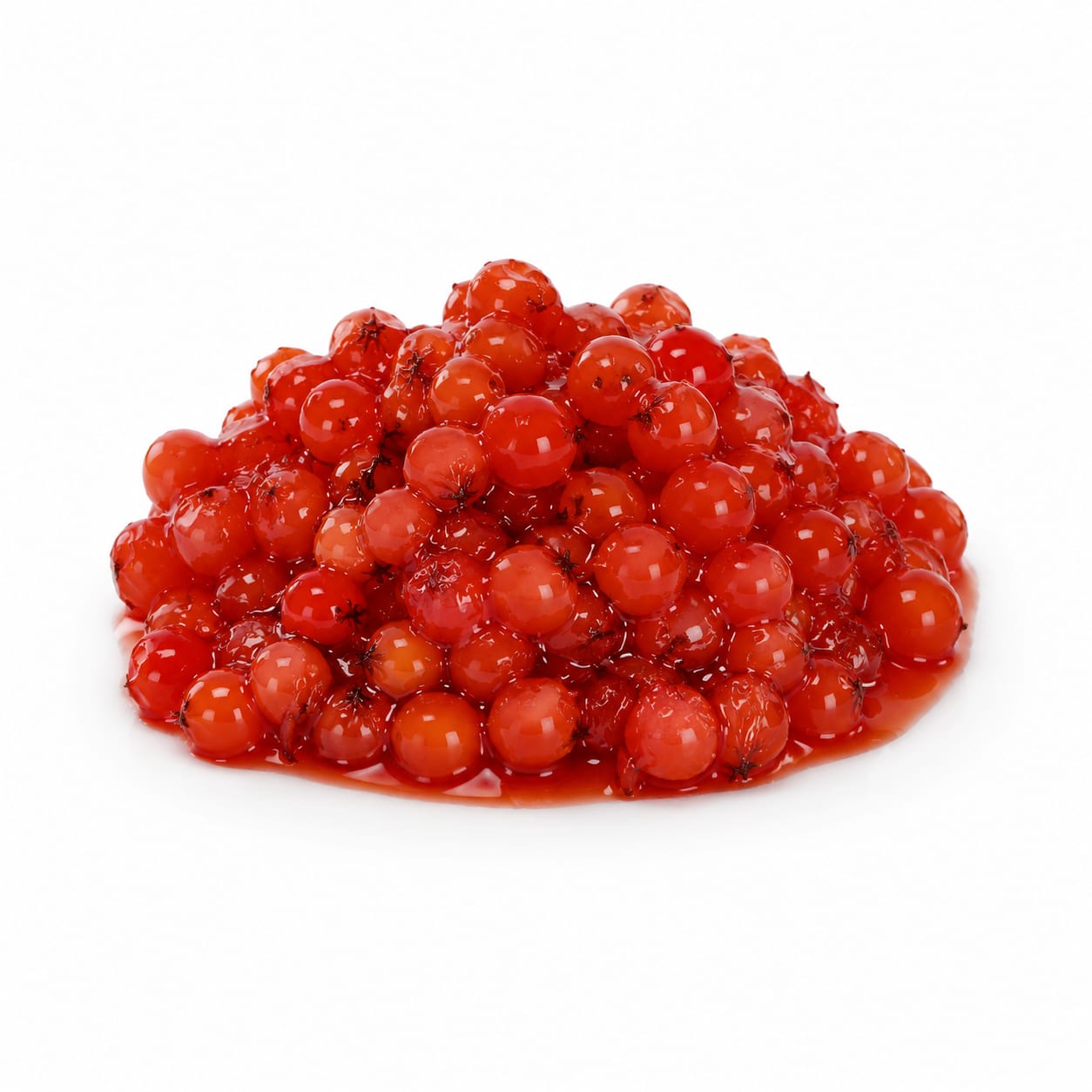
Rowanberry
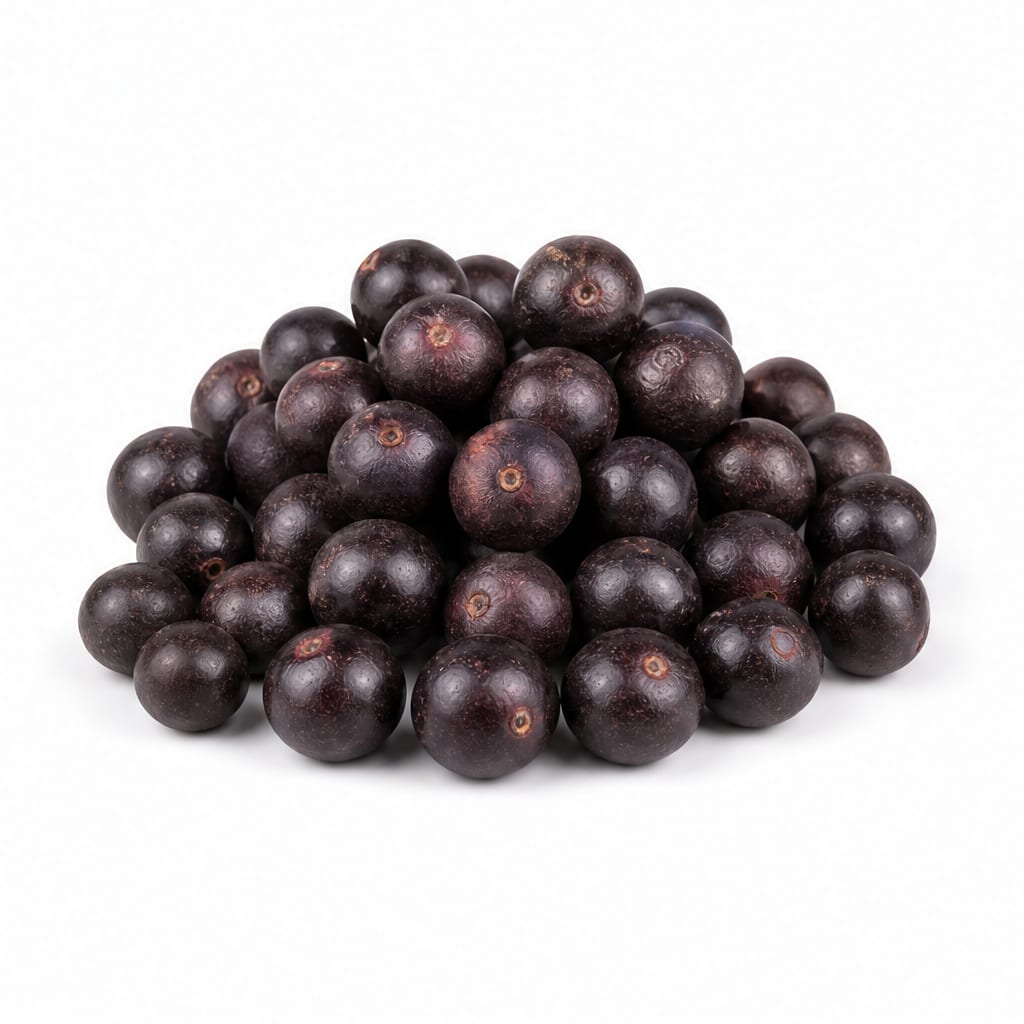
Acai Berry
Acai berry wins for safety, convenience, and healthy fats, but rowanberry offers stronger vitamin C and a less commercialized profile if you can prepare it properly.
Acai scores notably higher due to safety, healthy fat content, and accessibility. Rowanberry loses ground on raw toxicity risk and limited availability, though it excels in vitamin C and authenticity.
Rowanberry demands careful preparation to be safe and is hard to find, while acai is easy to buy but often comes overprocessed and overpriced for what it delivers.
At a glance
Executive summary
Overall
Acai Berry
Healthier
Acai Berry
More practical
Acai Berry
Daily use
Acai Berry
Key comparison lenses
safety and preparation
Rowanberry contains parasorbic acid which is toxic when raw, making preparation method a critical decision factor
antioxidant potential
Both berries are prized for antioxidant content, but acai is marketed heavily as a superfood while rowanberry has a quieter traditional reputation
practical everyday use
Acai is widely available in processed forms while rowanberry is rare outside foraging and specialty markets
healthy fat content
Acai is unusual among berries for its omega fat profile, which sets it apart significantly
authenticity vs hype
Acai carries heavy superfood marketing while rowanberry represents traditional European foraging knowledge
Best choice for
Rowanberry
- Foragers and traditional food enthusiasts who enjoy preparation
- Anyone seeking high vitamin C from a local European berry
- People wanting a less commercialized antioxidant source
- Those who value seasonal, regional eating
Acai Berry
- Smoothie and bowl enthusiasts wanting healthy fats in their fruit
- People who want a safe, ready-to-eat antioxidant boost
- Anyone prioritizing omega fatty acids alongside antioxidants
- Consumers who value convenience over foraging authenticity
Least suitable for
Rowanberry
- Children or anyone who might eat raw berries unknowingly
- People who want grab-and-go convenience
- Anyone unfamiliar with proper preparation techniques
- Those with kidney sensitivity to sorbitol or parasorbic acid
Acai Berry
- Budget-conscious shoppers avoiding marked-up superfoods
- People sensitive to food marketing hype
- Anyone wanting a whole, unprocessed berry experience
- Those who need high vitamin C from their fruit choice
Deep comparison
Dimension by dimension
Each lens scores both foods and breaks down who each option suits.
- Dimension 1 · Priority 92Acai Berry
antioxidant_power
Rowanberry · 72Acai Berry · 88Acai delivers more total antioxidants, especially anthocyanins, while rowanberry offers carotenoids and flavonoids from a different color spectrum.
Tradeoff
Acai's dark purple pigments signal massive anthocyanin content, but rowanberry's orange-red hue brings carotenoids that acai completely lacks.
Why it matters
Different antioxidant families protect different systems. Anthocyanins support vascular and brain health, while carotenoids protect eyes and skin.
Real-world impact
Regular acai consumption may improve skin elasticity and circulation more noticeably, while rowanberry could better support eye health over time.
Rowanberry
- Eye health and vision protection
- Skin defense against UV damage
- Diverse antioxidant spectrum beyond anthocyanins
Better for
- Lower total antioxidant capacity by common measures
- Less studied for specific health outcomes
Worse for
Acai Berry
- Cardiovascular antioxidant protection
- Anti-inflammatory effects
- Total ORAC score and free radical scavenging
Better for
- Missing carotenoid family entirely
- Benefits sometimes exaggerated by marketing
Worse for
- Dimension 2 · Priority 95Acai Berry
safety_and_preparation
Rowanberry · 35Acai Berry · 85Raw rowanberries contain parasorbic acid which can cause kidney distress and stomach upset, requiring cooking or freezing before eating. Acai is safe as sold.
Tradeoff
Rowanberry demands knowledge and effort to eat safely, while acai comes pre-processed and ready to consume.
Why it matters
Eating rowanberries raw is genuinely risky, especially for children. This is not a minor concern — it defines how the food must be handled.
Real-world impact
You can hand someone acai without worry. Rowanberry requires a conversation about preparation first.
Rowanberry
- Teaches traditional food preparation skills
- Connects you to ancestral foraging knowledge
Better for
- Raw consumption risk is real and documented
- Sorbitol content can cause digestive upset
- Parasorbic acid concerns for kidney health
Worse for
Acai Berry
- Safe straight from the package
- No special knowledge needed
- Suitable for children and elderly without caution
Better for
- False sense of safety with heavily processed versions
- Sulfite preservatives in some packaged forms
Worse for
- Dimension 3 · Priority 80Acai Berry
healthy_fat_profile
Rowanberry · 15Acai Berry · 90Acai is remarkably rich in omega-3, omega-6, and omega-9 fatty acids for a fruit. Rowanberry contains negligible fat.
Tradeoff
Acai doubles as a fat source and fruit, while rowanberry is almost entirely carbohydrate with minimal fat.
Why it matters
Omega fats from whole food sources support brain function, hormone balance, and heart health without needing supplements.
Real-world impact
An acai bowl provides satiating fats that keep you full longer. Rowanberry jam on toast adds flavor but not lasting fullness.
Rowanberry
- Lower calorie density if fat intake is already high
- Simpler macronutrient profile for low-fat diets
Better for
- Essentially zero healthy fat contribution
- Less satisfying as a standalone food
Worse for
Acai Berry
- Omega-3 and omega-9 for heart and brain health
- More satiating due to fat content
- Rare whole-food plant source of essential fatty acids
Better for
- Higher calorie per serving due to fat content
- Fat content can oxidize in poorly stored products
Worse for
- Dimension 4 · Priority 78It depends
vitamin_and_mineral_density
Rowanberry · 80Acai Berry · 72Rowanberry is significantly higher in vitamin C and iron, while acai offers more calcium and vitamin A precursors.
Tradeoff
Rowanberry is an immune-boosting powerhouse through vitamin C, while acai covers bone health and vision better.
Why it matters
Vitamin C from rowanberry supports immunity and iron absorption directly. Acai's calcium and vitamin A serve different but equally important roles.
Real-world impact
Rowanberry preparations during cold season could meaningfully boost vitamin C intake. Acai supports daily bone and eye maintenance more broadly.
Rowanberry
- Iron content supports energy and blood health
- Vitamin C levels rival citrus fruits
- Better for immune support during illness
Better for
- Vitamin C degrades significantly with cooking
- Mineral absorption may vary with preparation method
Worse for
Acai Berry
- Calcium for bone density maintenance
- Vitamin A precursors for vision and skin
- More balanced micronutrient spread overall
Better for
- Lower vitamin C than many common fruits
- Iron content is modest
Worse for
- Dimension 5 · Priority 85Acai Berry
availability_and_convenience
Rowanberry · 25Acai Berry · 82Acai is available year-round in frozen pulp, powder, and smoothie packs globally. Rowanberry is rarely sold commercially and mostly foraged seasonally.
Tradeoff
Acai trades freshness and authenticity for global accessibility. Rowanberry offers local seasonal authenticity but requires effort to obtain.
Why it matters
The best berry nutritionally means nothing if you cannot reliably buy or prepare it.
Real-world impact
You can find acai in most grocery stores. Rowanberry requires finding a tree, identifying it correctly, and processing it yourself.
Rowanberry
- Free if you forage successfully
- No supply chain or packaging waste
- Seasonal eating alignment
Better for
- Almost impossible to find commercially
- Seasonal window is narrow
- Requires foraging knowledge and location access
Worse for
Acai Berry
- Available in stores year-round
- Consistent quality and dosing
- Multiple convenient formats
Better for
- Often shipped frozen from Brazil with carbon footprint
- Quality varies wildly between brands
- Premium pricing for what is ultimately just a berry
Worse for
- Dimension 6 · Priority 70Acai Berry
blood_sugar_impact
Rowanberry · 60Acai Berry · 75Acai's fat content slows sugar absorption significantly. Rowanberry has more sugar per gram and negligible fat to buffer it.
Tradeoff
Acai provides steadier energy with less spike risk. Rowanberry's sugar hits faster, especially in jam form.
Why it matters
For anyone monitoring blood sugar, the fat-sugar ratio determines whether a fruit feels energizing or crash-inducing.
Real-world impact
An acai bowl keeps energy stable for hours. Rowanberry preserves on morning toast may cause a quicker rise and dip.
Rowanberry
- Still lower sugar than most common fruits
- Fiber provides some buffering
Better for
- Sugar absorbed quickly without fat to slow it
- Commonly eaten as sweetened jam or jelly
Worse for
Acai Berry
- Fat content naturally blunts glycemic response
- Better for sustained energy without crashes
- More diabetes-friendly profile
Better for
- Added sugars in commercial smoothie bowls can negate benefits
- Portion sizes in bowls often exceed what is reasonable
Worse for
Timeline
Health impact over time
Short-term
Hours to days
Rowanberry
- Raw consumption causes nausea, stomach pain, and potential kidney irritation
- Properly prepared rowanberry provides a noticeable vitamin C boost
- Tart flavor may reduce appetite naturally
- Sorbitol content can have a mild laxative effect
Acai Berry
- Quick antioxidant infusion noticeable in energy and skin glow within days
- Healthy fats provide immediate satiety and meal satisfaction
- Commercial versions with added sugar may cause energy crashes
- Digestive comfort is generally excellent
Long-term
Months to years
Rowanberry
- Consistent vitamin C intake supports immune resilience over years
- Carotenoid consumption protects against age-related eye decline
- Traditional preparation connects to cultural food practices and seasonal rhythms
- Risk of improper preparation accumulates if habits are careless
Acai Berry
- Omega fat intake supports cardiovascular and cognitive health long-term
- Anthocyanin consumption associated with reduced chronic disease risk
- Over-reliance on acai as a superfood may crowd out dietary diversity
- Budget strain from premium pricing could reduce overall diet quality
Risk profile
Safety & processing
Rowanberry is typically whole and unprocessed when foraged, requiring only home cooking. Acai almost always arrives frozen, powdered, or blended with other ingredients, introducing variable additive exposure.
Rowanberry
Parasorbic acid toxicity from raw consumption
highRaw rowanberries contain parasorbic acid which can cause kidney damage, nausea, and vomiting. Cooking or freezing destroys most of this compound.
Sorbitol digestive effects
mediumHigh sorbitol content can cause bloating, gas, and laxative effects, especially in sensitive individuals or with larger portions.
Misidentification during foraging
mediumRowanberry resembles other mountain ash species and potentially toxic berries. Confident identification is essential before consuming.
Acai Berry
Added sugars in commercial products
mediumMany acai bowls, smoothie packs, and powders contain significant added sugar that undermines the health benefits of the berry itself.
Oxidized fats in poorly stored products
lowAcai's omega fats can oxidize if products are not kept frozen or are stored too long, reducing nutritional value and potentially creating inflammatory compounds.
Sulfite preservatives in some packaged forms
lowSome commercial acai products contain sulfites as preservatives, which can trigger reactions in sensitive individuals.
Who wins for whom
Audience fit
Same foods, different winners depending on your goal.
children
Acai BerryAcai is safe and kid-friendly in smoothie form. Rowanberry's raw toxicity risk makes it inappropriate for children without careful adult preparation.
daily consumption
Acai BerryAcai integrates easily into daily routines via smoothies and bowls. Rowanberry's seasonal availability and preparation demands make daily use impractical.
diabetes
Acai BerryAcai's fat content slows sugar absorption and the berry itself is low glycemic, whereas rowanberry preparations often involve sweetening.
elderly
Acai BerryAcai's omega fats support cognitive and cardiovascular health in aging, and it requires no special preparation knowledge.
muscle gain
It dependsNeither berry is a protein source. Acai offers anti-inflammatory fats that support recovery, while rowanberry's vitamin C aids collagen repair.
weight loss
Acai BerryAcai's healthy fats provide satiety that reduces overeating, while rowanberry's preparation often involves added sugar in jams.
Your move
Decision guide
Choose Rowanberry
- You enjoy foraging and traditional food preparation as a practice
- You want a local, seasonal vitamin C source in autumn and winter
- You value food sovereignty and low-cost nutrition from your region
- You are experienced with safe wild food handling
Choose Acai Berry
- You want a convenient daily antioxidant boost without preparation hassle
- Heart and brain health are top priorities for you
- You prefer smoothies or bowls as a meal format
- You want something safe to share with kids or elderly family members
Either works if
- You simply want more berry diversity in your diet
- Antioxidant intake from any whole food source is your goal
- You enjoy exploring less common fruits beyond the usual supermarket options
Avoid both if
- You have a berry allergy or salicylate sensitivity
- You are looking for a significant protein source from fruit
- Budget is extremely tight and you need calorie-dense nutrition per dollar
Final recommendation
For most people, acai berry is the more practical and safer choice for regular consumption. Its healthy fat content, antioxidant density, and ready availability make it easy to incorporate into daily life. Rowanberry is a beautiful traditional food with impressive vitamin C, but it demands respect and preparation knowledge that most modern consumers lack. If you forage and know how to process rowanberry safely, it is a rewarding seasonal addition. Otherwise, acai delivers more consistent benefits with less risk.
Practical
Consumer tips
- 1
If buying acai, check ingredient lists carefully — many products contain more apple juice or sugar than actual acai
- 2
Freeze rowanberries before cooking to reduce parasorbic acid and bitterness, then use in small batches of jelly or compote
- 3
Avoid acai products that do not list acai as the first ingredient
- 4
Rowanberry pairs well with apple or crabapple to balance tartness in preserves without excessive added sugar
- 5
For acai, frozen pulp packets with no added ingredients offer the best nutritional value per dollar
- 6
Never eat rowanberries straight from the tree, even if they look ripe and appealing
- 7
If trying acai for the first time, start with a small portion to check for any berry allergy sensitivity