
Nutrition comparison
Rowanberry vs Red Currant: Safety, Nutrition, and Which Berry to Choose
Comparing rowanberries and red currants? Learn which tart berry is safer, more nutritious, and better for daily eating — and why raw rowanberries require caution.
Overall winner · Red Currant
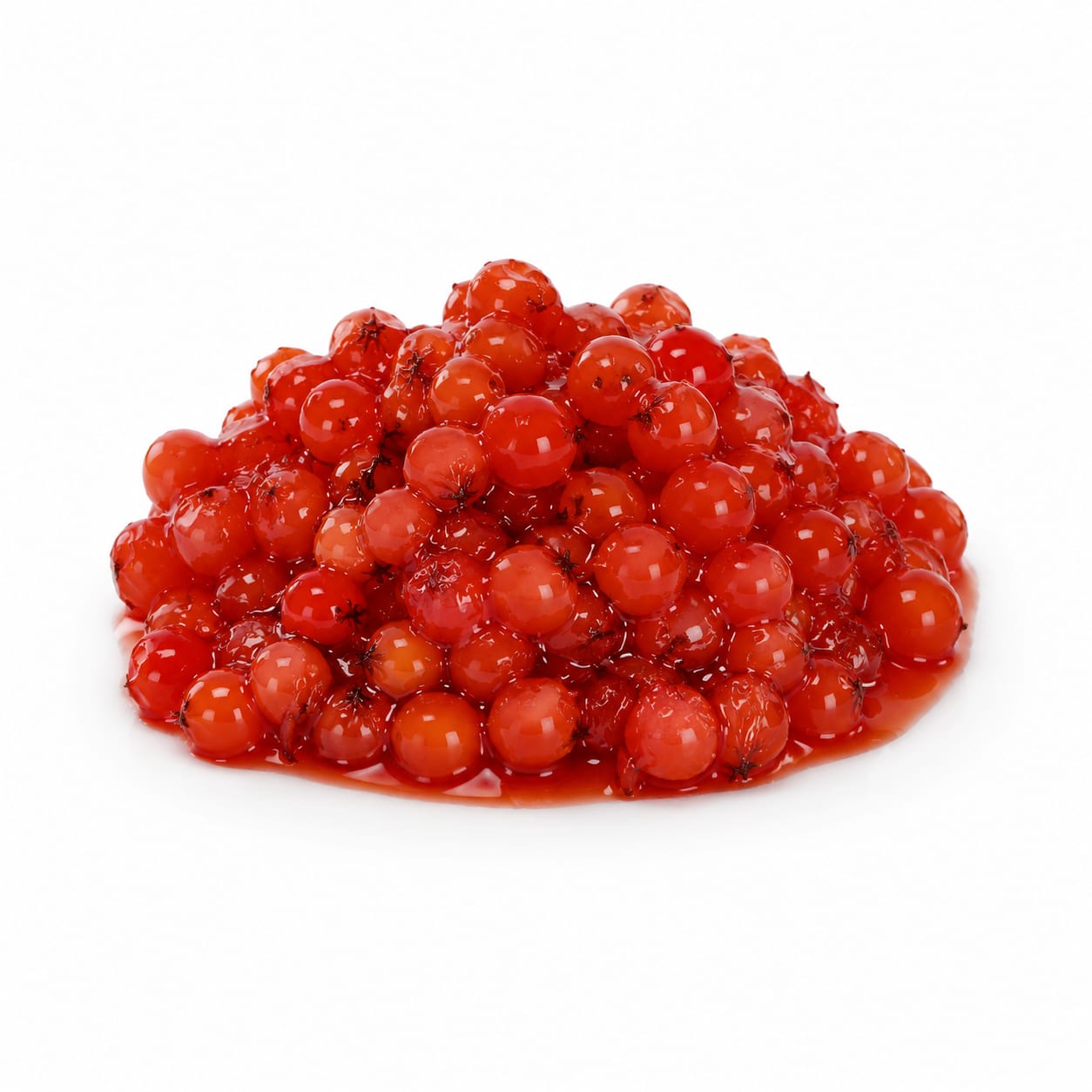
Rowanberry
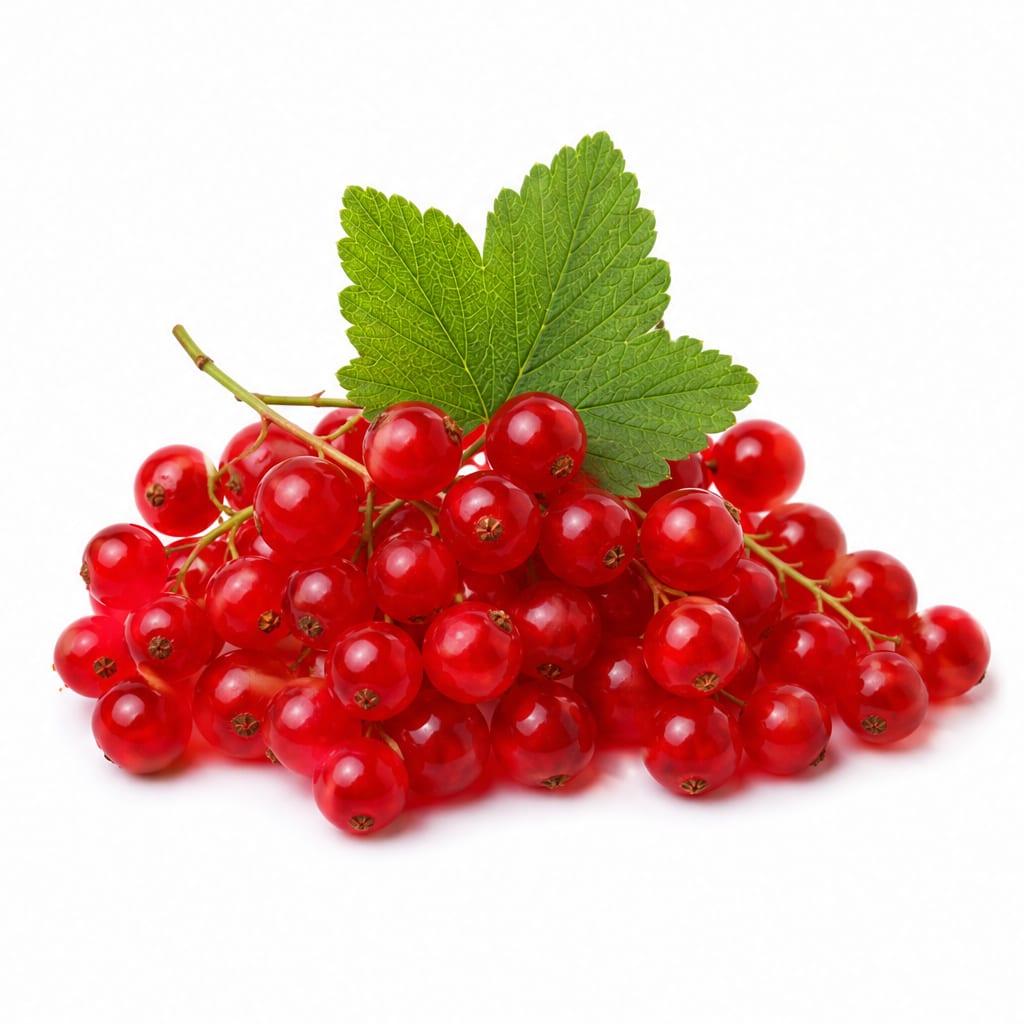
Red Currant
Red currants win on safety, convenience, and everyday usability, while rowanberries offer unique antioxidants but require careful preparation to avoid toxicity.
Red currants score significantly higher due to raw edibility, wider availability, and absence of toxicity concerns. Rowanberries lose ground on safety and convenience but retain value for prepared applications and unique phytonutrients.
Rowanberries deliver a distinctive nutritional profile but demand cooking or freezing before eating; red currants are safe to enjoy raw with minimal effort.
At a glance
Executive summary
Overall
Red Currant
Healthier
Red Currant
More practical
Red Currant
Daily use
Red Currant
Key comparison lenses
safety and edibility
Rowanberries contain parasorbic acid and trace cyanogenic glycosides that require cooking or frost treatment before consumption, making safety the dominant concern
antioxidant and vitamin density
Both berries are prized for high vitamin C and polyphenol content, so users want to know which delivers more nutritional punch
culinary practicality
Rowanberries are rarely eaten raw while red currants can be enjoyed fresh, cooked, or preserved — a major lifestyle difference
foraging vs commercial access
Rowanberries are primarily foraged; red currants are widely available in stores, affecting convenience and reliability
Best choice for
Rowanberry
- Foragers seeking unique wild berry nutrients
- Adventurous cooks making traditional preserves and jellies
- Those wanting high sorbitol content for digestive motility
Red Currant
- Families wanting a safe, tart berry for fresh eating
- Anyone meal-prepping fruit toppings or sauces
- People who value reliable store-bought availability
Least suitable for
Rowanberry
- Children and pregnant women due to parasorbic acid risk
- Anyone unwilling to cook or freeze berries before eating
- People with sensitive kidneys or liver conditions
Red Currant
- Those seeking extremely high sorbitol or unique mountain-ash polyphenols
- Foragers looking for wild, uncommon fruit experiences
Deep comparison
Dimension by dimension
Each lens scores both foods and breaks down who each option suits.
- Dimension 1 · Priority 95Red Currant
safety_and_toxicity
Rowanberry · 35Red Currant · 92Raw rowanberries contain parasorbic acid that can irritate kidneys and liver; they must be cooked or frost-treated. Red currants are safe raw.
Tradeoff
Rowanberries reward careful preparation with unique nutrients but carry real risk if mishandled. Red currants offer peace of mind with no special processing needed.
Why it matters
Eating raw rowanberries in quantity can cause nausea, kidney irritation, or worse. This is not a theoretical risk — it affects real foraging decisions.
Real-world impact
If you grab a handful of wild berries on a hike, red currants are fine; rowanberries could make you sick without preparation.
Rowanberry
- Experienced foragers who always cook their harvest
Better for
- Casual raw snacking
- Unsupervised foraging with kids
Worse for
Red Currant
- Children snacking from the bush
- Anyone eating berries raw
- Pregnant women avoiding food risks
Better for
- Dimension 2 · Priority 80It depends
vitamin_c_and_antioxidant_density
Rowanberry · 78Red Currant · 74Both are strong vitamin C sources. Rowanberries edge ahead on certain flavonoids and carotenoids; red currants offer solid anthocyanin content.
Tradeoff
Rowanberries provide a slightly richer polyphenol spectrum but only after cooking, which degrades some vitamin C. Red currants deliver consistent antioxidants whether raw or cooked.
Why it matters
If immune support is your goal, both work well. The difference is marginal and overshadowed by the preparation gap.
Real-world impact
A cup of red currants eaten fresh probably delivers more usable vitamin C than rowanberries that had to be boiled first.
Rowanberry
- Traditional preserves where long-simmered polyphenols still remain active
Better for
- Any scenario where heat destroys heat-sensitive vitamins
Worse for
Red Currant
- Fresh smoothies and raw fruit salads
- Quick no-cook vitamin C boosts
Better for
- Dimension 3 · Priority 75Red Currant
culinary_versatility_and_ease
Rowanberry · 40Red Currant · 82Red currants work raw, cooked, dried, or in sauces. Rowanberries are essentially inedible raw and shine only in cooked preserves, jellies, or wines.
Tradeoff
Rowanberry jelly is a delicacy with a unique bitter-sweet complexity, but you are locked into cooking. Red currants let you decide in the moment.
Why it matters
Everyday eating favors flexibility. If you want berries for yogurt, salads, or quick snacks, rowanberries cannot compete.
Real-world impact
Red currants can top your morning oatmeal straight from the container. Rowanberries require a cooking project.
Rowanberry
- Artisanal jam and jelly makers
- Home winemakers seeking bitter complexity
Better for
- Spontaneous snacking
- Raw applications of any kind
Worse for
Red Currant
- Quick breakfast toppings
- Fresh dessert garnishes
- Salad additions
Better for
- Dimension 4 · Priority 60Red Currant
digestive_tolerance
Rowanberry · 42Red Currant · 75Rowanberries are high in sorbitol, which can cause loose stools or bloating in sensitive people. Red currants are gentler on most digestive systems.
Tradeoff
Sorbitol in rowanberries can help with constipation but triggers discomfort for many. Red currants offer moderate fiber without the laxative effect.
Why it matters
If you have IBS or sorbitol sensitivity, rowanberries are a hidden trigger. Red currants are safer for sensitive stomachs.
Real-world impact
A rowanberry preserve on toast might send a sensitive gut into bloating; the same amount of red currant jam would likely be fine.
Rowanberry
- Those intentionally seeking a mild natural laxative effect
Better for
- Sorbitol-sensitive individuals
- Children with delicate digestion
Worse for
Red Currant
- IBS or FODMAP-sensitive individuals
- Anyone wanting gentle, predictable digestion
Better for
- Dimension 5 · Priority 55Red Currant
availability_and_cost
Rowanberry · 25Red Currant · 80Red currants are available in many grocery stores, farmers markets, and nurseries for home growing. Rowanberries are almost exclusively foraged or specialty-ordered.
Tradeoff
Rowanberries are free if you have a mountain ash tree, but unreliable otherwise. Red currants cost money but are dependably sourced.
Why it matters
Nutrition only matters if you can actually get the food. Most people will never encounter fresh rowanberries.
Real-world impact
You can buy red currants on a Tuesday. Rowanberries require a foraging trip or specialty order.
Rowanberry
- Rural dwellers with access to mountain ash trees
Better for
- City dwellers without foraging access
- Anyone needing reliable supply
Worse for
Red Currant
- Urban and suburban shoppers
- Anyone wanting consistent year-round access
Better for
Timeline
Health impact over time
Short-term
Hours to days
Rowanberry
- Raw consumption can cause nausea, vomiting, and kidney irritation from parasorbic acid
- High sorbitol intake may trigger bloating or diarrhea
- Properly cooked rowanberries are generally well tolerated
Red Currant
- Mild tartness may cause mouth puckering but no toxicity
- Moderate fiber supports comfortable digestion
- Vitamin C provides a quick immune-supporting boost
Long-term
Months to years
Rowanberry
- Repeated consumption of improperly prepared rowanberries could stress kidneys and liver
- Unique flavonoids from cooked preparations may support vascular health
- Long-term safety data is limited compared to common berries
Red Currant
- Consistent antioxidant intake supports cardiovascular and eye health
- Regular fiber contributes to gut microbiome diversity
- Well-established safety profile over centuries of daily consumption
Risk profile
Safety & processing
Both berries are whole, natural foods with no inherent additives. However, rowanberries effectively require processing (cooking or freezing) to become safe, while red currants are wholesome straight from the branch.
Rowanberry
Parasorbic acid toxicity
highRaw rowanberries contain parasorbic acid which can damage kidneys and liver. Cooking or frost exposure neutralizes most of it.
Cyanogenic glycoside traces
mediumSmall amounts of cyanide-releasing compounds exist in seeds; cooking reduces this risk significantly.
Misidentification during foraging
mediumRowanberries can be confused with other mountain ash species or toxic lookalikes by inexperienced foragers.
Red Currant
Pesticide residue on conventionally grown berries
lowLike all small berries, red currants can carry pesticide residue; washing or choosing organic mitigates this.
Allergic reaction in rare individuals
lowThough uncommon, some people are allergic to currants or related Ribes species.
Who wins for whom
Audience fit
Same foods, different winners depending on your goal.
children
Red CurrantRed currants are safe, tart, and fun to eat. Rowanberries pose real toxicity risks if children eat them raw from a tree.
daily consumption
Red CurrantDaily use demands safety, convenience, and reliable access — all areas where red currants clearly outperform rowanberries.
diabetes
Red CurrantRed currants have a lower glycemic impact and no toxicity risk, making them safer for blood sugar management. Rowanberry sorbitol can also cause unpredictable digestive effects in diabetics.
elderly
Red CurrantOlder adults with reduced kidney function should avoid the parasorbic acid risk in rowanberries. Red currants are gentle and safe.
muscle gain
It dependsNeither berry is a protein source; both are equally irrelevant for muscle gain as standalone foods.
weight loss
Red CurrantBoth are low-calorie, but red currants can be eaten raw as a satisfying snack without preparation barriers that lead to skipping the food entirely.
Your move
Decision guide
Choose Rowanberry
- You are an experienced forager who always cooks or freezes your wild harvest
- You want to make traditional rowanberry jelly, wine, or preserves
- You have access to mountain ash trees and enjoy the process of preparing wild foods
Choose Red Currant
- You want a safe berry you can eat raw without thinking
- You are feeding children, elderly family members, or anyone with kidney concerns
- You value convenience and grocery store availability
- You want a versatile berry for both sweet and savory dishes
Either works if
- You are making cooked jams or jellies and both are available
- You want an antioxidant-rich tart berry for sauces
Avoid both if
- You are looking for a sweet, mild berry — both are quite tart
- You need a high-protein or calorie-dense food
Final recommendation
Red currants are the clear everyday choice: safe, available, and versatile. Rowanberries are a rewarding specialty for careful cooks and foragers, but their toxicity risk and preparation demands make them unsuitable as a staple. If you do forage rowanberries, always cook or freeze them first — never eat them raw.
Practical
Consumer tips
- 1
If you forage rowanberries, wait until after the first frost or freeze them for 48 hours to reduce bitterness and parasorbic acid
- 2
Never eat raw rowanberries in quantity — even a small handful can cause nausea in sensitive individuals
- 3
Red currants freeze well: spread them on a tray, freeze, then bag for easy portioning
- 4
Pair red currants with a touch of honey or maple syrup to balance their natural tartness without overwhelming their flavor
- 5
If growing either berry at home, red currants are far easier to cultivate and yield more reliably