
Nutrition comparison
Rowanberry vs Blueberry: Safety, Nutrition, and Which Berry to Eat Daily
Comparing rowanberries and blueberries for vitamin C, antioxidants, safety, and everyday practicality. Learn why blueberries win for daily snacking but rowanberries offer unique benefits when prepared correctly.
Overall winner · Blueberry
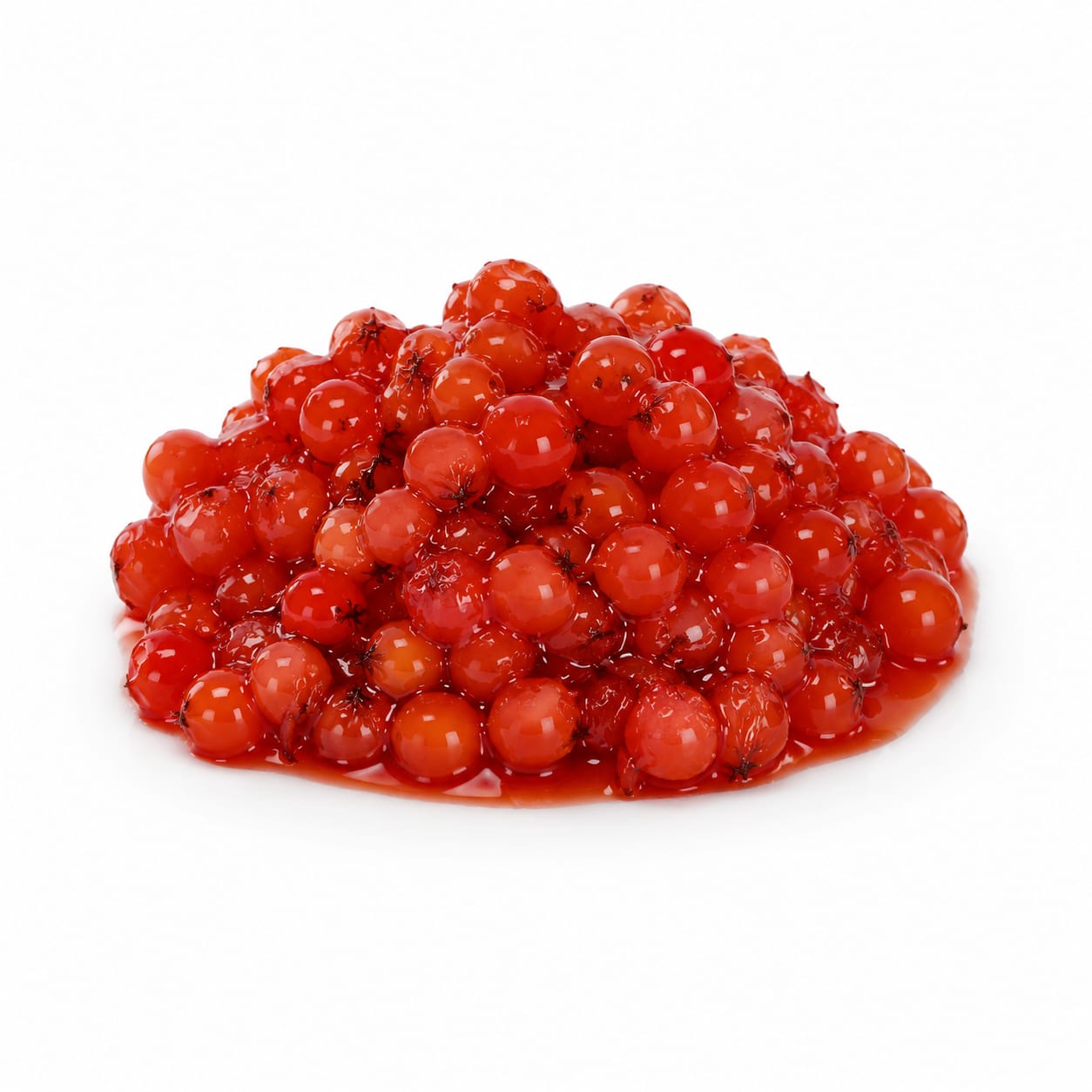
Rowanberry
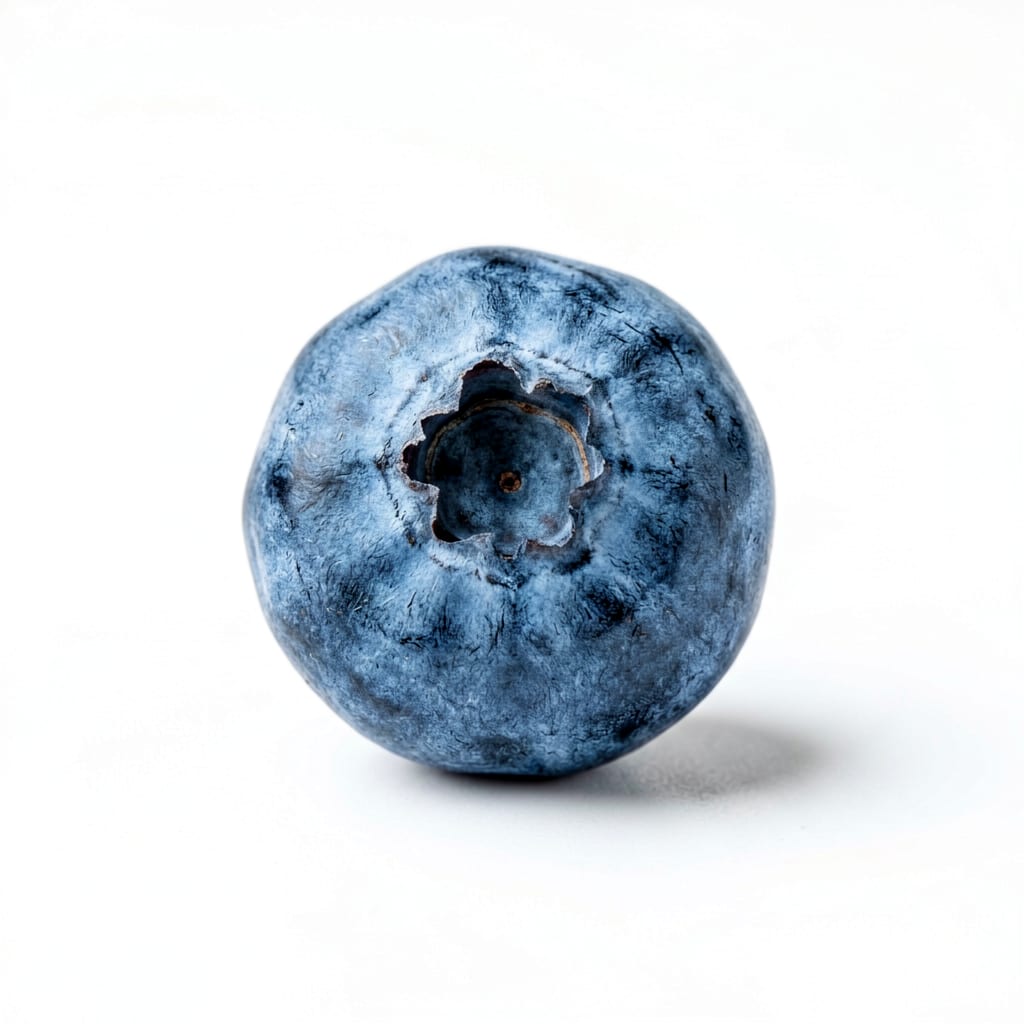
Blueberry
Blueberries win for everyday eating due to safety, convenience, and taste, but rowanberries offer superior vitamin C and unique antioxidants if you are willing to process them properly.
Blueberries score significantly higher due to safety, convenience, and palatability. Rowanberries lose ground on the requirement to process before eating and limited availability, but their exceptional vitamin C content and unique antioxidant profile keep them competitive nutritionally.
Rowanberries deliver more vitamin C and novel antioxidants but demand cooking or freezing to be safe; blueberries sacrifice that nutritional edge for effortless, immediate enjoyment.
At a glance
Executive summary
Overall
Blueberry
Healthier
It depends
More practical
Blueberry
Daily use
Blueberry
Key comparison lenses
safety and edibility
Rowanberries contain parasorbic acid which is toxic raw and requires cooking or freezing to neutralize, making safety the dominant concern
everyday practicality
Blueberries are grab-and-go; rowanberries require processing before eating, creating a massive convenience gap
antioxidant profile comparison
Both berries are prized for antioxidants but offer different compounds — anthocyanins in blueberries versus carotenoids and flavonoids in rowanberries
vitamin c potency
Rowanberries are exceptionally high in vitamin C, far exceeding blueberries, which is their standout nutritional advantage
Best choice for
Rowanberry
- Foragers and Nordic cuisine enthusiasts who enjoy processing wild berries
- Anyone seeking maximum vitamin C from a berry source
- People interested in unique antioxidant diversity beyond common fruits
- Home cooks making jellies, preserves, or fruit wines
Blueberry
- Busy people who want a no-prep healthy snack
- Parents packing school lunches
- Anyone adding berries to smoothies, oatmeal, or yogurt daily
- Those unfamiliar with wild berry preparation
Least suitable for
Rowanberry
- Children who might eat raw berries while foraging
- Anyone seeking a convenient grab-and-go fruit
- People with kidney sensitivity to sorbic acid compounds
- Those without access to cooking or freezing equipment
Blueberry
- People looking for extreme vitamin C density per serving
- Foragers wanting a wild, locally harvested alternative
- Those seeking novelty or culinary adventure
Deep comparison
Dimension by dimension
Each lens scores both foods and breaks down who each option suits.
- Dimension 1 · Priority 95Blueberry
safety_and_edibility
Rowanberry · 35Blueberry · 95Raw rowanberries contain parasorbic acid, which can cause kidney distress and digestive upset. Cooking or freezing neutralizes this toxin. Blueberries are safe to eat raw without any processing.
Tradeoff
Rowanberries require careful preparation to be safe; blueberries are safe straight off the bush.
Why it matters
Eating rowanberries raw out of curiosity could make you sick. This is not a berry you can casually snack on while hiking.
Real-world impact
If you forage rowanberries, you must commit to cooking or freezing them first. Blueberries need zero prep — rinse and eat.
Rowanberry
- Cooked preparations like jams and jellies where heat neutralizes toxins naturally
Better for
- Raw eating — genuinely risky
- Quick snacking scenarios with no kitchen access
Worse for
Blueberry
- Raw snacking anytime
- Adding to cold dishes like smoothies or yogurt without safety concerns
Better for
- Situations are nearly nonexistent; blueberries have no significant safety concerns
Worse for
- Dimension 2 · Priority 75Rowanberry
vitamin_c_density
Rowanberry · 92Blueberry · 45Rowanberries are remarkably rich in vitamin C, often containing several times more than blueberries per serving. This is their clearest nutritional advantage.
Tradeoff
You get a major vitamin C boost from rowanberries but must process them first; blueberries provide modest vitamin C with zero effort.
Why it matters
If you are specifically trying to boost vitamin C intake through berries, rowanberries dramatically outperform blueberries.
Real-world impact
A serving of cooked rowanberries can cover a significant portion of your daily vitamin C needs. Blueberries contribute but will not move the needle as much.
Rowanberry
- Immune support during cold season
- Anyone relying on food-based vitamin C rather than supplements
Better for
- Vitamin C degrades with prolonged cooking, so over-processing reduces the advantage
Worse for
Blueberry
- Consistent low-level vitamin C intake without planning
Better for
- Not a reliable primary vitamin C source if that is your specific goal
Worse for
- Dimension 3 · Priority 80It depends
antioxidant_diversity
Rowanberry · 78Blueberry · 82Blueberries are famous for anthocyanins linked to brain health. Rowanberries offer carotenoids and different flavonoids that blueberries lack. Both are valuable but in different ways.
Tradeoff
Blueberries have stronger evidence for cognitive benefits; rowanberries provide antioxidant variety that complements common berry intake.
Why it matters
Eating only one type of antioxidant-rich berry limits your spectrum. Rowanberries add diversity; blueberries add depth in a well-studied category.
Real-world impact
If you already eat blueberries regularly, adding rowanberries gives you antioxidant types you are missing. If you must pick one, blueberries have more research backing.
Rowanberry
- Diversifying an antioxidant portfolio already heavy in anthocyanin-rich berries
- Carotenoid-based antioxidant support
Better for
- Lacks the depth of anthocyanin research that blueberries have
Worse for
Blueberry
- Cognitive and memory support backed by clinical research
- Consistent daily antioxidant intake with strong evidence
Better for
- Antioxidant profile is narrower despite being potent within its category
Worse for
- Dimension 4 · Priority 85Blueberry
convenience_and_accessibility
Rowanberry · 20Blueberry · 92Blueberries are available year-round in most grocery stores and require no preparation. Rowanberries are specialty items, often foraged or found at farmers markets, and always require processing.
Tradeoff
Rowanberries are a niche commitment; blueberries are an effortless staple.
Why it matters
The best healthy food is the one you actually eat consistently. Convenience drives consistency.
Real-world impact
You can toss blueberries into anything in seconds. Rowanberries demand planning, cooking, and often sourcing effort.
Rowanberry
- Autumn foraging traditions and seasonal cooking projects
Better for
- Spontaneous snacking
- Travel or on-the-go eating
- Anyone without reliable foraging access or specialty store proximity
Worse for
Blueberry
- Daily breakfast topping
- Quick smoothie addition
- Portable snack for work or school
Better for
- Nothing significant — this is blueberry's strongest dimension
Worse for
- Dimension 5 · Priority 70Blueberry
taste_and_palatability
Rowanberry · 35Blueberry · 88Blueberries are sweet and mild, universally appealing. Rowanberries are intensely tart and bitter raw, even after cooking they remain an acquired taste best suited to preserves with added sugar.
Tradeoff
Rowanberries offer a complex, tart flavor for adventurous palates; blueberries are crowd-pleasers that need no sweetener.
Why it matters
If a food does not taste good, you will not eat it regularly regardless of its nutritional value.
Real-world impact
Most people happily eat blueberries by the handful. Rowanberries usually need sugar and cooking to become enjoyable.
Rowanberry
- Savory-sweet preserves and chutneys
- Culinary enthusiasts who enjoy bitter, complex flavors
Better for
- Raw eating is genuinely unpleasant for most people
- Requires added sugar to become palatable, which partially offsets health benefits
Worse for
Blueberry
- Eating plain as a snack
- Children and picky eaters
- Adding to desserts without needing extra sweetener
Better for
- Can feel one-dimensionally sweet compared to complex tart berries
Worse for
- Dimension 6 · Priority 65Rowanberry
blood_sugar_impact
Rowanberry · 78Blueberry · 72Both berries are low-glycemic, but rowanberries have less natural sugar and more fiber relative to their carbohydrate content. However, rowanberries are typically eaten with added sugar, which negates this advantage.
Tradeoff
Rowanberries are naturally lower in sugar but almost always consumed with added sweeteners. Blueberries have more natural sugar but are eaten as-is.
Why it matters
Theoretical glycemic advantage means little if you add sugar to make rowanberries palatable.
Real-world impact
A handful of raw blueberries will not spike blood sugar. Rowanberry jam on toast absolutely will.
Rowanberry
- Savory preparations without added sugar
- Theoretical low-sugar fruit option
Better for
- Most common preparations involve significant added sugar
Worse for
Blueberry
- Real-world eating where no added sugar is needed
- Diabetics who want a safe, sweet-tasting fruit without preparation
Better for
- Slightly higher natural sugar content than rowanberries
Worse for
Timeline
Health impact over time
Short-term
Hours to days
Rowanberry
- Raw consumption can cause nausea, stomach pain, and kidney irritation from parasorbic acid
- Properly cooked rowanberries provide a noticeable vitamin C boost within hours
- The tartness may cause mouth puckering or mild digestive stimulation
Blueberry
- Quick, steady energy without blood sugar spikes
- Immediate hydration benefit from high water content
- Gentle digestive support from fiber without any discomfort
Long-term
Months to years
Rowanberry
- Consistent intake (when properly prepared) may support immune resilience through high vitamin C
- Unique carotenoid and flavonoid intake could complement standard berry consumption
- Risk of toxin exposure if preparation is inconsistent or careless
Blueberry
- Regular consumption linked to improved memory and cognitive function in aging populations
- Consistent anthocyanin intake supports cardiovascular health over decades
- Very low risk profile makes long-term daily consumption sustainable
Risk profile
Safety & processing
Both berries are whole, natural foods in their raw state. However, rowanberries effectively require processing — cooking or freezing — to be safe, which introduces a practical distinction even though neither berry is ultra-processed.
Rowanberry
Parasorbic acid toxicity from raw consumption
highRaw rowanberries contain parasorbic acid which can cause kidney damage and gastrointestinal distress. Cooking or freezing destroys this compound. Never eat rowanberries raw in quantity.
Misidentification with toxic lookalikes
mediumForagers may confuse rowanberries with other red berries that are genuinely poisonous. Positive identification is essential before consuming any wild-harvested berries.
Pesticide exposure from foraging near roads
lowWild rowanberries growing near roads may absorb pollutants. Harvest from clean, remote areas.
Blueberry
Pesticide residue on conventional blueberries
mediumBlueberries frequently appear on EWG's Dirty Dozen list. Organic options significantly reduce exposure. Always wash thoroughly.
Mold and spoilage
lowBlueberries spoil quickly. Check for fuzzy mold before eating, especially on berries at the bottom of containers.
Who wins for whom
Audience fit
Same foods, different winners depending on your goal.
children
BlueberryBlueberries are sweet, safe, and easy for kids to eat. Rowanberries are a safety risk if children encounter them raw, and their bitterness makes them unappealing to most kids.
daily consumption
BlueberryBlueberries are sustainable as a daily habit — available, affordable, safe, and tasty. Rowanberries are a seasonal specialty, not a daily staple.
diabetes
BlueberryBlueberries have a well-documented low glycemic impact and can be eaten without added sugar. Rowanberry preparations often include sugar, making blood sugar management harder.
elderly
BlueberryBlueberries support cognitive health, are easy to chew, and require no preparation. Rowanberries offer vitamin C but present unnecessary complexity and safety concerns.
muscle gain
It dependsNeither berry is a protein source. Blueberries offer convenient post-workout carbs; rowanberries provide vitamin C for recovery, but the difference is marginal.
weight loss
BlueberryBlueberries are easy to portion, satisfying, and need no added sugar. Rowanberries typically require sweeteners that add calories.
Your move
Decision guide
Choose Rowanberry
- You enjoy foraging and cooking with wild, seasonal ingredients
- Maximizing vitamin C intake from food sources is a priority
- You want antioxidant diversity beyond what common berries offer
- You are making preserves, jellies, or fruit wines and want a unique flavor
Choose Blueberry
- You want a reliable, no-prep healthy snack for daily life
- You are feeding children or elderly family members
- You care about cognitive health and want evidence-backed benefits
- Convenience and consistency matter more than nutritional novelty
Either works if
- You simply want more berries in your diet and enjoy variety
- Both are available and you can rotate them seasonally
- You are in good health with no specific safety concerns
Avoid both if
- You have a berry allergy or salicylate sensitivity
- You are on a strict very-low-carb diet and need to minimize all fruit sugar
Final recommendation
Make blueberries your everyday berry — they are safe, delicious, and backed by strong research. Treat rowanberries as a seasonal adventure: forage them, cook them properly, and enjoy their unique tartness and vitamin C boost. But never eat rowanberries raw, and never substitute them for blueberries as a convenient staple.
Practical
Consumer tips
- 1
If you forage rowanberries, freeze them for at least 48 hours or cook thoroughly before eating to destroy parasorbic acid
- 2
Buy organic blueberries when possible — they consistently rank high for pesticide residue on conventional samples
- 3
Rowanberry jelly pairs exceptionally well with game meats and sharp cheeses — think of it as a condiment, not a snack berry
- 4
Add blueberries to frozen smoothie packs for quick morning prep — they blend well without any pre-processing
- 5
If trying rowanberries for the first time, start with a small amount of cooked preparation to test for any digestive sensitivity
- 6
Store blueberries in the container they came in, unwashed, and wash only right before eating to prevent mold