
Nutrition comparison
Rowanberry vs Cranberry: Safety, Nutrition, and Which Tart Berry Wins
Comparing rowanberries and cranberries on safety, UTI benefits, antioxidants, and everyday usability. Learn why cranberries are the safer daily choice and when rowanberries shine.
Overall winner · Cranberry
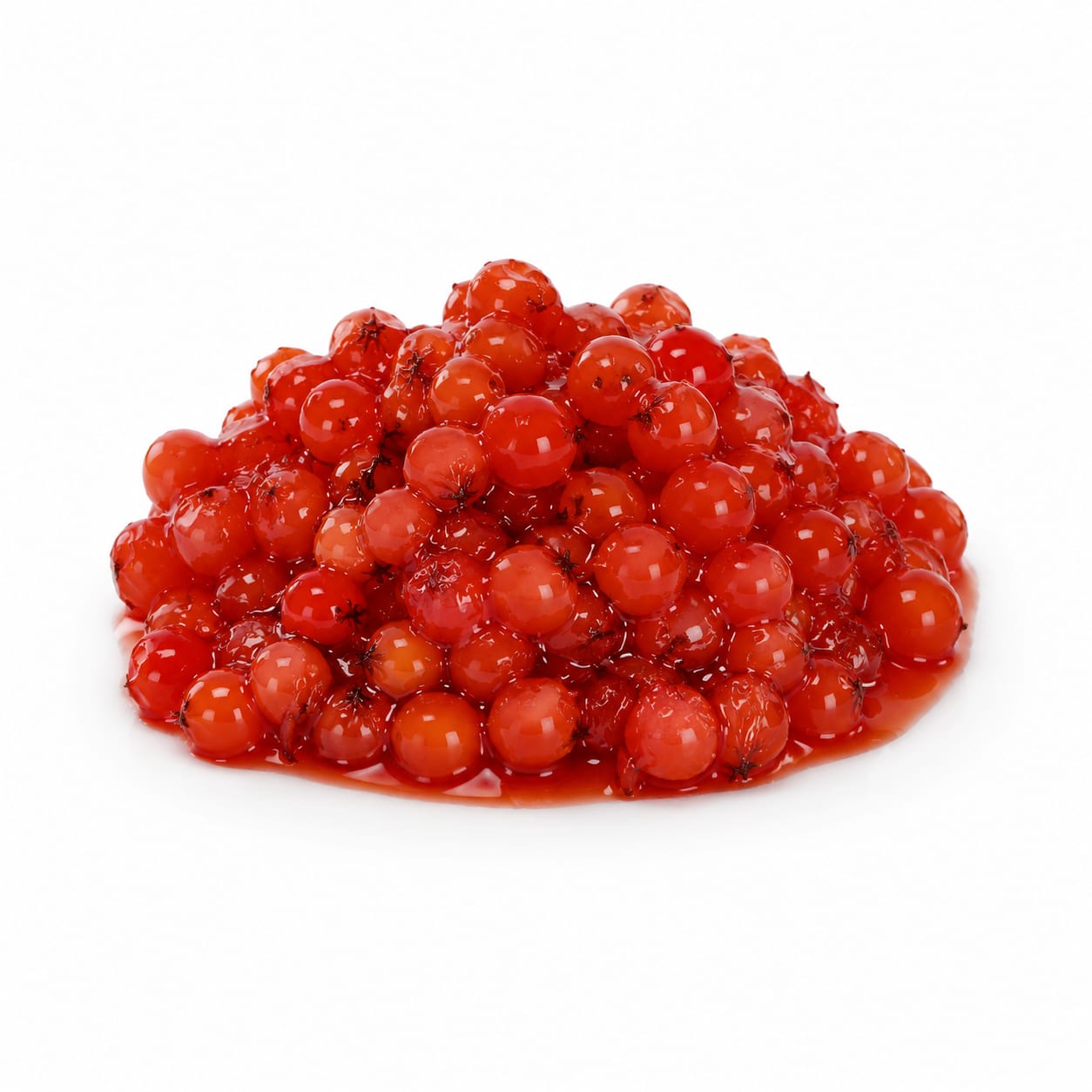
Rowanberry
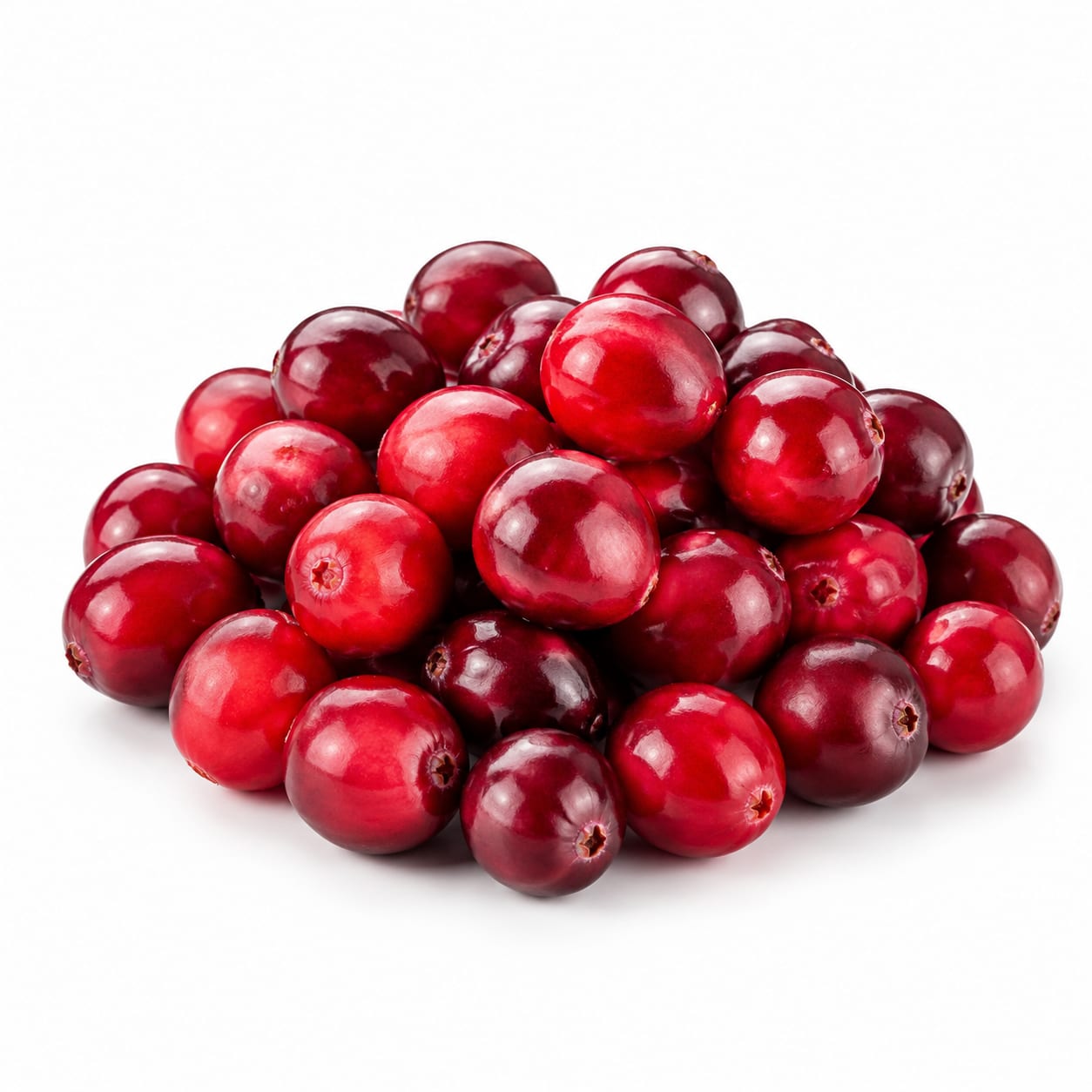
Cranberry
Cranberries win on safety, accessibility, and evidence-backed health benefits, while rowanberries offer a unique foraging experience and different antioxidant profile but require careful preparation.
Cranberries score significantly higher due to proven health benefits, raw-edible safety, and widespread availability. Rowanberries lose ground on safety requirements and limited accessibility but offer unique nutritional compounds for those willing to prepare them properly.
Rowanberries provide a novel, local-foraging option with interesting polyphenols, but cranberries deliver proven urinary tract benefits with zero safety concerns and far easier access.
At a glance
Executive summary
Overall
Cranberry
Healthier
Cranberry
More practical
Cranberry
Daily use
Cranberry
Key comparison lenses
safety and edibility
Rowanberries contain parasorbic acid which is toxic raw and requires cooking or freezing to neutralize, while cranberries are safe to eat raw
urinary tract health
Cranberries are renowned for UTI prevention due to unique proanthocyanidins; rowanberries lack this specific benefit
practical availability
Cranberries are widely available in stores year-round; rowanberries are foraged or specialty items
antioxidant profile
Both berries are rich in antioxidants but with different compositions and bioavailability
culinary versatility
Cranberries appear in juices, sauces, dried snacks, and baked goods; rowanberries are mostly limited to preserves and liqueurs
Best choice for
Rowanberry
- Foragers and wild-food enthusiasts seeking unique local berries
- Nordic cuisine traditionalists making preserves or liqueurs
- Anyone wanting rare carotenoid-rich berries not found in stores
Cranberry
- Women prone to recurrent UTIs seeking preventive dietary support
- Everyday consumers wanting a tart, antioxidant-rich berry for regular use
- Home cooks making sauces, baked goods, or beverages
Least suitable for
Rowanberry
- Children who might eat raw berries before processing
- Anyone without reliable foraging knowledge or identification skills
- People wanting convenient, ready-to-eat fruit
Cranberry
- People sensitive to very acidic foods on an empty stomach
- Those avoiding oxalate-rich foods due to kidney stone history
Deep comparison
Dimension by dimension
Each lens scores both foods and breaks down who each option suits.
- Dimension 1 · Priority 95Cranberry
safety_and_raw_edibility
Rowanberry · 30Cranberry · 90Raw rowanberries contain parasorbic acid, which can cause kidney damage and digestive distress. Cooking or frost exposure neutralizes this toxin. Cranberries are safe raw.
Tradeoff
Rowanberries demand careful preparation before consumption; cranberries you can eat straight from the bag.
Why it matters
Eating rowanberries without proper processing is genuinely dangerous, especially for children. This is not a minor concern.
Real-world impact
If you forage rowanberries, you must cook them or wait until after a hard frost. Cranberries need no such precaution.
Rowanberry
- Experienced foragers who understand processing requirements
Better for
- Spontaneous raw snacking
- Unsupervised children near rowan trees
Worse for
Cranberry
- Families with children
- Anyone wanting grab-and-eat fruit
- People new to wild berries
Better for
- Those who overconsume and irritate their stomach with acidity
Worse for
- Dimension 2 · Priority 88Cranberry
urinary_tract_protection
Rowanberry · 20Cranberry · 92Cranberries contain A-type proanthocyanidins that prevent E. coli from adhering to urinary tract walls. Rowanberries have no demonstrated equivalent effect.
Tradeoff
If UTI prevention is your goal, cranberries have strong clinical evidence. Rowanberries cannot substitute here.
Why it matters
Recurrent UTIs affect millions of women, and cranberry consumption is one of the best-studied dietary preventive strategies.
Real-world impact
A daily glass of unsweetened cranberry juice or a handful of dried cranberries can meaningfully reduce UTI recurrence.
Rowanberry
- UTI prevention
Worse for
Cranberry
- Women with recurrent UTIs
- Anyone seeking urinary tract dietary support
- Post-menopausal women at higher UTI risk
Better for
- Dimension 3 · Priority 75It depends
antioxidant_diversity
Rowanberry · 72Cranberry · 70Rowanberries are notably rich in carotenoids and sorbic acid derivatives, while cranberries excel in proanthocyanidins and anthocyanins. Both offer strong but different antioxidant profiles.
Tradeoff
Rowanberries provide carotenoids rarely found in other berries; cranberries deliver unique PACs with proven anti-adhesion effects.
Why it matters
Diverse antioxidant intake from varied sources matters more than loading one type. Each berry contributes differently.
Real-world impact
Eating both berries (when rowanberries are properly prepared) gives broader antioxidant coverage than either alone.
Rowanberry
- Carotenoid intake for eye and skin health
- Unique polyphenol diversity from foraged sources
Better for
- Lacking the specific PACs that make cranberries famous
Worse for
Cranberry
- Proanthocyanidin-specific benefits
- Anthocyanin-driven cardiovascular support
Better for
- Missing the carotenoid profile rowanberries offer
Worse for
- Dimension 4 · Priority 65Rowanberry
vitamin_c_content
Rowanberry · 82Cranberry · 68Rowanberries are exceptionally high in vitamin C, often exceeding cranberries per 100g. However, cooking reduces this advantage significantly.
Tradeoff
Raw rowanberries win on vitamin C, but since you must cook them, much of that vitamin C is lost, narrowing the gap considerably.
Why it matters
Vitamin C supports immune function and iron absorption, but the processing requirement undercuts rowanberry's advantage.
Real-world impact
After cooking, both berries offer similar vitamin C levels. The raw advantage is theoretical since rowanberries should not be eaten raw.
Rowanberry
- Theoretical vitamin C content if minimally processed
- Frozen-after-frost preparations that retain more vitamin C
Better for
- Thermal processing destroys much of the vitamin C advantage
Worse for
Cranberry
- Consistent vitamin C delivery since no cooking is required
- Juice and dried forms that preserve vitamin C effectively
Better for
- Dimension 5 · Priority 82Cranberry
availability_and_convenience
Rowanberry · 15Cranberry · 90Cranberries are available fresh, frozen, dried, and as juice in virtually every grocery store. Rowanberries are rarely sold commercially and must be foraged.
Tradeoff
Cranberries are a 5-minute grocery trip away. Rowanberries require tree identification, foraging, and processing.
Why it matters
The best berry nutritionally is worthless if you cannot access it. Convenience drives consistency.
Real-world impact
Most people will never encounter rowanberries in normal shopping. Cranberries are available year-round in multiple forms.
Rowanberry
- Rural dwellers with rowan trees nearby
- Autumn foraging as a seasonal activity
Better for
- Urban dwellers without foraging access
- Anyone needing consistent supply
Worse for
Cranberry
- Urban and suburban consumers
- Anyone wanting reliable year-round access
- Busy people who value convenience
Better for
- Dimension 6 · Priority 60It depends
digestive_tolerance
Rowanberry · 55Cranberry · 50Both berries are quite acidic and can irritate sensitive stomachs. Rowanberries contain sorbitol which can cause laxative effects in some people. Cranberries are moderately high in oxalates.
Tradeoff
Rowanberries may cause loose stools from sorbitol; cranberries may contribute to kidney stones in susceptible individuals.
Why it matters
If you have IBS, kidney stone history, or acid sensitivity, both berries require moderation.
Real-world impact
Eating large amounts of either berry on an empty stomach can cause discomfort. Pair with other foods to buffer acidity.
Rowanberry
- Those needing mild laxative effect from sorbitol
Better for
- People with sorbitol sensitivity or IBS-D
- Those prone to diarrhea
Worse for
Cranberry
- People without oxalate sensitivity
Better for
- People with calcium oxalate kidney stone history
Worse for
Timeline
Health impact over time
Short-term
Hours to days
Rowanberry
- Nausea or digestive distress if eaten raw due to parasorbic acid
- Mild laxative effect from sorbitol content
- Satisfying tart flavor when properly prepared in jams or preserves
Cranberry
- Quick vitamin C boost supporting immune function
- Possible stomach irritation from high acidity if consumed in large quantities on empty stomach
- Tart, refreshing taste that pairs well with sweet foods
Long-term
Months to years
Rowanberry
- Carotenoid intake supports eye health when consumed regularly in processed forms
- Novel polyphenol diversity from a less common food source
- Risk is minimal when properly prepared, but raw consumption poses cumulative kidney risk
Cranberry
- Reduced UTI recurrence with regular consumption, supported by extensive research
- Cardiovascular benefits from anthocyanin and flavonoid intake
- Potential dental enamel erosion from chronic high-acid juice consumption
Risk profile
Safety & processing
Both berries are whole, natural foods in their fresh form. However, rowanberries require heat or frost processing for safety, and cranberries are most commonly consumed as juice or dried, which often involves added sugar. Fresh or frozen cranberries without additives are the cleanest option.
Rowanberry
Parasorbic acid toxicity from raw consumption
highRaw rowanberries contain parasorbic acid which can cause kidney damage, nausea, and gastrointestinal distress. Always cook thoroughly or expose to frost before eating.
Misidentification with toxic lookalikes
mediumRowan berries could be confused with other red berries that are more toxic. Positive identification as Sorbus aucuparia is essential before foraging.
Sorbitol-related digestive upset
lowSorbitol in rowanberries can cause bloating and loose stools in sensitive individuals, especially in larger quantities.
Cranberry
Oxalate contribution to kidney stones
mediumCranberries contain moderate oxalates. People with calcium oxalate kidney stone history should moderate intake and stay well-hydrated.
Added sugar in processed cranberry products
mediumCranberry juice cocktails and dried sweetened cranberries often contain large amounts of added sugar, undermining health benefits.
Medication interaction with warfarin
lowHigh cranberry consumption may interact with blood-thinning medications. Consult a doctor if taking warfarin.
Who wins for whom
Audience fit
Same foods, different winners depending on your goal.
children
CranberryCranberries are safe raw and widely available in kid-friendly forms. Rowanberries pose a real toxicity risk if children eat them raw from a tree.
daily consumption
CranberryCranberries are safe, accessible, and well-studied for regular intake. Rowanberries are more of an occasional seasonal specialty due to foraging requirements and processing needs.
diabetes
CranberryUnsweetened cranberries have a low glycemic index and fiber that slows sugar absorption. Rowanberries are safe when processed but less studied for blood sugar effects.
elderly
CranberryCranberries offer proven UTI prevention which disproportionately benefits elderly populations, plus they are easy to access and require no special preparation.
muscle gain
It dependsNeither berry is relevant for muscle gain. Both are low in protein and calories. Choose based on taste preference as a side item.
weight loss
CranberryFresh cranberries are low in calories and high in fiber. Just avoid sweetened dried cranberries or juice cocktails that add significant sugar.
Your move
Decision guide
Choose Rowanberry
- You are an experienced forager who can safely identify and process rowanberries
- You want unique carotenoids and polyphenols not found in common berries
- You are exploring Nordic or Northern European traditional cooking
- You have access to rowan trees and enjoy seasonal wild food preparation
Choose Cranberry
- You want proven UTI prevention benefits
- You need a convenient, store-bought antioxidant-rich berry
- You are cooking for children and need guaranteed safety
- You want a versatile berry for sauces, baking, smoothies, or snacking
Either works if
- You simply want more berry diversity in your diet
- You are comfortable with tart flavors and enjoy both
- You are making mixed-berry preserves or compotes
Avoid both if
- You have severe oxalate sensitivity or active kidney stones
- You are on warfarin without medical guidance for cranberry intake
- You cannot tolerate highly acidic foods due to GERD or ulcers
Final recommendation
Cranberries are the clear everyday choice for safety, accessibility, and evidence-backed health benefits, especially for urinary tract health. Rowanberries are a rewarding seasonal adventure for knowledgeable foragers, but their raw toxicity and limited availability make them unsuitable as a staple. If you forage rowanberries, always cook them thoroughly or wait until after frost, and never serve them raw to children.
Practical
Consumer tips
- 1
If buying cranberry products, choose unsweetened juice or fresh/frozen whole cranberries to avoid added sugar
- 2
Never eat rowanberries raw — always cook them into jams, jellies, or sauces, or wait until after the first hard frost
- 3
If you forage rowanberries, be absolutely certain of identification as Sorbus aucuparia before consuming
- 4
Frozen cranberries retain nearly all their nutrients and are often more affordable than fresh
- 5
Mix rowanberry jelly with cranberry sauce for a complex, layered tart flavor at holiday meals
- 6
If prone to kidney stones, drink plenty of water when consuming cranberry products