
Whole Grains
Red Rice
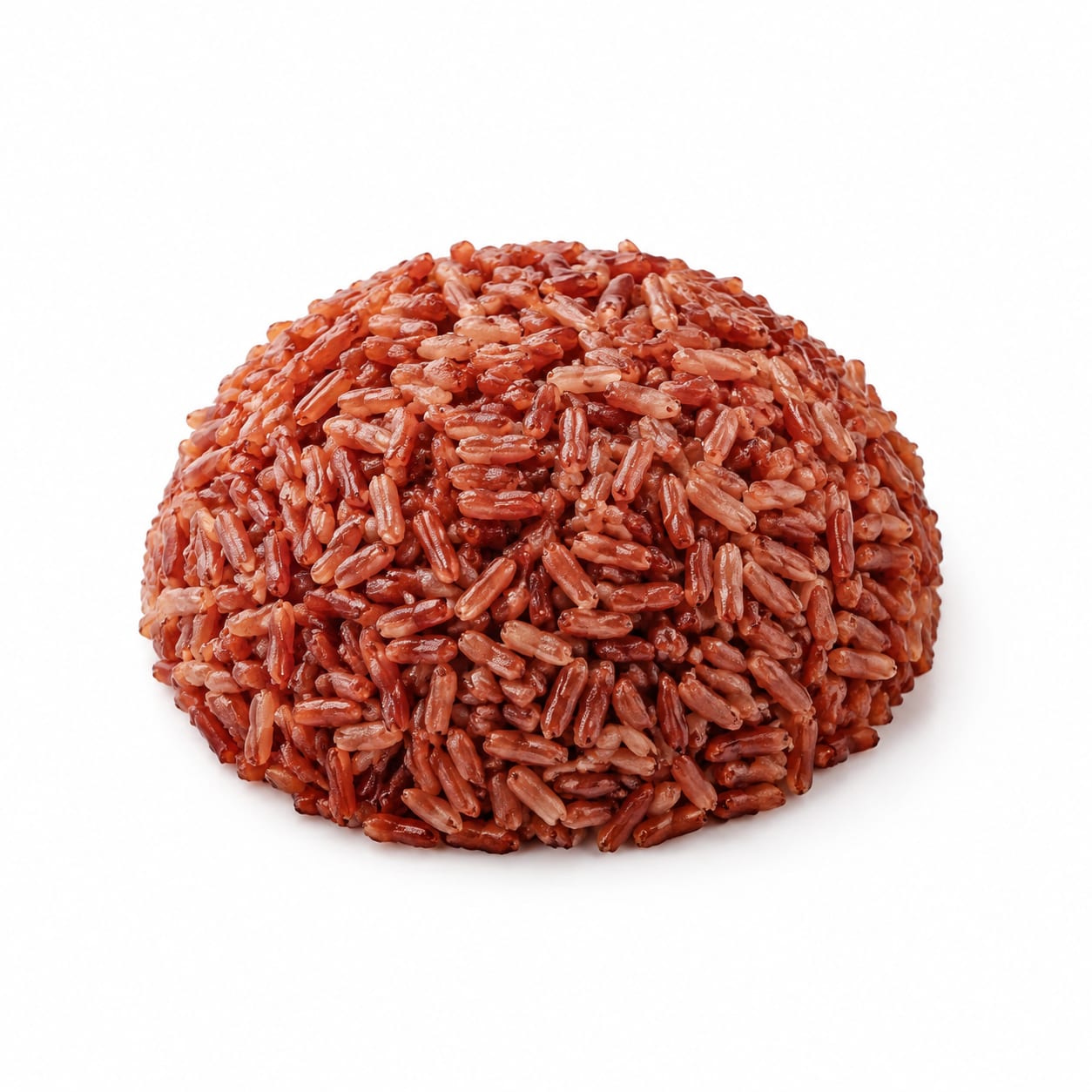
A nutrient-dense whole grain rice with an intact red bran layer offering more fiber and antioxidants than white rice.
Red rice is a whole grain rice variety with a reddish-brown bran layer, retaining its natural nutrients and fiber due to minimal processing.
fiber-rich whole grain carbohydrate source
Typical serving · 45g
Common varieties · Bhutanese red rice, Camargue red rice, Thai red cargo rice, French red rice
Overall context score across nutrition, safety, and diet fit
At a glance
Quick facts
Simple indicators based on nutrition, processing, and diet fit.
The story
What makes it unique
Red rice is a whole grain characterized by its intact bran layer, which provides dietary fiber, B vitamins, and minerals. Digestion is slower compared to white rice due to the fiber and fat content in the bran, resulting in a moderate glycemic index and improved satiety. The macronutrient profile is predominantly complex carbohydrates with moderate protein and low fat. Processing is minimal, preserving the bran and germ.
Varieties: Bhutanese red rice · Camargue red rice · Thai red cargo rice · French red rice
Per 100g
Nutrition breakdown
Macro balance and key metrics at a glance.
Energy
Density 3.60 kcal/g
Protein
Carbs
Fat
Fiber
Sugar
0.7 g
Sodium
5 mg
Potassium
220 mg
Glycemic index
55
Glycemic load
42
Water content
10%
Standout compounds
Nutrient highlights
Anthocyanins
highProvides antioxidant and anti-inflammatory properties
Manganese
moderateSupports bone health and metabolism
Dietary Fiber
moderatePromotes digestive regularity and satiety
Magnesium
moderateSupports muscle and nerve function
Wellness map
Health scores & processing
NOVA processing scale
Minimally processed · Whole food
Red rice is harvested and hulled to remove the outer inedible husk while retaining the bran and germ, classifying it as a minimally processed whole grain.
Diet compatibility
- Weight loss
- Muscle gain
- Diabetes
- Gut health
- Low carb
- High protein
- Heart health
Relative standing
Food rankings
Qualitative ranks compared to similar whole foods.
- Satietygood
- Blood sugargood
- Nutrient densitygood
- Fitness fuelgood
- Processing qualityexcellent
Eat with confidence
Food safety profile
Red rice is generally safe, but like all rice, it can accumulate inorganic arsenic. Washing thoroughly and cooking in excess water can reduce arsenic levels.
Evidence confidence 85%
- Pesticidesmoderate
- Antibioticslow
- Heavy metalsmoderate
- Contaminationlow
Watch for
- inorganic arsenic
- pesticide residues
Safer choices
Organic red rice or rice sourced from regions known for lower arsenic soil levels like the Himalayas or Camargue.
Prep tips
Rinse thoroughly under running water before cooking. Cooking in a high water-to-rice ratio like pasta and draining can reduce arsenic content significantly.
Rice can accumulate arsenic from soil and water; sourcing from regions with strict agricultural regulations is advised.
Deep dive
Health analysis
How this food may fit different goals and preparation choices.
Weight loss
High fiber content slows digestion and promotes fullness, but portion control is essential due to high caloric density when raw.
Blood sugar
Has a moderate glycemic index, causing slower blood sugar rises compared to white rice, making it a safer choice for glucose management.
Fitness & energy
Provides sustained complex carbohydrates for endurance activities, though it requires longer digestion time before intense workouts.
Gut health
Fiber feeds beneficial gut bacteria and supports regular bowel movements, improving overall digestive health.
Processing quality
A whole grain with minimal processing, retaining the nutrient-dense bran and germ.
Food safety
Arsenic accumulation is the primary concern; sourcing carefully and cooking with excess water mitigates this risk.
Common mistakes
Overcooking red rice can make it mushy and reduce its low-GI benefits; it should be cooked al dente. Assuming it is low-carb just because it is healthy.
Best preparation
Boil in excess water and drain, or use a rice cooker with a 1 to 2 rice-to-water ratio for a chewy, distinct texture.
Practical guide
Best use cases
When and how this food fits real eating patterns.
Blood sugar friendly carb
A side dish for those managing diabetes or insulin resistance needing complex carbohydrates.
High-fiber meal base
A whole grain base for grain bowls that adds satiety, texture, and slow-digesting energy.
Endurance athlete fuel
Pre-loaded carbs for sustained energy release during long-duration exercise.
Balance sheet
Pros & cons
Upsides
- Retains nutrient-dense bran and germ
- Rich in antioxidants like anthocyanins
- Moderate glycemic index supports blood sugar control
- High fiber improves satiety and digestion
- Minimal processing preserves natural nutrients
Trade-offs
- Contains arsenic like all rice varieties
- Not suitable for low-carb or keto diets
- Takes longer to cook than white rice
- Calorie-dense if portions are not measured
Fit check
Who is it for?
Great match
- blood sugar management
- whole food plant-based diets
- endurance athletes needing sustained carbs
- increasing daily fiber intake
Consider alternatives
- strict ketogenic diets
- those with severe arsenic sensitivity
- pre-workout meals needing fast digestion
Side by side
How it compares
Open the full head-to-head analysis for nutrition, safety, and practical tradeoffs.
This food
Red Rice
VS85% alike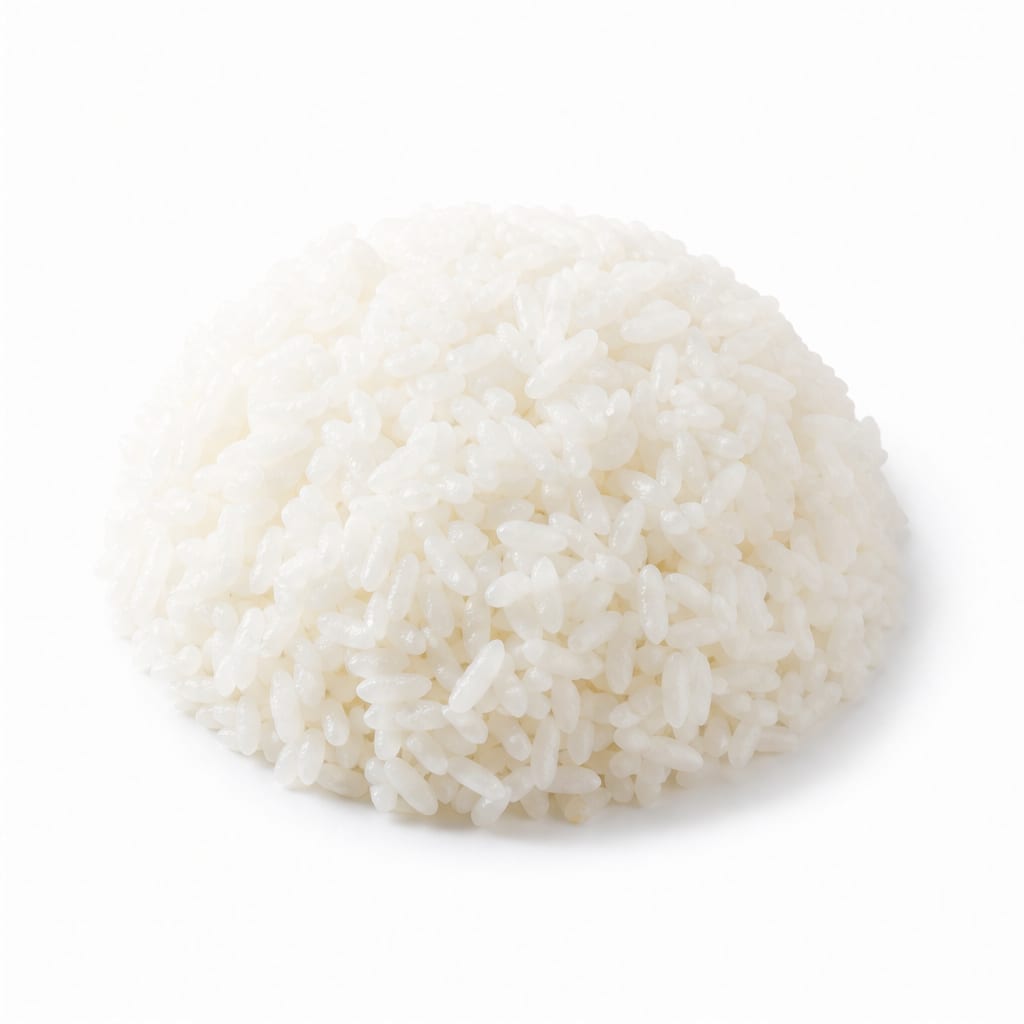
Compare with
White Rice
White rice is stripped of bran, lower in fiber, and higher in glycemic index.
Red rice provides more fiber and antioxidants than white rice, while white rice digests faster for quick post-workout energy.
This food
Red Rice
VS90% alike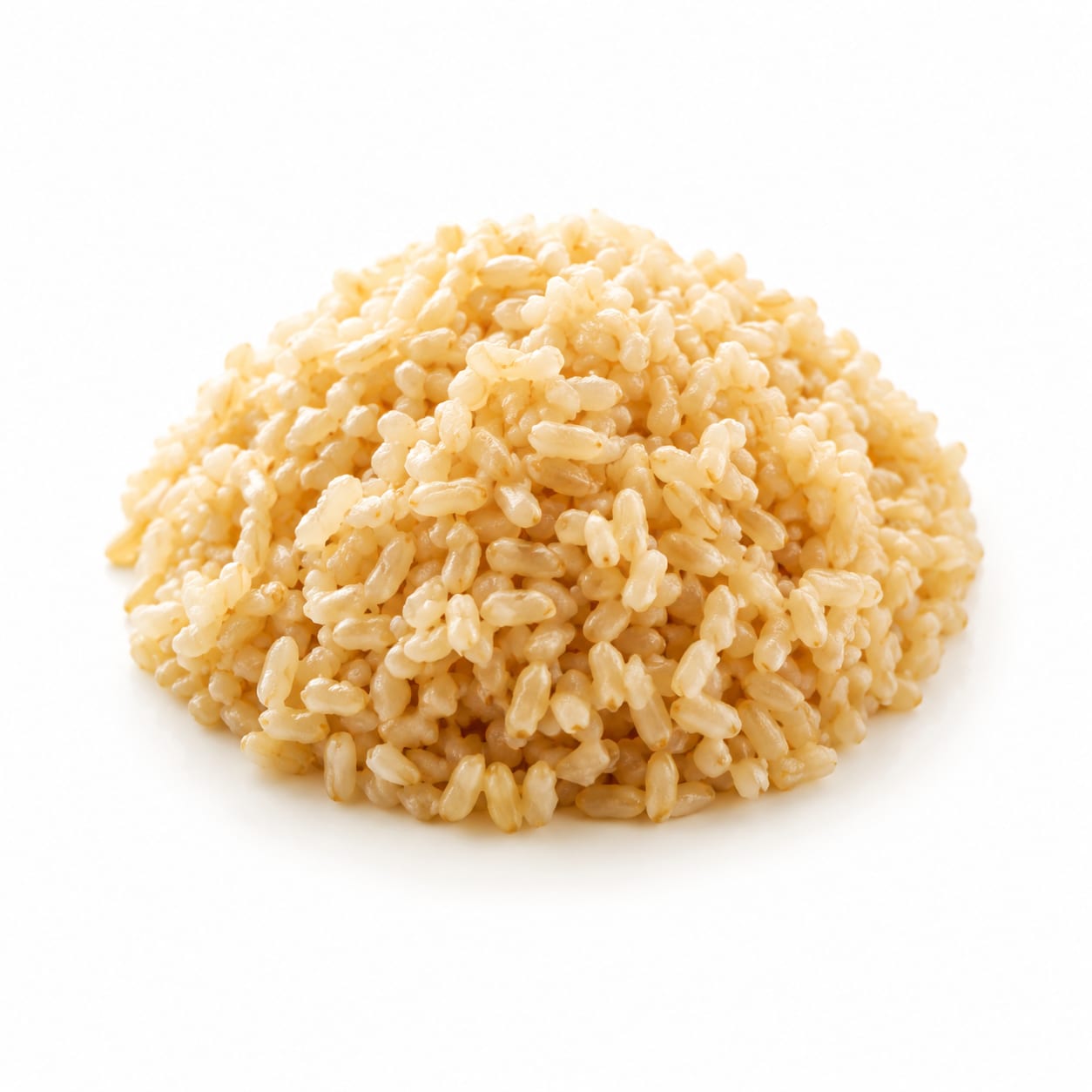
Compare with
Brown Rice
Both retain bran, but red rice offers anthocyanins while brown rice has slightly more selenium.
Red and brown rice are nutritionally similar whole grains, but red rice provides extra antioxidants from anthocyanins.
This food
Red Rice
VS95% alike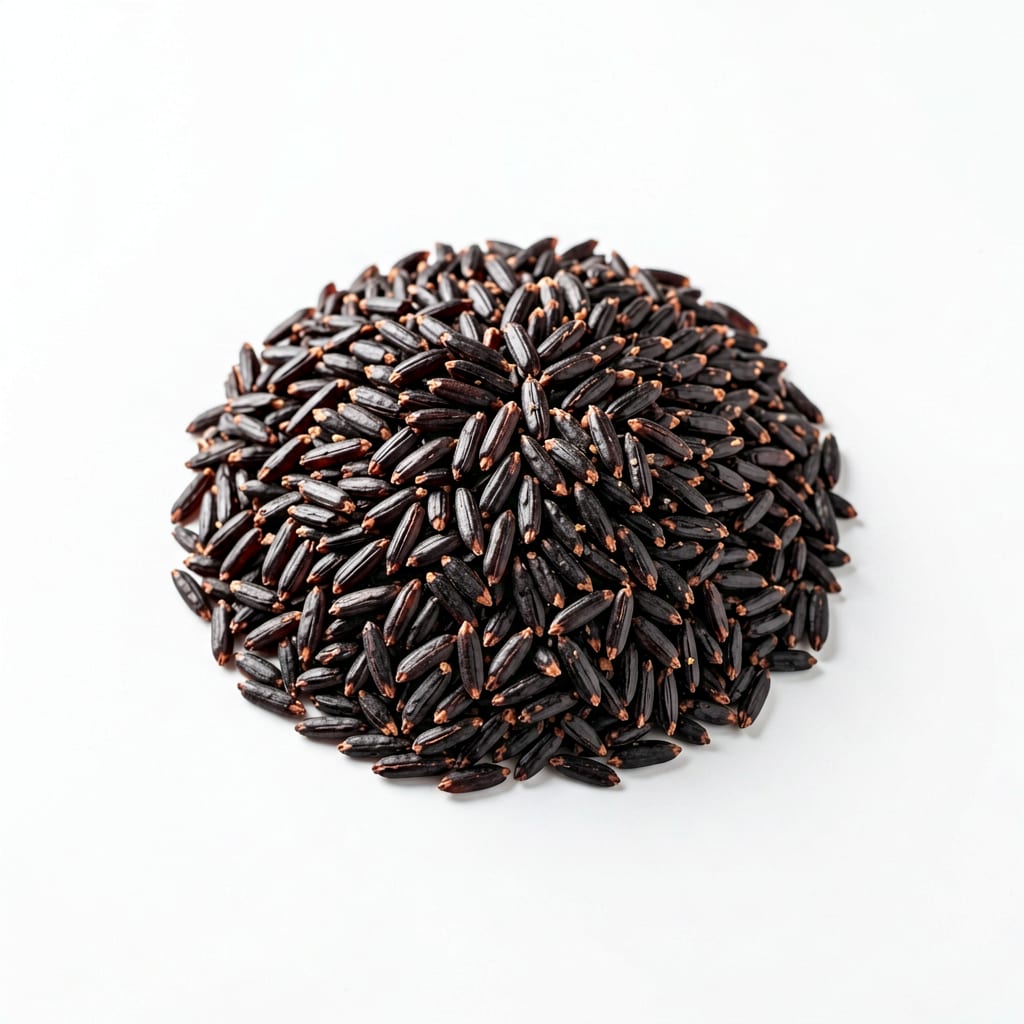
Compare with
Black Rice
Black rice has the highest anthocyanin content, while red rice is slightly more accessible and often cheaper.
Black rice edges out red rice with higher antioxidant levels, but both are excellent high-fiber whole grains.
This food
Red Rice
VS75% alike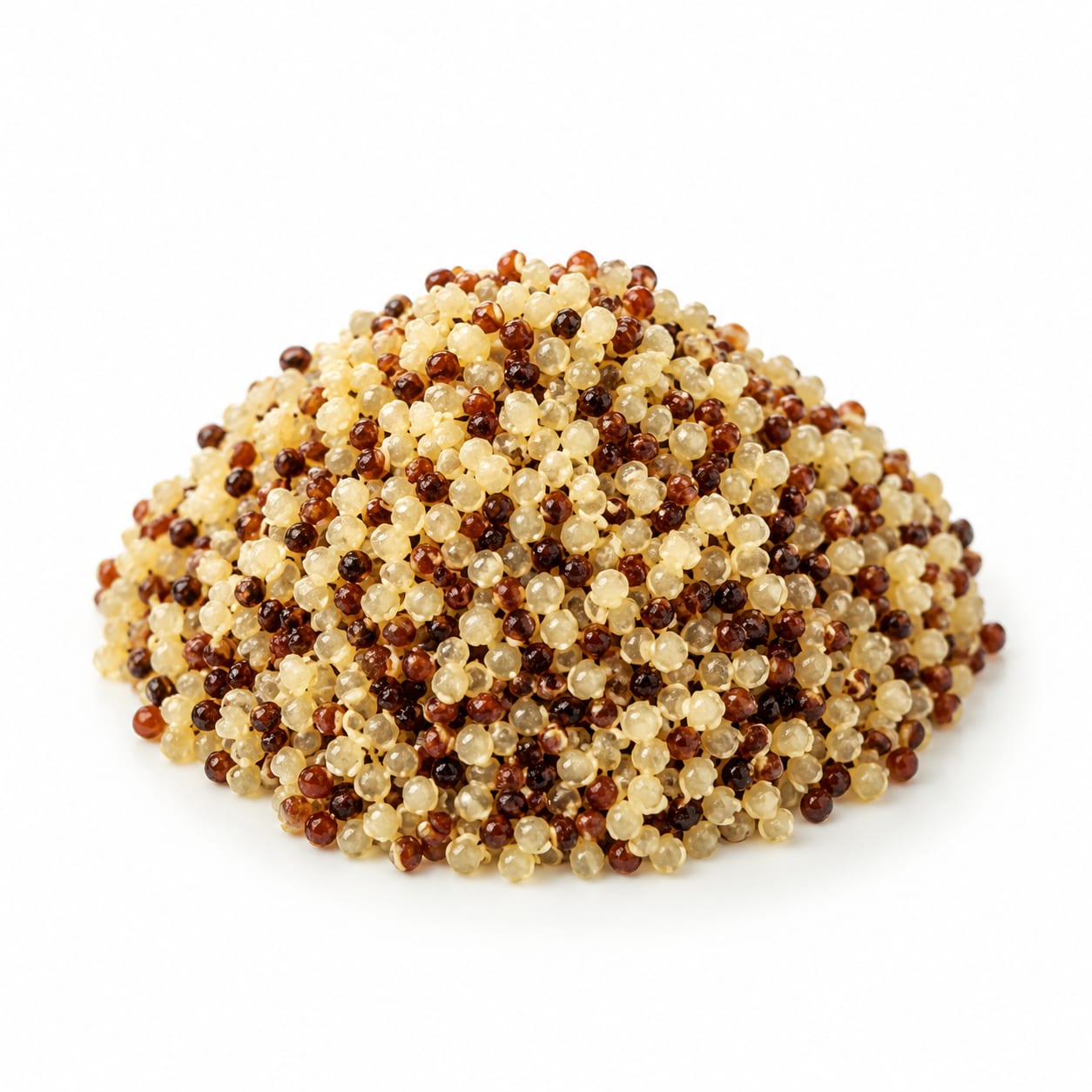
Compare with
Quinoa
Quinoa is a complete protein, while red rice is lower in protein but offers different antioxidants.
Quinoa provides more protein and all essential amino acids, while red rice offers a chewier texture and unique antioxidants.
This food
Red Rice
VS70% alike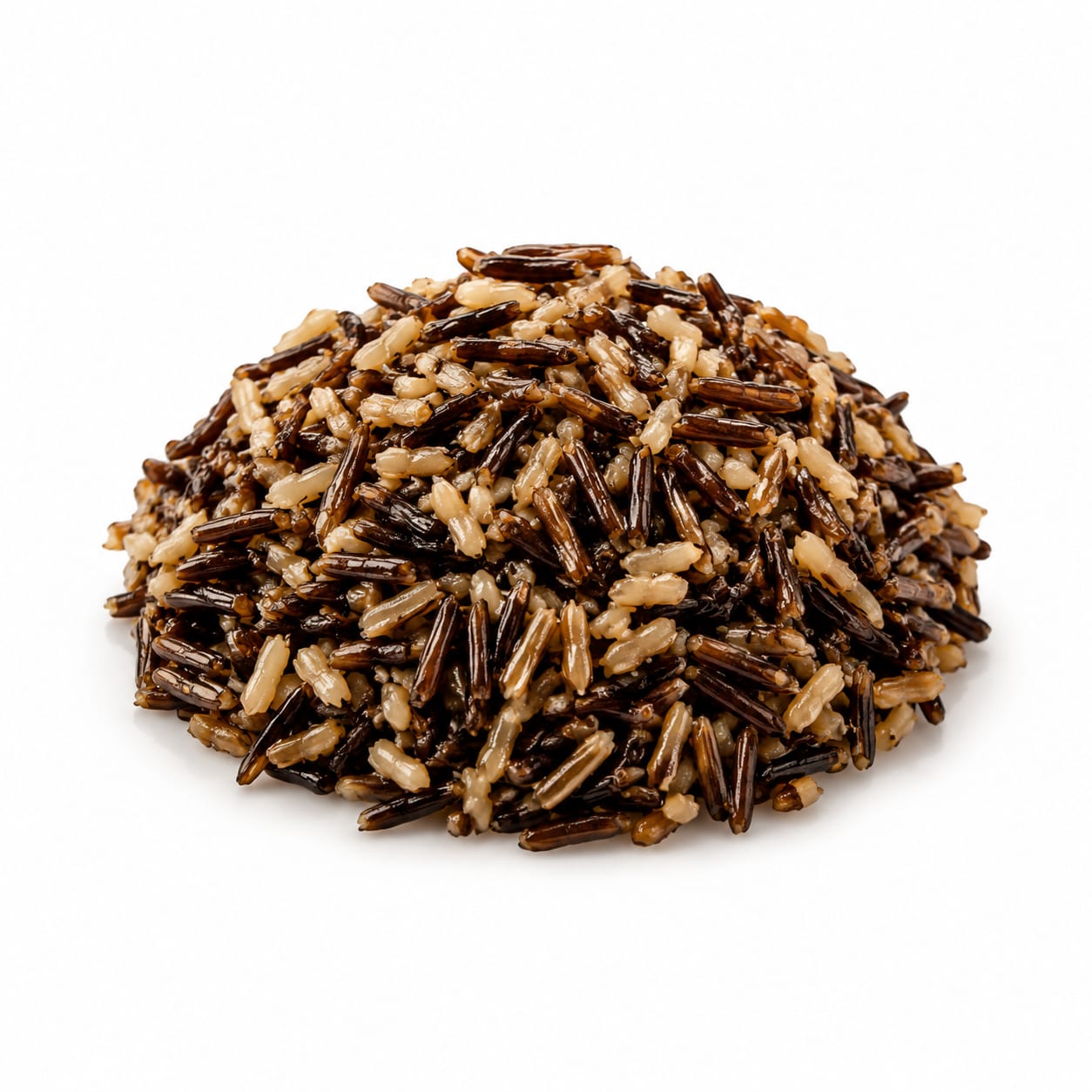
Compare with
Wild Rice
Wild rice is lower in calories and higher in protein than red rice.
Wild rice is lower in calories and higher in protein than red rice, making it slightly better for weight loss and muscle maintenance.
This food
Red Rice
VS80% alike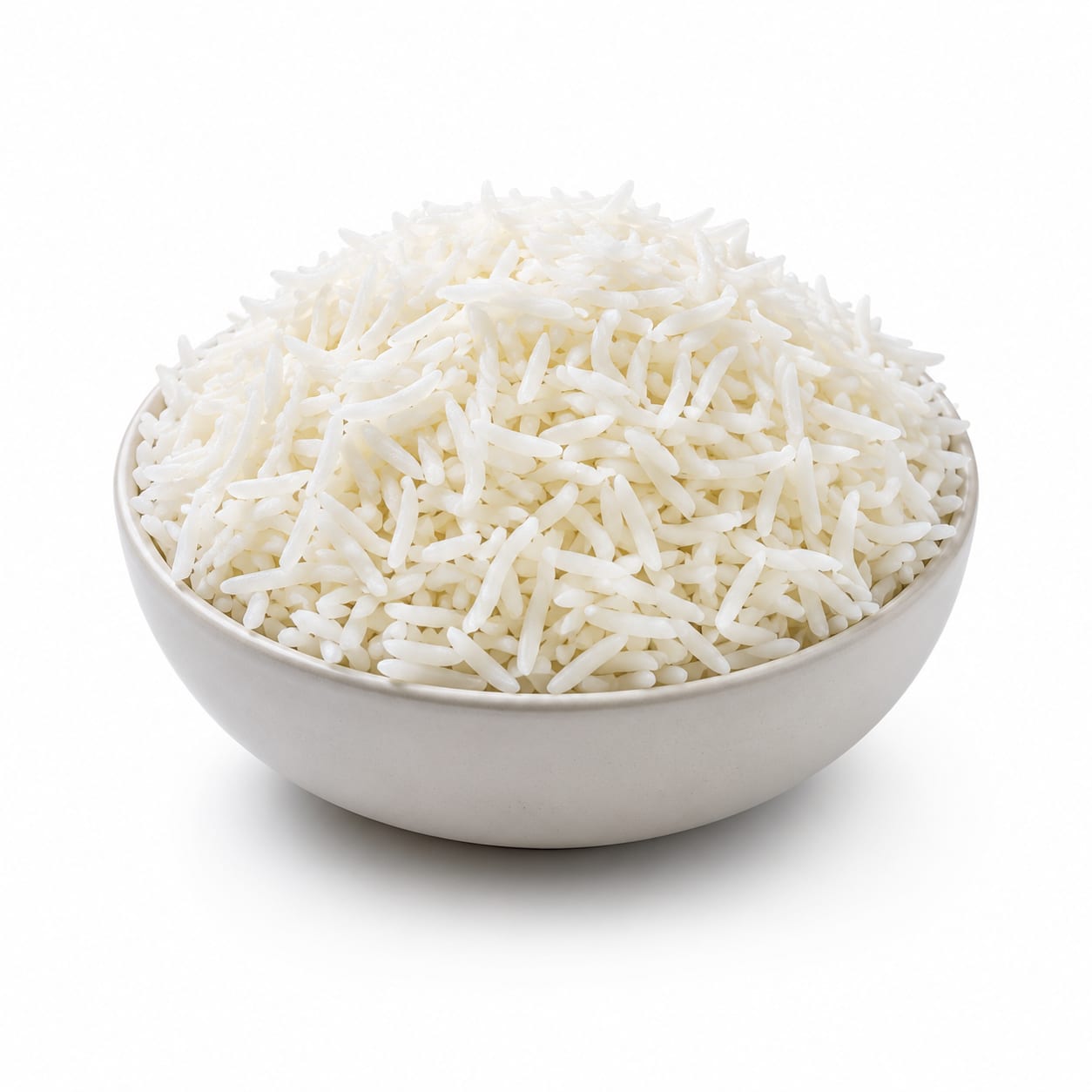
Compare with
Basmati Rice
White basmati lacks the fiber of red rice, though it has a lower GI than standard white rice.
Red rice is richer in fiber and nutrients than white basmati, though basmati digests faster for quick energy.
This food
Red Rice
VS80% alike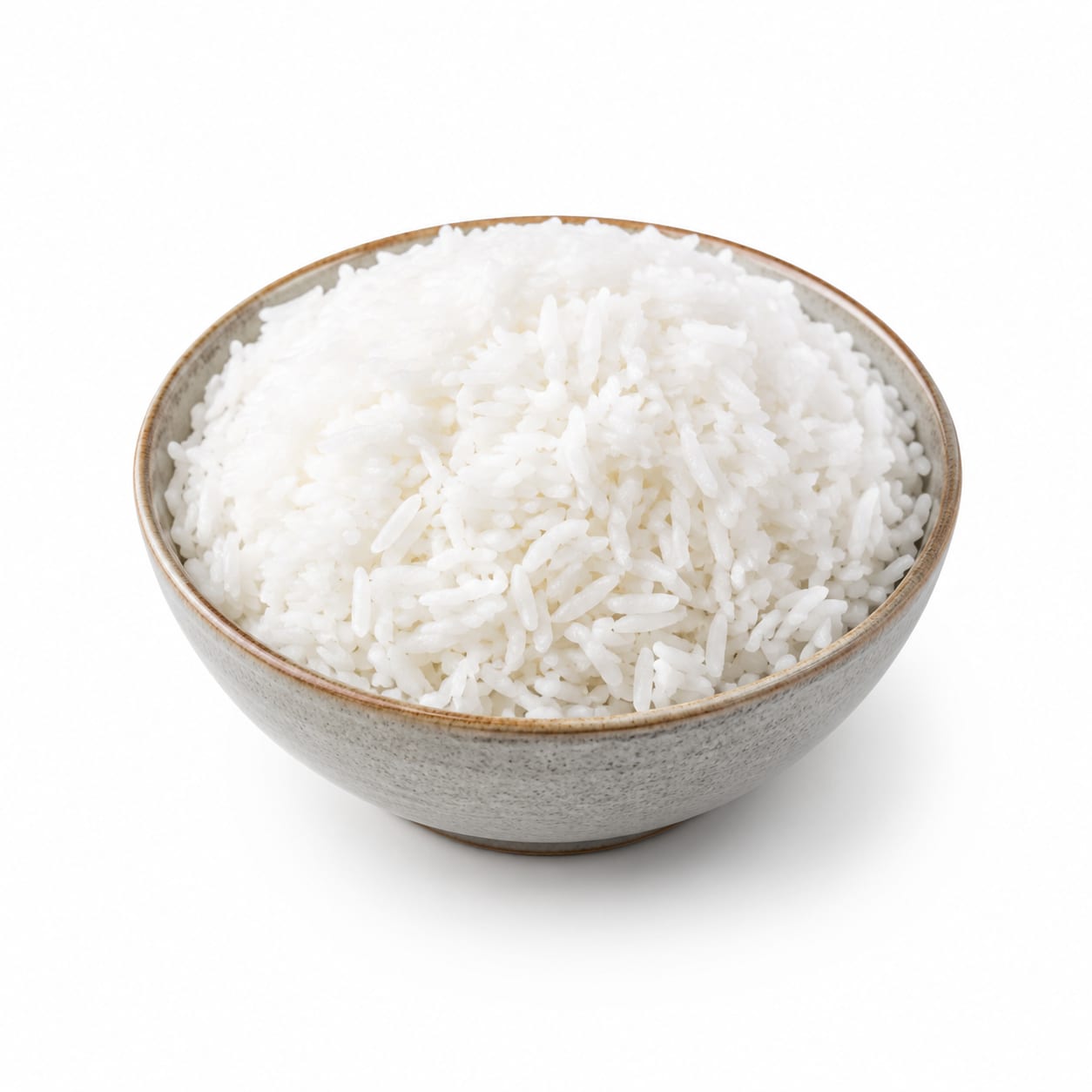
Compare with
Jasmine Rice
Jasmine rice is high glycemic and low fiber, while red rice is moderate glycemic and high fiber.
Red rice is vastly superior to jasmine rice for blood sugar control and satiety due to its intact bran layer.
This food
Red Rice
VS65% alike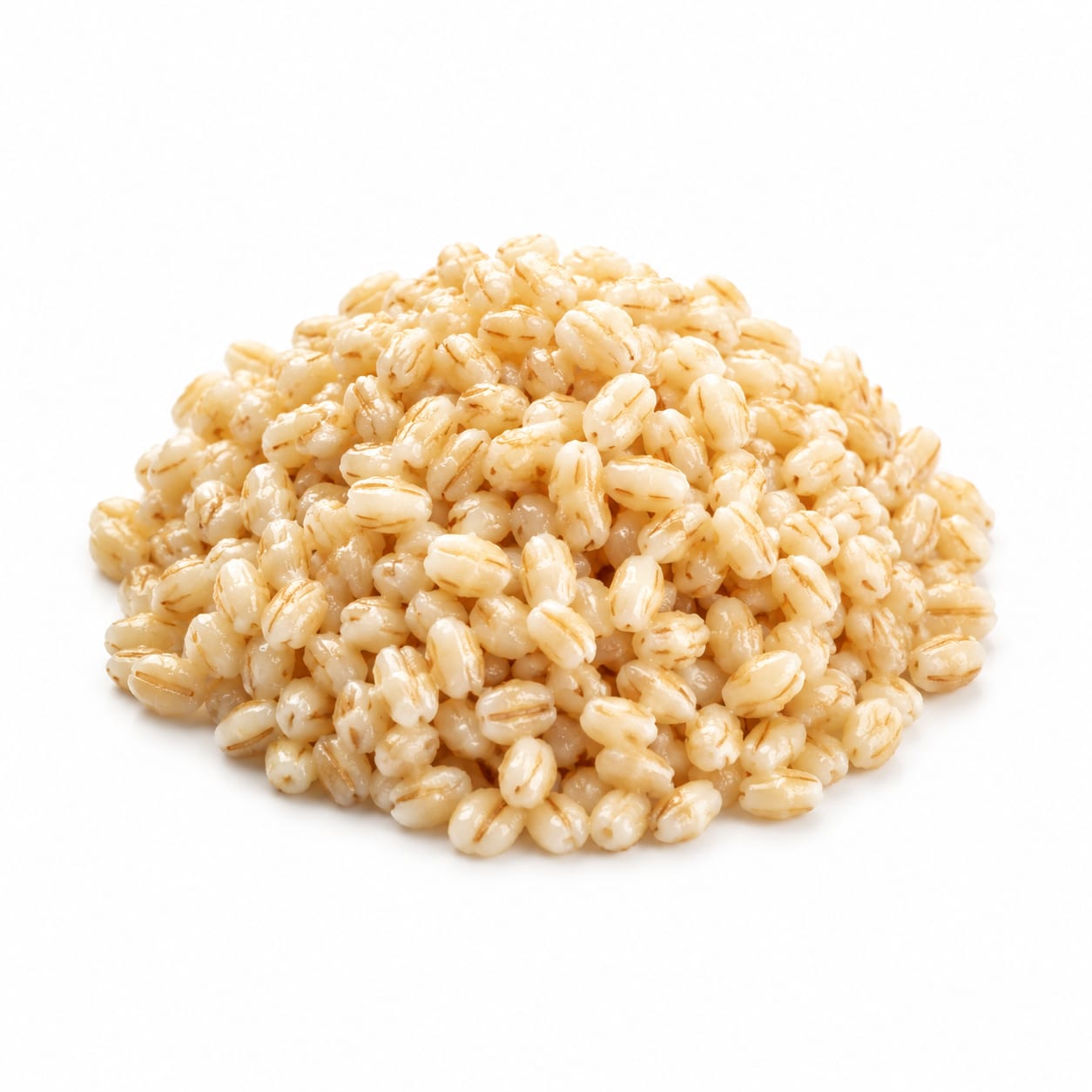
Compare with
Barley
Barley contains more soluble fiber (beta-glucan) which is specifically beneficial for cholesterol.
Barley beats red rice for heart health and blood sugar due to high beta-glucan, but red rice is gluten-free.
This food
Red Rice
VS70% alike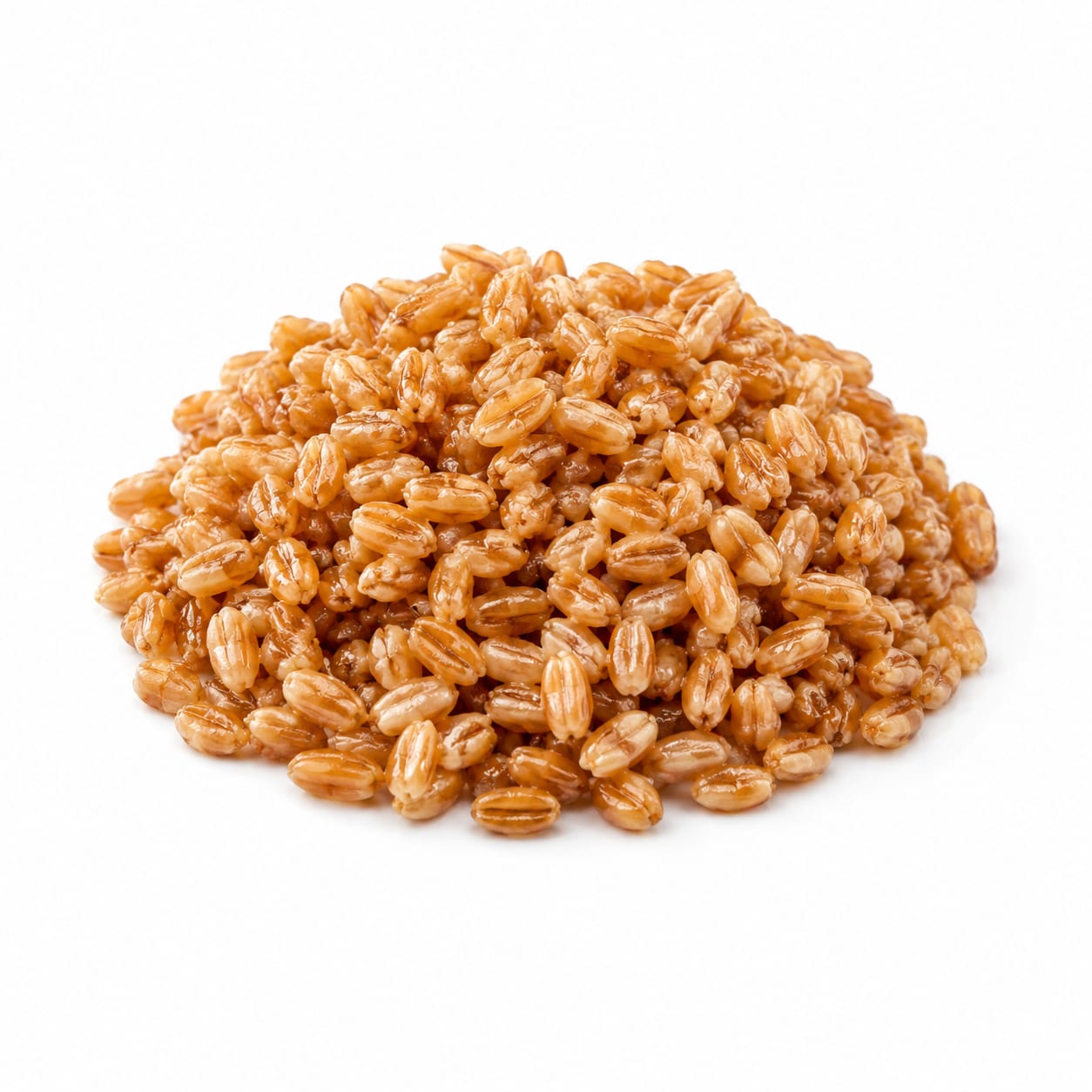
Compare with
Farro
Farro contains more protein but has gluten, while red rice is gluten-free.
Farro provides more protein for muscle support, while red rice is a better gluten-free option for sensitive individuals.
This food
Red Rice
VS40% alike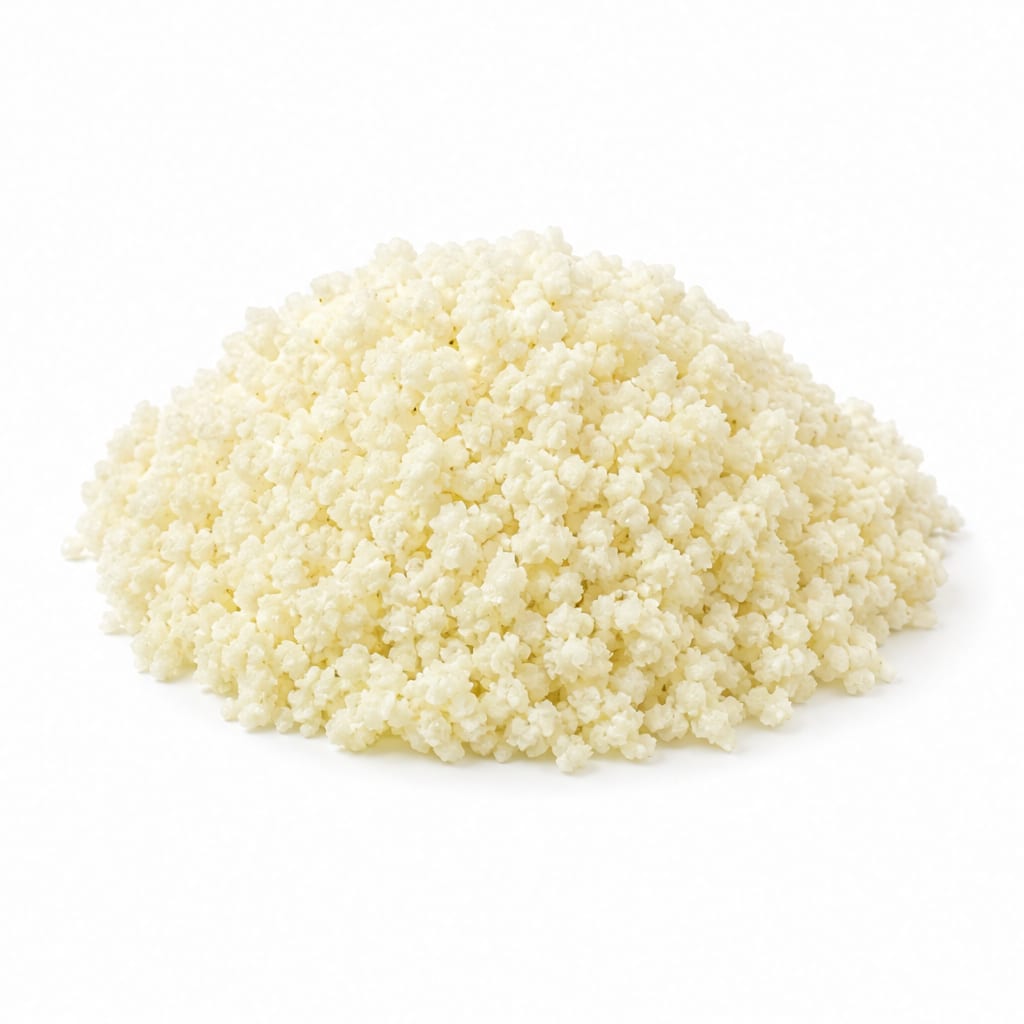
Compare with
Cauliflower Rice
Cauliflower rice is ultra-low in carbs and calories, while red rice provides actual sustained carbohydrate energy.
Cauliflower rice wins for low-carb and low-calorie diets, while red rice wins for endurance energy and actual satiety.
Common questions
FAQ
Answers aligned with how people search for this food.
Is red rice good for weight loss?
Yes, its high fiber content increases satiety and slows digestion, helping control appetite, though portion sizes should be managed due to its calorie density.
Can diabetics eat red rice?
Yes, red rice has a lower glycemic index than white rice, resulting in a slower and steadier release of glucose into the bloodstream.
Which is healthier, red rice or brown rice?
Both are healthy whole grains, but red rice contains anthocyanins which offer extra antioxidant benefits, while brown rice has slightly more manganese and selenium.
Does red rice contain arsenic?
Like all rice, red rice can contain arsenic. Rinsing it well and cooking it in excess water can significantly reduce arsenic levels.
Is red rice a whole grain?
Yes, red rice is a whole grain because it retains the bran and germ, unlike white rice which has been milled and polished.
What does red rice taste like?
Red rice has a nutty, earthy flavor and a chewy texture compared to the softer, milder taste of white rice.
How long does red rice take to cook?
Red rice typically takes 30 to 40 minutes to cook on the stovetop, longer than white rice but similar to brown rice.
Can I eat red rice on a low carb diet?
No, red rice is high in carbohydrates and is not suitable for strict low-carb or ketogenic diets.
Transparency
Data confidence
Estimated confidence for nutrition data, interpretation, safety notes, and comparisons.
Nutrition data
Health analysis
Food safety
Comparisons