
Nutrition comparison
Red Rice vs Cauliflower Rice: Which Is Better for Your Goals?
Compare Red Rice and Cauliflower Rice on calories, carbs, blood sugar impact, and satiety. Find out which rice alternative fits your weight loss, diabetes, or athletic performance goals.
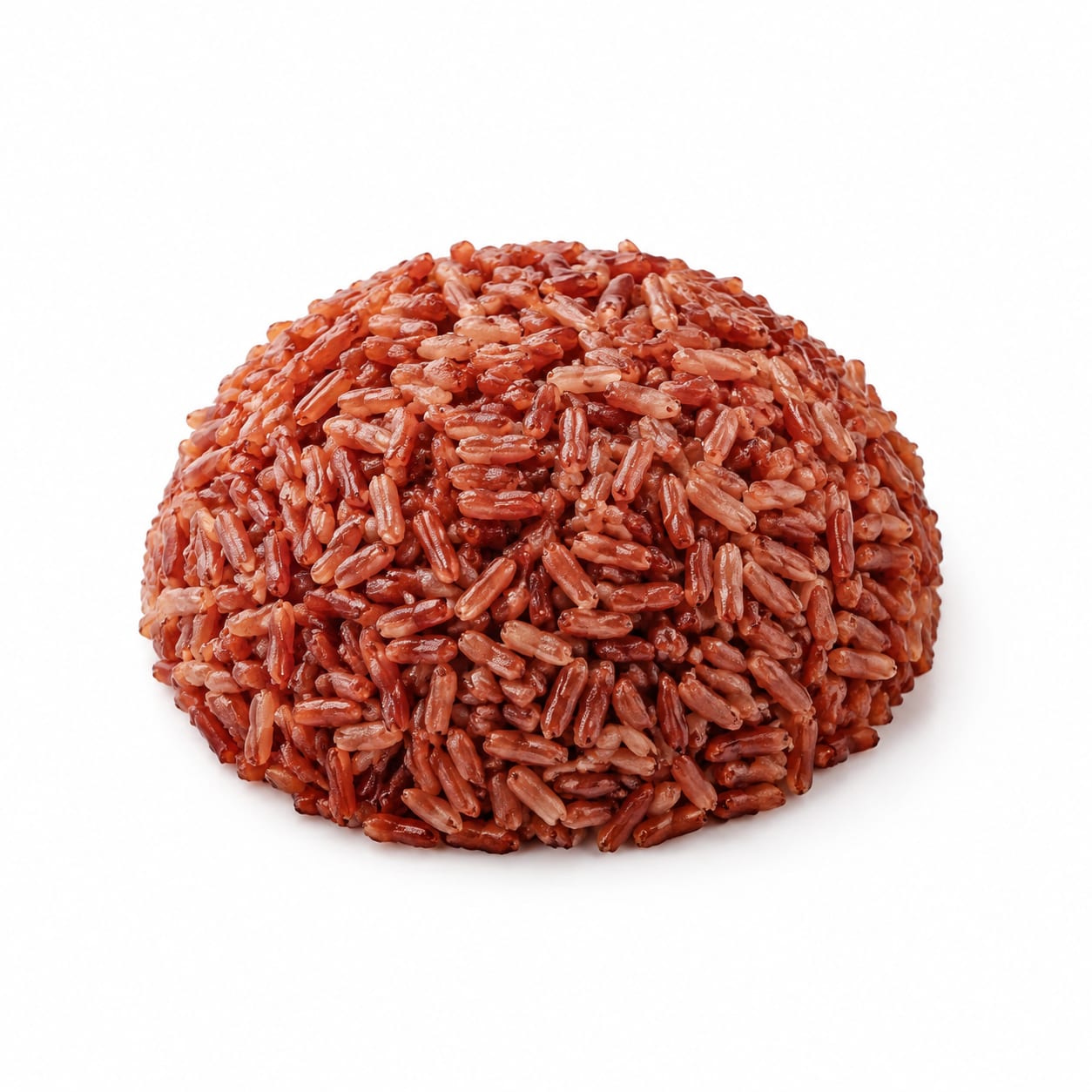
Red Rice
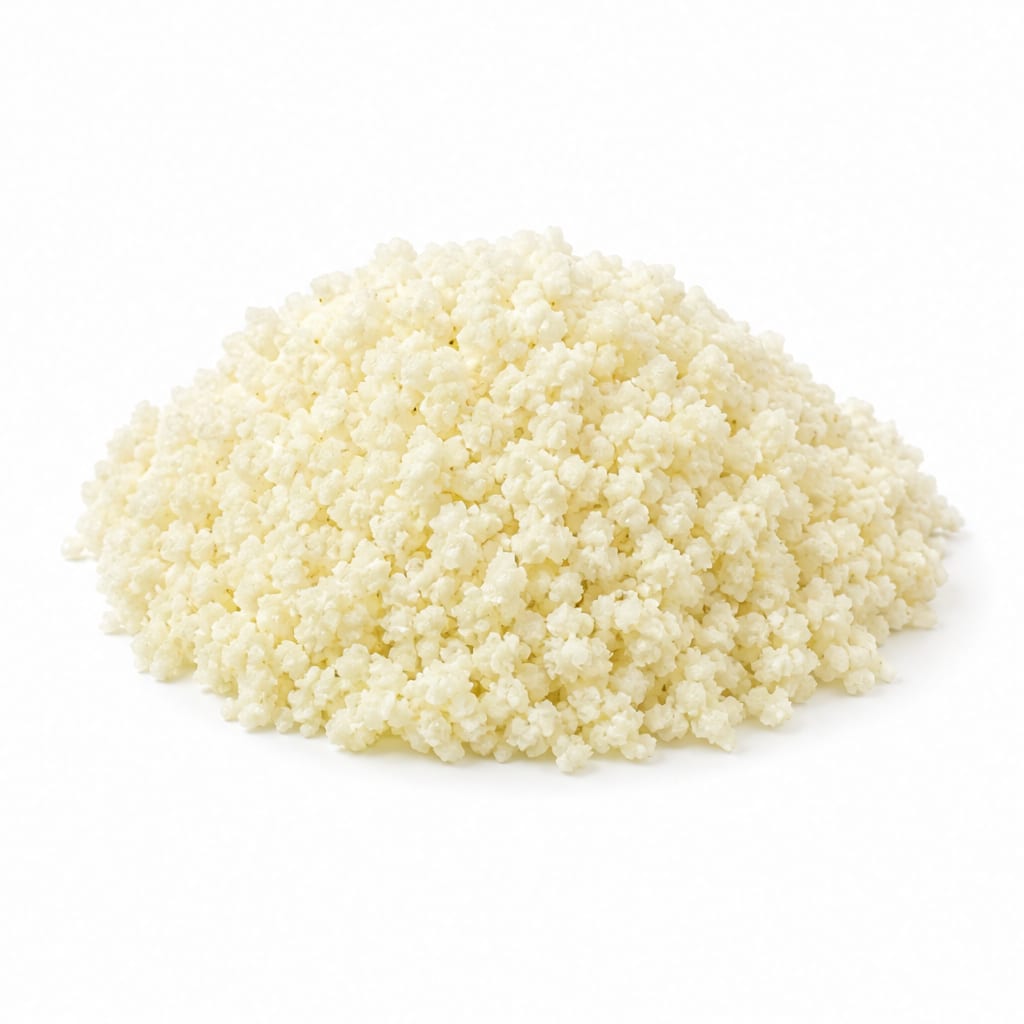
Cauliflower Rice
Red Rice nourishes and satisfies; Cauliflower Rice trims calories and carbs. Your goals decide the winner.
Cauliflower Rice edges ahead slightly due to versatility across dietary approaches and lower health risk profile, but Red Rice wins on nourishment and satisfaction. Neither dominates universally.
Sustained energy and fullness from Red Rice versus dramatically lower calories and carbs from Cauliflower Rice
At a glance
Executive summary
Overall
It depends
Healthier
It depends
More practical
Cauliflower Rice
Daily use
It depends
Key comparison lenses
low carb vs whole grain decision
This is the core tension: Red Rice offers sustained complex carbs while Cauliflower Rice provides a near-zero carb alternative
weight loss calorie strategy
Users comparing these foods are almost always managing calorie intake and need to understand the satiety-vs-calories tradeoff
blood sugar management
Carb content difference makes this critical for anyone monitoring glucose or insulin response
meal satiety and satisfaction
Red Rice fills you up longer; Cauliflower Rice leaves you hungry sooner unless paired with fat and protein
nutrient density comparison
Both offer different micronutrient profiles that matter for long-term health
Best choice for
Red Rice
- Athletes needing sustained carb fuel
- People wanting long-lasting fullness from meals
- Anyone recovering from illness needing nourishment
- Those who find low-carb diets unsustainable
- Active individuals with high energy expenditure
Cauliflower Rice
- People tracking calories for weight loss
- Anyone managing diabetes or insulin resistance
- Keto and very-low-carb dieters
- Those wanting to increase vegetable volume
- People who feel heavy after grain-based meals
Least suitable for
Red Rice
- Anyone on a strict keto diet
- People with severe blood sugar spikes after carbs
- Those needing very low calorie meals
- Sedentary individuals watching carb intake closely
Cauliflower Rice
- Athletes needing carb fuel for performance
- Underweight individuals needing calorie density
- People who feel unsatisfied without starch
- Anyone prone to overeating later after unsatisfying meals
Deep comparison
Dimension by dimension
Each lens scores both foods and breaks down who each option suits.
- Dimension 1 · Priority 95Cauliflower Rice
calorie_efficiency
Red Rice · 35Cauliflower Rice · 95Cauliflower Rice delivers massive volume for minimal calories, making it the clear choice for calorie-conscious eating.
Tradeoff
You save calories but may feel hungry sooner, risking overeating later in the day
Why it matters
For weight loss, calorie density often determines whether you can stick with a plan long-term
Real-world impact
A cup of Red Rice costs roughly 215 calories; Cauliflower Rice costs about 25. That 190-calorie gap per meal adds up fast over a week.
Red Rice
- Maintaining weight during high activity periods
- Avoiding the rebound hunger that leads to snacking
Better for
- Anyone counting calories carefully
Worse for
Cauliflower Rice
- Creating a calorie deficit without shrinking portion size
- Fitting more food volume onto your plate
Better for
- Meals where you need lasting energy for hours afterward
Worse for
- Dimension 2 · Priority 90Cauliflower Rice
blood_sugar_stability
Red Rice · 45Cauliflower Rice · 92Cauliflower Rice barely moves blood sugar. Red Rice, while better than white rice, still delivers a significant carb load.
Tradeoff
Red Rice provides steady energy for active people but can spike glucose in sedentary or insulin-resistant individuals
Why it matters
Post-meal energy crashes and cravings are directly tied to blood sugar response
Real-world impact
If you sit at a desk after lunch, Red Rice may leave you sluggish by 2pm. Cauliflower Rice keeps glucose flat, avoiding that crash.
Red Rice
- Pre-workout or post-workout carb replenishment
- Active days when your body actually uses the glucose
Better for
- Late-night eating
- People with HbA1c concerns
Worse for
Cauliflower Rice
- Sedentary workdays with minimal movement
- Insulin resistance or prediabetes management
- Evening meals when carb tolerance is lower
Better for
- Pre-endurance training when you need carb fuel
Worse for
- Dimension 3 · Priority 85Red Rice
satiety_and_fullness
Red Rice · 82Cauliflower Rice · 40Red Rice keeps you full for hours. Cauliflower Rice digests quickly and leaves you reaching for snacks.
Tradeoff
Fullness from Red Rice comes with more calories; Cauliflower Rice saves calories but requires strategic pairing with protein and fat to satisfy
Why it matters
Meals that do not satisfy lead to compensatory eating, often negating the calorie savings
Real-world impact
Eating Cauliflower Rice alone at lunch often means you are hungry again by 3pm. Red Rice with the same toppings easily carries you to dinner.
Red Rice
- People who skip snacks between meals
- Anyone who feels constantly hungry on low-carb plans
Better for
- Anyone who feels overly full and sluggish after carb-heavy meals
Worse for
Cauliflower Rice
- Those who prefer grazing and small meals throughout the day
- People who naturally eat protein-heavy mains and want a light base
Better for
- Emotional eaters who need meals to feel genuinely satisfying
Worse for
- Dimension 4 · Priority 75It depends
micronutrient_profile
Red Rice · 70Cauliflower Rice · 72Red Rice brings iron, manganese, and anthocyanins. Cauliflower Rice brings vitamin C, vitamin K, and folate. Different strengths.
Tradeoff
Red Rice supports energy metabolism and antioxidant defense; Cauliflower Rice supports immune function and detoxification pathways
Why it matters
Micronutrient diversity matters more than absolute amounts when both foods contribute different compounds
Real-world impact
If your diet already lacks vitamin C and K, Cauliflower Rice fills that gap. If you need iron and trace minerals, Red Rice delivers.
Red Rice
- Iron-deficient individuals
- People wanting antioxidant variety from anthocyanins
Better for
- Those relying on it as their primary vegetable source
Worse for
Cauliflower Rice
- Anyone low on vitamin C or K
- Pregnant women needing extra folate
Better for
- People needing significant mineral intake from their carb source
Worse for
- Dimension 5 · Priority 70Cauliflower Rice
convenience_and_practicality
Red Rice · 40Cauliflower Rice · 80Cauliflower Rice cooks in minutes or comes pre-riced. Red Rice takes 30-45 minutes and requires planning.
Tradeoff
Pre-riced Cauliflower Rice is more convenient but often more processed and packaged; Red Rice takes time but is simpler in ingredients
Why it matters
The food you can actually make on a busy Tuesday wins over the theoretically superior option
Real-world impact
After a long workday, Red Rice feels like effort. Cauliflower Rice is ready before you finish setting the table.
Red Rice
- Meal prep Sundays when you cook in batches
- Anyone who values minimal ingredient lists over speed
Better for
- Spontaneous cooking without prep time
Worse for
Cauliflower Rice
- Weeknight dinners when time is tight
- Quick lunch assembly between meetings
Better for
- Anyone avoiding pre-packaged or bagged produce
Worse for
- Dimension 6 · Priority 65It depends
digestive_tolerance
Red Rice · 65Cauliflower Rice · 60Red Rice offers gentle fiber that feeds gut bacteria. Cauliflower Rice contains FODMAPs that bother some people.
Tradeoff
Red Rice is usually easier on sensitive stomachs; Cauliflower Rice can cause bloating in FODMAP-sensitive individuals
Why it matters
A healthy food that causes discomfort is not healthy for you personally
Real-world impact
If you feel gassy and bloated after Cauliflower Rice, the calorie savings are not worth the discomfort. Red Rice is usually better tolerated.
Red Rice
- IBS or FODMAP-sensitive individuals
- People prone to bloating from cruciferous vegetables
Better for
- Anyone on a low-fiber temporary diet post-surgery
Worse for
Cauliflower Rice
- Those with no cruciferous sensitivity
- People needing extra vegetable fiber variety
Better for
- People with known cauliflower or cruciferous intolerance
Worse for
Timeline
Health impact over time
Short-term
Hours to days
Red Rice
- Provides sustained energy for 3-4 hours after eating
- May cause mild drowsiness in sedentary individuals after larger portions
- Supports stable mood through steady glucose release
Cauliflower Rice
- Minimal blood sugar impact, keeping energy flat and steady
- Can cause bloating or gas in sensitive individuals, especially with larger portions
- Leaves room on the plate for more protein and healthy fats
Long-term
Months to years
Red Rice
- Regular whole grain intake linked to lower cardiovascular risk
- Anthocyanins from the red bran layer support cellular aging defense
- Consistent carb intake supports thyroid and hormonal function in active people
Cauliflower Rice
- Low calorie density supports sustainable weight management over years
- Cruciferous vegetable compounds support detoxification and cellular health
- Very low carb intake long-term may affect thyroid or energy in some people if not balanced
Risk profile
Safety & processing
Both foods score well on naturalness. Red Rice is a whole grain with bran intact. Cauliflower Rice is simply grated cauliflower, though pre-packaged versions may include preservatives or undergo more handling. If you buy a head of cauliflower and rice it yourself, both foods are essentially unprocessed.
Red Rice
arsenic_contamination
mediumRice accumulates more arsenic than other grains. Red Rice, like all rice, should be rinsed thoroughly and sourced from low-arsenic regions. Vary your grains to reduce exposure.
pesticide_residue
lowConventionally grown rice may carry pesticide residues. Choosing organic Red Rice reduces this concern significantly.
Cauliflower Rice
bacterial_contamination_in_pre_riced
mediumPre-riced cauliflower has more surface area exposed to air and handling, increasing listeria and E. coli risk. Use by the date and do not eat raw if immunocompromised.
pesticide_residue
mediumCauliflower is on the EWG's moderate pesticide concern list. The textured surface traps residues. Buying organic or washing thoroughly helps.
Who wins for whom
Audience fit
Same foods, different winners depending on your goal.
children
Red RiceGrowing kids need calorie density and complex carbs for energy and development. Cauliflower Rice is too low in calories to serve as a staple base for children.
daily consumption
It dependsActive people benefit from Red Rice daily. Sedentary or carb-sensitive people benefit from Cauliflower Rice. Alternating both throughout the week is ideal.
diabetes
Cauliflower RiceNear-zero carbs mean near-zero glucose impact. Red Rice is the best rice choice, but Cauliflower Rice eliminates the carb concern entirely.
elderly
It dependsCauliflower Rice helps with calorie control and adds vegetable nutrients, but Red Rice provides easier digestion and iron support for those with diminished appetite.
muscle gain
Red RiceBuilding muscle requires carb fuel for training and recovery. Red Rice provides the glycogen-replenishing carbs that Cauliflower Rice simply cannot deliver.
weight loss
Cauliflower RiceCauliflower Rice lets you eat a full plate of food for a fraction of the calories, making it easier to sustain a deficit without feeling deprived of volume.
Your move
Decision guide
Choose Red Rice
- You exercise regularly and need carb fuel for performance
- You feel unsatisfied and hungry on low-carb meals
- You want a whole grain that actually fills you up for hours
- You are at a healthy weight and do not need to restrict calories
- You are cooking for a family that needs nourishing, satisfying meals
Choose Cauliflower Rice
- You are actively losing weight and tracking calories
- You have diabetes, prediabetes, or insulin resistance
- You follow a keto or very-low-carb eating approach
- You want to increase your daily vegetable intake effortlessly
- You feel heavy and sluggish after grain-based meals
Either works if
- You want variety in your weekly meal rotation
- You are at maintenance weight and eat balanced meals overall
- You pair your rice base with plenty of protein and vegetables anyway
Avoid both if
- You have a rice allergy or sensitivity
- You have a cruciferous vegetable intolerance and need low-FODMAP options
- You need a grain-free and nightshade-free protocol
Final recommendation
Use both strategically. Red Rice on active days and around workouts. Cauliflower Rice on rest days and lighter meals. This gives you the nourishment of whole grains and the calorie control of vegetables without having to choose sides. The best diet includes both, rotated based on what your body needs that day.
Practical
Consumer tips
- 1
Rinse Red Rice thoroughly before cooking to reduce arsenic levels by up to 30%
- 2
Make Cauliflower Rice from a fresh head instead of buying pre-riced bags to save money and reduce contamination risk
- 3
Cook Red Rice in batches and refrigerate — it reheats well and saves you time on busy days
- 4
If Cauliflower Rice leaves you hungry, toss it with olive oil and pair with a protein — fat and protein fix the satiety gap
- 5
Try mixing half Red Rice and half Cauliflower Rice for a compromise: fewer carbs, more fiber, and better texture than either alone
- 6
Soak Red Rice for 2 hours before cooking to reduce cooking time and improve digestibility
- 7
If pre-packaged Cauliflower Rice smells sulfurous, it may be past peak freshness — always check the date